Some attractions are so familiar that travelers start doubting them before they arrive. The photos are everywhere, the names show up on every first-timer itinerary, and the crowds can make the places feel too obvious from a distance.
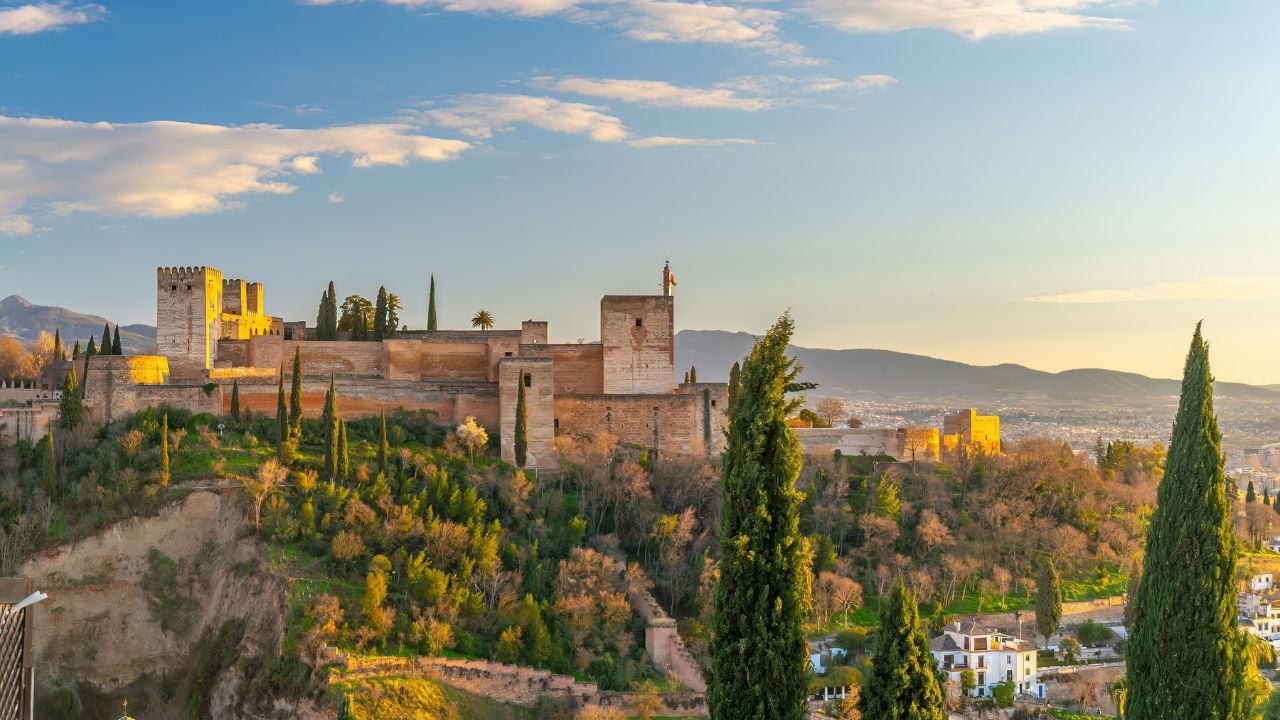
Behind the queues, these landmarks still have real material, history, and texture. The Eiffel Tower is ironwork, rivets, elevators, and 19th-century engineering ambition. Sagrada Família is stone, stained glass, columns, façades, and a construction story that still continues. The Alhambra is plaster, tile, water, gardens, courtyards, fortress walls, and palace rooms above Granada.
The Vatican Museums are corridors, sculpture, maps, tapestries, painted ceilings, papal rooms, and the Sistine Chapel. The Statue of Liberty and Ellis Island are ferry decks, harbor wind, museum rooms, inspection halls, baggage, records, and names. These places still hold up when visitors look closely.
1. Eiffel Tower, Paris

The Eiffel Tower is easy to reduce to a skyline symbol, but the structure is more interesting from below. The legs spread out with a heaviness that disappears in distant photos, and the iron lattice looks less delicate when visitors stand under it and see how much metal is holding the whole thing together.
The official Eiffel Tower history says the monument was connected to the 1889 Exposition Universelle, held for the 100th anniversary of the French Revolution. The first digging work began on January 26, 1887, and the tower was finished on March 31, 1889, after two years, two months, and five days of work.
Up close, the tower feels more industrial than romantic. The rivets, elevators, platforms, stairs, beams, and exposed ironwork show the public engineering statement Paris was making at the end of the 19th century. The familiar outline is only the cleanest version of a much more physical object.
At the base, the tower is heavy and mechanical. Higher up, the iron thins into pattern. Near the top, the same structure that felt massive from the ground becomes part of the Paris skyline.
2. Sagrada Família, Barcelona
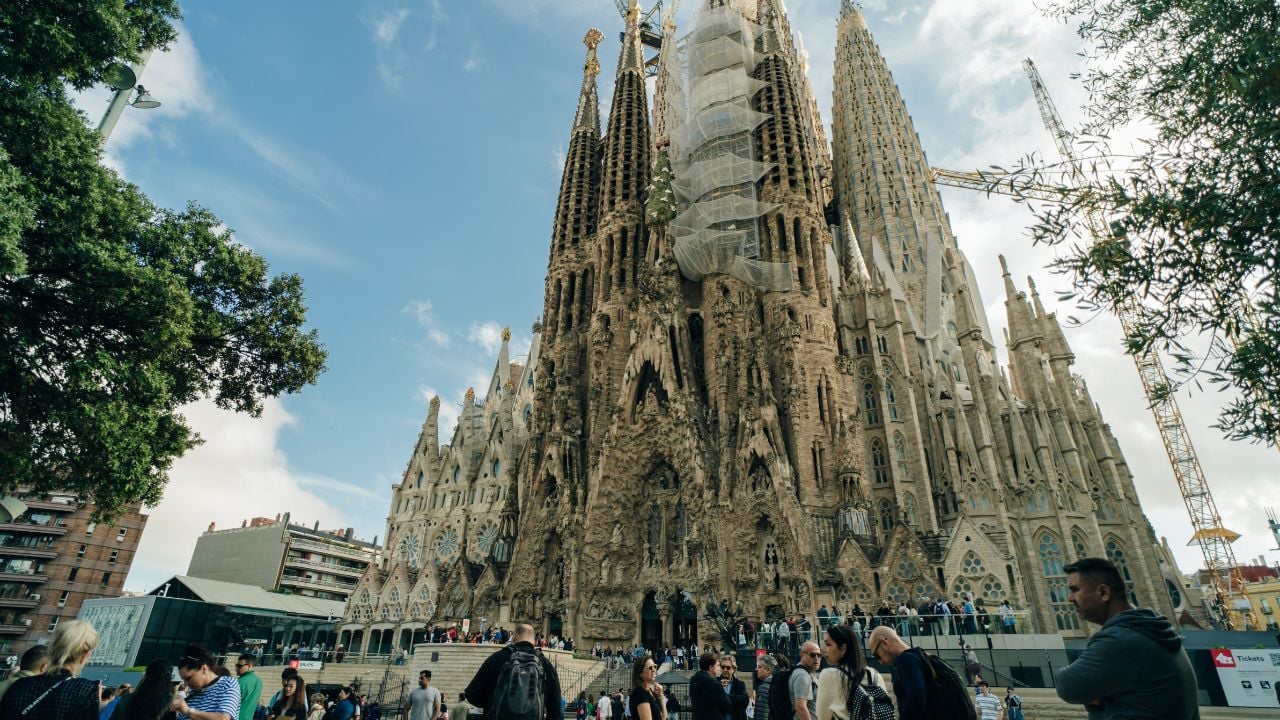
Sagrada Família is famous for being unfinished, but the building is more than a construction timeline. Every surface seems busy: columns branch, façades crowd with figures, stained glass throws colour across the interior, and towers rise with a mix of religious symbolism and structural experiment.
The official Sagrada Família history page describes the basilica as a one-of-a-kind temple, the fruit of Antoni Gaudí’s work, and notes that construction continues more than 140 years after the cornerstone was laid. The official Antoni Gaudí page says he devoted more than 40 years to the temple and spent the last 12 years of his life focused entirely on it.
Inside, the columns lift and split overhead like trunks. The ceiling opens above them, and the stained glass pushes red, orange, blue, and green light across the stone. Outside, the Nativity façade is dense with figures, animals, leaves, and soft organic shapes. The Passion façade is sharper, more severe, and more stripped down.
A quick look from the street misses the materials and structure: stone branches, coloured light, towers, carved figures, and the strange feeling of standing inside a church that is still being made.
3. The Alhambra, Granada

The Alhambra is not only a palace above Granada. It is a complex of rooms, walls, towers, gardens, courtyards, water, shade, and changing views back toward the city. A visit moves from fortress edges to delicate palace interiors, then out again into planted paths and open air.
The official Patronato de la Alhambra history describes the Alhambra as a palace, citadel, fortress, residence of the Nasrid sultans, senior officials, court servants, and elite soldiers. It reached full splendor in the second half of the 14th century under Yusuf I and Muhammad V.
Inside the Nasrid Palaces, carved plaster covers walls and arches. Tilework runs along lower surfaces. Inscriptions wrap around doorways and rooms. Slender columns frame courtyards, still water reflects the architecture, and patterned surfaces keep the eye moving from floor level to ceiling.
The Court of the Lions has its fountain, arcades, columns, and carved surfaces arranged around a quiet central space. The Court of the Myrtles uses water, hedges, white walls, and reflection to stretch the room visually without making it feel large.
In the Generalife, water runs beside paths, hedges frame narrow views, and gardens soften the fortress feeling of the main complex. The Alhambra keeps shifting between stone, water, planting, carved surfaces, towers, rooms, and the city below.
4. Vatican Museums and Sistine Chapel, Vatican City
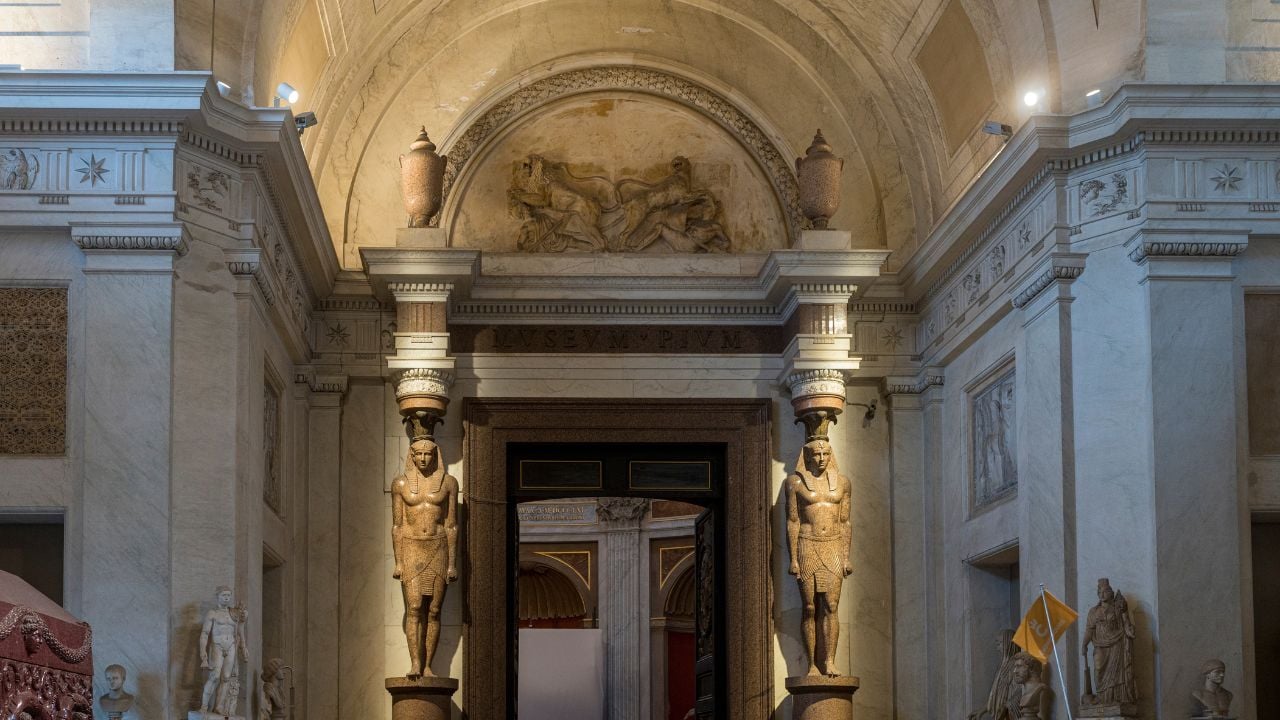
The Vatican Museums can feel overwhelming because the route is not one simple museum visit. It moves through sculpture, painted ceilings, long corridors, tapestries, maps, papal rooms, religious imagery, and crowds pressing toward the Sistine Chapel.
The Vatican Museums official site says the museums conserve the immense collection of art amassed by the popes from the seventeenth century onward. The rooms show that history through ancient statues, ornate ceilings, ceremonial corridors, walls covered with maps, and galleries lined with objects collected through church power and patronage.
The Sistine Chapel is the famous endpoint. The Vatican’s official Sistine Chapel history says the chapel takes its name from Pope Sixtus IV, who had the old Cappella Magna restored between 1477 and 1480. Its wall decoration includes the Stories of Moses, the Stories of Christ, papal portraits, and later Michelangelo’s ceiling and Last Judgment.
Before the chapel, visitors pass marble figures, painted vaults, map-lined walls, tapestries, gold details, crowded passageways, and rooms designed to impress before modern tourism existed. The route moves through centuries of collecting, display, and religious power before the ceiling of the Sistine Chapel pulls everyone’s eyes upward.
5. Statue of Liberty and Ellis Island, New York City
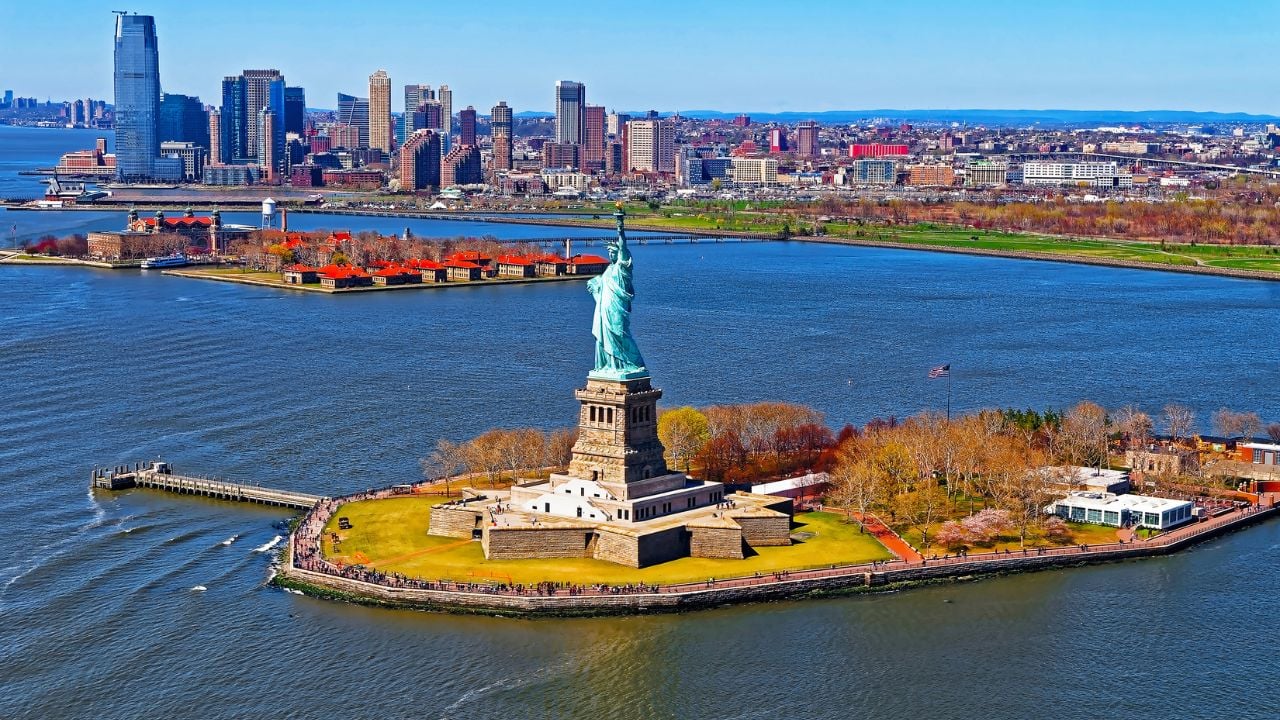
The Statue of Liberty is so familiar that the first surprise is how physical the visit feels. There is the ferry ride, the harbor wind, the skyline behind the water, the green figure rising from the island, and the slow movement of people toward the museum, pedestal, lawns, and railings.
The National Park Service says tickets should be purchased through Statue City Cruises, the only ferry service that brings visitors to Liberty and Ellis Islands. It also says all ferry tickets include the Statue of Liberty Museum and the Ellis Island National Museum of Immigration.
Liberty Island gives the statue open water, skyline, lawns, museum exhibits, and room to stand apart from the city. Ellis Island brings a very different setting: the Main Building, inspection spaces, old photographs, records, baggage, benches, tiled halls, and rooms where people waited for decisions that could change the rest of their lives.
The National Park Service describes the Ellis Island Main Immigration Building as the epicenter of one of the greatest migrations in modern history. Another NPS history page notes that from 1892 to 1924, Ellis Island was America’s largest and most active immigration station, processing more than 12 million immigrants.
The ferry route links the two islands across the harbor. One stop holds the national symbol; the other holds the paperwork, fear, hope, noise, waiting, and family history behind millions of arrivals.