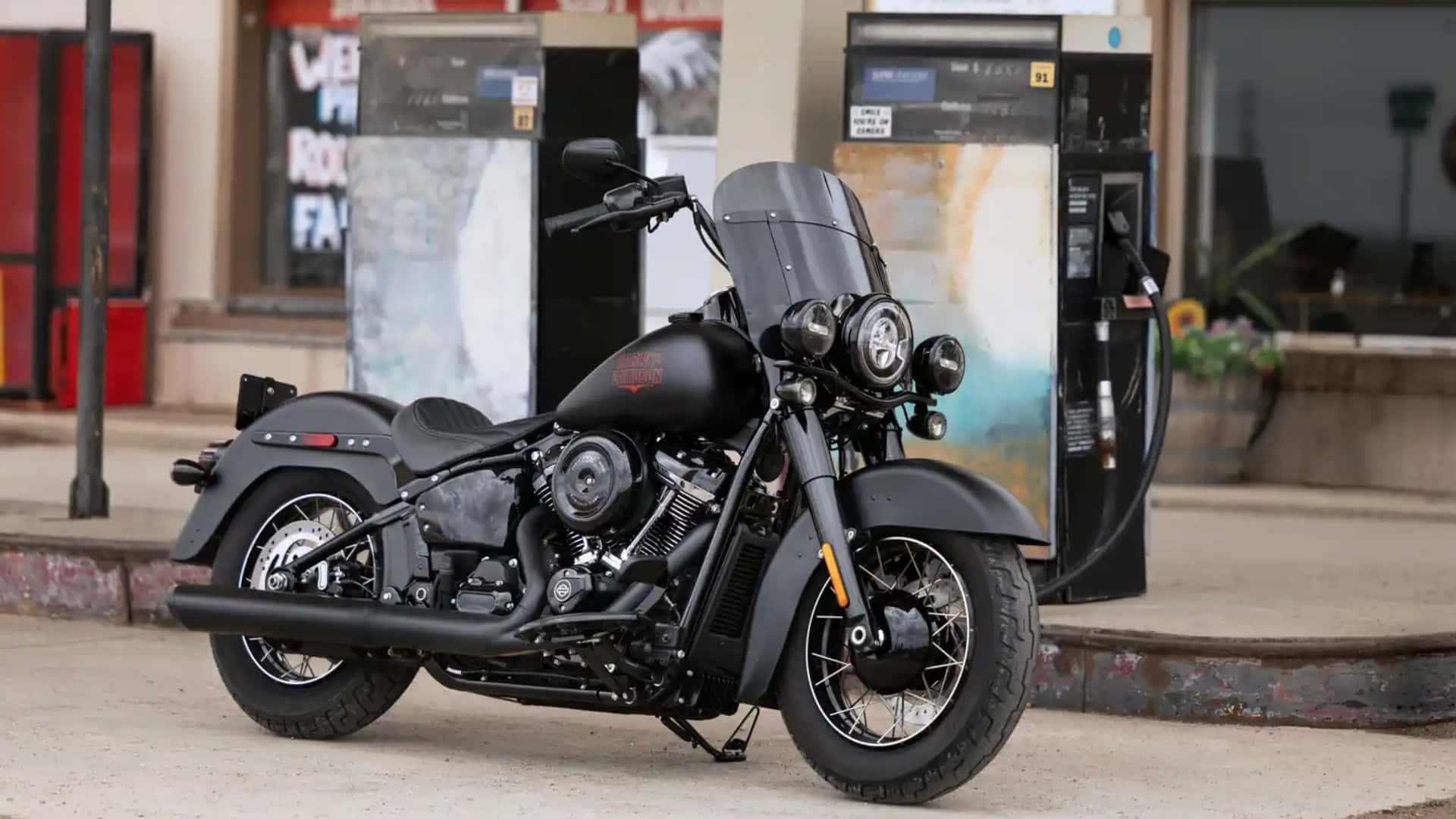
Harley-Davidson has turned another evocative trademark into a real motorcycle. The new 2026 Harley-Davidson Deadwood takes inspiration from the stripped-down bobbers that emerged after World War II, combining their minimalist attitude with the comfort and technology expected from a thoroughly modern Harley.
That creates an entertaining contradiction. The original bobber movement was built around removing unnecessary components, while the Deadwood arrives with cornering ABS, traction control, selectable riding modes, tire-pressure monitoring, LED lighting, USB-C charging, and connections for heated riding gear.
Underneath the vintage-inspired appearance is Harley’s familiar Softail architecture and a Milwaukee-Eight 117 Classic V-twin. The result is a motorcycle designed to look like it has been stripped to the essentials without requiring its owner to sacrifice modern safety systems or everyday usability.
For now, the Deadwood is destined exclusively for the United States and Canada. In the U.S., prices start at $17,999, with the motorcycle scheduled to make its public debut on August 7 at the Sturgis Motorcycle Rally.
Inspired By The Original Bobber Movement
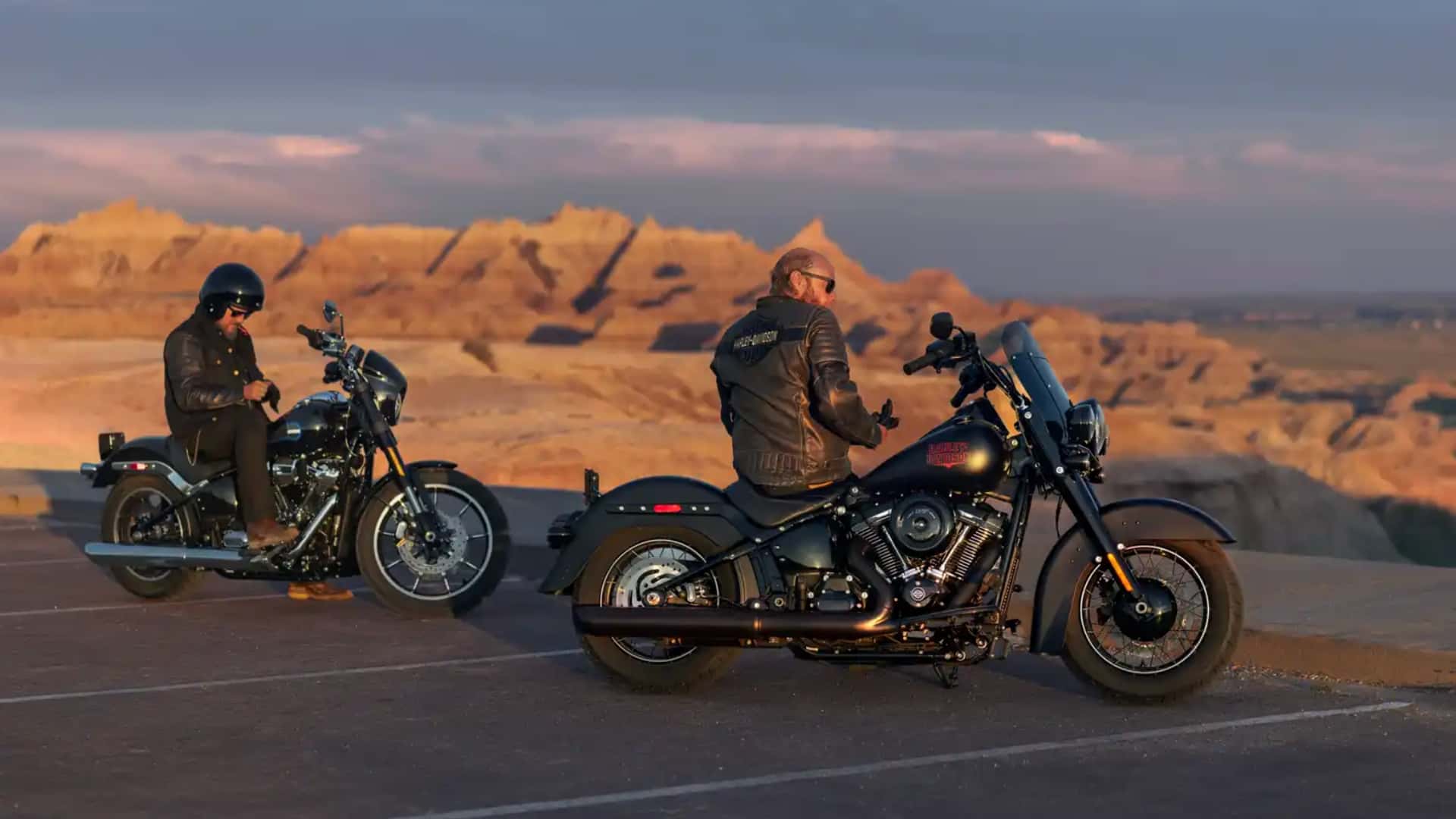
Harley says the Deadwood draws inspiration from the years following World War II, when returning servicemen began modifying motorcycles by removing excess weight and decorative components. Those home-built machines helped establish the visual language that would eventually become associated with bobbers.
The Deadwood recreates that appearance with a predominantly black finish covering the engine, exhaust, controls, fork covers, handlebar, headlight bucket, and other components. Small chrome details on the lower rocker covers and pushrod tubes provide some contrast while emphasizing the shape of the V-twin.
Denim Black paint covers the five-gallon fuel tank and fenders, while black-rimmed wire-spoke wheels and a tuck-and-roll solo seat complete the look. With no standard passenger seat or saddlebags cluttering the silhouette, the Softail frame remains visually prominent.
Its 25.5-inch seat height also places the Deadwood among Harley-Davidson’s lowest 2026 motorcycles. The hidden rear monoshock preserves the appearance of an old-fashioned hardtail while providing 3.4 inches of rear suspension travel and hydraulic preload adjustment.
The Milwaukee-Eight 117 Brings The Muscle
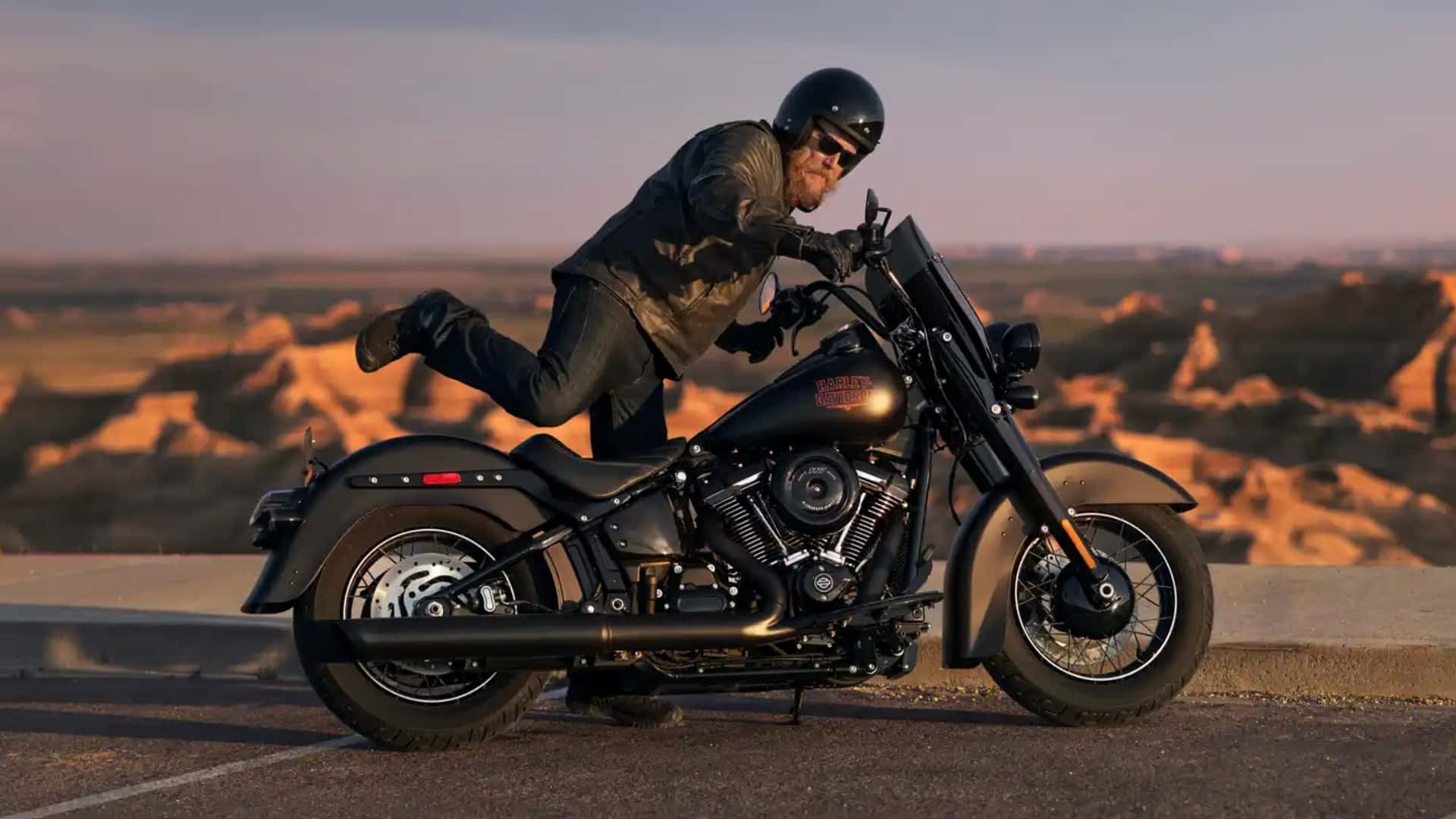
Power comes from Harley-Davidson’s 1,923cc Milwaukee-Eight 117 Classic V-twin, producing a claimed 98 horsepower and 120 lb-ft of torque. Rather than chasing maximum output, Harley says the engine has been tuned to deliver accessible performance and a broad spread of torque.
A two-into-one exhaust system handles spent gases while contributing to the Deadwood’s stripped-back appearance. The combination should make the bike particularly well-suited to relaxed cruising and strong roll-on acceleration, which fits its old-school character better than an obsession with outright horsepower figures.
The chassis hardware follows a relatively familiar Softail formula. A 49mm dual-bending-valve fork handles suspension duties up front, while braking comes from a single 300mm front rotor and a 292mm rear rotor.
Tubeless laced wheels carry a 100/90B19 tire at the front and a wider 150/80B16 at the rear. The setup preserves the traditional wire-wheel aesthetic without giving riders the additional inconvenience associated with conventional inner tubes.
Old-School Looks Meet Modern Electronics
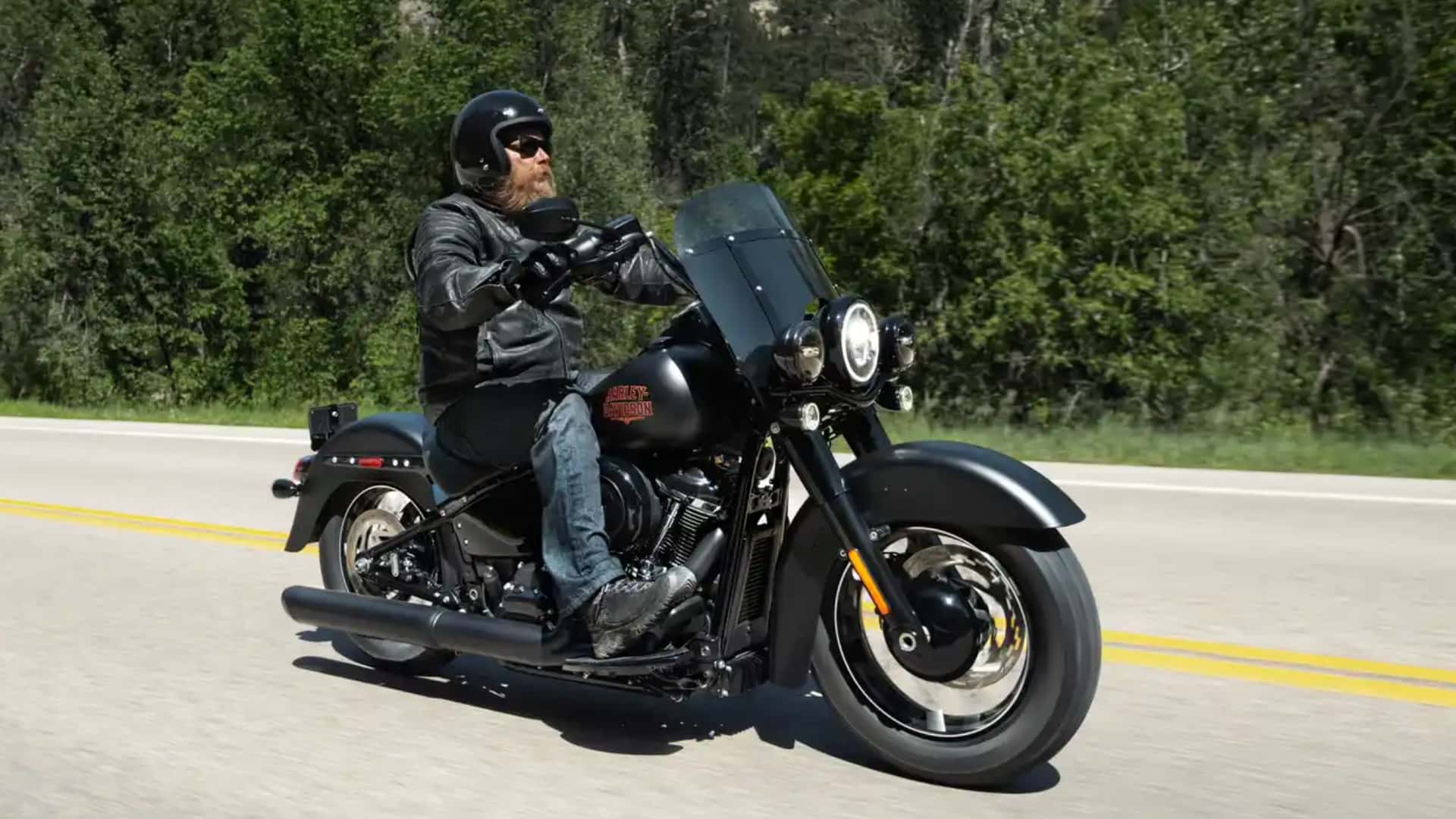
The Deadwood’s electronics package is where the postwar bobber inspiration meets 2026. Standard equipment includes cornering ABS, cornering traction control, drag-torque slip control, and tire-pressure monitoring.
Riders also get Road, Sport, and Rain riding modes, allowing the motorcycle to adjust throttle response and electronic intervention depending on conditions. It’s considerably easier than the performance modifications available to the garage builders who inspired the Deadwood.
Lighting is entirely LED, including a seven-inch headlight and auxiliary fog lamps. A five-inch tank-mounted instrument cluster combines an analog speedometer with a multifunction LCD display, preserving some traditional styling while providing modern information.
There is also a conveniently located USB-C connection and two heated-gear connectors beneath the seat. The latter may seem slightly excessive for such a deliberately minimalist motorcycle, although anyone who has spent hours riding through cold weather probably won’t complain.
Retro Without The Vintage Headaches
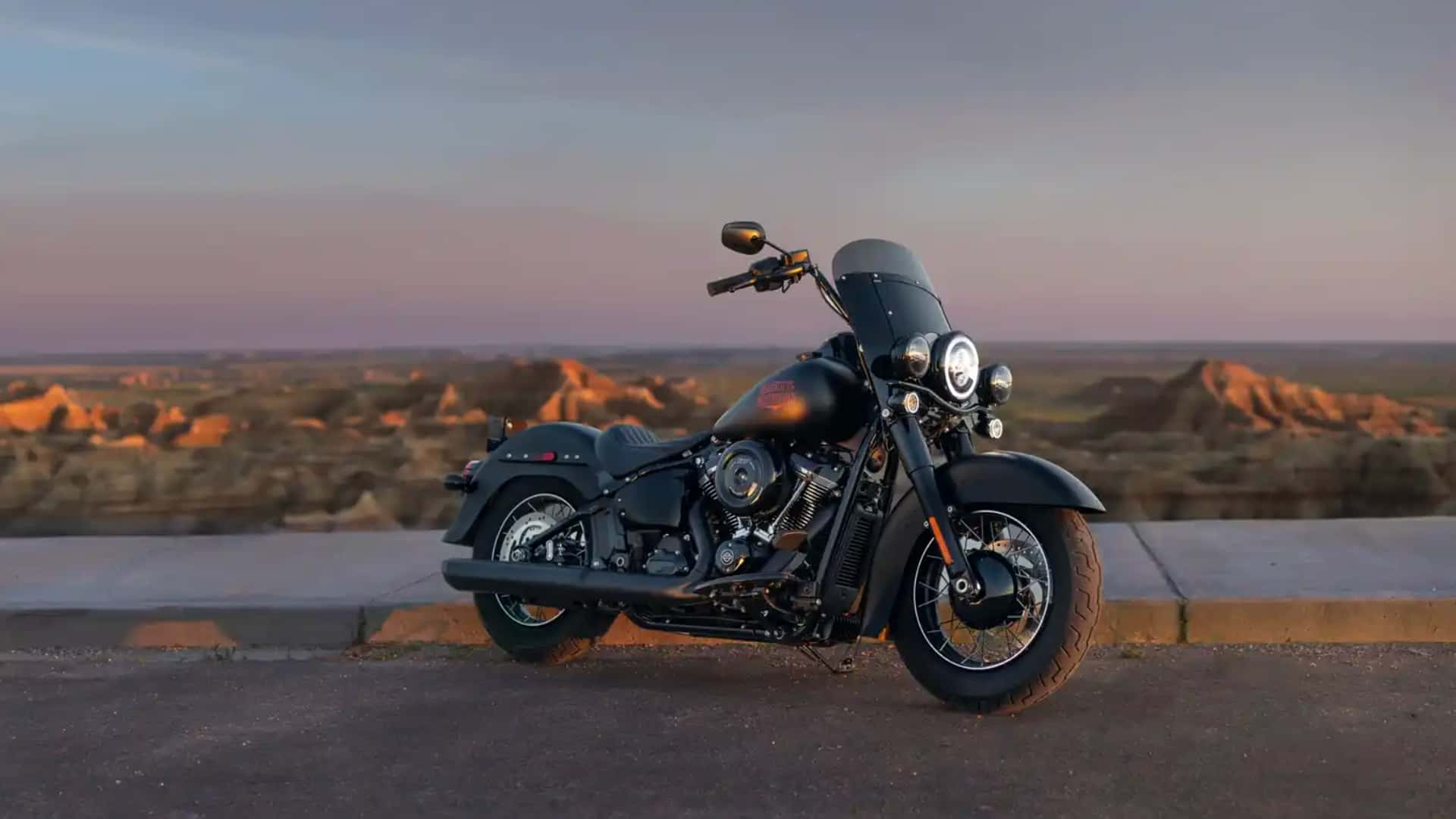
The Deadwood ultimately represents a familiar idea executed with a distinctly Harley-Davidson flavor. It offers the visual simplicity of an old-school custom motorcycle while secretly hiding decades of engineering progress underneath.
Purists could argue that loading a stripped-down bobber with electronic rider aids misses the original point. Most owners, however, will probably appreciate having modern brakes, functioning suspension, traction control, and an engine that reliably starts every morning.
Even the Deadwood name feels appropriately chosen. Deadwood, South Dakota, sits within the Black Hills and is closely associated with the same region that hosts the legendary Sturgis Motorcycle Rally.
That makes Sturgis an appropriate stage for the bike’s August debut. The 2026 Harley-Davidson Deadwood may look like something inspired by a postwar garage build, but underneath the black paint and chopped-down attitude is a modern motorcycle designed to make nostalgia considerably easier to live with.