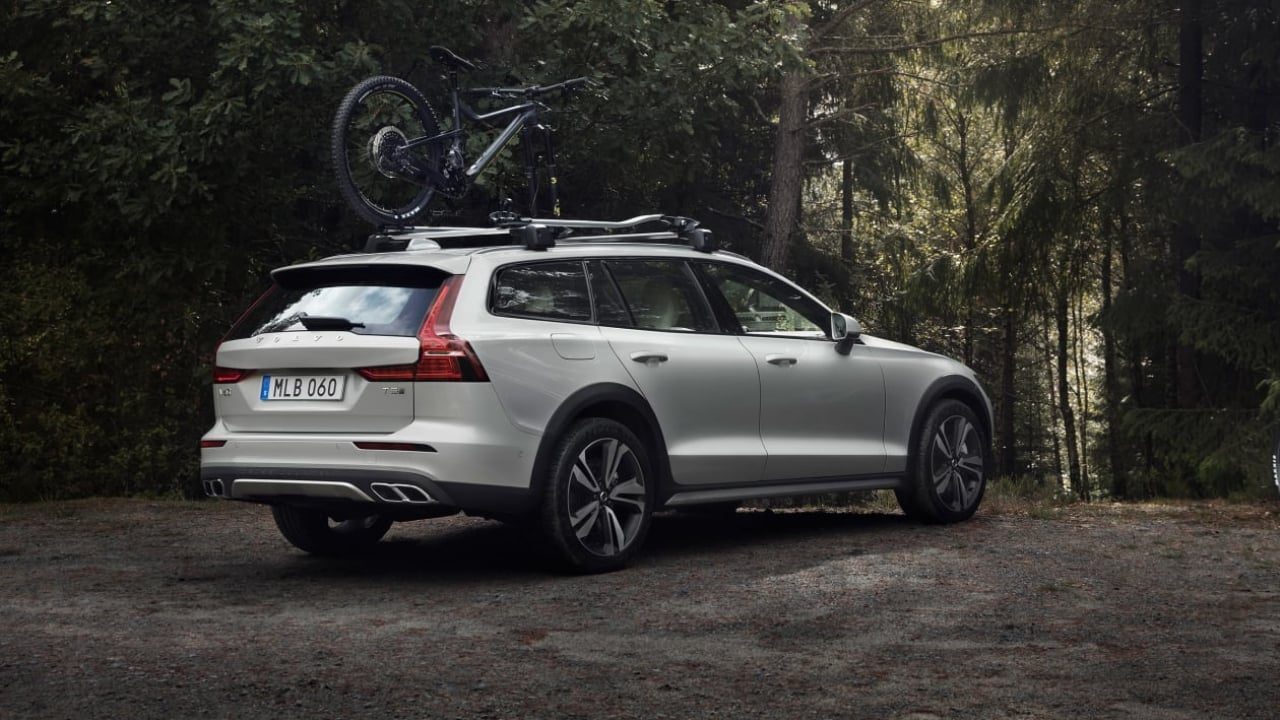
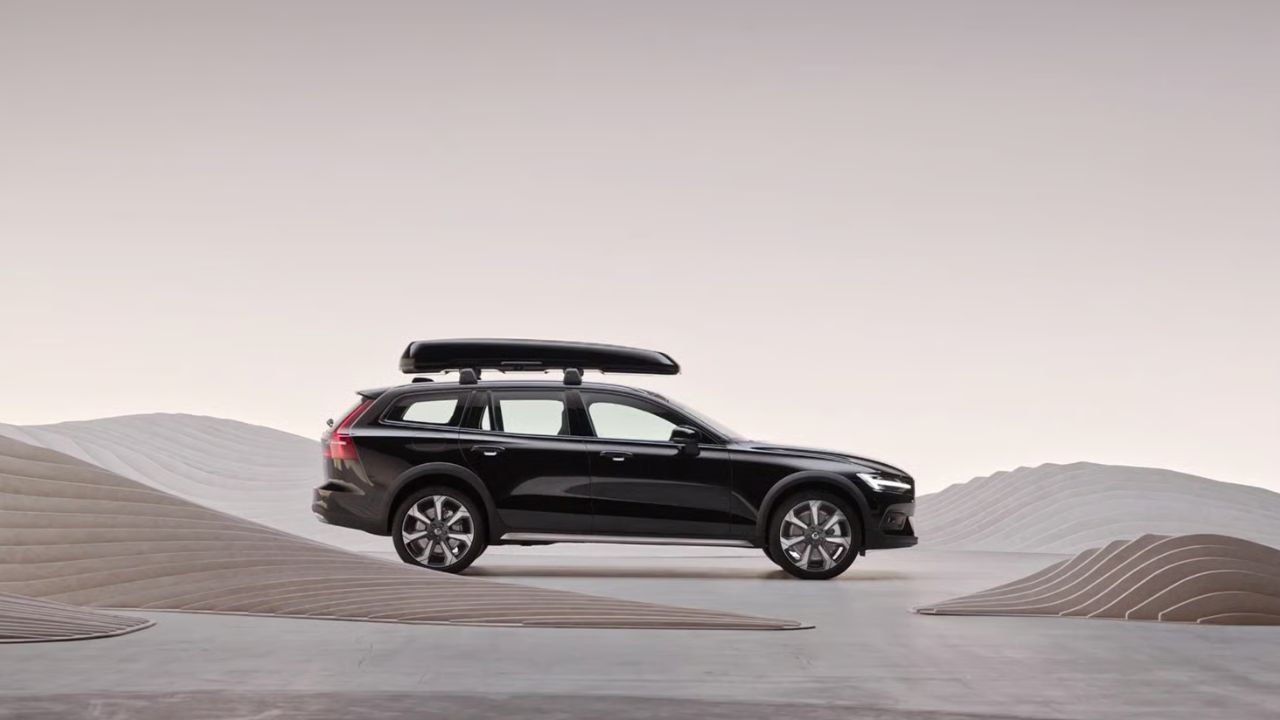
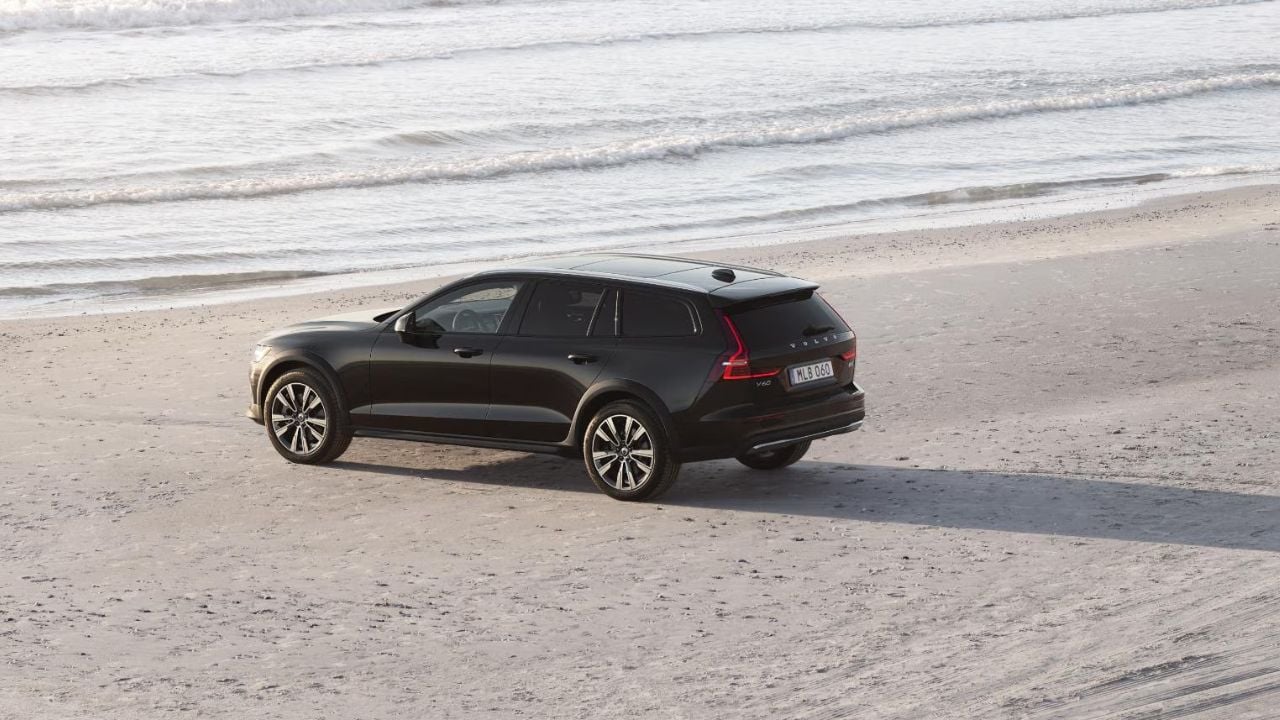
Volvo and station wagons belong together, yet American buyers are about to experience something unusual: a Volvo lineup without a single longroof. With the V60 Cross Country and V90 Cross Country departing the U.S. after the 2026 model year, the Swedish automaker is temporarily leaving one of the body styles most closely associated with its identity.
That absence might not last long. A report from Automotive News claims Volvo is considering bringing a new electric station wagon to the United States, potentially giving wagon enthusiasts another option as soon as 2028.
The proposed EV would reportedly be joined by an electric sedan, with both models already under development primarily for Europe. Neither has been officially confirmed for the U.S., and Volvo declined to comment on the report, but bringing the pair across the Atlantic is apparently under consideration.
There is, of course, one significant difference between these potential newcomers and the Volvos many wagon loyalists remember. If the electric longroof does arrive, there won’t be a turbocharged five-cylinder, supercharged four-cylinder, or even a plug-in hybrid under the hood. This time, Volvo’s American wagon comeback could be entirely battery-powered.
A New Electric Wagon Could Arrive In 2028
The future sedan and wagon are reportedly being developed using Volvo’s SPA3 architecture. That’s the same next-generation platform underpinning the EX60 electric SUV, giving Volvo a common technical foundation for several different body styles.
While the exact names remain unknown, the models are expected to sit somewhere within Volvo’s 60- or 70-series range. With the larger ES90 electric sedan already available in other markets, an ES60 badge would seem logical for the smaller sedan, while an electric wagon could potentially adopt a related designation.
A Cross Country version may also be possible. Volvo has a long history of taking its wagons, adding extra ground clearance and rugged-looking bodywork, and creating vehicles that split the difference between traditional estates and SUVs.
If approved for America, the new EVs would reportedly arrive in 2028 after being homologated for the U.S. market. Production is expected to take place in Europe.
Volvo Isn’t Expecting Huge Sales
Nobody should expect an electric Volvo wagon to suddenly dethrone the country’s best-selling SUVs. According to the report, Volvo could target combined annual U.S. sales of around 10,000 units for the sedan and wagon.
Pricing is expected to begin somewhere in the low-$50,000 range, although specifications and final positioning remain uncertain. That would place the cars in premium territory without pushing them into the pricing stratosphere occupied by some high-performance European wagons.
The relatively modest sales expectations aren’t particularly surprising. American buyers have steadily abandoned sedans and station wagons in favor of crossovers and SUVs, leaving the traditional wagon as an increasingly niche proposition.
Volvo itself has participated in that transition. Once synonymous with practical, boxy family wagons, the automaker’s American lineup is moving toward SUVs as its remaining longroof models disappear.
Volvo Thinks The SUV Boom May Have Gone Too Far
Interestingly, Volvo doesn’t appear convinced that an SUV-only future is inevitable. CEO Håkan Samuelsson recently suggested the market may have swung too aggressively toward SUVs and predicted other body styles could eventually make a comeback.
Electric vehicles could actually strengthen the case for wagons. Compared with taller SUVs, a lower body can reduce frontal area and aerodynamic drag, potentially helping engineers extract additional driving range from the same battery capacity.
There may also be a generational factor at play. Just as previous generations moved away from the station wagons their parents drove, future buyers could eventually view SUVs as the conventional family vehicles they want to replace with something different.
That doesn’t guarantee a wagon renaissance, particularly in the United States. It does, however, give automakers another reason to reconsider the longroof as efficiency becomes increasingly important in EV development.
An Electric Return To Volvo’s Roots
A new wagon would carry plenty of historical significance for Volvo. Models ranging from the famously durable 200 Series estates to the 850 T-5R helped establish the company’s reputation for combining practicality with distinctive Scandinavian character.
The potential new EV obviously wouldn’t recreate those cars mechanically. It could, however, revive the basic philosophy of offering family-friendly cargo space without requiring buyers to step up into another tall crossover.
For now, American Volvo wagon fans shouldn’t start preparing their deposits. The electric sedan and wagon are reportedly intended for Europe first, and a U.S. launch remains under consideration rather than officially confirmed.
Still, the possibility is encouraging. Volvo may be preparing to leave the American station wagon market after 2026, but if these reports prove accurate, the company’s longroof exile could last only a couple of years.