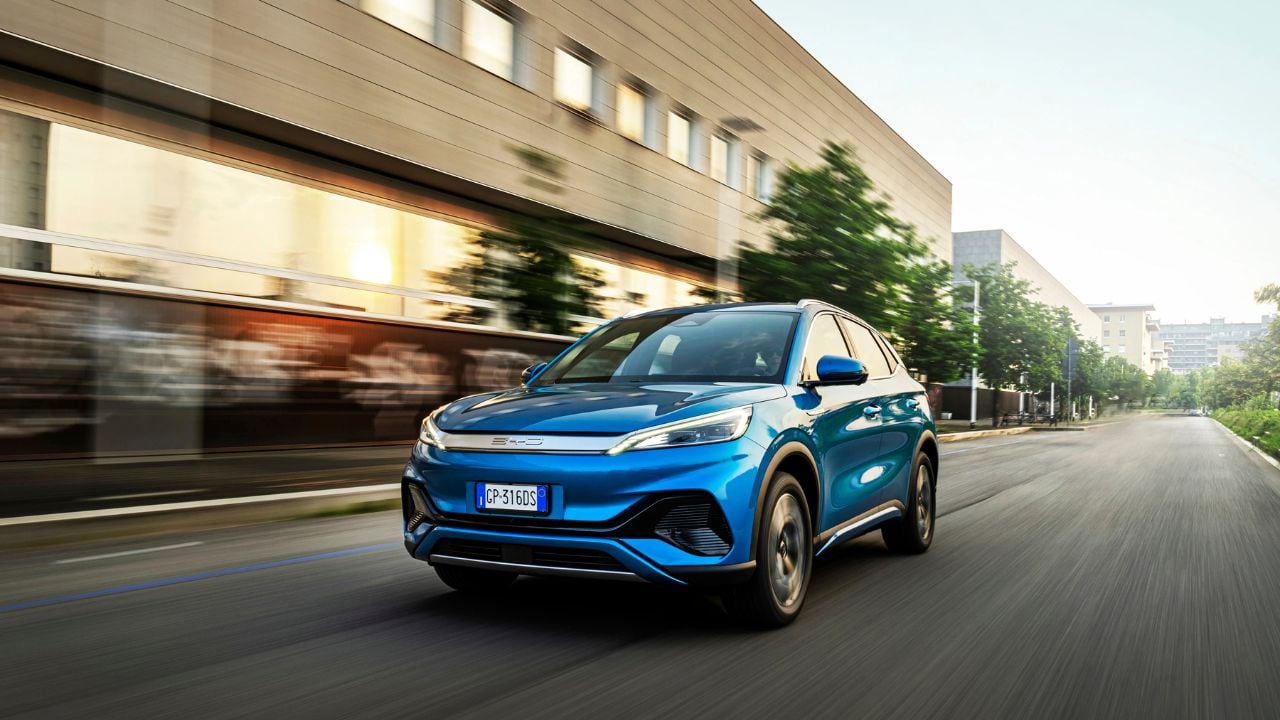
BYD Australia is offering full refunds to more than 1,200 customers after discovering that some vehicles sold as 2026-built models were actually produced in 2025. The automaker is blaming the mix-up on an internal administrative error involving how vehicle production dates were recorded.
Australian car site Drive reports that a total of 1,265 customers are affected. Buyers had ordered and paid for vehicles they believed were built in 2026, only to later learn that their cars had rolled off the production line the previous year.
BYD initially offered approximately A$1,100 in compensation to affected owners, but the company has since expanded its response. Customers can now pursue a full refund of the original transaction price, while reports also indicate that other remedies may be available depending on the individual case.
The issue does not necessarily mean the affected cars differ mechanically from 2026-built examples, but the build year can still matter significantly for resale and trade-in values. For buyers who specifically contracted for a 2026-built vehicle, receiving an older build can therefore have real financial consequences even when the car itself is otherwise identical.
BYD Blames an Administrative Error
BYD says the mistake resulted from confusion between the date a vehicle left the factory grounds and the date it was actually manufactured. That incorrect information was then reportedly communicated to customers as the vehicle’s build year.
The company has apologized and said its teams have taken steps to prevent the same problem from happening again. BYD has also denied that it only expanded its compensation offer after the issue gained media attention.
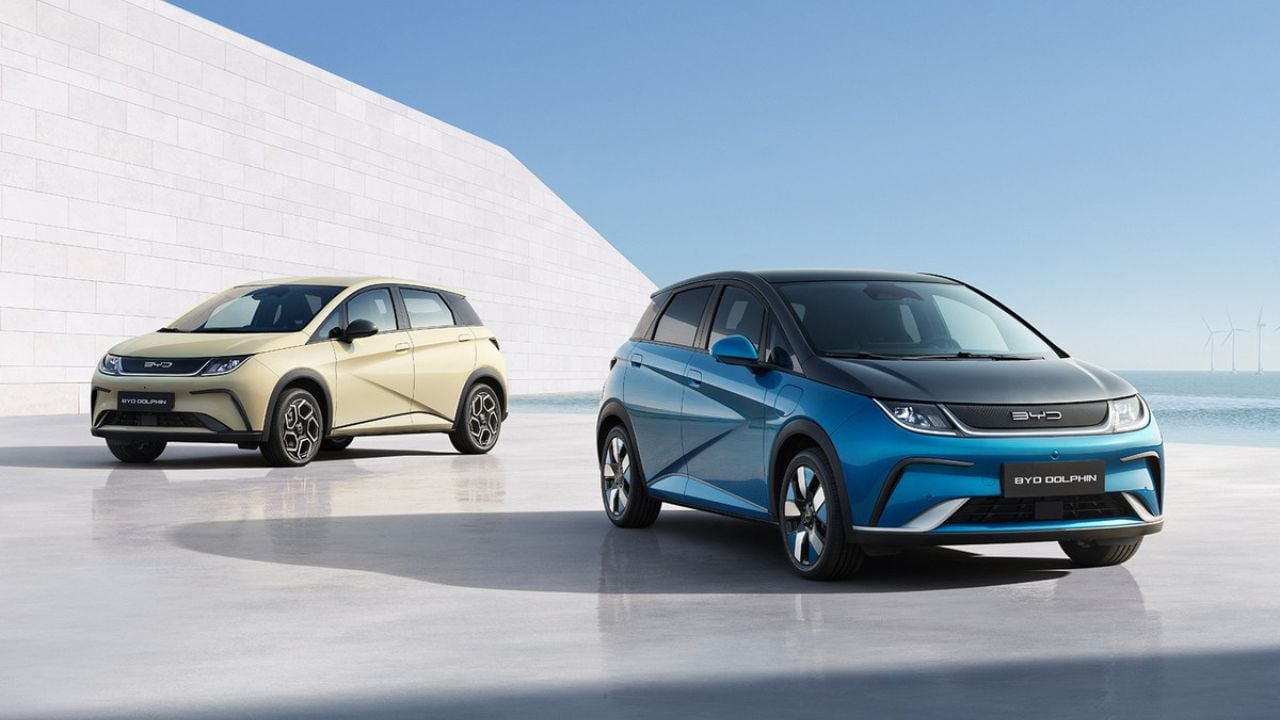
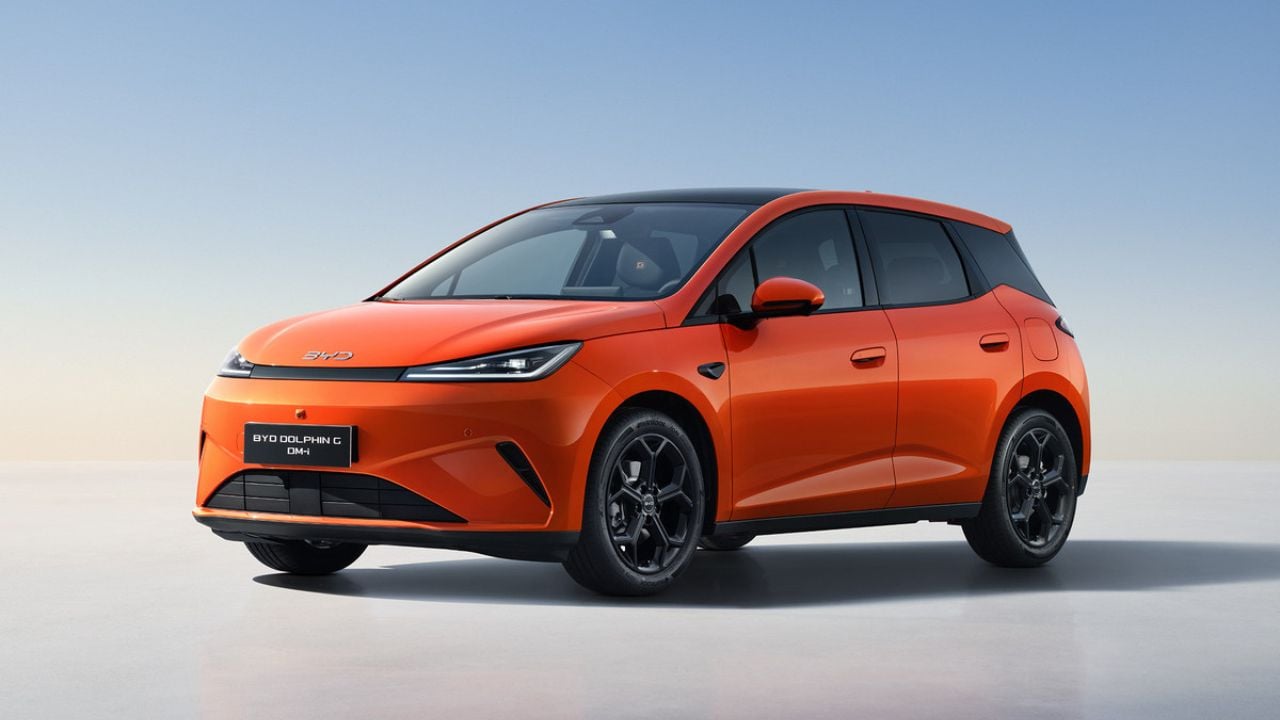
Affected vehicles reportedly span multiple models rather than a single nameplate. Customers interviewed by Australian media included owners of the Atto 3, while other reports suggest a broader mix of BYD products may have been involved.
The company maintains that the issue was administrative rather than deliberate. There has been no finding that BYD intentionally misrepresented vehicles, and the Australian Competition and Consumer Commission had not announced a formal investigation at the time of the reports.
Why a One-Year Build Difference Matters
To some buyers, the distinction between a late-2025 and early-2026 build might seem minor, particularly if specifications, warranty coverage, and equipment are unchanged. In the used-car market, however, build year can influence valuation.
A vehicle officially recorded as a 2025 build may be treated as older when it is eventually sold or traded, even if it was first registered in 2026. That can affect depreciation calculations and the price future buyers are willing to pay.
The issue can be particularly sensitive with EVs, where used values are already under pressure from rapid technology improvements and frequent new-car price changes. Owners expecting a newer build year may therefore reasonably worry that an older production date could further affect resale value.
That is why the full-refund option matters. Rather than forcing customers to accept compensation for the discrepancy, BYD is now allowing affected buyers to unwind the original transaction entirely.
The Refund Bill Could Be Significant
If large numbers of customers choose full refunds, the financial impact could become substantial. Using a rough average transaction price of A$40,000 per vehicle, refunding all 1,265 affected buyers would represent nearly A$51 million in returned purchase payments.
That does not necessarily mean BYD would suffer a loss of that entire amount, since refunded vehicles could potentially be resold. Even so, handling buybacks, replacements, administrative costs, and possible depreciation would make the mistake expensive.
The timing is also awkward for BYD, which has been expanding rapidly in Australia and building a larger presence in one of the world’s most competitive automotive markets. Reliability and value have helped Chinese automakers gain ground, but customer trust becomes equally important as those brands move into the mainstream.
A Painful Mistake During Rapid Growth
BYD has characterized the situation as an unfortunate clerical problem, and there is currently no evidence that the affected vehicles have mechanical defects connected to the build-year discrepancy. The problem is ultimately one of customer expectations and contractual accuracy.
For an automaker growing as quickly as BYD, however, that distinction does not make the issue insignificant. Buyers expect the vehicle they receive to match the one described in their paperwork, especially when something as basic as the production year can affect future value.
Offering full refunds is a costly way to correct the problem, but it also gives customers a clearer path forward than the initial compensation offer. BYD may be able to fix the paperwork and compensate buyers, but the bigger challenge will be making sure a mistake like this does not follow the brand as it continues its aggressive international expansion.