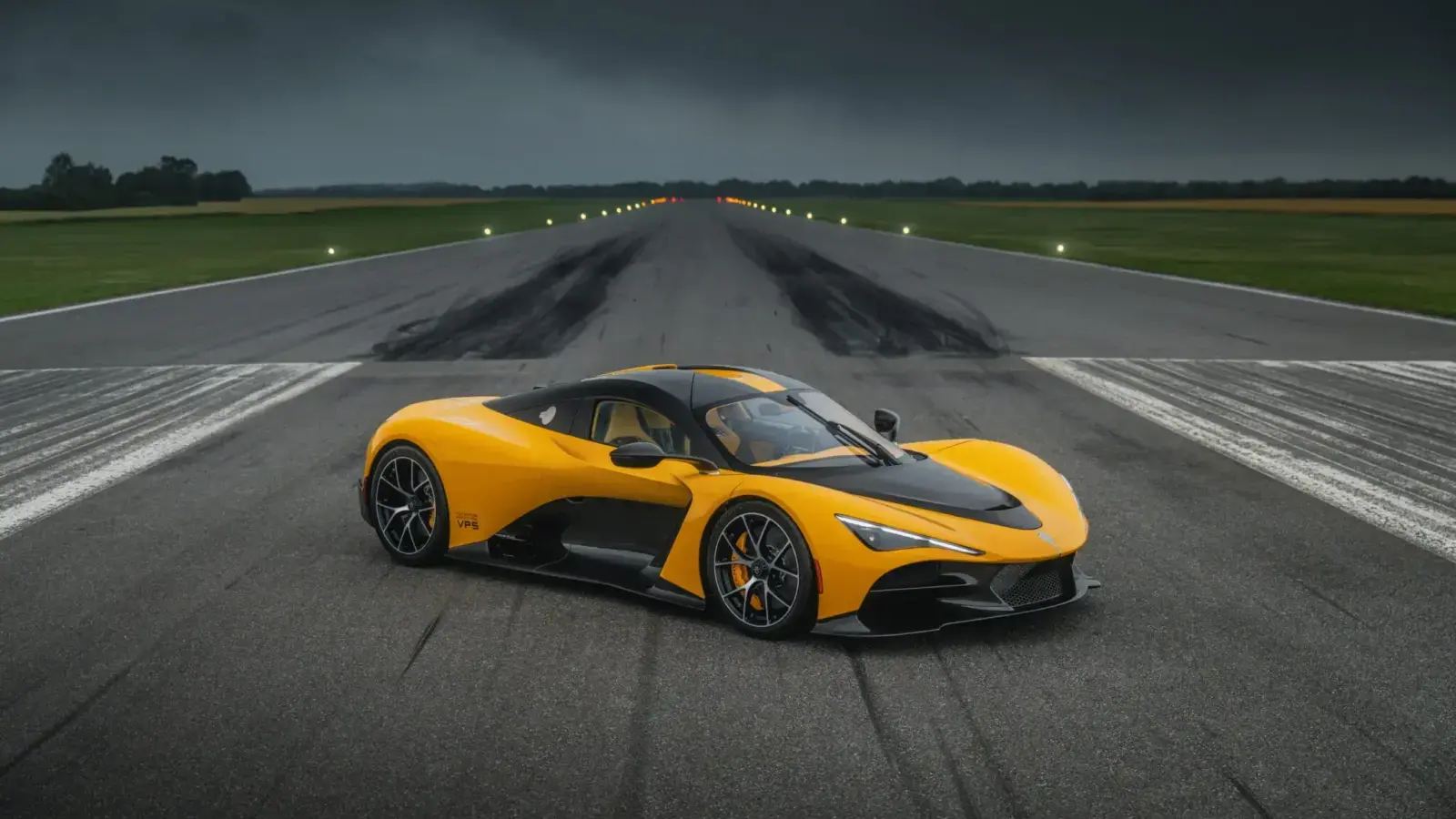
Building a hypercar with 1,850 horsepower and then insisting horsepower isn’t particularly important takes some confidence. That’s effectively the argument Zenvo is making with the Aurora, its upcoming V12 hybrid flagship that the Danish manufacturer wants to position as a driver’s car first and a collection of outrageous statistics second.
That might sound difficult to believe when the specification sheet includes a quad-turbocharged V12, hybrid assistance, and enough combined output to embarrass almost anything with license plates. Yet Zenvo Executive Chairman Jens Sverdrup says the company’s priorities extend well beyond chasing the biggest numbers.
Instead, Zenvo wants the Aurora to deliver the kind of communication and involvement normally associated with much simpler performance cars. Steering feel, throttle response, sound, vibration, and precision are apparently higher on the development team’s priority list than claiming another hypercar record.
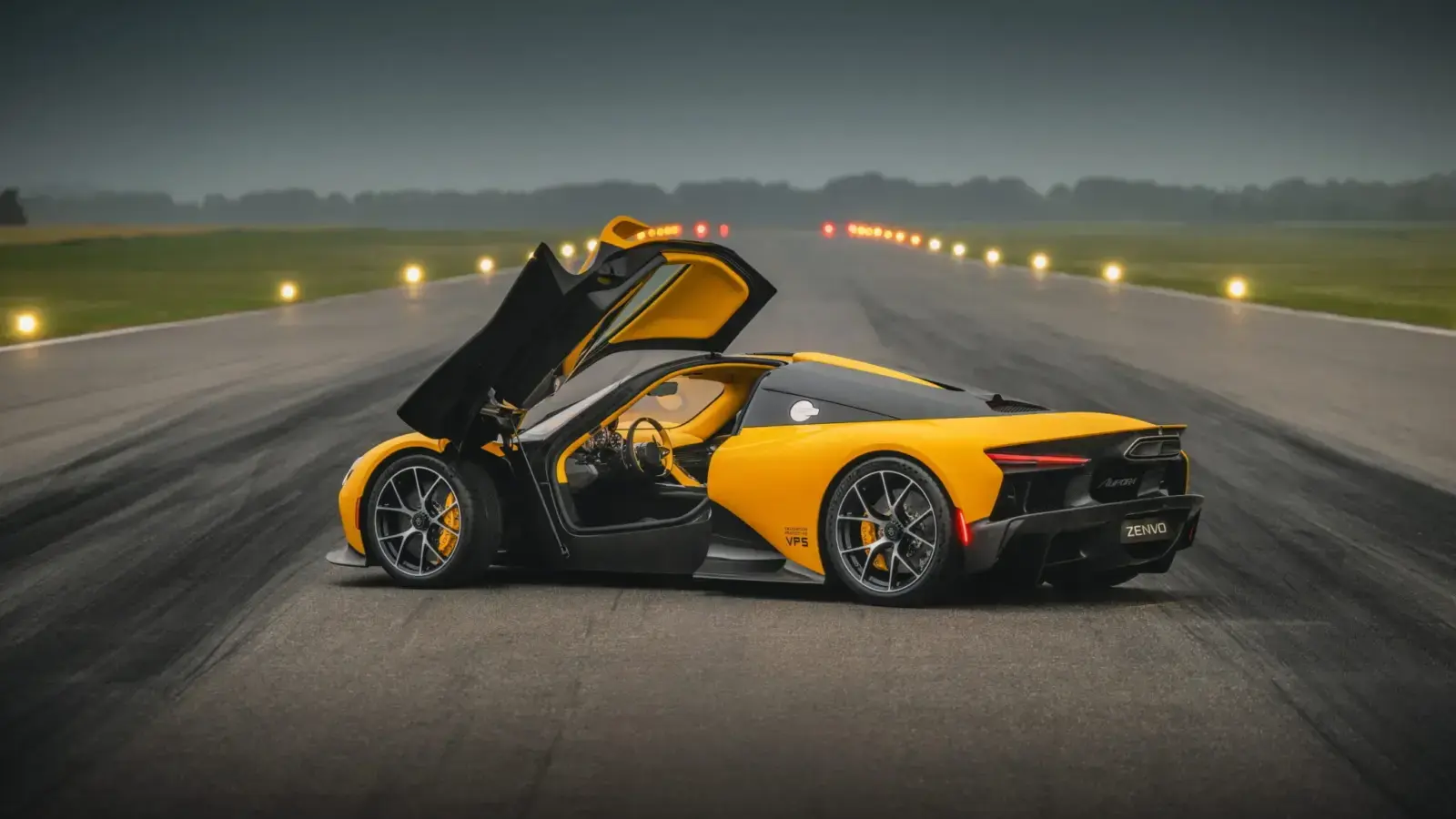
The approximately $3 million Aurora will be offered in two distinct forms, the Tur and Agil, with production versions recently shown at the Goodwood Festival of Speed. Both are spectacularly powerful, but Zenvo’s challenge is making that performance accessible and enjoyable when the car isn’t being driven at ten-tenths.
Zenvo Says A Great Car Starts With The Steering
Sverdrup believes the steering system is fundamental to the entire driving experience. Get that wrong, he argues, and the rest of the car’s performance becomes considerably less meaningful.
That philosophy helps explain why the Aurora uses hydraulic power steering rather than pursuing a fully electric system. Zenvo is targeting what Sverdrup describes as an organic, Lotus-like feeling through the wheel, giving drivers a clearer connection to what the front tires are doing.
The benchmark list is also surprisingly old-school for an 1,850-hp hypercar. Sverdrup cited the original Honda NSX as one reference point, alongside the McLaren 675LT and lightweight Lotus models from the 1960s.
Notably absent from that conversation are many of the obvious hypercar rivals. Zenvo isn’t primarily trying to recreate the Bugatti approach, according to Sverdrup, despite operating in similarly rarefied territory when it comes to performance and price.
The Numbers Are Still Completely Absurd
Of course, it’s difficult to ignore what powers the Aurora. Its quad-turbocharged V12 works with a hybrid system to produce as much as 1,850 horsepower, placing the car firmly among the most extreme road-going machines being developed today.
That creates an interesting philosophical contradiction. Zenvo wants the driver to feel deeply involved with the machine, yet the Aurora has levels of performance that will be impossible to fully explore on most public roads.
Unlike the famously analog Gordon Murray Automotive approach, the Aurora also won’t offer a manual transmission. Gear changes are handled through large steering-wheel-mounted paddles, meaning Zenvo’s definition of driver engagement doesn’t depend on having three pedals and an H-pattern shifter.
Instead, the company appears to be concentrating on the quality of the controls themselves. Sverdrup wants the driver to feel integrated into the mechanical experience, with immediate responses and enough feedback to make the Aurora entertaining regardless of how quickly it is traveling.
Chasing Records Can Come With Compromises
Zenvo’s reluctance to focus entirely on statistics comes partly from Sverdrup’s experience elsewhere in the hypercar industry. His background includes time with Koenigsegg, Czinger, and Rimac, giving him firsthand exposure to companies operating at the sharpest end of automotive performance.
His concern is that chasing lap records and maximum-speed figures can force engineers into compromises. A car optimized around extreme high-speed performance may become less enjoyable during the far more common situations where its owner is driving slowly.
That’s something Zenvo wants to avoid with the Aurora. Sverdrup argues that a hypercar should still be enjoyable on a canyon road or even while crawling through heavy traffic, rather than requiring an empty circuit to reveal its personality.
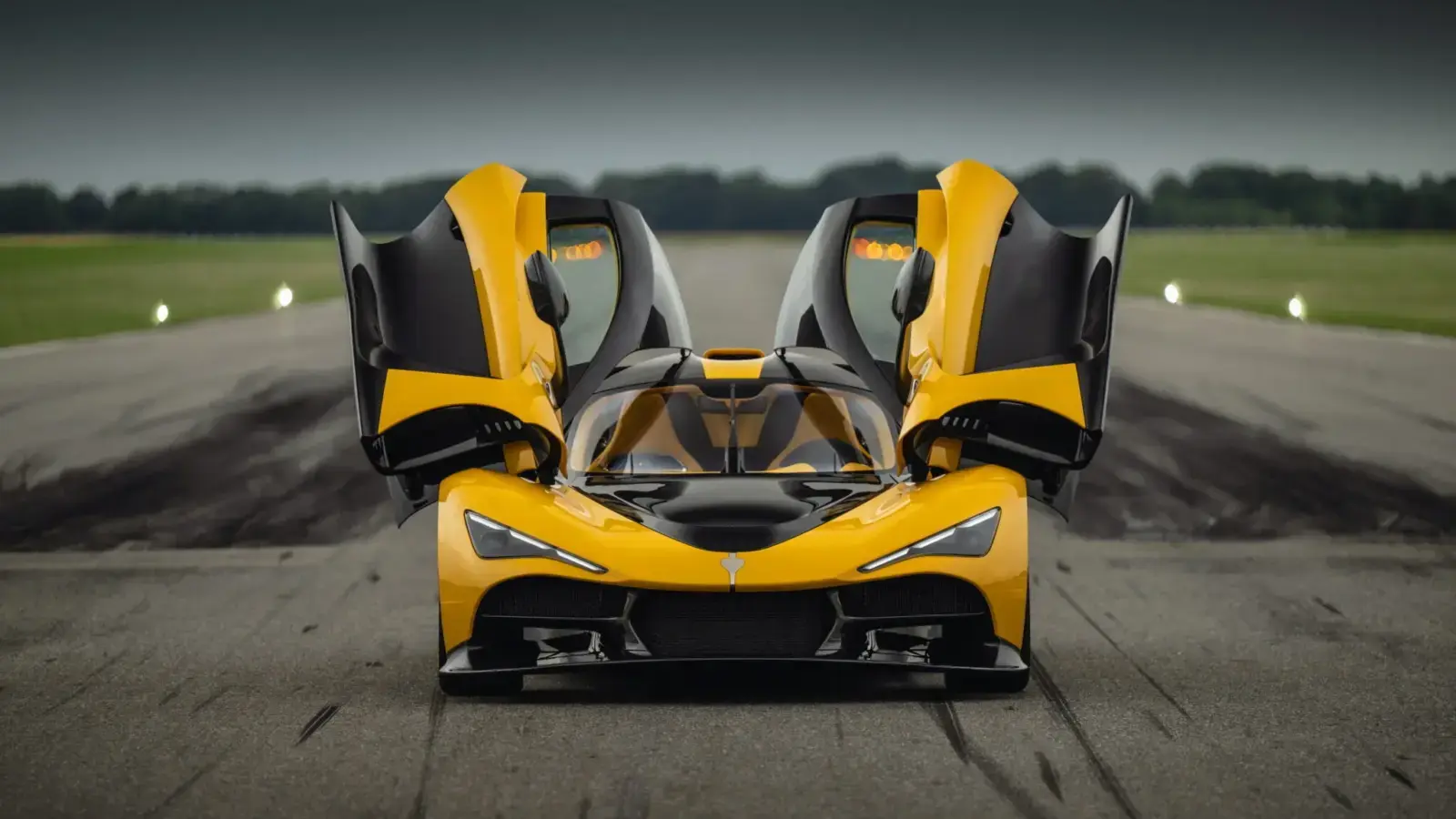
Usability has consequently played a role in the Aurora’s development. Zenvo has considered relatively mundane details such as making the car easy to enter and exit, while the interior combines dramatic hypercar presentation with a functional, Scandinavian-inspired approach.
Can 1,850 HP Really Feel Delicate?
The real test will come when people outside Zenvo finally get behind the wheel. Building an enormously powerful hypercar is one challenge; making one communicate with the delicacy of an old Lotus or the clarity of an original NSX is something entirely different.
Zenvo’s intentions are certainly intriguing. In a segment where manufacturers compete over top speeds, acceleration figures, lap times, and increasingly enormous horsepower outputs, focusing on steering feel gives the Aurora a potentially distinctive identity.
The company displayed the production-spec Aurora Tur and Agil at Goodwood this year, but the cars are expected to return in 2027 under considerably noisier circumstances. Zenvo says they’ll tackle the famous hillclimb with their V12 engines spinning toward 10,000 rpm.
At that point, keeping everyone’s attention focused on the steering rather than the 1,850 horsepower screaming behind the driver could prove rather difficult.