Portugal works best on a first trip when the route has space to breathe. Lisbon gives the opening hit of hills, tiles, river light, bakeries, and late dinners. The coast brings Atlantic air before the trip turns inland or north. Coimbra breaks the journey with old academic stone and river views. Porto and the Douro finish the route with steep streets, bridges, wine lodges, terraces, and vineyard slopes.
For most travelers, 10 to 12 days is the useful range. That gives Lisbon and Porto enough time to feel like real stops, not airport bookends, while the coast and wine country still belong to the trip instead of feeling squeezed in at the edges.
This route can work in either direction, but Lisbon to Porto feels especially clean if the flights allow it. The Algarve is worth adding when there is enough time for the detour to feel relaxing. If the schedule is shorter, beaches near Lisbon or Cascais can give the trip its Atlantic pause without pulling the whole route too far south.
The goal is not to see every famous Portuguese stop in one push. The better version is simpler: start strong in Lisbon, add sea air before the days blur together, use Coimbra to slow the northbound journey, give Porto proper time, then let the Douro end the trip with wine, water, and terraced hills.
1. Start With Lisbon for Hills, Tiles, Food, and River Light

Lisbon is the right opening because it gives first-time visitors Portugal in layers rather than one neat postcard. The city has tiled façades, steep streets, yellow trams, tiled bakeries, river viewpoints, seafood counters, old churches, small bars, and neighborhoods that change character quickly as the hills rise and fall.
Belém gives the first full day a strong anchor. UNESCO lists the Jerónimos Monastery and Tower of Belém together as a World Heritage Site and describes them as exceptional testimony to Portugal’s 15th- and 16th-century civilization and maritime culture. The monastery, tower, riverfront, museums, and pastry shops make the area feel grand without needing to fill the whole day with long transfers.
Lisbon gets better when the schedule leaves room for the hills. Alfama is not only a place to “do” after Belém; it is a neighborhood of stairways, laundry, tiled walls, fado houses, old doorways, and viewpoints where the Tagus opens between rooftops. Baixa and Chiado bring a different Lisbon: flatter streets, shopping, cafés, bookshops, and the feeling of a city built back into shape after disaster.
Three nights is a good minimum if flights allow it. One day can lean toward Belém and the river, another toward Alfama, Baixa, Chiado, and viewpoints, and another toward museums, slower meals, or a ferry across the Tagus. Lisbon’s hills make the city beautiful, but they also punish overplanning. Leave time for sitting down.
The first part of the trip should not feel like a checklist. It should feel like Lisbon doing what Lisbon does best: warm pastry in the morning, azulejos in the side streets, grilled fish or seafood later on, a hilltop view before sunset, and dinner late enough that the day has stopped feeling rushed.
2. Use Sintra and Cascais for Palaces, Forest Air, and the First Beach Pause
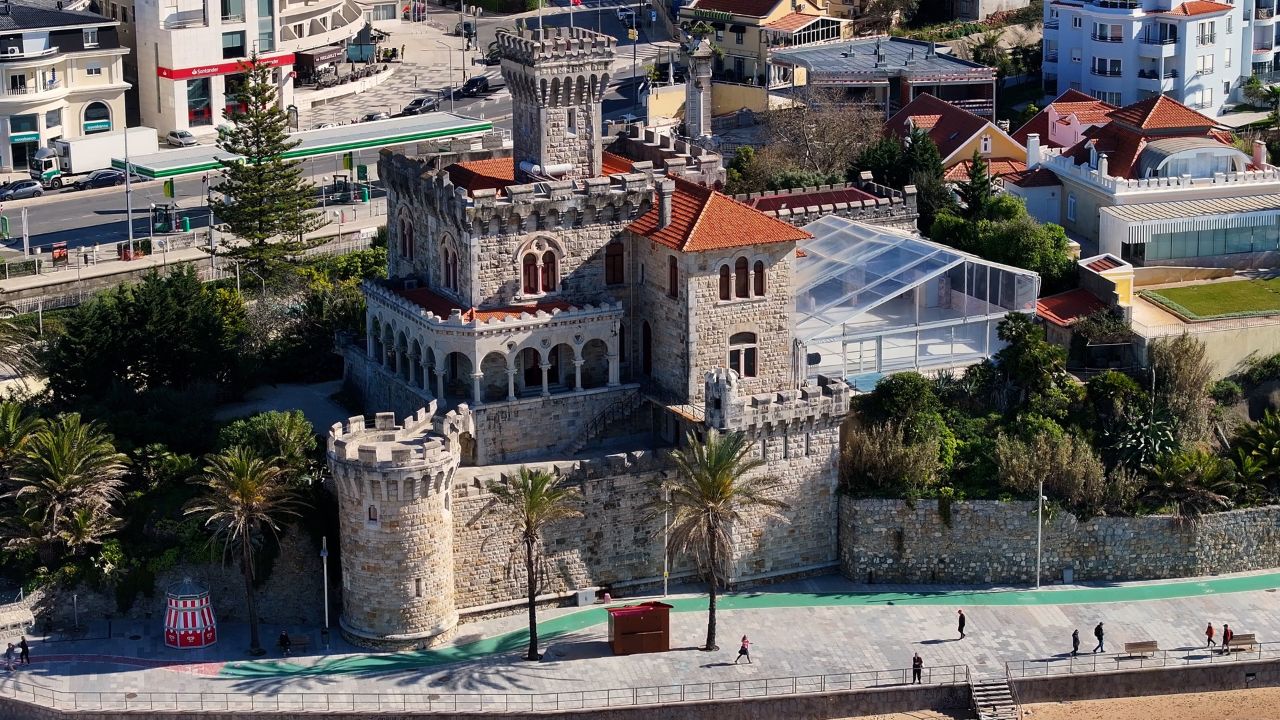
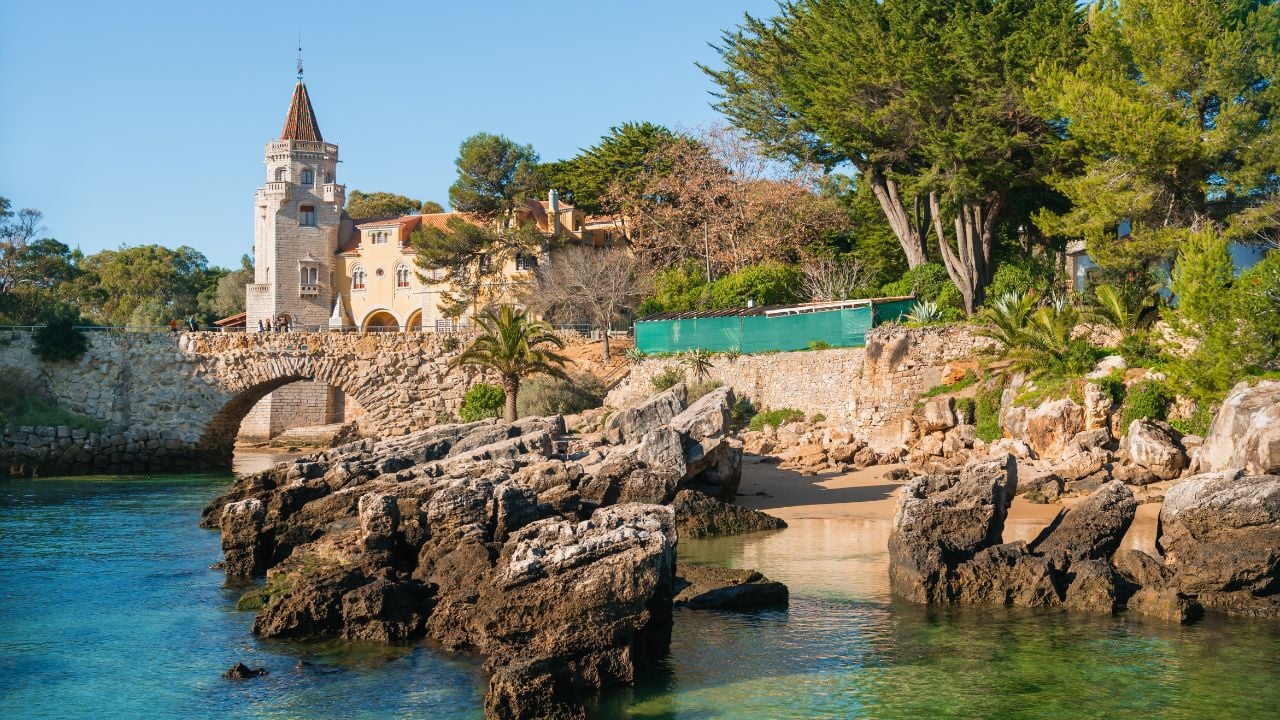
Sintra and Cascais give the Lisbon section its first change of air. Sintra brings green hills, palaces, mist, gardens, and roads that wind through forested slopes. Cascais brings beaches, seafood, museum streets, and a seaside town center close enough to Lisbon that the coast does not feel like a separate trip.
UNESCO describes the Cultural Landscape of Sintra as part of the Sintra-Cascais Natural Park, protected for its monuments and landscape value. The danger in Sintra is trying to see too much. Palaces, gardens, viewpoints, traffic, hills, and timed visits can quickly turn the day into a puzzle if every famous stop is squeezed into one plan.
First-timers usually get more out of choosing one major Sintra sight properly, then leaving space for the town, a garden, lunch, or a slower transfer toward the coast. Pena Palace is the colorful headline for many visitors, but the whole area works better when it is not treated like a theme park with mandatory stops.
Cascais changes the pace after Sintra’s hills. Visit Cascais highlights beaches, fish and seafood, museums, parks, gardens, and the sea. The town has enough going on for a full day on its own, but it also works well as the softer second half of a Sintra day if the schedule is tight.
A good coastal pause here might be very simple: a beach walk, seafood, a look through the old center, and an evening train back to Lisbon if you are not staying overnight. The point is not to “finish” Cascais. The point is to let the first beach air arrive before the route turns longer and more ambitious.
3. Add Lagos Only If the Algarve Has Enough Room to Breathe
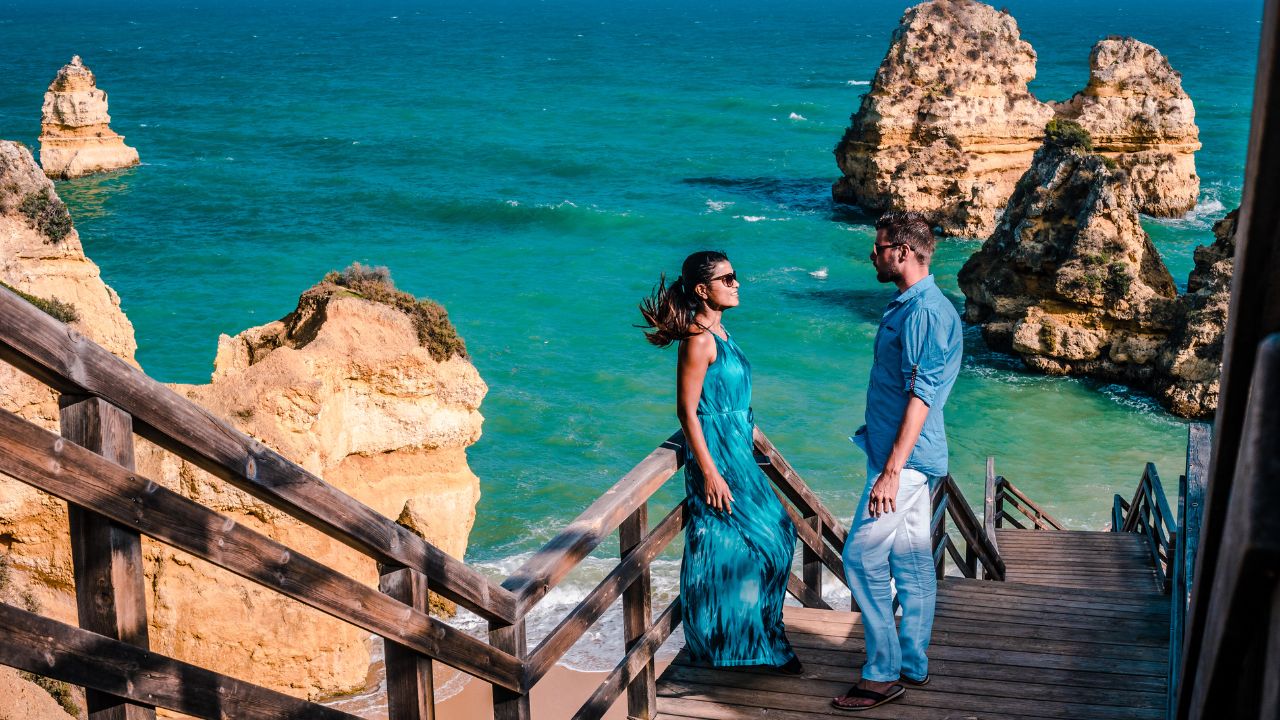
Lagos is the Algarve stop that makes the most sense when first-time visitors want cliffs, beaches, boat trips, and a real town in one place. The old center has restaurants, tiled streets, squares, and enough evening life to keep the coast from becoming only a daytime beach stop.
Ponta da Piedade is the main reason many travelers choose Lagos. The headland sits just outside town, with golden cliffs, sea arches, grottos, steps, viewpoints, and water that changes color with the light. Visit Algarve describes Ponta da Piedade as an area of caves, quiet beaches, bays, and rock formations near Lagos, especially striking from the sea.
The Algarve section should not be added out of obligation. From Lisbon, it pulls the route south before the trip turns north again, so it deserves at least two nights if it is included. With only 10 days, forcing Lagos into the middle can make Portugal feel larger and more tiring than expected.
If the Algarve is a priority, let Lagos act like a real pause. Spend time around the old town, Praia Dona Ana, Praia do Camilo, and Ponta da Piedade rather than scattering the stay across too many beaches and resort towns. Boat trips can be beautiful when the sea is calm, but cliff walks and viewpoints also give the coastline its full shape from above.
For shorter trips, the smarter beach answer may be closer to Lisbon: Cascais, Ericeira, Comporta, or another Atlantic stop that does not stretch the map so aggressively. Lagos is worth the journey when it has room. It loses some of its pleasure when it becomes a long detour between Lisbon and Porto.
4. Break the Journey in Coimbra Instead of Turning North Into One Long Transfer
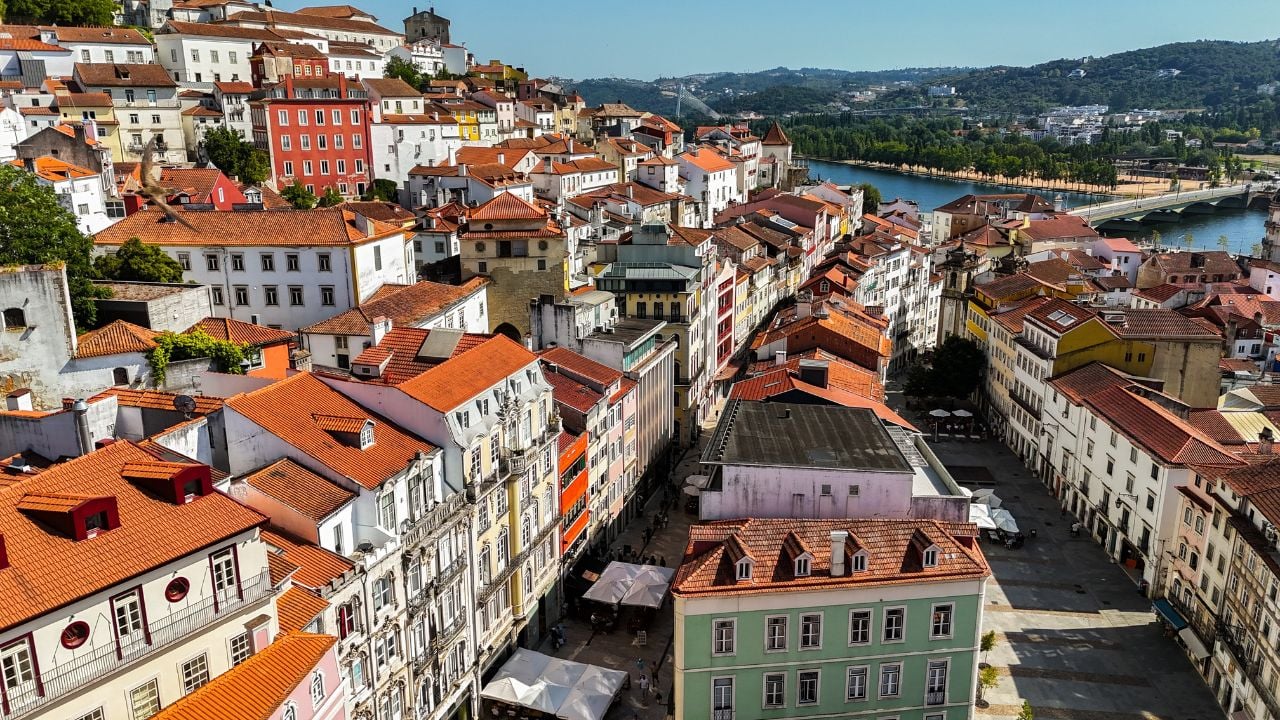
Coimbra changes the trip from a northbound transfer into a real stop. The city climbs above the Mondego River, with stairways, old academic buildings, narrow streets, students, cafés, and views that make the hill worth the effort.
UNESCO describes the University of Coimbra, Alta and Sofia as a university area that grew over more than seven centuries and occupies a well-defined section of the old town. The university’s presence is not only a landmark at the top of the hill. It is part of the city’s sound and movement, with students, old colleges, courtyards, and streets that still feel tied to academic life.
The upper town gives Coimbra its strongest first impression: stone, height, ceremony, and views over the river. Downhill, the city becomes warmer and more practical, with restaurants, shops, squares, and streets that soften the formality of the university area.
One night is enough for a first route if the schedule is tight, but two nights make the stop feel less like a checkpoint. An afternoon around the university, an evening meal in the lower town, and a morning walk before continuing north can reset the trip after beach days or a long Lisbon section.
Coimbra works well because it adds history without turning the route into a museum march. It gives the journey a pause between south and north: river below, university above, old streets between them, and enough local life to make the stop feel earned.
5. Give Porto Enough Time to Feel Like a Proper Finale
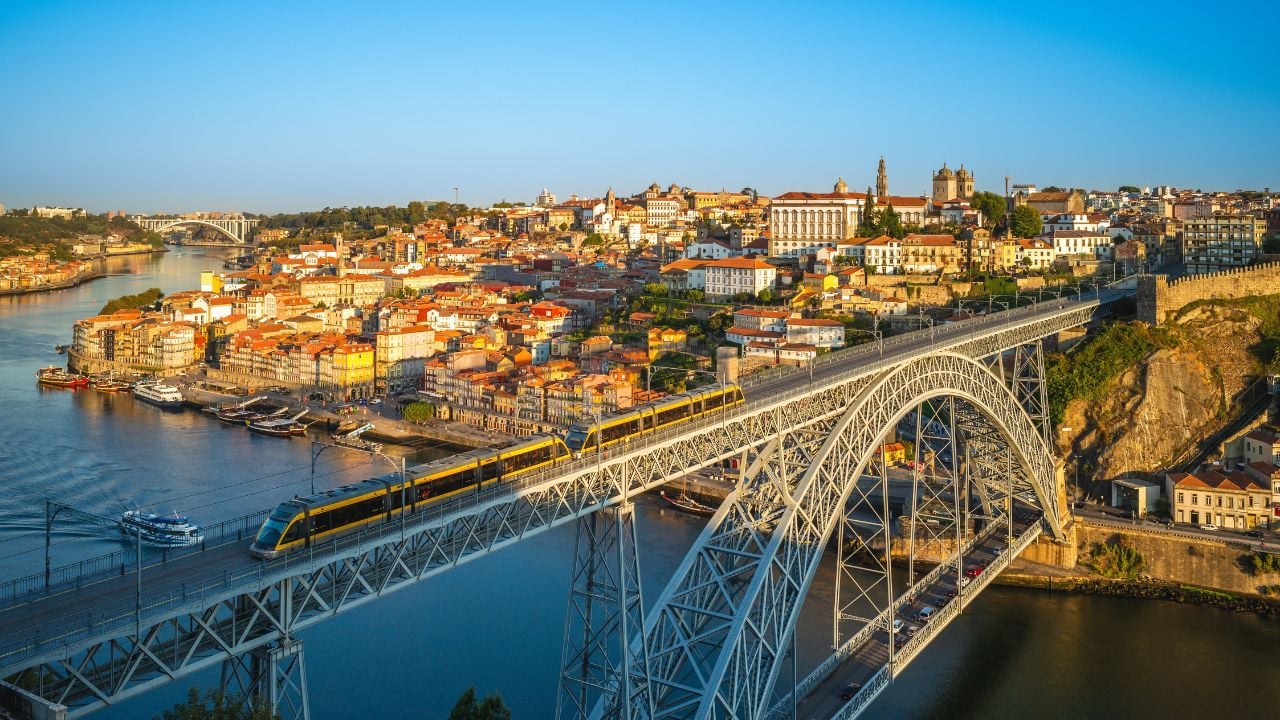
Porto should not be treated as the quick last stop before flying home. The city has too much weathered beauty for that: steep lanes, tiled churches, iron balconies, riverfront houses, old shopfronts, miradouros, São Bento tiles, and the Douro cutting through the whole scene.
UNESCO describes the Historic Centre of Oporto, Luiz I Bridge, and Monastery of Serra do Pilar as an outstanding urban landscape with 2,000 years of history along the Douro. That history feels physical in Porto. Streets drop hard toward the river, stairways appear without warning, and the bridge keeps pulling the eye toward Vila Nova de Gaia.
The first full day can stay on the Porto side: Ribeira, São Bento, the cathedral area, tiled churches, viewpoints, and a riverfront evening. Porto rewards slow legs more than perfect routing. It is steep enough to make visitors tired, but the next view usually arrives before the complaint becomes serious.
Gaia deserves its own time. Cross the Dom Luís I Bridge and the city turns into a panorama: Porto climbing the opposite bank, the Douro below, boats on the water, and port lodges sitting behind the riverfront. Tastings are part of the experience, but the views back toward Porto are just as important.
Two full days should be the minimum if possible. Porto feels intimate because the historic core is compact, but it feels grand because the river, bridge, hills, and stone façades keep giving the city a larger scale. It is a strong ending because it feels different from Lisbon without feeling like a smaller version of it.
6. Finish With the Douro Valley for Vineyards, River Views, and a Slower Last Chapter
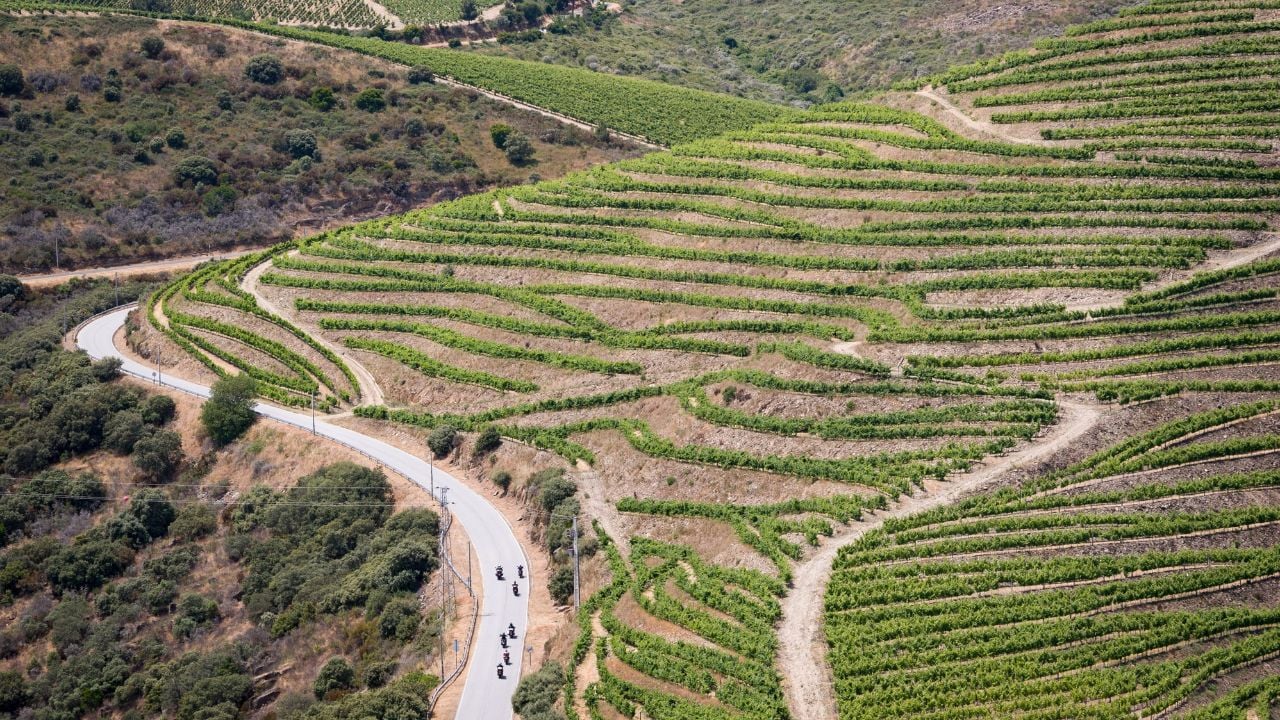
The Douro Valley is the right finish when the trip has room for wine country instead of only one last city dinner. Terraced vineyards fold into the hills, the river bends below, and the roads and rails keep revealing slopes that look carefully carved rather than naturally easy.
UNESCO notes that wine has been produced in the Alto Douro region for about 2,000 years, with port wine becoming world famous from the 18th century onward. The valley is not just a pretty wine backdrop; it is a working cultural landscape shaped by centuries of viticulture.
A day trip from Porto can give a strong taste of the Douro, especially with a train ride, a viewpoint, a tasting, or a short river cruise. But one night changes the feeling. The valley is quieter after the day tours leave, and the terraces look different when the light drops across the slopes.
Peso da Régua and Pinhão are practical bases, while a quinta stay can make the last part of the trip feel slower and more rooted in the landscape. A good Douro day does not need too many appointments. One tasting, one proper meal, one river moment, and enough time to sit with the vineyard view will usually do more than a crowded schedule.
Ending here gives the whole Portugal route a softer landing. Lisbon brings the first rush, the coast adds Atlantic air, Coimbra slows the transfer, Porto builds the final city chapter, and the Douro closes the trip with water, wine, and terraced hills that ask for less movement and more looking.