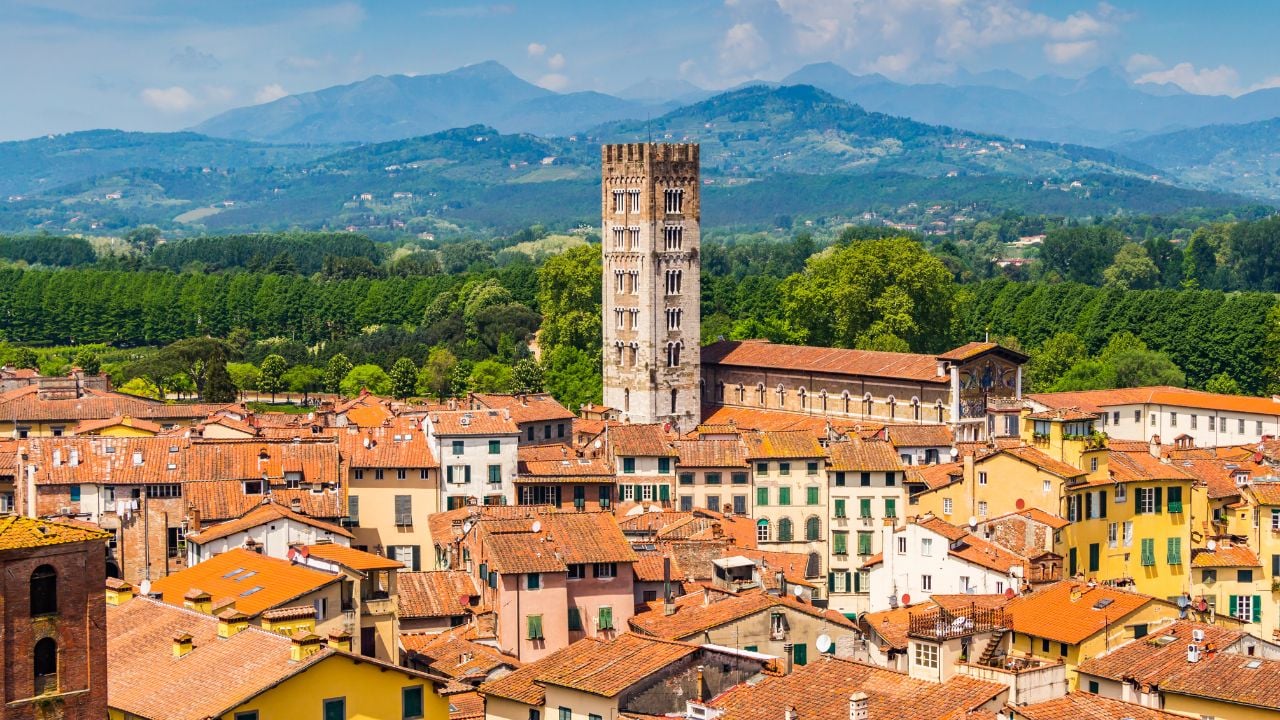
Magic does not always need a complicated itinerary. Sometimes it starts with a ferry pulling away from a small pier, a canal catching afternoon light, a church bell over red rooftops, or a cliffside view that appears just when the day needed something beautiful.
The easiest trips can leave the strongest glow because nothing feels forced. You arrive, walk a little, sit down somewhere pleasant, and the place starts doing the work before the schedule has a chance to get in the way.
These five places keep that feeling close. Lake Iseo and Monte Isola offer a short boat crossing and quiet island lanes. Delft gives canals, blue ceramics, and brick reflections. Piran folds Adriatic light into old stone. Dinant squeezes a river, church, cliff, citadel, and saxophones into one dramatic view. Lucca turns a city wall into a shaded walk above Tuscan rooftops.
None of them needs a heavy plan. A bridge, a café table, a harbor, a church tower, or a tree-lined wall can be enough when the setting has charm built into ordinary movement.
1. Lake Iseo and Monte Isola, Italy
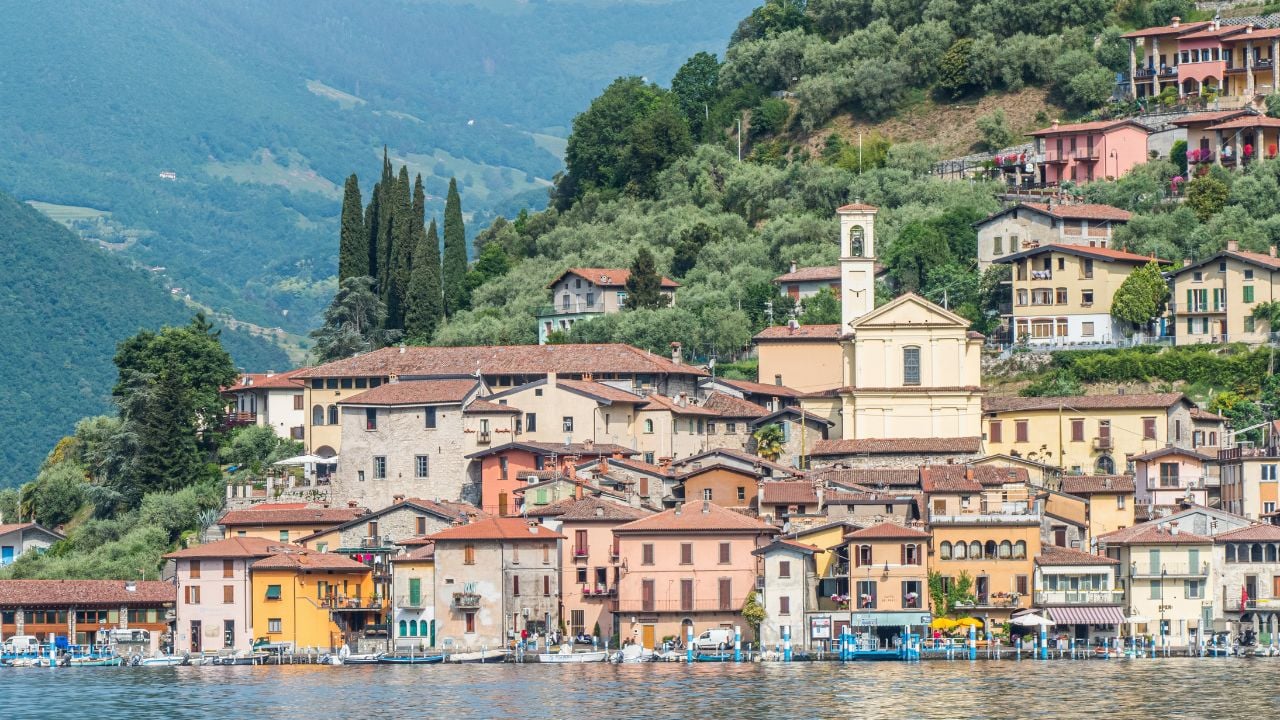
Lake Iseo feels quieter than Italy’s most famous northern lakes, and that softness is part of the spell. The villages sit close to the water, hills rise behind the shore, and the lake has a more local mood than places where every view seems designed for a luxury brochure.
The day changes the moment the ferry leaves the pier. Navigazione Lago d’Iseo connects lakeside villages by boat and points travelers toward Monte Isola, a car-free island reached by ferry. The crossing is short, but it makes the trip feel like a small escape inside the larger lake day.
Monte Isola looks exactly like its name suggests: a mountain rising from the middle of the water. Visit Lake Iseo describes the island as having an area of 4.5 square kilometres, a circumference of about 9 kilometres, and twelve traditional hamlets. Some sit by the lake, others climb higher on the slopes, with narrow lanes, fishing history, and views that keep opening between houses.
Arrive by boat, walk through Peschiera Maraglio or another lakeside village, stop for lunch, and give the afternoon to the shore path instead of trying to conquer the whole island. The charm comes from small changes: laundry above a lane, a boat knocking gently against the dock, church bells from a hamlet above, and the lake turning silver when the light shifts.
2. Delft, Netherlands
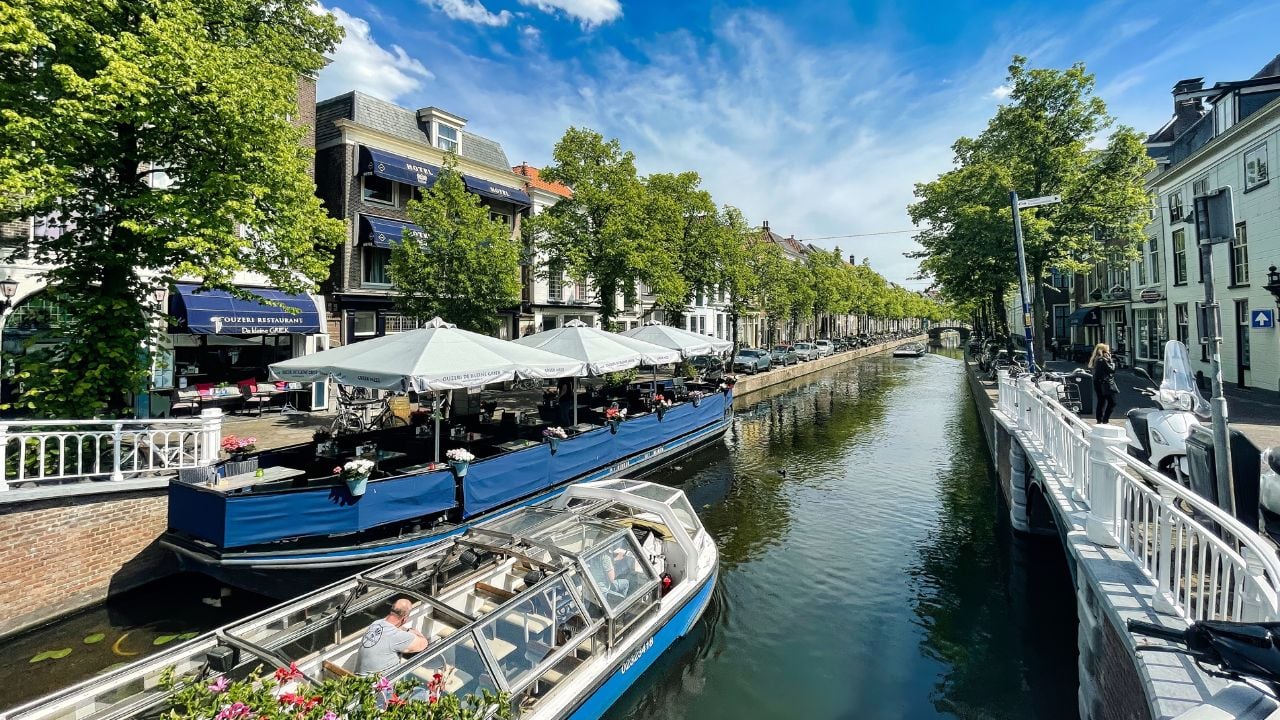
Delft turns graceful almost immediately. The canals are narrow enough to feel intimate, the brick façades sit close to the water, bicycles lean against railings, and bridges keep giving the same city back from a slightly different angle.
The Netherlands’ official tourism site describes Delft as a walkable city of canals, historic façades, Delft Blue ceramics, and Johannes Vermeer’s legacy. That history is easy to feel without turning the day into a museum assignment. The city looks lived-in and composed at the same time.
Walk toward the Markt and let the church towers anchor the center. Look into ceramic shops, pause on a bridge when the water is still, and take the smaller canal streets when they look quieter than the main route. Delft rewards slow looking: window boxes, old brick, blue-and-white pottery in shopfronts, reflections under low bridges, and café tables close enough to the canal that the afternoon seems to soften around them.
The magic here is not loud. It is the kind that appears when the light catches the water beside an old house, or when a bicycle rattles over a bridge and the scene looks briefly like something Vermeer might have recognized, even with modern life moving through it.
3. Piran, Slovenia
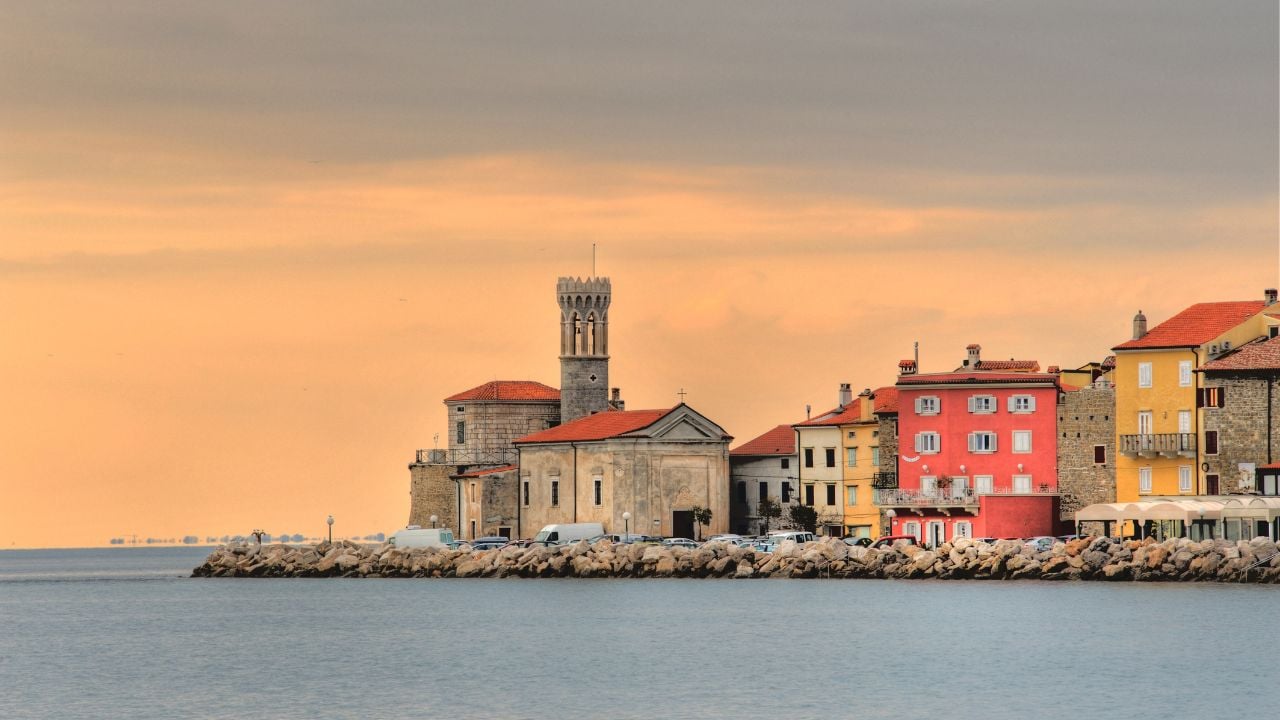
Piran is small, but it knows how to make an entrance. The Adriatic sits tight against the old town, red roofs gather below the bell tower, and the lanes keep folding back toward the sea as if the whole place is leaning toward the water.
Slovenia’s tourism board describes Piran as an old port town with remnants of a medieval wall, protected as a cultural and historical monument. That old-port feeling is still visible in the stone lanes, Venetian touches, worn steps, waterfront cafés, and the way the sea appears suddenly at the end of a narrow street.
Tartini Square gives the town its open heart. Portorož and Piran tourism notes that the square was once an inner harbor, filled in in 1894 for sanitary reasons and to create public space, and that the 15th-century Gothic Benečanka is among the historic buildings around it. Standing there, the shape of the square makes more sense when you imagine boats where people now cross the paving.
Walk from the square to the waterfront, continue toward the point, then climb if you want the rooftops and sea below you. Piran is best when the day keeps circling back to simple things: salt air, church bells, seafood, stone underfoot, and evening light on pastel facades.
4. Dinant, Belgium
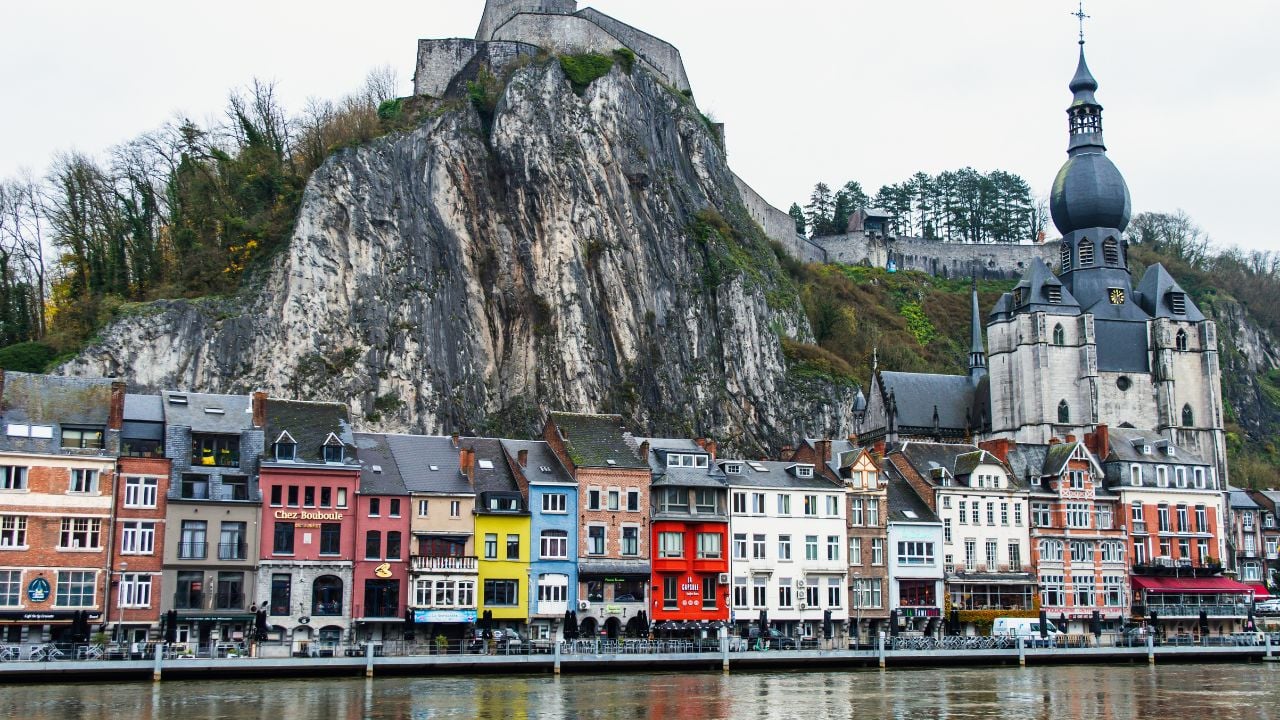
Dinant looks almost staged, but the drama is real. The Meuse runs through the town, the Collegiate Church rises beside the water, and the citadel sits high on the cliff above, as if someone stacked the whole place vertically to make the view impossible to ignore.
The Citadel of Dinant is one of Wallonia’s emblematic historical sites. VisitWallonia says it can be reached from the city center by the 408-step staircase or by cable car, with another approach from the plateau behind the citadel. The climb or ride is worth it for the way the town, river, bridge, church, and cliffs suddenly fall into place below.
Back at river level, Dinant becomes more playful. VisitWallonia highlights a trail of 60 giant saxophones decorated by European countries, a tribute to the town’s musical identity. The bright sculptures bring color and humor to a setting that could otherwise feel almost too grand.
Give the day time to move between high and low. See the citadel, cross the bridge, look at the saxophones, sit near the Meuse, and let the cliff keep changing the town’s mood as the light moves. Dinant is easy to visit, but the combination of river, rock, church, fortress, and music makes it linger.
5. Lucca, Italy
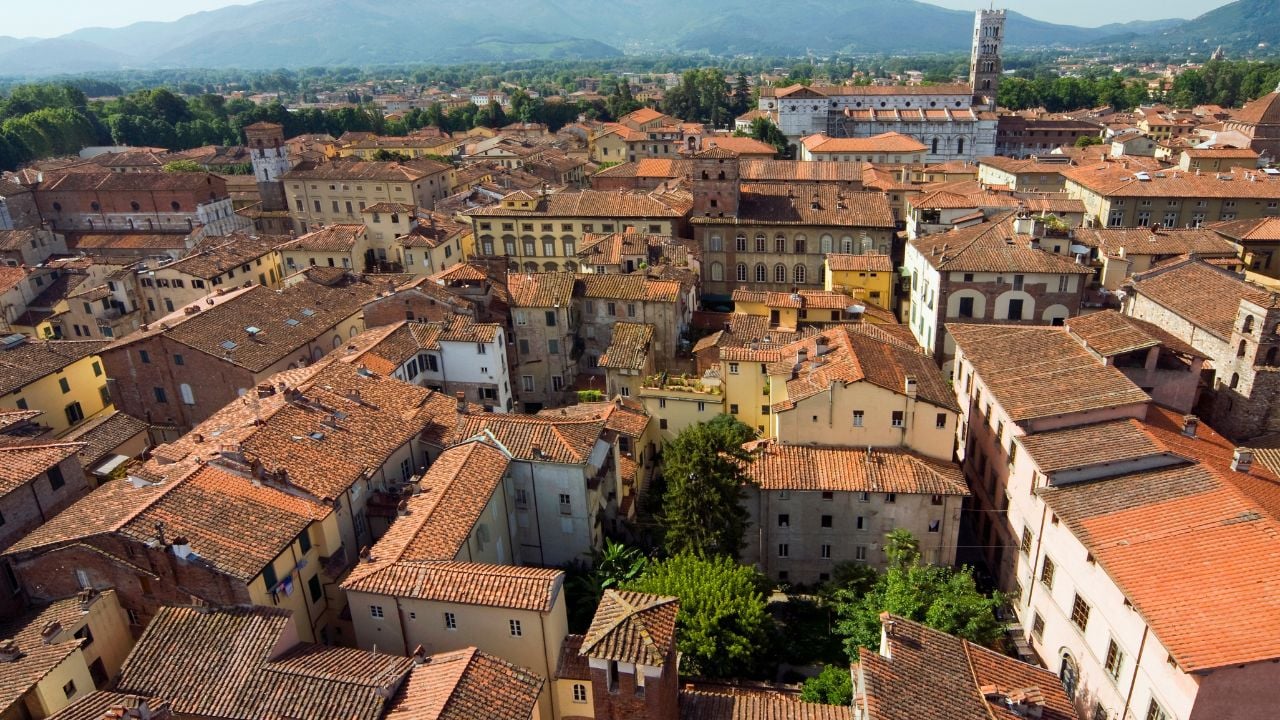
Lucca makes simple travel feel enchanted by turning its walls into a daily walk. The old city sits inside them at a human scale: church towers, warm stone, shuttered windows, bicycles, bakery smells, and small squares where people seem to have more time than the rest of Tuscany.
Lucca’s tourism office describes the Walls of Lucca as a unique cultural landscape, an urban park, and a meeting place between history and nature. That is exactly how they feel. Instead of separating visitors from the city, the walls lift them above it, under trees, with rooftops on one side and green space on the other.
Inside the walls, the day can stay beautifully simple. Walk to Piazza dell’Anfiteatro, sit down for lunch, follow narrow lanes past shops and churches, then climb the Guinigi Tower if you want the famous view with holm oaks growing from the top. Italia.it notes that Lucca’s historic center brings together medieval churches, Renaissance walls, patrician palaces, squares, avenues, alleys, shops, and a relaxed way of life.
Return to the walls before leaving. Late light through the trees, cyclists rolling past, church bells below, and rooftops glowing inside the circle make the city feel protected and open at the same time. Lucca’s easiest activity, walking, is also its best trick.