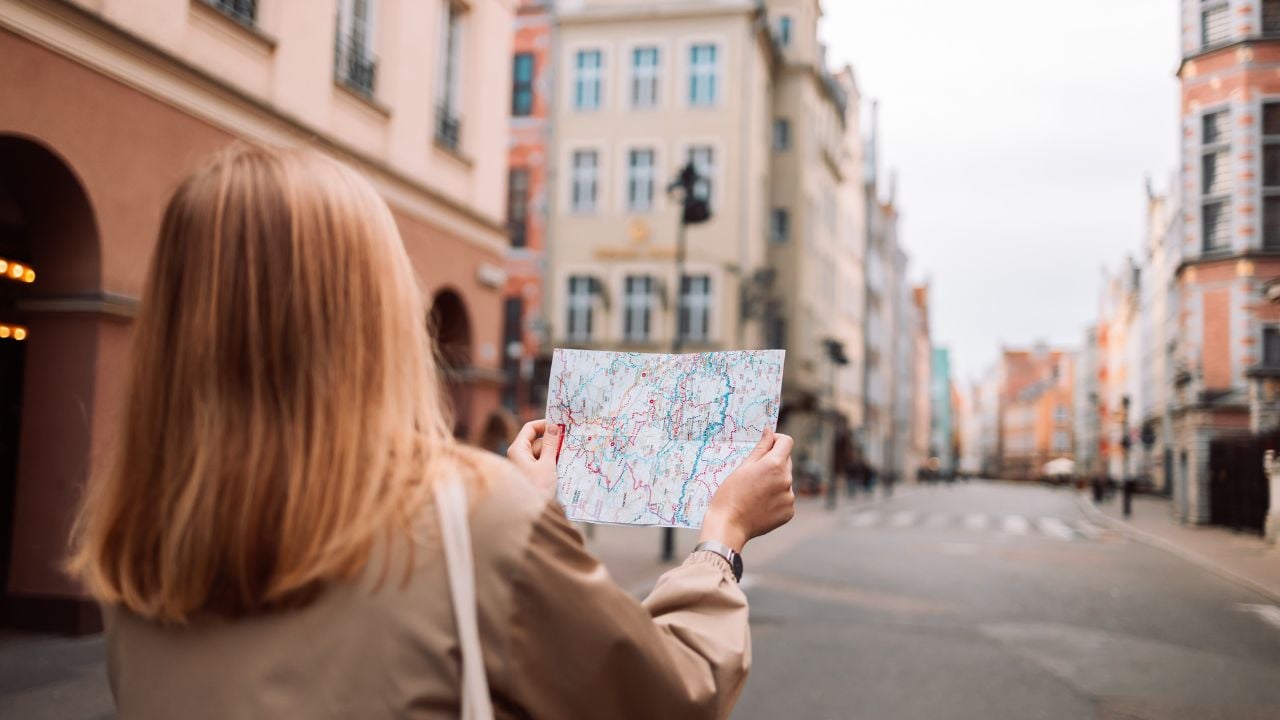
Some destinations reduce the usual arrival friction without feeling bland or overplanned. A cable car leaves from an old town, a mountain lift starts in the city center, a loop bus links major sights, or a harbor puts dinner, boats, museums, and evening walks in the same place.
Funchal, Innsbruck, Ghent, Kanazawa, Aarhus, La Rochelle, and Zadar all give travelers a clear way into the trip. The useful detail is different in each place: Funchal has a cable car from the Old Town to Monte, Innsbruck links old streets with alpine lifts, Ghent fits its main historic route into a walkable center, and Kanazawa connects gardens, markets, castle grounds, and preserved districts by loop bus.
Aarhus starts well through the Latin Quarter, then opens toward museums, food halls, and harbor architecture. La Rochelle uses its Old Port and city pass to connect harbor towers, museums, boat links, and coastal transport. Zadar gives the first evening a clear waterfront destination through the Sea Organ and Greeting to the Sun.
These trips still need weather checks, hotel research, ticket hours, and realistic timing. The difference is that travelers are not forced to solve the whole destination from scratch after arrival.
1. Funchal, Madeira, Portugal
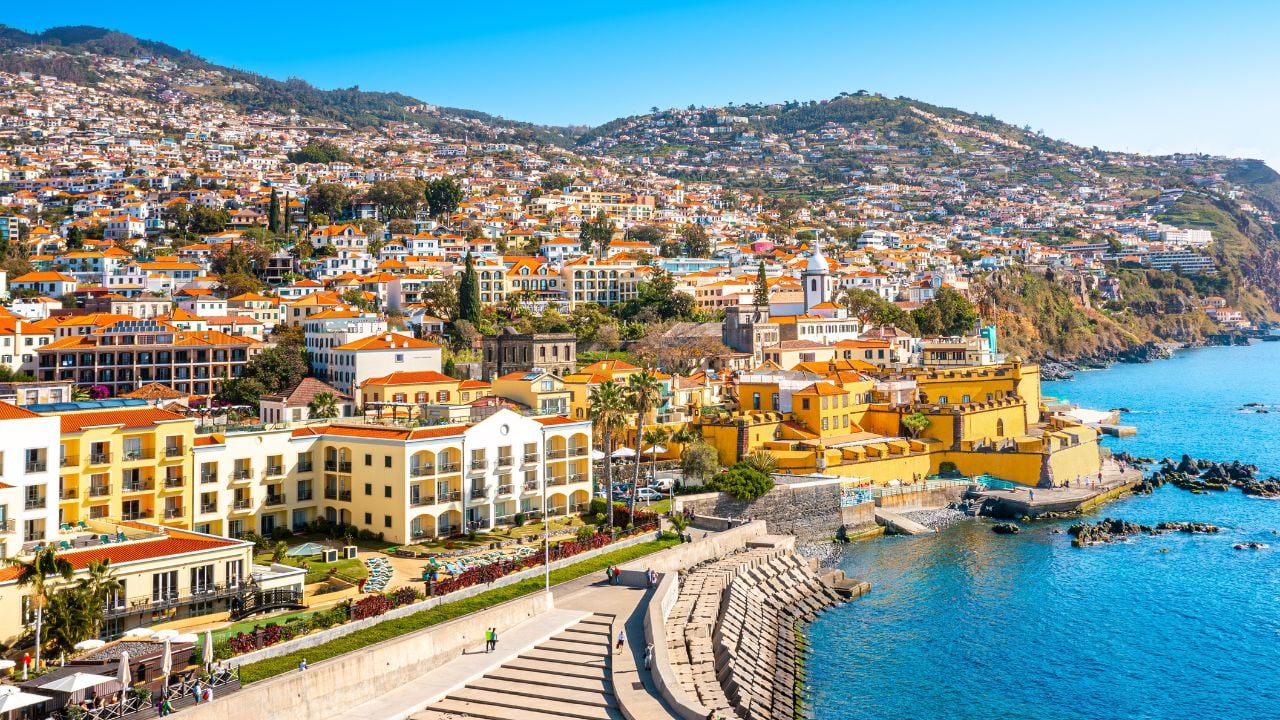
Funchal keeps Madeira’s first day inside one useful corridor: Old Town streets, the harbor, market areas, cafés, gardens, tour departures, and the cable car station. Travelers get a real Madeira setting before they start dealing with mountain roads, levada routes, rental cars, or distant viewpoints.
The Funchal Cable Car gives the city its easiest high-view route. Visit Madeira says the cable car starts from the Old Town, runs along a 3,200-meter cable, opens daily from 9 a.m., and has its last ride at 5:45 p.m. The line connects central Funchal with Monte, so visitors can move from the waterfront area to hillside views without booking a separate tour.
A strong first day stays local: Mercado dos Lavradores, Old Town streets, the waterfront, the cable car to Monte, and dinner back near the harbor. The bigger Madeira plans—Porto Moniz, Pico do Arieiro, Cabo Girão, natural pools, and levada walks—belong on separate days.
2. Innsbruck, Austria

Innsbruck compresses two trips into one manageable day. Visitors can walk through the old town, see the Golden Roof area, cross the Inn, sit at a café, and still reach high alpine viewpoints without moving to a mountain resort.
Innsbruck Tourism says the Nordkettenbahnen lifts take visitors from the city center to Austria’s largest nature park in about 20 minutes, continuing toward Seegrube and Hafelekar with views of Innsbruck on one side and Karwendel Nature Park on the other.
The old-town section and the lift section should not be treated as separate vacations. The appeal is the quick change: painted façades and arcaded streets below, limestone peaks and mountain air above. Clear weather and lift operating hours decide whether the mountain block belongs in the morning or later in the day.
3. Ghent, Belgium

Ghent gives travelers a historic center with enough daily life around it to avoid the museum-piece feeling. Canals, guild houses, bridges, towers, cafés, shops, students, restaurants, and evening bars share the same old-town area.
Visit Gent offers a first-time city walk of 4.2 kilometers, built around major highlights and local character. That distance is long enough to give the city shape, but short enough for travelers to understand the center without turning the day into a forced march.
The main route runs naturally from Korenmarkt toward Graslei and Korenlei, then onward to the three towers and the streets around the water. Patershol adds restaurants in older lanes, while museums, canal boats, and longer river walks give the next block of the day more depth.
Ghent deserves its own stay rather than a quick stop between Brussels and Bruges. A full day and evening give enough time for the canals, towers, cafés, dinner, and one museum or church visit.
4. Kanazawa, Japan
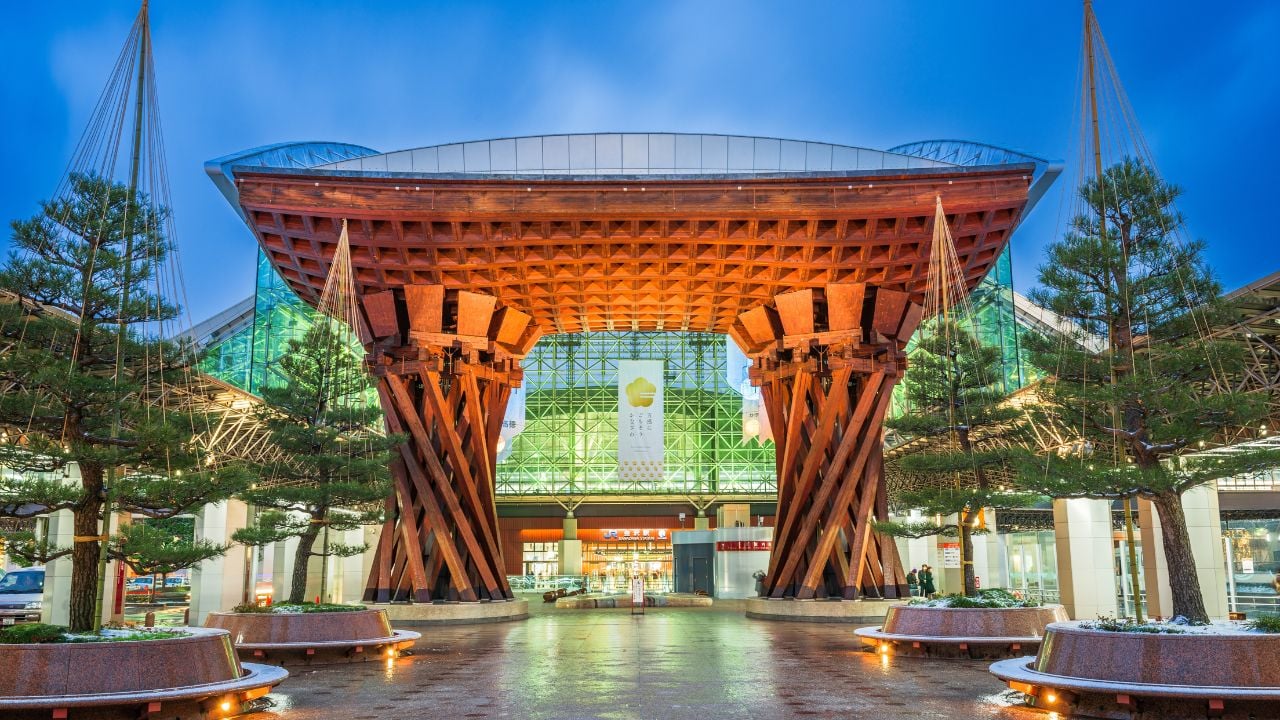
Kanazawa gives travelers several classic Japan experiences in a city that is easier to divide into short blocks. A day can move from Omicho Market to Kenrokuen Garden, Kanazawa Castle Park, Higashi Chaya District, Nagamachi Samurai District, or the 21st Century Museum of Contemporary Art without the scale of Tokyo or Kyoto.
Hokutetsu says the Kanazawa Loop Bus connects major sights such as Higashi Chaya District, Kenrokuen Garden, Kanazawa Castle Park, the 21st Century Museum of Contemporary Art, Nagamachi Samurai District, and Omicho Market, with left and right loop routes running every 15 to 20 minutes.
That route lets visitors group the day clearly. Omicho Market handles the food stop, Kenrokuen and the castle area handle the garden-and-history section, and Higashi Chaya or Nagamachi adds preserved streets and craft culture. Ticket times, bus direction, and closing hours still need checking, but the sightseeing map is not scattered across a huge city.
5. Aarhus, Denmark
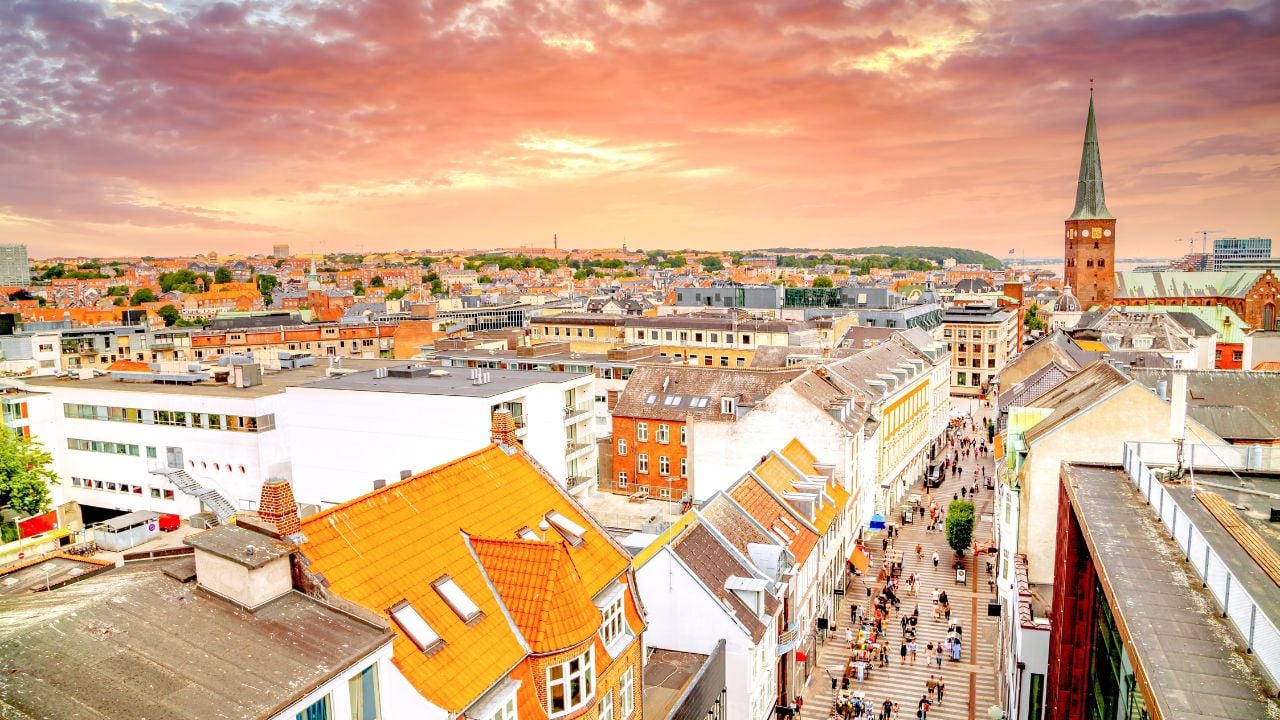
Aarhus starts through neighborhood scale rather than spectacle. The city has museums, design shops, student life, food halls, cafés, and harbor architecture, but the first route does not require a full capital-city strategy.
The Latin Quarter is the best opening area. VisitAarhus describes it as the oldest and one of the most charming quarters in Aarhus, filled with small shops, coffee shops, and cozy restaurants.
From there, the city changes direction without becoming difficult to read. ARoS gives the museum block, Aarhus Street Food handles an informal meal, and Aarhus Ø moves the day toward the waterfront and newer architecture. Vestergade and Trøjborg add more local streets for travelers staying longer than a quick weekend.
Aarhus is strongest when the first route stays focused. Latin Quarter first, then one clear extension: museum, food hall, harbor, or neighborhood walk.
6. La Rochelle, France
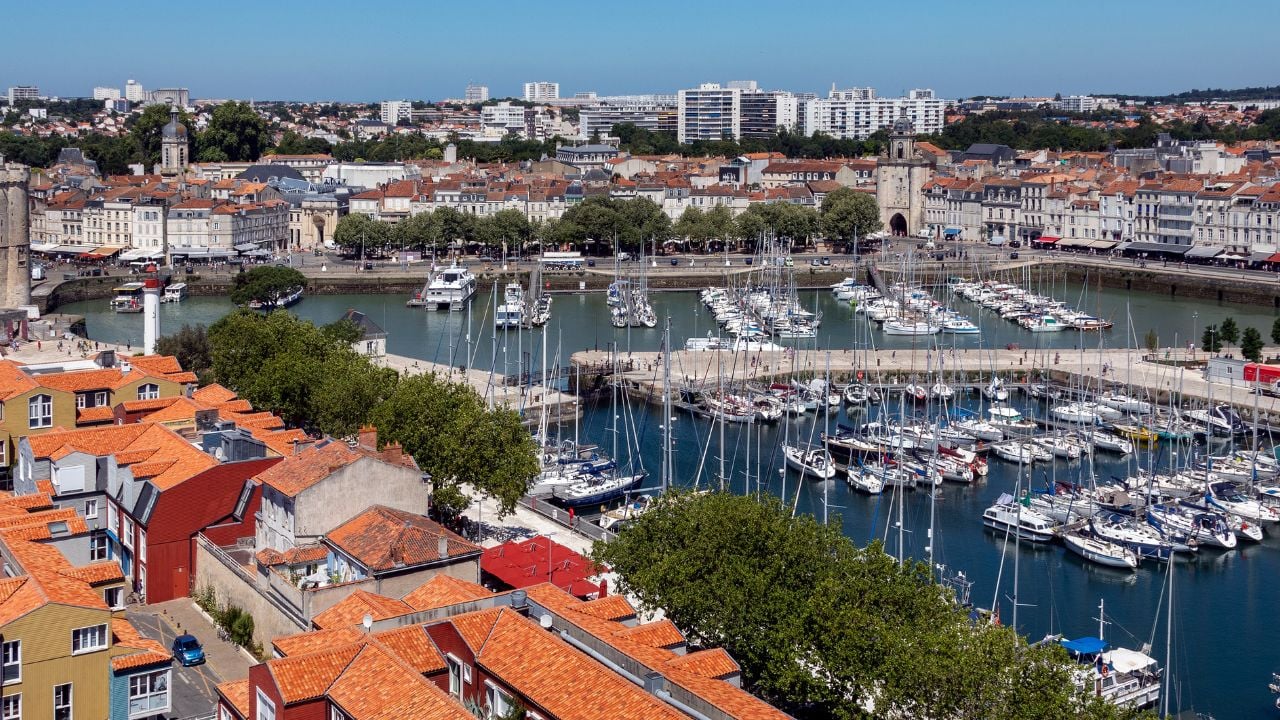
La Rochelle gives arrivals an immediate focal point at the Old Port. The harbor towers, boats, limestone buildings, arcaded streets, seafood restaurants, aquarium area, and Atlantic light sit close enough to shape the first afternoon without sending visitors across town.
The La Rochelle Océan Pass covers museums, monuments, guided tours, sea trips, transport, and selected discounts, so visitors can move between the Old Port, aquarium, harbor towers, museums, and boat links without buying separate access for every stop. Yélo transport options tied to the pass include city travel and boat connections, including the sea bus between the Old Port and Les Minimes Marina.
The Old Port should stay at the center of a short stay. Add the market, towers, aquarium, a museum, or a boat link from there instead of scattering the day across too many coastal stops. Nearby islands, beaches, and longer sea trips need their own time block.
7. Zadar, Croatia

Zadar’s first evening belongs on the waterfront. The old town has Roman layers, churches, cafés, stone streets, and sea views, but the promenade gives the arrival day its clearest destination.
The Sea Organ and Greeting to the Sun make that edge of the city more than a sunset viewpoint. The Zadar Region Tourist Board describes the Greeting to the Sun as a waterfront installation of 300 multi-layered glass plates that absorb solar energy during the day and create a light show after sunset. Croatia’s official Zadar page highlights the city’s sunset, Sea Organ, historical layers, and Mediterranean character.
A simple first evening works better than an overloaded one here. Walk the old town, find the Roman Forum and church streets, then reach the waterfront before sunset. The city gives travelers a clear answer to where the day should end.