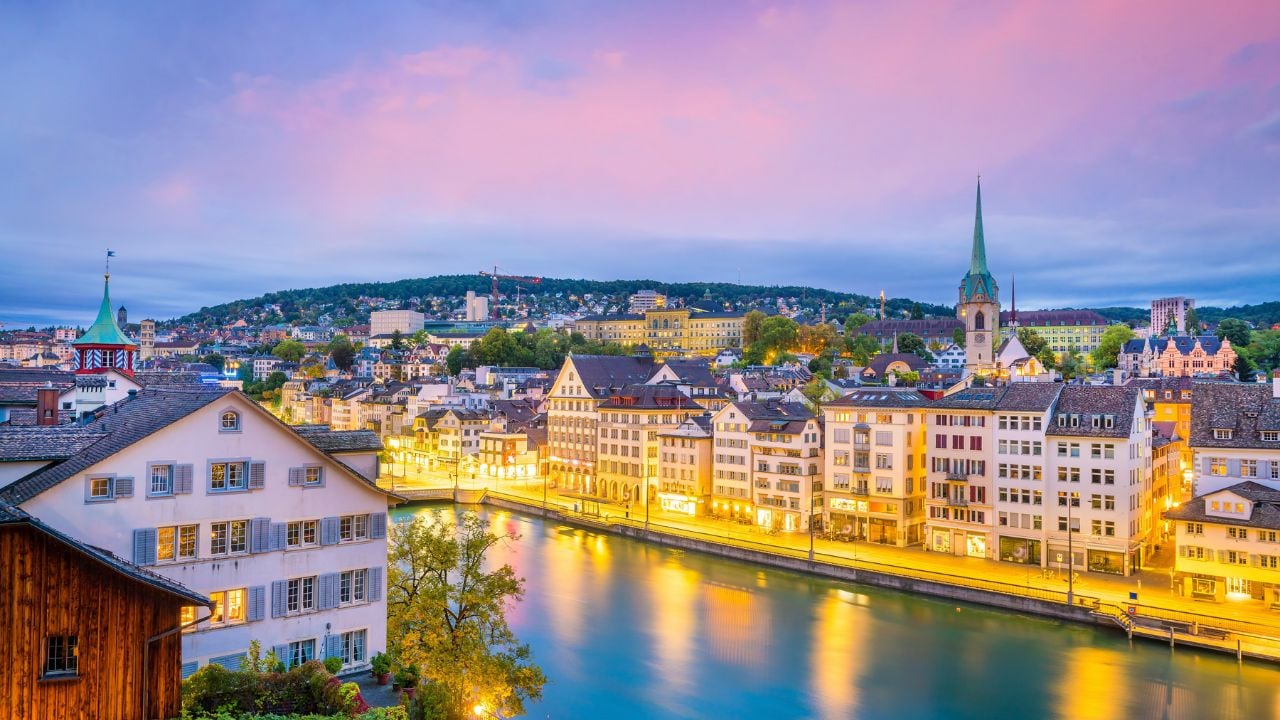
A short city break needs an arrival route that does not consume the first afternoon. The airport or station connection should lead directly to the center, and the hotel area should put travelers near food, a square, a river, a market, a museum, or a waterfront before the day is gone.
Bologna has the Marconi Express from the airport to the city center. Bilbao has a direct airport bus to central stops. Zurich has frequent trains from the airport to the main station. Vienna has the City Airport Train to Wien Mitte. Málaga has the C1 train from the airport to Málaga María Zambrano and Málaga Centro Alameda.
Hotel location still decides how useful those transfers are. A fast airport train loses value when the room sits far from the center, the restaurant area, or the next morning’s route. Travelers should check transfer hours, station distance, luggage handling, dinner plans, and the return route before booking.
Each city below gives arrival day a clear plan: Bologna through food streets and porticoes, Bilbao through the river and Casco Viejo, Zurich through the Limmat and Old Town, Vienna through the Ringstrasse and coffeehouses, and Málaga through the old center, port, museums, and waterfront.
1. Bologna, Italy
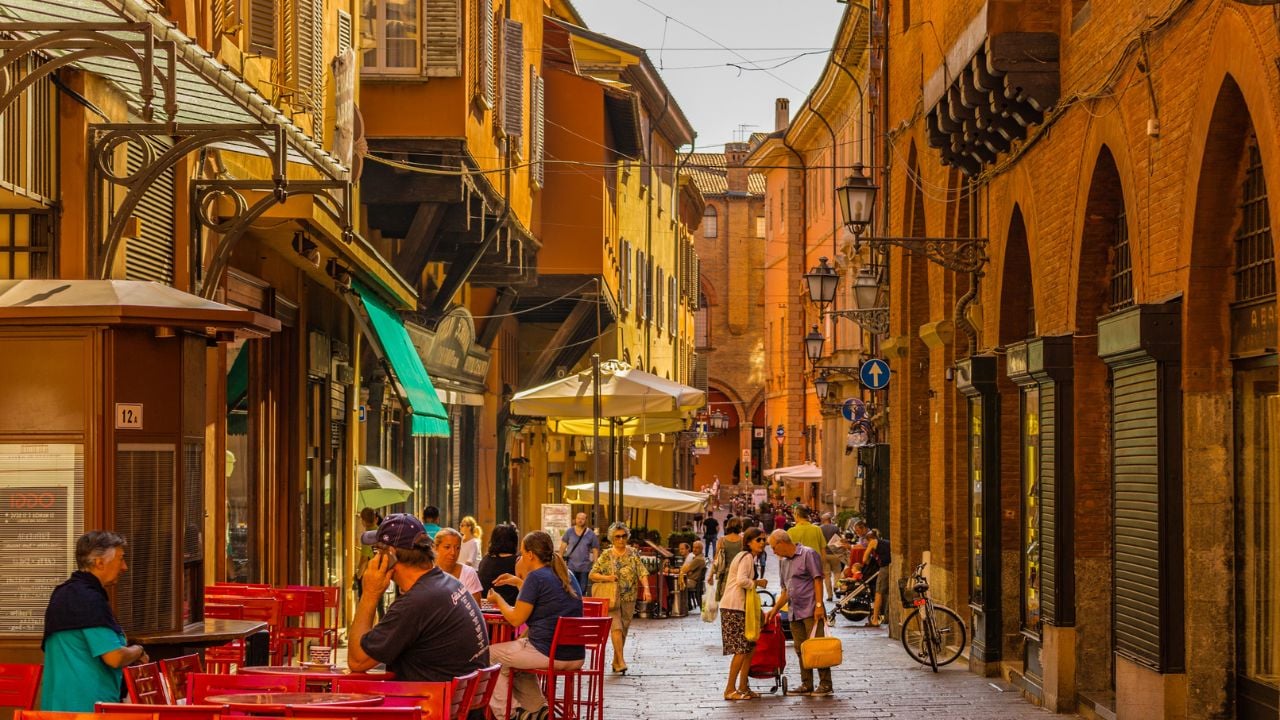
Bologna gives arriving travelers one of the fastest airport-to-center transfers in Italy. Bologna Airport says the Marconi Express makes the airport-to-city-center ride in 7 minutes, with trains every 7 to 15 minutes during operating hours. The service operates from 5:40 a.m. to midnight.
After check-in, the historic core can handle the rest of the day. Piazza Maggiore, the Quadrilatero market streets, food shops, wine bars, the Two Towers area, and covered porticoes sit close enough for an afternoon route without another long transfer.
Bologna Welcome says the city has more than 62 kilometers of porticoes across the urban area, and UNESCO lists the Porticoes of Bologna as a World Heritage property. Those arcades give the first walk shelter, shade, and a direct link between food streets, squares, churches, and shopping streets.
Dinner should stay near the center when the arrival day is short. Tagliatelle al ragù, tortellini, mortadella, or a market-area aperitivo fits better than a cross-city restaurant plan after luggage, airport transfer, and hotel check-in.
2. Bilbao, Spain
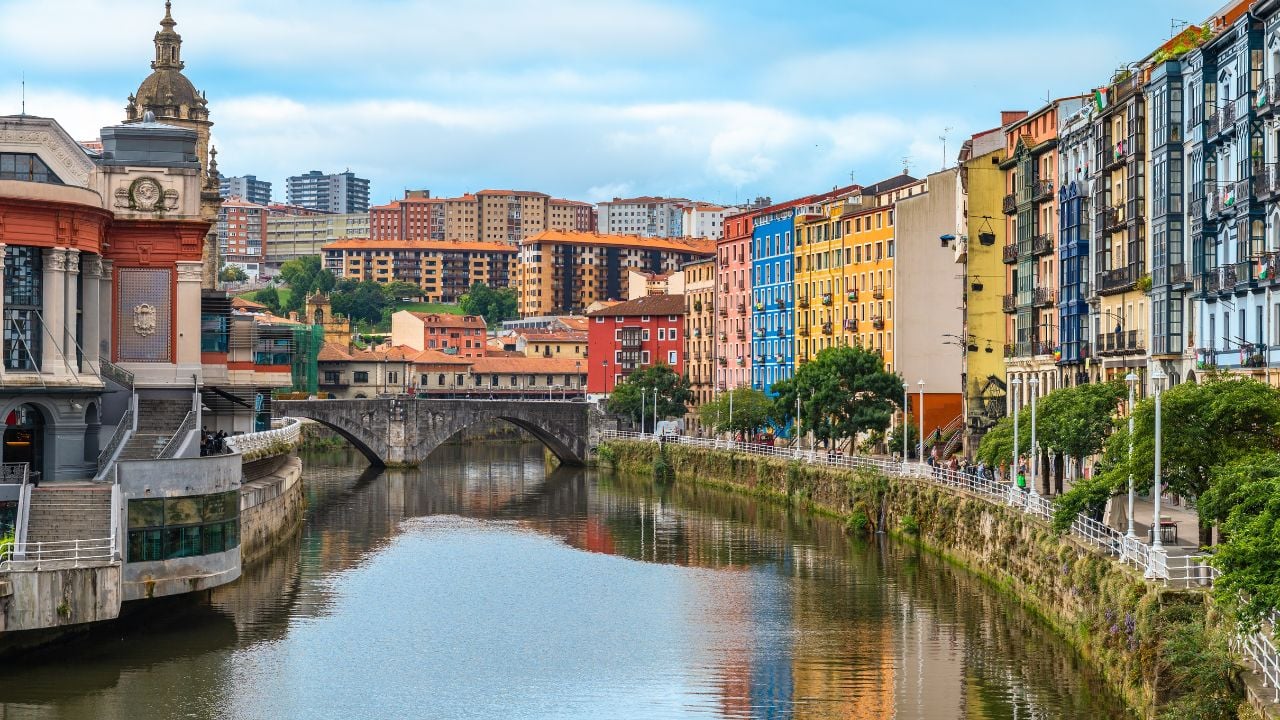
Bilbao’s airport bus gives visitors a direct route to central areas. Bilbao Tourism says the A3247 airport bus takes about 20 minutes from the airport to the city center, with stops including Alameda Rekalde, Gran Vía, and Bilbao Intermodal.
The first route should match the hotel location. A riverside route can move toward the Guggenheim Museum area, bridges, waterfront paths, and modern architecture. A Casco Viejo route can move toward Plaza Nueva, pintxos, shops, bars, and historic streets.
Bilbao Tourism describes Casco Viejo as the city’s historical center and a pedestrian area with heritage, stores, bars, hospitality businesses, Plaza Nueva, and streets near the Bilbao river estuary. That makes it a practical dinner area after an airport arrival.
A room near Gran Vía or the river suits a Guggenheim-and-waterfront route. A room closer to Casco Viejo suits pintxos, Plaza Nueva, and a shorter walk back after dinner.
3. Zurich, Switzerland
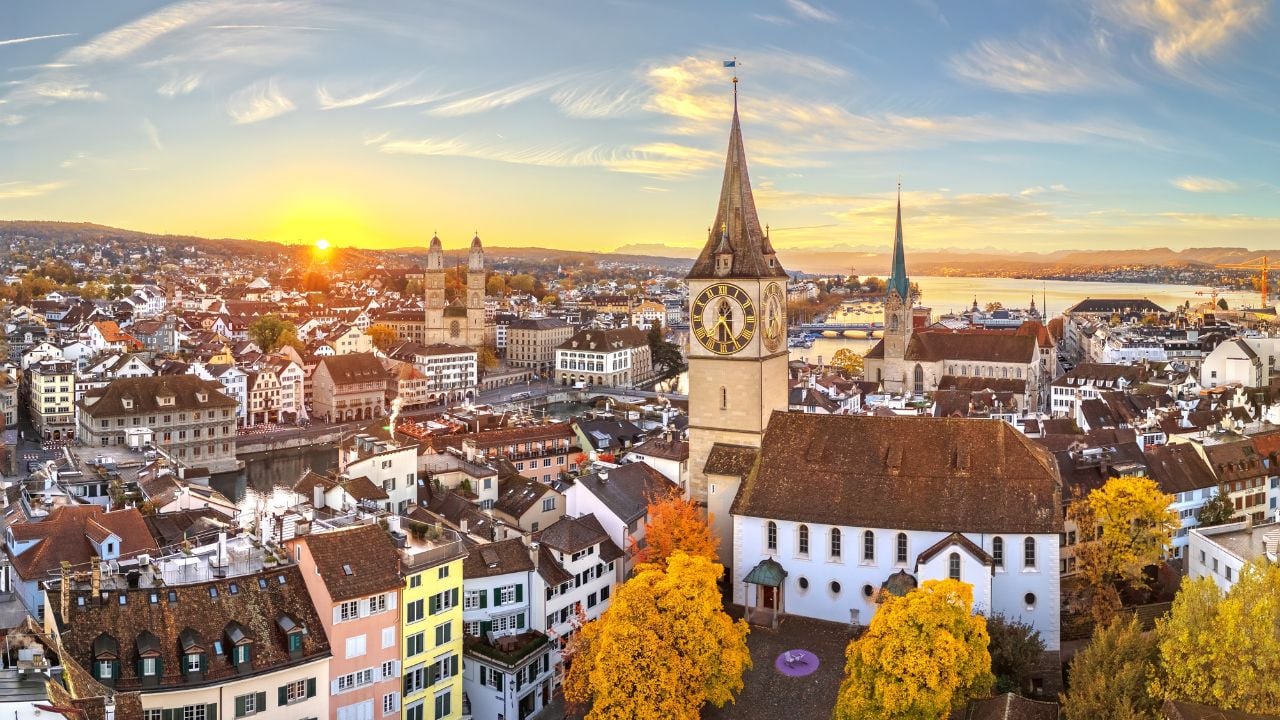
Zurich puts arrivals close to the center with frequent rail service. Zurich Tourism says trains run from Zurich Airport to Zurich Main Station every 5 to 10 minutes between 5 a.m. and midnight, with a ride of about 10 to 15 minutes.
Zurich Main Station puts visitors near the Limmat River, Bahnhofstrasse, the Old Town, tram connections, and the route toward the lake. A traveler landing before late afternoon can still walk between river bridges, narrow streets, shops, cafés, and lakefront sections before dinner.
Zurich Tourism describes the Old Town as the historic heart of the city on both sides of the Limmat, with guild houses, churches, historic squares, and tucked-away places close together. That area can carry the first walk from the station toward the river.
Prices can climb quickly in Zurich, so the first evening should be planned before arrival. Travelers should check hotel location, dinner costs, tram access, and lakefront distance before choosing where to stay.
4. Vienna, Austria
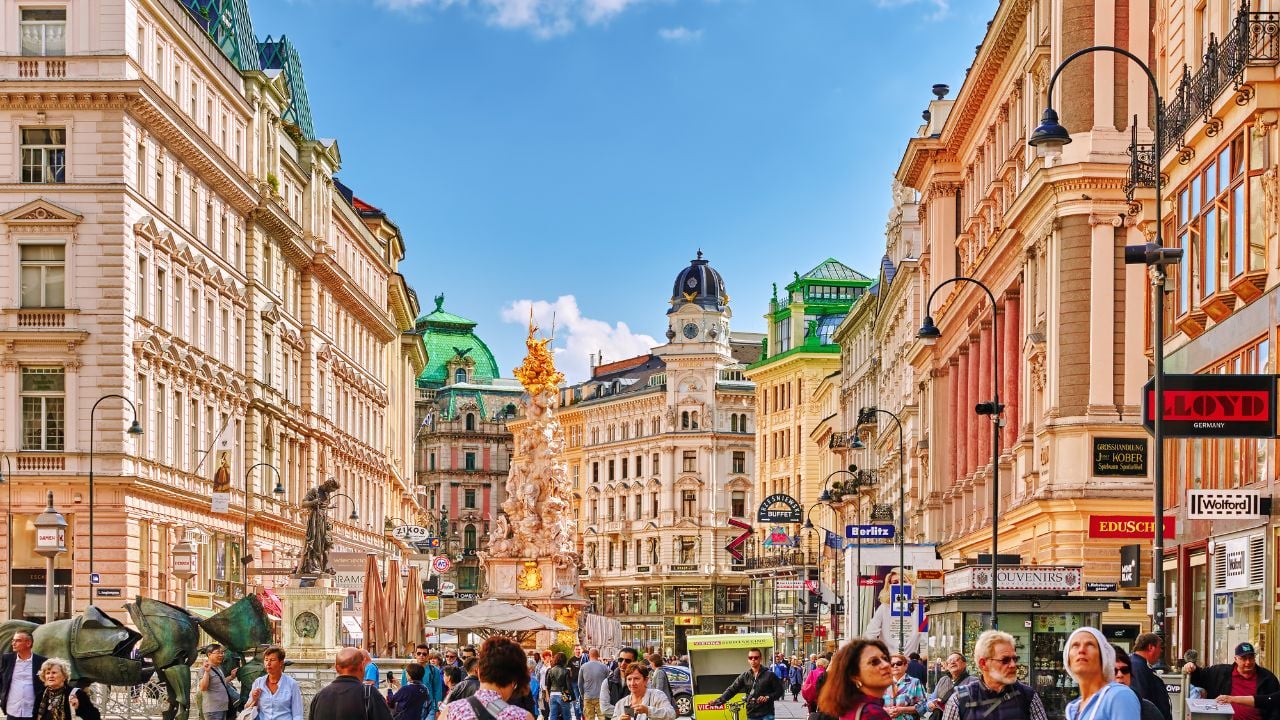
Vienna gives travelers a direct airport rail option to a central transport hub. Vienna’s official tourism site says the City Airport Train connects Vienna Airport with Wien Mitte in 16 minutes. The CAT operator lists departures every 30 minutes.
Wien Mitte puts travelers close to Stadtpark, U-Bahn connections, the Ringstrasse area, and routes toward the inner district. After check-in, a short plan can include Stadtpark, Kärntner Strasse, a coffeehouse, or a Ringstrasse walk instead of a full palace-and-museum schedule.
Café Schwarzenberg says it is Vienna’s oldest Ringstrasse café, with a history dating to 1861. A coffeehouse stop near the Ringstrasse suits a travel day better than a packed museum route after an airport arrival.
Travelers should choose between the CAT, S-Bahn, bus, taxi, or hotel transfer before landing. The fastest option is not always the best one when the hotel sits closer to a different station or when luggage makes an extra transfer awkward.
5. Málaga, Spain
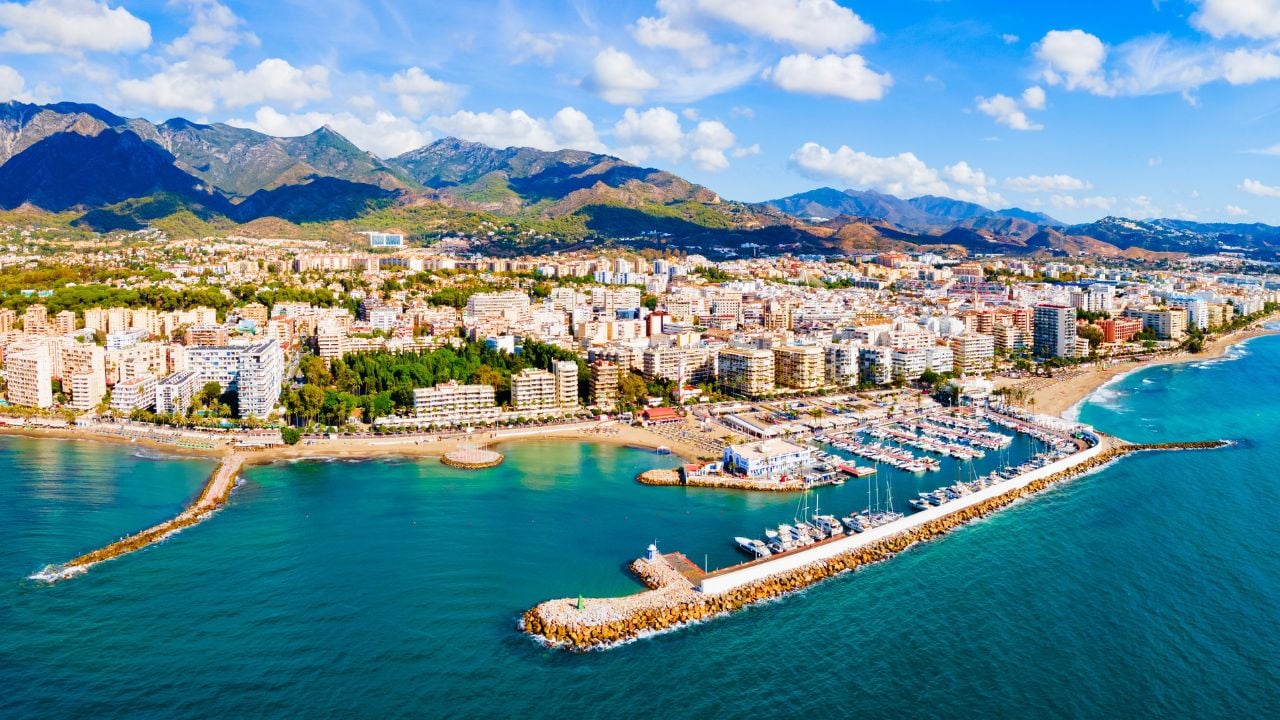
Málaga has a short rail link from the airport to the city. Aena says the C1 train takes about 8 minutes from Málaga-Costa del Sol Airport to Málaga María Zambrano and about 12 minutes to Málaga Centro Alameda.
After check-in, the first route can stay near the old center, port, museums, tapas bars, and waterfront. The Alcazaba area, cathedral streets, Picasso Museum, port promenade, and nearby restaurants can sit inside one afternoon or evening plan if the hotel is central.
Spain’s official tourism site describes Málaga as the city of Picasso, with the Picasso Museum in the center and the house where he was born. Málaga city tourism says Picasso was born in Málaga on October 25, 1881, at Plaza de la Merced.
Beach plans, Marbella, Nerja, Caminito del Rey, and other Costa del Sol excursions need separate time. A short Málaga arrival day should stay near the center, port, Alcazaba, museums, or a nearby restaurant instead of turning the coast into a same-day checklist.