A slower trip still needs structure. The best destinations for this style keep cafés, walking routes, markets, museums, viewpoints, and dinner areas close enough that travelers do not spend the day correcting a bad route. The goal is not to do less; it is to choose places where one river walk, market morning, museum stop, or sunset view can carry a full afternoon.
Ghent gives travelers canals, medieval streets, riverside walks, squares, and museums inside a compact Belgian city. Aix-en-Provence can organize a day around fountains, markets, shaded streets, café terraces, and the official Cézanne walking route. Madeira needs more planning because it is an island, but Funchal, gardens, viewpoints, bathing areas, and levada walks give visitors several slower day types.
Bend can split a visit between the Deschutes River, short hikes, breweries, shops, and high-desert scenery. Madison can use Capitol Square, lakeside paths, parks, trails, and the Dane County Farmers’ Market as anchors for an easy-paced weekend. Each place still requires weather checks, hotel research, reservations, and realistic route choices.
The practical rule is simple: choose one main area per day, then add one nearby stop. A canal walk plus a museum in Ghent, Cézanne route plus market time in Aix, one levada or garden day in Madeira, one river trail plus brewery stop in Bend, or one farmers’ market morning plus a lake walk in Madison can make the day full without turning it into a checklist.
1. Ghent, Belgium

Ghent gives travelers a slow first day without leaving the center. Visit Gent describes the city as a human-scale city break suited to a weekend trip or a last-minute city break. Visitors can start around Graslei and Korenlei, walk toward the historic core, then add a café, shop, church stop, or museum without crossing a large capital-style transit map.
The water routes give the day a clear shape. Visit Gent’s walk along the water guidance includes routes along the Scheldt, the confluence of the Lys and Scheldt at Portus Ganda, the river Lys, and the Lieve canal. That gives travelers several walking options instead of one crowded photo stop.
A first route can connect Graslei, Korenlei, the Castle of the Counts area, Patershol, Portus Ganda, and a riverside café. Travelers who want one indoor stop can add the Museum of Industry, St Bavo’s Cathedral, or another museum instead of trying to pack every medieval landmark into the same afternoon.
Ghent should not be treated as a quick stop between Brussels and Bruges if the goal is a slower trip. A full day lets visitors walk the rivers, choose a museum, eat in Patershol or the center, and return to the canals after the day-trip crowds thin out.
2. Aix-en-Provence, France
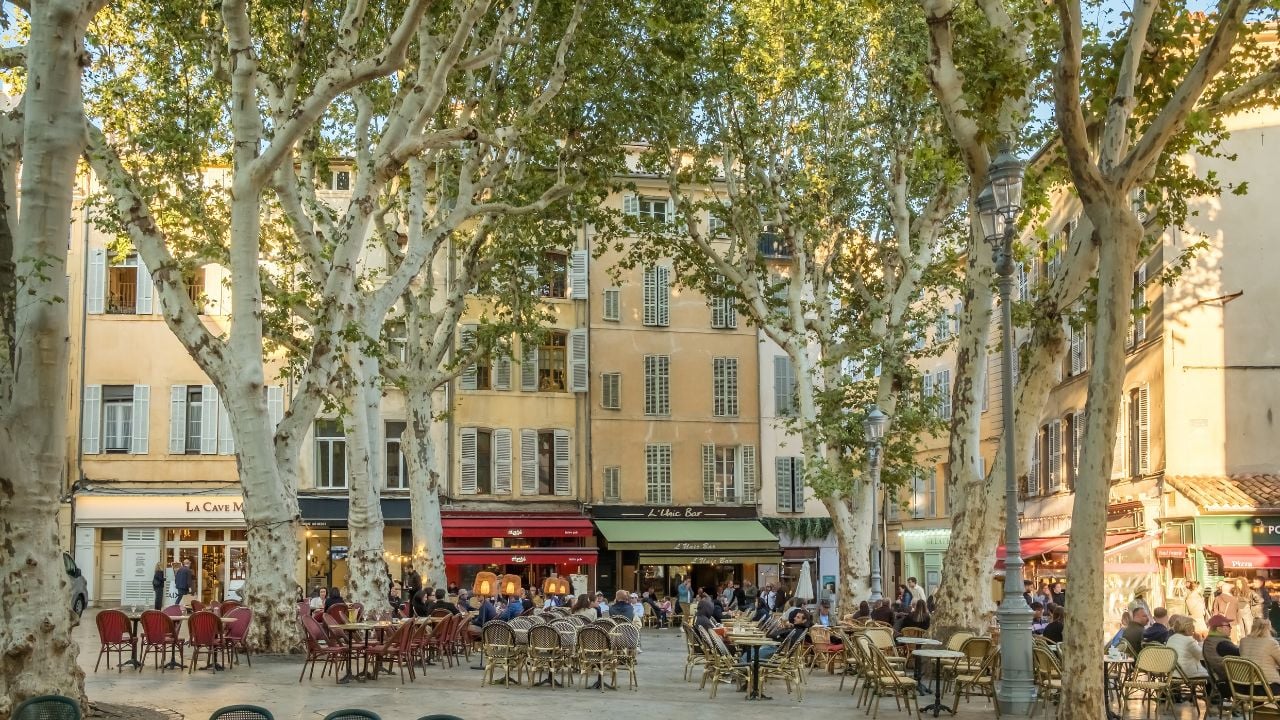
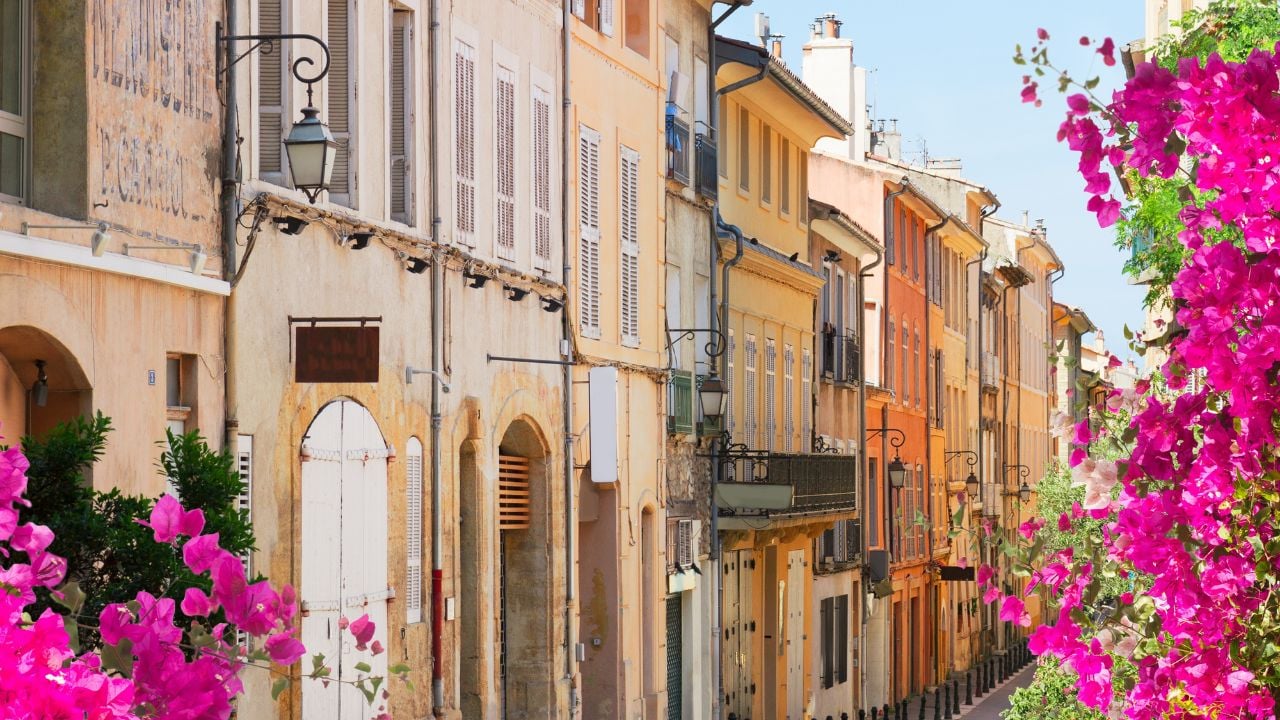
Aix-en-Provence works for slow travel because the old-town plan can stay on foot. The tourism office lists markets, fairs, guided tours, exhibitions, festivals, concerts, Provençal traditions, and cultural events among the city’s regular visitor options. Travelers can build a day around the old center, Cours Mirabeau, a market, fountains, and a long lunch without adding a car.
The city’s fountain map gives walkers a concrete route. Aix-en-Provence Tourism lists multiple fountains, including the Rotonde Fountain, Town Hall Fountain, St John of Malta Fountain, D’Albertas Fountain, and Bellegarde Fountain. A visitor can use those stops to move through the center rather than wandering without direction.
Cézanne gives the city another structured slow route. Aix-en-Provence Tourism says the In the Steps of Cézanne walk follows a pedestrian route marked by “C” studs and passes places tied to the painter’s childhood, schools, family addresses, cafés, and friends.
A practical first day can combine Cours Mirabeau, the old town, two or three fountains, a market if the timing fits, and one café or lunch stop. Travelers who want the Cézanne route should give it a dedicated block instead of adding it after a long restaurant reservation or a regional excursion.
3. Madeira, Portugal

Madeira can support a slower trip, but the island should not be planned like a compact city break. Funchal, gardens, viewpoints, bathing complexes, coastal villages, mountain roads, and levada walks sit in different parts of the island. Travelers should group stops by area and avoid adding a long mountain route after a late start.
The Laurissilva Forest is the island’s major nature anchor. Visit Madeira says the Laurissilva Forest has been a UNESCO World Heritage site since 1999 and can be explored through trails and levadas. UNESCO describes Madeira’s Laurisilva as the largest surviving area of laurel forest and says it contains many endemic species.
Levada walks need route research before departure. Some routes include tunnels, narrow paths, wet sections, exposure, or longer distances than casual walkers expect. Travelers should check distance, difficulty, weather, trail status, footwear, and transport before choosing a levada.
A slower Madeira plan can use one Funchal day, one garden or viewpoint day, and one carefully chosen levada or coastal route. That structure leaves room for local meals, bathing areas, cable cars, markets, or a shorter village stop without turning the island into a sequence of rushed viewpoints.
4. Bend, Oregon
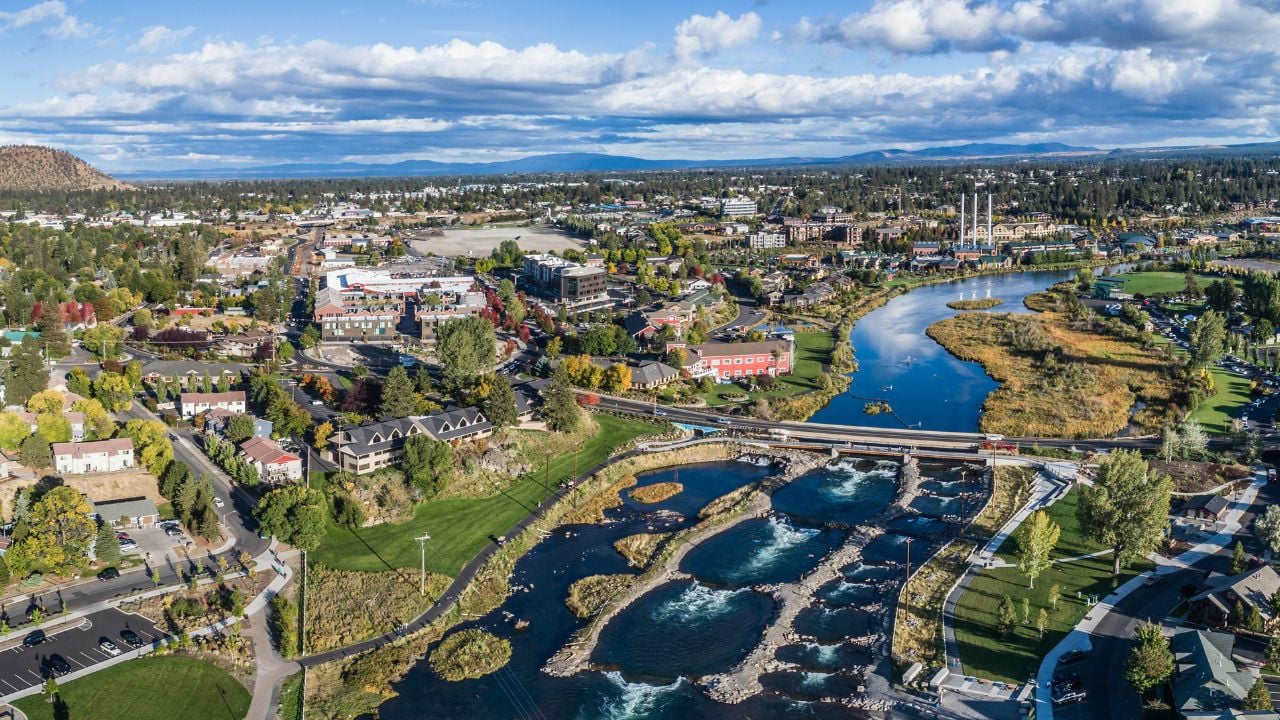
Bend is best planned in blocks: river time, trail time, brewery time, and high-desert scenery. The Deschutes River can carry an easy-paced day close to town, especially for travelers who want a walk before dinner or a brewery stop.
Bend Park & Recreation District lists the Deschutes River Trail South Canyon Reach at 3.0 miles, with access from Farewell Bend Park and Riverbend Park. The same trail page notes that the east side of the river is narrow and rocky in places, so visitors should not assume every river section is a flat stroll.
The Bend Ale Trail gives the evening a structured food-and-drink option. The official Bend Ale Trail says it includes more than 30 breweries and tasting rooms across seven territories, with a free passport available at the Bend Visitor Center or through the web-based app.
A practical Bend day can start with coffee, use a river or trail section before the hottest part of the afternoon, and leave brewery stops for later. Travelers adding mountain drives, waterfall hikes, or high-desert routes should check road conditions, trail difficulty, parking, and daylight before leaving town.
5. Madison, Wisconsin

Madison gives slower travelers a clear weekend anchor around Capitol Square and the lakes. A first day can combine the Capitol area, State Street, coffee, lake views, a bike ride, or a museum stop without sending visitors across a large metro area.
The Dane County Farmers’ Market is the city’s strongest slow-morning plan. Visit Madison says the Saturday market on the Square is the largest producer-only farmers’ market in the country, with more than 150 vendors around Capitol Square during the main outdoor season. Vendors grow or make their own goods, which makes the market useful for breakfast, snacks, local food shopping, and people-watching.
The market should be planned early in the day. The Dane County Farmers’ Market says producer-only vendors can sell out before closing because they are limited by their own production and harvest yields. Visitors who want specific baked goods, produce, cheese, flowers, or specialty items should arrive before the late-morning crowds build.
A slower Madison weekend can use the farmers’ market first, then add lake paths, the Memorial Union Terrace area, State Street, parks, or a bike ride. Travelers should check market dates, weather, and event schedules before booking because the outdoor market season and downtown events affect both crowds and hotel demand.