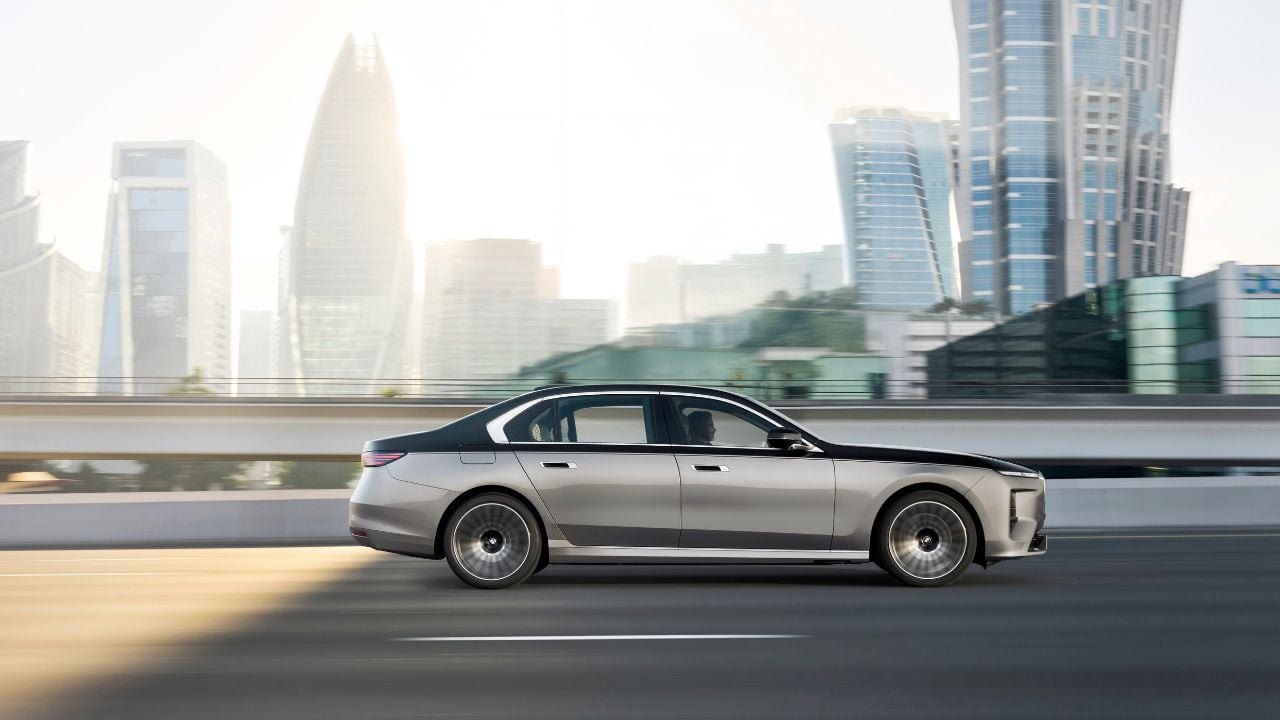
A strong long-distance sedan proves itself after the first hour. The seats still support the body, the cabin stays quiet, the suspension keeps rough pavement from becoming tiring, and the controls remain easy to use when the driver is still far from home.
Sedans still have natural advantages for highway travel. They sit lower than most SUVs, feel planted at speed, move through the air efficiently, and usually deliver a calmer ride with less body movement.
Comfort over distance comes from more than soft seats. It also depends on visibility, steering stability, cabin noise, fuel or energy range, trunk space, driver-assistance technology, and controls that do not distract the driver.
The ten sedans below were chosen because they make highway miles easier in different ways. Some are full-size luxury flagships, some are executive sedans, one is a long-range EV, and two show that mainstream sedans can still be excellent road-trip cars.
The Mile Marker Test Behind These Choices
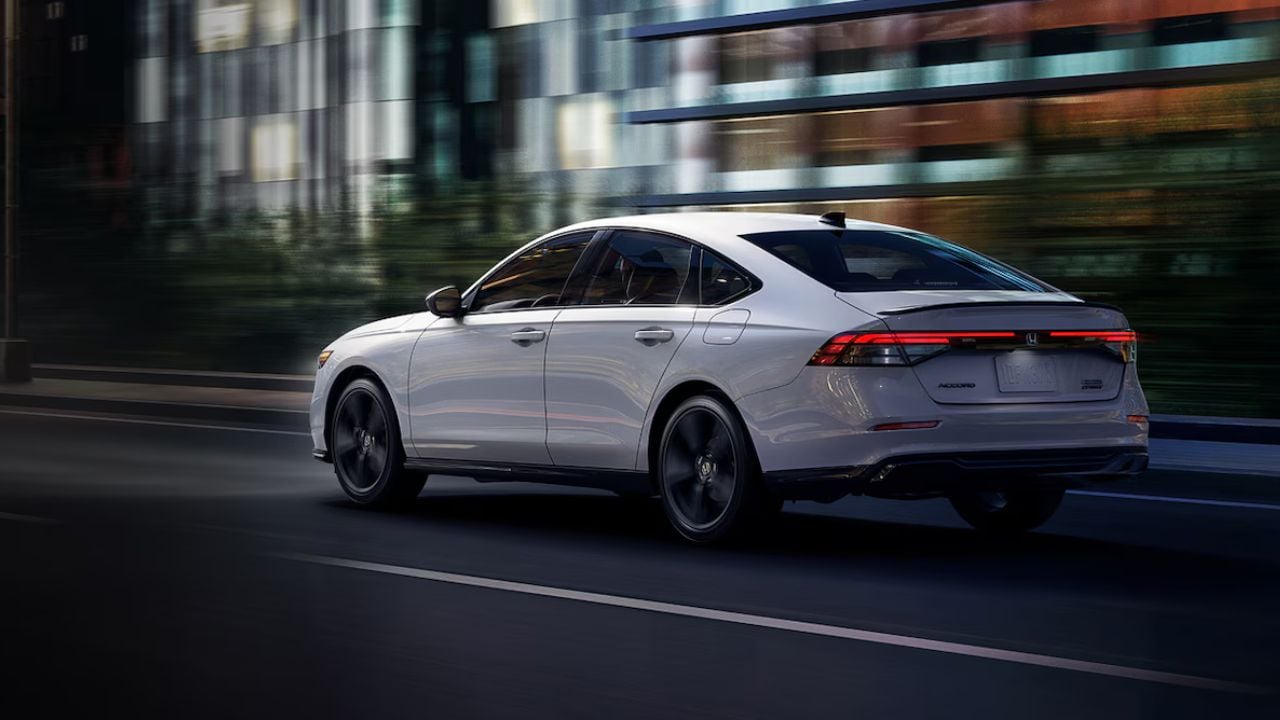
A sedan earned a place here by working as a believable road-trip car, not just as a luxury object or a commuter appliance. The main factors were ride comfort, front-seat support, rear-seat space, cabin quietness, highway stability, powertrain smoothness, fuel or energy range, driver-assistance technology, trunk usefulness, and ease of use after several hours on the road.
Luxury helped, but it was not enough by itself. A sedan also needed to feel composed, easy to trust, and practical enough for real trips with luggage, passengers, traffic, bad weather, and long fuel or charging intervals.
High-performance versions were not prioritized unless they preserved the relaxed character needed for distance. Big luxury sedans made the list where they remain benchmark comfort cars, while mainstream choices earned their spots through efficiency, space, value, and everyday usability.
Mercedes-Benz S-Class
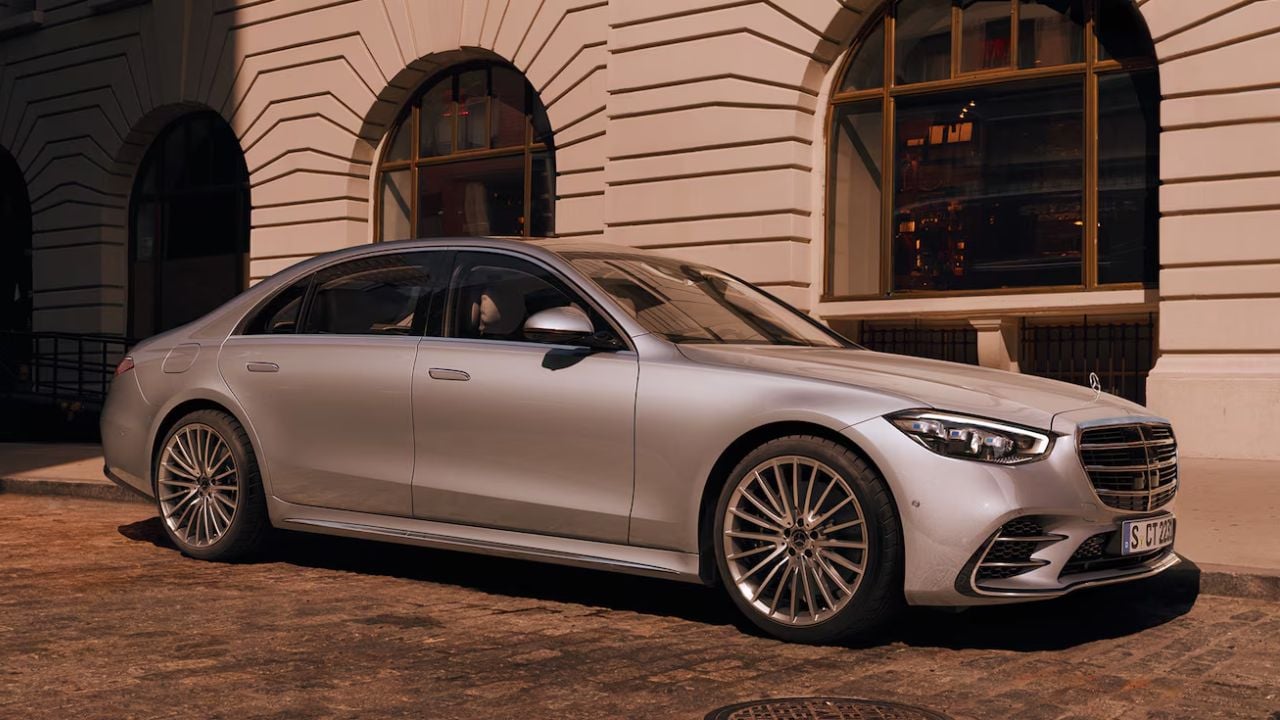
The Mercedes-Benz S-Class remains one of the strongest long-distance sedans because it combines ride isolation, seat comfort, quietness, and powertrain smoothness in one package. Mercedes lists the S-Class with massaging front seats, Burmester surround sound, mild-hybrid or plug-in hybrid powertrains, and 4MATIC all-wheel drive.
Those features matter on long trips because they reduce fatigue rather than simply adding luxury decoration. The seats support the driver and front passenger, the cabin limits road and wind noise, and the powertrains provide enough torque for easy highway passing.
The S-Class also has the size and body control needed for high-speed stability. It does not feel busy on rough pavement, and it does not require constant steering correction on long highway stretches.
For buyers who still prefer a sedan over a luxury SUV, the S-Class remains one of the clearest examples of comfort built around distance.
BMW 7 Series
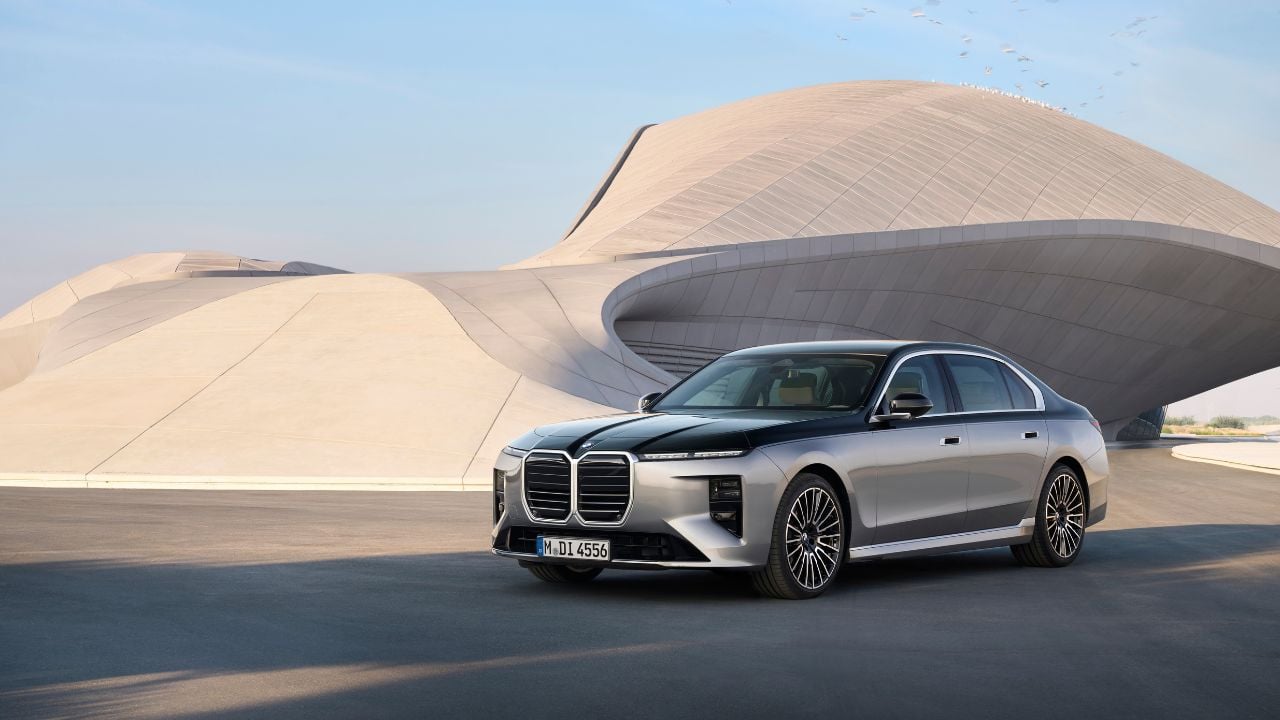
The BMW 7 Series is built for drivers who want a large luxury sedan that still feels controlled from behind the wheel. It also gives rear passengers enough space and available technology to make long trips more comfortable from the second row.
BMW lists gasoline, plug-in hybrid, and all-electric 7 Series variants, including xDrive models. The available 31.3-inch BMW Theater Screen gives the rear cabin a stronger long-trip role, especially for passengers who spend hours in the back seat.
The 7 Series works well on fast highways because its size, insulation, and powertrain choices reduce effort at speed. It has enough power for easy passing, while the cabin layout and available rear-seat features make it useful as both a driver’s car and a chauffeur-style sedan.
It belongs here because it combines full-size comfort with a more involved driving feel than many traditional luxury flagships.
Genesis G90
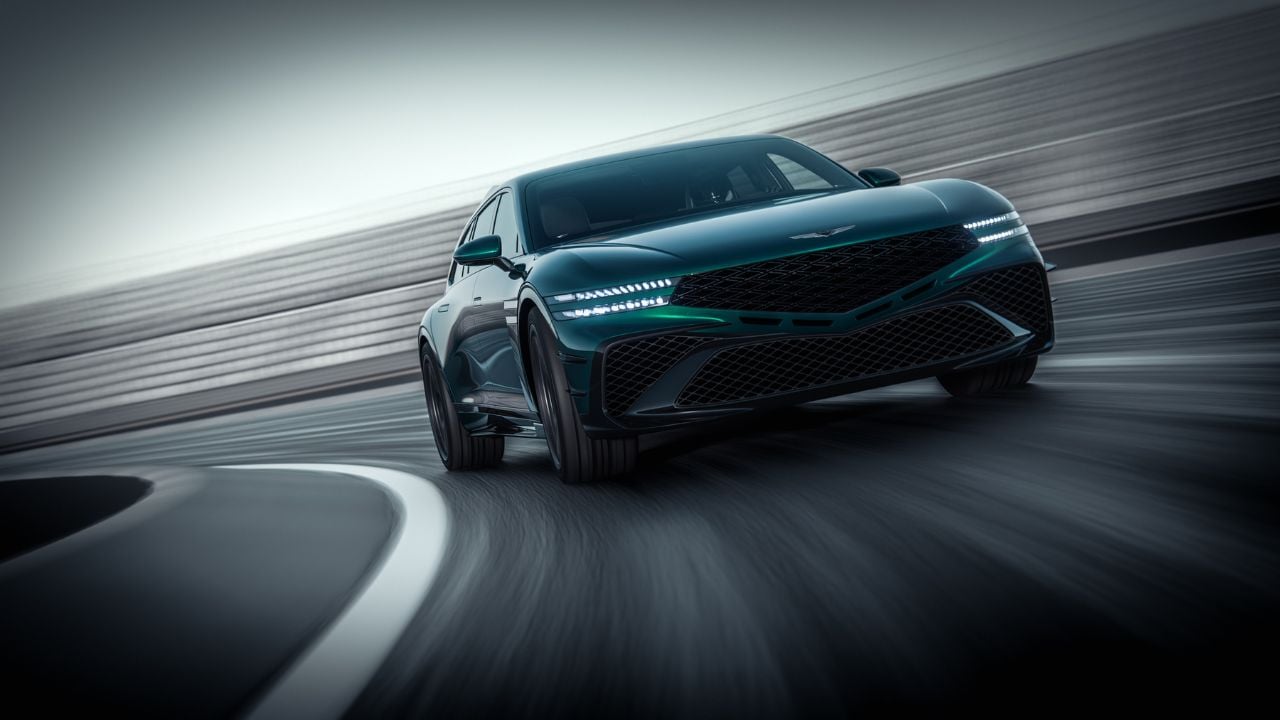
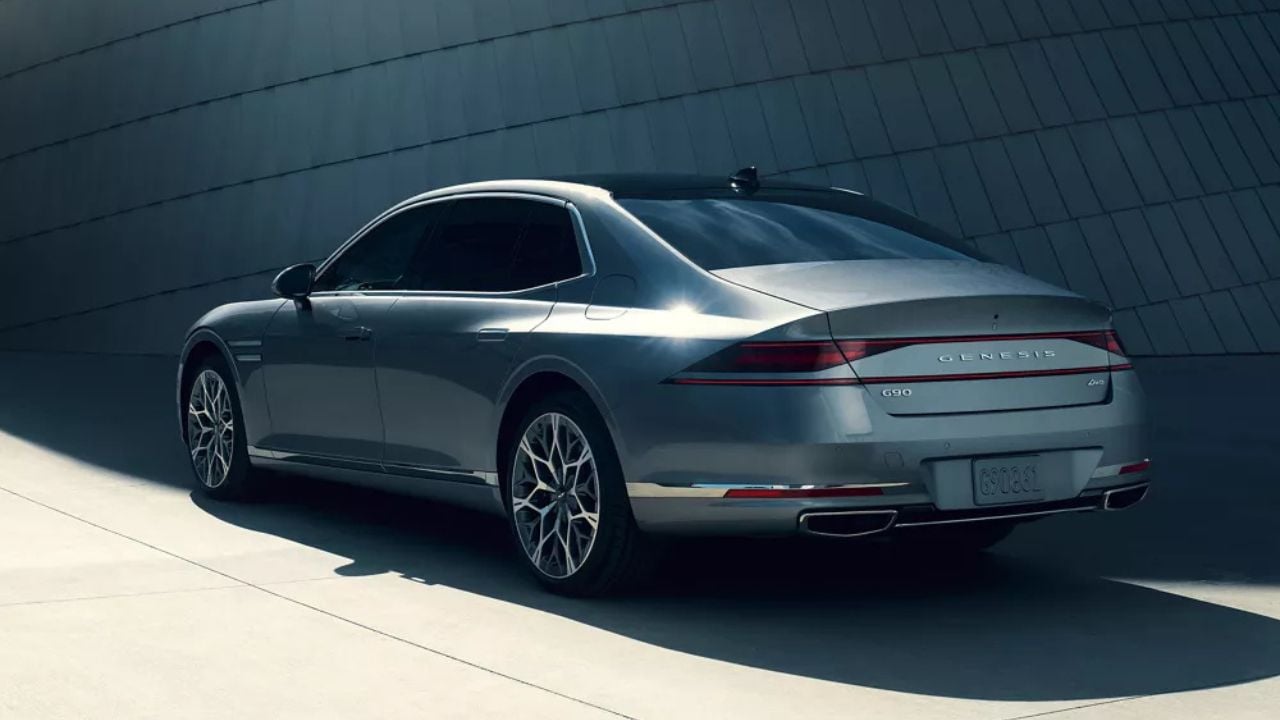
The Genesis G90 focuses on quietness, space, ride comfort, and straightforward luxury controls. It is a full-size sedan for buyers who want long-distance comfort without a cabin that feels overloaded with menus.
Genesis lists an available 3.5-liter twin-turbo V6 with a 48V e-Supercharger, available adaptive air suspension, an 8-speed automatic transmission with Predictive Shift, Smart Cruise Control, and Highway Driving Assist 2.
Those details support the G90’s road-trip case. The engine provides easy passing power, the adaptive suspension helps smooth uneven pavement, and the driver-assistance systems reduce workload on long highway sections.
The G90 also has generous seating and a cabin layout that avoids unnecessary complexity. That makes it a strong choice for drivers who want flagship comfort without the busier control schemes found in some newer luxury cars.
Audi A8
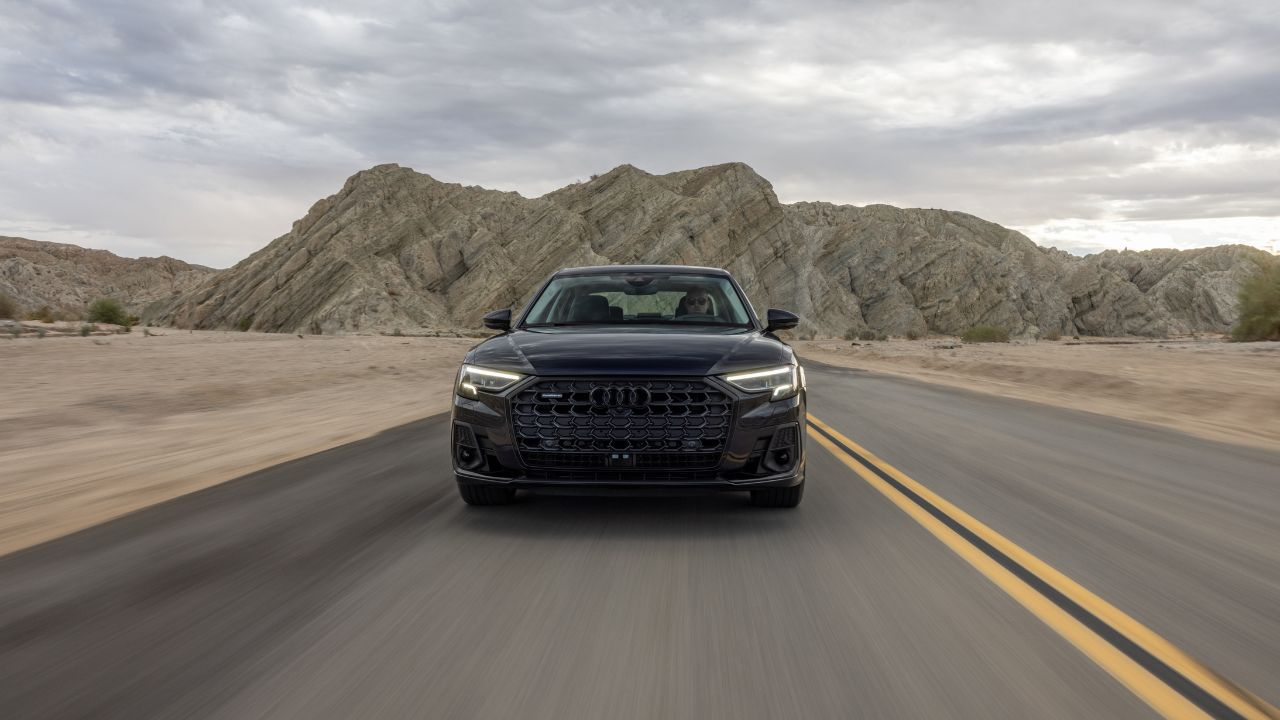
The Audi A8 is the understated executive choice on this list. It does not rely on dramatic styling or theatrical cabin details, but it has the powertrain, traction, and long-wheelbase layout needed for relaxed highway use.
Audi’s U.S. media site lists the A8 with a 3.0-liter TFSI V6, 335 hp, 369 lb-ft of torque, an 8-speed Tiptronic transmission, and quattro all-wheel drive. That gives it smooth power delivery and secure traction in rain, snow, or poor road conditions.
The A8 is strongest when stability matters as much as softness. Its all-wheel-drive system, quiet cabin, and mature ride tuning make it a strong long-distance sedan for drivers who regularly travel in changing weather.
It belongs here because it covers ground without asking for attention. The A8 gives serious travelers a calm, secure, and practical luxury-sedan experience.
Lucid Air Grand Touring

The Lucid Air Grand Touring gives the long-distance sedan formula an electric answer. Lucid lists the Air Grand Touring with up to 512 miles of EPA-estimated range when equipped with 19-inch wheels, 819 hp, all-wheel drive, and a 3.0-second 0-to-60 mph time.
The charging claim is also important for road trips. Lucid says the Grand Touring can add up to 200 miles of range in about 12 minutes when connected to a 350-kW DC fast charger and equipped with 19-inch wheels.
The Air Grand Touring fits this list because range and charging speed directly affect long-distance usability. Fewer charging stops and shorter charging breaks make the car easier to use beyond commuting.
The cabin also gives passengers strong space for a sedan, while the electric powertrain keeps acceleration smooth and noise low at highway speeds.
Mercedes-Benz E-Class

The Mercedes-Benz E-Class delivers much of the Mercedes long-distance formula without the size or price of the S-Class. It is easier to park, easier to place on narrow roads, and still comfortable enough for extended highway use.
Mercedes lists the E-Class sedan with turbo-hybrid power, an intelligent digital cockpit, and MBUX routines and apps. The lineup includes the E 350, E 350 4MATIC, and E 450 4MATIC sedans, giving buyers a choice between efficiency, all-weather traction, and stronger six-cylinder performance.
The E-Class works as a road-trip sedan because it balances comfort with daily usability. Supportive seats, composed ride quality, smooth powertrains, and a calm cabin make it suitable for long drives without pushing buyers into flagship territory.
It belongs here because it offers the core long-distance strengths of a luxury sedan in a size that still makes sense for everyday driving.
BMW 5 Series
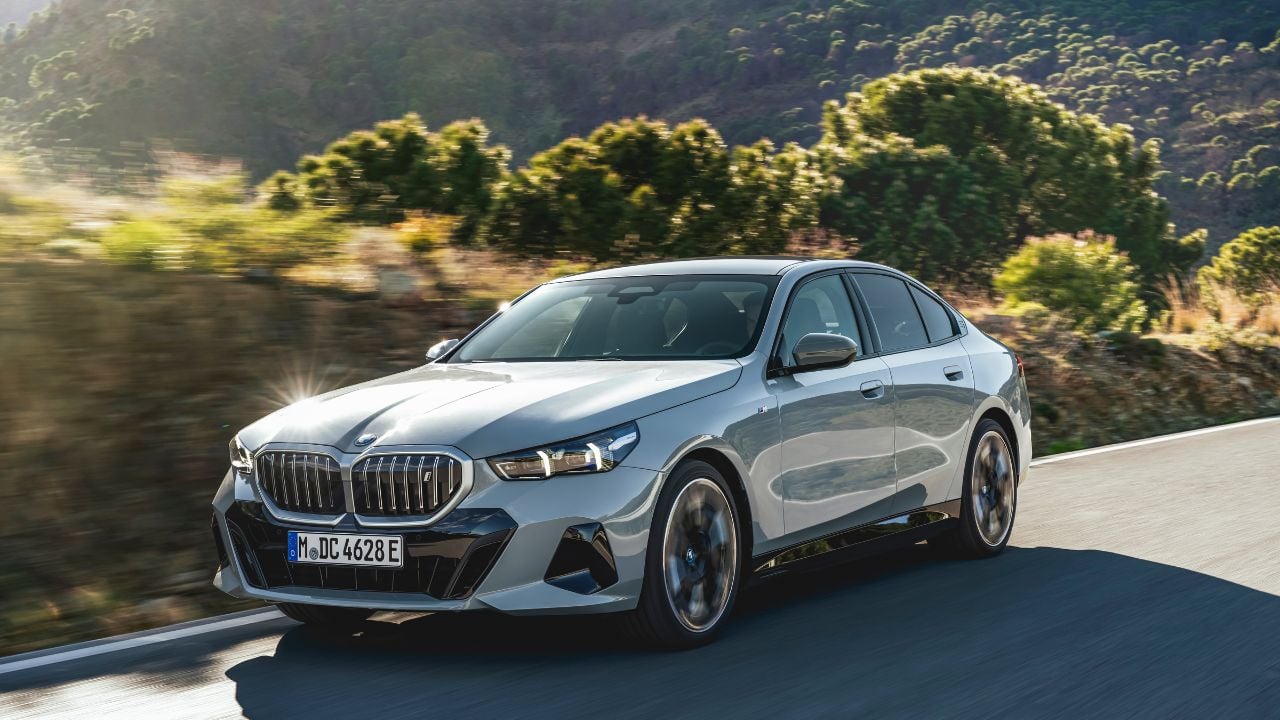
The BMW 5 Series is a strong long-distance choice for drivers who want comfort without giving up steering precision and highway control. It is smaller than the 7 Series, but still large enough for real road-trip use.
BMW lists the 5 Series with 530i, 530i xDrive, and 540i xDrive gasoline models, plus plug-in hybrid and all-electric variants in the broader lineup. The 530i models make 255 hp, the 540i xDrive makes 375 hp, and BMW lists 18.3 cubic feet of trunk space for the sedan.
That trunk space helps with luggage, while available xDrive gives buyers more confidence in poor weather. The 5 Series also has the high-speed stability expected from a premium German sedan.
It belongs here because it stays composed over long distances without feeling oversized. For drivers who do not want a full-size flagship, the 5 Series gives a useful balance of comfort, control, and practicality.
Lexus ES
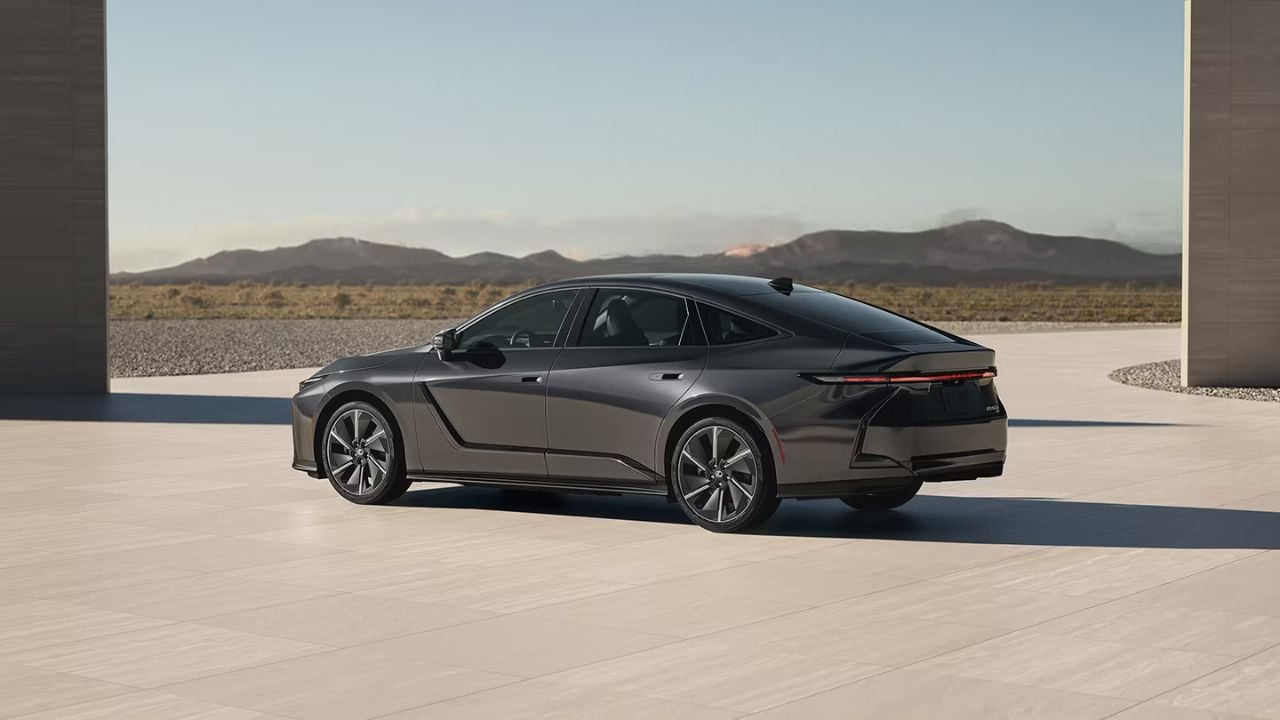
The Lexus ES has built its reputation around quiet, low-effort driving. It is not aimed at sport-sedan buyers, and that helps its long-distance case.
The redesigned 2026 ES keeps that comfort-first identity while changing the lineup. Lexus says the ES 350h Hybrid is expected to arrive in June 2026, with ES 350e and ES 500e electric variants also joining the ES family.
The ES belongs here because its priorities suit long highway drives. It favors quietness, relaxed controls, and low-effort cruising over sharp handling or aggressive power delivery.
For drivers who want comfort without moving into a larger flagship sedan, the ES remains one of the most sensible luxury choices in this group.
Toyota Camry
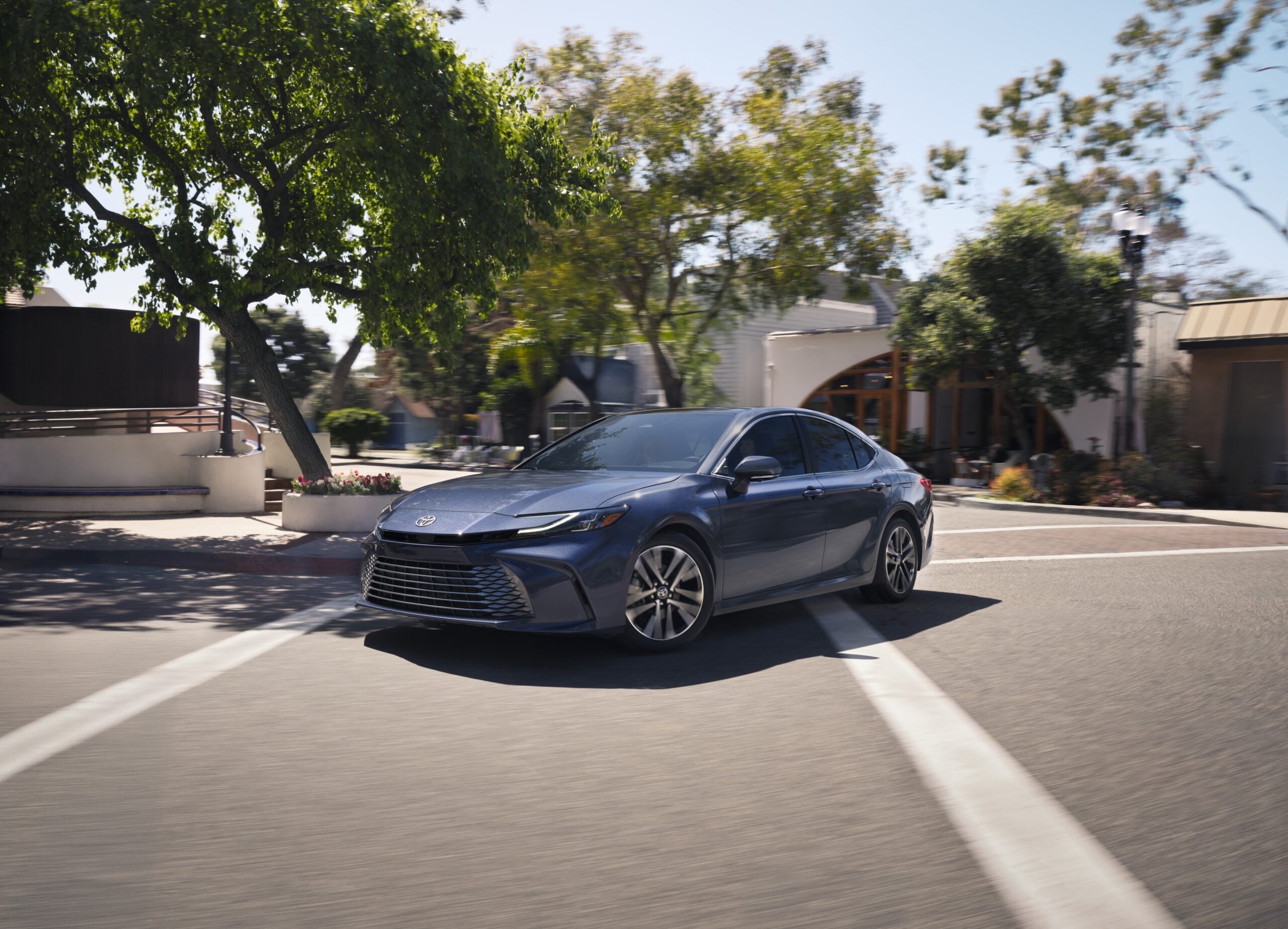
The Toyota Camry belongs here because long-distance comfort does not only come from luxury sedans. The Camry gives families and commuters a practical mix of space, efficiency, reliability, and easy controls.
The current Camry uses an all-hybrid powertrain lineup. Toyota lists up to a 51 combined EPA-estimated mpg rating and up to 232 net combined hp, depending on configuration.
Those numbers matter on long trips because they reduce fuel stops while keeping the car responsive enough for highway passing. The Camry also gives passengers a straightforward cabin that does not require a learning curve.
The Camry’s long-distance strength is consistency. It provides useful comfort and efficiency at a price far below the luxury sedans on this list.
Honda Accord
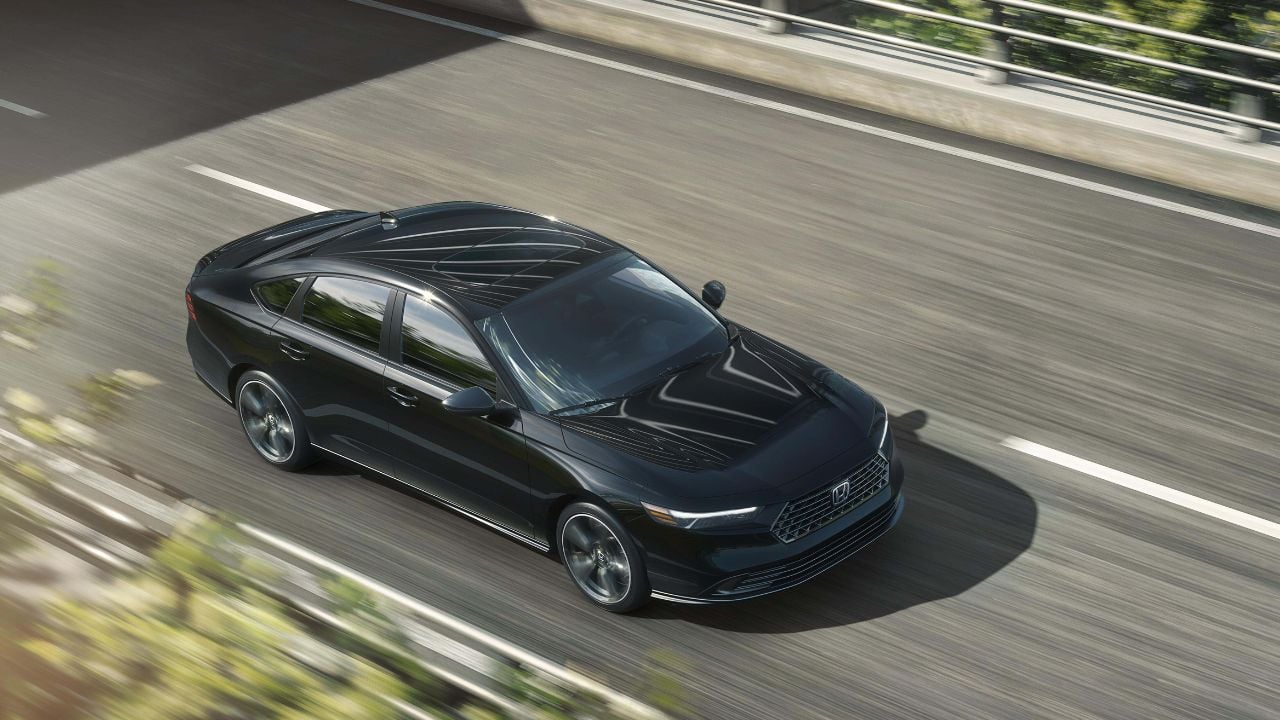
The Honda Accord remains one of the strongest mainstream sedans for drivers who cover real distance. It has good visibility, a roomy cabin, mature road manners, and a simple interior layout.
The Accord Hybrid is especially strong for long-distance use because it combines smooth power delivery with excellent fuel economy. Honda lists the Accord Hybrid with up to a 51 city/44 highway mpg rating, while every Accord trim offers 16.7 cubic feet of trunk space.
The trunk space helps with luggage, and the clean dashboard layout helps on long drives where complicated controls become irritating. The ride is composed rather than overly soft, which keeps the car stable at highway speeds.
The Accord earns its place because it turns comfort into practical design. It is roomy, efficient, predictable, and easy to recommend to families, commuters, and frequent highway drivers.
Why Sedans Still Work For Long Highway Drives
Long-distance comfort depends on how a car handles hours of repeated use. Seat support, cabin noise, ride control, steering stability, trunk space, and fuel or energy range all become more important after the first stretch of highway.
Sedans still work well for this kind of driving because they sit low, feel stable, use space efficiently, and usually deliver a calmer highway ride than taller vehicles with more body movement.
The luxury sedans here show what the format can do when comfort, insulation, powertrain smoothness, and cabin technology are pushed to a high level. The mainstream models show that long-distance comfort can also come from efficiency, simple controls, good packaging, and lower ownership costs.
A long road trip does not always need an SUV. For many drivers, the better answer is still a sedan with supportive seats, a useful trunk, good range, and a cabin that stays easy to live with after several hours on the road.