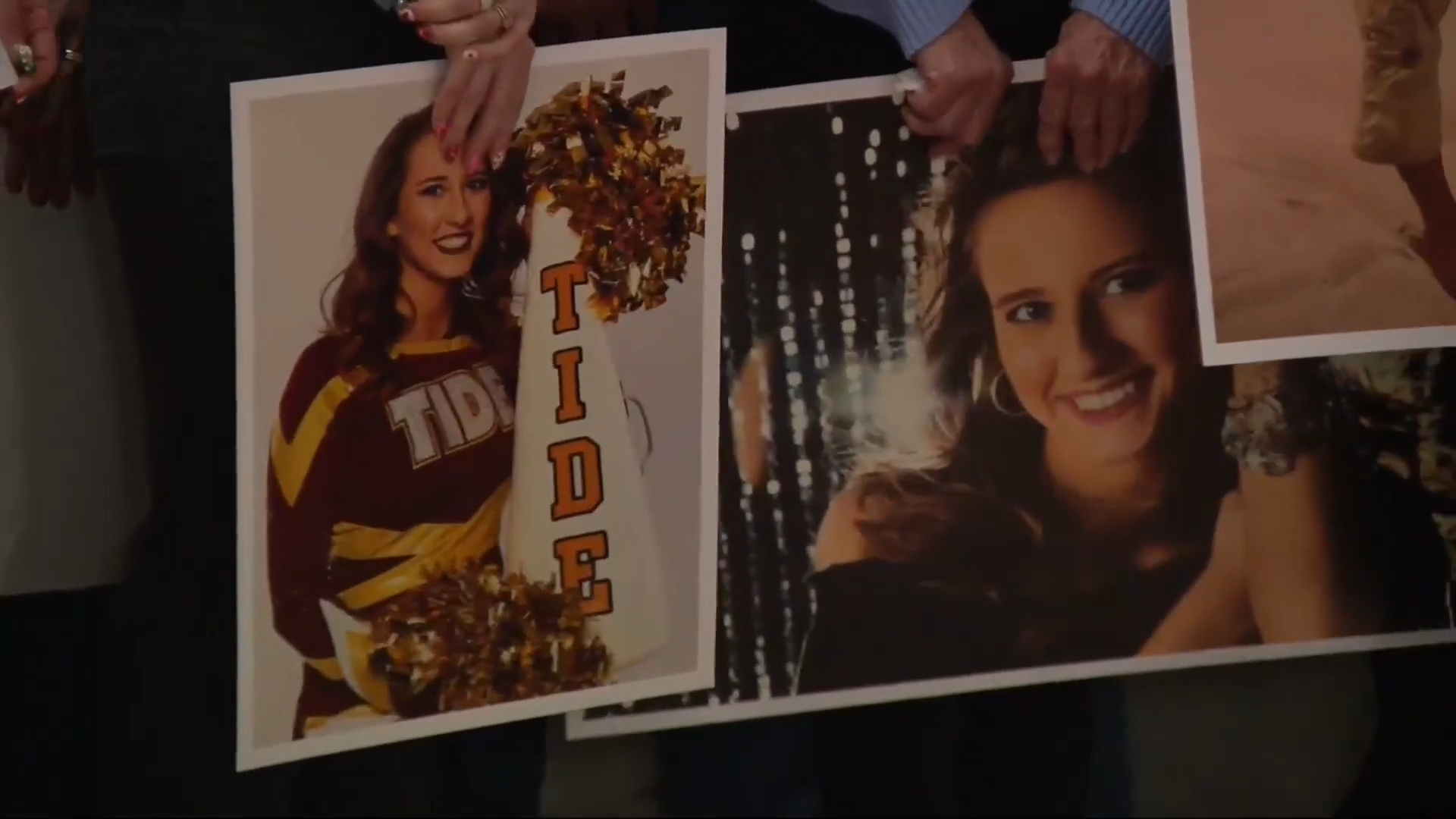
Drunk driving is one of the most preventable causes of death on American roads, yet for years, families of victims have watched in frustration as the legal system handed out sentences that felt more like a slap on the wrist than true accountability. In West Virginia, that chapter may now be closing. Governor Patrick Morrisey recently signed House Bill 4712 into law, a piece of legislation formally known as Baylea’s Law that fundamentally changes how the state handles DUI-related deaths.
The law is named after Baylea Craig Bower, a 25-year-old woman from Boone County who was killed by an impaired driver on Easter morning in 2023. She was just living her life, and it was taken from her in one of the most senseless ways possible. Her story, like so many others involving drunk driving fatalities, represents the kind of tragedy that should be preventable but keeps happening anyway. Now, her name will be attached to a law designed to make sure that the people responsible for that kind of loss face real, lasting punishment.
This is not a minor tweak to existing DUI statutes. The legislation creates a brand new criminal offense called Aggravated DUI Resulting in Death, and it comes with a mandatory prison sentence of 5 to 30 years. That is not a fine, not a suspended sentence, not home confinement. It is prison, and that distinction matters. On top of that, the law bans convicted individuals from accessing home confinement programs or the youthful offender program, closing two loopholes that previously allowed some offenders to avoid hard time.
West Virginia has been on a road safety push lately, with Baylea’s Law fitting into a broader package of transportation and public safety reforms that Morrisey has prioritized. Just last month, the governor signed related legislation targeting speeding in work zones and improving visibility for highway vehicles. Baylea’s Law, which takes effect June 12, 2026, is arguably the most significant piece of that puzzle, because it targets the behavior most likely to end a life.
What Baylea’s Law Actually Does
The mechanics of the law are worth breaking down, because the details matter. Beyond the 5 to 30 year mandatory sentence, convicted offenders face fines ranging from $2,000 to $10,000 and a lifetime revocation of their driver’s license. Not a suspension. Not a temporary hold. A lifetime ban.
The new offense also specifically targets drivers who show a “deliberate disregard for human life,” language that raises the stakes significantly compared to standard DUI charges. This means prosecutors will be looking at the totality of behavior, not just whether someone was over the legal limit.
It reflects a shift in how the law thinks about impaired driving deaths: not as accidents, but as the foreseeable result of reckless choices.
Who Was Baylea Craig Bower
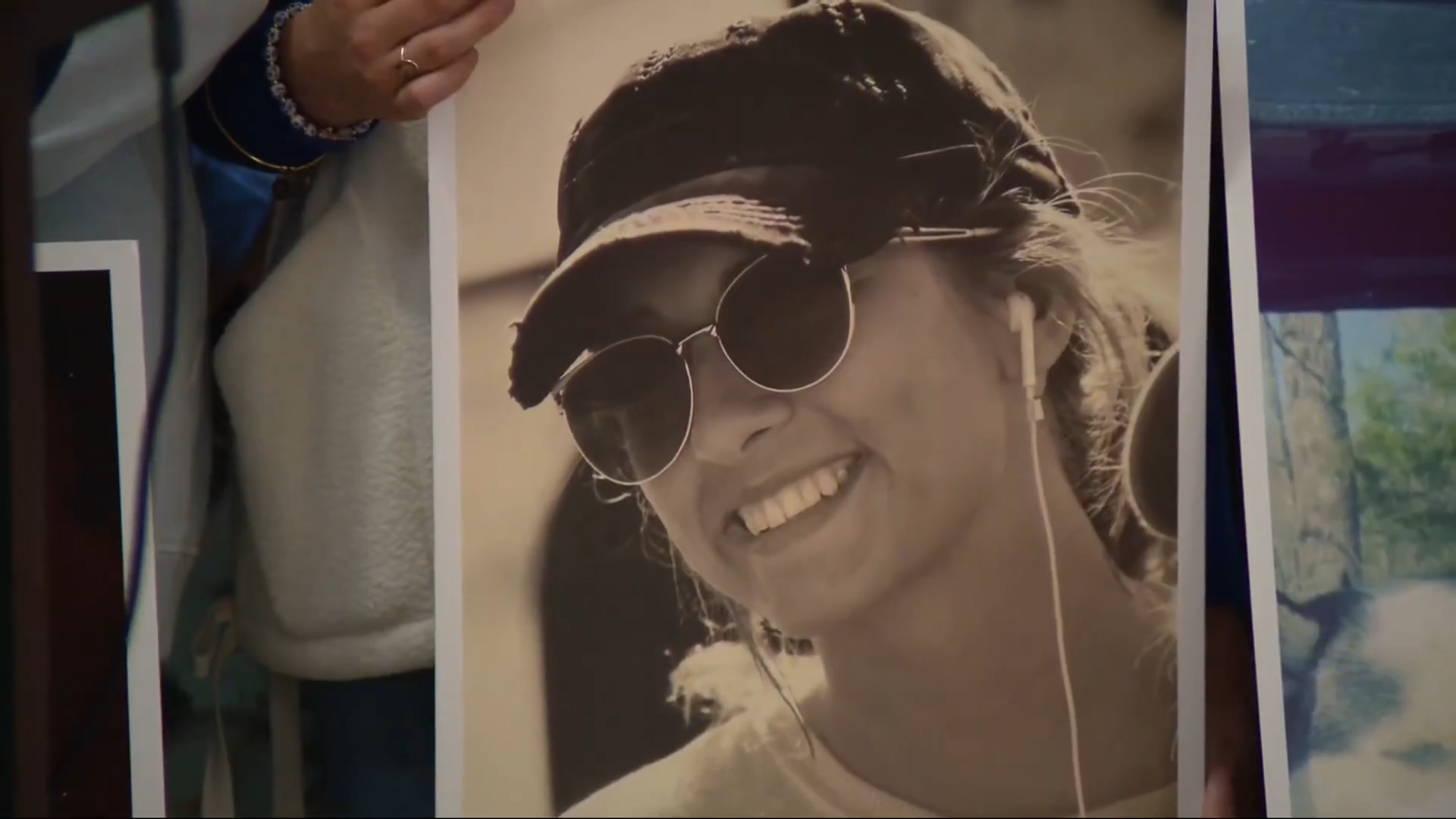
Baylea Bower was 25 years old and living in Boone County, West Virginia, when she was killed by an impaired driver on Easter morning in 2023. She was young, and she had her whole life ahead of her. The fact that her death came on a holiday makes the loss feel even more visceral. Her family’s grief became the catalyst for legislative change, which is both a tribute to their advocacy and a sobering reminder of how often meaningful law reform only happens after someone loses everything.
Naming legislation after victims of preventable crimes has become one of the more powerful tools in American lawmaking. When a law carries a name, it carries a story. It is harder to water down, harder to ignore, and it keeps the human cost of the issue visible long after the news cycle moves on.
What We Can Learn From This
There are a few important lessons embedded in Baylea’s Law, both for West Virginia and for other states watching from the sidelines.
First, mandatory minimums and lifetime license revocations signal that the state is done treating DUI-related deaths as a gray area. Critics of mandatory sentencing laws often raise valid concerns about judicial flexibility, but in cases where someone gets behind the wheel impaired and kills another person, the argument for consistency in punishment is hard to dismiss. Families of victims deserve to know that the outcome will not depend on which courtroom they end up in.
Second, closing off pathways like home confinement and youthful offender programs for this specific offense sends a clear message about intent. It prevents the kind of quiet sentence reductions that often occur behind the scenes and that victims’ families rarely find out about until it is too late to object.
Third, the lifetime license revocation is a practical safety measure as much as it is a punishment. Someone who has already demonstrated willingness to drive impaired and cause a death has forfeited any reasonable claim to driving privileges. Permanently removing that option protects everyone else on the road.
What Comes Next for West Virginia Road Safety
Baylea’s Law does not exist in isolation. Governor Morrisey has signed a series of road safety measures recently, including laws that authorize flashing green lights on Division of Highways vehicles and stiffen penalties for speeding and distracted driving in active work zones. Together, these measures reflect a state government that has identified road safety as a genuine priority, not just a talking point.
The law takes effect June 12, 2026, which means prosecutors and law enforcement will have a new and much more powerful tool going into the summer months, which traditionally see higher rates of impaired driving incidents. Whether the penalties actually deter behavior, or simply ensure harsher consequences after the fact, remains to be seen.
But for families like Baylea Bower’s, knowing that the next person responsible for something like this will face real prison time is, at the very least, a form of justice.