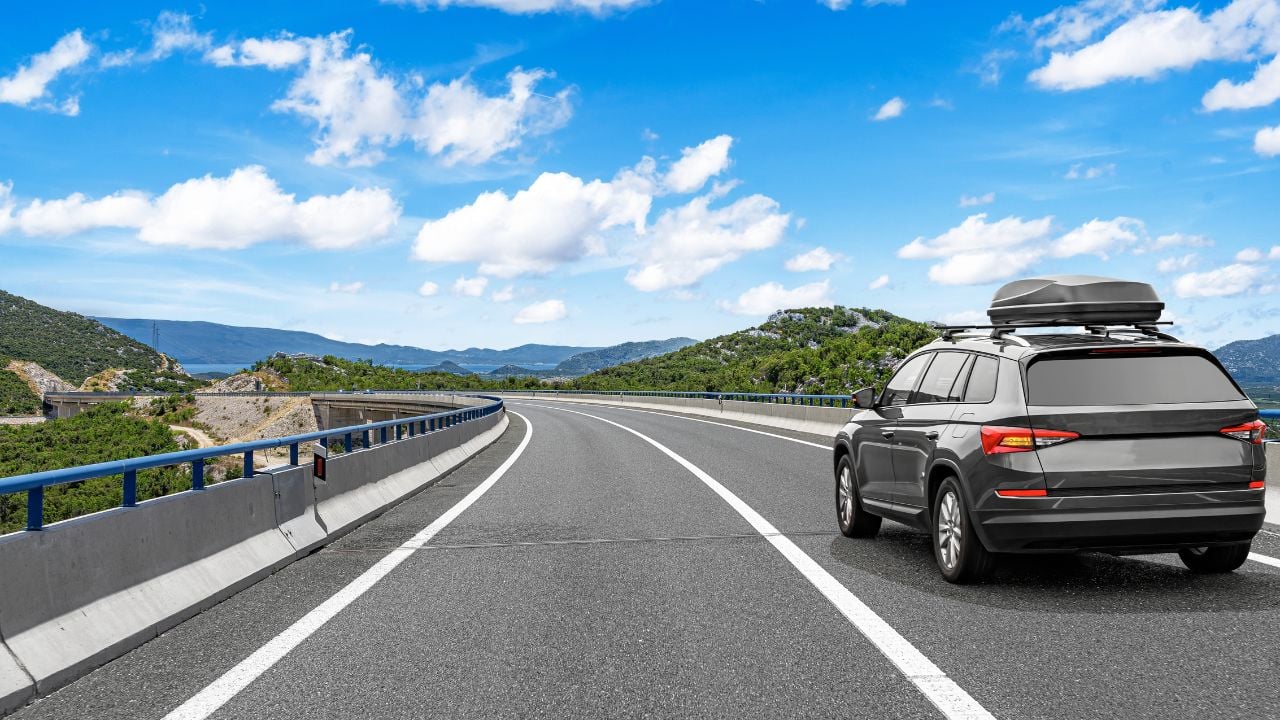
Good road-trip advice tends to last because the same lessons keep showing up in the notes of people who do this often. The Points Guy warns against choosing the wrong vehicle, skipping route planning, bringing too little food, and trying to cram too much into a day, while The Blonde Abroad recommends mapping out a few anchor stops and leaving enough flexibility that the trip does not collapse the moment something interesting appears along the road. Nomadic Matt, after multiple U.S. drives, also points travelers toward pass strategies that can reduce costs on park-heavy itineraries.
What makes these tips useful is that many of them hold up when checked against official guidance. Federal safety advice supports the tire and emergency-kit prep, Google confirms the limits of offline navigation, and the National Park Service spells out exactly when a pass helps and when a reservation still matters. In other words, the bloggers’ wisdom is often strongest when it is practical, unglamorous, and easy to verify.
1. Start With the Right Car, Not Just the Cheapest One
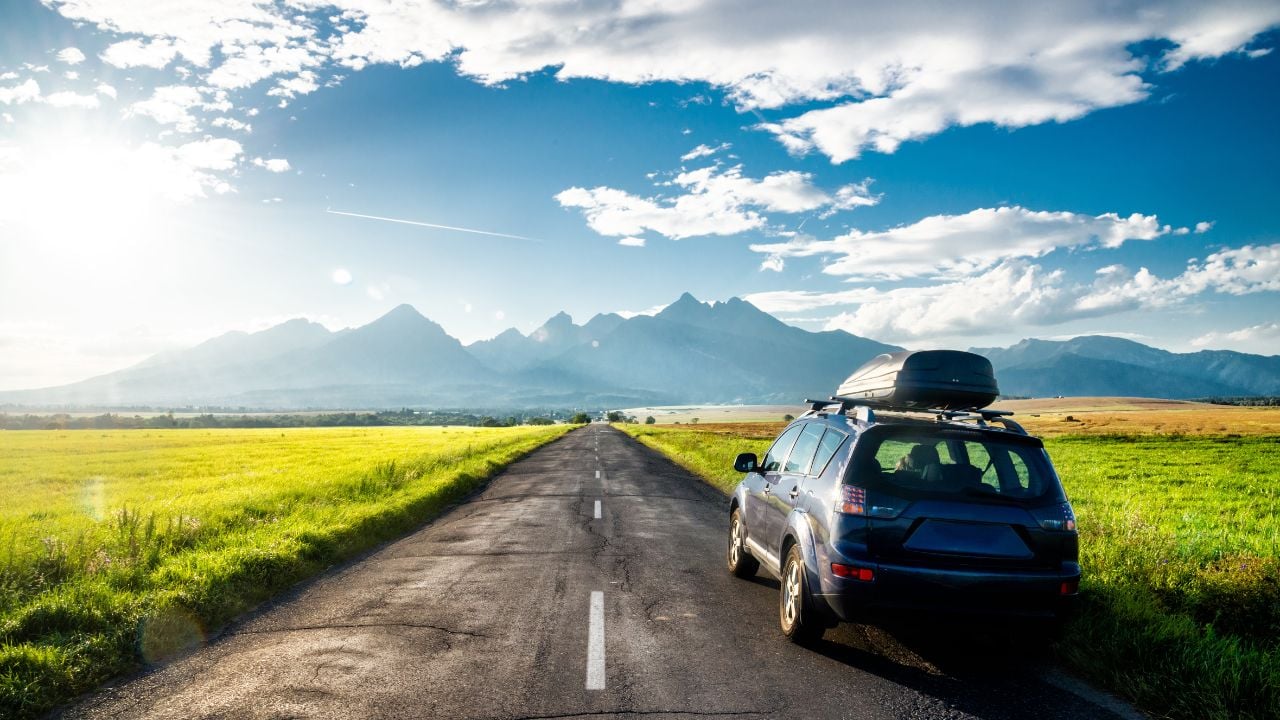
One of the clearest recurring tips is to match the vehicle to the trip. The Points Guy advises travelers to think about terrain, comfort, fuel economy, and available safety features before leaving, which matters a lot more than people admit when the route includes long highway stretches, mountain grades, rougher roads, or too many people packed into too little space. A gas-hungry vehicle or a car that is wrong for the terrain can turn a promising drive into a headache very quickly.
Official guidance gives that advice some real weight. NHTSA says drivers should check tire pressure when the tires are cold, inspect for damage and tread wear, and make sure they have a spare tire and jack kit before a long drive. Ready.gov’s car guidance also points travelers toward basics such as jumper cables, a blanket, a charger, and a map, while the Red Cross emergency supply list reinforces the value of carrying water, food, a flashlight, and a first aid kit. That turns “be prepared” into something much more concrete.
2. Build the Trip Around Anchor Stops, Then Leave Room for the Unexpected
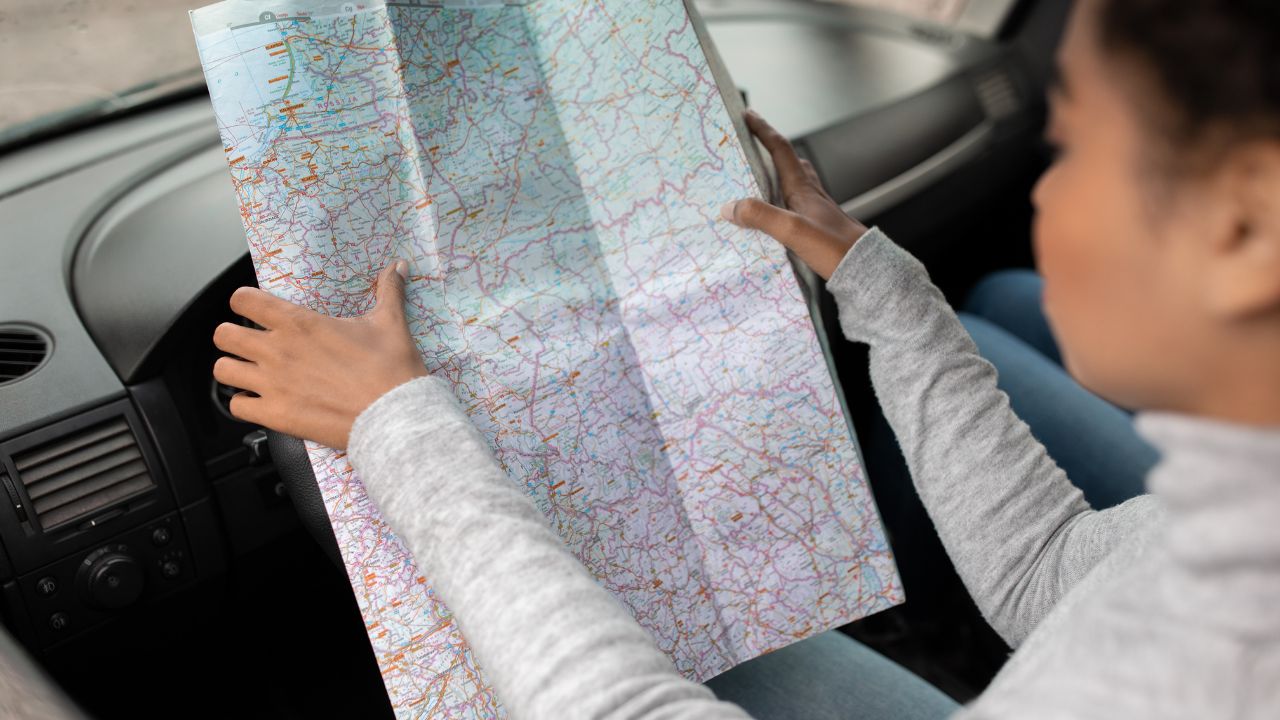
The Blonde Abroad’s anchor-stop approach is simple and smart: map out the major places you really care about, then leave some breathing room between them. That same site also makes another useful point in its UK road-trip guide: do not have every day planned to the minute, because the best detours are often the ones you never would have scheduled formally.
The Points Guy lands in a similar place from a slightly stricter angle, warning against trying to squeeze too much sightseeing and driving into one day. Traffic, diversions, construction, weather, and impulse stops all have a way of blowing up an overbuilt plan. The strongest itineraries are usually the ones that know where they are sleeping, not the ones that try to micromanage every gas station and roadside pie.
3. Pack Food, Water, and Soft Bags Before You Regret It

Seasoned travel bloggers are oddly united on this one. The Points Guy recommends bringing your own snacks and refreshments, ideally in a cooler, because constant food stops slow down the day, inflate the budget, and are a bad answer in rural stretches where the next decent stop may not exist. The Blonde Abroad makes the equally practical case for soft weekender bags or duffels, noting that they fit into a packed trunk much more easily than rigid suitcases.
The emergency-planning side supports the same logic. Ready.gov’s car checklist includes a map, charger, blanket, and emergency basics, and the Red Cross says an emergency supply kit should include water and non-perishable food. So the cooler is not just a snack strategy. It is also a buffer against delays, closures, and those long highway stretches where the next respectable stop is more theory than reality.
4. Download What You Need Before the Signal Disappears

Travel bloggers keep repeating a very modern lesson for a reason: do your downloading at home. The Blonde Abroad specifically recommends preloading routes and using Google Maps offline, and that advice gets much stronger once you check what Google itself says. Google’s official help page notes that offline maps can still guide you as long as the whole route sits inside the downloaded area, but it also spells out the catch: when you are offline, you lose live traffic and alternate-route information.
For park-heavy routes, the official NPS app is another useful thing to download before you leave. The Park Service says it gives travelers interactive maps, tours, accessibility information, and planning tools for more than 400 sites. The practical takeaway is very straightforward: download the maps, the park tools, and the entertainment before you pull out of the driveway, not after the signal disappears.
5. Use Passes and Reservations Intelligently Instead of Winging It
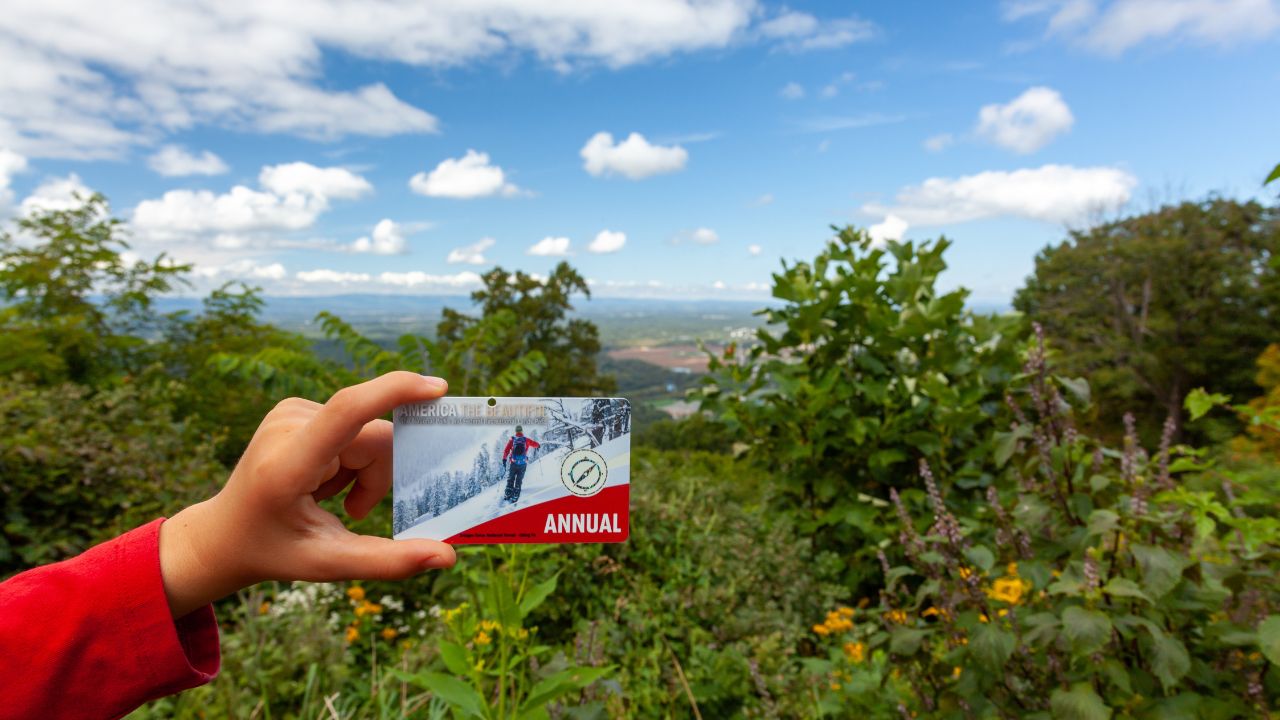
Nomadic Matt’s long-running U.S. road-trip advice includes one of the best money-saving moves on the list: if you are visiting multiple national parks and federal recreation sites, look at a pass before paying one entrance fee after another. The official NPS pass page confirms that the resident annual America the Beautiful pass costs $80 and covers entrance fees and standard amenity fees across federal recreation sites. For a park-heavy route, that can make a very real difference.
But the same official page also adds the catch that many trips forget. Some parks still require timed entry or separate reservations, typically through Recreation.gov, and NPS recommends making those well in advance. So the verified version of the blogger tip is simple: a pass can save money, but it does not magically solve planning for you.