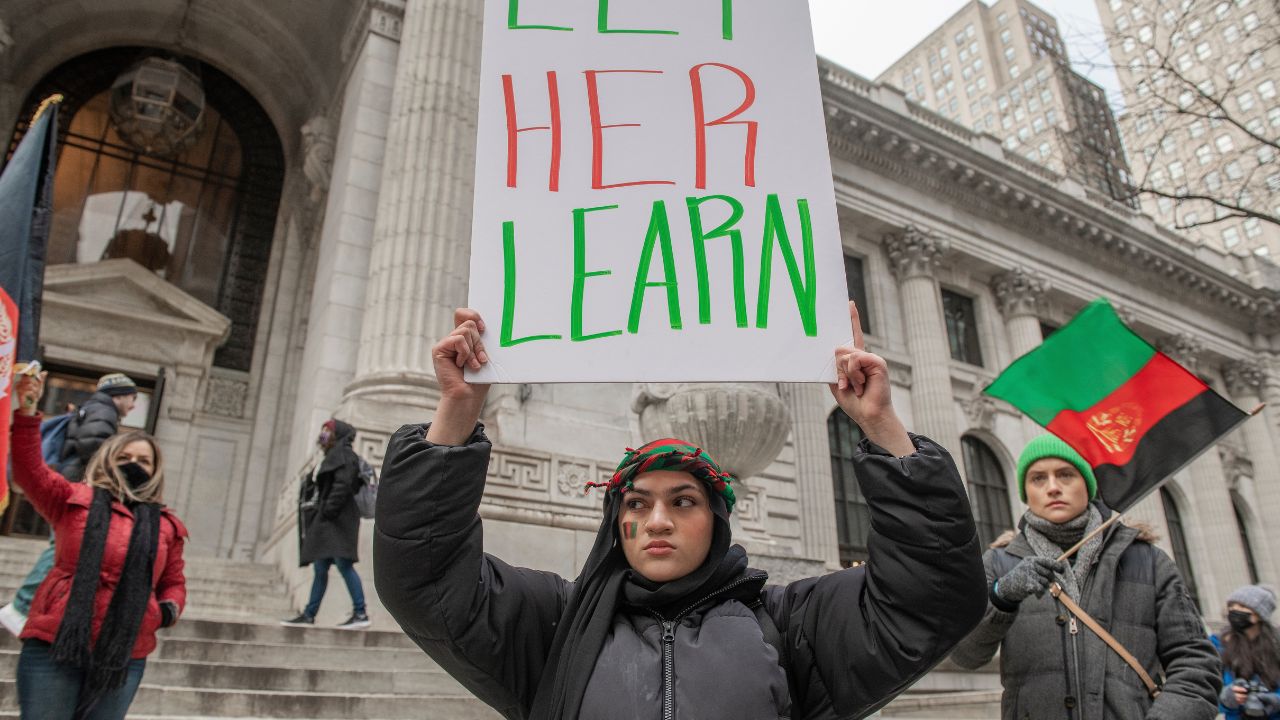
Walk through Kabul or another major Afghan city and you can feel a strange absence around places of learning. Teenaged classrooms that would normally spill noise into the street are quiet, and campus gates that used to swallow crowds now look like dead ends. For many travelers, that silence is more disorienting than any language barrier.
Afghanistan does not bar girls from every classroom, but it does block girls and women from education beyond primary school. UNESCO and UNICEF have described it as the only country where girls and women are banned from secondary and higher education. That single policy reshapes daily life in ways visitors notice quickly, even if they never set foot near a school.
The Country Is Afghanistan, and the Restriction Targets Teens and University-Age Learners

Afghanistan’s de facto authorities have barred girls from education beyond the primary level, which means study typically stops after Grade 6 for female students. UNICEF has repeatedly tied the policy to a rapidly growing number of adolescents kept out of class. It has also described Afghanistan as unique worldwide for the scale and severity of this exclusion.
Higher education is blocked too, and the ban has been treated as nationwide. A letter from the higher education ministry ordered public and private universities to suspend access for female students in December 2022, and reporting since then continues to describe the policy as in force. For anyone trying to understand the atmosphere, closing both secondary schools and universities matters, because it removes both the teenage pipeline and the adult graduate layer.
The Secondary School Shutdown Hardened After a Failed Reopening
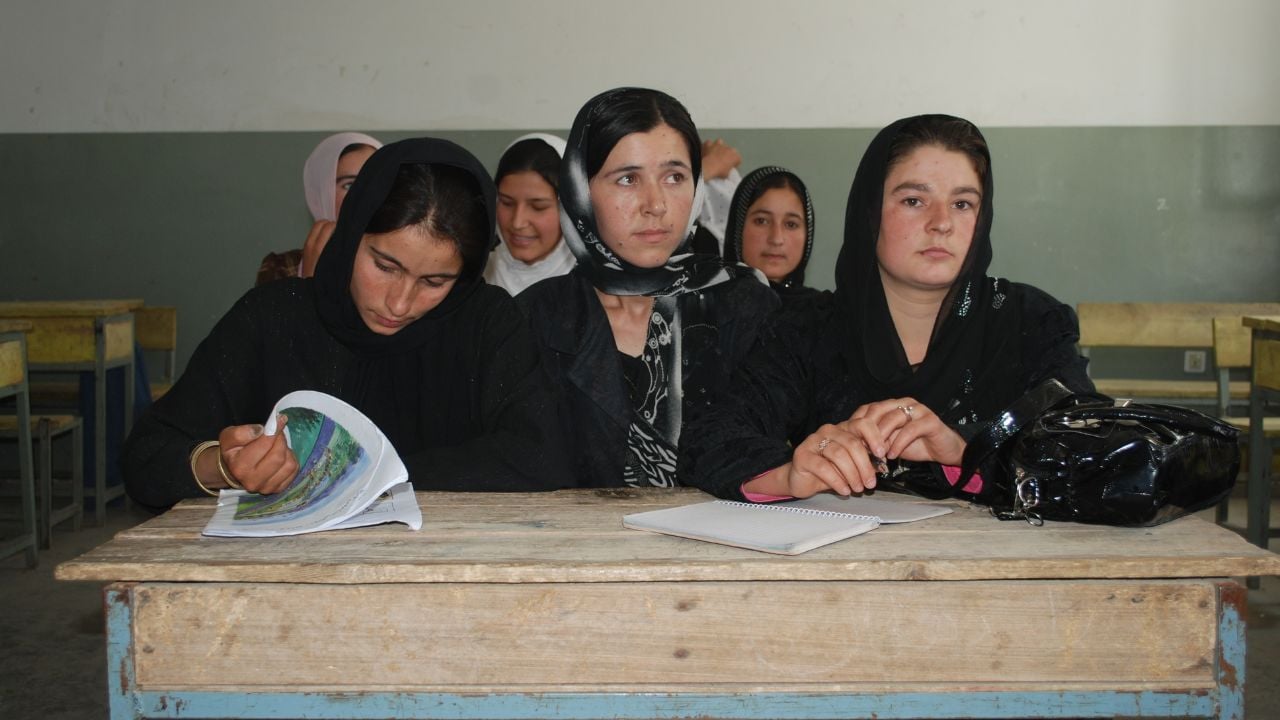
In March 2022, officials announced that girls’ high schools would reopen, then reversed course the same day. Reuters reported the move as a public backtrack, with authorities saying classes would stay closed until a plan aligned with their interpretation of Islamic law was prepared. The about-face became a defining moment because it signaled that the closure could stretch indefinitely.
That episode turned what many families hoped was a temporary pause into an open-ended suspension. Each new school year that begins without a reversal reinforces the message that the stop is not a short administrative delay. UNICEF and UNESCO have framed the ongoing shutdown as a widening crisis with long-term damage for the country’s development.
Officials Cite Islamic Compliance, Including Dress Rules, as Part of the Rationale
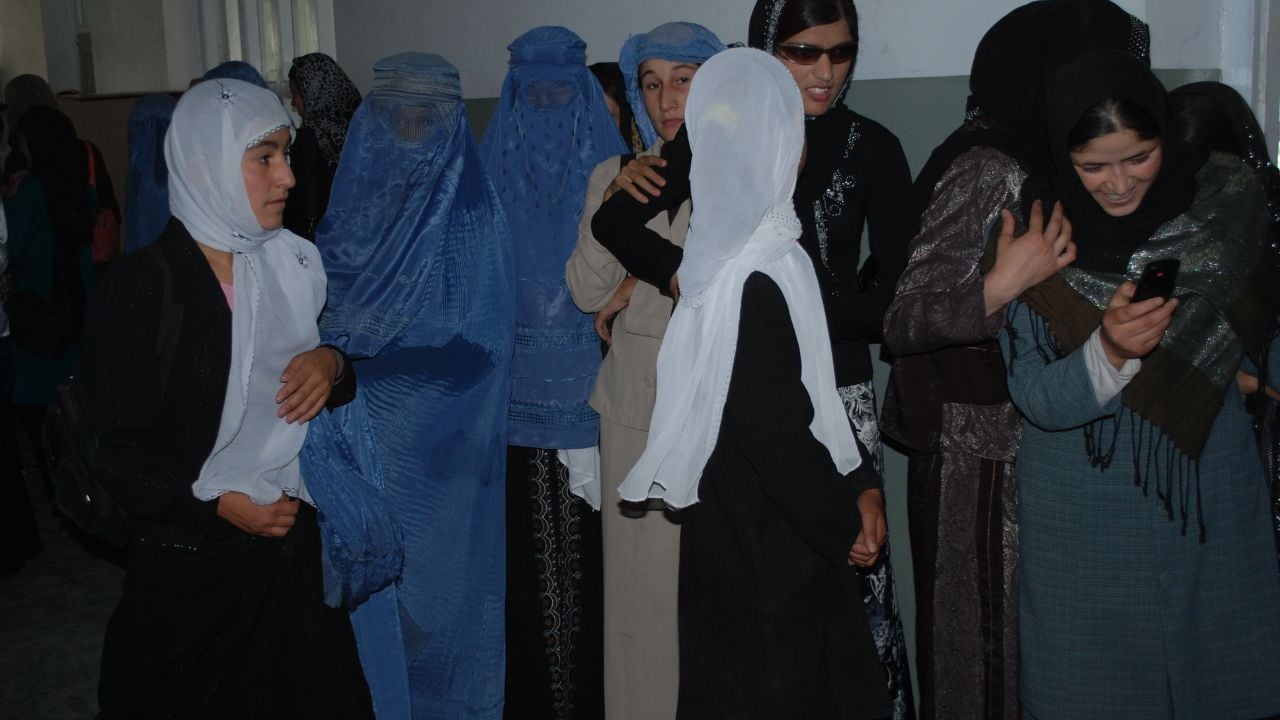
When the university suspension was announced in December 2022, Reuters reported an explanation from the Taliban-run administration that included claims about female students not adhering to their interpretation of the Islamic dress code. Public statements have often leaned on “conditions” and “proper environment” language. That framing can sound procedural while producing a sweeping outcome.
Human rights groups and UN-linked reporting describe the broader system as institutionalized gender discrimination, not a narrow campus dispute. UNESCO has also emphasized the scale and uniqueness of the education restrictions, calling Afghanistan the only country with this level of prohibition beyond primary schooling for girls and women. Travelers trying to read the situation often notice the contrast between moral-order language and the lived reality of exclusion from public life.
Why Visitors Feel the Impact Even Without Seeking Political Experiences
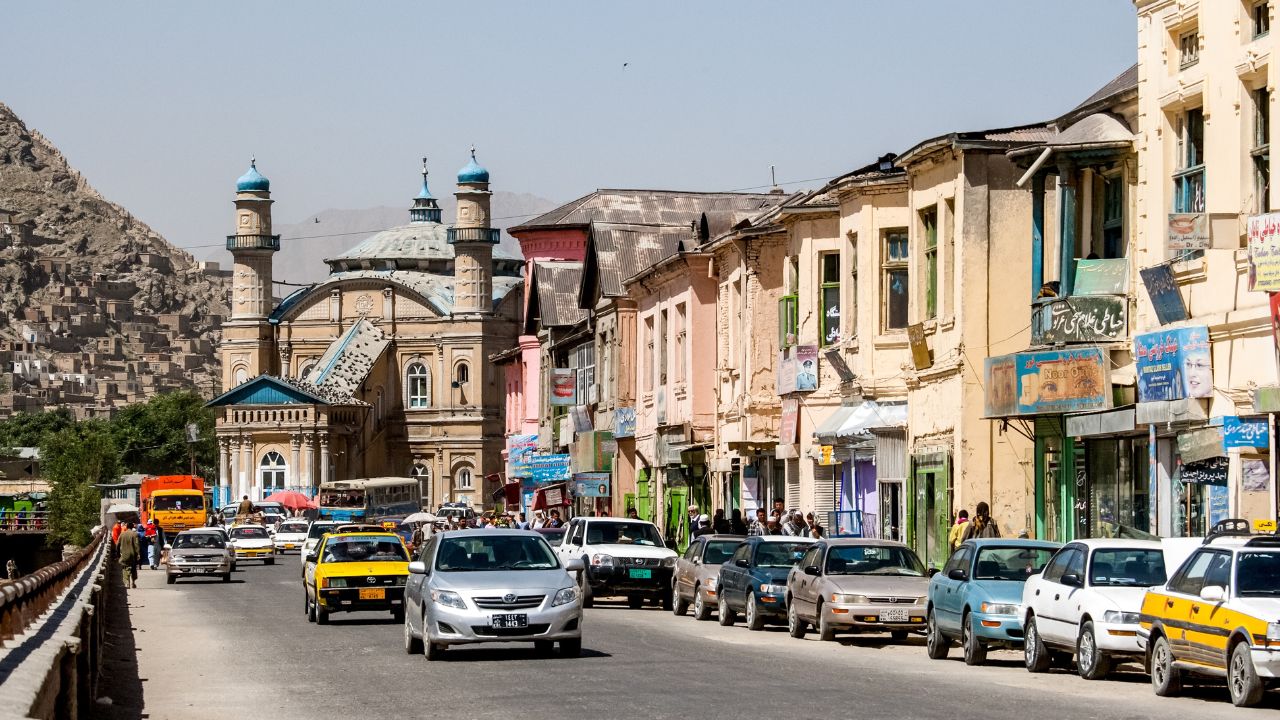
Tourism depends on visible normalcy: students on buses, graduation photos, bookshops with exam prep guides, and lively university districts after sunset. Remove that layer and the city’s rhythm changes, especially in neighborhoods that historically revolved around campuses. The result can feel like a place missing a whole age group’s public presence.
That absence also reshapes who works in public-facing roles. When half the potential student population is blocked from advanced study, the pipeline into teaching, journalism, civil service, and professional careers gets squeezed. Even a short stay can make this noticeable, because you may see fewer women in roles that are common in many other capitals, particularly around education spaces.
The Knock-on Effect Shows up in Healthcare and Daily Services
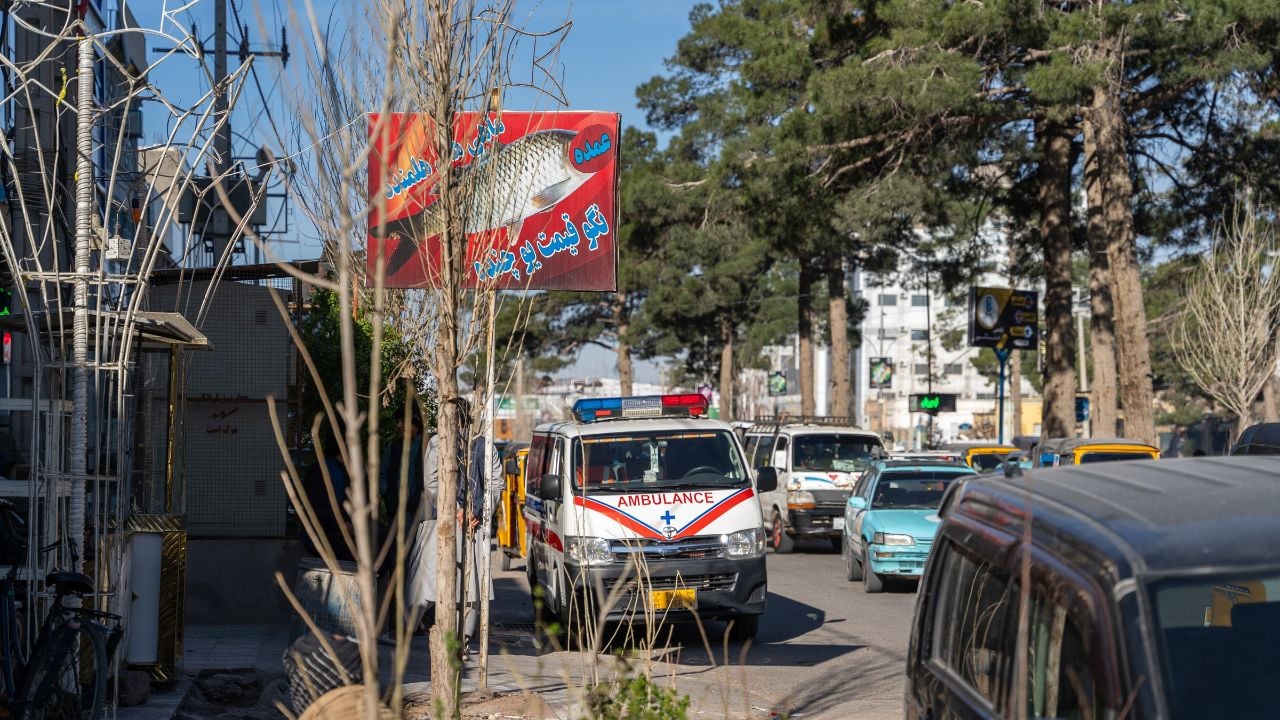
Education restrictions do not stay inside school walls, because universities produce the next generation of doctors, nurses, and specialists. A UN expert warned in late February 2026 that restrictions are endangering women’s health. The warning highlighted mobility limits and barriers to accessing care, plus longer-term strain from fewer trained female health workers.
For travelers, this matters in practical ways. Limited access to healthcare facilities, fewer female practitioners, and complex social rules can turn routine issues into major problems, especially for women visitors. The same language used to describe restrictions on local women also signals a tougher environment for outsiders who assume services will function normally.
Reality Check: Most Governments Advise Against Travel
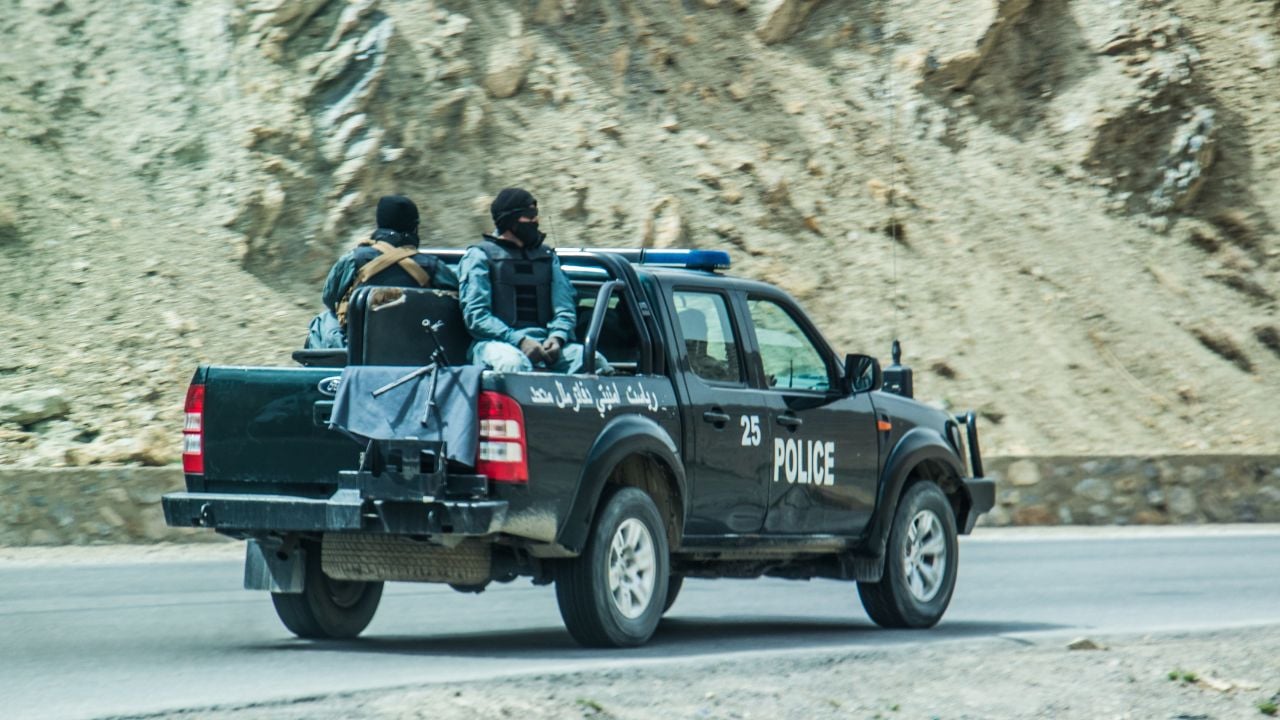
Whatever the reason for reading about Afghanistan, standard tourism planning does not apply in the usual way. The U.S. State Department lists Afghanistan at Level 4, “Do Not Travel,” citing risks including terrorism, civil unrest, kidnapping, and limited health facilities. The UK’s FCDO likewise advises against all travel.
That guidance is not a footnote; it is the baseline context. The education ban sits inside a wider set of controls affecting movement, public behavior, and safety, and conditions can shift without warning. Treat official advisories as the starting point, not an optional add-on.