

YouTuber Overdrive Engineering recently posted a video that claims the M96 water-cooled engines used in the Porsche 911 and Boxster had a fatal design flaw. The video may not have racked up a ton of views, but it certainly drew our attention.
It starts with the question: “Why did Stuttgart engineers use a sealed bearing inside an engine? And how does this tiny mistake lead to a $20,000 engine replacement?”
Few cars stir emotion like the Porsche 911. The key sits on the left. The flat six fires up with that unmistakable mechanical snarl. For many enthusiasts, especially buyers of late 1990s and early 2000s models, ownership represents entry into a legendary lineage.

But buried deep inside certain water-cooled engines lies one of the most debated mechanical issues in modern performance car history. The intermediate shaft bearing, better known as the IMS bearing.
So how real is the threat, and how much of it has grown into internet mythology?
Why the IMS Exists
When Porsche transitioned from air cooled engines to water cooled designs in the late 1990s, beginning with the 996 generation 911 and the Boxster, engineers redesigned the internal architecture. These M96 and early M97 engines used an intermediate shaft to drive the camshafts via timing chains.
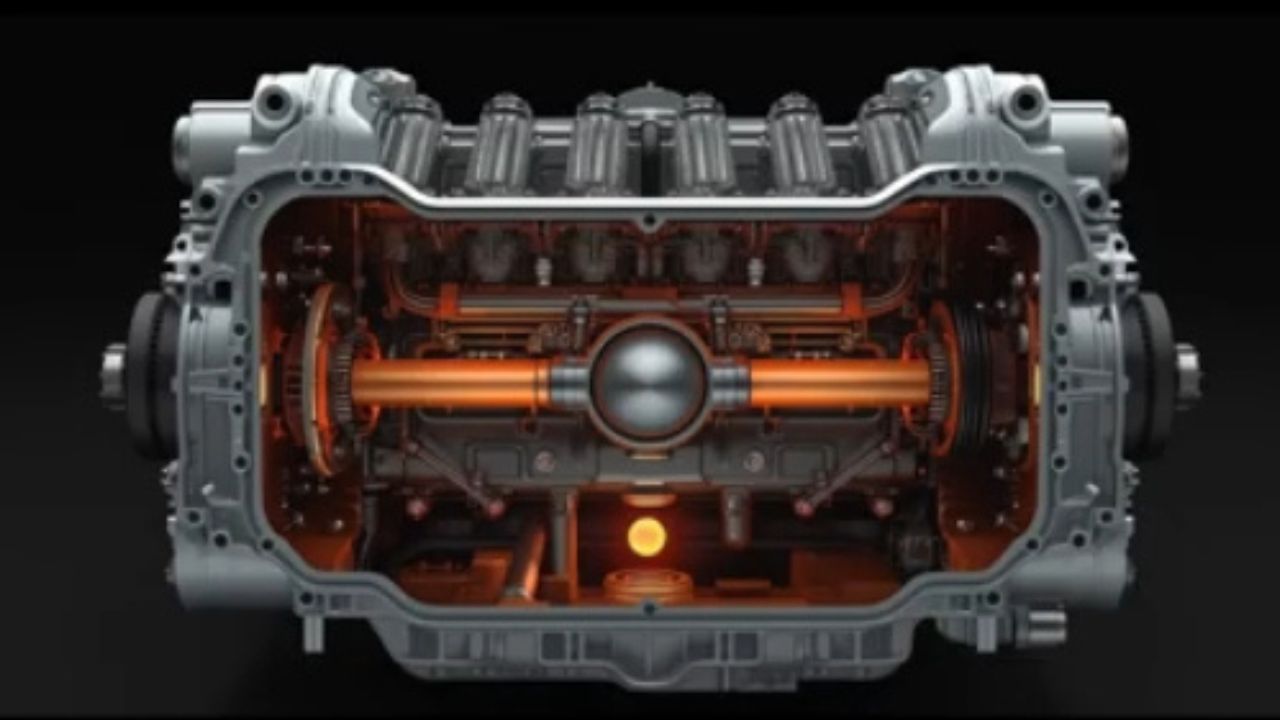
To support the rear of that shaft, Porsche fitted a sealed ball bearing. This was a compact and efficient solution — theoretically. The real-world application is another matter.
The controversy often centers on claims that Porsche engineers used a cheap, inadequate bearing that was never suited for a high-performance engine. The reality, though, is more nuanced. The bearing itself was not a bargain bin component.
It featured a conventional sealed ball bearing similar to what many manufacturers use in rotating assemblies. The issue was not cost cutting in the obvious sense. It was the long-term durability of a sealed grease packed bearing operating inside a hot engine environment.
How Failures Occur
Overdrive Engineering’s failure theory goes like this. The rubber seal on the bearing degrades from heat and oil exposure. Once compromised, engine oil enters the bearing cavity and washes out the original grease.
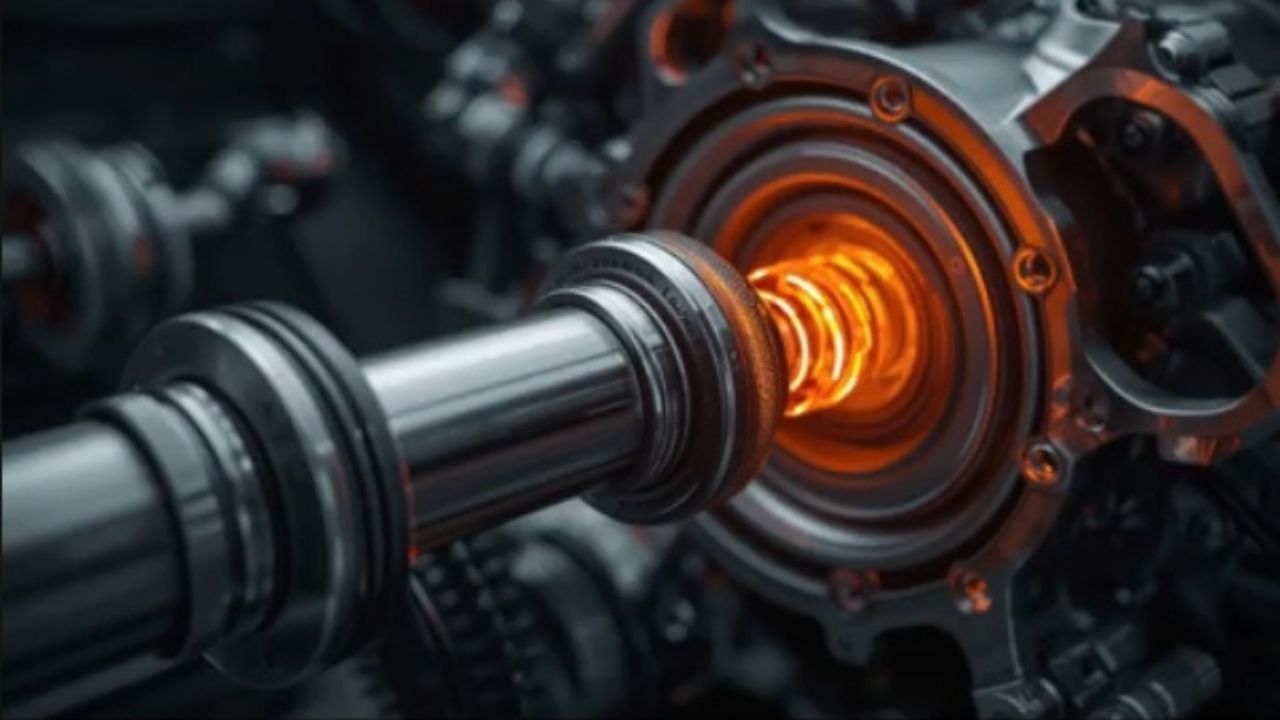
With lubrication compromised, the balls and races wear rapidly. Debris circulates through the oiling system. Eventually the bearing collapses, the intermediate shaft loses alignment, and valve timing jumps.
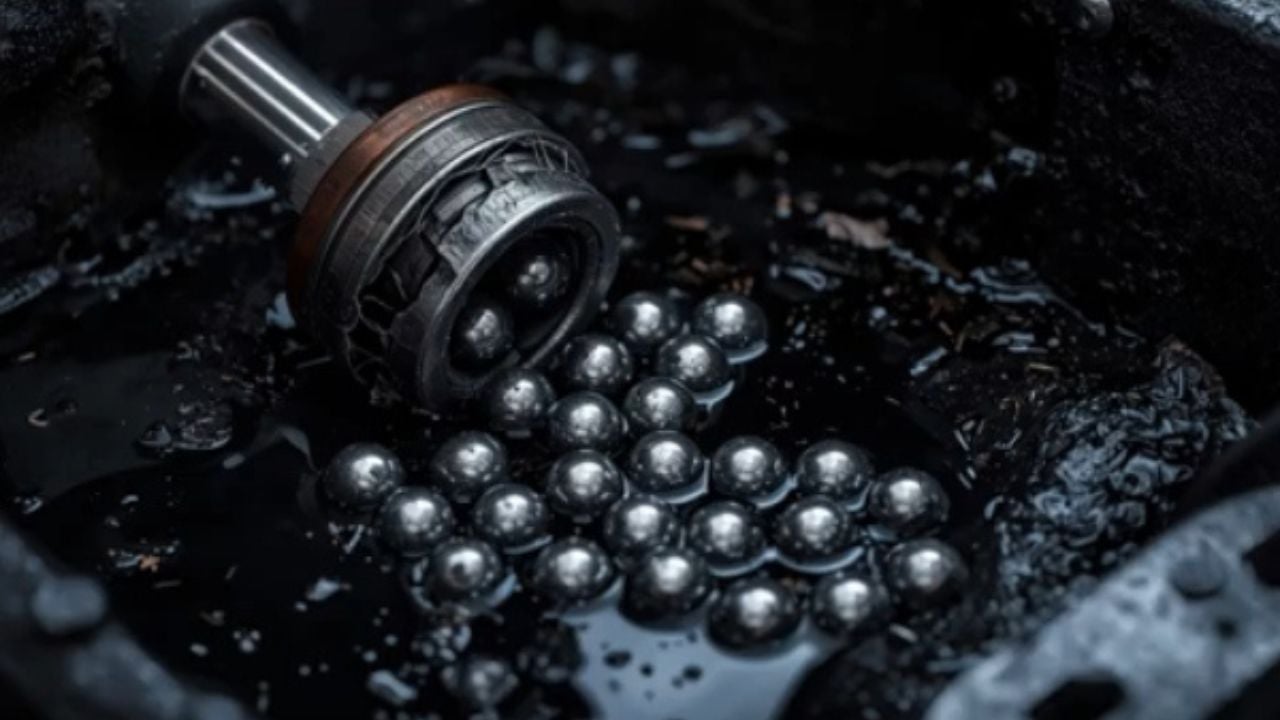
That last part is absolutely accurate. If the IMS bearing catastrophically fails, it can lead to severe internal damage. Pistons can contact valves. Timing chains can derail. In worst cases, the engine is effectively destroyed.
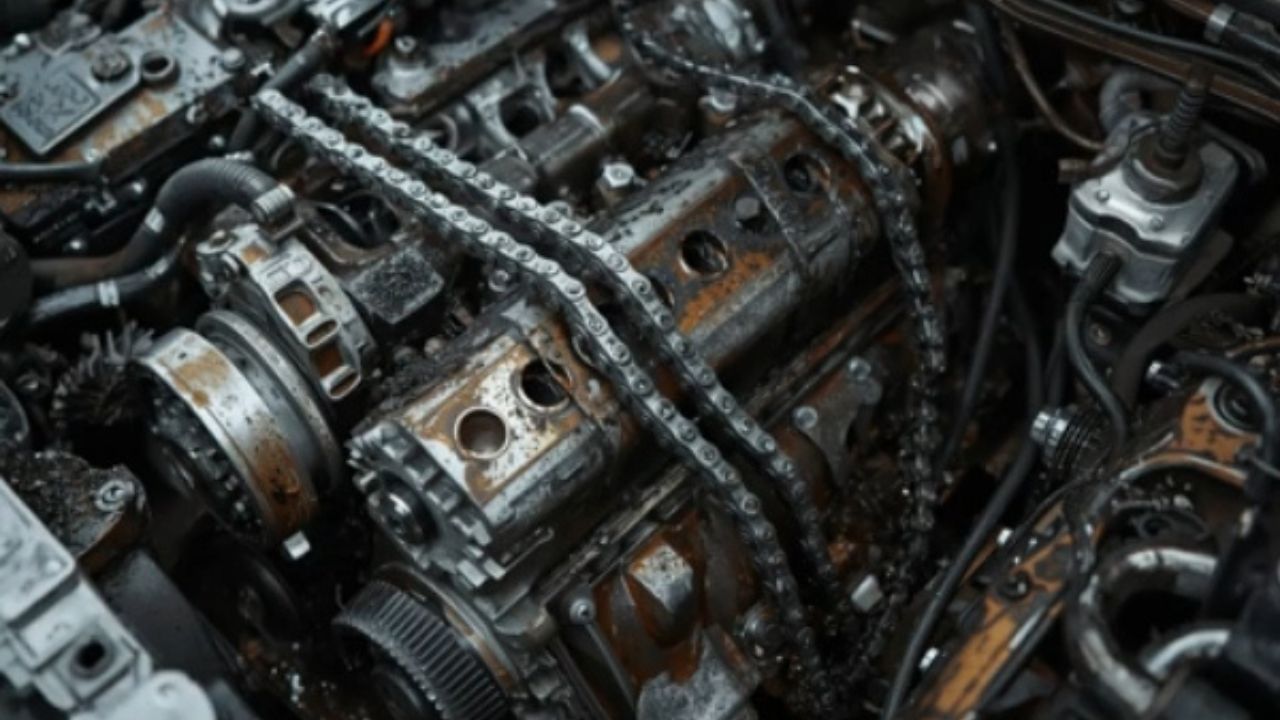
However, the suggestion that every affected engine is a ticking time bomb is an exaggeration.
Independent studies and industry specialists estimate failure rates anywhere from 1 percent to roughly 8 percent depending on model year and bearing type. Early dual row bearings used in some 1997 to 1999 cars appear to have lower failure rates than certain later single row designs.
That means the majority of these engines never experience IMS failure.
The $20,000 Question
The video’s claim that a sub $50 part can trigger a $20,000 engine replacement is not far off in principle. A factory replacement engine can easily exceed that amount installed. In some markets it can cost far more.
That said, owners are not powerless. Preventative replacement of the IMS bearing with an upgraded solution from respected aftermarket suppliers has become common practice.

Many specialists recommend replacement during clutch service, since the transmission must be removed for access. The preventative cost is typically in the low thousands, not tens of thousands.
Also worth noting is that Porsche revised the design in later M97 engines and ultimately eliminated the serviceable IMS bearing entirely in the 2009 997.2 generation with the new direct injection engine.
Should It Stop You from Buying One?
For buyers considering a 996 generation Porsche 911 (996) or early Boxster, the IMS issue is a legitimate factor. It is not a myth. But it is also not universal doom.
A well-maintained car with documented IMS upgrade or regular oil analysis can significantly reduce risk. Many examples have covered well over 100,000 miles without incident.
In expert terms, the IMS bearing is a design vulnerability rather than an automatic death sentence. So, yes, it’s technically a design flaw, but not a fatal one.
It is a case study in how a small engineering compromise can have outsized consequences, amplified by internet forums and horror stories.
For enthusiasts willing to do proper due diligence, the reward remains what it always was. A balanced, communicative sports car with one of the most iconic driving experiences in automotive history.
Just go in informed, not afraid.
Note: This article contains embedded video. Embedded media may not display on all platforms. The video is available on our website here.