Travel demand has surged worldwide in recent years, and many destinations now face a different kind of challenge: streets fill faster, housing markets tighten, and local infrastructure gets stretched hard during peak seasons. Governments and city councils are responding with tools meant to manage visitor flow while protecting daily life. Reservation systems, cruise caps, access fees, and zoning rules are now part of tourism policy in far more places than most travelers realize.
None of these moves mean visitors are unwelcome. Most officials frame the changes as long-term planning rather than a shutdown. The goal is to spread arrivals, protect historic districts, and keep neighborhoods livable for residents who stay year-round. For travelers, the shift mostly means planning earlier, booking official slots, and paying closer attention to local rules.
1. Spain
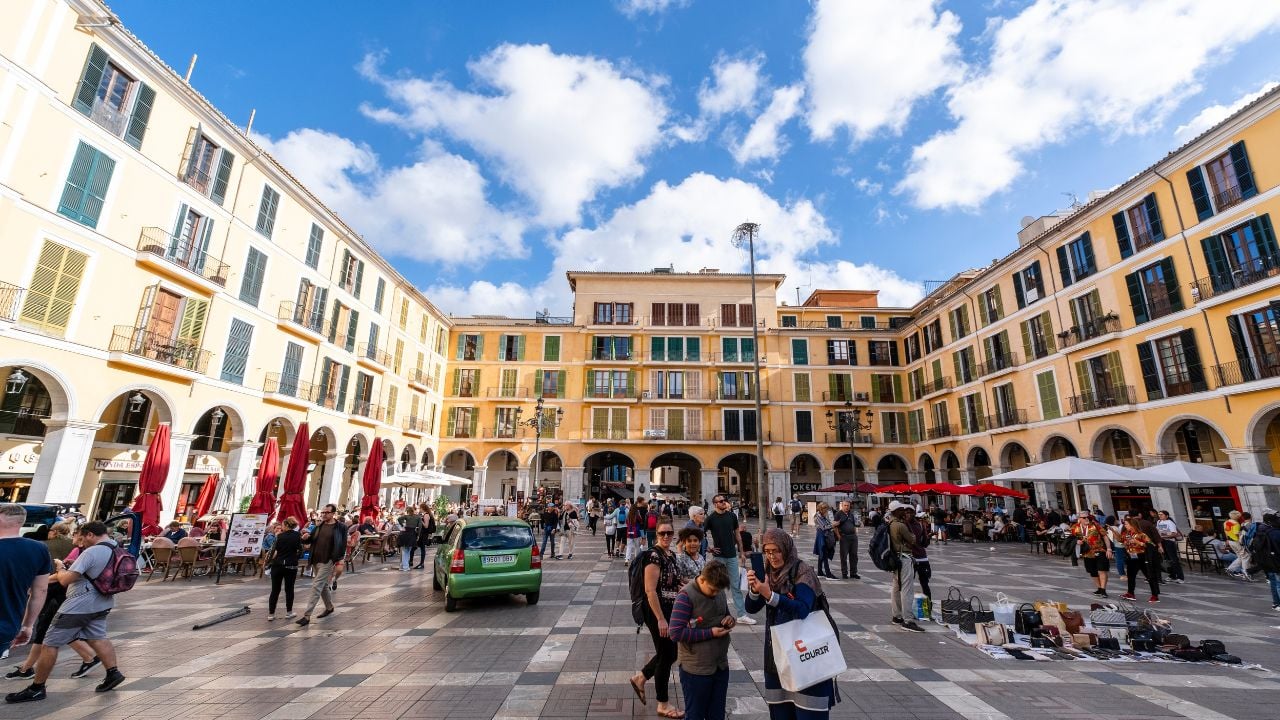
Spain has become one of Europe’s most visible stages for crowd-management debates. Barcelona has tightened its approach to short-term rentals, while island authorities in the Balearics have pushed measures aimed at slowing the growth of tourist accommodation in areas where housing pressure and seasonal strain are politically explosive. In several hotspots, the discussion has moved from “How do we attract more visitors?” to “How do we stop the center from becoming unlivable?”
That tension has also spilled into public demonstrations. Reuters reported on protests against overtourism in multiple southern European destinations, reflecting how quickly these issues can shift from policy memos into street-level politics. For travelers, Spain is still open and thriving, but the rules around housing, noise, and high-pressure zones are evolving fast.
2. Italy
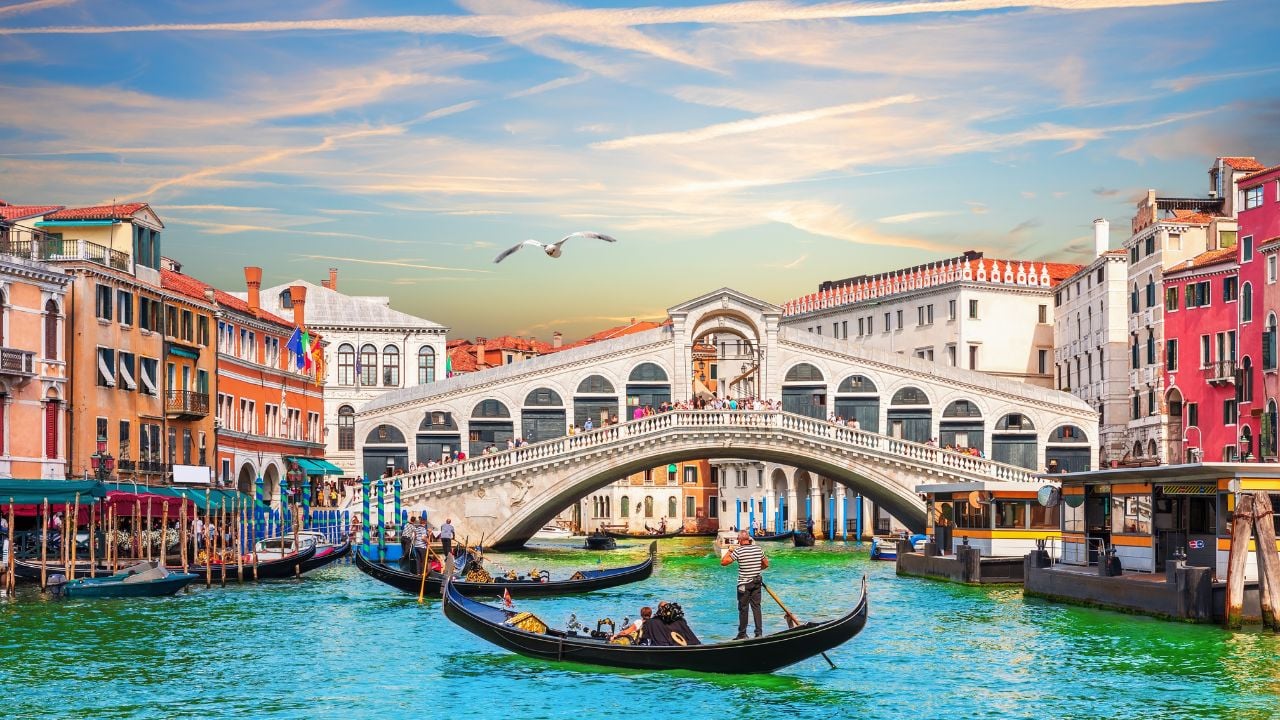
Italy faces similar pressure across several iconic destinations, and Venice has become the headline example. AP covered Venice’s day-visitor entry-fee approach, which is designed to reduce peak congestion and support city services. For travelers, the important takeaway is practical: there are now specific days and processes that can apply to day trips, and the “just show up” habit is becoming less reliable.
If you’re planning Venice in peak season, it’s smart to check the city’s official access-fee information before you lock in day-trip timing. Venice maintains an official portal for the access fee system here: Contributo di Accesso Venezia (FAQ). Elsewhere in Italy, other high-traffic areas rely on tickets, timed entry, or trail cards during busy periods, and those tools tend to expand—not shrink—once they’re in place.
3. Netherlands
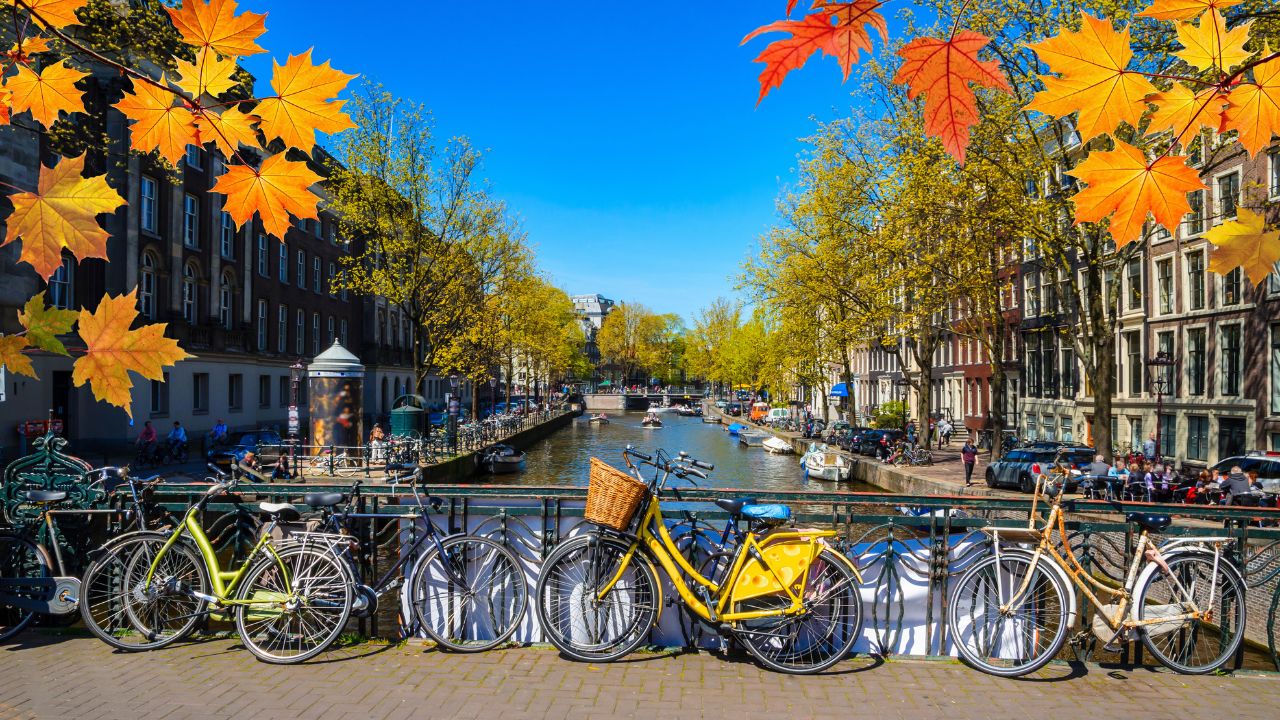
The Netherlands has openly discussed managing visitor impact in Amsterdam and nearby areas, especially where ultra-short party trips create outsized neighborhood friction. Euronews reported on cities debating cruise limits and overtourism pressure, with Amsterdam frequently cited in broader European efforts to reduce the downsides of high-volume arrivals.
Amsterdam’s messaging has also become unusually direct about “rules of the city” and nuisance behavior. The city-backed Amsterdam Rules site is part of that shift in tone. The core message isn’t “don’t come”; it’s “come prepared, behave like a guest, and don’t expect the center to function like an endless bachelor-party theme park.”
4. Japan

Japan has experienced intense inbound demand in recent seasons, and the crowd pressure shows up most clearly in Kyoto and the Mount Fuji region. Local authorities have leaned on timed access, signage, and behavior-focused campaigns in areas where residents complained about blocked streets, noise, and unsafe roadside photo behavior. The policy direction is less about limiting tourism nationally and more about stopping a few specific zones from getting crushed daily.
Mount Fuji is the clearest “plan ahead” example, because climbing seasons and access rules are now more structured than many travelers expect. For official, current guidance, Japan’s Mount Fuji climbing information is maintained here: Mount Fuji Climbing (official site). If you’re building an itinerary around Fuji photos or a summit attempt, checking those official rules before booking saves a lot of stress.
5. Greece
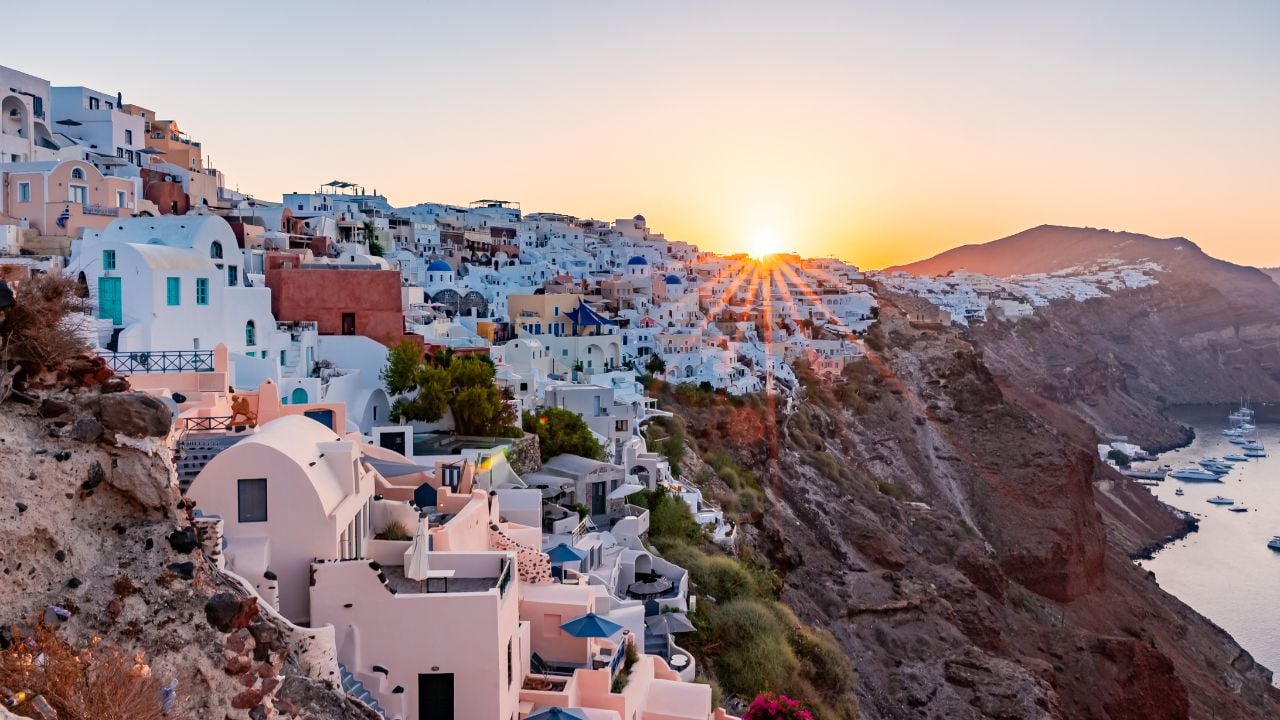
Greece’s island destinations face intense summer surges, particularly on Santorini and Mykonos, where cruise timing and day-trip volume can overwhelm small ports and narrow streets. In response, the conversation has shifted toward managing the timing and concentration of arrivals, especially when multiple ships stack into the same morning window. Measures and proposals have included cruise-flow management, visitor-fee discussions, and broader debates about carrying capacity tied to water, waste, and transport limits.
Tourism officials generally stress that the aim is protection of infrastructure and resident quality of life rather than discouraging travel. For travelers, the practical advice is simple: shoulder season is your best friend, and any island visit in peak months now works better when you expect rules (and queues) to be part of the experience.
6. Croatia

Croatia’s Adriatic coast has seen rapid visitor growth, and Dubrovnik’s historic center is the clearest pressure point. City authorities have used cruise coordination, crowd monitoring, and old-town management tools to reduce the “everything arrives at once” problem that turns a beautiful place into a slow-moving gridlock corridor. The direction of travel is toward tighter scheduling and clearer systems, not looser ones.
National tourism leaders also keep pushing dispersion: inland regions, smaller towns, and national parks that can absorb visitors without breaking. Croatia still welcomes tourists enthusiastically, but the most famous walled streets are no longer treated like infinite-capacity space.