The auto industry can be extremely unforgiving. One wrong move by the top brass, a failed design experiment, an engineering flaw, and other seemingly innocuous decisions can easily lead to catastrophic losses and cause damage to a brand’s reputation, sometimes irreversibly.
Over the years, various reputable car brands have made mistakes that enthusiasts still haven’t forgiven to date. Some of these mistakes led to hundreds of millions or even billions in losses, others cost the brands their reputation that took decades to establish, and in the worst cases, they served as the final nail in the coffin and took down entire brands. Let’s explore 11 such mistakes and the consequences that followed.
Ford: The Pinto
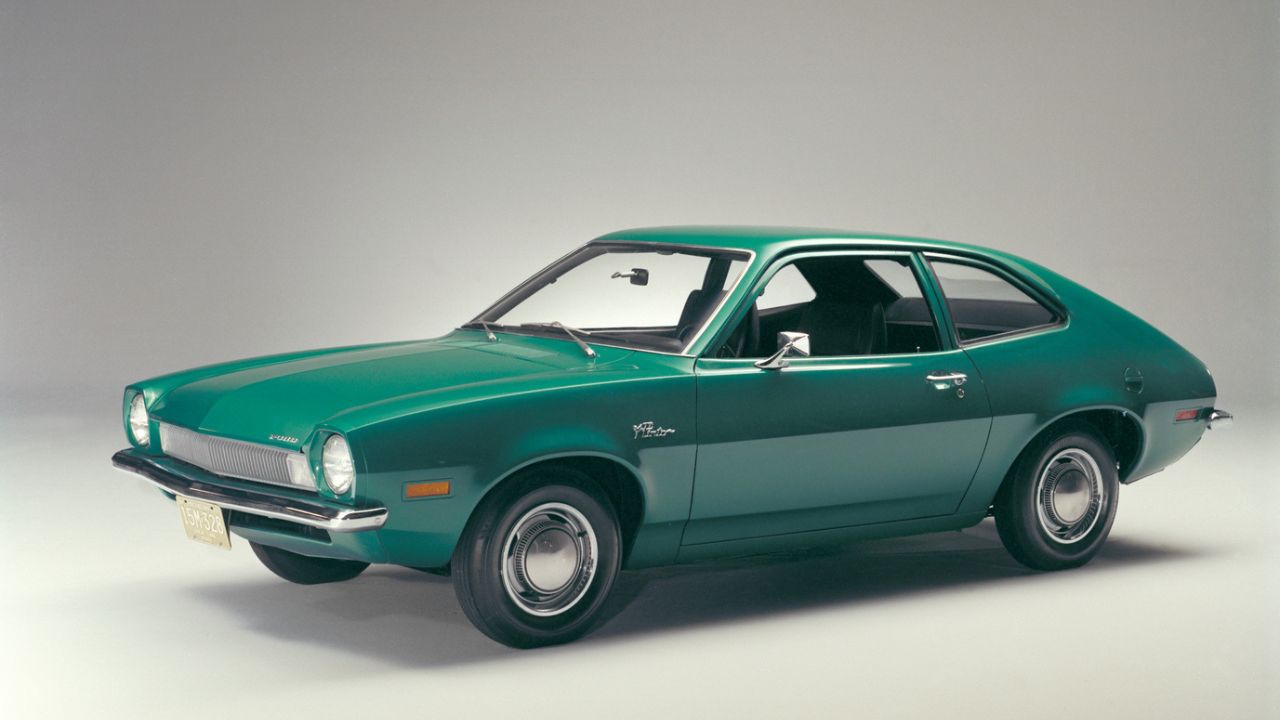
Desperate to compete with affordable and fuel-efficient Japanese imports, Ford developed the entry-level Pinto in the late ’60s, aiming to keep it under 2,000 pounds and priced under $2,000. The Pinto went from concept to production in just 25 months, and it was a smash hit with about 352,402 units sold in its first model year (1971).
Unfortunately, a rushed development process and excessive cost-cutting measures resulted in the fuel tank being placed behind the rear axle rather than above it, which led to dangerous and sometimes fatal post-crash fires during rear-end collisions. This issue was already bad enough on its own, but Ford made mistakes that made it far worse. A Ford cost-benefit analysis (often referred to as the ‘Pinto memo’) weighed the cost of fuel-system changes, often cited as about $11 per vehicle, against projected costs tied to Pinto-related injuries and fatalities, fueling outrage when it became public.
The Pinto scandal exploded in 1977 after Mark Dowie’s Mother Jones exposé, leading to a recall announced in 1978 covering about 1.5 million 1971 to 1976 Pintos and about 30,000 Mercury Bobcats. Ford Motor Company was also involved in several Pinto-related legal battles, including a 1978 Indiana case in which Ford was indicted on reckless homicide charges tied to a fatal Pinto fire. While Ford was later acquitted in 1980, the Pinto was a major ethical and safety failure and became a lasting stain on its public image.
Lamborghini: The BMW M1 Debacle
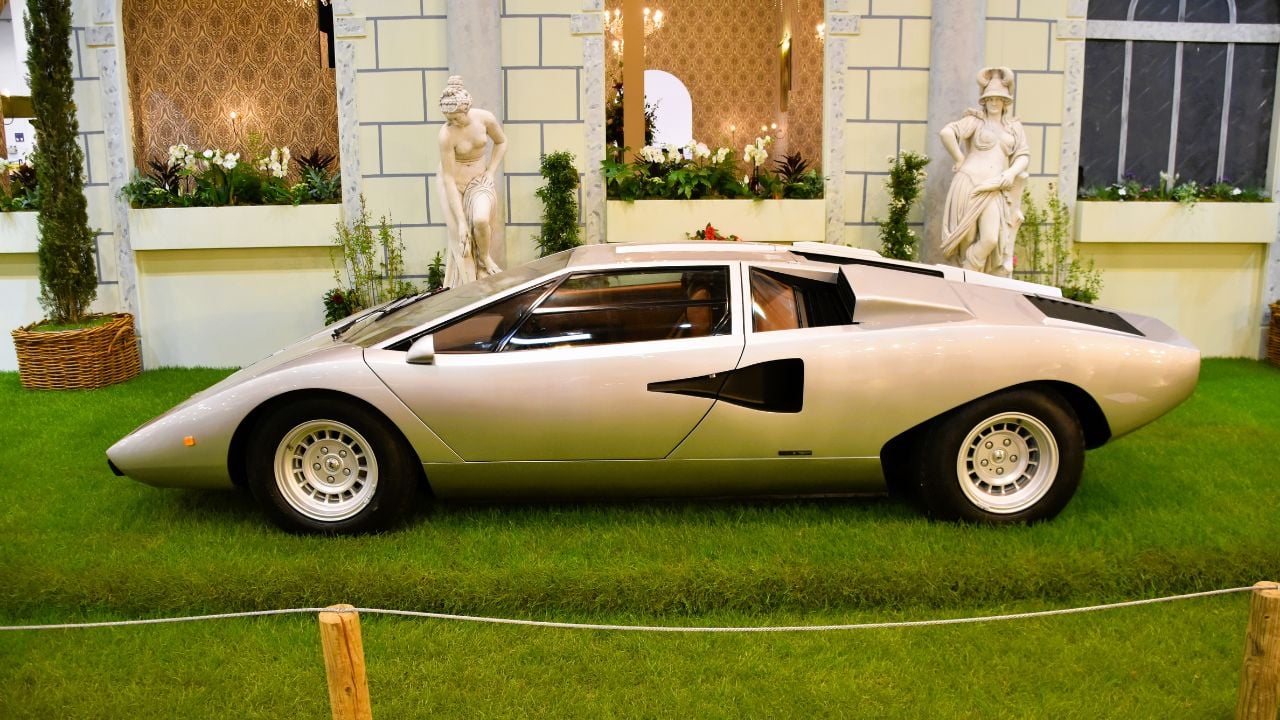
Lamborghini has made a few errors in its relatively short history – letting Horacio Pagani leave and eventually establish a big rival, the LM002 that went against the brand’s identity, and the “entry-level” Jalpa are great examples, but they all pale in comparison to the BMW M1 error and the events that followed.
In the late ’70s, BMW contracted Lamborghini to help in the development and manufacture of the M1. However, Lamborghini’s finances were too stretched while it pursued projects like the Cheetah, contributing to delays and the M1 agreement ultimately falling apart. BMW terminated its contract with Lamborghini after repeated delays, then reorganized production with other suppliers while the M1 program continued. Lamborghini entered bankruptcy proceedings in 1978 amid broader financial problems.
Following the bankruptcy, Lamborghini entered a tumultuous period of restructuring and shifting ownership that lasted for about two decades, almost killing the popular Italian brand in the process. Thankfully, Audi swooped in in 1998 and acquired the Raging Bull, providing the stability it needed to re-establish itself as one of the leading sports car and supercar brands.
Porsche: The 996 Generation 911
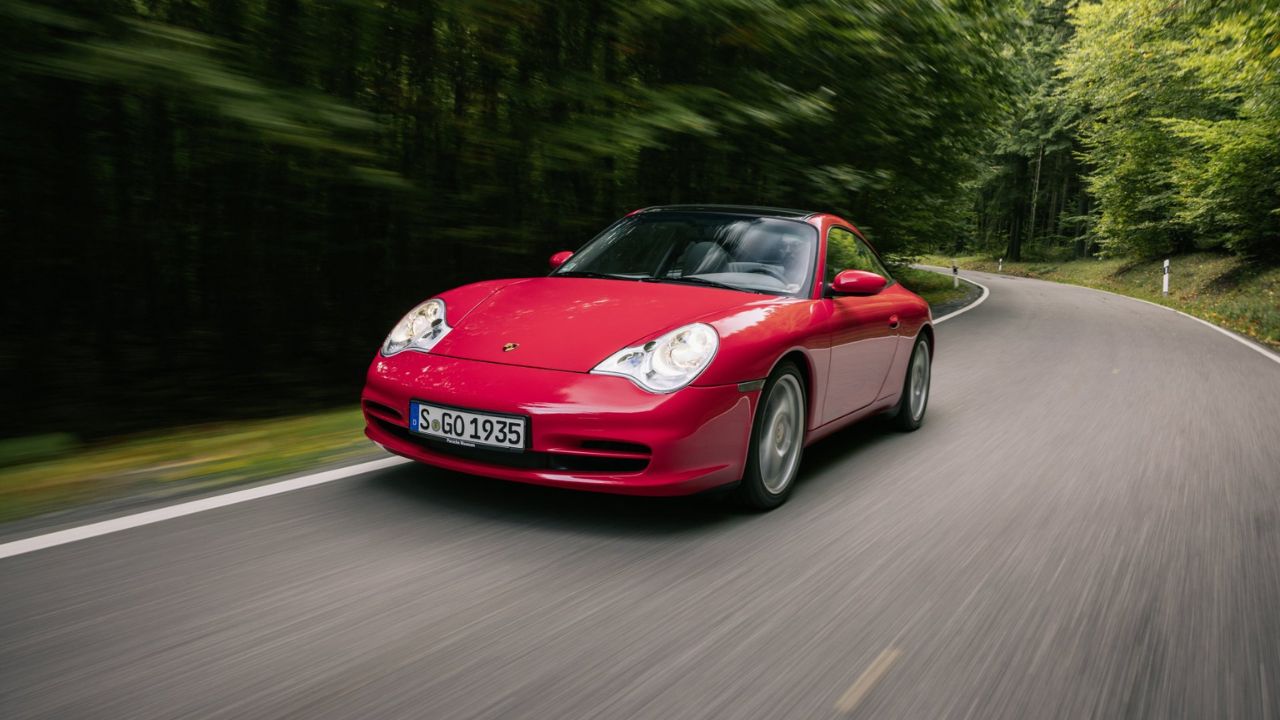
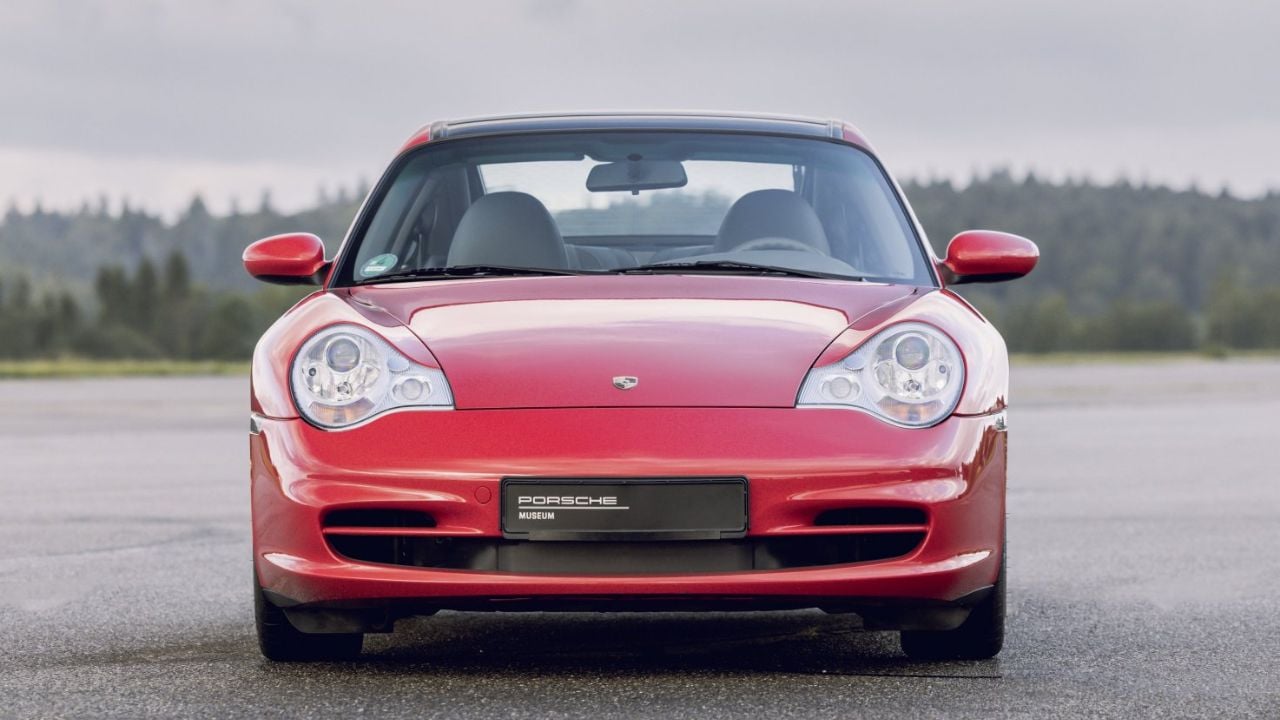
Porsche is still one of the leading sports car brands, largely thanks to the 911. However, in the ’90s, the German marque made a mistake that sparked major backlash among purists. That mistake is known as the 996-generation 911.
When the 996 debuted in 1997, it was a major letdown for 911 purists in several ways. For starters, the “fried egg” headlight design shared with the cheaper Boxster instantly angered enthusiasts even before they stepped into the car. As annoying as the design was, the bigger issue was the powertrain, where a water-cooled setup replaced the previous generation’s air-cooled setup. Not only did the water-cooled engine lose the sound and character 911 enthusiasts loved in previous air-cooled models, it introduced the infamous Intermediate Shaft (IMS) bearing issue in certain engines, which led to massive repair bills and damaged the 911’s reputation for reliability.
While the 996’s issues were eventually addressed, it’s still considered the black sheep of the 911 family, which explains why many 996 variants are among the more affordable 911s on the used market.
Pontiac: The Aztek (2001)
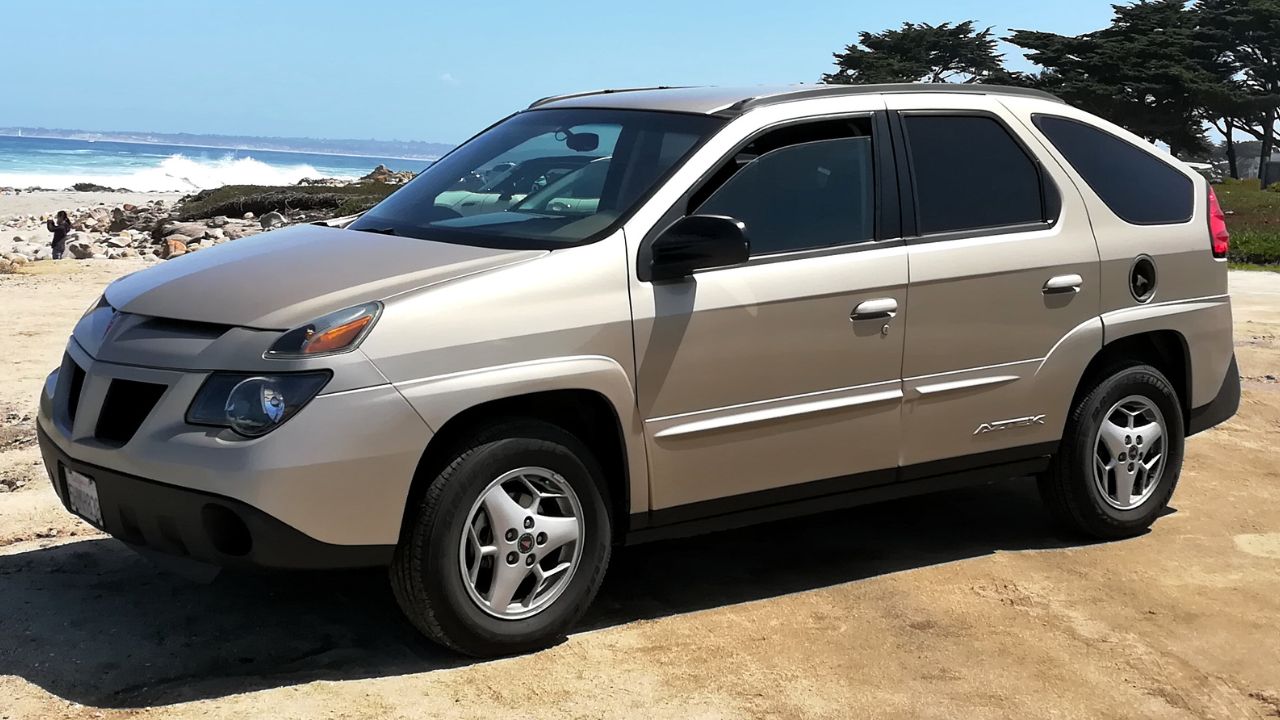
Like other GM brands, Pontiac had serious financial issues in the ’90s and needed a way to improve sales urgently. A visionary in the company’s leadership came up with a brilliant idea to introduce a new SUV that would give Pontiac an edge in the fairly new segment, resulting in the Aztek. Unfortunately, the execution left a lot to be desired.
While the Aztek was one of the most outdoor-ready vehicles with serious ‘overlanding’ DNA, it had a polarizing design that quickly earned it a spot on the list of the ugliest cars ever made. The Aztek looked like it was designed by a committee that hated each other, featuring disjointed design elements that made it look like two vehicles glued together.
Pontiac ended up selling far fewer Azteks than planned, and about a decade after the SUV’s debut, GM discontinued the famous brand. The Aztek wasn’t the only reason why Pontiac died, as failed rebadging efforts and the 2008 financial crisis played a role, but if the execution was better, it was well-placed to take advantage of the emerging SUV market at the time and might have helped Pontiac compete better.
Tesla: The Cybertruck

Tesla had an incredible start to life, creating models that proved that EVs were the future of the auto industry. Sadly, the company appears to be in trouble after two straight years of declining annual deliveries. China’s BYD has already overtaken Tesla as the world’s top BEV seller, and with looming discontinuations of the Model S and Model X, the future looks bleak for the once-promising EV company.
Tesla has made several errors, but the biggest has to be the Cybertruck. The Cybertruck took too long to get to the market, and when it did, it was an oversized truck with a polarizing design and a much higher price tag than originally promised. Some reviewers also criticized its real-world off-road usability and towing-range tradeoffs, questioning its capabilities as a pickup truck. On top of that, Tesla invested heavily in its development instead of launching a lower-cost model sooner, as competition from BYD and other EV makers intensified. U.S. Cybertruck sales fell to about 20,237 units in 2025, far below CEO Elon Musk’s early projection of 250,000 annually.
The Cybertruck aside, other Tesla missteps that have led it to the position it is today include overpromising the Full Self-Driving gimmick and interference from Musk’s political rhetoric and public persona.
Mercedes-Benz: The Chrysler Merger
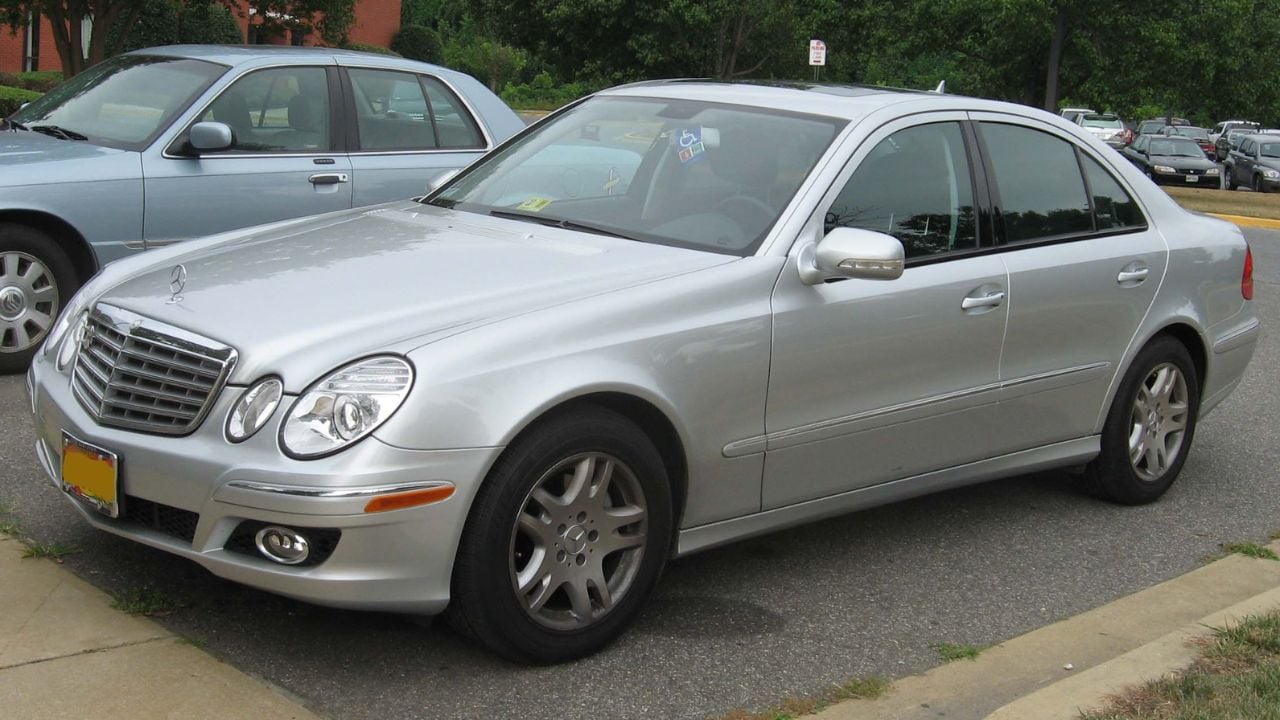
In 1998, Daimler-Benz and Chrysler entered into what’s widely regarded as one of the most disastrous business marriages ever. Originally framed as the “Merger of Equals”, this unlikely partnership was supposed to create a global automotive powerhouse, but it backfired terribly.
While a merger of companies that were independently successful looked good on paper, it couldn’t work out because the two companies were polar opposites – almost like trying to mix oil and water. Attempts to share parts backfired as using Chrysler components was deemed as cheapening the Mercedes-Benz brand while imposing German engineering standards raised prices for cost-focused Chrysler models and led to a mass exodus of the American company’s top talent.
Daimler-Benz had bought Chrysler for a staggering $36 billion in 1998, but by 2007, it sold 80.1% of Chrysler to Cerberus Capital Management in a deal valued around $7.4B after years of losses.
Chevrolet: The Vega
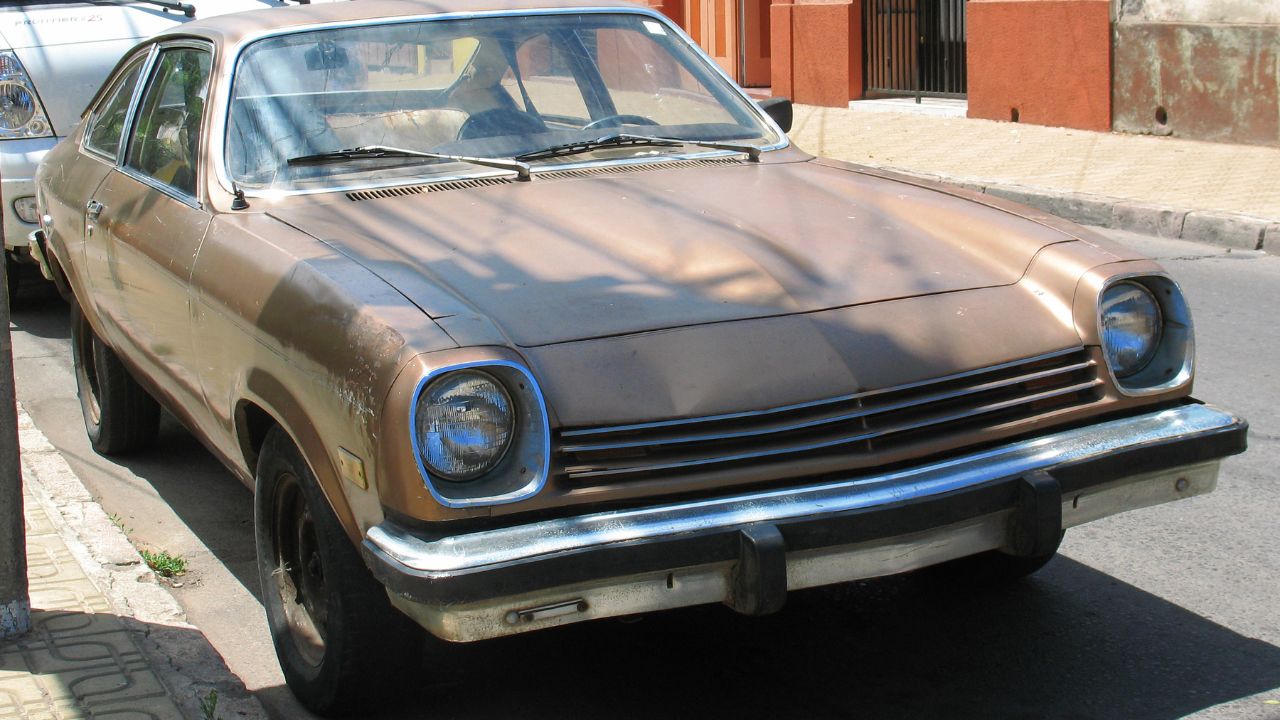
We could have easily chosen the Corvair for this, whose safety issues were famously highlighted in Ralph Nader’s Unsafe at Any Speed book and led to massive sales drops in the ’60s, but the Vega was arguably worse. The Vega ran from 1971 to 1977, cementing its legacy as one of the worst cars ever.
The Vega suffered from a ‘perfect storm’ of flaws, starting with the fact that it was the first car developed under GM’s corporate engineering and design leadership, which led to hostility between engineers and marketing teams. The biggest issue with the Vega, though, was its unreliable engines. The sleeveless aluminum engine block was prone to overheating, which could lead to catastrophic engine failure. The Vega was also prone to rapid corrosion due to a flawed rust-proofing system.
Although Chevy sold over 2 million Vega units, the car’s poor reliability and rust issues drove millions of American buyers towards reliable Japanese brands like Honda and Toyota, a market share loss that still haunts Chevy.
Bugatti: The EB110 Era Bankruptcy
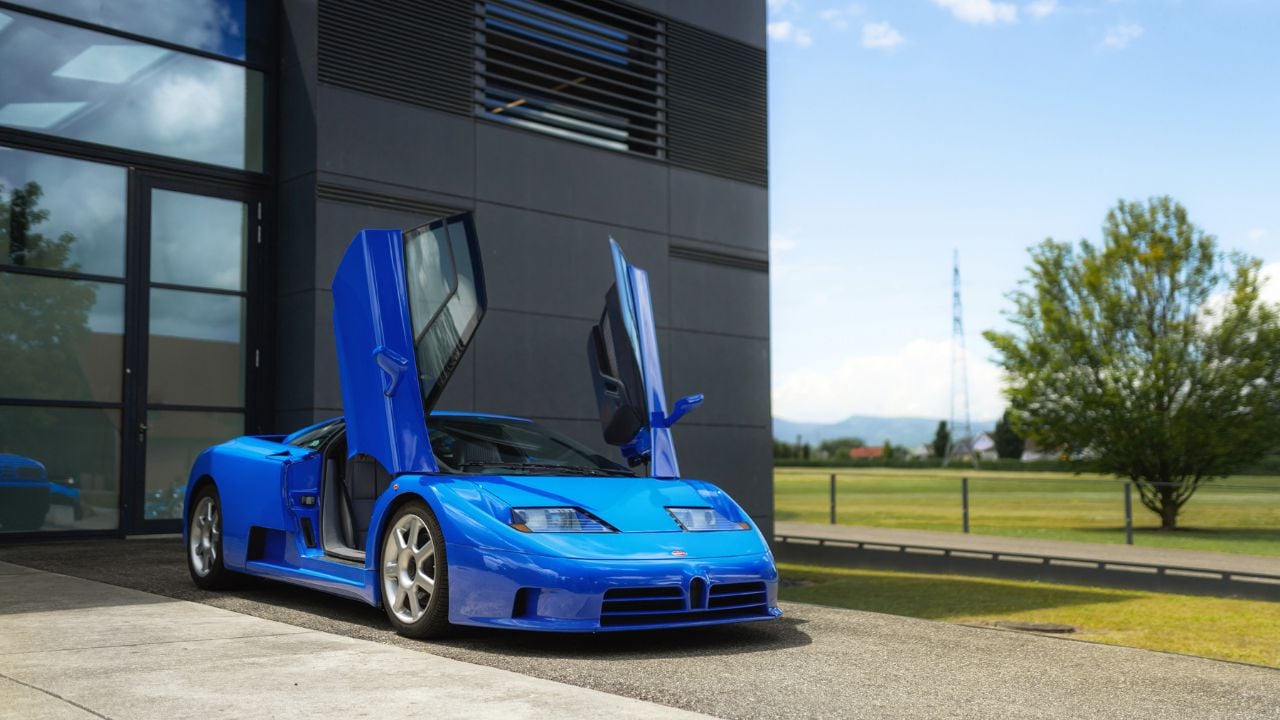
In 1987, Italian entrepreneur Romano Artioli bought the Bugatti trademark with the goal of reviving the legendary French marque. Under his stewardship, Bugatti invested heavily in the development of a high-performance supercar that could compete with the very best, resulting in the EB110 in 1991.
The EB110 was an engineering marvel, pairing a lightweight carbon-fiber composite structure with a brutal 3.5-liter quad-turbocharged V12 to create one of the fastest production cars in the world at the time. While the car was technically impressive, Artioli spent a fortune building a state-of-the-art factory to produce it then spent another fortune to acquire Lotus just as a global recession hit. He then invested some money into a new EB 112 sedan, stretching the fairly new company’s funds beyond the acceptable limit.
Bugatti struggled for much of the early ’90s, and in 1995, Artioli threw in the towel and declared bankruptcy. Fortunately, Volkswagen bought Bugatti in 1998 and built the Veyron a few years later, and the company hasn’t looked back since.
Lincoln: The Blackwood (2002)
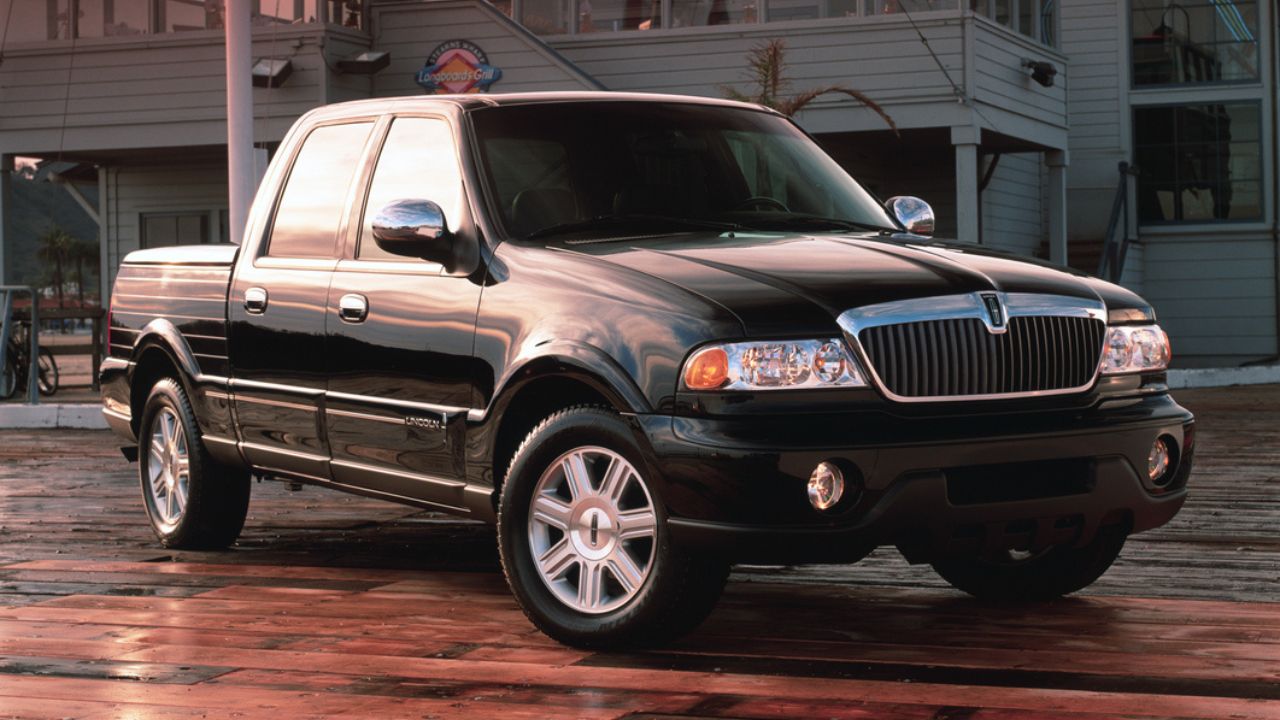
As Ford’s luxury-oriented brand, Lincoln has built many iconic American luxury vehicles in the past. The 2002 Blackwood is not one of them, as it’s regarded as one of the most pointless luxury vehicles ever made.
The Blackwood was a luxury pickup truck, which almost sounds like an oxymoron. It had a plush interior and a carpeted, non-functional bed that almost made it useless as a truck. No four- or all-wheel-drive also made it useless for off-road and snowy conditions, and while the air suspension added to its comfort, it was costly to repair.
The nail in its coffin was its $52,000 price tag, which made it one of the most expensive pickup trucks. Lincoln hoped to sell roughly 18,000 units, but only 3,356 were sold in 2002 before its discontinuation.
Nissan: The JATCO CVT Failure
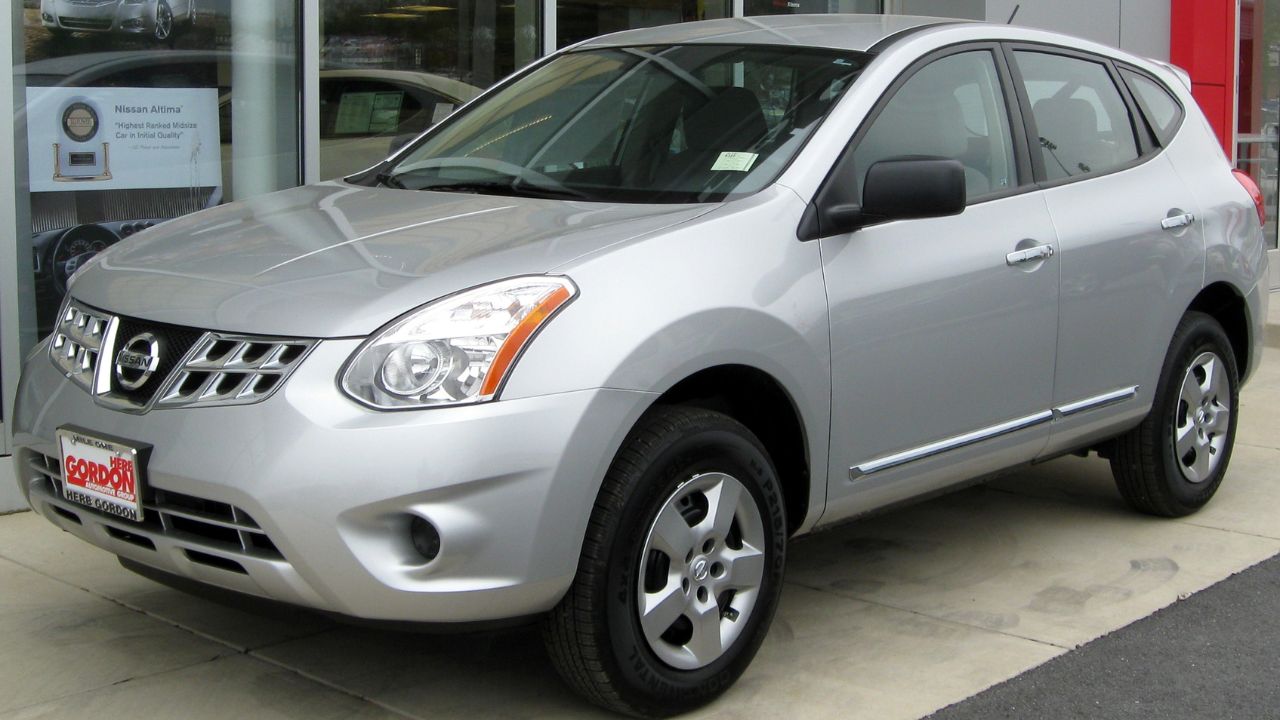
Nissan used to be one of the most exciting Japanese brands, known for models like the legendary Skyline GT-R and others. Today, Nissan is a shadow of its former self, with few exciting models on the market and restructuring that includes announced production changes and potential plant shutdowns.
While Nissan has been fighting to stay alive for decades, one thing that compounded its misery was its over-reliance on Continuously Variable Transmissions (CVTs) built by Jatco. Throughout the 2000s and 2010s, popular CVT-equipped Nissan models like the Altima, Sentra, and Rogue were plagued by premature transmission failures that would sometimes occur well below 100,000 miles. These issues not only earned Nissan a poor reputation for reliability, but they also led to warranty extensions, technical service bulletins, and class-action settlements.
Toyota: The “Unintended Acceleration” Crisis (2009-2010)

Over the years, Toyota has cemented its reputation as the most reliable car brand in history. However, for a brief moment from 2009 to 2010, an engineering misstep almost cost the Japanese brand its reputation.
In 2009, reports started coming out of some Toyota cars accelerating uncontrollably, leading to Toyota’s most significant reputation blow. The crisis centered on ‘sticky’ accelerator pedals and floor-mat entrapment. A joint NASA and NHTSA study later found no evidence of an electronic defect capable of causing dangerous, high-speed unintended acceleration, and many incidents involved pedal misapplication. U.S. prosecutors said Toyota misled consumers by making deceptive statements about the safety issues and their fixes. In the end, Toyota had to pay a massive fine of $1.2 billion in 2014 to resolve the U.S. Department of Justice investigation that ensued, making it the largest penalty of its kind ever imposed on a car company in U.S. history.