When winter travel starts to feel like a long negotiation with wind and layers, a mineral-fed soak can flip the whole mood. The key is choosing places where the heat is dependable, the setting is genuinely memorable, and the logistics stay easy for a short break. Think of these as resets you can feel in your shoulders and your sleep.
Plan it well, and the comfort multiplies. Reserve entry windows where required, pack sandals with good grip, and bring a swim cap if local rules are strict. A quick rinse before entering is standard etiquette in many countries, and it helps keep the experience pleasant for everyone.
1. Reykjanes Peninsula, Iceland
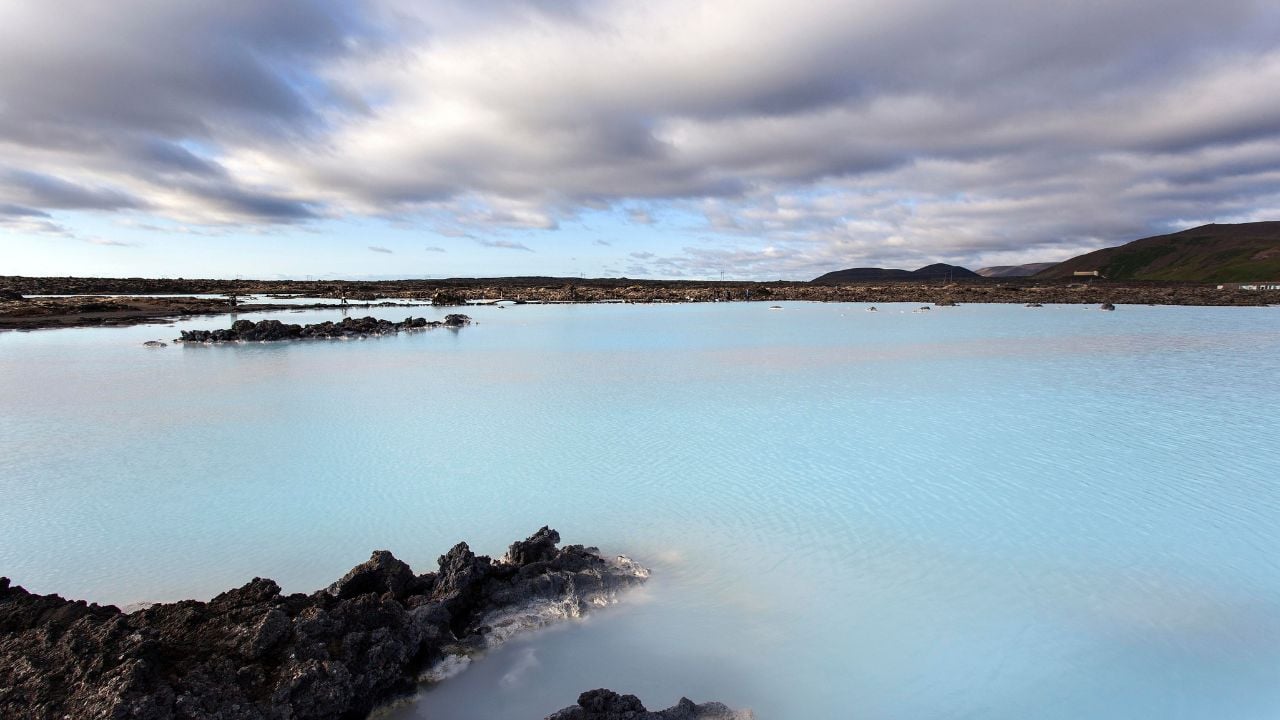
Milky-blue water in a black lava field is the entire aesthetic here, and it delivers. The Blue Lagoon’s bathing area typically sits around 37 to 40°C, which is warm enough to make cold air feel almost funny. Silica-rich mud masks are part of the routine, and the setting photographs look like science fiction. Even a short visit feels like a full reset.
Because the lagoon sits in a seismically active region, occasional temporary closures can happen. Check the operator’s safety updates on the day you go, then keep a flexible backup plan in Reykjavík. A timed reservation helps reduce queue stress, especially during peak arrival hours. Give yourself extra time so the day stays calm.
2. Baden-Baden, Germany
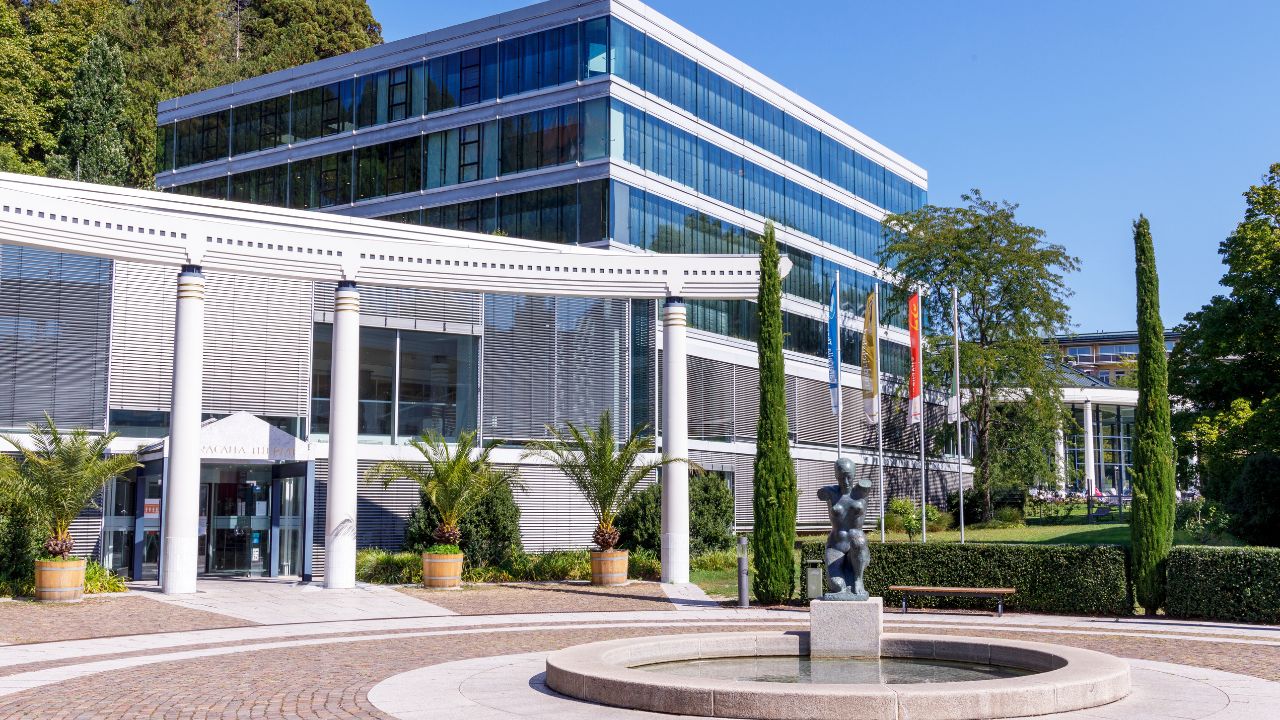
Baden-Baden’s reputation comes from serious spring volume, not marketing glitter. Twelve sources rise from roughly 2,000 meters underground, with water reaching temperatures up to about 68°C before it is cooled for bathing. The Caracalla complex then runs pools in the low to high 30s Celsius, including whirlpools built for slow recovery. The whole place feels designed for unhurried comfort.
Make it a two-part day, and it reads like a classic spa story. Start with modern lounging at Caracalla, then book the historic Friedrichsbad for its traditional bathing circuit if you want a more ceremonial feel. Late afternoon often works best, because evening lighting makes the steam look cinematic. Keep your schedule light so you can actually enjoy it.
3. Budapest, Hungary
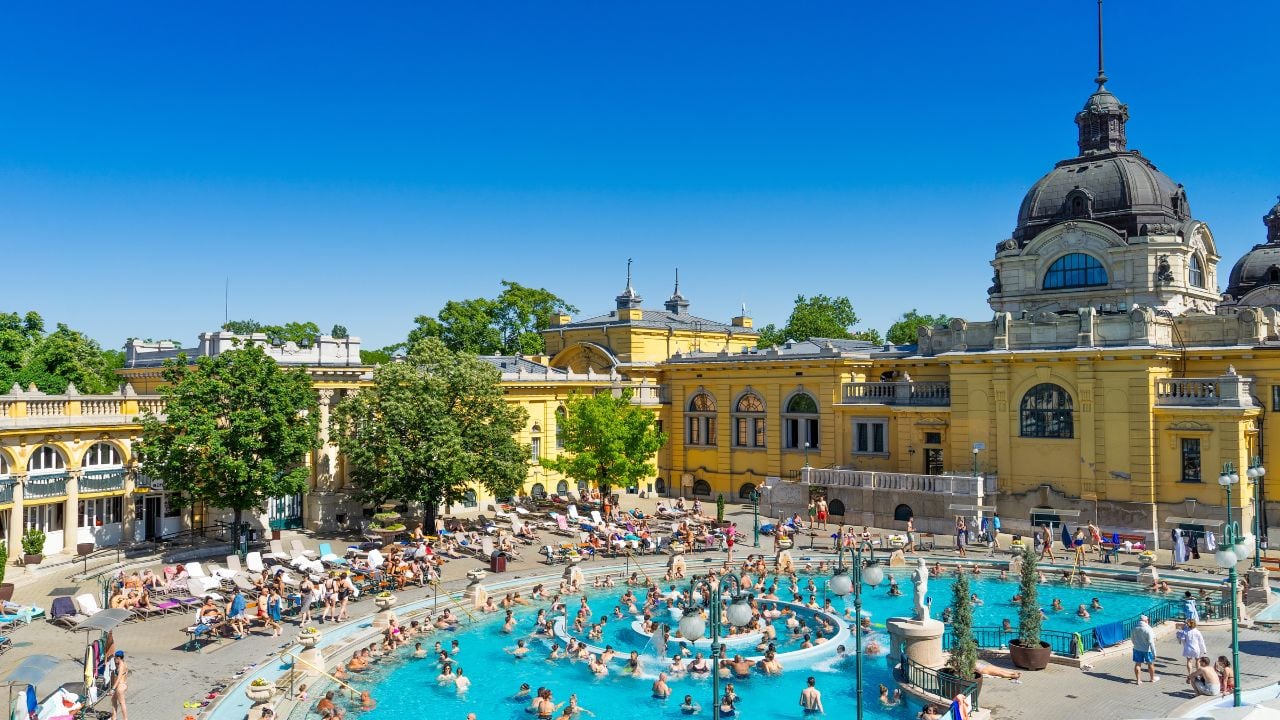
Budapest is built on bathing culture, and Széchenyi is the grand neo-baroque headliner. The complex opened in 1913, and its outdoor pools are famous for winter soaking while cold air hovers above the surface. Two natural sources feed the site, measured at roughly 74°C and 77°C at the springs. It’s the kind of place where time slows down on purpose.
Treat the visit like a ritual, not a checklist. Arrive early, store valuables carefully, and move through temperatures gradually instead of jumping straight to the hottest option. Afterward, pair the bath time with a City Park walk so your body cools down gently. A warm drink afterward seals the whole experience.
4. Saturnia, Tuscany, Italy
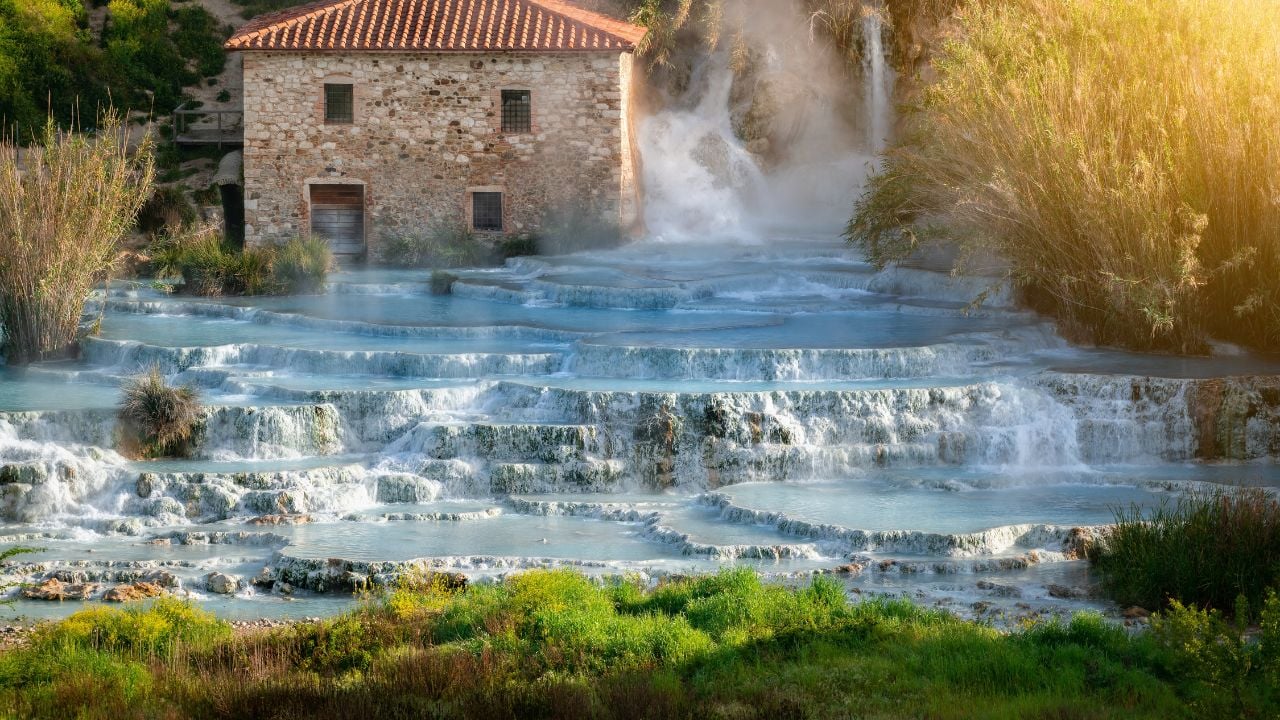
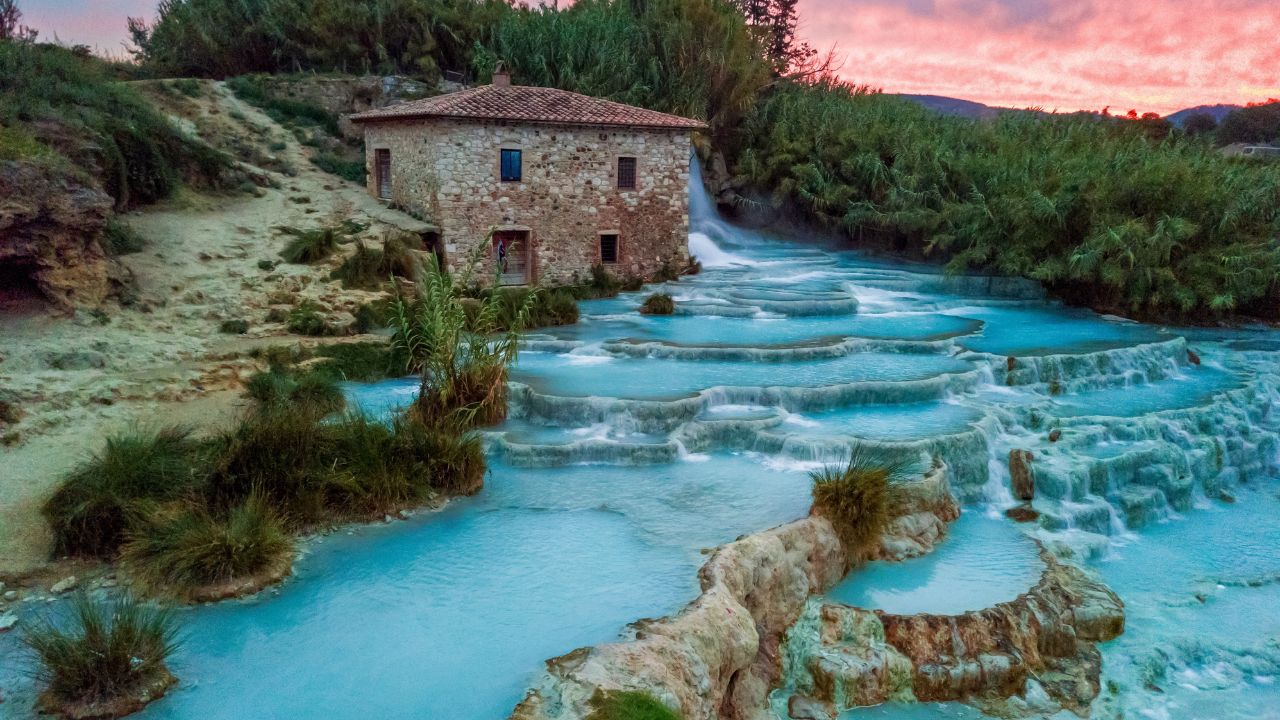
Tuscany has no shortage of beautiful towns, but Saturnia’s calling card is water that stays inviting when the countryside feels brisk. The sulfurous spring runs at around 37.5°C, and the cascades at the Mill Falls create natural terraces that feel like an outdoor spa. Early light makes the pale rock glow, turning a simple dip into a full scene. The atmosphere is rustic in the best way.
Keep expectations grounded, and the day becomes easy. Parking, changing, and walkways can be muddy or slick depending on weather, so bring a towel you are not precious about and footwear you trust. Aim for a weekday morning if you want more quiet. Reward yourself with a long lunch in nearby hill-country villages to round it out.
5. Pamukkale and Hierapolis, Turkey
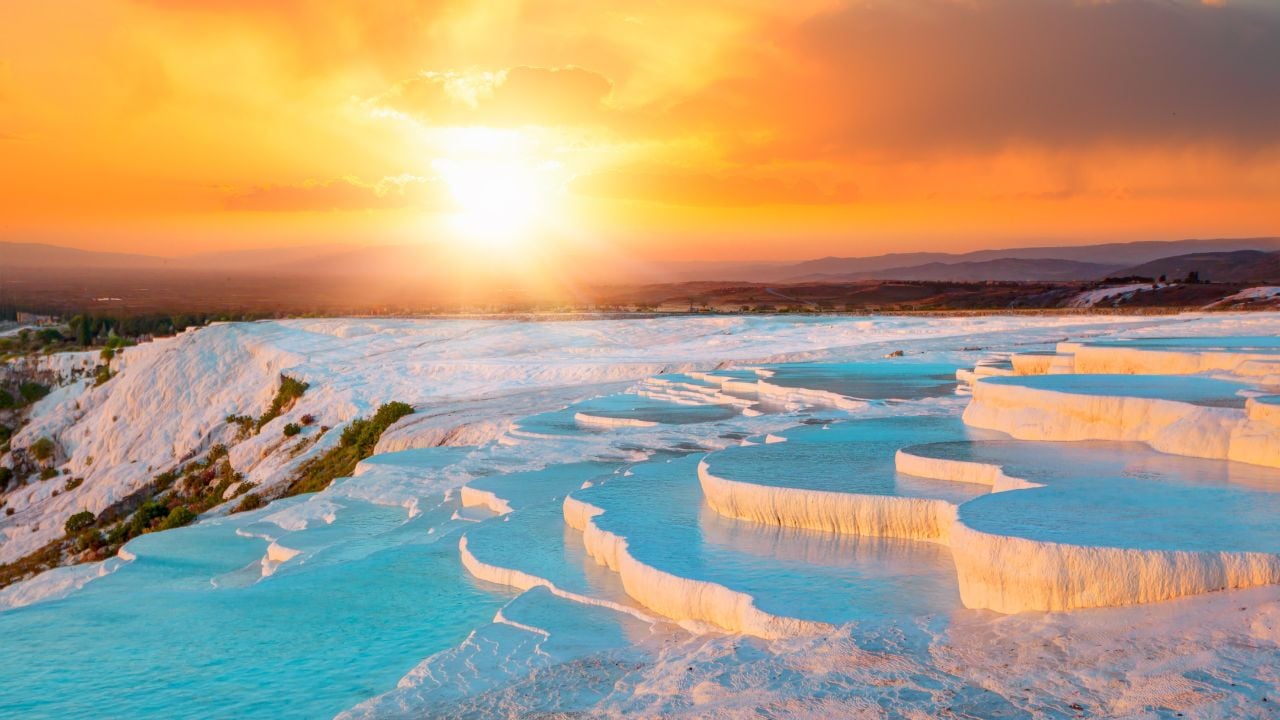
Pamukkale’s white terraces are formed by mineral-rich water depositing travertine, and the landscape looks unreal in person. The broader area includes 17 springs, reported across a temperature range from about 35°C up to 100°C at the hottest sources. Above the terraces sits ancient Hierapolis, so the day can combine ruins, views, and a warm-foot reset. It’s a rare mix of nature and history in one place.
Rules matter here because the site is fragile and heavily visited. Follow posted pathways, go barefoot where required, and expect some pools to be restricted to protect the formation. Late afternoon can feel calmer than midday, especially outside peak season. Build in a little patience, and the visit becomes much more enjoyable.
6. Kusatsu, Japan
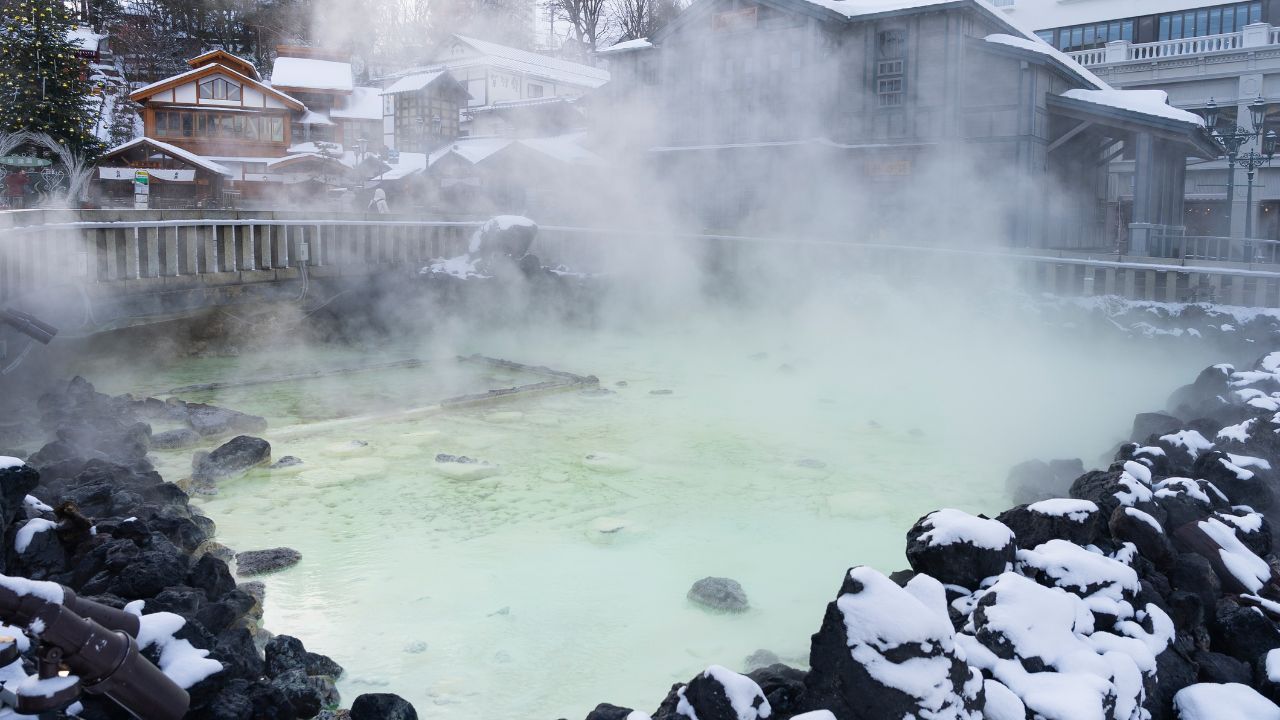
Kusatsu Onsen centers on the yubatake, a “hot water field” where steaming flow runs through wooden channels to cool. The walkways around it feel like a living stage set, with sulfur in the air and people strolling in yukata. Even a one-night stay can deliver that quiet, settled rhythm. The town feels built around slowing down.
Etiquette is simple, but it is non-negotiable. Wash thoroughly before entering communal baths, keep towels out of the water, and keep voices low so the space stays calm. If tattoos are a concern, research properties that allow coverage or offer private options, since rules vary by facility. Planning this detail in advance avoids awkward surprises.
7. Beppu, Japan
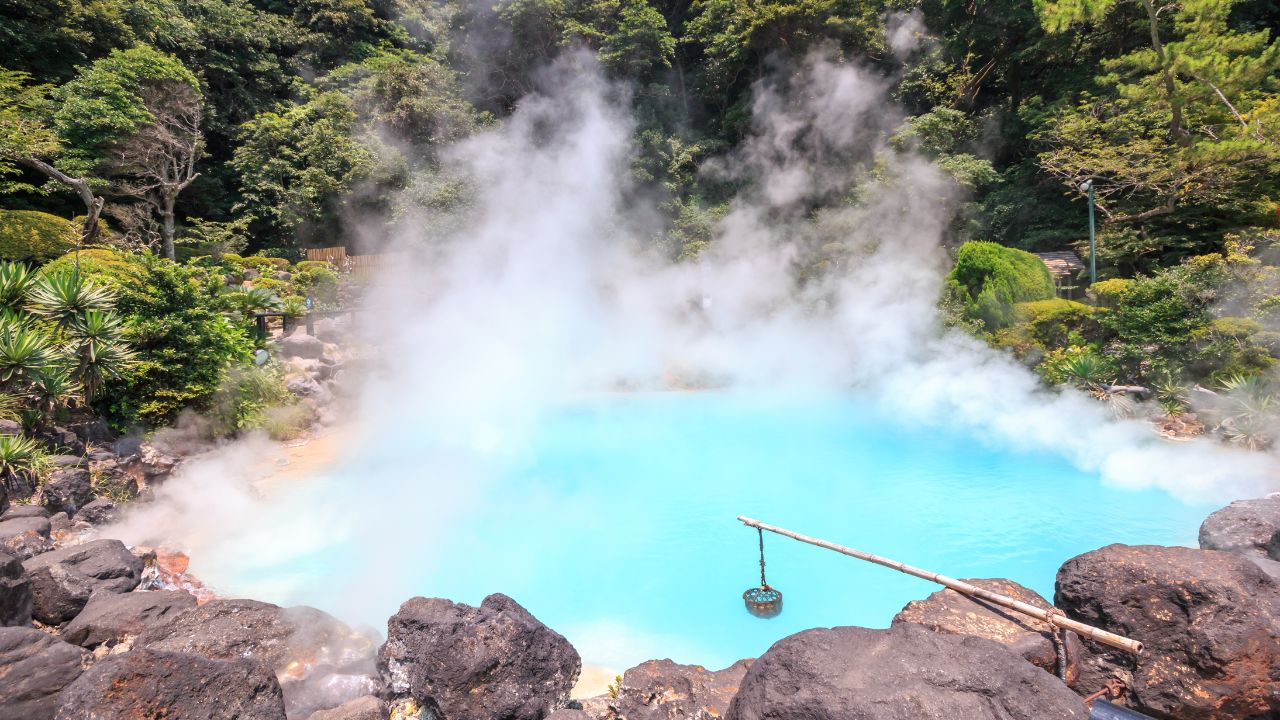
Beppu is ideal for travelers who want a twist on the usual soak. The Beppu Beach Sand Bath lets you get buried in heated sand beside the sea, a rare spa style powered by spring heat and salty mineral water. Waves in the background make the whole thing feel oddly meditative. It’s soothing in a different, heavier way than water baths.
Plan for a controlled, timed experience rather than an open-ended lounge. Wear simple clothing for easy changing, follow staff instructions closely, and hydrate afterward because warmth plus sand can feel intense. Pair it with a quick local meal, then take a slow harbor walk as your cool-down. That pacing helps you leave refreshed, not wiped out.
8. Beitou, Taipei, Taiwan
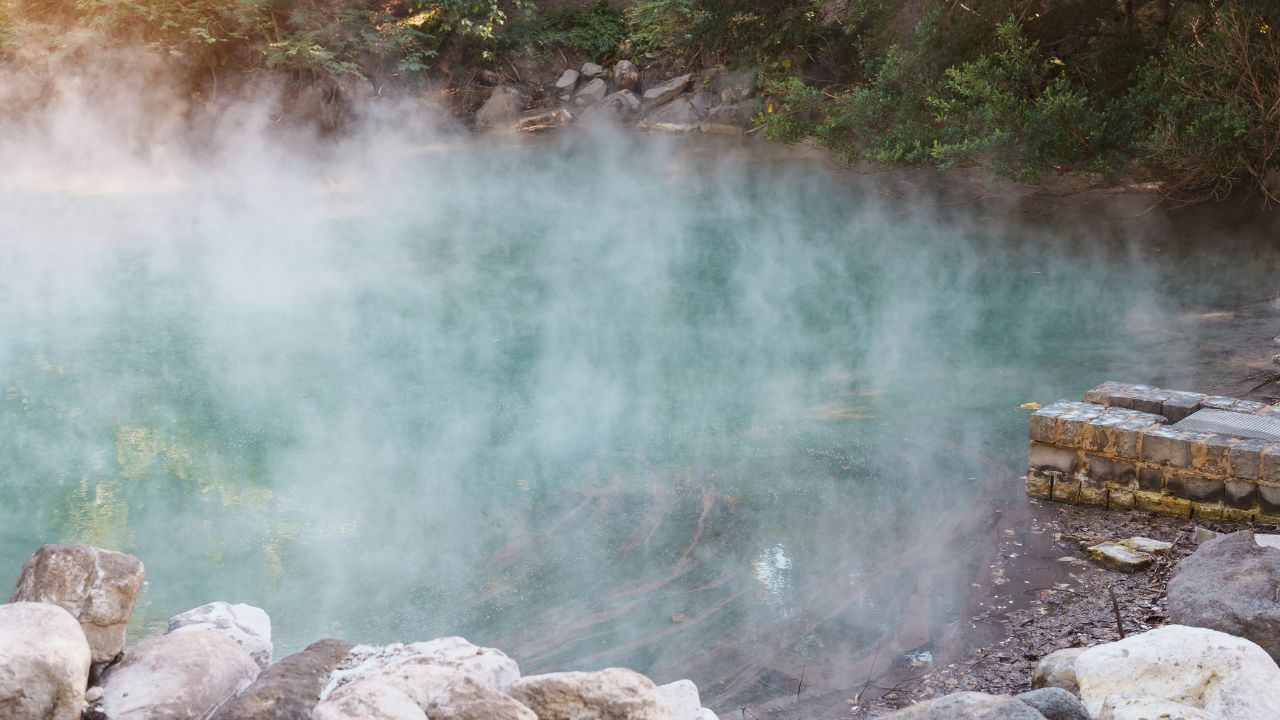
Taipei has a metro-friendly escape built right into the city: Beitou. The Beitou Hot Spring Museum was completed in 1913 as the former public bathhouse, and it preserves the area’s bathing history in a building that still feels grand. Nearby, Thermal Valley shows the volcanic side of the district, with famously hot, sulfurous water at the source. The neighborhood is compact, so it works well on a short schedule.
Turn this into a gentle half-day that stays relaxed. Start with the museum for context, then choose a bathhouse nearby if you want actual soaking time. Finish with tea and a park stroll, because the greenery around Beitou Park softens the whole outing. Keep transitions slow, and the stop feels restorative.
9. Rotorua, New Zealand
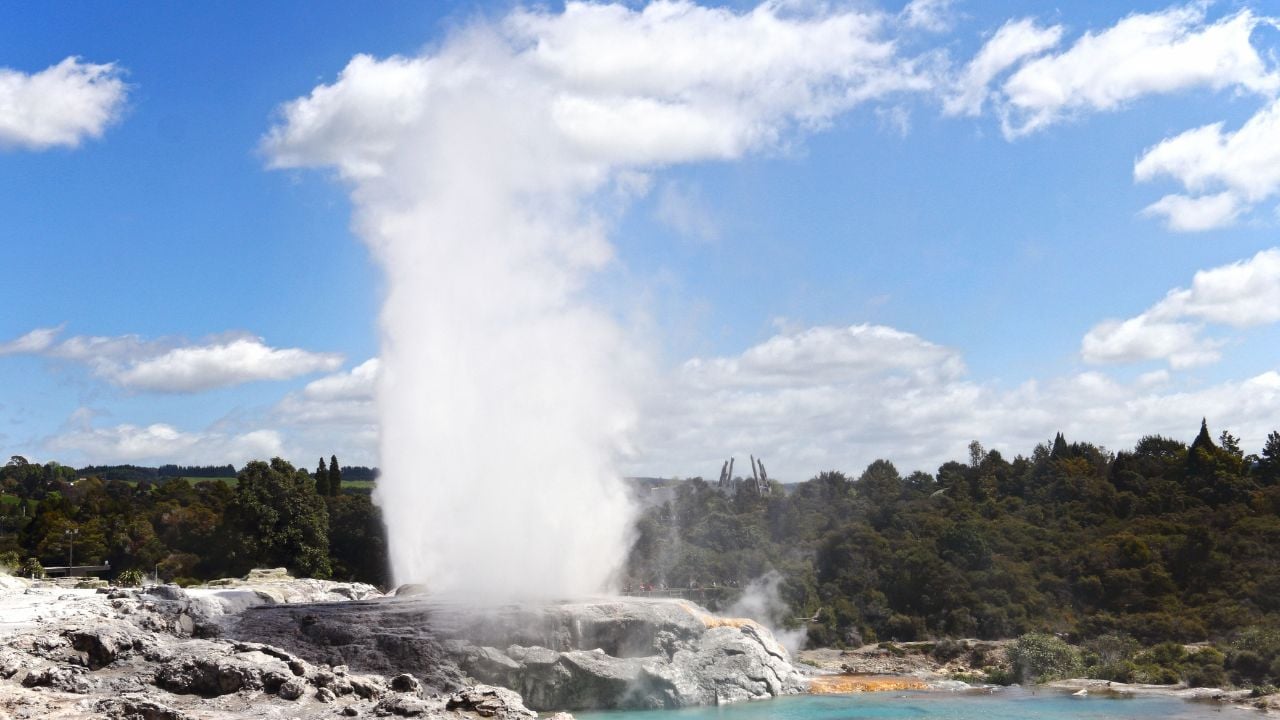
Rotorua is geothermal on a citywide scale, and Polynesian Spa sits on Lake Rotorua with a view that’s made for unwinding. The facility lists 28 pools fed by two natural sources, one slightly acidic and one alkaline, each associated with different comfort effects. That range lets you choose mellow warmth or deeper muscle release without guesswork. Sunset here can feel genuinely special.
Build the day around contrast, and it lands better. Take a walk first, then soak later when the lake darkens and steam rises in cooler air. A light dinner afterward usually works better than a huge meal, because hot water plus heavy food can turn the evening into an accidental nap. Keep your night simple and you’ll sleep hard.
10. Arenal, Costa Rica
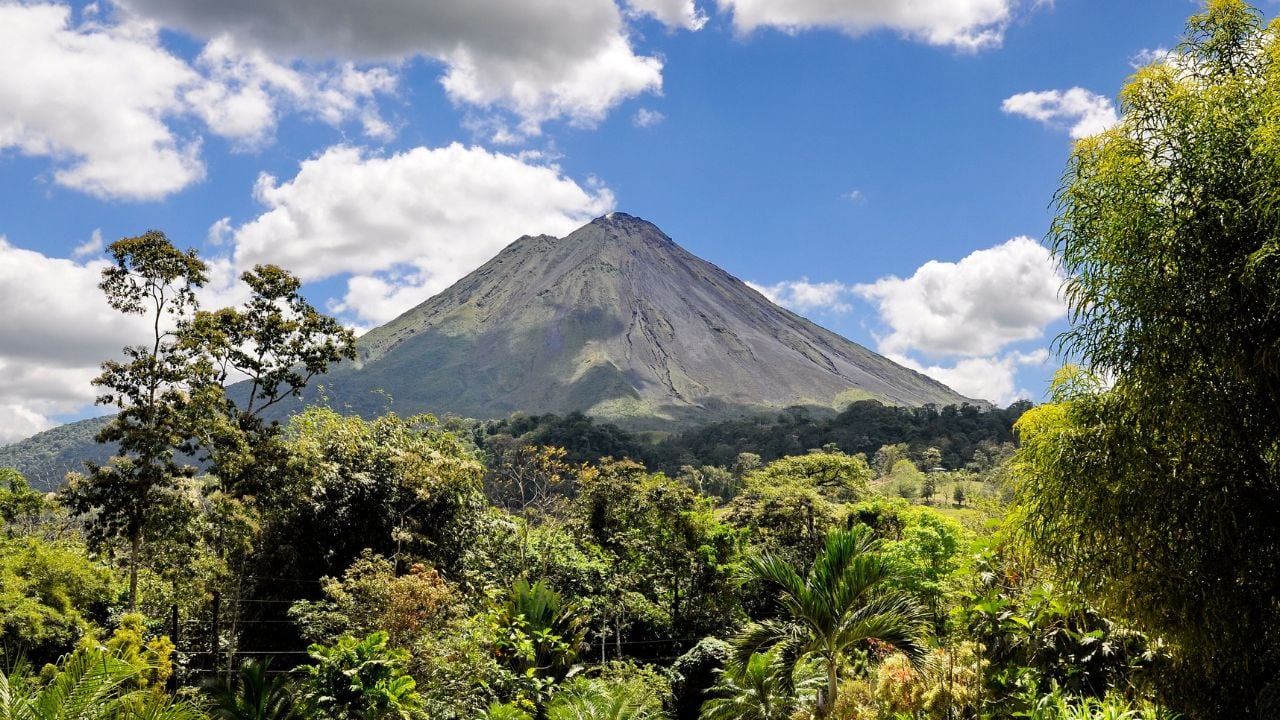
For rainforest warmth with volcanic bonus points, Arenal delivers. Tabacón describes its water as naturally heated by the volcano and notes a naturally flowing thermal river within the resort area. Moving from pool to pool through jungle greenery feels like bathing inside a botanical garden. The setting does most of the work for you.
Rain can fall hard here, and that contrast is part of the charm. Pack a light waterproof layer, protect electronics, and let the mix of cool rain and heated river do its thing. If you only have one full day, pair the soak with a short nature walk so the trip feels complete rather than sedentary. Finish with a calm meal and call it a perfect reset.