
Science fiction has always been a playground for automotive dreamers, a place where designers could sketch vehicles unconstrained by physics, budgets, or the laws of good taste. What’s fascinating is how often those wild visions actually made it off the screen and onto the road, sometimes decades later.
Here’s a look at the cars that blurred the line between Hollywood fantasy and your local dealership.
Tesla Cybertruck
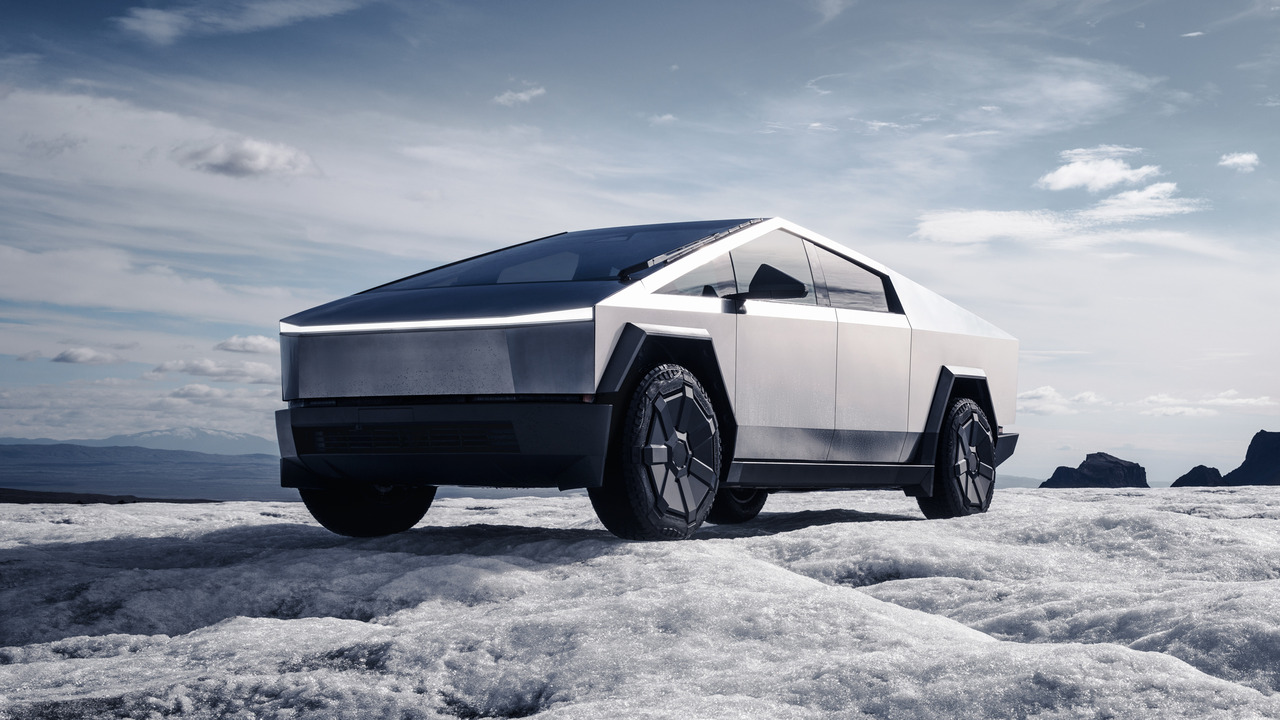
When Elon Musk unveiled the Cybertruck in 2019, the internet collectively wondered if he’d been watching Blade Runner on repeat. The angular, stainless steel design looks like it rolled straight out of a dystopian future, and that’s entirely the point.
Tesla leaned into the sci-fi aesthetic so hard that the truck’s design has often been compared to ‘low-poly’ / early-3D video-game graphics, creating something that feels simultaneously retro-futuristic and genuinely alien on today’s roads.
DeLorean DMC-12
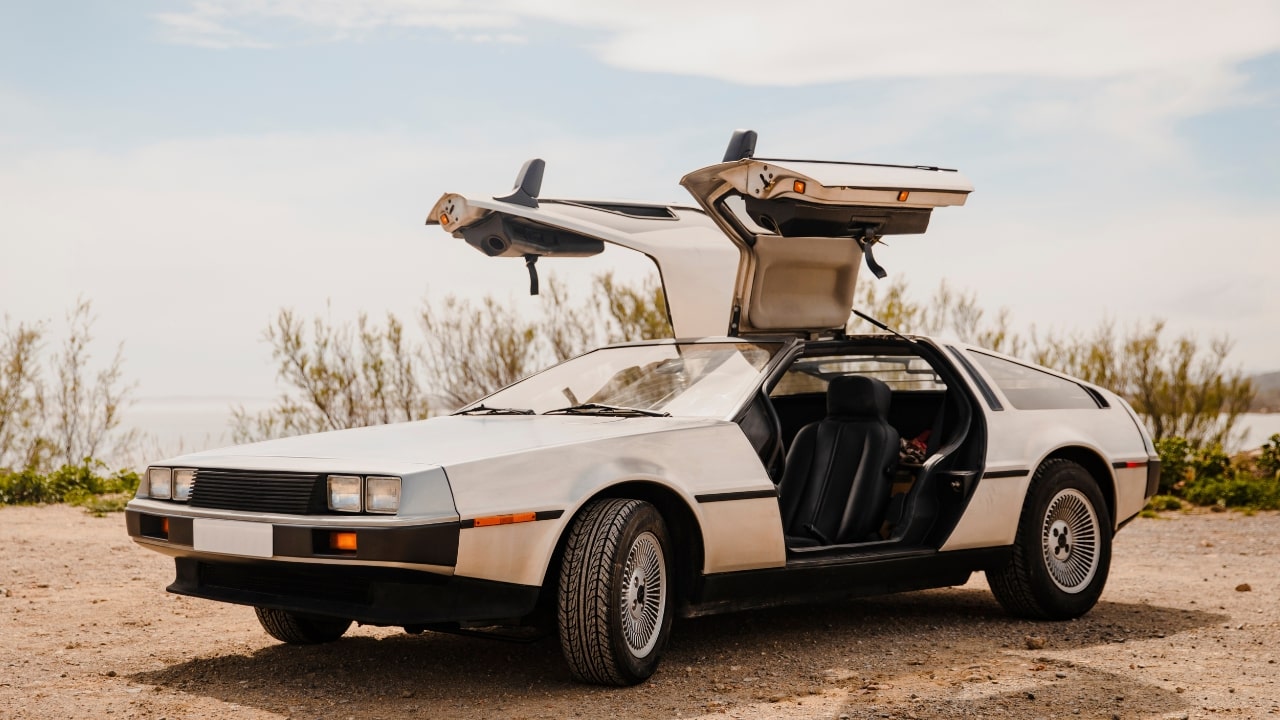
The DeLorean existed before Back to the Future, but let’s be honest, the movie made it immortal. John DeLorean’s stainless steel sports car was already pretty space-age when production began in 1981, with gullwing doors and a design that looked like it belonged in a NASA parking lot.
After Doc Brown turned it into a time machine, the DMC-12 became the car that science fiction built retroactively, forever cementing its place in pop culture despite its rather disappointing performance specs.
BMW i8
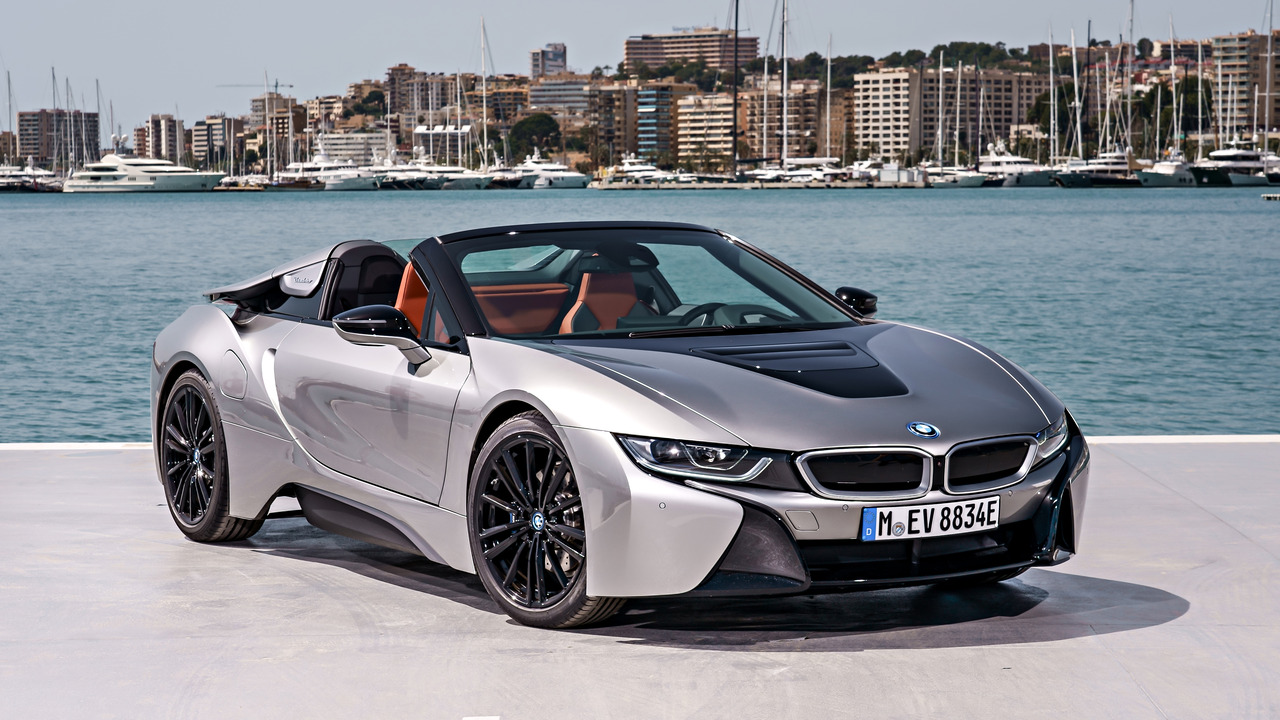
The i8’s design language speaks fluent sci-fi, with lines that suggest it’s perpetually moving at light speed even when parked. BMW positioned the i8 as a futuristic, concept-car-like design, and its look drew heavily on concept-car thinking and sci-fi visual language, particularly its dramatic dihedral doors and the way its bodywork seems to flow around the cabin.
It’s one of those rare production cars that actually delivered on the concept car promise, looking like something that could comfortably exist in Minority Report or I, Robot.
Audi RSQ
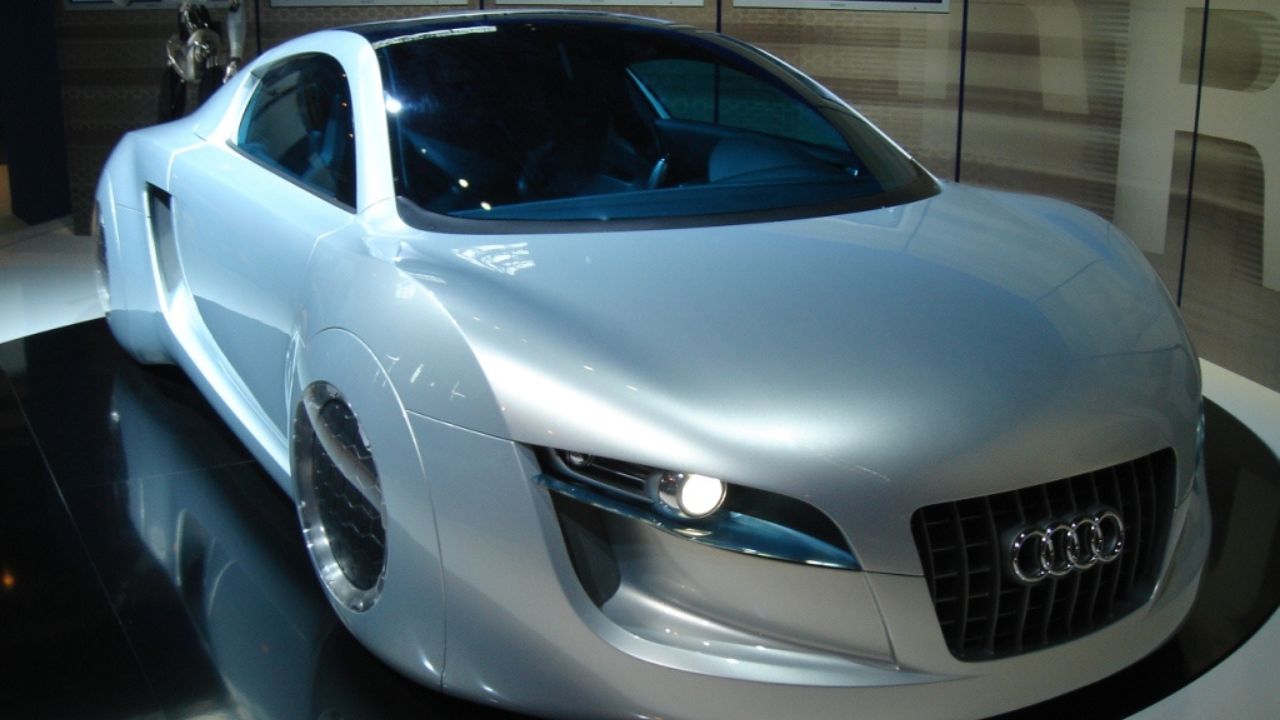
Speaking of I, Robot, the Audi RSQ wasn’t just a movie prop, it was a functional concept car that Audi built specifically for the 2004 film. Audi built the RSQ as a functional concept for I, Robot, and it combined recognizable Audi cues (including the singleframe grille) with futuristic surfacing and lighting themes that later appeared across the brand.
You can see the RSQ’s DNA in models like the R8 and e-tron GT, proving that sometimes movie cars can actually steer real-world design.
Lexus 2054
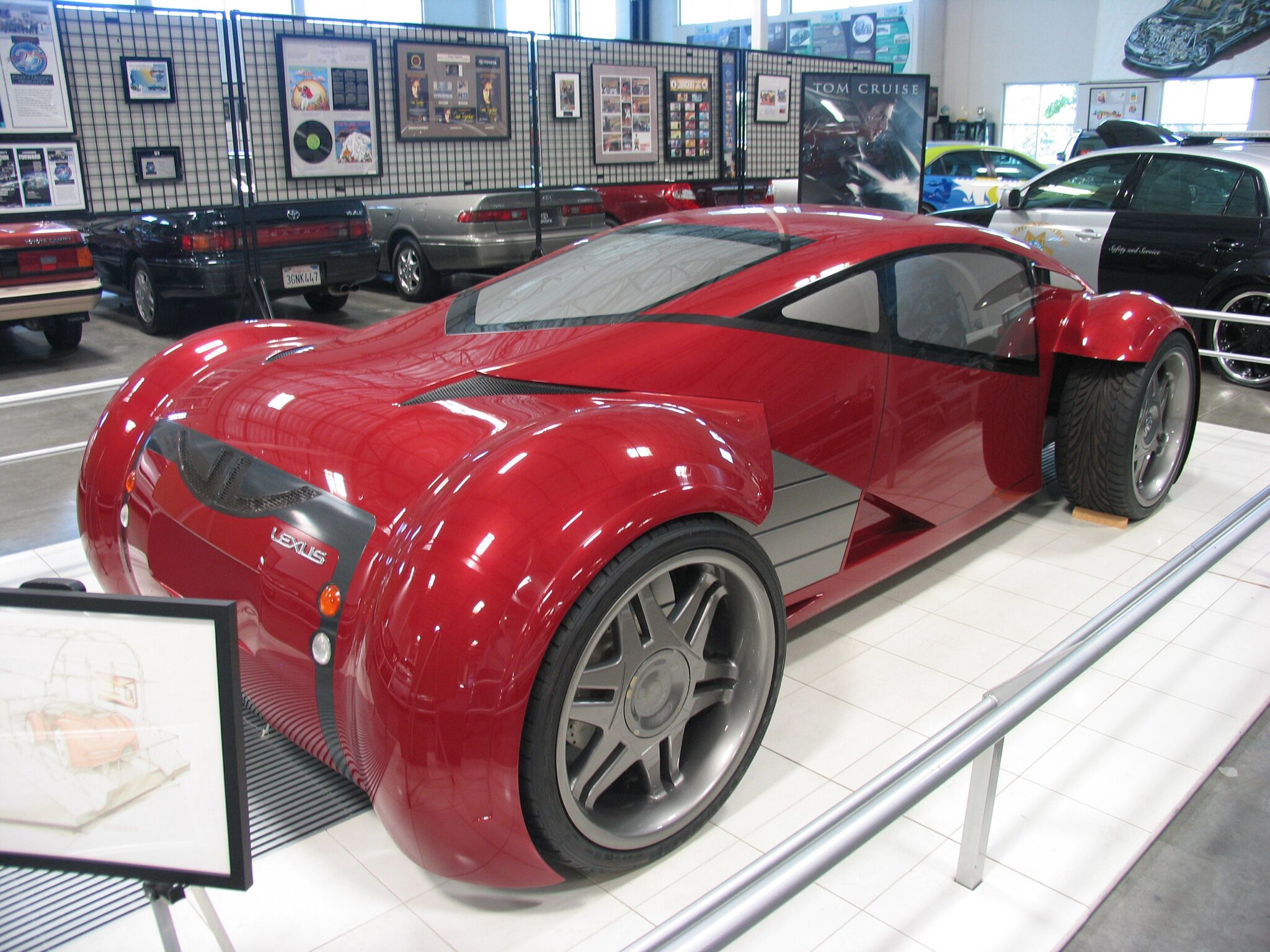
Crafted for Minority Report with input from actual Lexus designers, the 2054 was meant to represent what a premium car might look like in 2054. The concept was presented with ideas like DNA/biometric-style recognition, voice-driven personalization (including color-selectable panels), and ‘auto valet’ self-parking: ideas that seemed absurd in 2002.
Today, the industry has introduced various biometric and digital key approaches, alongside advanced driver-assistance and self-parking features, making the 2054 look less like fiction and more like a pretty accurate mood board.
Plymouth Prowler

The Prowler was Detroit’s attempt to build a hot rod from a sci-fi universe where chrome never went out of style. Released in 1997, it looked like what people in the 1950s thought cars would look like in the future: all exposed framework, aggressive curves, and that distinctive purple paint option.
While it wasn’t directly inspired by any particular film, the Prowler felt like it drove off the set of The Rocketeer or any number of retro-futuristic movies from the 1990s. Not that it’s as fast as expected.
Mercedes-Benz F 015
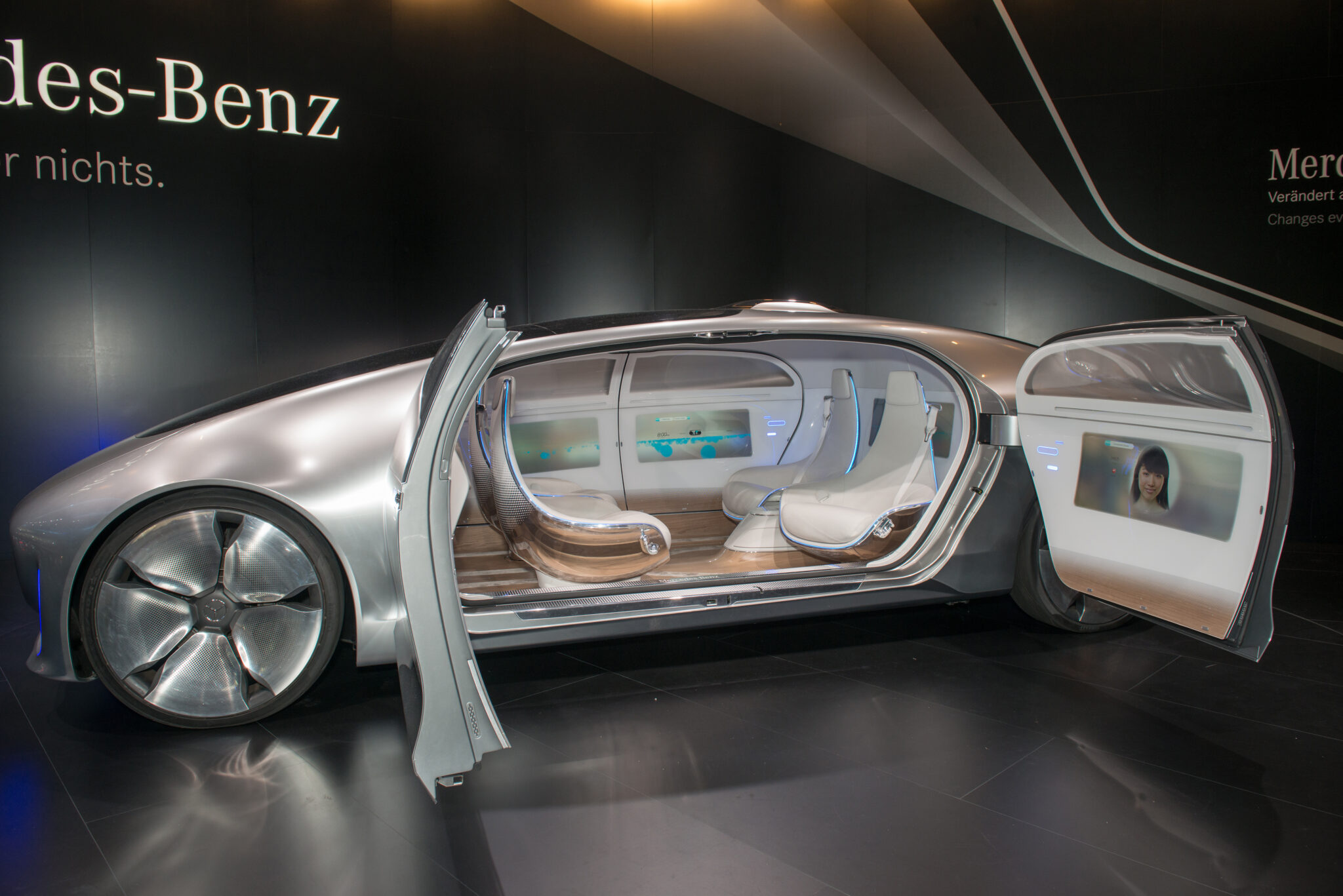
This autonomous concept car from 2015 basically asked: what if a living room could drive itself? The F 015’s lounge-like interior, with rotating seats and gesture controls, felt lifted from countless sci-fi films that imagined cars as mobile living spaces rather than driver-focused machines.
While the F 015 itself never reached production, Mercedes has been steadily incorporating its ideas into production vehicles, particularly in the autonomous driving and interior technology departments.
Nissan Cube

The Cube is what happens when a car design team watches too much Japanese anime and decides geometric shapes are the future. Launched in Japan in 1998, it embraced an aesthetic that felt simultaneously retro and futuristic, like something from a Hayao Miyazaki film.
The asymmetrical rear window and quirky, lounge-like interior trims and textures suggested Nissan was designing for a world where personality mattered more than aerodynamics, a very sci-fi concept that never quite caught on in the American market.
Pontiac Aztek

The Aztek is often mocked, but hear me out: it was genuinely ahead of its time in a wonderfully weird way. Released in 2001, it looked like a lunar rover designed by someone who’d never actually been to the moon but had strong opinions about camping. The removable cooler, an optional dealer accessory tent/camping setup, and ultra-aggressive angles were pure concept car thinking applied to a production vehicle.
And while it bombed commercially, Breaking Bad eventually gave it the cult status it probably didn’t deserve but definitely earned.
Honda-e
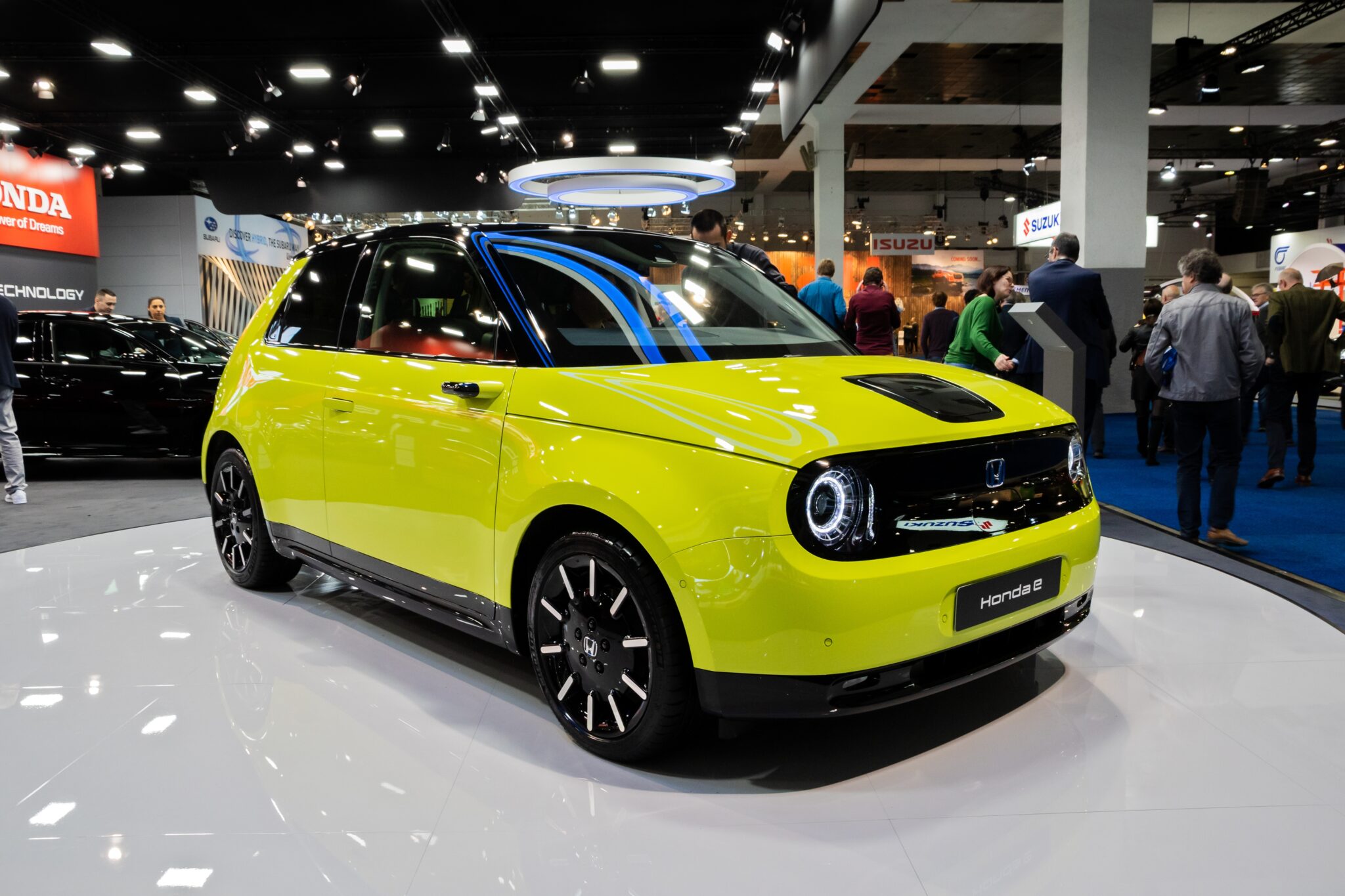
Honda’s electric city car looks like it was designed by someone who grew up watching Astro Boy and never quite moved on. The circular headlights give it an almost anthropomorphic quality, like a friendly robot from a 1960s vision of the future.
Inside, the five-screen full-width digital dashboard and minimalist design feel pulled from recent sci-fi films like Her or Ex Machina, where technology is seamlessly integrated rather than bolted on as an afterthought.
Lamborghini Countach
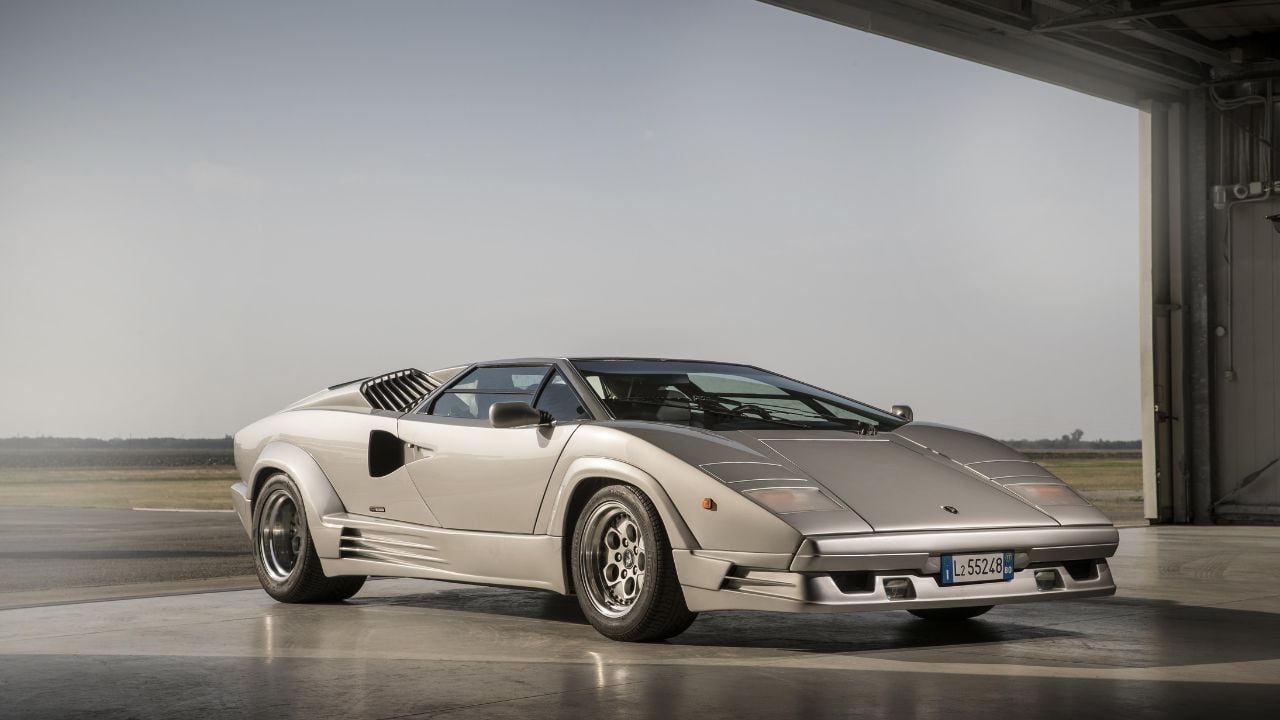
The original wedge. When the Countach was first shown as the LP500 concept at the 1971 Geneva Motor Show, it looked so impossibly futuristic that it became the default “cool car” in sci-fi movies for decades. Those scissor doors and the razor-sharp angles created a design language that still feels aggressive and alien today.
The Countach didn’t just inspire science fiction: it became a permanent fixture in it, appearing in everything from Cannonball Run to The Wolf of Wall Street, proving that sometimes reality outdoes imagination.
Chevrolet Volt
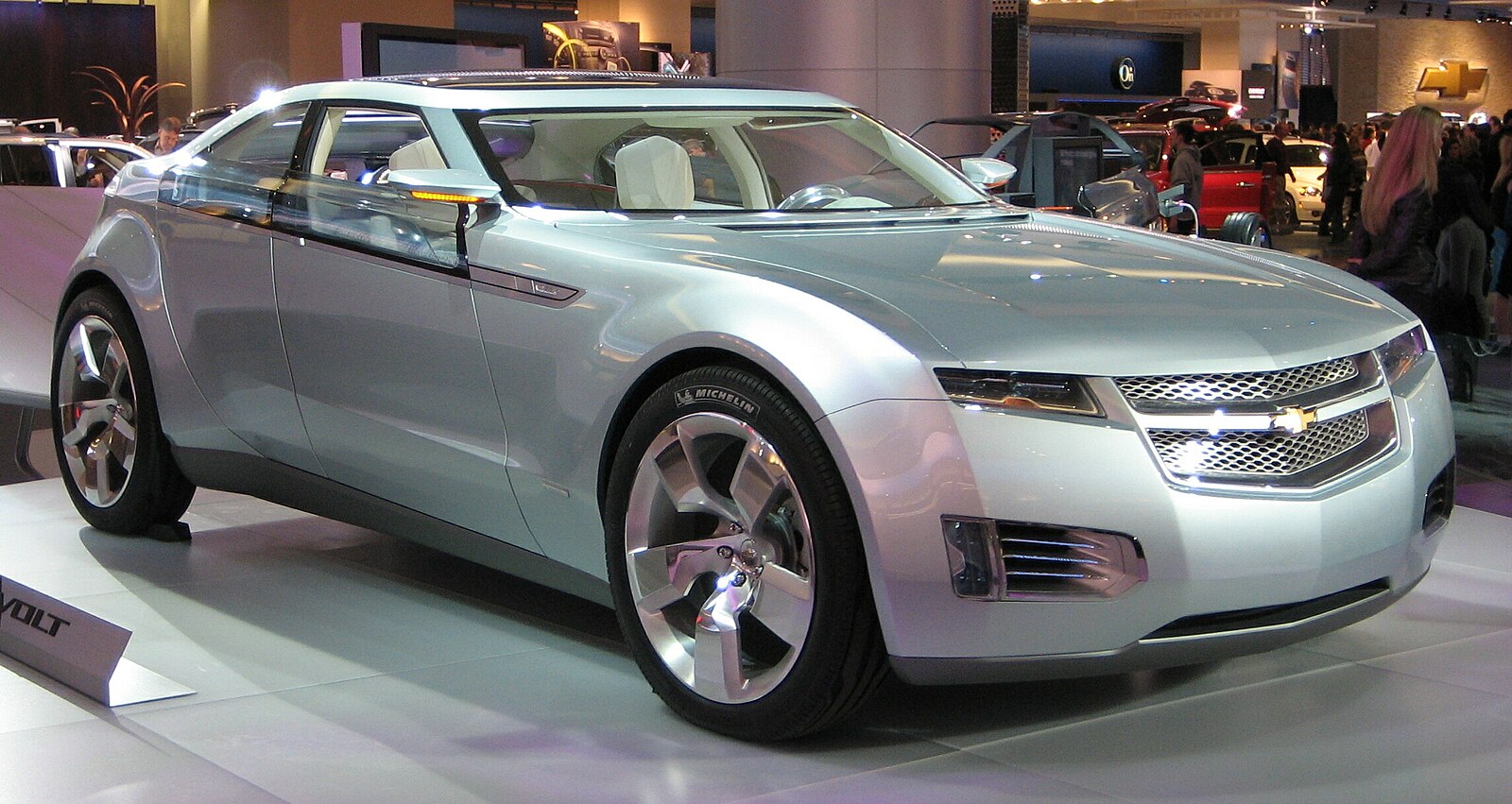
The original Volt concept from 2007 looked like Chevy hired the art department from Tron to design a family car. While the production Volt reached customers in the U.S. in mid-December 2010 was considerably tamer, it still maintained that swoopy, aerodynamic profile that suggested it was deeply concerned with the future.
More importantly, the Volt proved that plug-in hybrid technology, a staple of near-future sci-fi, could actually work in the real world, helping prove plug-in hybrid tech could work at scale and nudging mainstream buyers toward electrification.
Conclusion

The relationship between science fiction and automotive design has always been a two-way street, with each influencing the other in increasingly tangible ways. What started as fantastical sketches in movies have become engineering challenges that designers are actually solving, from self-driving capabilities to electric powertrains to interfaces that respond to gesture and voice.
The cars we drive today would have seemed like pure fantasy just a few decades ago, which makes you wonder: what are we watching now that we’ll be driving in 2045?