
The higher you climb up the automotive industry ladder, you start noticing things about cars that drivers of everyday point-A-to-B cars don’t usually notice. At the highest levels, doors are no longer just a tool to gain entry to the car; they’re statement pieces crafted meticulously to make every ingress and egress feel like a special occasion.
While many of these doors were created for their drama, flair, and overall sophistication they add to an otherwise mundane aspect of cars, some were necessitated by design and engineering requirements that ordinary swing-out doors couldn’t achieve. As the youngsters on social media would say, these car doors have insane aura.
BMW Z1 – Vertical Sliding Doors
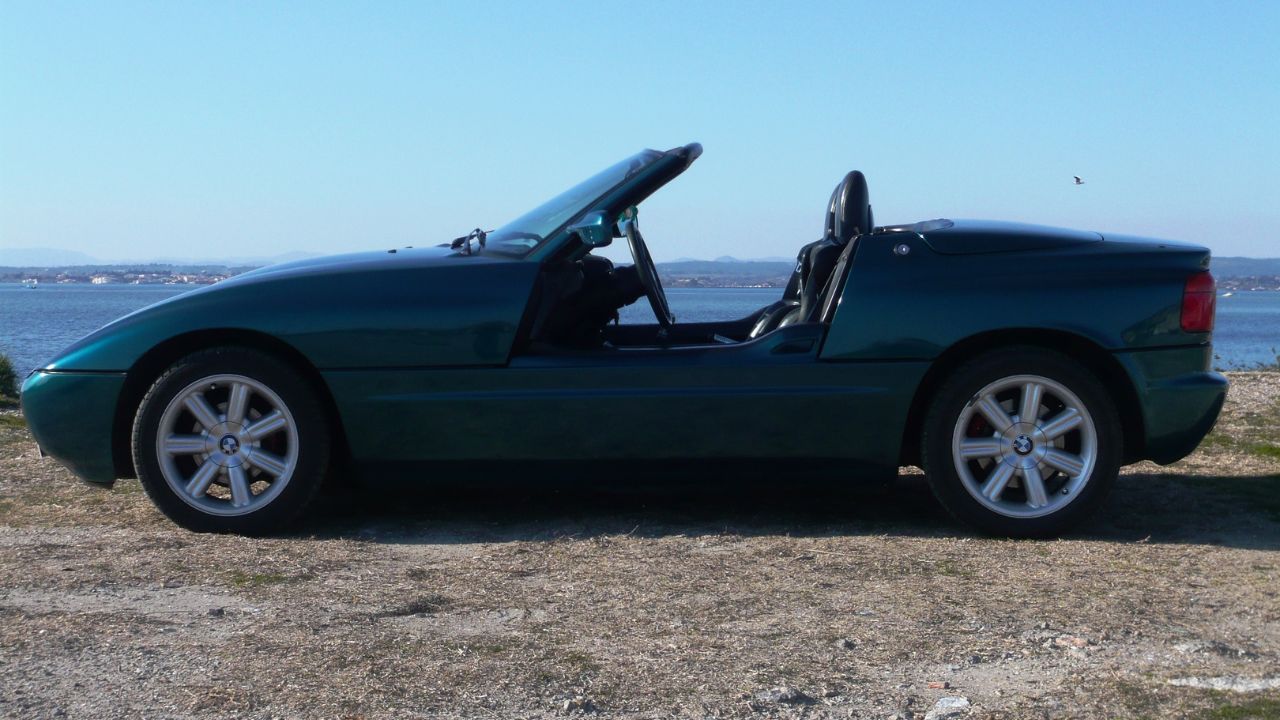
BMW first unveiled the Z1 at the 1987 Frankfurt Motor Show, and production ran from 1989 to 1991, making it the brand’s first two seat roadster since the 507 of the 1950s. The Z1 is one of the quirkiest cars BMW has ever built, but it was by design. You see, the Z1 was more of a limited-production testbed for future technologies as opposed to a mass-market sports car.
One of the advanced technologies BMW engineers showcased with the Z1 was its vertically sliding doors. Also known as disappearing doors, these doors were designed to retract into the Z1’s high side sills the same way a window retracts into a typical door sill, allowing for a “doorless” driving experience. For even more fun, drivers could drop the doors, open the roof, and remove the bolt-on plastic body panels for the ultimate go-kart experience.
Mercedes-Benz 300SL Gullwing – Gullwing Doors
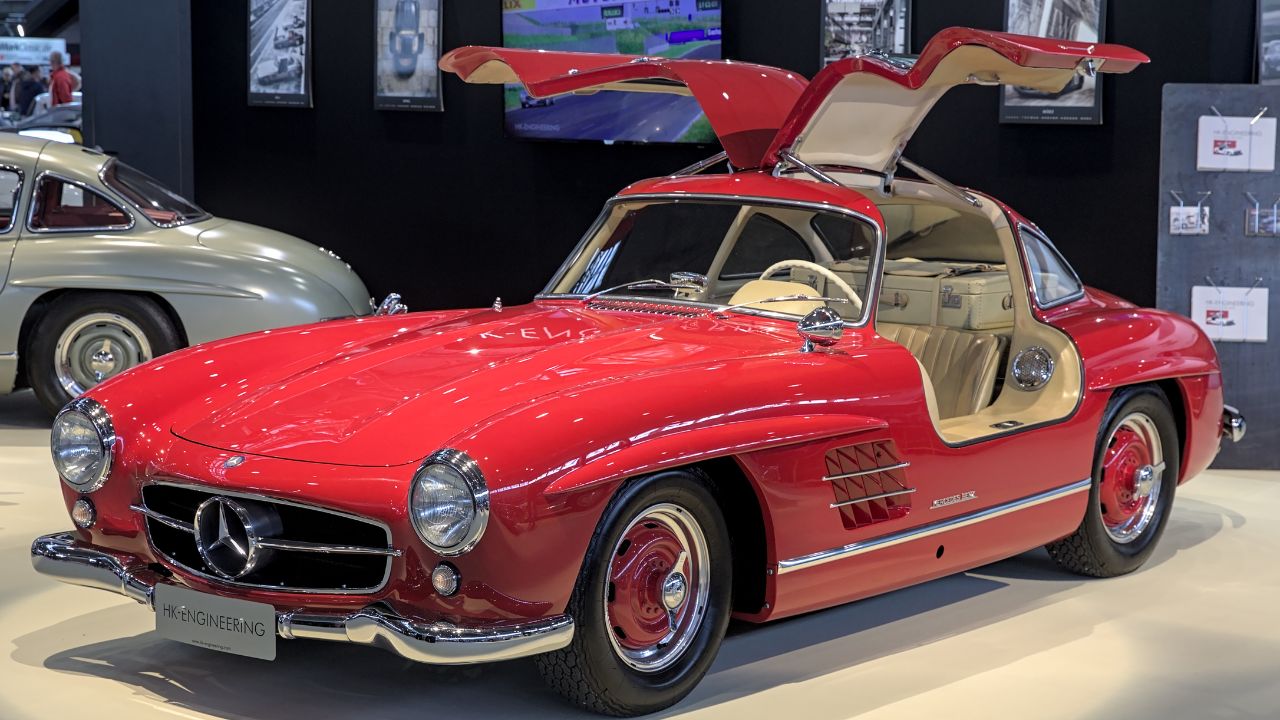
The Gullwing. Almost every gearhead thinks of one car when those two words are said – the Mercedes-Benz 300SL coupe. This Merc is the only car on this list that’s commonly identified by a nickname derived from its door design, and considering that it debuted in the ’50s with this advanced door mechanism, it’s easy to see why its legend lives on to date, and why collectors fight over it every time it pops up on auction.
The Mercedes used what’s referred to today as Gullwing doors. The doors were hinged at the roof and swung vertically upwards to resemble a seagull’s wing, hence the “Gullwing” moniker. Mercedes-Benz’s decision to develop these doors was purely out of engineering necessity, as the 300SL’s spaceframe chassis created high door sills that made conventional door mechanisms impossible to install. Other famous cars with Gullwing doors include the 1981 DeLorean DMC-12, Pagani Huayra, and the 300SL’s modern reincarnation, the Mercedes-Benz SLS AMG.
Tesla Model X – Falcon Wing Doors

Elon Musk knows how vital radical design choices can be to the marketing and overall success of a model, and a perfect example of that is the Cybertruck. This futuristic behemoth almost makes no sense as a pickup truck, but its outlandish design made it a sensation during its debut. While not as extreme as the Cybertruck, the Model X also had some radical design features, particularly the rear doors design.
The Model X has what Tesla calls “Falcon Wing” doors, and the best way to describe them is that they’re gullwing doors but only for the rear passengers. However, unlike the 300SL’s gullwing doors, the Model X doors use a double hinge and sensors to adjust their outward and upward movement, reducing the side clearance needed and helping avoid contacting nearby objects.
Koenigsegg CC8S – Dihedral Synchro-Helix Actuation Doors

It took Koenigsegg almost a decade to develop and produce its first production car, but when the CC8S debuted in 2002, it showed clearly why the little-known Swedish marque was such a disruptive force in the supercar world at the time. The CC8S established Koenigsegg’s core design philosophy, and one of the most important aspects was the door design, which was unheard of at the time.
The CC8S has what Koenigsegg calls “dihedral synchro-helix actuation” doors, and how they operate looks like something straight out of a James Bond film. These doors have a unique hinge mechanism that allows them to rotate 90 degrees by sweeping outwards and upwards. Christian von Koenigsegg’s goal when designing these doors was to be high enough to avoid most curbs, low enough to avoid garage ceilings, and to make it easier to open in tight parking spaces. The CC8S’s mechanism was manually operated, but modern Koenigseggs have an automated system called AutoSkin.
McLaren F1 – Butterfly Doors
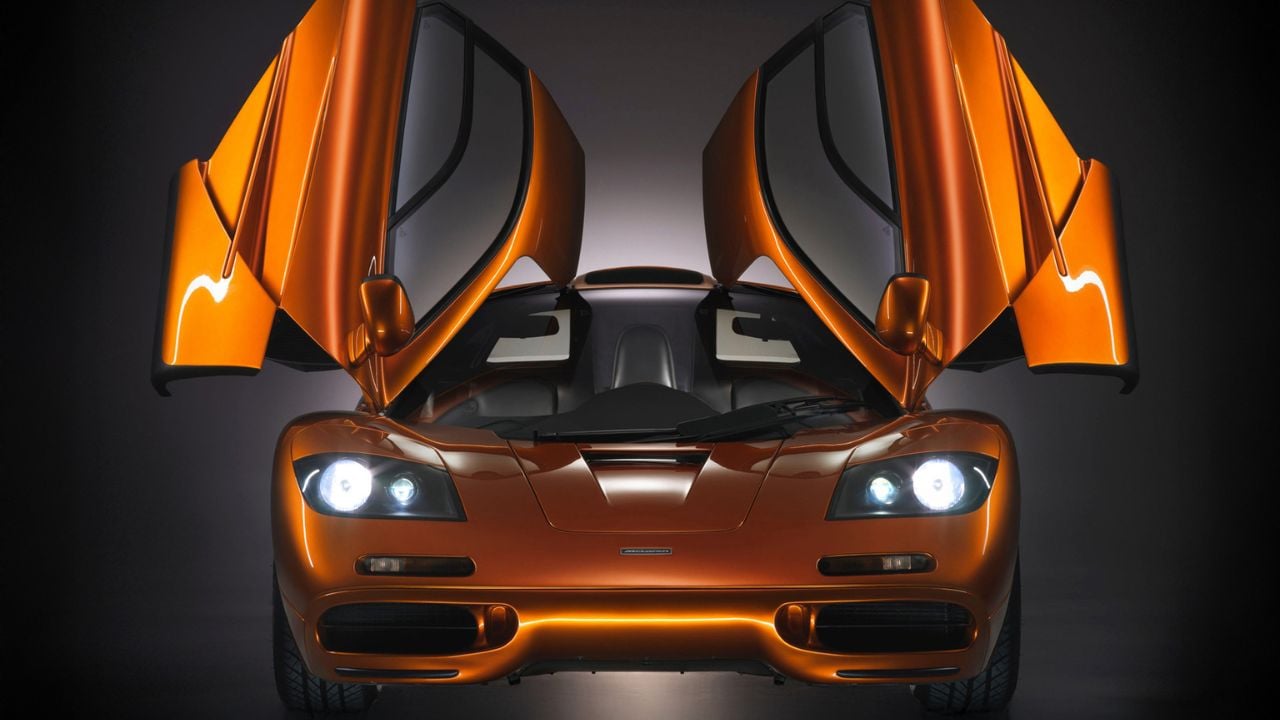
The McLaren F1 is, to many gearheads, the greatest road car of the 20th century, if not of every century. The F1 was far ahead of its time when it debuted in the early ’90s and shattered the production car speed record, achieving “icon” status. One of the most unique features of the cabin was its three-seat design that had the driver sitting in a central position with two passenger seats slightly behind them, one on each side. With its central driving position and tight packaging, the F1 employed an exotic butterfly doors rather than conventional swing-outs to improve access.
The F1’s butterfly doors had single hinge point along the A-pillar. The door first swung outwards slightly to clear the bodywork, then lifted upward, creating enough room over the wide carbon sill for the driver to ingress.
Lamborghini Countach – Scissor Doors
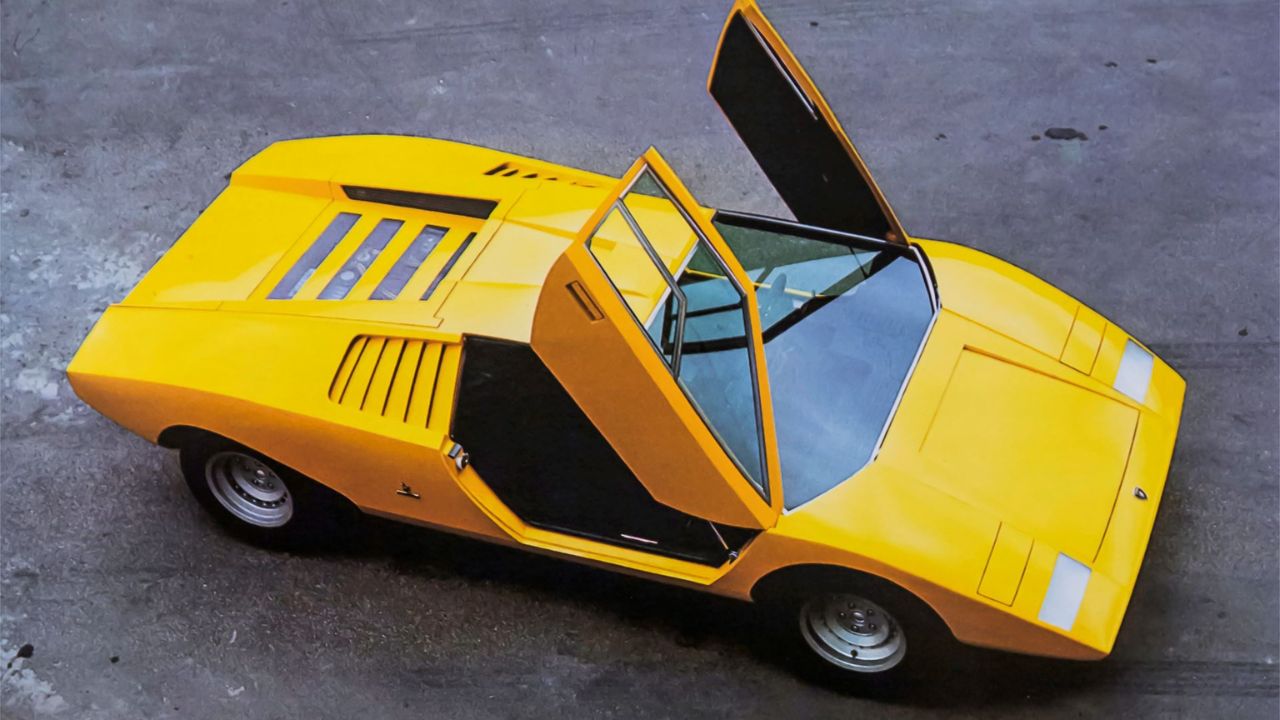
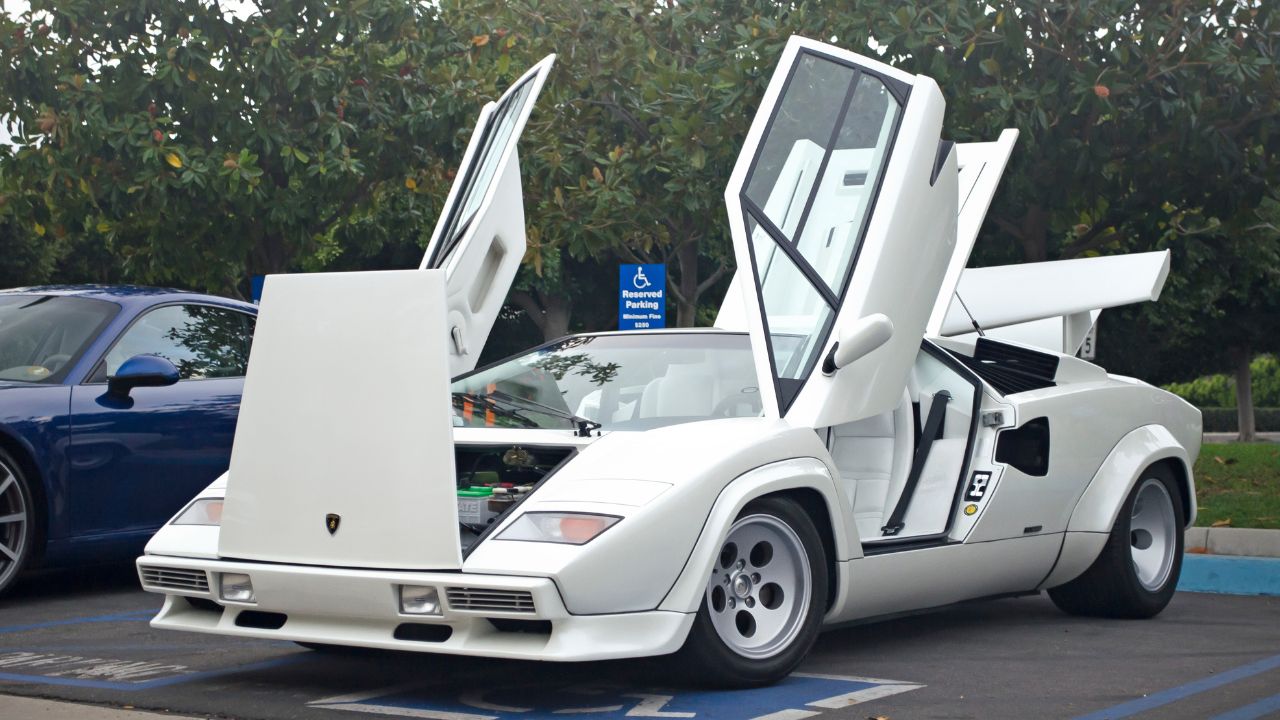
Legendary car designer Marcello Gandini penned many gorgeous Italian cars, but few have been as impactful as the Lamborghini Countach. The Countach debuted in the ’70s with an extreme wedge-shaped design that not only made for some eye candy back then but also established the design language that has defined the Raging Bull since.One of the Countach’s s
tandout design features was its scissor doors, which Marcello Gandini had copied from the 1968 Alfa Romeo Carabo concept car, which he also designed. The scissor doors were hinged at the A-pillar (usually at or near the base) and opened by rotating vertically upwards instead of swinging outwards (like butterfly doors), facilitating easier entry or exit in tight parking spaces and earning the Countach a spot on every kid’s poster wall.
Rolls-Royce Wraith – Suicide Doors
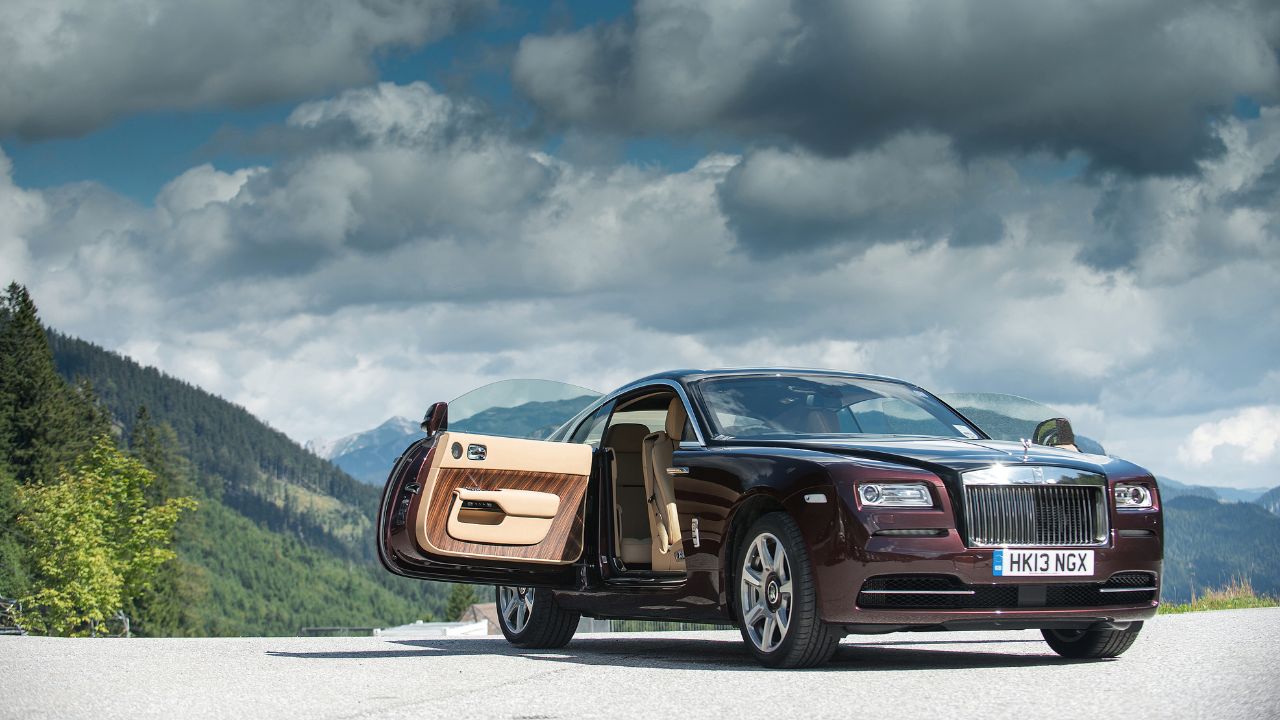
While Rolls-Royce has almost single-handedly kept suicide doors relevant in the current automotive landscape, these doors have been around since the dawn of the auto industry, with roots in horse-drawn carriages. Suicide doors work by reversing the standard hinge placement in modern cars – in a four-door car with suicide doors, the rear doors are hinged at the C-pillars with their latches on the B-pillar, while in two-door cars, the doors are hinged at the B-pillars, with the latches on the A-pillars.
Most 21st century Rolls-Royce models have had suicide doors, but we went with the Wraith since it’s one of the best-looking two-doors to wear them. Other cars with suicide doors include the Ferrari Purosangue, BMW i3, and Mazda MX-30.
2005 Ford GT – “Guillotine” Doors

The iconic GT40 etched Ford’s name in motorsports history books when it obliterated Ferrari at the 1966 24 Hours of Le Mans, recording a famous 1-2-3 finish. While the powerful powerplant underneath got all the credit, the GT40’s clever door design feature, where part of the roof was incorporated into a normal out-swinging door, also played a role as it improved access in a very low-roof car, allowing two racers to do the switcheroo quicker than opponents.
This unique door design also made it into the modern Ford GT, which was developed as part of Ford’s 100th anniversary celebrations, with pre production cars shown in 2003 and production beginning in 2004 as 2005 model year vehicles. While there’s no official name for this door design, the name “Guillotine” fits its door design because when it’s opened, the sharp-cornered roof section swings out over the driver’s head, similar to a guillotine. Taller drivers may also face the risk of getting struck by the overhanging roof section if they don’t get their heads fully inside the car before closing the door. Regardless of the safety concerns, this door was a key part of the GT40’s iconic silhouette and had to be included in the modern street-legal iteration.
Mazda RX-8 – “Freestyle” Suicide Doors
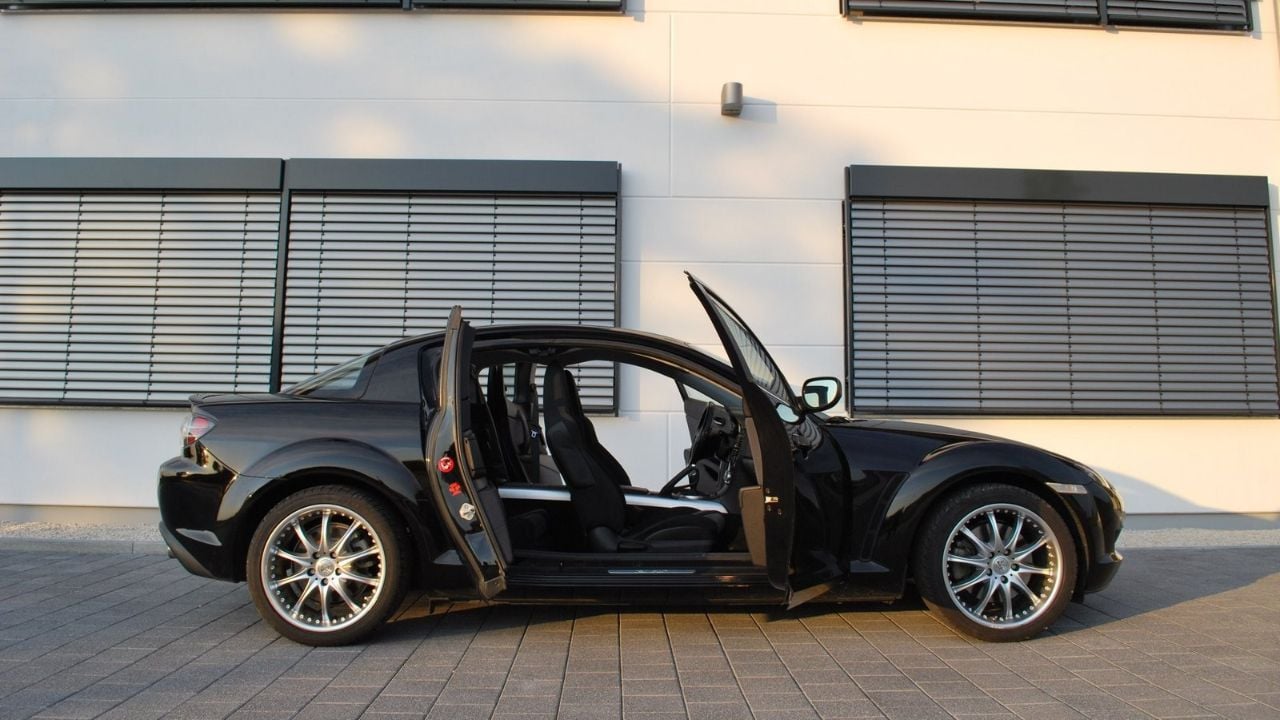
Most cars on this list are meant for wealthy individuals that don’t mind paying a premium for unusual doors. Not the Mazda RX-8. The RX-8 was a four-door, four-seat coupe often viewed as the RX-7’s spiritual successor, blending everyday practicality with the thrill of rotary power. While its main party piece was the Wankel rotary engine up front, its unique rear “freestyle” suicide doors also attracted the attention of lookie-loos.
The two rear mini-doors were hinged at the C-pillars and provided easier access to the crammed rear seats, enhancing the RX-8’s image of a practical sports car.
Lamborghini Egoista – Canopy Door

If you’d like to feel like Batman every time you enter your car, then you better get one with canopy door. As the name suggests, canopy doors open like a fighter jet – the entire roof, windshield, and even side sections in some cases lift as a single unit, allowing the driver to hop in. They can be hinged in the front, rear, or either side of the car.
While they’re great for providing unobstructed views to the driver (and making them look super cool while getting in or out), they’re fundamentally impractical and can be a huge safety risk in cases of rollover accidents since occupants can be trapped. As such, these kinds of doors are typically reserved for crazy concept cars like the Lamborghini Egoista and Maserati Birdcage 75th. There are a handful of road-legal cars that have used canopy doors, though, such as the KTM X-Bow GT-XR.
Doors That Became Design Icons
From the dramatically disappearing panels of the BMW Z1 to the theatre of the Lamborghini Egoista’s canopy concept, these rides prove that doors can be a lot more than a practical and easily forgettable hinge and handle. These unique doors transcend their basic roles as a simple mode of entry and exit into a car, making every arrival feel like an event and shaping how a car feels even before the engine roars.
This list showcases different manufacturers’ wild takes on door design, but what ties them all together is memorability. While gearheads may forget the torque figures or trim levels these cars have, they won’t forget the first time they saw the 300SL’s Gullwing doors rise, or the first time they saw a door magically disappear into the sills, and sometimes that’s all that matters.