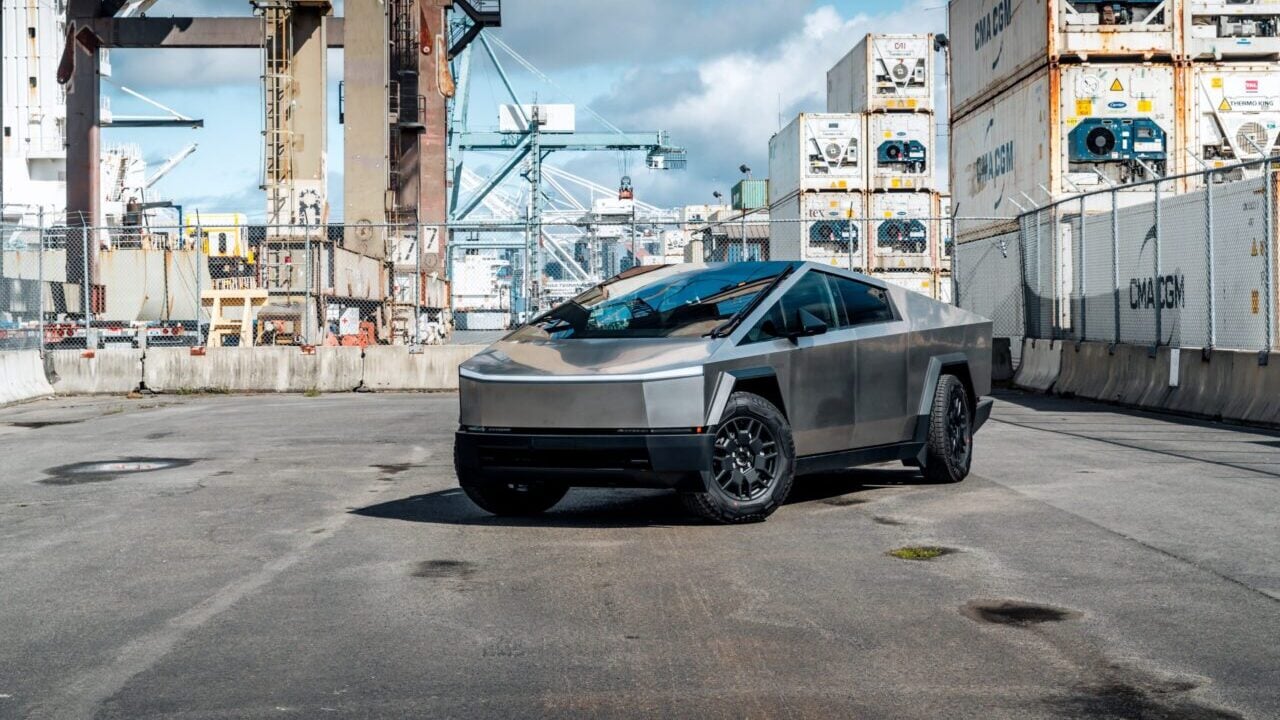
A 2024 Tesla Cybertruck Foundation Series sold on Cars & Bids for $70,000 with 5,200 miles. At this point, the car community is really wondering why used Cybertruck prices have been sliding so quickly.
When Tesla’s Cybertruck finally rolled off the production line in late 2023, it arrived fashionably late to a party that had moved on without it. What started as Elon Musk’s audacious vision to reinvent the pickup truck ended up as a polarizing experiment in what happens when you prioritize aesthetics over practicality. The angular beast certainly turns heads, but beneath that stainless steel exterior lies a vehicle that struggles with some fundamental truck duties.
From range anxiety to everyday usability issues, the Cybertruck’s problems reveal how difficult it is to disrupt a market where buyers actually use their vehicles for work. Sure, it’s a technological marvel in many ways, but it’s also a reminder that sometimes the traditional approach exists for good reasons.
Let’s look at where Tesla’s electric pickup missed the mark.
The Range Reality Check

One of the most interesting paradoxes in the EV world is how range anxiety dominates public perception, even though most daily driving is relatively short-distance, even though range anxiety still dominates EV shopping decisions. Any modern EV could easily handle most people’s daily driving, yet electric vehicles are still judged and often dismissed based on their maximum range rather than real-world use.
The irony is that the drivers who cover the most miles and raise the average are usually not the ones buying EVs. They’re more likely to stick with traditional gas vehicles, plug-in hybrids, or hybrids because of the convenience and quick refueling. Meanwhile, those who drive far less and would benefit the most from going electric are often the most skeptical. Although most EV use cases revolve around short trips, range anxiety remains one of the most significant barriers to adoption.
That’s why, when Elon Musk first promised a Cybertruck with up to 500 miles of range, people were genuinely excited. It was a bold claim that seemed to eliminate the biggest concern among potential buyers. This was before Musk’s political baggage began to color public opinion and before years of delays turned anticipation into fatigue.
When production models finally arrived, expectations met a harsher truth. The tri-motor Cyberbeast is rated by Tesla at 301 miles of range, and in a 75-mph highway test, Car and Driver saw about 250 miles of range. Towing can slash real-world range, often by around half, and sometimes to roughly a third, depending on trailer weight, speed, and conditions before needing to recharge. Add cold weather or highway speeds, and the figure can drop even further.
It’s not that the Cybertruck’s range is poor, it’s that it fell short of the extraordinary promises that helped build the hype. In business, there’s a saying: under-promise and over-deliver. Tesla often does the opposite, and while that keeps excitement high, it also sets expectations no production vehicle could realistically meet.
Towing Creates a Range Crisis

Much like the debate over range, towing capacity is another head-scratcher when it comes to modern trucks. For the past two decades, automakers have been locked in what can only be called a towing war. Once upon a time, it was perfectly acceptable for a mid-size truck to tow a couple of tons, enough for a small camper, fishing boat, or lawn trailer. Even full-size pickups were capable of pulling around 10,000 pounds or less, which covered the needs of nearly every typical truck owner.
Then marketing took over. Suddenly, towing capacity became the new status symbol. Trucks were advertised less as practical workhorses and more as bragging rights on wheels, each model trying to outdo the last. It got to the point where even mentioning a modest towing limit made a vehicle sound inadequate. Having an impressive tow rating became like owning a pair of designer jeans in high school; if it didn’t have the logo, it didn’t count.
That same mindset shaped expectations for the Tesla Cybertruck, which was advertised with a maximum towing capacity of 11,000 pounds. But in practice, owners have found that towing anything substantial causes a drastic range drop, sometimes cutting usable distance to under 150 miles. When you factor in charging logistics and the lack of pull-through stations, long-haul towing becomes an exercise in patience rather than power.
Once again, it looks like Elon Musk over-promised and under-delivered. The Cybertruck’s towing numbers look great on paper, but in reality, it struggles to perform like a conventional truck when put to the test. Then again, anyone who genuinely needs to tow 11,000 pounds and has six figures to spend probably wasn’t shopping for an electric truck to begin with, they were headed straight for a Super Duty, Denali, or Ram HD, trucks built for that kind of work.
In fairness, this isn’t entirely the Cybertruck’s fault. What we’re seeing is less a failure of engineering and more a collision of identity and expectation, a truck caught between futuristic design, inflated marketing promises, and a public relations problem that grew louder than the product itself. It’s an EV trying to live up to a myth that traditional trucks have been selling for years, and no vehicle, electric or not, was ever going to win that fight.
The Stainless Steel Fingerprint Magnet

Tesla deserves credit for thinking outside the box. The Cybertruck’s unpainted stainless steel body is undeniably bold and, in many ways, genuinely innovative. It’s corrosion-resistant, incredibly strong, and visually striking, a material choice few automakers would dare to attempt. In fact, it’s one of the few modern vehicles to revisit the concept last seen on the DeLorean DMC-12 back in the 1980s.
Stainless steel also brings its own set of challenges. Much like a black-painted car, it looks stunning when freshly cleaned and polished, yet it shows every imperfection once it’s been driven a few miles. Owners quickly discovered that the Cybertruck’s panels tend to highlight smudges, fingerprints, and swirl marks. Some have even reported surface discoloration and light rust spotting, particularly in humid or coastal areas.
For most die-hard Tesla fans, a few smudges probably aren’t a dealbreaker. However, for mainstream buyers, inconvenience is the enemy of adoption.
The average driver doesn’t want to spend time polishing a truck that was supposed to be “low maintenance.” History has shown that vehicles requiring extra care, even for minor cosmetic reasons, struggle to break into the broader market. Right or wrong, most people want something they can ignore, drive, and run through a car wash a few times a year, not a truck that demands a microfiber cloth on standby.
Size Makes It a Parking Lot Menace

At about 18.6 feet long and over seven feet wide with the mirrors, the Cybertruck is undeniably massive. But to be fair, nobody buying one was misled about its size. The dimensions are right there on Tesla’s website. The issue isn’t that it’s too big, it’s that it doesn’t quite know what kind of big it wants to be.
That confusion feeds into the broader identity crisis of the Cybertruck. When something tries to be two things at once, it often ends up serving neither. It’s a bit like a mermaid: when you want a person, you have a fish, and when you want a fish, you have a person.
There’s clearly a market for trucks at both extremes. On one end, compact and mid-size models like the Ford Maverick, along with recently reported ‘Slate’ EV pickup ideas—are winning over urban buyers who value maneuverability and affordability. On the other hand, enormous rigs like the GMC Hummer EV or six-figure luxury pickups from Ford, Ram, and GM appeal to those who want maximum capability and comfort. Each knows its audience, and leans into it.
The Cybertruck, by contrast, sits uncomfortably in the middle. It sacrifices nimbleness in the city without delivering the full utility or refinement of its larger, more purpose-built rivals. People in rural areas or those towing across long distances can justify a truck that big. City dwellers, however, value ease of parking, visibility, and mobility, all areas where the Cybertruck feels more like a design statement than a daily driver.
The Charging Is Not Convenient

Tesla’s Supercharger network is one of the best in the world and a significant reason the brand’s EVs have been so successful. For sedans and SUVs, it works brilliantly. But for trucks, especially ones towing trailers, it quickly becomes a test of patience and planning. Most Supercharger stations aren’t designed for large vehicles or trailers, meaning Cybertruck owners often have to unhitch their load to reach the plug. On long trips, that’s exhausting.
This isn’t entirely Tesla’s fault. The charging infrastructure evolved around commuter EVs, not electric trucks hauling thousands of pounds. Pull-through charging stations are still rare, and few locations offer the kind of space or layout that makes towing practical. Even with Tesla’s robust network, owners report charging stops that can stretch to an hour or more, especially when the truck is pulling extra weight or charging from a low state of charge.
So once again, the problem isn’t just mechanical, it’s philosophical. If you buy a Cybertruck expecting to tow long distances, the experience falls short of traditional trucks. If you buy it for city life, you’re paying a premium for a capability you’ll never use. It’s a vehicle caught between worlds: too capable to be purely practical, yet too impractical to fully live up to its capability.
Of course, there will always be niche cases where the Cybertruck fits perfectly. Some owners genuinely love its futuristic styling, quiet torque, and conversation-starting presence, and it works exactly as intended for their lifestyle. That’s perfectly fine; those buyers are the exception, not the rule. If this configuration met the needs of a wider audience, sales and resale values wouldn’t be sliding as fast as they are.
Build Quality Issues Plague Early Models
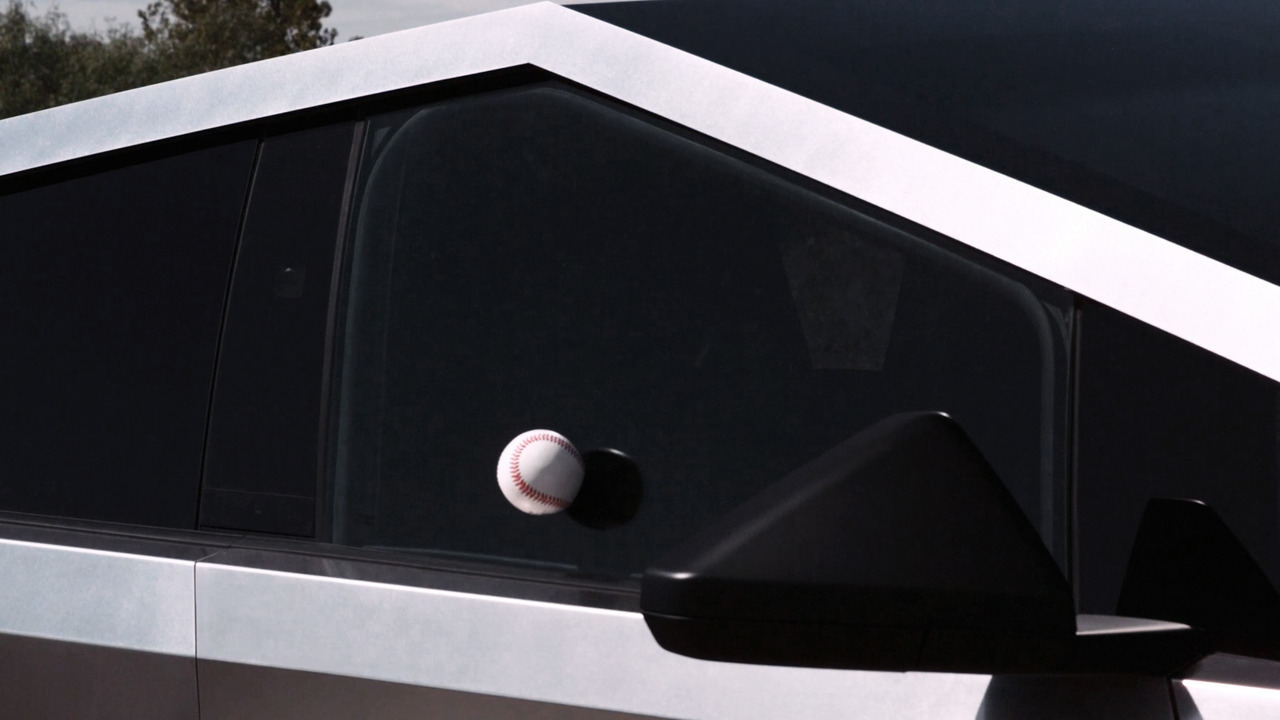
Recalls are part of life in the automotive world. Every car I’ve ever owned, no matter how reliable, how well-built, or how much I loved it, has had at least one. Even brands famous for dependability eventually issue service campaigns or fix supplier flaws. That’s how modern vehicle production works.
If you spend five minutes online, you’ll find someone calling every car either “the worst piece of junk ever built” or “the only thing they’d trust when the apocalypse comes.” By now, most of us have learned to take those extremes with a grain of salt.
That said, the Cybertruck hasn’t been immune to legitimate criticism. Early reviews and owner reports pointed out panel misalignment, loose trim, and inconsistent fit and finish, issues that stand out more sharply when the sticker price pushes into six-figure territory. It’s one thing for a $35,000 commuter car to have a squeaky panel; it’s another for a luxury-priced EV to roll off the line looking half-finished.
However, the bigger problem isn’t necessarily the workmanship, it’s the expectation gap Tesla has created. The company’s marketing, years of delays, and its unconventional sales model all amplify frustration when things go wrong.
Traditional dealerships, love them or hate them, serve an important role. When something breaks, they’re a point of contact, a human connection that helps smooth things over and rebuild trust. I’ve experienced it myself: when a recall dragged on for months with our Jeep, the local dealer kept us updated, found a loaner, and made sure we stayed loyal to the brand.
Tesla, by contrast, operates largely without that dealership buffer. When problems arise, owners are often left navigating apps, emails, or long service wait times instead of walking into a showroom.
Combine that with Elon Musk’s habit of making big claims followed by big delays, and you get a recipe for disappointment, not necessarily because the truck is bad, but because expectations were set sky-high and the delivery didn’t match the promise.
The Price Climbed Into Luxury Territory

Pricing is simple economics: when prices go up, demand goes down. Tesla initially teased a $39,900 starting price that helped generate massive buzz and made the Cybertruck seem almost attainable. But when deliveries began, early Cybertrucks were sold in higher-priced configurations, and later pricing shifted as Tesla adjusted the lineup.
At that level, expectations change. Buyers compare it to premium trucks from Ford, Ram, and GMC that deliver refinement, reliability, and comfort earned over decades. The Cybertruck’s striking design might get attention, but in the six-figure bracket, it has to do more than stand out; it has to measure up.
Off-Road Performance Doesn’t Match the Hype

Despite looking like it could storm a beach, the Cybertruck struggles when the terrain turns serious. At roughly 6,600–6,900 pounds depending on version, its weight works against it off-road. That much mass creates high ground pressure, which means it tends to sink into sand or mud where lighter vehicles would float. Add in limited suspension articulation and modest ground clearance in standard settings, and it’s easy to see why videos have surfaced of Cybertrucks getting stuck on trails that a Jeep or Tacoma would breeze through.
Here’s the thing, though: most truck and SUV owners never actually go off-roading, and that’s not a criticism. People should enjoy their vehicles however they want, on or off pavement.
I’d argue that very few buyers were ever seriously interested in the Cybertruck because of its off-road specs. If you genuinely want a go-anywhere truck, you would buy a Jeep Gladiator, Raptor, Ram RHO, etc.
What really sells isn’t the capability, it’s the idea of capability. The Cybertruck’s off-road image wasn’t just marketing; it was a lifestyle fantasy. Automakers know that most owners will never tackle a trail, but they still want something that looks like it could conquer one.
Failing to live up to that image may have hurt sales, not because buyers planned to hit the Rubicon Trail, but because people like knowing they could. The psychology of capability is powerful. It’s the same reason most pickup owners who can tow 10,000 pounds rarely pull more than a lawn tractor.
Buyers want confidence. They want to believe that if civilization collapsed on a Tuesday, their truck could still get them home. And when that illusion cracks, when a six-figure “apocalypse-ready” vehicle gets stuck in a puddle, it doesn’t just fail a test; it breaks the fantasy that sold it in the first place.
Visibility Problems Create Safety Concerns
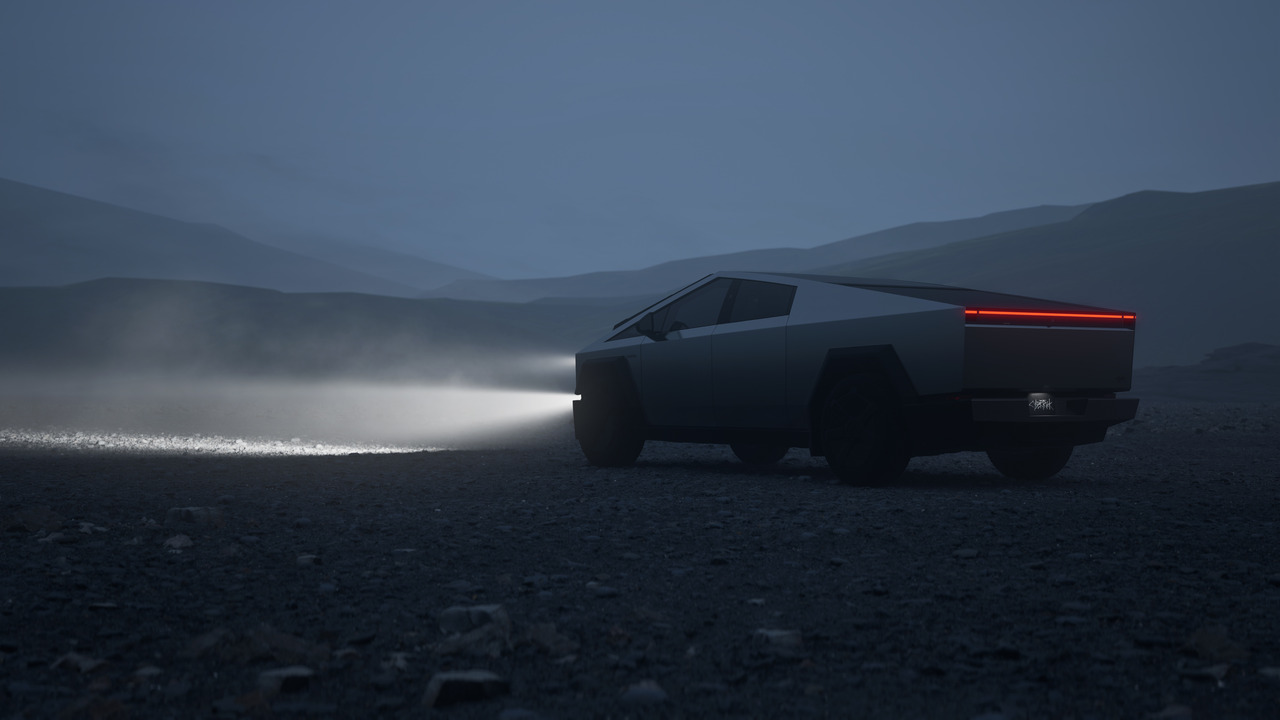
The Cybertruck’s visibility has been a popular target for critics, but I’m not sure it’s the dealbreaker some make it out to be.
Having spent years in a job that kept me on the road six to seven hours a day, I’ve come to suspect that most drivers don’t actually check their mirrors as often as they think they do, and many have little sense of the space around them when making a maneuver anyway.
That’s not to say the Cybertruck doesn’t have quirks. Its small rear window, thick A-pillars, and reliance on camera feeds instead of a traditional rearview mirror do make it less intuitive than most trucks. Those who are already skeptical of its design will inevitably find that frustrating.
That’s also human nature at play; once people start looking for problems, they’ll usually find them. When someone falls in love with a vehicle, they’ll justify and overlook its flaws with equal passion.
The Cybertruck’s unconventional design magnifies both reactions. Its sharp angles, minimalist interior, and futuristic layout inspire fascination in some and frustration in others.
The reality is that it’s simply not as easy a vehicle to fall in love with as many of its competitors. It asks you to adapt to it, rather than the other way around, and that’s a tough sell in a segment where comfort and familiarity often win the day.
The Trunk Can Be a Finger Guillotine

Okay, this one’s an attempt at humor, I don’t actually think anyone’s lost a finger to the Cybertruck’s powered frunk. Yet it does highlight a bigger issue with Tesla’s design ethos: a tendency to be too clever for its own good.
On paper, a powered front trunk is a great idea. EVs don’t need engines up front, so why not use that space for storage? The concept itself is sound; Honda’s Ridgeline did something similar years ago with its under-bed trunk, and it’s still one of the most practical ideas in pickup design. The problem isn’t innovation; it’s execution.
Tesla has a habit of turning simple mechanical solutions into overcomplicated electronic ones. From retractable door handles that occasionally fail to extend, to yoke-style steering wheels that are being quietly phased out, and now to a frunk lid that some reviewers found alarmingly forceful before a software update, many of these features feel more like tech experiments than everyday conveniences. They photograph beautifully but don’t always play nicely in the real world.
Legacy automakers have had decades to refine their designs. What sometimes looks plain or old-fashioned on a Ford or Toyota is usually the result of slow, deliberate evolution, the automotive version of Occam’s Razor, where the simplest solution often ends up being the best one.
Elon Musk, however, tends to operate more like a video game developer than a traditional carmaker. Tesla releases a product full of innovation and “wow factor,” then patches and tweaks it later through over-the-air updates. That approach might work for software, but cars are a different story.
You can’t patch first impressions, and you can’t over-engineer your way into customer loyalty forever.
Winter Performance Takes a Nosedive
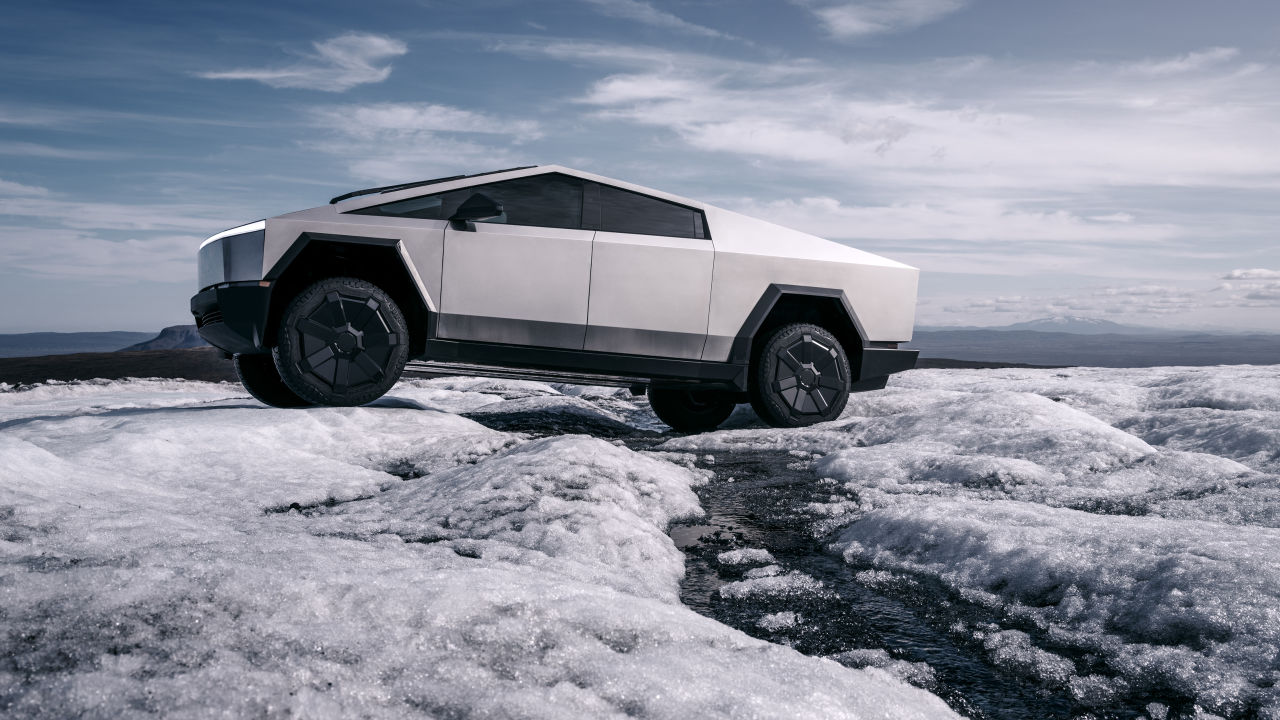
Part of the appeal of trucks and all-wheel-drive vehicles is knowing they can handle the snowpocalypse, not that you’ll have anywhere to go when the streets are buried under twelve feet of snow, but it’s comforting to know your rig could make it if it had to. That’s when a vehicle’s true capability feels meaningful.
Yet, winter is precisely when the Cybertruck’s capabilities take the biggest hit. Cold weather can sap range, slow charging speeds, and reduce overall efficiency. Owners have reported range losses of 30 to 40 percent in freezing conditions, as the truck’s heat pump works overtime to warm its large cabin and keep the battery at an optimal temperature.
That reduction probably won’t make much difference for most owners in day-to-day use. Few people are driving hundreds of miles in a blizzard. However, as we’ve already established, people buy capability as much for peace of mind as for practicality. The idea that your expensive, futuristic truck might lose a big chunk of its capability right when it’s needed most, that’s a hard pill to swallow.
It’s not that the Cybertruck performs worse than other EVs in the cold; this is simply EV physics at work. The difference is that traditional EVs aren’t marketed as adventure vehicles.
Nobody buys a luxury sedan expecting it to claw through snowdrifts or tow an ice shanty off a frozen lake. The Cybertruck, however, was sold as a truck for every apocalypse, so when it struggles in conditions that define that image, it feels like a bigger betrayal of the brand promise than a simple loss of range.
It’s Not Actually That Practical as a Daily Driver

Tesla isn’t the first automaker to learn how unforgiving the middle ground can be. Vehicles that blur categories often struggle to find their audience.
Nissan’s Titan XD tried to bridge the gap between light-duty and heavy-duty pickups but ended up too big and thirsty for half-ton buyers and not capable enough for the serious haulers. The Chevrolet Avalanche was packed with clever ideas, a transformable midgate, versatile cargo space, and real SUV comfort, but its unconventional layout confused more buyers than it converted.
Even Ford and Subaru experimented with crossover-truck hybrids like the Explorer Sport Trac and Baja, both of which earned cult followings but failed to resonate with mainstream buyers.
The Cybertruck now finds itself in similar company. It’s neither a traditional truck nor a pure lifestyle vehicle, and while that makes it fascinating, it also makes it a tough sell. The market rewards familiarity: people like knowing exactly what a vehicle is and what it’s meant to do. When a product doesn’t fit neatly into those expectations, even brilliant ideas can get lost in translation.
In many ways, the Cybertruck is both a triumph and a cautionary tale. It proves that innovation and imagination still have a place in the auto industry, but it also shows how difficult it is to balance ambition with usability. The design, performance, and technology all push boundaries, but for many buyers, it simply asks too much in return.
Conclusion

In the end, the Cybertruck isn’t a villain so much as a mirror. It reflects what happens when ambition outruns practicality, when bold design meets the quiet math of everyday life. It’s easy to point to Elon Musk’s antics or the political polarization surrounding EVs, but the truth is, even without those distractions, the Cybertruck was always going to face an uphill climb.
The truck market is one of the hardest segments in the auto industry to disrupt. Legacy automakers like Ford, Ram, and Chevrolet have spent decades perfecting their craft, refining ride quality, towing dynamics, and buyer loyalty through endless iterations. Tesla, meanwhile, entered that arena as an outsider with a niche product aimed at an audience that barely existed: buyers who wanted something futuristic and capable, but also luxurious and electric.
That’s a tough needle to thread. The Cybertruck was never going to steal heavy-duty buyers from Ford Super Duty or Ram HD owners, and at its price point, it was never going to lure the value-conscious crowd who need a reliable workhorse. Instead, it ended up trying to court a middle ground, those stuck between needing a truck and wanting an EV, between suburban practicality and urban flair. It’s a fascinating idea, but one that may be too narrow to sustain mass-market momentum.
None of this means the Cybertruck is a failure. It’s a conversation piece, an experiment in reimagining what a truck could look like, and in some ways, it succeeded spectacularly at that.
However, markets don’t reward novelty forever; they reward refinement, reliability, and a sense of fit. Until Tesla finds that equilibrium, the Cybertruck will remain what it’s always been: a brilliant idea searching for the audience it was built for.