Some American cities hide pockets of green that work like a trapdoor: one step, and the street noise fades. Glasshouses fog up your camera lens, shaded corridors smell like citrus, and rare blooms make you ease up without noticing. For travelers who love quiet wonder, these places are pure magic.
The slideshow below highlights 11 standout plant collections across the country, each with a signature scene worth chasing. Treat every stop as a half-day escape, and let the layout guide you instead of a strict schedule. Comfortable shoes help, but curiosity does most of the work.
1. A Fountain Fantasy in Pennsylvania
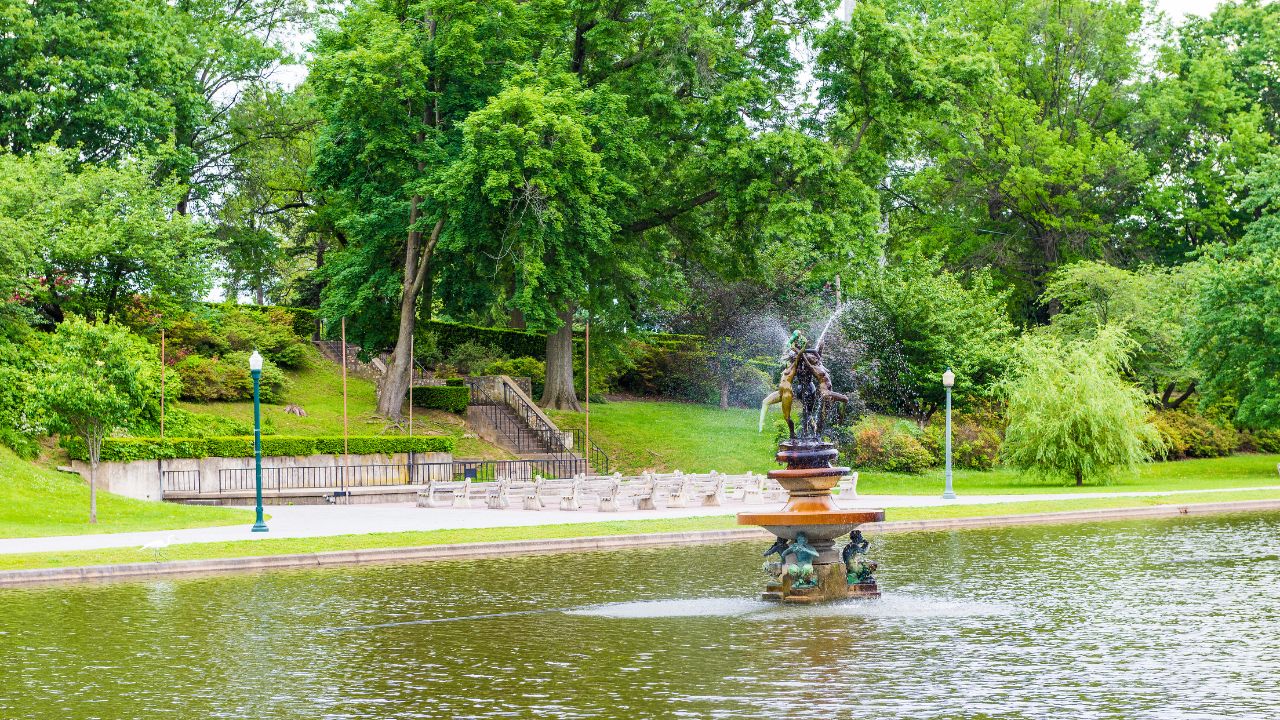
Longwood Gardens in Kennett Square spreads across more than 1,100 acres in the Brandywine Valley. The Italian Water Garden is a headline feature, known for over 600 jets arranged across 18 pools. When the choreography starts, it feels like you walked into a performance set outdoors.
Set aside time for the main glasshouse, especially on chilly or rainy dates. Evening tickets can be a smart move since illuminated water shows change the mood completely. Early entry is the best trick for quieter paths and cleaner photos.
2. St. Louis and the Rainforest Dome
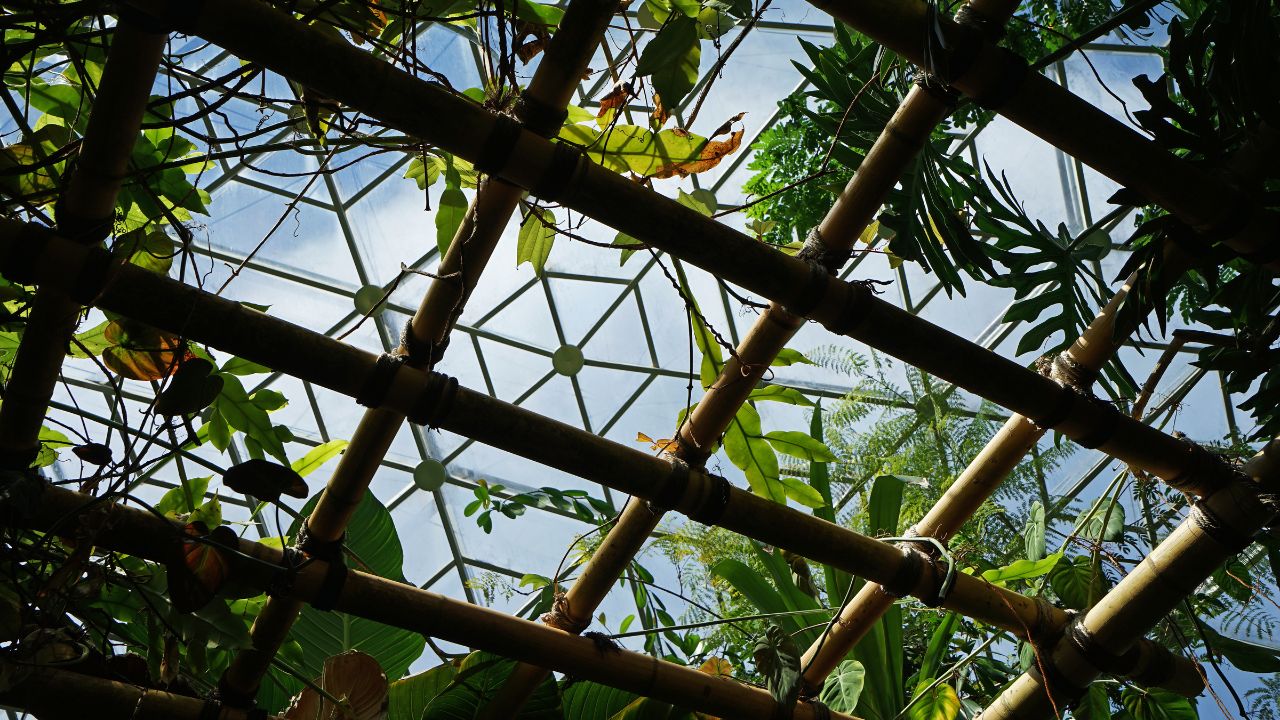
The Missouri Botanical Garden was founded in 1859 by Henry Shaw and remains a St. Louis classic. Its Climatron is a geodesic greenhouse built to recreate rainforest conditions under a dramatic shell. Nearby, Seiwa-en adds a Japanese strolling landscape that rewards unhurried pacing.
Begin with the humid interior, then shift outside for formal planting and shaded walkways. Checking the event calendar helps you avoid the busiest festival hours. Even a short loop delivers plenty of variety without feeling rushed.
3. A Wild-Feeling Corner of New York City
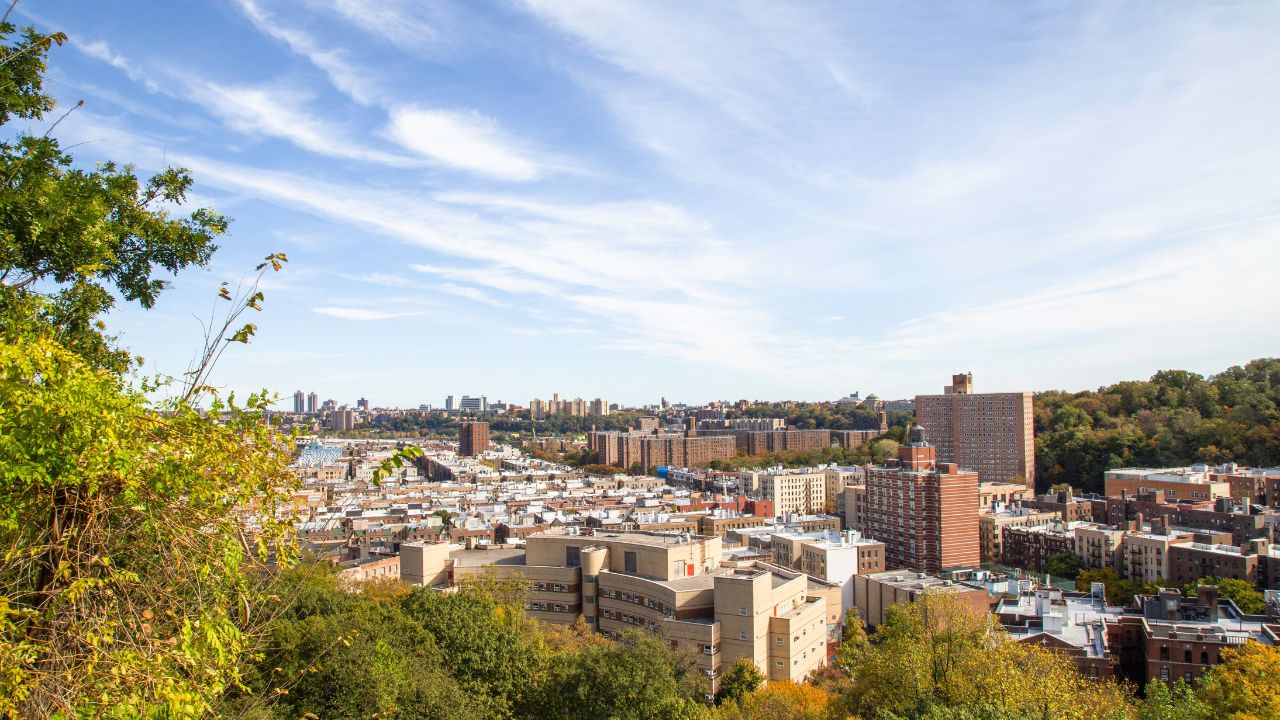
The New York Botanical Garden sits on a 250-acre site in the Bronx and holds more than one million living plants. The Enid A. Haupt Conservatory anchors the visit with multiple climate rooms under glass. Step outdoors afterward and you realize how much open space hides inside Bronx Park.
Head for the Thain Family Forest when you want a break from the main promenades. Cold months can still be rewarding because the glasshouse stays lively year-round. Pick one route, commit to it, and the day becomes smoother.
4. Miami’s Tropical Treasure
Fairchild Tropical Botanic Garden in Coral Gables is built around warm-climate species across an 83-acre living collection. The Richard H. Simons Rainforest creates a shaded, humid pocket filled with plants gathered from tropical regions worldwide. Orchids and flowering trees steal attention in different seasons.
Light clothing is practical here, since humidity loves to cling. Keep your eyes up for canopy color, then look down for small details along water edges. Midweek visits often feel calmer than weekends in nearby Miami.
5. Sonoran Shapes at Golden Hour
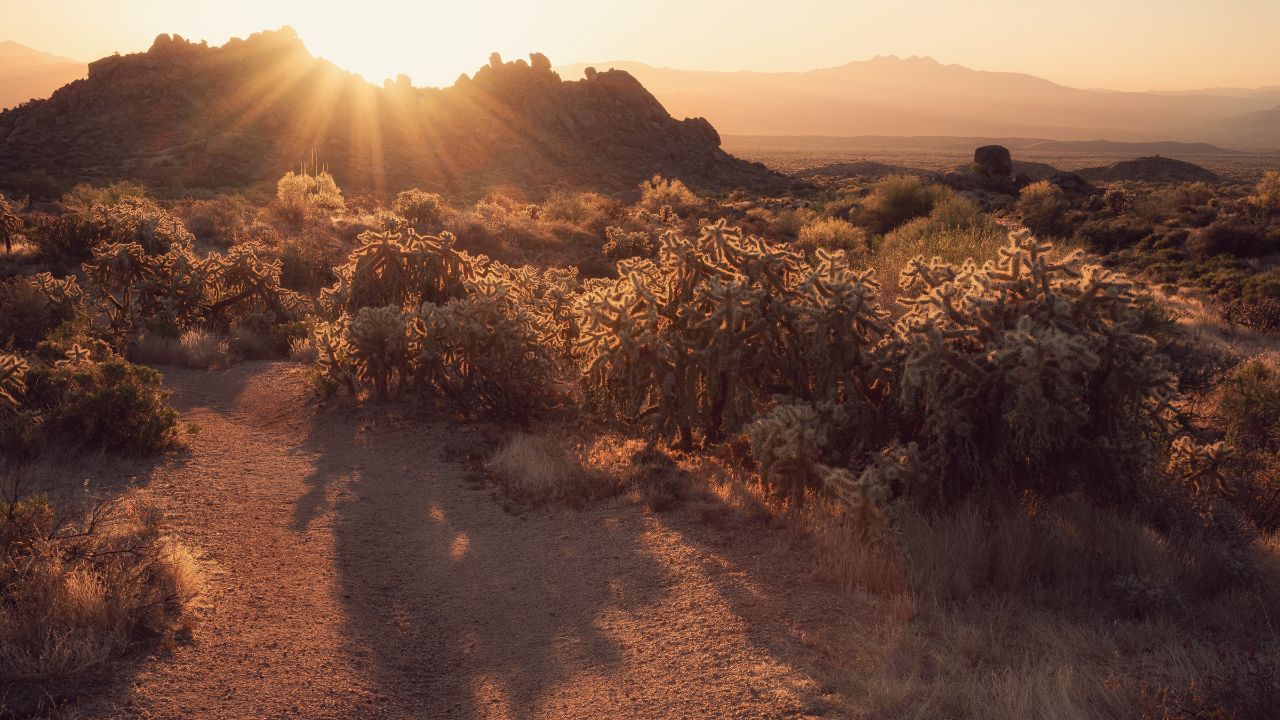
The Desert Botanical Garden in Phoenix is set in Papago Park and has been established at the site since 1939. Trails wind through thousands of cacti, trees, and seasonal wildflowers in a distinctly Sonoran setting. Saguaros get the spotlight once late light turns them into silhouettes.
Plan for early hours or sunset because heat decides the pace. Bring water and take shade breaks, and you will enjoy the textures far more. Even a short circuit can change how you see the desert.
6. Atlanta’s Treetop View
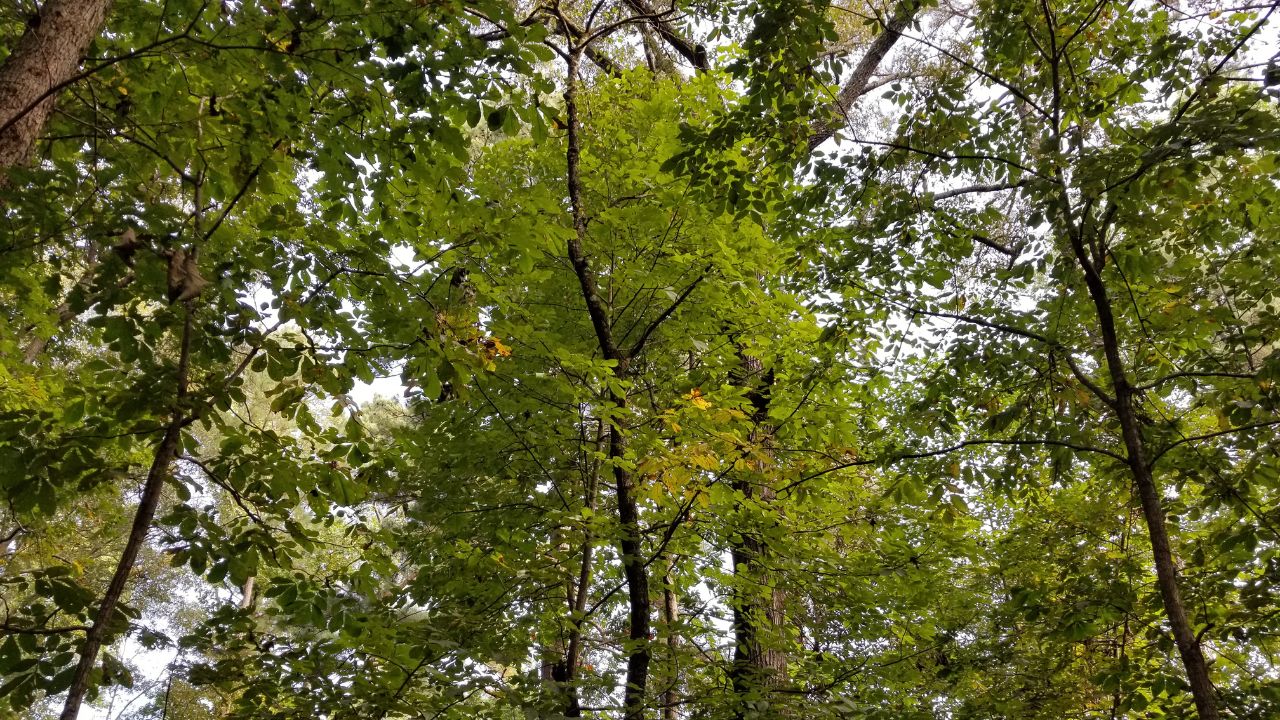
Atlanta Botanical Garden offers an urban escape with a lineup of rotating displays, and it marks its 50th anniversary in 2026.. The Canopy Walk lifts you above the woodland floor for a different angle on the grounds. The Fuqua Orchid Center is famous for a large species-orchid collection on permanent display.
Mix indoor time with outdoor wandering, since Georgia weather can flip quickly. Seasonal planting keeps the scenery fresh, from winter color inside to bright beds in warmer months. Finish with a slow pass through the central pathways before heading back into the city.
7. Nine Islands North of Chicago

Chicago Botanic Garden in Glencoe covers 385 acres and includes 27 display areas. The layout spans nine islands, stitched together by bridges that make the route feel playful. Waterways and prairie habitats add a natural contrast to manicured beds.
Choose one theme first, then branch out from there. Arriving early makes parking easier on popular days. When sunlight hits the lagoons, reflections handle the photo drama for you.
8. A Free Conservatory by the Capitol
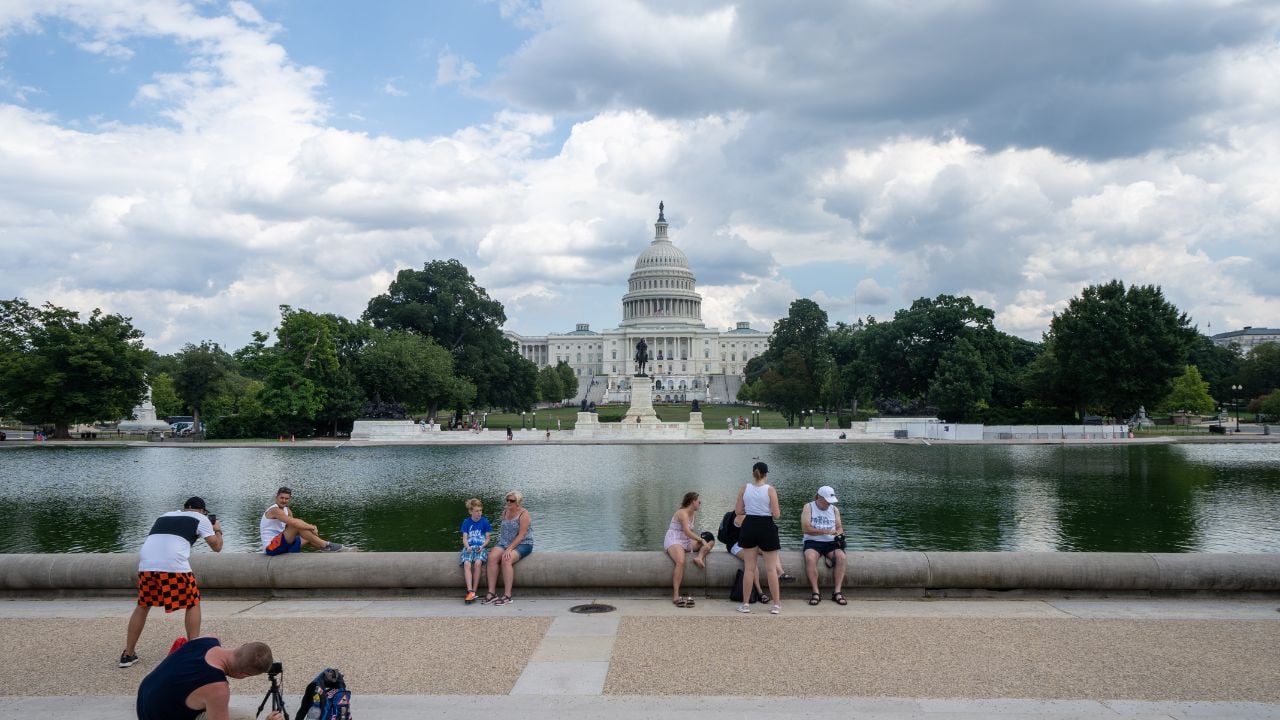
The United States Botanic Garden sits on the grounds of the U.S. Capitol in Washington, D.C., and entry is free. Its under-glass rooms showcase habitats that range from arid landscapes to lush tropical environments. Just outside, Bartholdi Park adds a quick outdoor stop centered on a historic fountain.
This works well for a quick visit, especially between museums. Bad weather is no problem because the indoor collections carry the experience. It is also a solid reset when you want calm without leaving downtown.
9. Maine’s Shoreline Hideaway
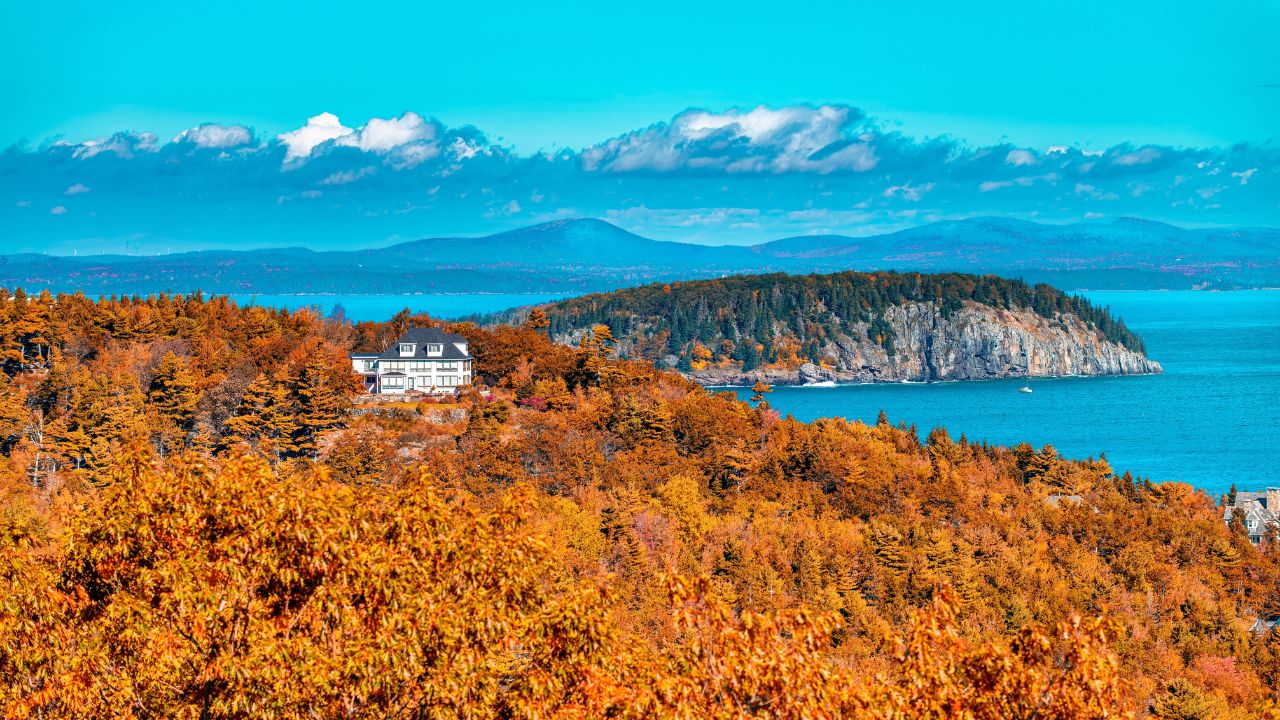
Coastal Maine Botanical Gardens in Boothbay covers about 295 acres and is the largest in New England. Nearly a mile of tidewater shoreline mixes sea air with forest paths and curated beds. The site also hosts giant recycled-wood troll sculptures by artist Thomas Dambo, part of his Guardians of the Seeds project.
Treat this as a gentle hike with frequent detours for viewpoints. Good footwear matters because the grounds are expansive and time disappears fast. When the tide is moving and the woods get quiet, it truly feels like a private discovery.
10. Denver’s Concrete-Arch Conservatory
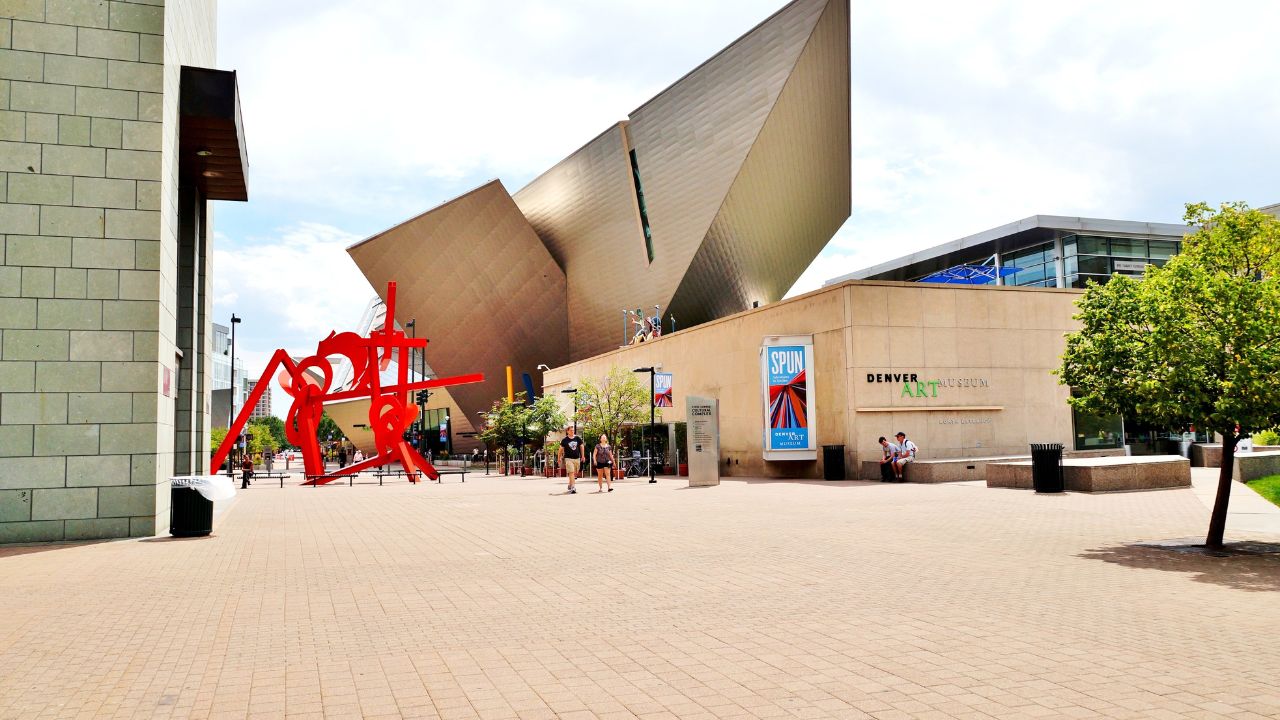
Denver Botanic Gardens has a main York Street location in the Cheesman Park area, spanning about 23 acres. The Boettcher Memorial Tropical Conservatory opened in 1966 and is shaped by interlaced concrete arches. Outdoors, themed plantings and seasonal displays keep the atmosphere changing.
Altitude and sun are real factors, so sunscreen matters even on mild days. Use the tropical hall for warm, humid air, then return outdoors for dry-climate color. Concerts and rotating exhibitions can turn a simple stop into a full afternoon.
11. Foggy Magnolia Season in Golden Gate Park
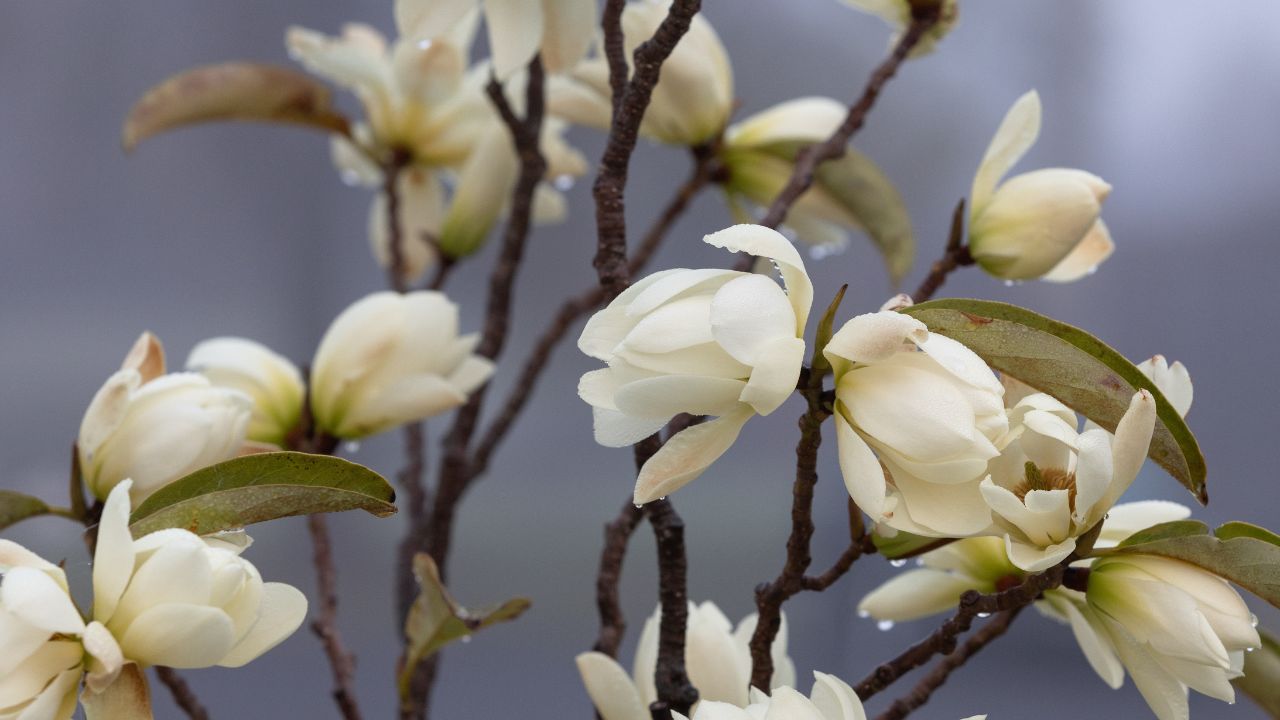
San Francisco Botanical Garden is a 55-acre arboretum inside Golden Gate Park with more than 8,000 kinds of plants. One standout is its conservation-focused magnolia collection, typically blooming from January through March. Misty weather makes the cloud-forest areas feel especially immersive.
Take a slow route that alternates open lawns with tucked-away groves. A light jacket is useful, even when the forecast looks friendly. Fragrant flowers in midwinter are the surprise that keeps people coming back.