
We need to talk about the elephant in the room… Or should I say, the EV in the snowbank. For years, winter driving has been the go-to criticism of electric vehicles, with folks claiming they’ll leave you stranded when temperatures drop.
But here’s the thing: the latest generation of EVs is absolutely crushing it in cold weather, and some models barely break a sweat when the mercury plummets. Sure, all vehicles lose efficiency in winter, but modern EVs come equipped with heat pumps, battery preconditioning, and thermal management systems that would make your grandpa’s block heater look like stone-age technology. These aren’t your first-gen compliance cars anymore—we’re talking about properly engineered machines that laugh in the face of a polar vortex.
So let’s dive into the EVs that actually deliver when winter comes knocking.
Hyundai Ioniq 5

The Ioniq 5 is basically the winter warrior nobody expected, retaining an absolutely bonkers 97 percent of its EPA-estimated range at freezing temperatures. That’s not a typo — this retro-futuristic crossover genuinely performs better in the cold than some EVs do in ideal conditions.
Built on Hyundai’s dedicated E-GMP platform, it comes standard with a heat pump, battery preconditioning, heated seats and steering wheel, and all the tech you need to stay mobile when everyone else is calling in snow days. The 800-volt architecture means you can still charge stupid-fast even when it’s cold enough to freeze your coffee mid-sip.
With available dual-motor AWD and that flat floor giving you actual interior space, the Ioniq 5 proves that sometimes the best winter beater is the one you least expect.
Audi Q8 e-tron

The Q8 e-tron topped the charts by losing only 16 percent of its range in freezing temps, which is genuinely impressive for a luxury SUV that weighs as much as a small moon. Audi’s quattro all-wheel-drive system has been perfecting the art of not crashing since before most EVs were even a fever dream, and the electric version is no different.
The sophisticated thermal management system and heat pump work overtime to keep both you and the battery happy, while the permanent quattro AWD setup continuously juggles torque between all four wheels faster than you can say “I should’ve bought winter tires.” With available air suspension and enough ground clearance to tackle unplowed suburban streets, this German tank makes winter driving feel downright effortless.
Plus, you get all the premium Audi touches that make sitting in traffic during a snowstorm slightly less miserable.
Tesla Model Y

The Model Y might lose about 24 percent of its range in cold weather, but here’s why it still makes the list: it’s got the infrastructure and tech to make winter driving actually practical. Tesla’s octovalve heat pump system — yes, that’s the actual name — is one of the most efficient heating systems in the EV world, helping the Model Y retain about 86 percent of its maximum range when temperatures hit freezing.
Starting in 2021, Tesla added heat pumps to their vehicles, and it shows in the winter performance numbers. The available AWD provides excellent traction control with near-instantaneous torque vectoring, and the expansive Supercharger network means you’re never far from a fast charge when the cold saps your electrons.
Plus, the preconditioning feature that warms both cabin and battery while you’re still plugged in at home is a genuine game-changer for morning commutes.
Ford F-150 Lightning

The Lightning proves that going electric doesn’t mean sacrificing truck capability when winter hits. With up to 320 miles of range (though cold weather will knock that down), standard all-wheel drive, a locking rear differential, and factory skid plates, this electric pickup was built to handle whatever weather throws at it.
Ford engineered this thing with cold climates in mind, offering heated seats front and rear, a heated steering wheel, and enough power to pull your buddy’s gas truck out of a snowbank without breaking a sweat. The massive frunk gives you a place to store winter gear without getting your cab all sloppy, and the Pro Power Onboard system means you can run a space heater if you get stuck.
Real-world testing showed about 24 percent range loss in extreme cold, which is respectable considering this thing weighs over three tons and has the aerodynamics of a brick. Maybe America should start embracing electric trucks more.
Tesla Model 3

The Model 3 holds its own in winter conditions, dropping about 24 to 26 percent of range in freezing temps—right in line with Tesla’s other models equipped with heat pumps. The newer versions benefit from that same octovalve thermal management system, which is far more efficient than the resistive heaters in older EVs.
The low center of gravity thanks to the floor-mounted battery pack gives you surprisingly planted handling on slippery roads, and the dual-motor AWD versions deliver torque vectoring that responds faster than your reflexes ever could. Tesla’s cabin preheating via the app means you can start every winter morning in a warm car without wasting battery energy during your drive.
The Model 3’s smaller size and lighter weight compared to the Model Y actually work in its favor when navigating tight, snow-covered streets.
Rivian R1T

Rivian’s electric pickup truck takes winter seriously, with dedicated Snow Mode that softens throttle response and dials back regenerative braking for better control on slippery surfaces. Real-world testing showed the R1T losing about 24 percent of its range in 12-degree weather, which is solid considering this quad-motor beast can send power to any wheel that needs it with absurd precision.
The truck’s preconditioning features let you warm both cabin and battery before heading out, and the available 20-inch all-terrain tires with three-peak mountain snowflake ratings come ready for winter duty right off the lot. Owners rave about the torque vectoring system’s ability to maintain control in conditions where other vehicles would be sliding sideways.
The upcoming R2 and R3 models will even get heat pumps for better efficiency, though the current R1T already handles cold weather with confidence thanks to thoughtful engineering.
Rivian R1S

Everything that makes the R1T great in winter applies to the R1S, Rivian’s three-row electric SUV, with the added benefit of extra passenger space and a slightly lower ride height for those who don’t need maximum ground clearance. The R1S gets the same Snow Mode, quad-motor torque vectoring, and preconditioning features that make the truck such a winter performer.
With seating for up to seven and enough cargo space to haul all your winter sports gear, this thing is basically designed for ski trips and snowy family adventures. The sophisticated thermal management keeps the battery operating efficiently even when temperatures tank, and the available Adventure Network charging stations often show up in mountain towns where you actually need them.
Real-world owners report excellent traction and stability in conditions ranging from fresh powder to icy highways, with many noting the R1S outperforms their previous gas SUVs.
Porsche Taycan
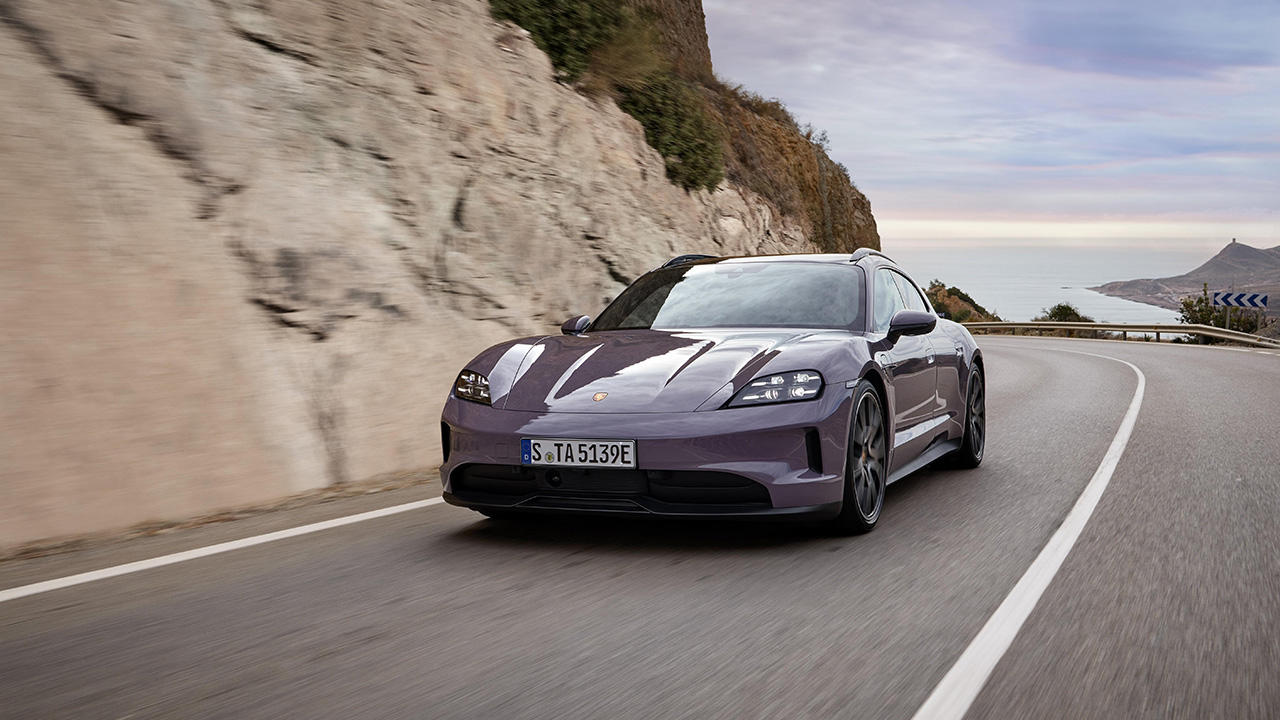
Porsche tested the refreshed 2025 Taycan through 2.2 million miles of development, including 186K miles in sub-zero temperatures, and it shows. The new model cut cold-weather charging times in half compared to the previous generation, addressing one of winter’s biggest EV frustrations.
The standard heat pump uses waste heat from the powertrain to efficiently warm the cabin, while the sophisticated thermal management system keeps the battery performing at peak levels even in Arctic conditions. Porsche’s engineers specifically optimized the battery for high power reserves at cold temperatures, meaning you get consistent performance regardless of weather. The perfectly balanced weight distribution from floor-mounted batteries gives the Taycan exceptional traction on slippery roads, and the dual-motor AWD models provide controlled, predictable handling that makes frozen commutes almost enjoyable.
Plus, it’s still a Porsche — which means it’s properly quick and handles like a sports car even when everything’s covered in ice.
BMW iX

The iX brings BMW’s decades of cold-weather expertise into the electric era with a sophisticated dual-motor xDrive AWD system that analyzes road conditions 100 times per second. That’s more computing power dedicated to not spinning out than most people need to run their entire home office.
The heat pump climate control cuts HVAC battery consumption by up to 30 percent in cold weather, helping maintain real-world range above 275 miles even when temperatures drop. With seven inches of ground clearance and staggered 20-inch tires, the iX can tackle moderate snow without complaint. The interior pampers you with heated and cooled seats, crystal glass accents, and enough technology to make you forget you’re dealing with winter at all.
BMW’s experience building all-wheel-drive vehicles that don’t slide into ditches really shines through here — the iX maintains composed, balanced handling across everything from packed snow to black ice.
Hyundai Kona Electric

The Kona Electric punches way above its weight class in winter, retaining 84 percent of its original EPA-estimated range at freezing temperatures. For a compact crossover, that’s genuinely impressive, and it’s all thanks to Hyundai’s attention to the details that matter in cold weather: heat pump, preconditioning, preheating, and heated surfaces throughout the cabin.
The all-new 2024 Kona Electric improves on an already solid foundation with more range, more power, and better tech. The compact footprint actually becomes an advantage in tight, snow-covered parking lots and narrow city streets where bigger EVs struggle. Despite the smaller size, you still get plenty of interior space and that elevated seating position that helps with visibility when roads get messy.
The Kona proves you don’t need a massive battery or six-figure price tag to get through winter confidently.
Chevrolet Equinox EV

The Equinox EV brings mainstream practicality to winter EV driving with up to 319 miles of range and a price point that won’t make your accountant weep. While it loses more range in cold weather than some competitors on this list, Chevy made up for it with refined handling, a comfortable ride, and enough space to haul your entire family and their winter gear without playing Tetris.
The available heated seats and heated steering wheel are essentials, not luxuries, and the massive 17.7-inch infotainment screen gives you plenty of real estate to monitor your range and plan charging stops. The Equinox EV’s relaxed driving character means you’re not fighting the car when roads get sketchy — it’s predictable, composed, and confidence-inspiring even when conditions deteriorate.
For families looking to go electric without breaking the bank or sacrificing winter capability, this Chevy delivers the goods.
Genesis GV70 Electrified

The GV70 Electrified brings Korean luxury and engineering to winter driving with an advanced multi-link AWD system that continuously adapts torque distribution and employs an electronically limited-slip differential for maximum grip. With up to 7.3 inches of ground clearance, this compact luxury SUV can power through surprisingly deep snow while keeping you wrapped in quilted Nappa leather and enough technology to rival a Tesla.
The 77.4 kilowatt-hour battery realistically delivers around 310 miles of cold-weather range, which is plenty for most winter adventures. The Vehicle-to-Load capability means you can run electrical gear for winter sports or emergency situations, turning your EV into a mobile power station. Genesis threw in heated and ventilated seats because comfort matters when you’re dealing with temperature swings from frigid mornings to surprisingly warm afternoons.
The GV70 Electrified proves that going electric doesn’t mean giving up luxury, even when Mother Nature’s in a bad mood.
Conclusion

Here’s the bottom line: the narrative that EVs can’t handle winter is about as outdated as worrying about running out of gas on a road trip. Modern electric vehicles pack heat pumps, advanced thermal management, instant torque vectoring, and battery preconditioning systems that make winter driving not just possible, but genuinely excellent.
Sure, you’ll lose some range when temperatures drop — but guess what, gas cars lose efficiency too, you just never noticed because you weren’t watching as closely. The EVs on this list prove that cold weather performance isn’t about brute force, it’s about smart engineering and thoughtful design. From the Ioniq 5’s insane range retention to the Taycan’s halved charging times to the Rivian’s dedicated Snow Mode, these vehicles show that the EV revolution isn’t stopping for winter: it’s embracing it.
So next time someone tells you EVs don’t work in cold weather, you can politely inform them they’re about a decade behind the times.