Ibiza is iconic, but it can feel like your wallet is the one doing the dancing. The good news is Spain has islands with the same wow factor minus the peak-season sticker shock. Think wild volcanic coastlines, quiet coves, pine forests, and seafood lunches that still cost less than a beach club lounger.
These picks are ideal for travelers who want beauty, atmosphere, and great swimming without the hype tax. Many of them stay calmer simply because they are less marketed, less built up, or better known to locals than influencers. Some are best for long weekends, others deserve a full week of slow exploring.
1. Menorca (Balearic Islands)
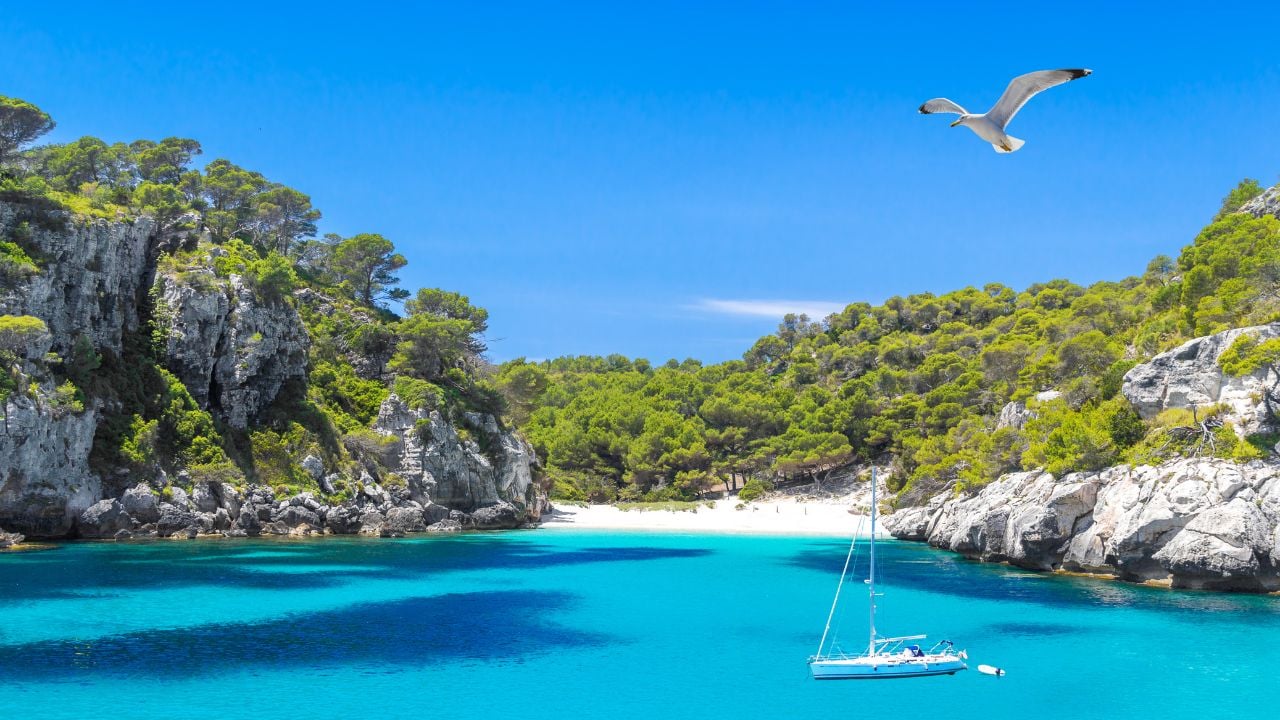
Menorca is Ibiza’s laid-back cousin, with pastel harbors, limestone coves, and water that looks photoshopped in real life. Ciutadella brings old-town charm, while Mahón gives you a big natural port and a more local feel. The island’s beaches often require a short walk, which helps keep the scene relaxed. For scenery, the Camí de Cavalls coastal trail ties it all together with cliff views and hidden swim spots.
To keep costs down, base yourself in a smaller town and do beach days with a cooler and simple snacks. Public buses cover many summer routes, and taxis are easier to budget when you plan a “one beach per day” rhythm. Evening plans can be as simple as a harbor stroll and a casual tapas dinner. Menorca rewards slow travel, and slow travel is usually cheaper.
2. La Palma (Canary Islands)
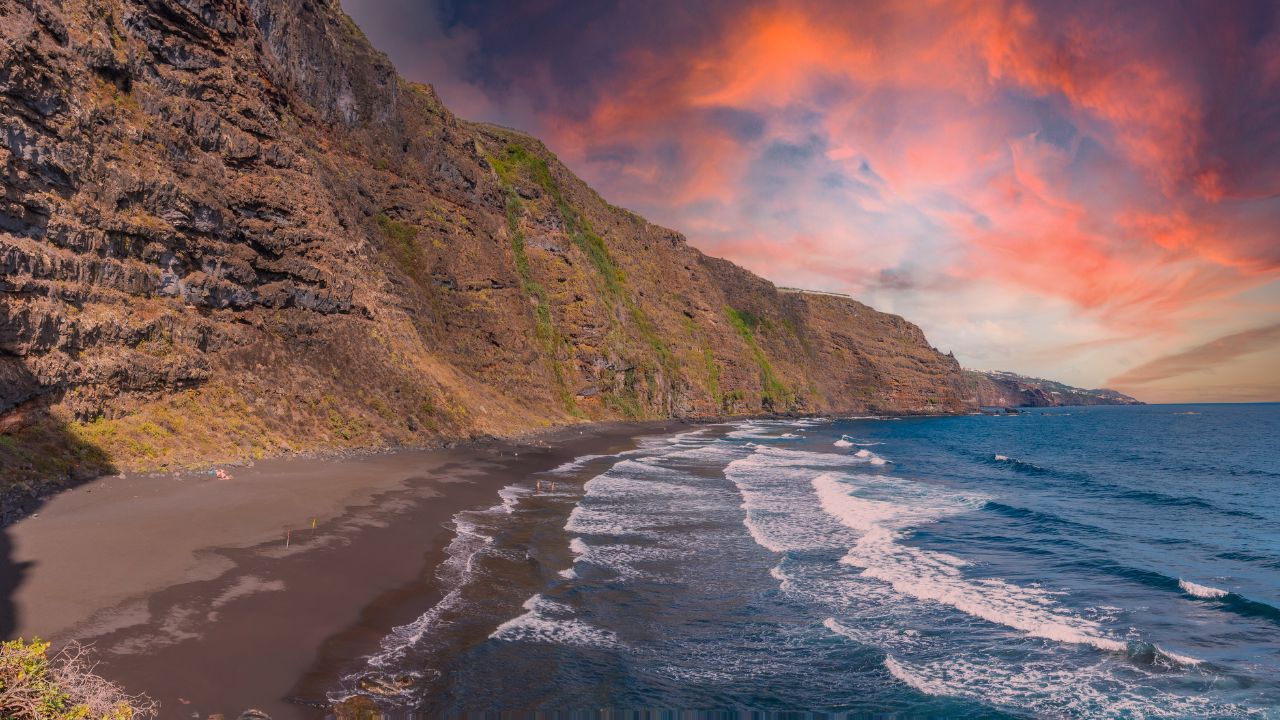
La Palma feels dramatic in the best way, with steep green slopes dropping into the Atlantic and black-sand beaches tucked between cliffs. It’s a strong pick if you like hiking, viewpoints, and nature that looks freshly invented. The high ridges deliver big panoramas, and the island’s towns stay pleasantly low-key. Even the drive between villages is part of the show.
Value is one of La Palma’s quiet superpowers, especially outside school-holiday peaks. Look for apartments with kitchens so breakfasts and a few dinners stay easy on the budget. Car rental helps you reach trailheads, but you can still do a lot from the main hubs with local transport and guided excursions. Nights here are made for lower-spend plans like sunset watching and stargazing.
3. El Hierro (Canary Islands)
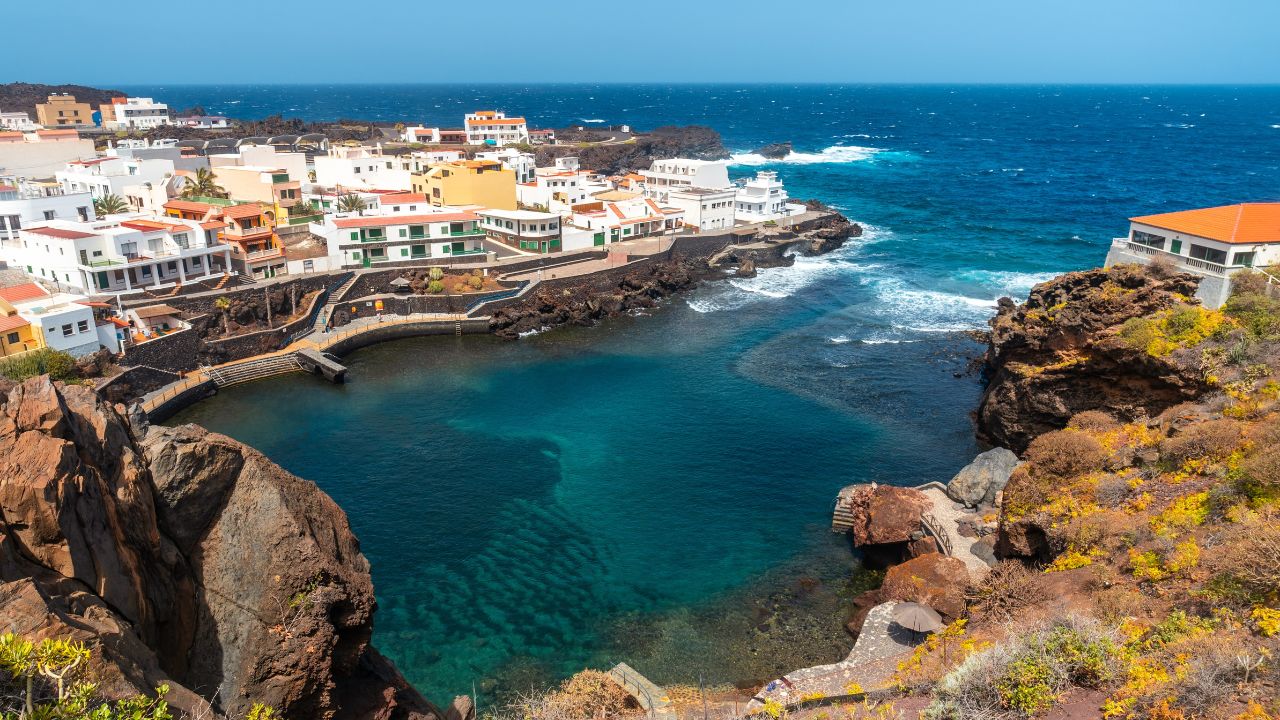
El Hierro is small, rugged, and blissfully short on crowds, with natural pools and volcanic scenery that keeps changing with every bend in the road. It’s famous among divers for clear water and marine life, but you do not need a wetsuit obsession to enjoy it. Viewpoints like Mirador de La Peña deliver the kind of landscape that makes you go quiet for a minute. This island runs on calm energy and fresh air.
Because tourism stays modest, prices can feel pleasantly reasonable compared to Spain’s flashier islands. Choose a simple guesthouse, rent a compact car, and plan your days around viewpoints, easy trails, and sea swims. Restaurants lean hearty and local, so you can eat well without turning dinner into a financial event. El Hierro is made for travelers who want beauty without background noise.
4. La Gomera (Canary Islands)
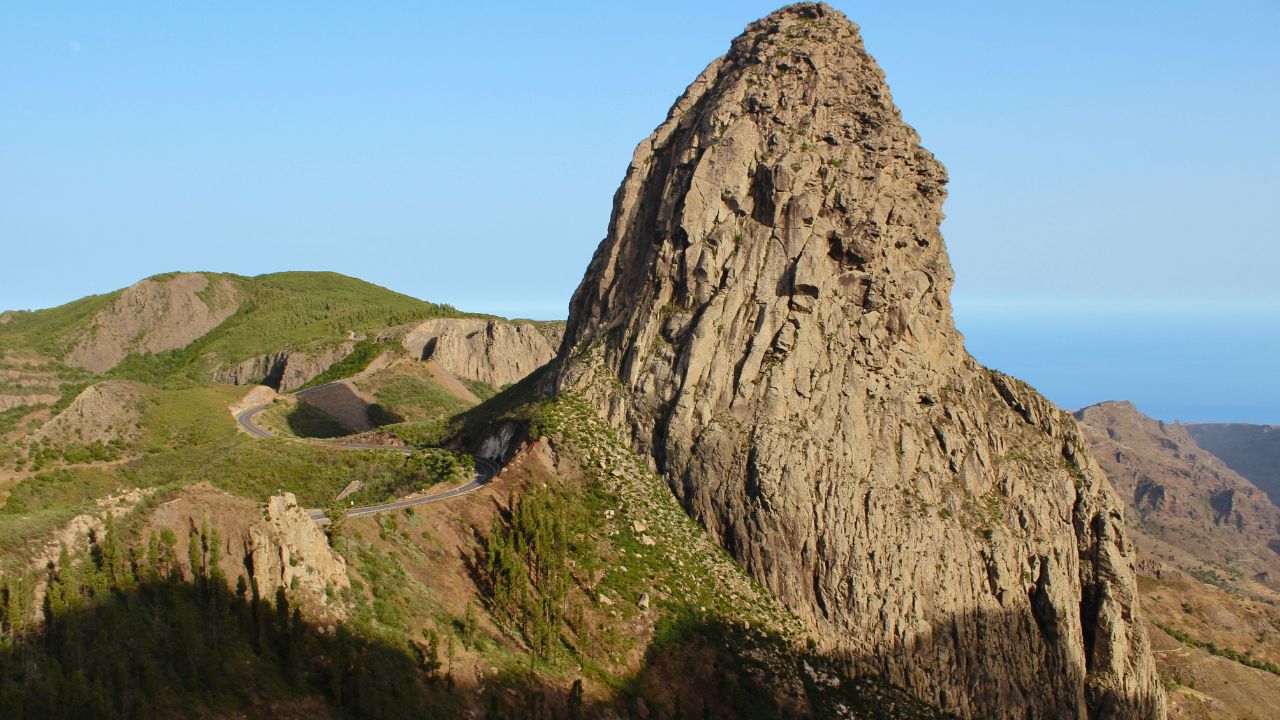
La Gomera is a green maze of ravines, palm groves, and misty forests, with villages that still feel rooted in daily island life. The hiking here is top-tier, especially in the laurel forests of Garajonay National Park. Valle Gran Rey is popular for its sunsets and relaxed beach days, while San Sebastián gives you a more historic base. It’s the kind of island where a short walk can turn into a full afternoon.
A budget-friendly approach is easy: pick a small apartment, shop local markets, and treat restaurants as a few special meals instead of every night. Ferries connect La Gomera to Tenerife, so it fits well into a two-island trip without extra flights. Buses work for key areas, and taxis become manageable when you cluster stops by zone. If you want “quiet but gorgeous,” La Gomera delivers.
5. Fuerteventura (Canary Islands)
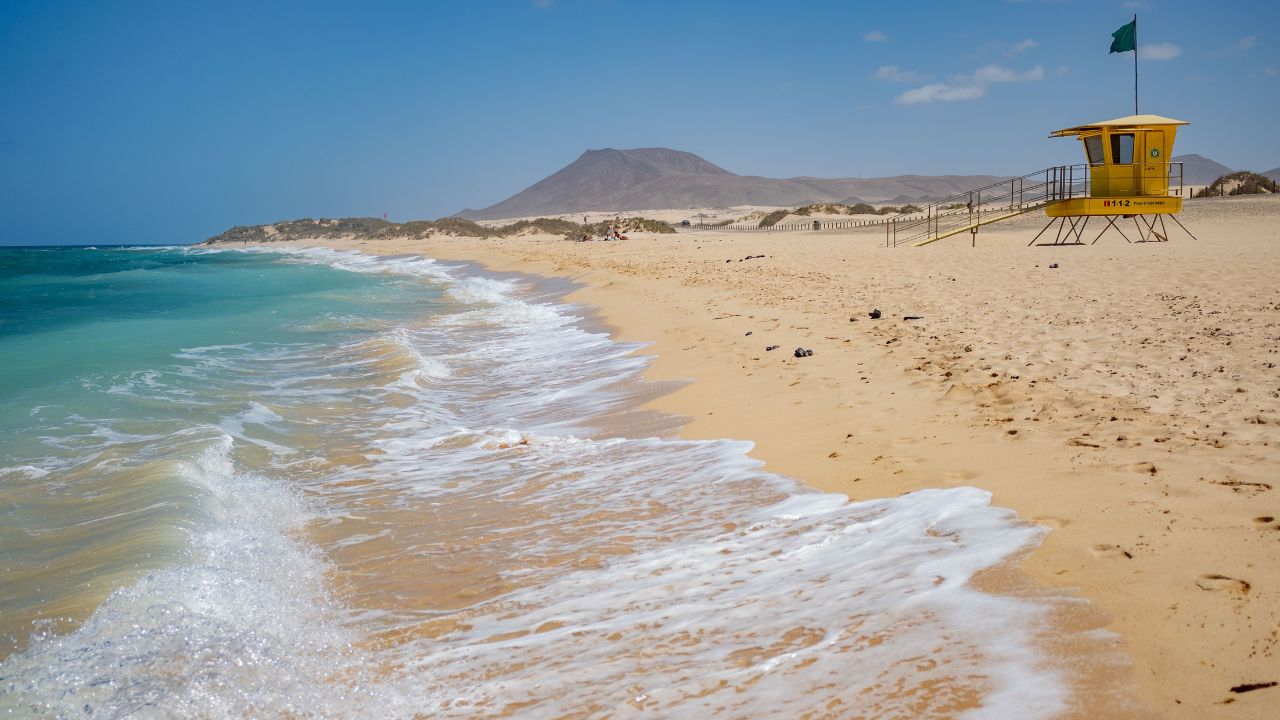
Fuerteventura is a beach lover’s playground, with long pale stretches, dunes, and turquoise shallows that go on forever. Corralejo brings the classic resort convenience, while the island’s quieter areas feel wide open and almost desert-like. The light here is unreal, especially late afternoon when the sand looks golden. If you like wind sports, this is one of Europe’s strongest picks.
It often comes out cheaper than party-heavy destinations because you can build simple days around nature. Book stays a bit back from the beachfront and walk or drive in for swim sessions. Stock up at supermarkets, then spend your money on one great seafood lunch instead of a pricey dining streak. The best entertainment is free: ocean views and endless space.
6. Lanzarote (Canary Islands)
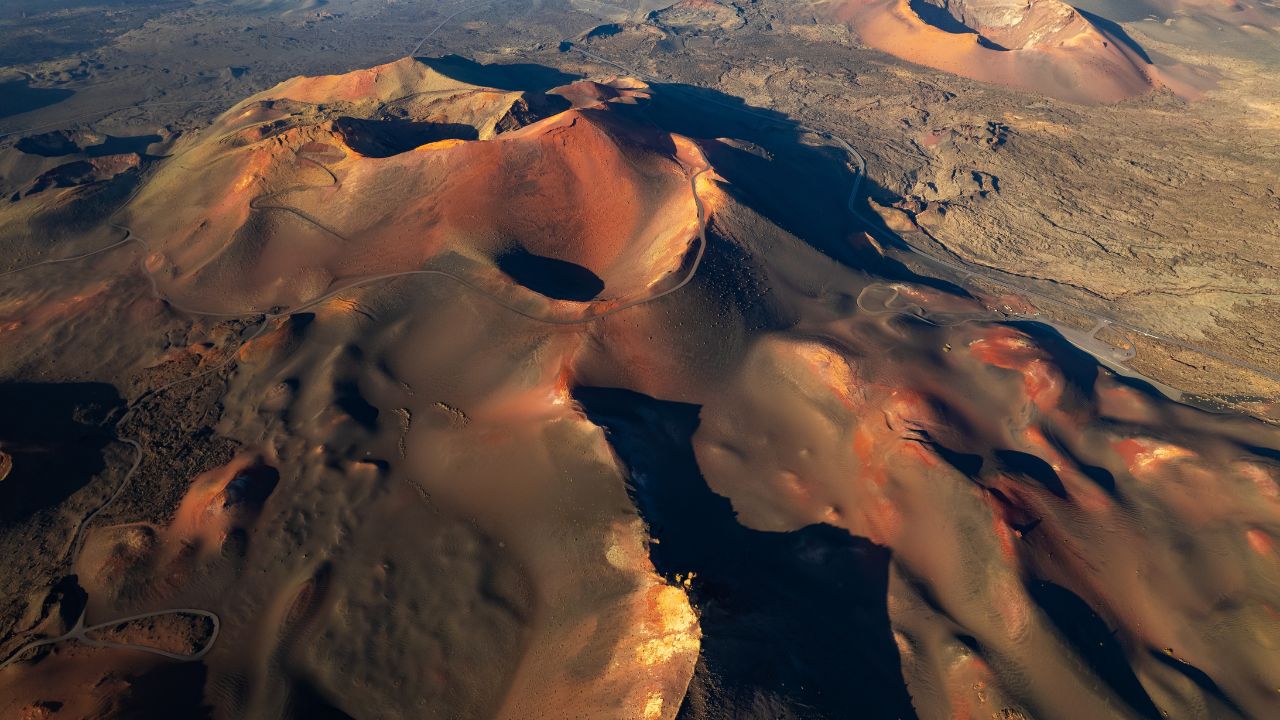
Lanzarote looks like another planet in the most cinematic way, with lava fields, black beaches, and volcanic hills rolling toward the sea. Timanfaya’s landscapes are the headline, but the charm keeps going in spots like the white village of Teguise or the coast near Papagayo. Art and architecture influenced by César Manrique give the island a clean, distinctive style. Even casual drives feel like a road trip through a sci-fi set.
For better deals, aim for smaller towns instead of the busiest resort strips. Many travelers save money by renting a car and doing self-planned beach hopping rather than day tours. Simple local restaurants are still a smart value here, especially if you order what the island does best: fish and classic Canarian sides. Lanzarote is proof that “stunning” does not have to mean expensive.
7. Gran Canaria (Canary Islands)
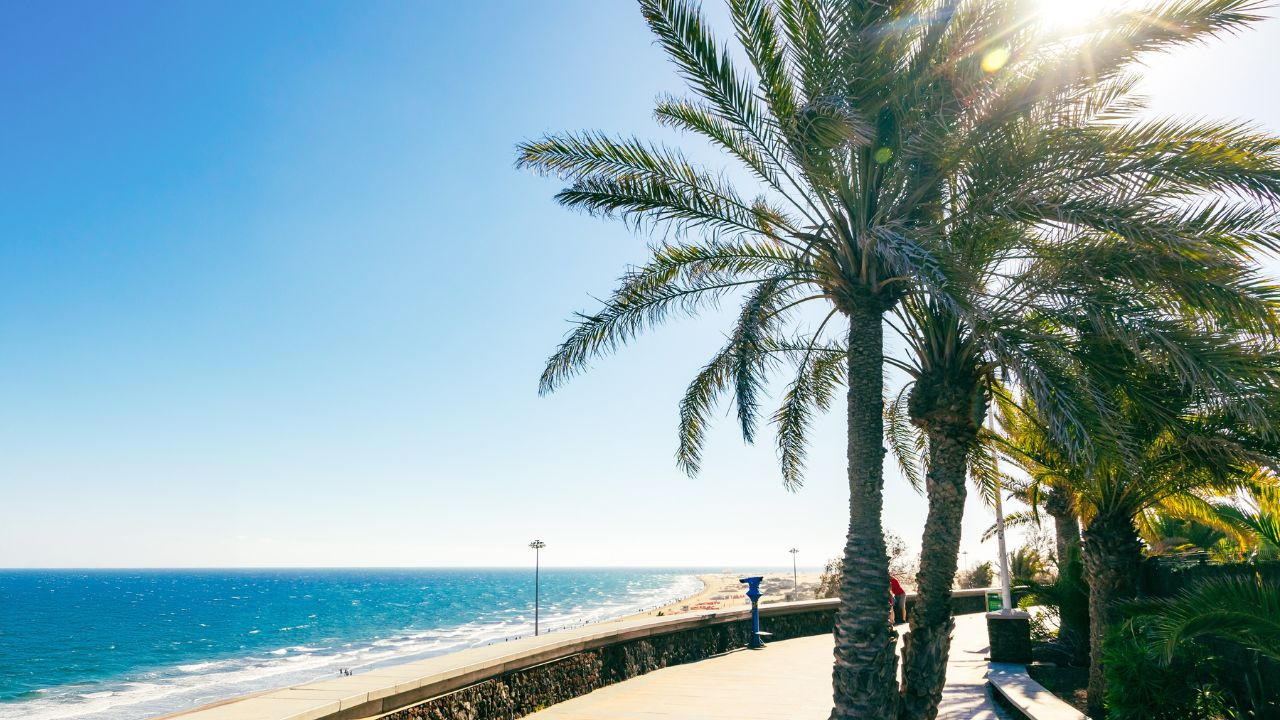
Gran Canaria is famous for variety, with beaches on one side and mountain villages on the other. Maspalomas is known for its dunes, while Las Palmas adds city energy, museums, and a strong food scene. Inland, roads climb into pine forests and viewpoints that feel worlds away from the coast. It’s one of the easiest islands for mixing relaxation with exploring.
Cost control is simple when you split your time between free outdoor days and a few city experiences. Stay near public transport in Las Palmas or a smaller coastal town, then do day trips with buses or shared tours. The island has plenty of casual eateries where you can eat well without paying “resort prices.” Gran Canaria is a choose-your-own-adventure island, and that flexibility helps your budget.
8. Tenerife (Canary Islands)
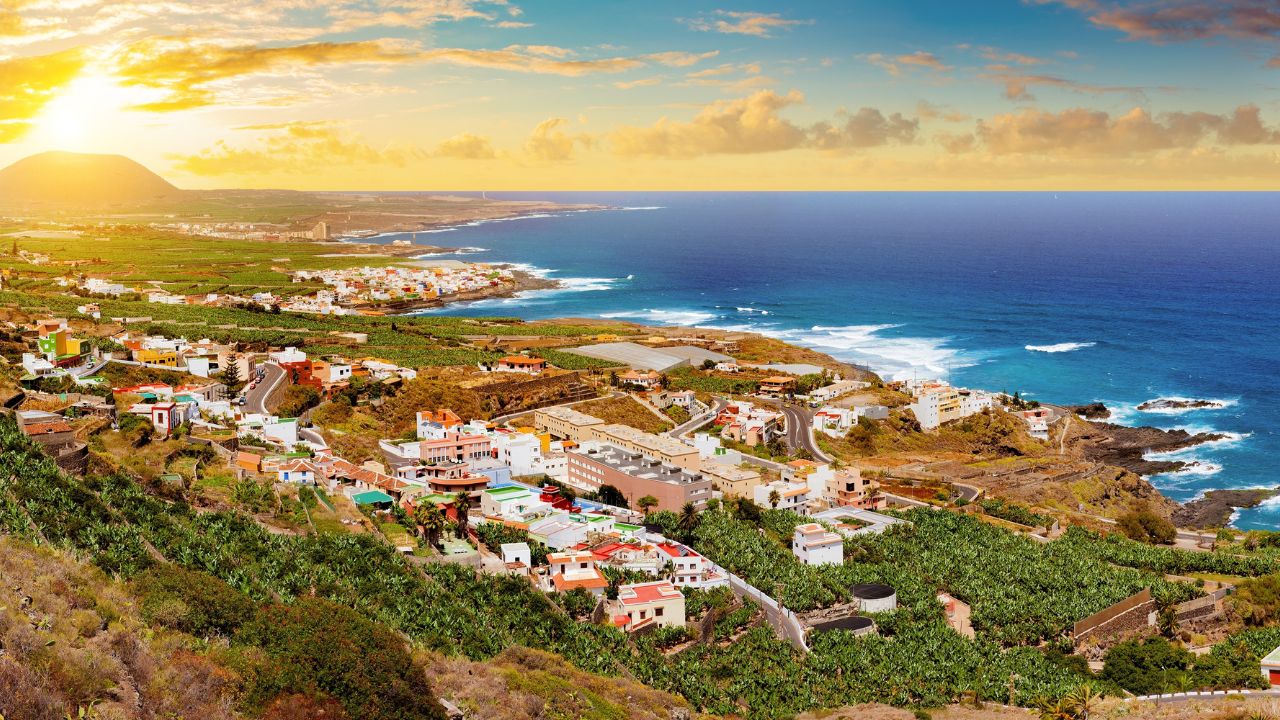
Tenerife is big, bold, and packed with contrasts, from beach towns to volcanic landscapes dominated by Mount Teide. The north has greener scenery and traditional towns, while the south leans sunnier and more resort-oriented. There are black-sand beaches, dramatic cliffs, and trails that give you huge views fast. It’s easy to see why it’s one of Spain’s most visited islands.
For lower-cost travel, focus on locally run stays and plan activities around hiking, viewpoints, and beaches rather than paid attractions every day. Eating like a resident helps too: small cafés, bakeries, and simple seafood spots often beat tourist menus. Tenerife also works well without a packed schedule, which keeps spending in check. The island rewards travelers who explore beyond the loudest strips.
9. Mallorca (Balearic Islands)
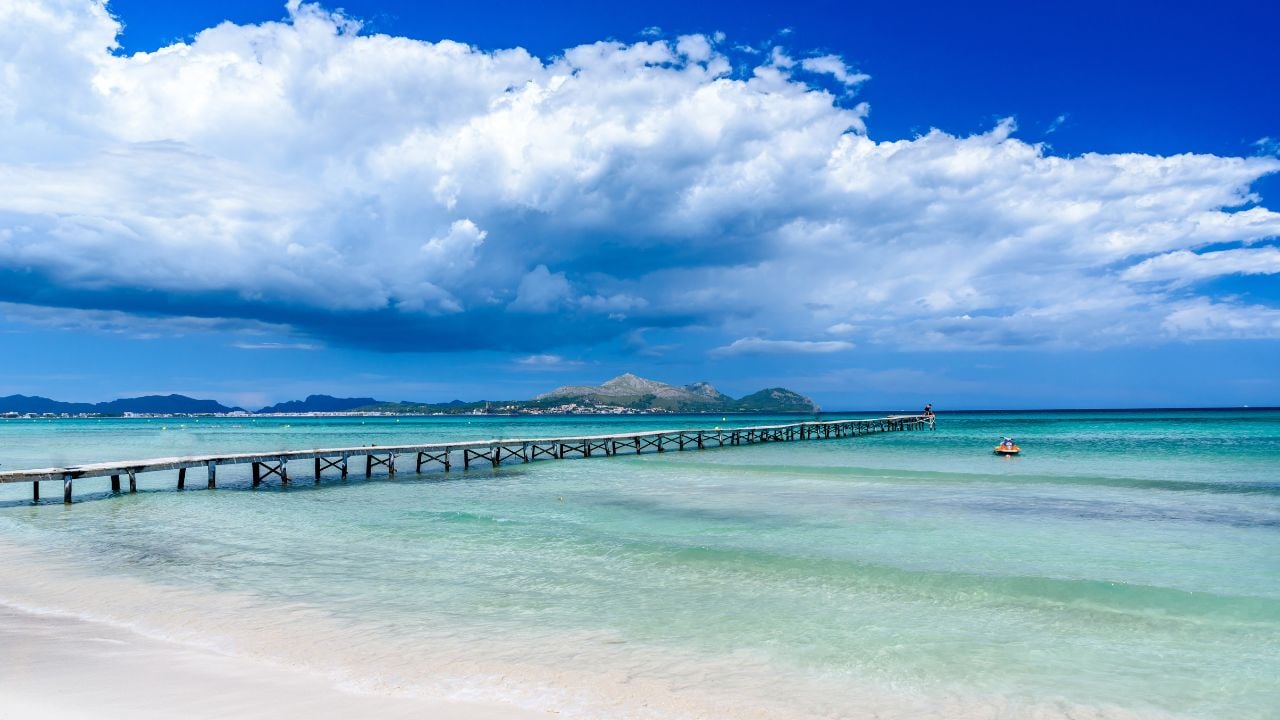
Mallorca has a glamorous reputation, but the island is huge and its best scenery is not limited to luxury pockets. The Serra de Tramuntana mountains bring winding roads, stone villages, and coastal viewpoints that feel epic. Towns like Sóller and Deià are beautiful even if you only pass through for a few hours. Away from peak hotspots, Mallorca can feel peaceful and surprisingly down to earth.
To spend less, base yourself inland where accommodation is often better value, then do day trips to the coast. Local bakeries and markets can cover breakfast and picnic lunches so you are not paying for every meal out. Public transport works well for popular routes, and a short car rental can handle the mountain days. Mallorca shines when you travel smart, not flashy.
10. Cabrera (Balearic Islands)
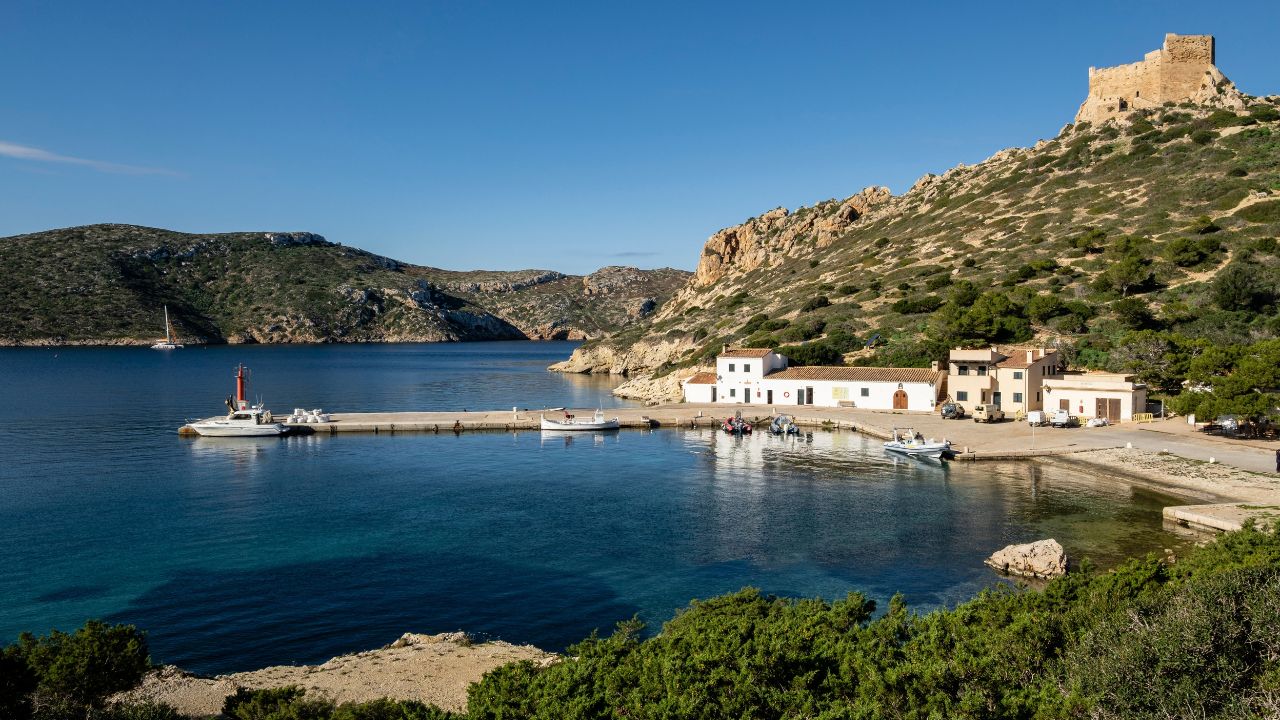
Cabrera is a protected island group south of Mallorca, known for wild coastlines, clear water, and a sense of “end of the map” calm. Most visitors come on day trips by boat, which keeps the island feeling pristine. The old fortress above the harbor adds a touch of history, and the swim stops are the real prize. If you want the Balearics without crowds, this is one of the best moves.
Because it’s typically a day trip, it can be a cost-friendly highlight instead of a full extra hotel stay. Bring water, sun protection, and anything you want for snacks, since options are limited. Book early in busy months, then treat the day as your “big nature splurge” while keeping the rest of the trip simple. Cabrera is a reset button in island form.
11. Sa Dragonera (Balearic Islands)
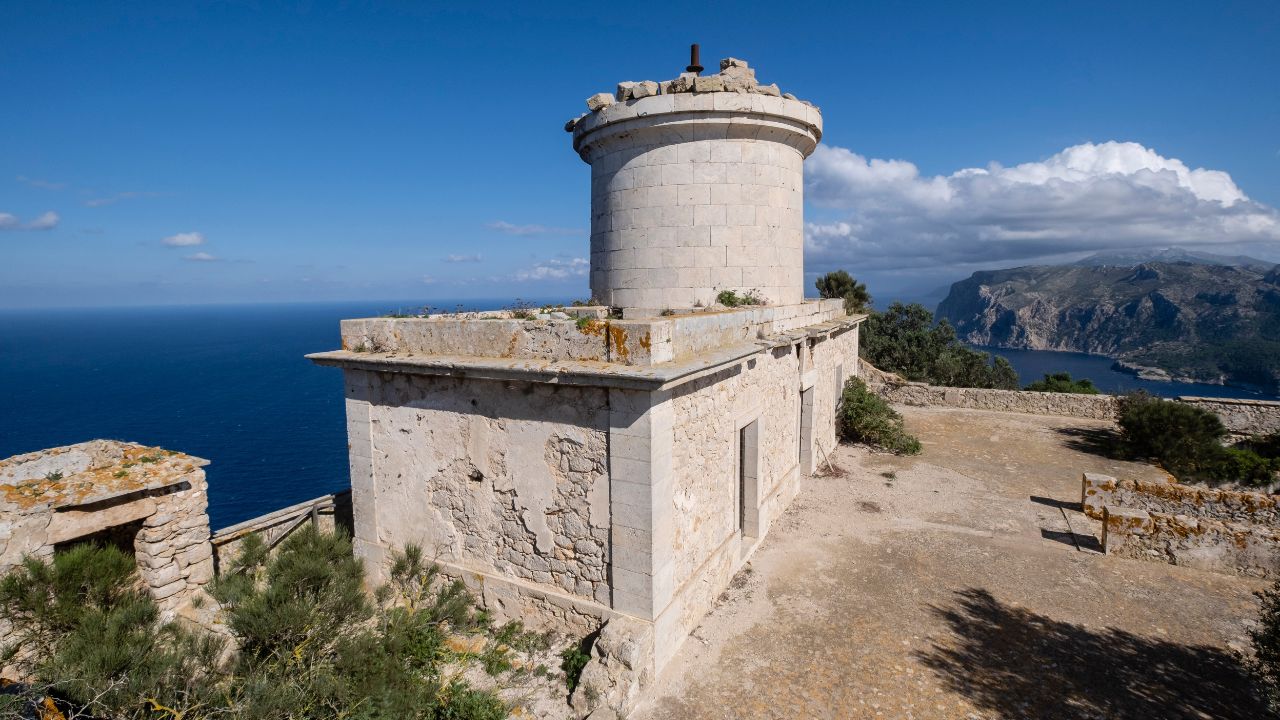
Sa Dragonera sits off Mallorca’s west coast, shaped like a sleeping dragon and packed with cliffs, trails, and sea views. It’s uninhabited and protected, so the atmosphere stays natural and quiet. The hike routes are short but rewarding, with lookout points that feel high above the Mediterranean. You will likely spot plenty of lizards and seabirds along the way.
This is another island that works perfectly as a low-cost day adventure. Ferries run from the Sant Elm area, and the main spending is transport plus whatever you bring with you. Pack lunch, take your time on the trails, and swim back on Mallorca afterward. It’s a simple plan with a big scenery payoff.
12. La Graciosa (Canary Islands)
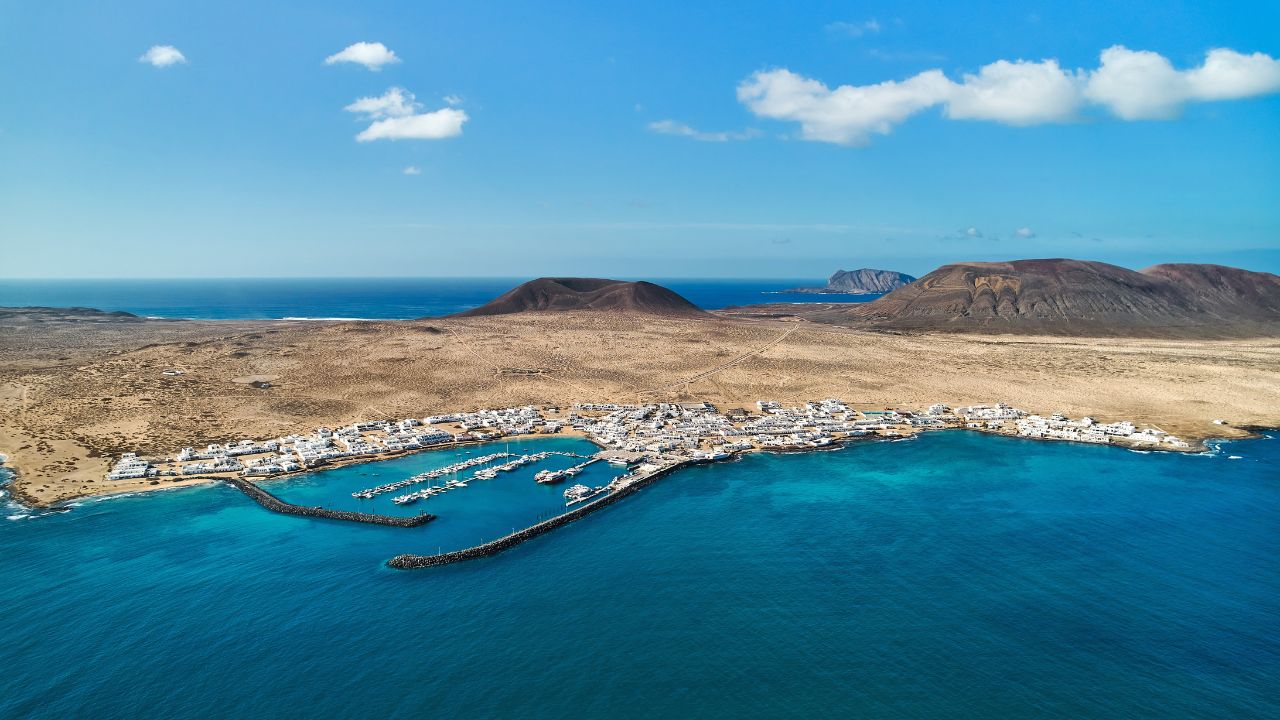
La Graciosa is a sandy, low-rise escape in the Chinijo Archipelago, with a desert-meets-ocean feel that looks unreal at golden hour. It’s often described as the “eighth Canary Island,” and it stays wonderfully low-key compared to its neighbors. The beaches are wide, the water is inviting, and the pace is intentionally slow. Even getting around feels different, with a more off-grid vibe than most mainstream islands.
It’s a great place to keep spending minimal because the best days here are simple: beach, swim, repeat. Many travelers visit via ferry from Lanzarote, making it an easy add-on without extra flights. Choose basic lodging, rent a bike, and spend your money on a few good meals rather than organized activities. La Graciosa is all about the scenery doing the heavy lifting.
13. Cíes Islands (Galicia)
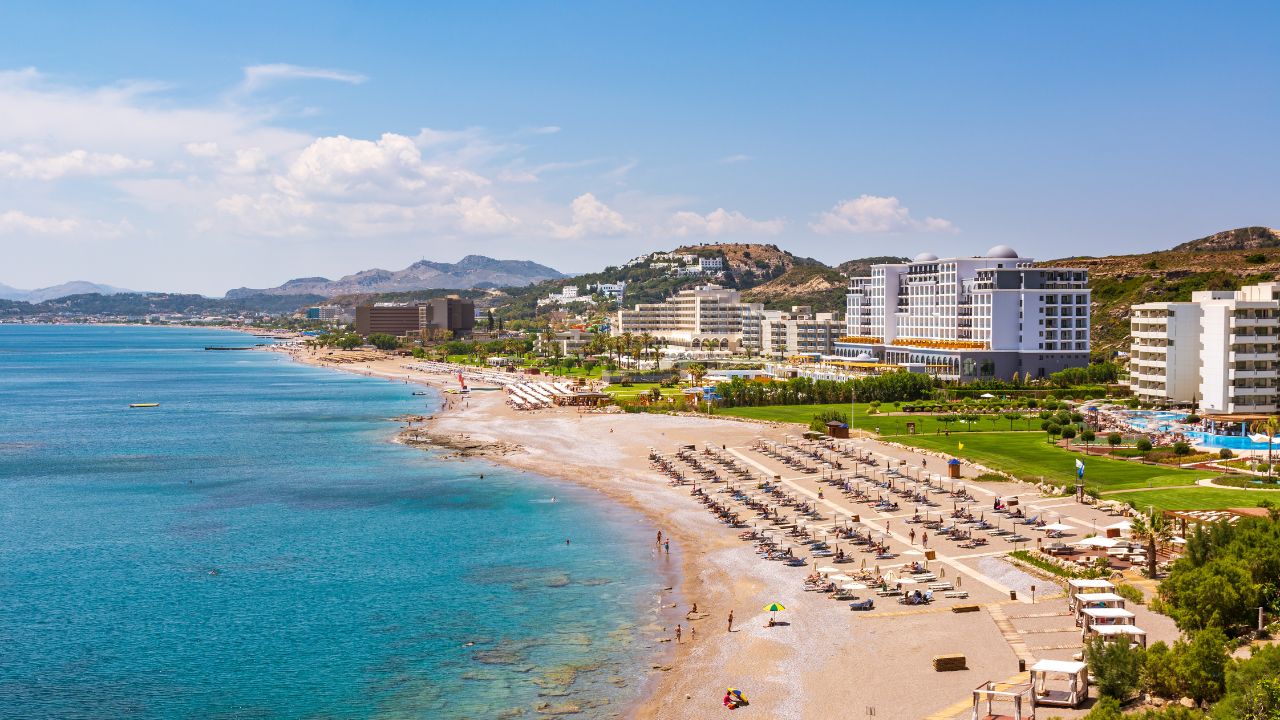
The Cíes Islands sit off the coast of Vigo in northwest Spain, with Atlantic-blue water and beaches that feel shockingly tropical on a sunny day. They are part of the Atlantic Islands of Galicia National Park, which helps keep the landscape protected and the experience more controlled. Trails lead to viewpoints with lighthouse scenes and wave-crash drama. The mood is wild and coastal, not clubby.
Because visitor numbers are limited, planning ahead matters more than spending big. Many people keep it affordable by making it a day trip from Vigo, then returning to city prices for dinner and lodging. Pack snacks and water so you are not reliant on limited services. This is one of Spain’s most beautiful “no-frills” island days.
14. Ons Island (Galicia)
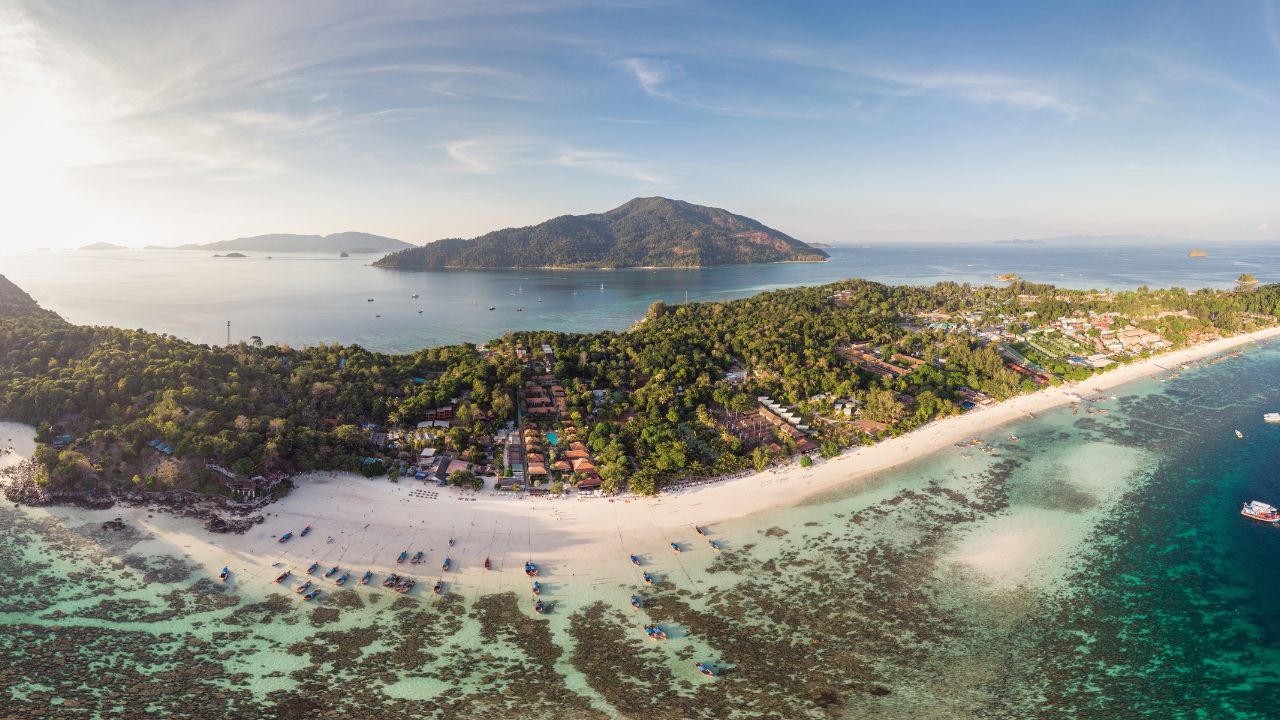
Ons is another gem in Galicia’s Atlantic Islands park system, with cliffs, sandy beaches, and hiking paths that feel raw and refreshing. It has a small community vibe, especially in the harbor area, but nature still dominates the experience. The coastline is dramatic, and the Atlantic air hits different than the Mediterranean. If you like quieter islands with real personality, Ons is a strong pick.
For a budget-friendly trip, treat it as a simple hiking and beach day with a few planned stops. Ferries run seasonally, so it fits nicely into a Galicia road trip without extra complexity. Camping is an option for travelers who want a more outdoorsy approach. Ons is ideal when you want scenery and silence, not nightlife.
15. Tabarca (Valencian Community)
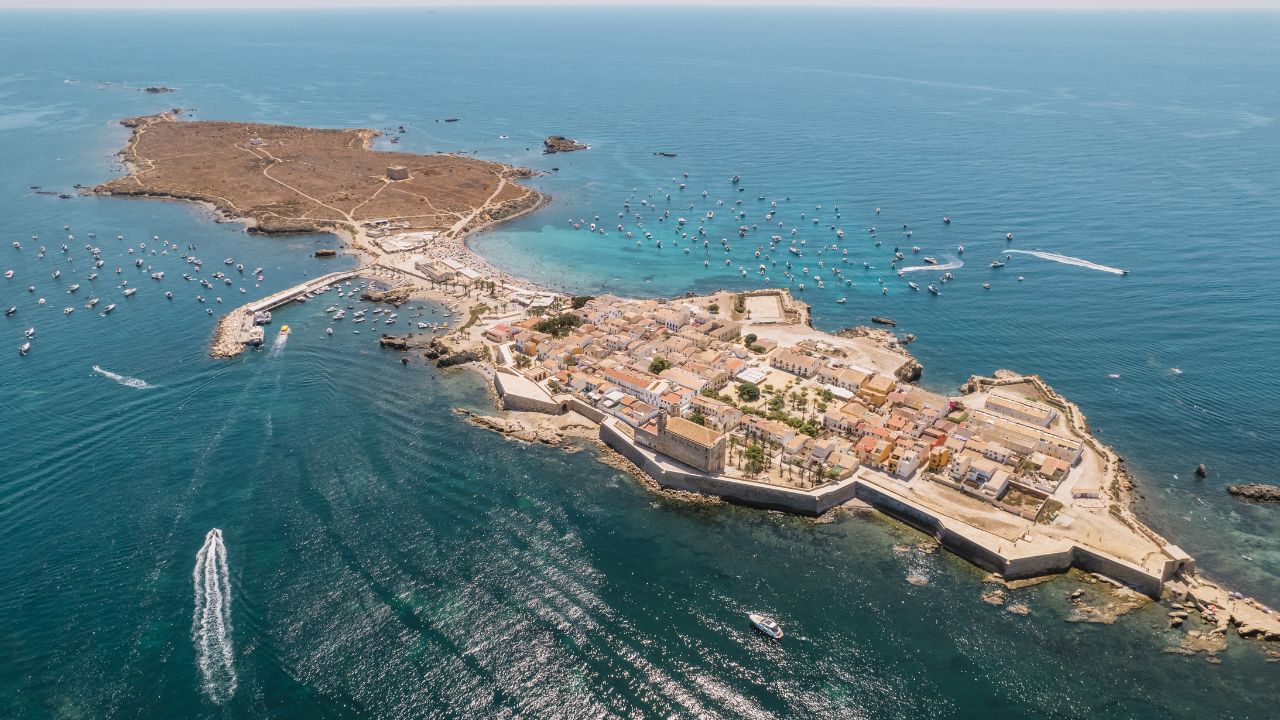
Tabarca is a tiny island off the coast near Alicante, known for clear swimming water and a compact, walkable settlement. It’s the only inhabited island in the Valencian Community, which makes it a fun “mini-island” experience without big logistics. Many visitors come for snorkeling, sun, and an easy day of wandering between small coves. The scale is small, but the color of the sea shows up loud.
This is one of the easiest ways to do an island day on a modest budget. Ferries run from the mainland, and you can keep costs low by visiting outside peak hours and bringing essentials with you. A simple plan works best: swim, explore the streets, grab a seafood lunch, and head back. Tabarca is proof that you do not need a long flight for island magic.