Prague has long been the crown jewel of Eastern Europe, celebrated for its fairy-tale skyline, historic bridges, and romantic streets. But its fame has also brought crowds, inflated prices, and a growing sense that the city now performs more for tourists than for itself. Meanwhile, across Eastern Europe, other cities have quietly preserved their beauty, culture, and authenticity without becoming overwhelmed. These places deliver richer experiences, deeper atmosphere, and often far better value.
From elegant capitals to under-the-radar cultural hubs, Eastern Europe is full of cities that rival, and in many ways surpass, Prague. They offer stunning architecture, vibrant local life, and history that feels lived-in rather than packaged. Here are the Eastern European cities that don’t just compete with Prague, they outshine it.
Budapest, Hungary

Budapest stretches grandly along the Danube, blending imperial elegance with raw urban energy. Its architecture rivals Prague’s in scale and beauty, but feels more expansive and less constrained by crowds. Thermal baths, dramatic bridges, and hilltop castles create a cityscape that feels cinematic at every turn. The city commands attention rather than politely asking for it.
What sets Budapest apart is atmosphere. The city feels alive day and night, with ruin bars, late-night cafés, and riverfront promenades full of locals. Tourism exists, but it hasn’t overtaken daily life. Neighborhoods still belong to residents.
Budapest also delivers value Prague no longer can. Dining, lodging, and entertainment remain affordable without sacrificing quality. The city feels confident, not overexposed. It’s a capital that still belongs to itself.
Kraków, Poland

Kraków rivals Prague in medieval charm but surpasses it in emotional depth and authenticity. Its old town remains beautifully preserved, yet it feels grounded rather than theatrical. Streets are busy with students, artists, and locals going about their lives. History here feels personal.
Unlike Prague, Kraków hasn’t turned its center into a theme park. Traditional restaurants, local bars, and independent shops still dominate the old city. Tourism blends rather than overwhelms. The balance feels natural.
Kraków’s power lies in restraint. Beauty isn’t oversold or exaggerated. It reveals itself gradually. The city trusts its past without exploiting it.
Tallinn, Estonia

Tallinn’s medieval old town feels like a storybook, but quieter, cleaner, and more lived-in than Prague’s. Stone walls, towers, and cobblestone streets remain remarkably intact. The city feels intimate rather than grandiose. Every corner feels intentional.
What truly sets Tallinn apart is contrast. Medieval streets sit alongside sleek modern neighborhoods, creating a city that respects history while embracing the future. Life here feels efficient and calm. There’s no sense of strain.
Tallinn offers Prague’s charm without its exhaustion. You can wander freely, pause without pressure, and absorb details without fighting crowds. The experience feels personal. That alone puts it ahead.
Ljubljana, Slovenia

Ljubljana feels like a city designed for humans rather than tourists. Its historic center is compact, elegant, and beautifully maintained. Riverfront cafés, pastel buildings, and castle views create effortless charm. The city feels breathable.
Unlike Prague, Ljubljana hasn’t been overcommercialized. The streets belong to locals, students, and families. Cultural events feel organic, not staged. The city moves at a relaxed but confident pace.
Ljubljana proves beauty doesn’t require spectacle. Its appeal lies in harmony, not drama. You don’t visit to tick boxes, you stay because it feels right.
Bucharest, Romania

Bucharest surprises with its scale, diversity, and raw character. Grand boulevards, Belle Époque buildings, and stark communist architecture coexist in a way Prague never attempts. The city feels complex and unapologetic. Beauty here is layered.
Life in Bucharest feels authentic and unfiltered. Cafés, markets, and neighborhoods pulse with local energy. Tourism hasn’t reshaped the city’s personality. What you see is what it is.
Bucharest doesn’t try to charm, it challenges. That honesty gives it depth Prague increasingly lacks. The city feels alive, not curated.
Riga, Latvia

Riga boasts one of Europe’s finest collections of Art Nouveau architecture, rivaling any capital on the continent. Entire districts feel like open-air museums, yet remain residential and functional. The city feels elegant without being precious. Beauty here feels effortless.
The historic center remains active rather than performative. Locals live, work, and socialize in the same spaces visitors explore. The rhythm feels balanced. Tourism hasn’t rewritten the city’s identity.
Riga surpasses Prague through consistency. Its beauty isn’t confined to a single old town. It stretches outward, rewarding exploration. The city feels generous rather than guarded.
Sofia, Bulgaria

Sofia layers Roman ruins, Orthodox churches, Ottoman influences, and socialist architecture into one cohesive whole. The city’s history is visible at street level, often beneath your feet. Nothing feels staged. The past feels exposed.
Life here is relaxed and grounded. Cafés sit beside ancient ruins, and neighborhoods remain deeply local. Tourism remains secondary to daily life. The city feels honest.
Sofia’s appeal lies in authenticity. It doesn’t rely on postcard views. It invites curiosity. That depth makes it more rewarding than Prague’s polished surface.
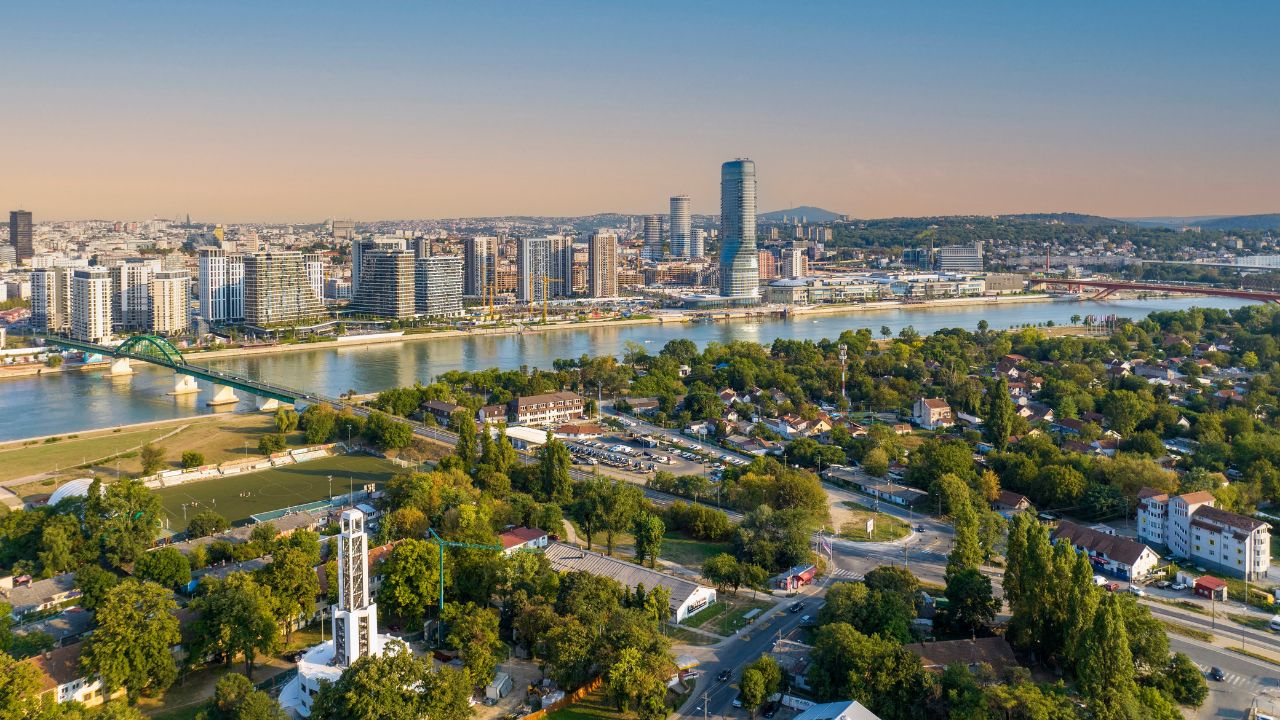
Belgrade, Serbia

Belgrade thrives on energy, attitude, and cultural confidence. Its riverfront, fortresses, and historic districts feel powerful rather than decorative. The city doesn’t pause for visitors. It keeps moving.
Nightlife, music, and social life define Belgrade more than monuments. Locals shape the experience. The city feels unapologetically itself. Tourism adapts, not the other way around.
Belgrade beats Prague by refusing to freeze in time. It embraces the present fully. That vitality is impossible to fake. The city feels real.
Lviv, Ukraine

Lviv blends Central European elegance with Eastern resilience, creating a city that feels both refined and soulful. Its historic center is beautifully preserved but remains deeply functional. Cafés, bookshops, and markets feel local. The city breathes culture.
Unlike Prague, Lviv hasn’t surrendered its old town to mass tourism. Traditions remain intact, and local life dominates public spaces. The atmosphere feels intimate and sincere. Nothing feels performative.
Lviv’s strength is emotional connection. The city invites engagement rather than admiration from afar. It leaves a lasting impression. Beauty here feels meaningful.
Vilnius, Lithuania

Vilnius feels effortlessly elegant, with a historic center that blends Gothic, Baroque, and Renaissance styles without feeling overcrowded. Its old town is one of the largest in Europe, yet it remains calm and walkable. Streets curve naturally, revealing courtyards, churches, and hidden viewpoints that feel undiscovered. The city rewards slow exploration.
Unlike Prague, Vilnius doesn’t funnel visitors into a single visual narrative. Different neighborhoods offer distinct atmospheres, from bohemian to refined. Local life remains dominant, giving the city authenticity. Tourism feels secondary.
Vilnius surpasses Prague through openness. There’s space to breathe, linger, and engage. Beauty isn’t concentrated, it’s dispersed. The city feels generous rather than guarded.
Timișoara, Romania

Timișoara surprises with its elegance and calm confidence. Grand squares, pastel façades, and leafy boulevards create a refined atmosphere without spectacle. The city feels polished but unpretentious. Its beauty unfolds gradually.
Daily life here feels balanced and local. Cafés, markets, and cultural spaces are designed for residents, not visitors. The historic center remains functional and social. Nothing feels staged.
Timișoara beats Prague by avoiding overexposure. It doesn’t sell its charm aggressively. The city trusts its own rhythm. That restraint makes it memorable.
Cluj-Napoca, Romania

Cluj-Napoca blends historic charm with youthful energy, driven by one of Eastern Europe’s strongest university cultures. Medieval streets coexist with vibrant cafés, galleries, and public spaces. The city feels alive rather than preserved. Culture here is active.
Unlike Prague’s heavily touristed center, Cluj’s historic areas remain social hubs for locals. Students, artists, and families share the same streets. The atmosphere feels inclusive and dynamic. The city belongs to its people.
Cluj surpasses Prague through relevance. It doesn’t rely solely on history. It builds on it. The result is a city that feels current, confident, and compelling.
Brasov, Romania

Brasov sits dramatically beneath the Carpathian Mountains, offering scenery Prague simply can’t match. Its medieval center feels compact and welcoming, framed by forested hills. The setting alone elevates the experience. Nature and history coexist seamlessly.
Life in Brasov moves at a relaxed pace. Locals dominate public spaces, and tourism feels seasonal rather than constant. The city retains a sense of calm even during busy periods. Balance defines the atmosphere.
Brasov outshines Prague through setting and serenity. The mountains shape mood and movement. Beauty here feels grounded and restorative. It leaves space for reflection.
Gdańsk, Poland

Gdańsk offers colorful architecture, maritime history, and a powerful sense of place shaped by centuries of trade and resilience. Its rebuilt old town feels cohesive rather than artificial. Streets lead naturally toward the waterfront. The city feels purposeful.
Unlike Prague’s static beauty, Gdańsk feels narrative-driven. History is layered and complex, visible in buildings and public spaces. The city invites understanding, not just admiration. Tourism hasn’t flattened its identity.
Gdańsk surpasses Prague by telling a deeper story. Beauty here feels earned. The city engages intellect as much as emotion. That depth lingers.
Novi Sad, Serbia

Novi Sad blends elegance with ease, offering grand architecture without intensity. The city’s historic center feels open and approachable. Streets encourage wandering rather than directing movement. The atmosphere feels welcoming.
Life here revolves around community and culture. Cafés, festivals, and public gatherings feel genuinely local. Tourism integrates naturally. The city doesn’t perform.
Novi Sad beats Prague through warmth. It feels human-scaled and unpretentious. Beauty here feels accessible. That comfort makes it memorable.
Sibiu, Romania
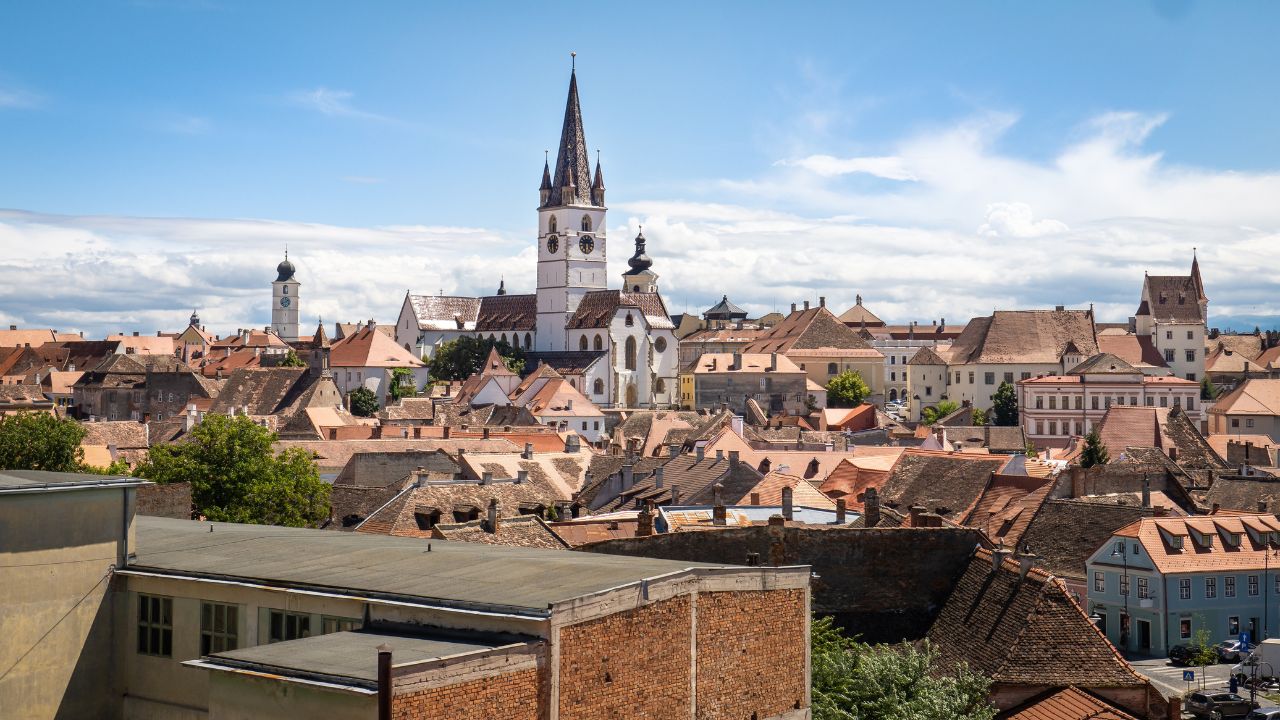
Sibiu’s old town feels carefully preserved yet deeply lived-in. Colorful houses, wide squares, and iconic rooftops give the city a distinctive personality. The layout feels logical and calm. Everything feels intentional.
Unlike Prague’s crowded center, Sibiu remains serene. Locals use public spaces freely, and festivals feel community-driven. Tourism supports rather than dominates. The balance feels rare.
Sibiu surpasses Prague through cohesion. Nothing feels excessive. The city feels complete. Beauty here feels settled.
Skopje (Old Bazaar), North Macedonia
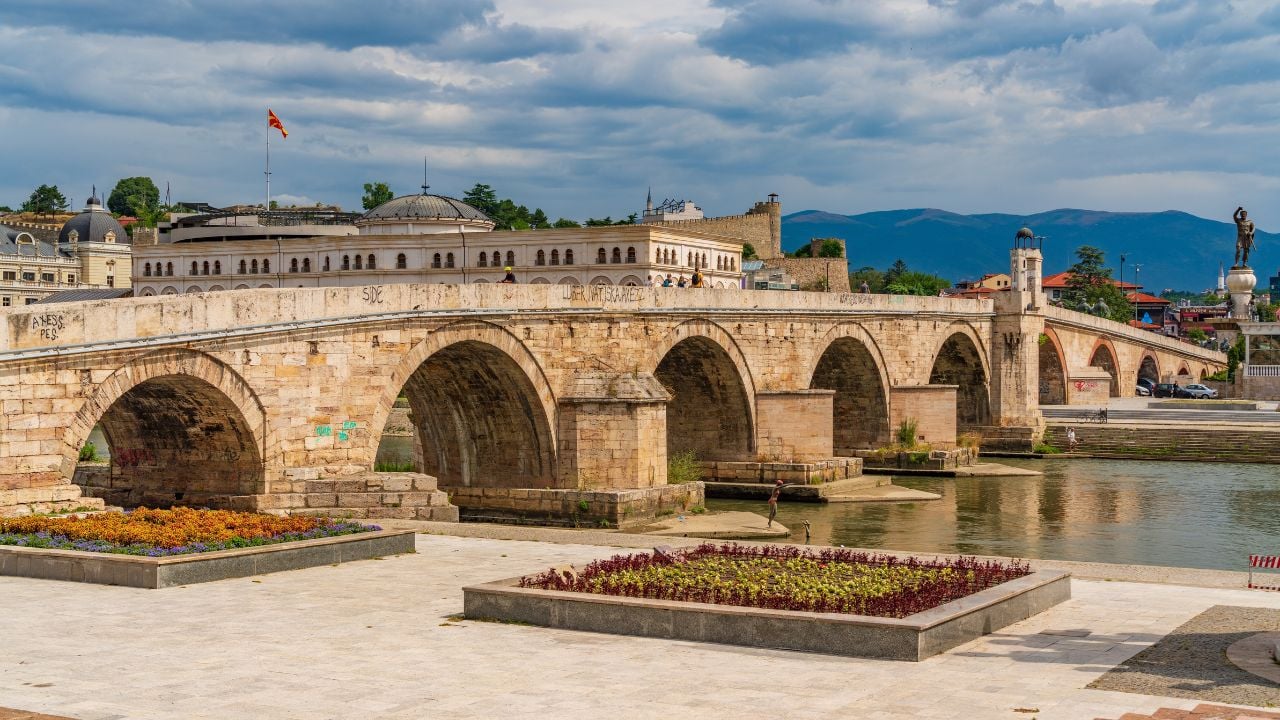
Skopje’s Old Bazaar offers a historical experience Prague can’t replicate. Ottoman-era streets, workshops, and markets remain active and authentic. The atmosphere feels layered and multicultural. History here feels alive.
Life in the Old Bazaar remains rooted in tradition. Crafts, food, and social rituals continue uninterrupted. Tourism adapts to local life, not the reverse. The experience feels immersive.
Skopje beats Prague through cultural depth. The city doesn’t simplify its past. It embraces complexity. That richness feels powerful.
Sarajevo, Bosnia and Herzegovina

Sarajevo blends East and West with unmatched emotional depth. Ottoman streets, Austro-Hungarian architecture, and modern life intersect seamlessly. The city feels intimate yet historically vast. Every walk tells a story.
Life here feels sincere and communal. Cafés and streets encourage conversation and reflection. Tourism remains respectful. The city retains its soul.
Sarajevo surpasses Prague through humanity. Beauty here isn’t polished, it’s felt. The city connects deeply. That resonance stays long after you leave.