The automotive world has always had its mavericks, the vehicles that made engineers scratch their heads and accountants reach for antacids.
These weren’t cars that played it safe or followed the established formulas. They were the ones that showed up to the party wearing something completely different, and somehow made it work. From radical engineering solutions to designs that looked like they came from another planet, these classics proved that breaking the rules sometimes creates legends.
These cars rewrote the playbook and earned their place in automotive history by refusing to color inside the lines.
1948 Tucker 48: The Car That Threatened Detroit
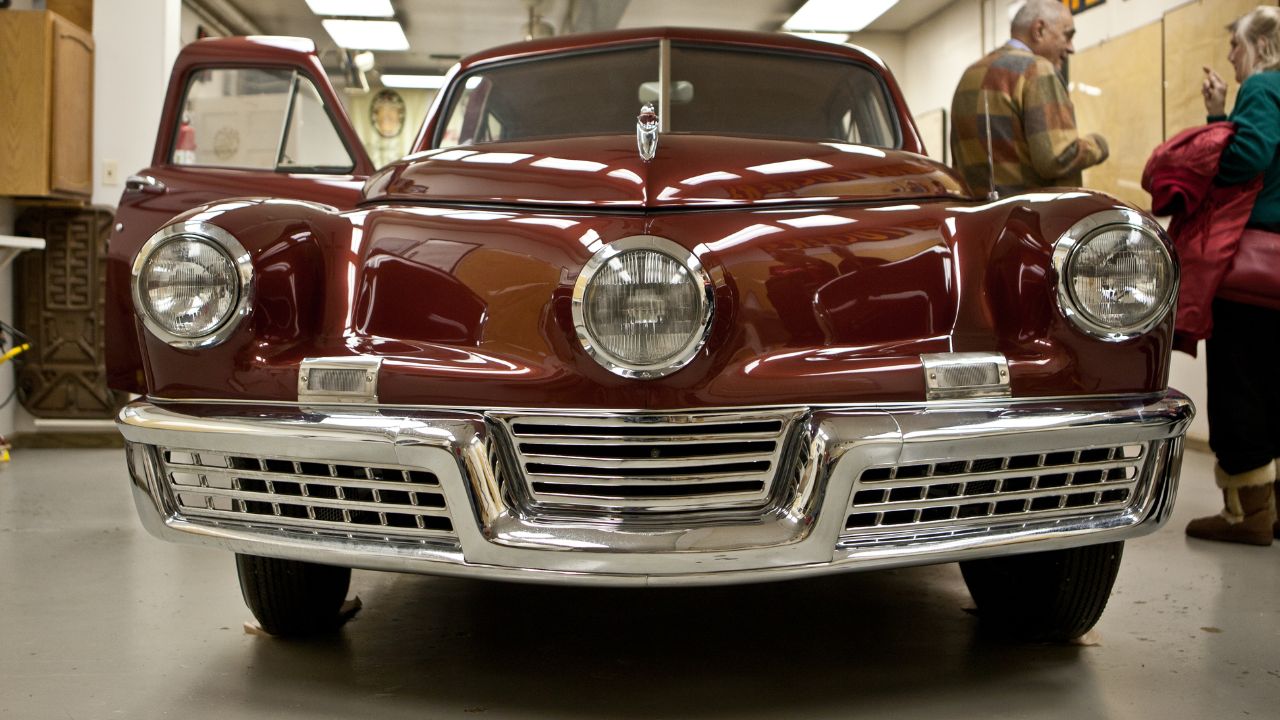
Preston Tucker’s dream machine packed more innovation into one vehicle than most manufacturers managed in a decade.
With a rear-mounted flat-six engine, a padded dashboard, and a center-mounted headlight that turned with the steering wheel. Tucker also evaluated/advertised ideas like disc brakes and fuel injection, but they did not make it onto the final production cars and a center-mounted headlight that turned with the steering wheel, the Tucker 48 was genuinely decades ahead of its time. A total of 50 were completed, with a 51st partially completed before the company collapsed under suspicious circumstances that have fueled conspiracy theories ever since. Period accounts often cite a ~120 mph top-speed capability/claim when most American sedans were happy to see 80, and its safety features wouldn’t become industry standard until the 1960s.
Today, these survivors are worth millions, a testament to what happens when someone actually tries to build tomorrow’s car today.
1955 Citroën DS: French Engineering Goes to Space
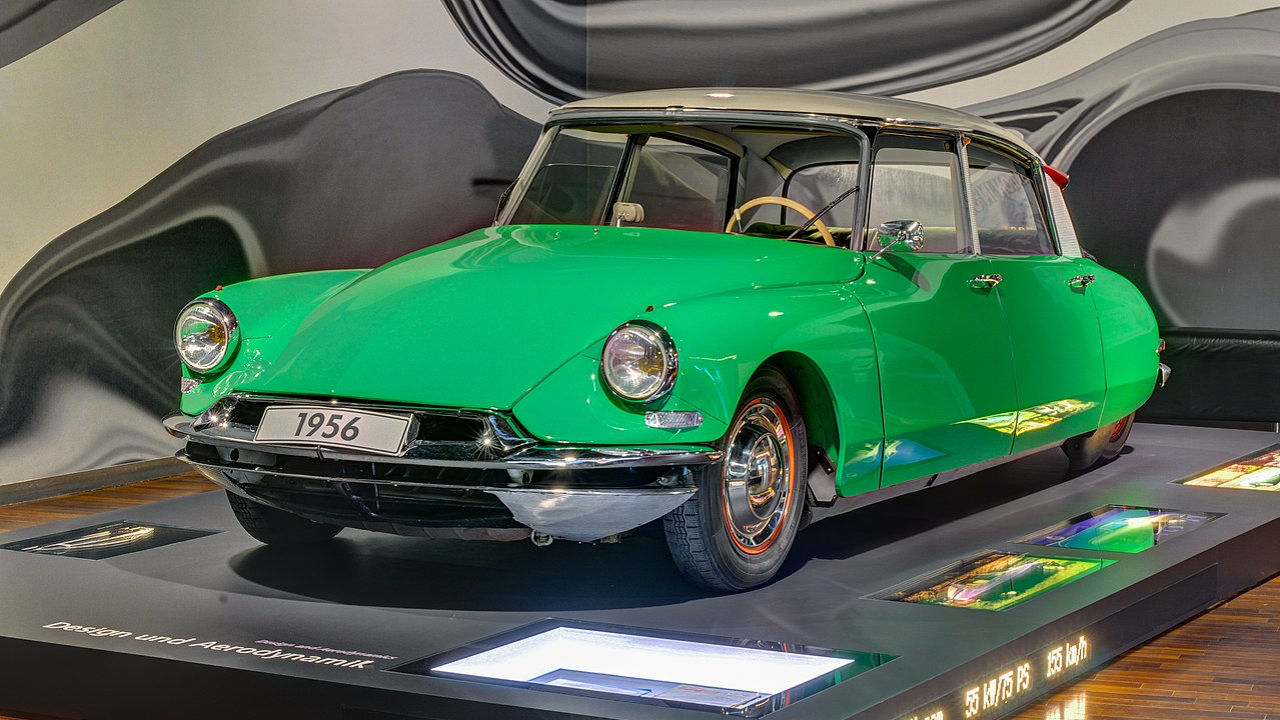
The DS landed in 1955 looking like it had been beamed down from 1975, and under that aerodynamic skin was technology that made contemporary cars look positively medieval.
Hydropneumatic self-leveling suspension, semi-automatic transmission, power steering, and front disc brakes were just the opening act. The single-spoke steering wheel and spaceship dashboard created an interior unlike anything else on the road, while the fiberglass roof kept weight down decades before it became fashionable. It could drive on three wheels if a tire blew out, and the hydraulic system could even power the brakes and clutch.
Maintaining one today requires a French-speaking mechanic and possibly a degree in hydraulic engineering, but that otherworldly ride quality makes believers out of anyone who experiences it.
1959 BMC Mini: The Blueprint for Every Small Car Since
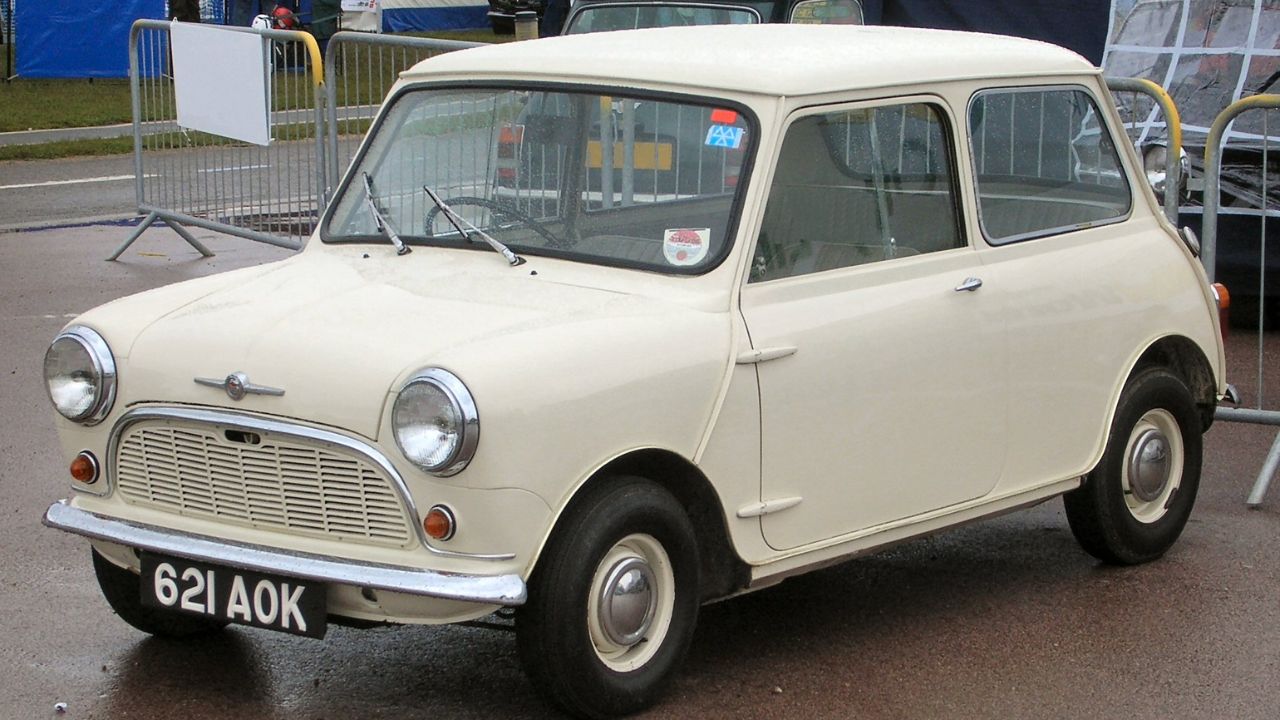
Alec Issigonis took the conventional wisdom about small car design and tossed it straight into the Thames.
By mounting the engine sideways and putting the gearbox underneath it, he created a car that was just ten feet long but could seat four adults comfortably with room for luggage. The wheels were pushed to the absolute corners, giving it handling that embarrassed sports cars twice its price, and those tiny ten-inch wheels became its calling card. Racing legend John Cooper saw the potential immediately, and the resulting Mini Cooper S became a giant-killer that won the Monte Carlo Rally three times.
More than five million were built over four decades, and every front-wheel-drive hatchback you see today owes its packaging to Issigonis’s radical thinking.
1963 Chevrolet Corvette Sting Ray: America’s First Real Sports Car
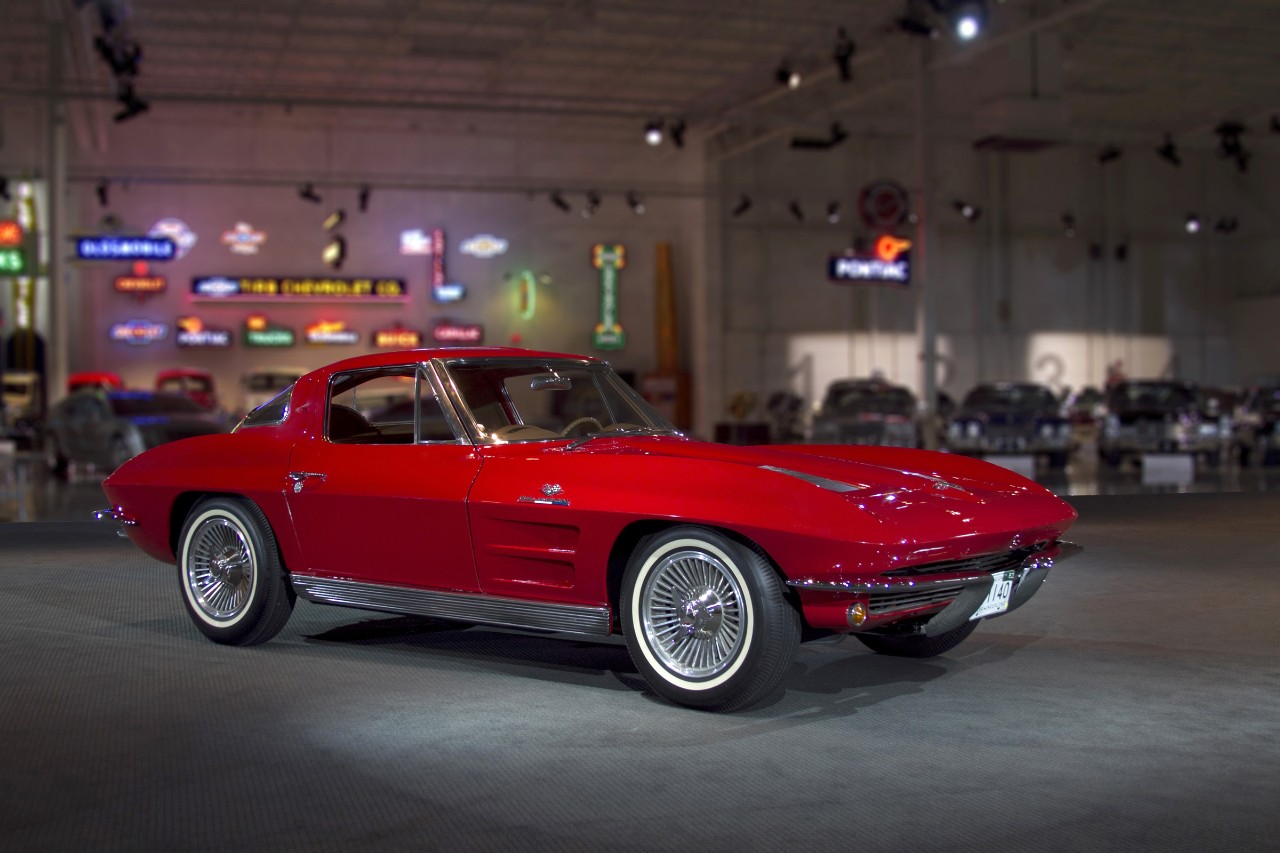
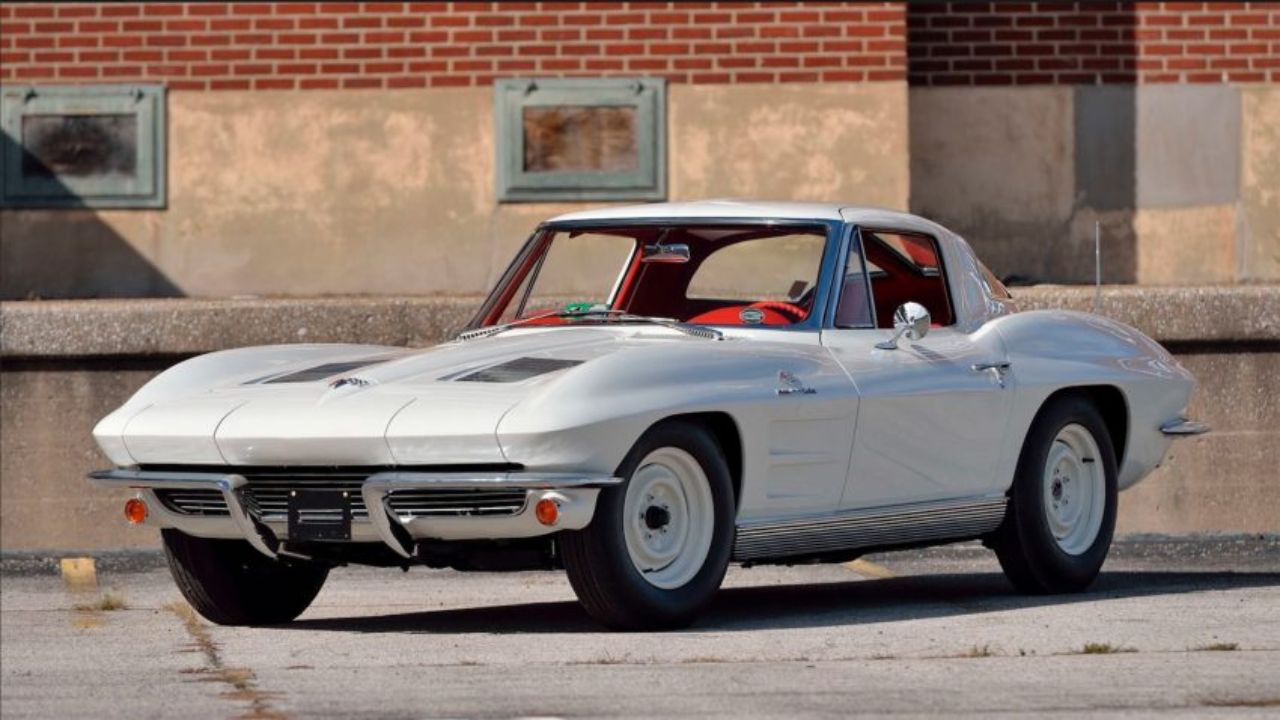
The C2 Corvette showed up with that split rear window and curves that looked like they’d been carved by the wind itself, but the real revolution was underneath.
Independent rear suspension finally gave America’s sports car the handling to match its looks, while the available fuel-injected 327 small-block delivered 360 horsepower in an era when that was serious business. The hidden headlights, pointy front end, and those simulated side vents created a design so distinctive that enthusiasts still debate whether the ’63 split-window or the later models look better. You could order it with a four-speed manual, positraction rear end, and heavy-duty brakes that made it a legitimate track weapon.
This was the Corvette that finally made European sports car owners stop laughing, and it remains one of the most beautiful American cars ever designed.
1964 Pontiac GTO: Creating the Muscle Car Formula
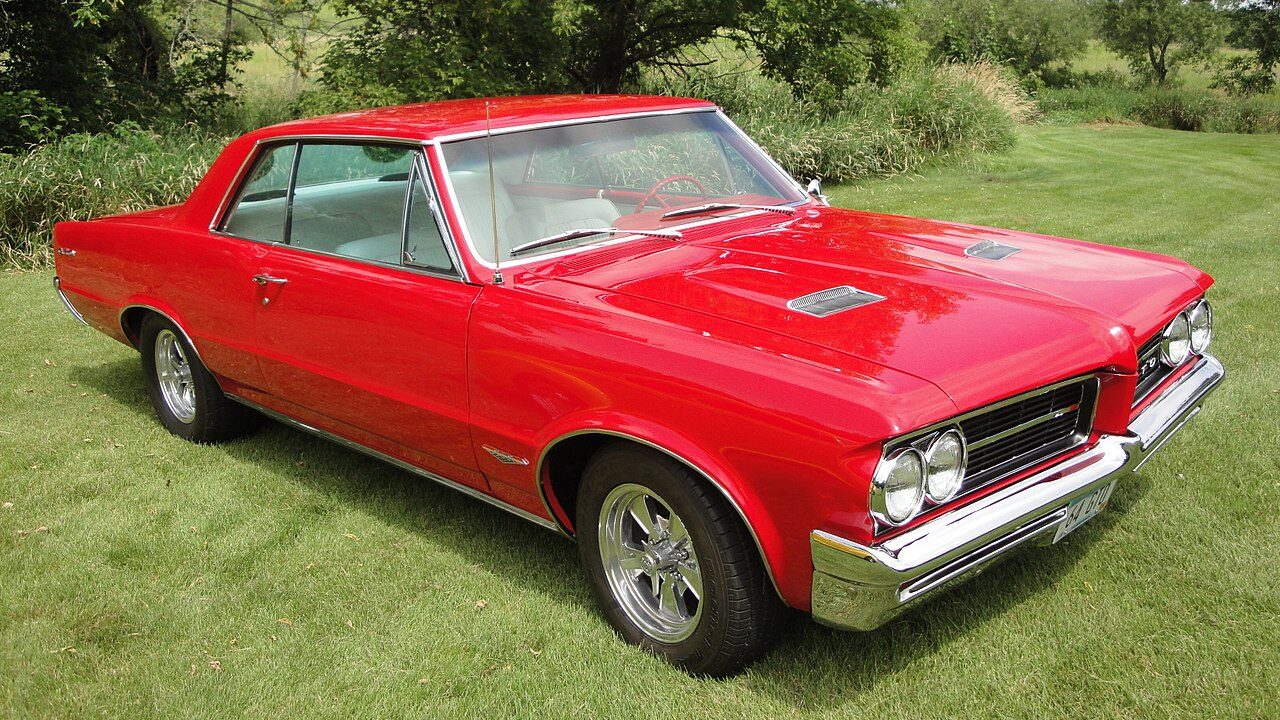
John DeLorean and his team at Pontiac essentially broke GM’s internal rules by stuffing a 389 cubic-inch V8 into the midsize Tempest, and in doing so, they invented an entirely new category of automobile.
The option package cost just $296 and included a four-barrel carburetor, dual exhaust, and heavy-duty suspension that transformed the sensible Tempest into something that could run the quarter-mile in the mid-14s, with 13s possible in the right spec and conditions. Marketing it as a separate model rather than just an engine option was the stroke of genius that created the muscle car phenomenon.
Within a few years, every American manufacturer had their own version, but the Goat got there first and set the template everyone else followed. It proved that performance didn’t require an expensive sports car; maybe just a rule break or two.
1966 Oldsmobile Toronado: Front-Drive V8 Luxury

Oldsmobile engineers looked at the challenge of packaging a 425 cubic-inch V8 with front-wheel drive and apparently said, “Sure, why not?”
The result was one of the most ambitious American production cars ever built, combining luxury car refinement with legitimate innovation. That massive Rocket V8 sent 385 horsepower through a unique chain-drive system to the front wheels, creating a completely flat floor and impressive traction in the snow. The design, with its hidden headlights and that distinctive fastback roofline, looked like nothing else in GM’s lineup or anywhere else.
It handled better than its 4,300-pound weight suggested, and the engineering lessons learned here eventually influenced everything from the Cadillac Eldorado to modern front-drive luxury sedans. You have to respect any car that makes front-wheel drive work with that much power and displacement.
1967 NSU Ro80: The Rotary Revolution
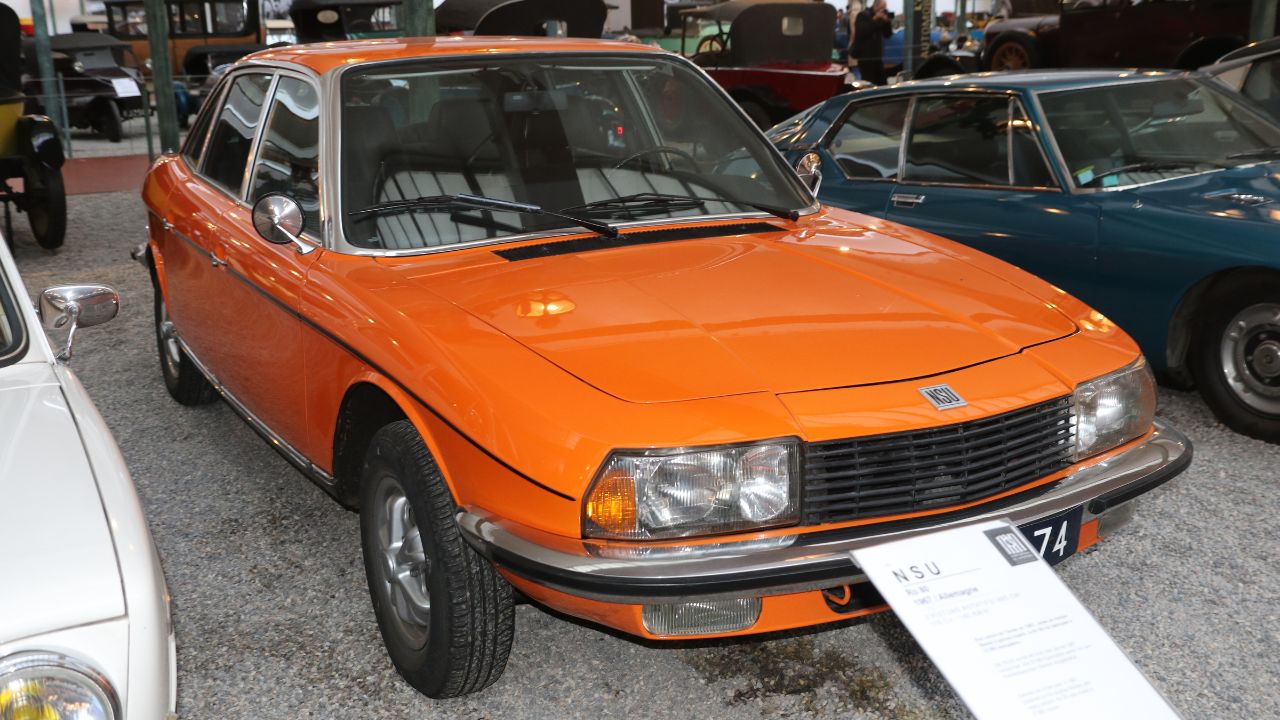
NSU’s executive sedan packed a twin-rotor Wankel engine that delivered smooth, turbine-like power in a package that looked like it came from a decade in the future.
With front-wheel drive, a semi-automatic transmission, disc brakes on all four corners, and aerodynamics that gave it a drag coefficient of just 0.355, the Ro80 was genuinely ahead of its time. The rotary engine’s compact size allowed for a spacious interior and excellent weight distribution, though reliability issues with the early apex seals gave the technology a black eye it never quite recovered from. It won the European Car of the Year award and influenced automotive design for years, with that smooth, wedge-shaped profile showing up everywhere.
Despite the engine troubles, the Ro80 proved that rotary power could work in a practical sedan, paving the way for Mazda’s later success with the technology.
1973 Citroën SM: When Maserati Met French Weirdness

Citroën bought Maserati and immediately stuffed a Maser V6 into their most advanced chassis, creating what was essentially a grand touring spaceship with Italian heart and French soul.
That 2.7-liter V6 produced 170 horsepower, which doesn’t sound like much until you realize it pushed this aerodynamic beauty to about 220 km/h (~137 mph) in period specs, with real-world fuel economy often landing around the high-teens mpg. The hydropneumatic suspension could raise the car for rough roads, the steering was so light and geared so quick that one-finger driving was genuinely possible, and the interior looked like a concept car throughout its entire production run. Headlights that steered with the front wheels helped you see around corners before LED technology made it commonplace.
It was absurdly complex, fantastically expensive to maintain, and absolutely unlike anything else you could buy, which is precisely why collectors hunt them down today.
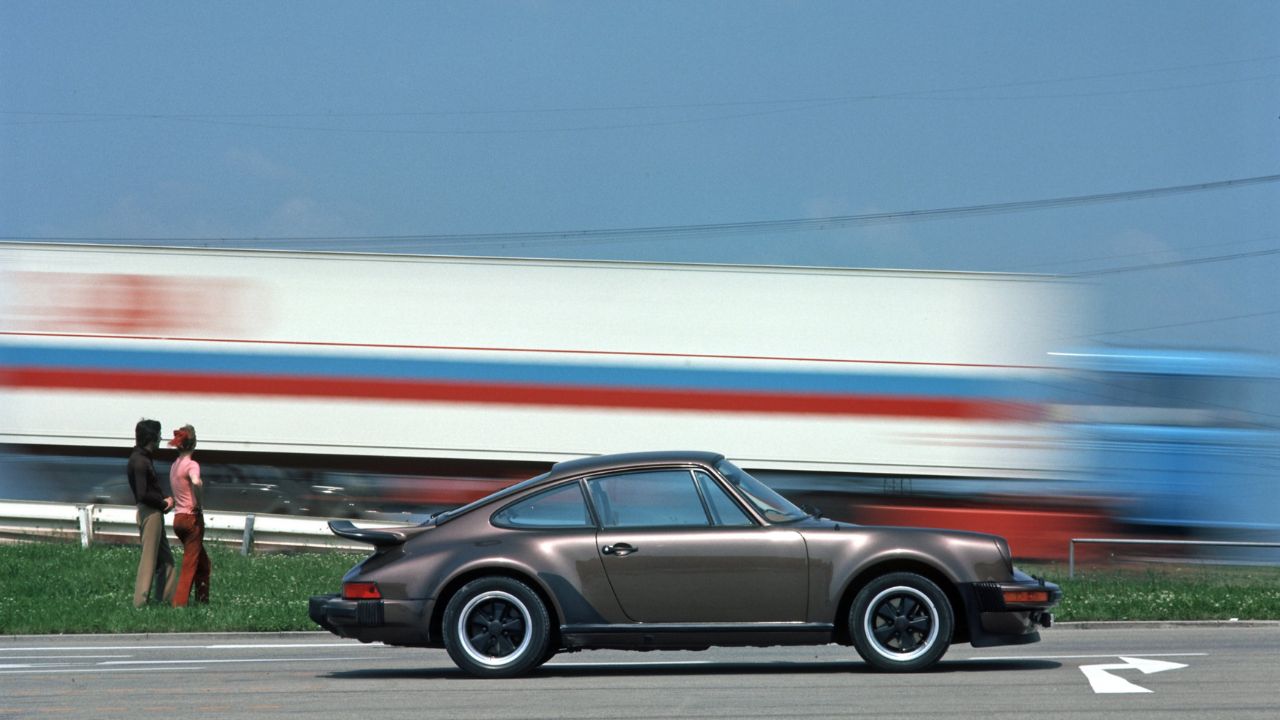
1975 Porsche 911 Turbo: Taming the Widow Maker
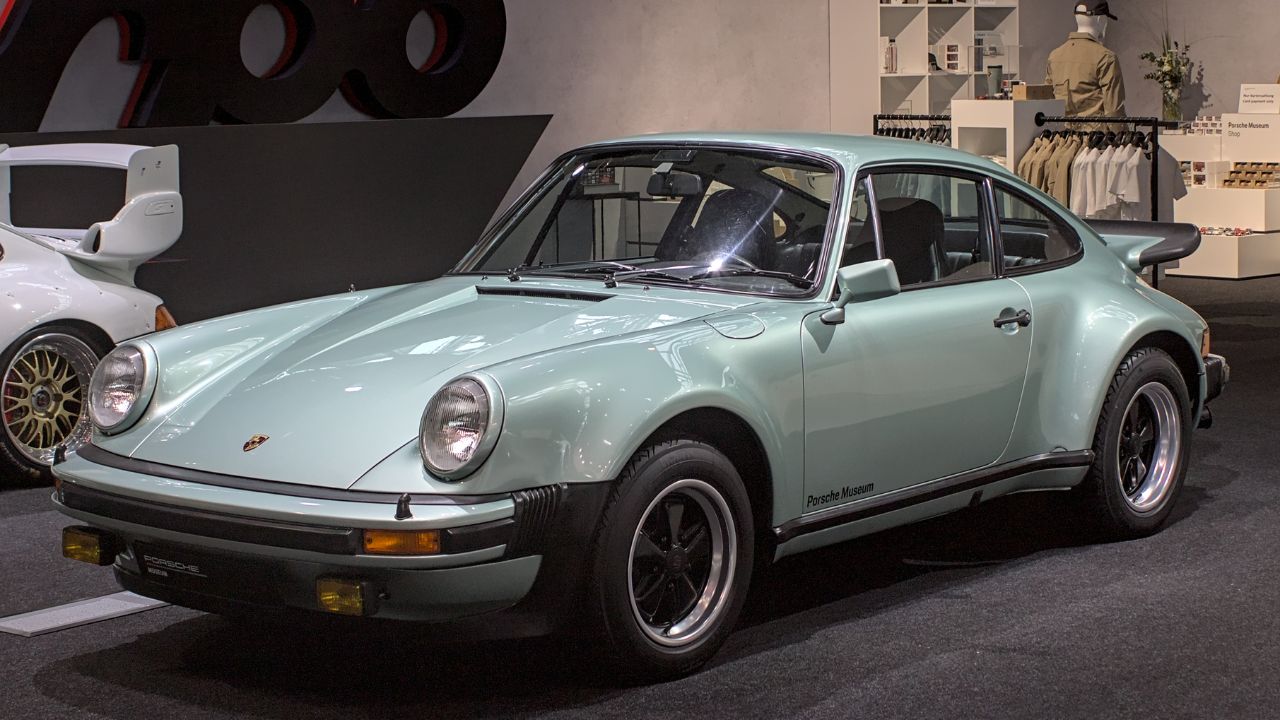
Porsche took their already tail-happy 911 and added a turbocharged flat-six rated around 234 hp (US) or 260 PS (Europe), then wrapped it in flared fenders and that iconic whale-tail spoiler. The result was a car that could hit 155 mph and run to 60 mph in under six seconds, which were exotic car numbers in 1975, all while meeting increasingly strict emissions regulations.
That turbo lag was legendary; you’d press the throttle, wait for what felt like an eternity, then get launched into the next county when the boost finally arrived. The wider rear track and improved suspension helped manage the power, though “helped” is doing some heavy lifting there.
This established the template for the modern supercar, proving that turbocharged engines could deliver both performance and efficiency, and it made the 911 Turbo a poster car for an entire generation.
1977 Pontiac Trans Am Special Edition: Making a Smokey Statement

The black and gold Trans Am wasn’t particularly innovative mechanically, but it became a cultural phenomenon that transcended the automotive world entirely.
That Firebird screaming across the hood, the gold pinstriping, those honeycomb wheels, and the shaker hood scoop on the 400 cubic-inch V8 created an image that defined late-’70s American performance. When Smokey and the Bandit hit theaters, the Trans Am became an instant icon, with Pontiac dealers reporting they could barely keep them in stock. It represented the last gasp of big-displacement American muscle before downsizing and emissions controls really took hold, and it did so with undeniable style.
Depending on engine option, ratings were roughly in the ~180–200 hp range…” (keeps you safe across options/specs), but in the malaise era, it was respectable, and the car’s attitude more than made up for any performance shortcomings. Not everything is about horsepower, alright?
1982 DeLorean DMC-12: Stainless Steel Dream Machine

John DeLorean’s gull-winged masterpiece broke the rules just by existing, with unpainted stainless steel bodywork, a rear-engine, rear-mounted PRV V6, and doors that opened toward the sky.
The Giugiaro styling looked like nothing else on American roads, even if the 130-horsepower engine from the Renault parts bin didn’t exactly back up those exotic looks. The stainless panels resist corrosion, but the steel chassis/frame can rust (a major inspection point today) and no paint chips, though good luck finding two panels that matched perfectly. The interior layout was innovative, with everything angled toward the driver, and those gullwing doors actually made getting in and out easier in tight parking spots.
Production problems and DeLorean’s legal troubles killed the company after just two years, but Back to the Future turned it into a permanent cultural icon that transcended its modest performance credentials.
1984 Dodge Caravan: The Minivan Nobody Wanted Until Everyone Did
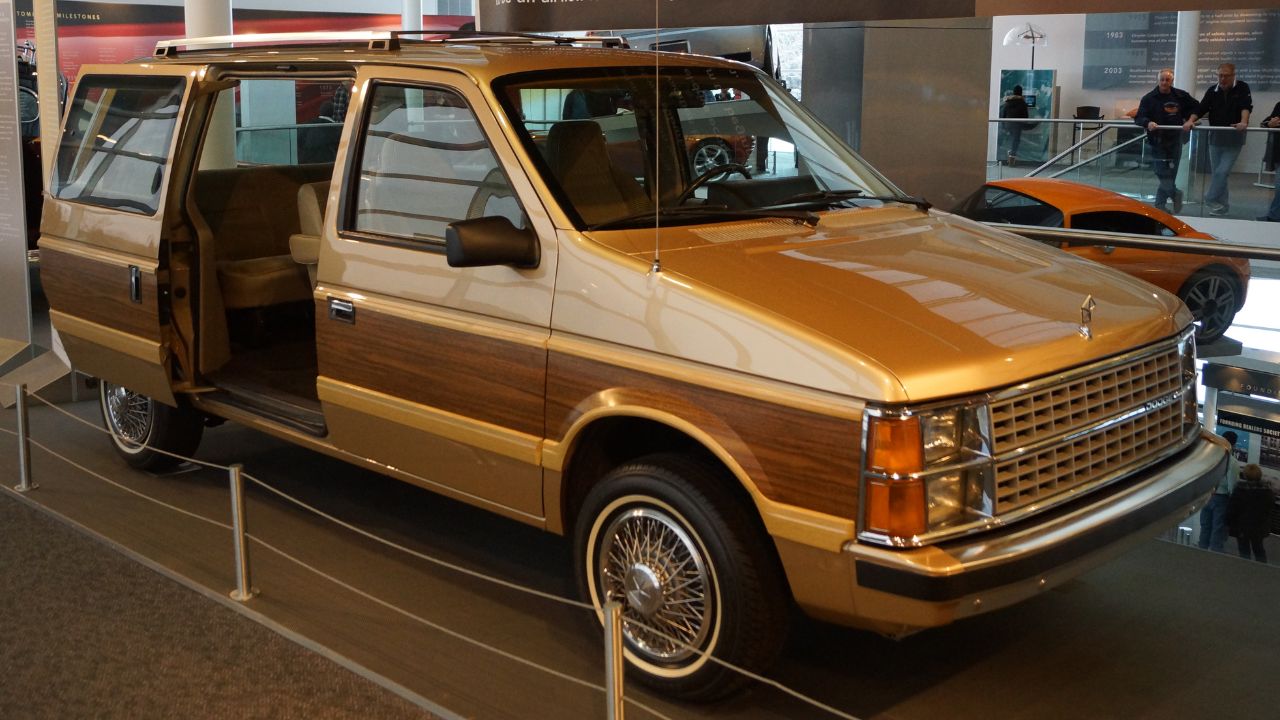
Chrysler’s engineers looked at the station wagon and the van and decided to create something entirely new, pioneering the front-wheel-drive minivan that would dominate family transportation for decades.
The Caravan sat on a modified K-car platform but offered three rows of seating, sliding doors, and car-like handling that made traditional vans feel like driving a house. It could haul seven people and their gear while still fitting in a normal garage and getting respectable fuel economy from its four-cylinder engine. The original base price was about $8,280 (before destination/trim differences) made it accessible to regular families, and sales proved that consumers were desperate for something better than a wood-paneled wagon or a full-size van.
It essentially created an entire vehicle category overnight, and despite minivans being uncool by car enthusiast standards, you can’t argue with saving Chrysler from bankruptcy while revolutionizing how families travel.
Conclusion
These twelve vehicles prove that automotive progress rarely comes from playing it safe or following the established patterns. Whether it was the Tucker’s forward-thinking safety features, the Mini’s revolutionary packaging, or the DeLorean’s sheer audacity, each of these cars contributed something meaningful to automotive history by daring to be different.
Some succeeded commercially, others failed spectacularly, but all of them pushed boundaries and influenced the cars that came after them. The next time someone dismisses an unusual modern car for being too weird or different, remember that today’s classics were often yesterday’s oddities.
The cars we celebrate now earned their legendary status precisely because they had the courage to break from convention.