The automotive industry has given us incredible innovations over the past century, from the Model T to electric vehicles. But alongside these achievements, a fascinating collection of theories and mysterious stories has emerged from factory floors, boardrooms, and garages around the world.
Some of these tales involve suppressed technology, others point to corporate intrigue, and a few remain genuinely puzzling even today.
Whether you’re an enthusiast who’s heard whispers at car shows or just curious about the stranger side of automotive history, these stories offer a compelling look at the myths and mysteries that have captured imaginations for decades.
The 100 MPG Carburetor Cover-Up
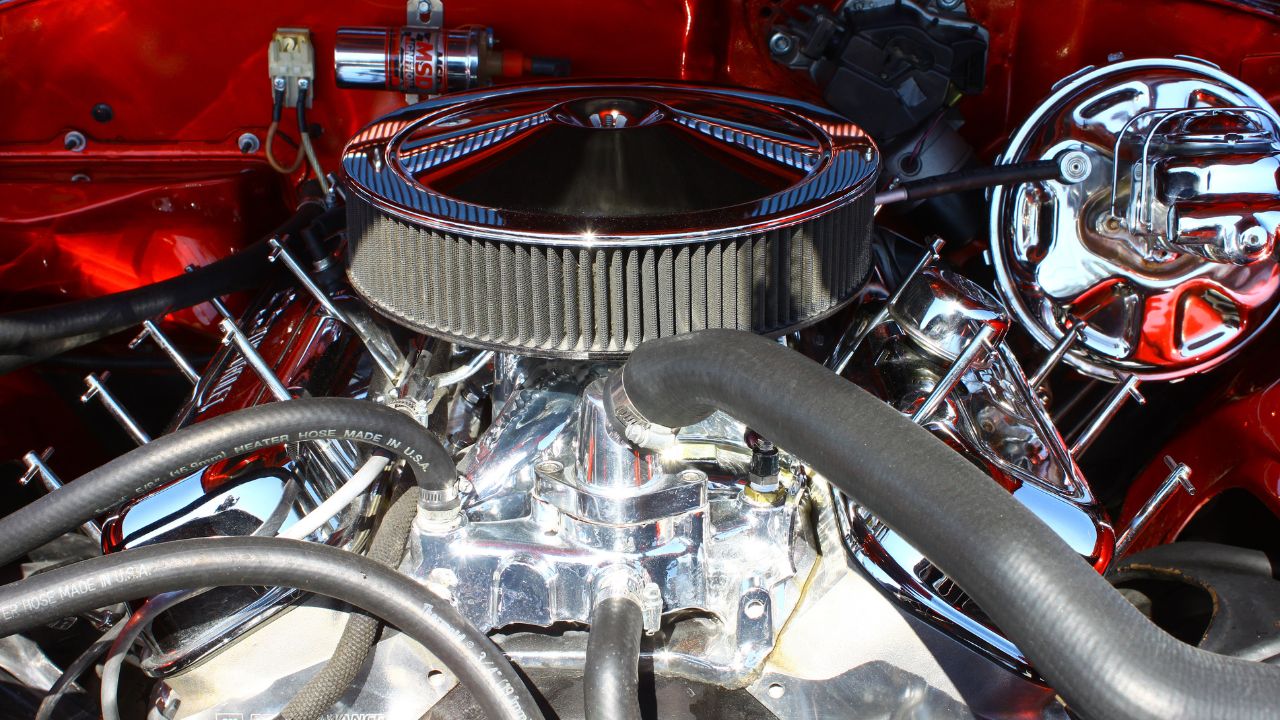
Perhaps the most persistent automotive legend involves a miraculous carburetor that could achieve 100 miles per gallon or more, allegedly invented in the 1930s and subsequently bought up and buried by oil companies or automakers.
Various versions credit different inventors, with Tom Ogle’s vapor-fuel system from the 1970s being one of the better documented cases. The theory suggests that Big Oil couldn’t allow such technology to reach consumers, as it would devastate their profits. While improved fuel efficiency has always been technically possible, the laws of thermodynamics and engine design place real limits on what carburetors can achieve.
Engineers have pointed out that modern fuel injection systems already extract near-maximum efficiency from gasoline, and if such technology existed, competitive pressures would have brought it to market.
Tucker’s Suppression by the Big Three

Preston Tucker’s 1948 Tucker 48 was undeniably ambitious. The car featured a rear-mounted engine, a central directional headlight, and a strong emphasis on safety at a time when most automakers weren’t prioritizing it. Roughly 51 cars were built, including the prototype, before the company collapsed amid fraud allegations and an SEC investigation.
Much of the modern conspiracy narrative surrounding Tucker was amplified by the 1988 film Tucker: The Man and His Dream. While the movie helped preserve Tucker’s legacy, it also took significant dramatic liberties, portraying him as a visionary deliberately crushed by the Big Three through coordinated sabotage. That framing cemented the idea of an industry-wide conspiracy in popular culture.
The historical record suggests a more complicated reality. Tucker was ultimately acquitted of all fraud charges. Still, his company had already been crippled by bureaucracy, restrictive postwar regulations, steel allocation issues, and a hostile media environment that treated the venture with skepticism from the start. Regulatory scrutiny and negative press made it nearly impossible for the underfunded startup to survive long enough to reach full production.
Whether Tucker was intentionally suppressed by entrenched automakers or defeated by bureaucracy, regulatory friction, and bad timing remains debated. What’s clear is that the myth owes as much to Hollywood storytelling as it does to Detroit power dynamics.
The Deliberate Planned Obsolescence Conspiracy
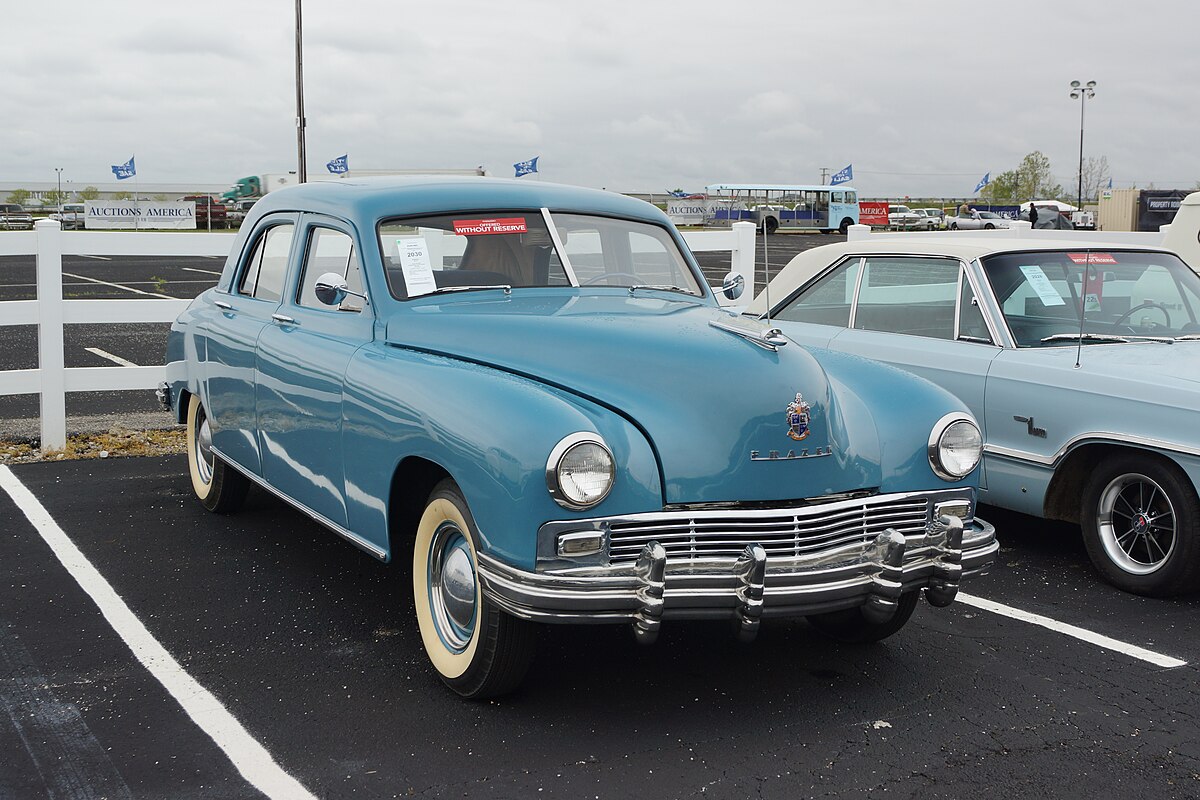
In the 1920s, General Motors executive Alfred P. Sloan pioneered the idea of annual model refreshes, deliberately making older designs feel outdated even when they remained mechanically sound. This strategy stood in sharp contrast to Henry Ford’s approach, which emphasized long production runs and resisted intentional stylistic obsolescence.
Over time, that marketing strategy became known as planned obsolescence, a term that can sound more sinister than its original intent. Some theorists argue it eventually evolved into the deliberate engineering of failure points, designed to push owners to replace cars shortly after warranties expired. There is no direct evidence that GM or other automakers intentionally shortened vehicle lifespans in this way, and automotive engineers note that most design decisions involve trade-offs among durability, cost, weight, safety, and performance.
The suspicion persists in part because it emerged during the same era as the “light bulb cartel” of the 1920s — a well-documented case in which manufacturers deliberately agreed to shorten bulb lifespans to increase sales. That example proves coordinated lifespan reduction has occurred in industrial history, making it easier for skeptics to imagine similar behavior elsewhere, even without direct proof in the auto industry.
What complicates the theory further is that modern cars routinely last far longer than those built in the 1960s and 1970s, which runs counter to the idea of increasingly intentional obsolescence. Still, the reality that major repairs often exceed a car’s value not long after warranty expiration keeps the debate alive — even if the cause is economics rather than conspiracy.
GM’s Electric Car Sabotage: The EV1 Mystery

General Motors produced the EV1, one of America’s first modern, purpose-built electric vehicles from a major automaker, from 1996 to 1999, leasing about 1,117 units to customers in California and Arizona. When GM abruptly discontinued the program and recalled almost every vehicle, crushing most of them despite customer protests. Conspiracy theories erupted.
The documentary “Who Killed the Electric Car?” argued that GM deliberately sabotaged its own EV program under pressure from oil companies and to protect profitable SUV sales. GM claimed the cars were unprofitable and that customers didn’t want electric vehicles, though many EV1 lessees pleaded to keep their cars. Critics argued that GM devoted more effort to opposing California’s zero-emission rules than to expanding EV1 marketing, though exact spending comparisons are disputed.
The truth likely involves multiple factors, though the optics of destroying functional vehicles that customers wanted to buy remain troubling to this day.
The Mysterious Death of the Steam Car
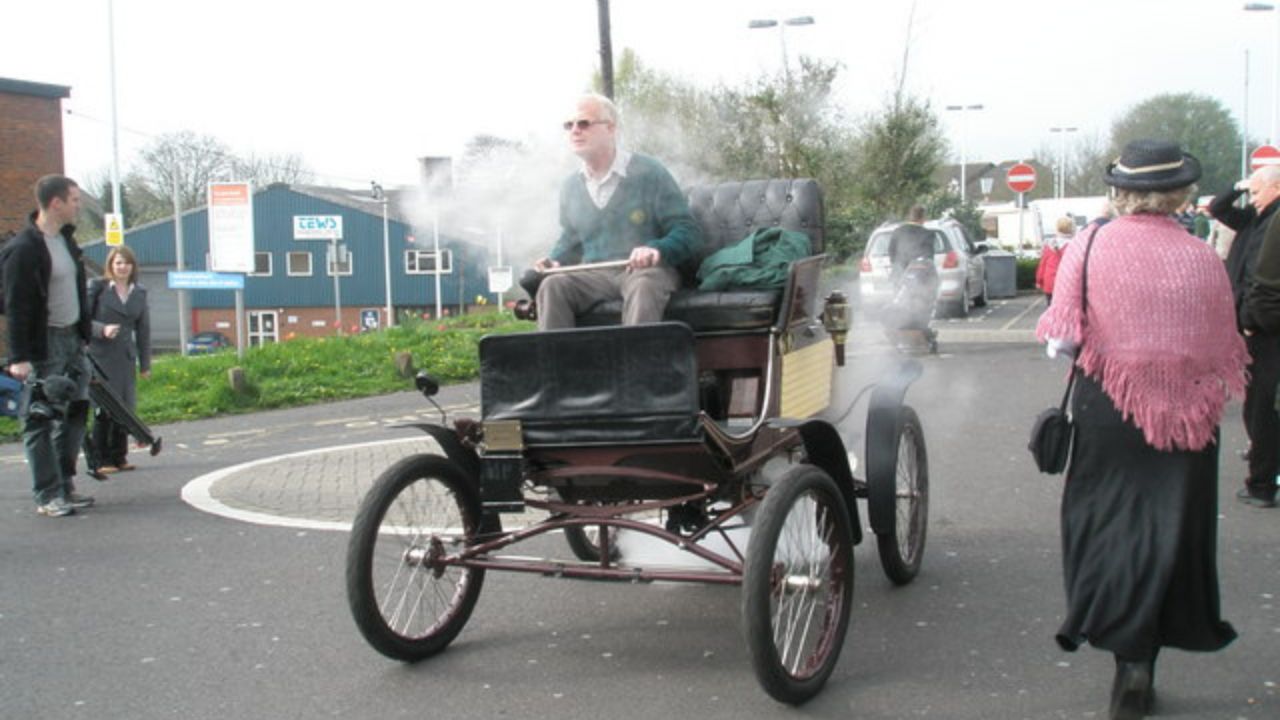
In the United States in the very early 1900s, before the electric starter became common, steam (and electric) cars often outsold gasoline cars, with Stanley frequently cited as outselling gasoline cars in the 1899–1905 period.
The Stanley Steamer set speed records. Steam cars were often smooth, quiet, and torquey, but they had major practical drawbacks (long startup time, water requirements, and complexity). Yet by the 1930s, steam cars had virtually disappeared. Conspiracy theorists point to this as evidence of oil industry interference, suggesting that petroleum companies couldn’t allow a technology that could run on various fuels to succeed.
In reality, steam cars had significant practical drawbacks: they required several minutes to build up pressure before driving, needed frequent water refills, and were mechanically complex. The electric starter motor, invented in 1912, eliminated the main advantage steam had over gasoline engines: ease of starting.
Market forces rather than conspiracy appear to have decided this technological battle.
The Carburetor Vaporizer Patent Buyouts
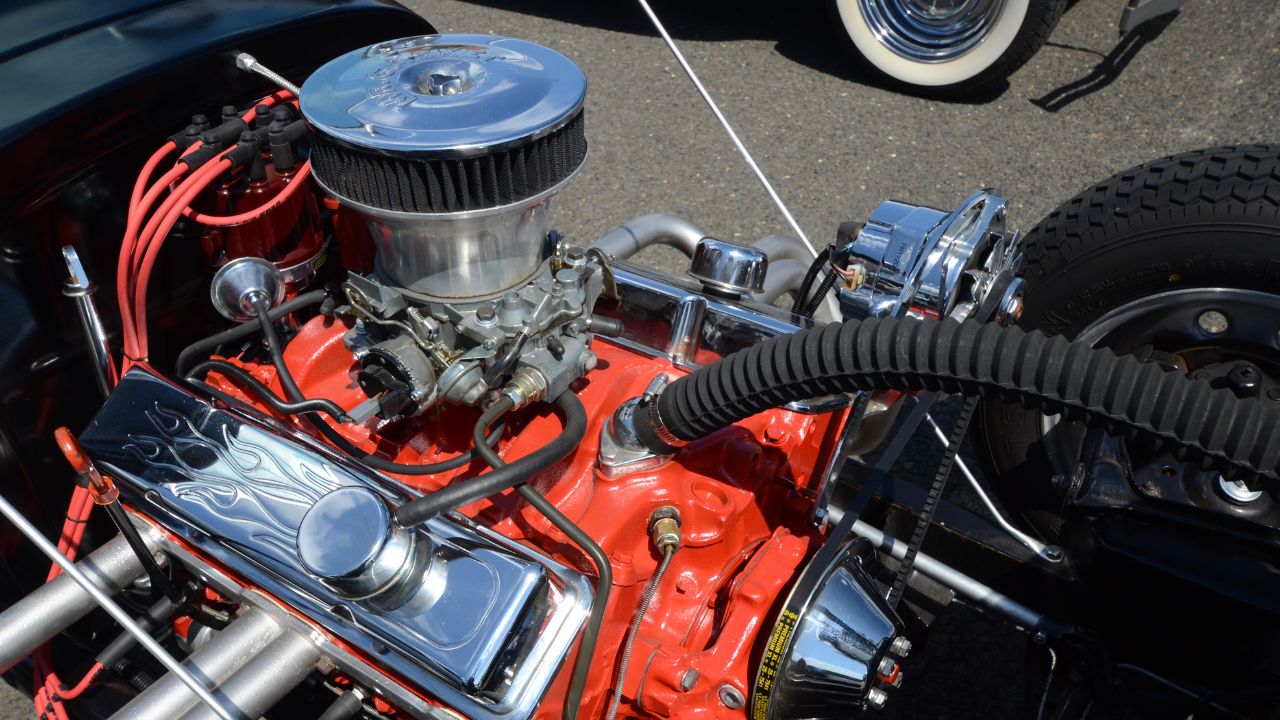
Throughout the mid-20th century, the U.S. Patent Office granted numerous patents for devices that claimed to improve fuel economy by dramatically vaporizing gasoline. Inventors regularly claimed their patents were subsequently purchased by oil companies or automakers who then shelved the technology.
These stories became so common that they formed their own genre of automotive folklore. What’s documented is that major companies sometimes purchased patents as a defensive measure, and the oil industry has historically opposed efficiency standards. However, patent databases show that most of these “revolutionary” designs violate basic thermodynamic principles or were simply variations of existing technology.
The challenge with conspiracy theories involving patents is that they’re public records; if the technology actually worked as claimed, competitors would have developed similar systems despite the patents.
The DeLorean Sting

John DeLorean’s 1984 arrest on drug trafficking charges stunned the automotive world. Footage of the former GM executive caught in an FBI sting created the impression of an open-and-shut case — until the trial revealed a far more complicated reality.
DeLorean’s defense successfully argued that the government had entrapped him. Evidence showed an FBI informant repeatedly initiated, encouraged, and escalated the cocaine deal, targeting DeLorean during a period of extreme financial distress following the collapse of the DeLorean Motor Company. The jury ultimately agreed, acquitting DeLorean after concluding the crime had been manufactured rather than uncovered.
That financial distress, however, was not solely the result of bad luck or external pressure. In the years leading up to the arrest, DeLorean had become entangled in a series of questionable and, in some cases, scandalous business dealings. Most notably, investigations revealed that roughly $17.6 million in British government funds intended for DMC were allegedly diverted through a Panamanian company tied to engineering payments to Lotus. DeLorean and Lotus founder Colin Chapman were implicated in the scheme, which effectively drained the company of the capital it needed to survive. Chapman died before facing charges, though his estate later repaid a portion of the funds.
While DeLorean was acquitted in the drug case, the missing money, ongoing investigations, and reputational damage had already sealed DMC’s fate. Even without government involvement, DeLorean was headed toward serious legal and financial trouble.
There is no credible evidence that rival automakers or a coordinated industry conspiracy orchestrated his downfall. The more accurate explanation is a convergence of aggressive law enforcement, personal misjudgment, and ethically dubious business decisions — a tragic unraveling that didn’t require a conspiracy to explain it.
JFK Limo
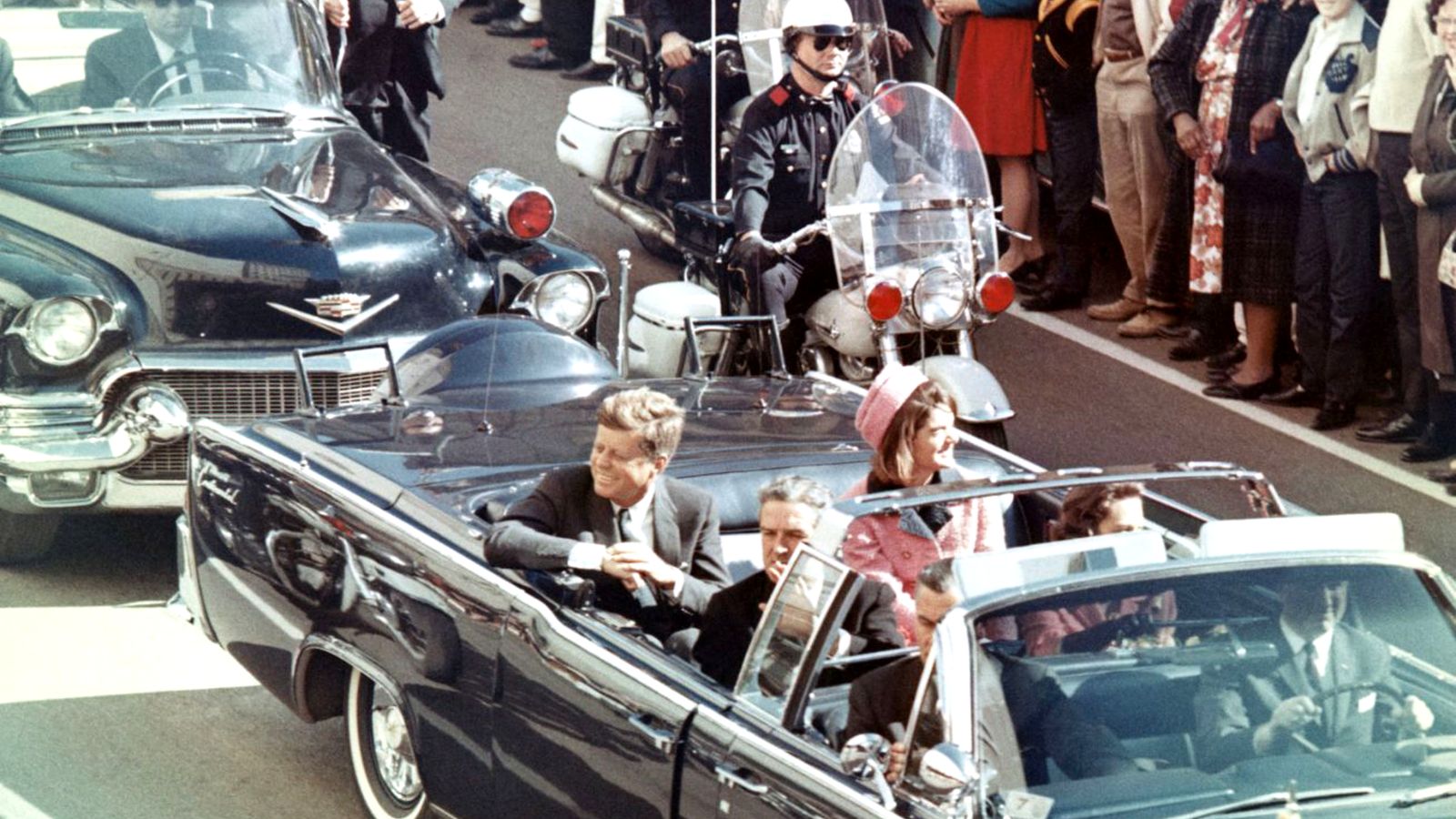
Abraham Zapruder’s famous footage of President Kennedy’s assassination in Dallas captured the presidential Lincoln Continental limousine in those tragic moments.
Over the decades, conspiracy theorists have claimed the car itself was part of the plot, pointing to driver William Greer’s actions and the vehicle’s controversial modifications afterward. The limousine was immediately sent back to Hess & Eisenhardt for extensive rebuilding, including a permanent roof and armor plating, which destroyed potential evidence.
Some researchers found it suspicious that the car remained in presidential service until 1977 rather than being preserved for investigation. However, the Secret Service’s decision to retrofit the expensive custom vehicle rather than building a new one made practical sense, and extensive investigations found no evidence of driver involvement.
The car now sits in the Henry Ford Museum, still generating theories about that November day.
The Pinto Memo: Did Ford Calculate Death Costs?

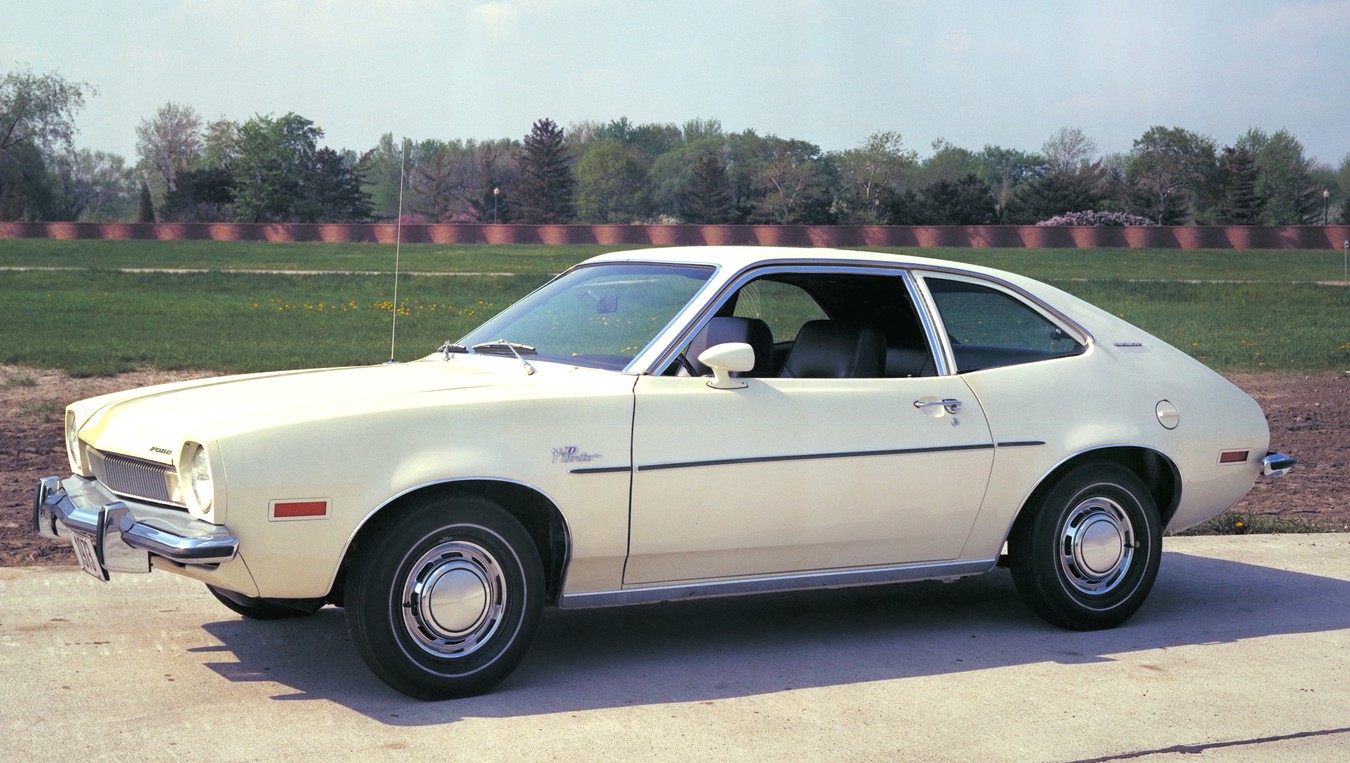
In the 1970s, internal Ford documents revealed that the company had conducted a cost-benefit analysis comparing the cost of fixing the Pinto’s dangerous rear-mounted fuel tank with the projected costs of resulting deaths and injuries.
The “Pinto Memo” showed Ford estimated 180 deaths and 180 severe burns, assigning a value of $200,000 per death (in 1970s dollars), and concluded that an $11-per-car fix wasn’t cost-effective. While critics call this a conspiracy to prioritize profits over lives, Ford defenders note that all automakers conduct similar risk analyses as required by federal regulators.
The real controversy isn’t whether the analysis occurred; it’s a documented fact. The question is whether Ford’s specific calculations were unusually callous or simply standard industry practice that happened to become public. The case fundamentally changed product liability law and corporate accountability, though similar calculations still occur throughout the industry today.
The Myth of the Water-Powered Car
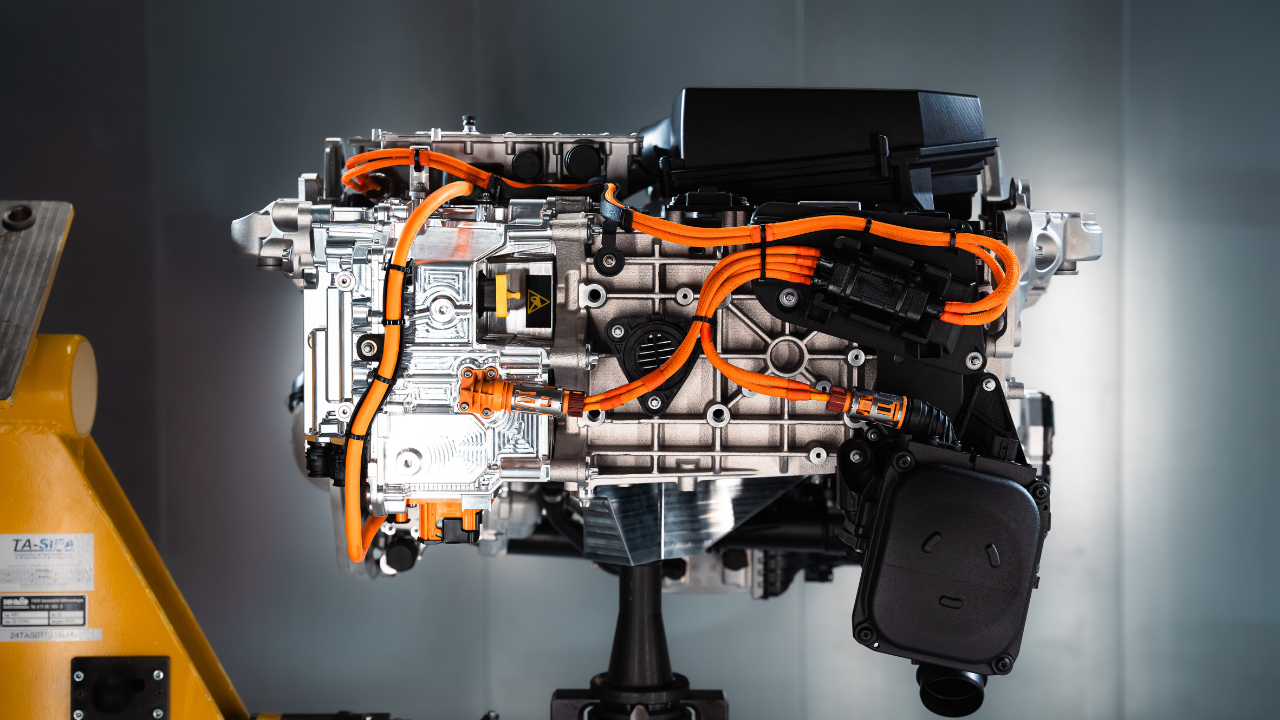
Stanley Meyer claimed in the 1990s that he’d invented a car that ran purely on water, using his “water fuel cell” to split H2O into hydrogen and oxygen.
He demonstrated a dune buggy that supposedly proved the concept and attracted investors before his sudden death in 1998. Supporters claim he was poisoned by oil interests, while his brother reported his last words were that he’d been poisoned.
However, some experts note that splitting water requires more energy than you get back from burning the resulting hydrogen, violating conservation of energy. Meyer’s patents were found to be fraudulent by an Ohio court, which ordered him to repay investors. His death was ruled a brain aneurysm after extensive investigation.
While hydrogen fuel cells are a recognized technology in modern transport, Meyer’s work is viewed by some as a glimpse into a frontier beyond traditional thermodynamics. Supporters suggest his “water fuel cell” didn’t rely on simple electrolysis but instead used a specific electronic frequency to “fracture” water molecules with minimal effort. While this challenges current scientific consensus, it leaves open the intriguing possibility that Meyer discovered a proprietary method of energy extraction that remains an unsolved mystery to this day.
The Beetle’s True Origins

The Volkswagen Beetle’s development involved Ferdinand Porsche and Adolf Hitler, who wanted a “people’s car” for German families. What’s disputed is whether Porsche stole the design from Jewish engineer Josef Ganz, who created the “Maikäfer” (May Beetle) in 1931 with remarkably similar features.
Ganz was forced to flee occupied Germany in 1933, and his contributions were systematically erased from automotive history. Recent research by Paul Schilperoord documented extensive evidence that Porsche’s design borrowed heavily from Ganz’s earlier work, though direct theft is difficult to prove conclusively.
Volkswagen has historically downplayed the connection, while later historical research has argued Josef Ganz may have influenced early ‘people’s car’ ideas; the extent of that influence remains debated. The truth appears to lie somewhere between independent invention and appropriation of ideas, complicated by the regime’s systematic persecution and erasure of Jewish contributors.
This remains one of automotive history’s most ethically complex origin stories.
The Myth of Asbestos Suppression

For decades, asbestos was used extensively in brake pads, clutches, and gaskets throughout the automotive industry despite mounting evidence of health risks.
By the 1970s, internal documents from manufacturers showed they knew about asbestos dangers but continued using it while fighting regulation. Unlike some conspiracy theories, this one has been largely confirmed through litigation and released documents showing companies suppressed research and misled workers.
The conspiracy wasn’t about revolutionary technology being hidden — it was about hiding the deadly effects of existing materials to avoid expensive reformulation and liability. Automotive asbestos use was widely phased down in the late 1980s and 1990s, but asbestos was not completely banned nationwide in the U.S.; in 2024 the EPA finalized a rule to ban chrysotile asbestos (the last form still used), including phase-outs affecting some automotive products, decades after the risks were well-established. Today, mechanics who worked with asbestos brakes in the 1960s and 70s are still developing related diseases.
This case demonstrates that automotive industry conspiracies, when they occur, are typically about protecting existing profits rather than suppressing innovation.
Conclusion
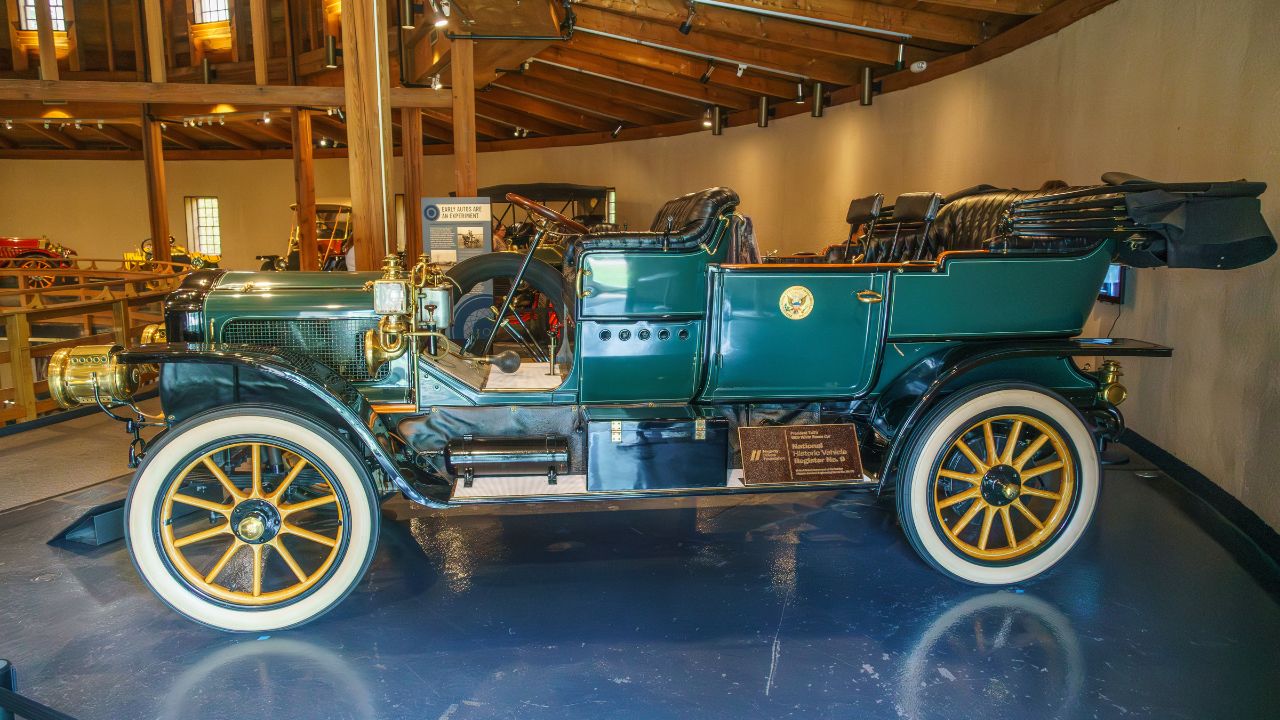
The line between conspiracy theory and suppressed truth can be surprisingly thin in automotive history. While most tales of miracle carburetors and water-powered engines collapse under scientific scrutiny, the industry’s documented cases of calculating death costs and hiding asbestos dangers remind us that corporate malfeasance is hardly impossible.
What makes automotive conspiracies particularly fascinating is how they reflect our complex relationship with cars — machines that represent both freedom and corporate control, innovation and environmental destruction. For enthusiasts and skeptics alike, these stories serve as reminders that the industry that gave us such incredible technology has also had its share of secrets, some more justified than others.
The next time you hear a seemingly wild automotive theory, it’s worth remembering that the truth, while usually less dramatic than the conspiracy, can sometimes be just as troubling.