BMW earned its reputation by turning focused engineering ideas into cars that worked beautifully on real roads and still thrill in memory. This gallery highlights a dozen BMWs where the engineering choice was the headline: mid-engine exotica, clever materials, race-bred solutions, lightweight thinking, and early electrified performance. Read short, lively profiles that put the engineering point first and then explain why each car still matters to drivers and collectors.
These snapshots skip heavy technical detail and instead explain the practical payoff: what the engineering did for handling, comfort, usability, or cultural impact. Expect a few nostalgic nods for readers who remember print car magazines and weekend drives.
BMW M1 (E26)
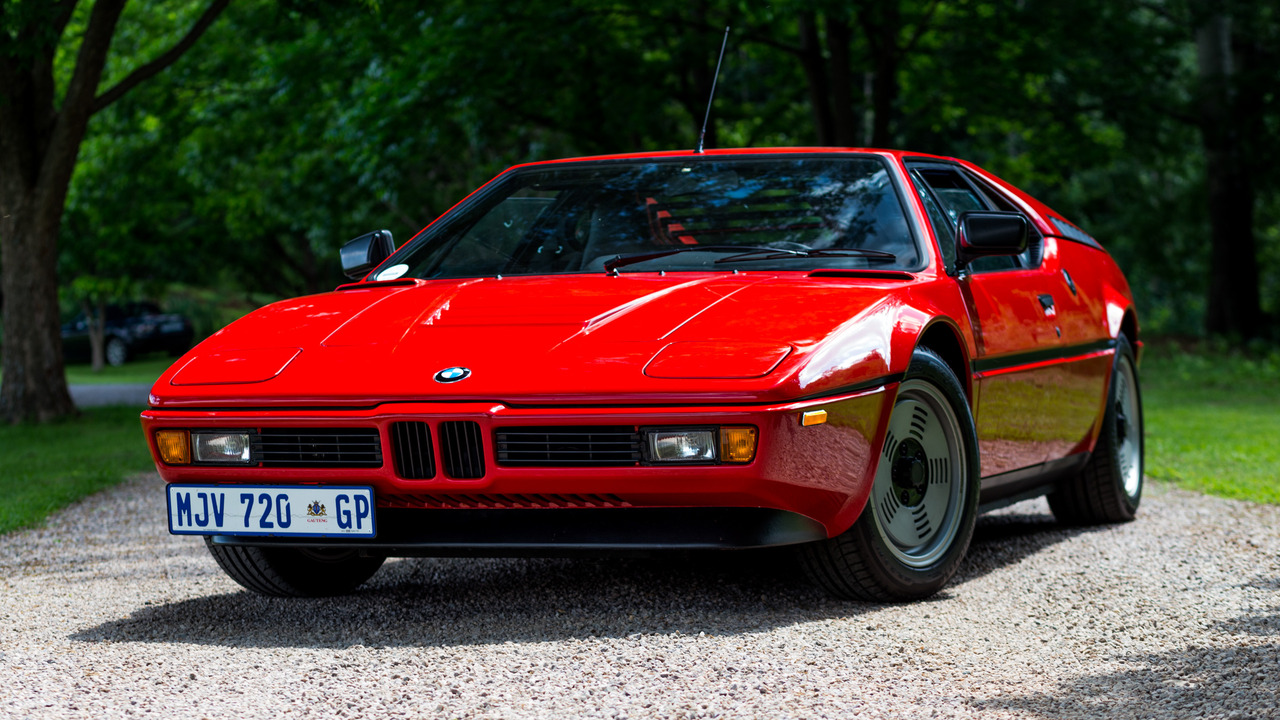
A true mid-engine halo that gave BMW Motorsport a production supercar to validate its racing work.
According to Hagerty, the M1 paired a high-rev inline six with a space frame and exotic styling, creating a motorsport halo BMW had not had before. Hand-built in small numbers and campaigned in the Procar series, it proved Munich could compete with Italian exotics and left a rare, collectible legacy.
For many collectors, the M1 remains the origin story of BMW M credibility.
BMW Z1
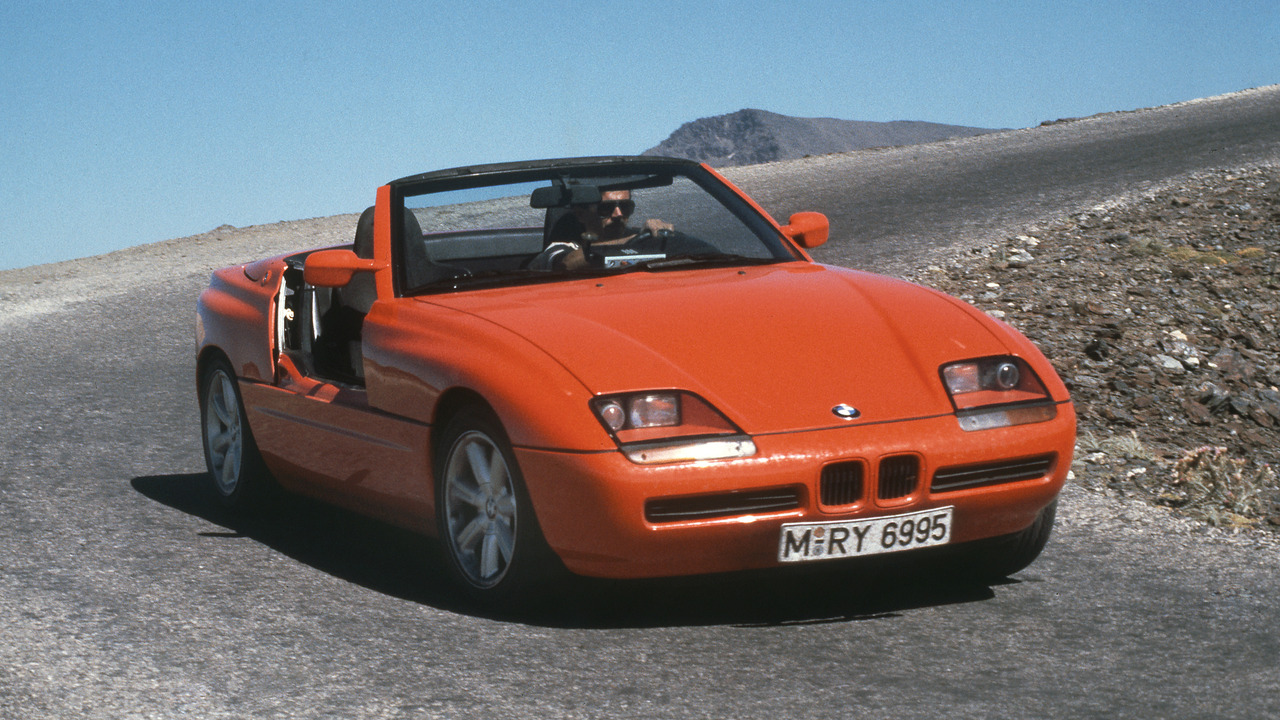
An experimental small roadster that put inventive materials and a unique door mechanism on public roads.
According to BMW, the Z1 used thermoplastic body panels and vertically sliding doors that retracted into the sills, a striking combination of novelty and practical engineering.
Its multi-link rear suspension also influenced later BMW platforms, making the Z1 both a design statement and a technical test bed. The car taught BMW lessons about lightweight construction and bold user experience.
BMW M3 (E30)

A homologation special that translated touring car lessons into an honest, driver-focused road car.
The E30 M3 combined lightweight design, sharp steering, and race-minded chassis geometry to dominate touring car racing and define the concept of a small, sporty coupe.
It set the template that future M3s would follow: handling first, followed by headline power second. Enthusiasts still point to the E30 when explaining why balance matters more than big figures.
BMW 850CSi (E31)

A grand tourer that married V12 refinement with chassis work aimed at high-speed composure.
The 850CSi demonstrated that BMW could package a smooth V12 in a low-slung coupe, tuned for stability and long-distance comfort. Beyond straight line speed, it emphasized refined manners at highway pace, signaling BMW’s ability to blend luxury and sport.
Today, it reads as a grown-up performance statement of its era.
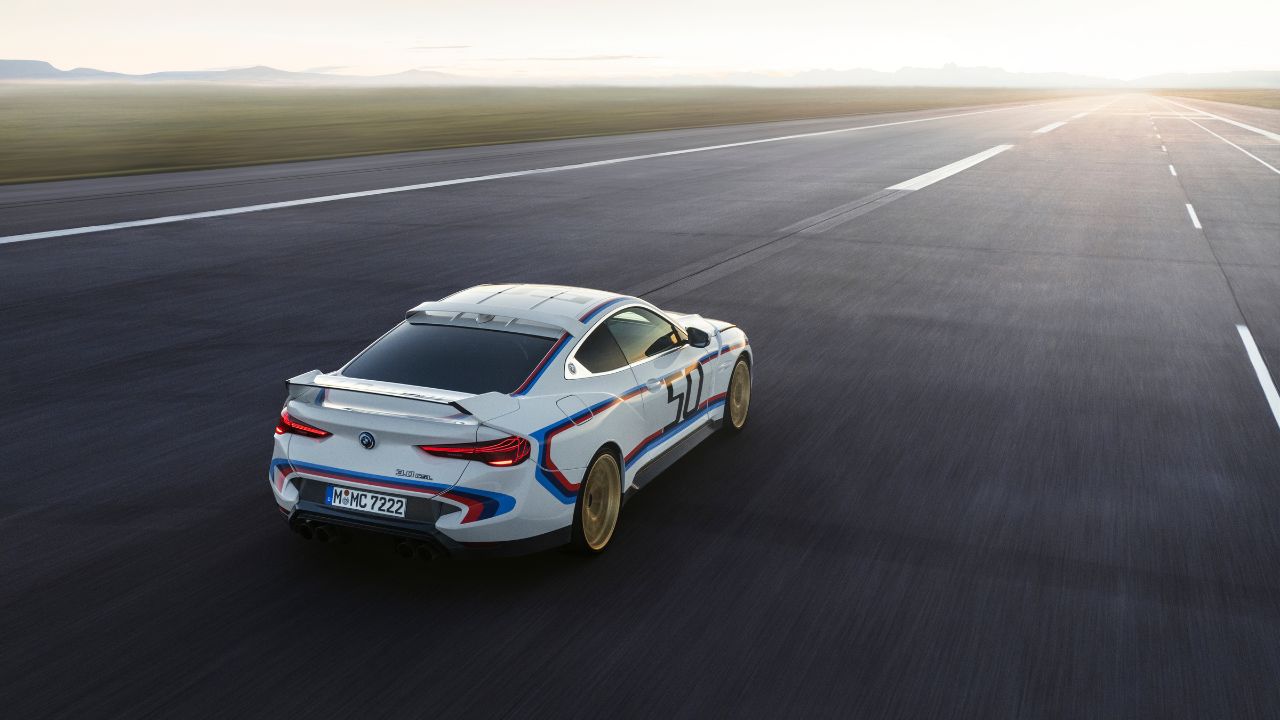
BMW 3.0 CSL (E9)

A lightweight homologation icon that proved saving mass and adding aero could beat brute force.
The CSL utilized thinner steel and alloy panels, along with an aerodynamic package, to excel on the track, earning the “Batmobile” nickname due to its distinctive wing and spoilers.
Its racing success made lightweight engineering a central performance answer rather than simply adding displacement. The CSL remains shorthand for elegant race-derived thinking.
BMW Z3 M Coupe

A compact package that showed creative engineering can transform a quirky silhouette into a serious driver tool.
The M Coupe grafted M3 engines and upgraded suspension into a stiffened, practical body, which dramatically improved chassis response.
Its oddball shape and analog driving feel helped it become a modern cult classic and a reminder that clever packaging can make a car more engaging than raw numbers alone. Values and enthusiasm continue to rise for sharp examples.
BMW M5 (E28)

The original M5 introduced the super saloon idea by fitting true M mechanicals into a practical four-door.
With a high-rev inline six and close-ratio gearbox, it combined fast performance with everyday usability, redefining what a luxury sedan could do. That mix of pace and civility created a template for future performance sedans.
The E28 M5 showed buyers that sport and family utility could coexist without compromise.
BMW M5 (E39)

A benchmark for how to make a fast sedan feel refined, balanced, and memorable in everyday use.
The E39 paired a naturally aspirated V8 with superb chassis tuning to deliver a car that was both comfortable on long trips and rewarding on twisty roads.
Its combination of soundtrack, handling poise, and interior quality set a high bar for performance saloons. Many owners still praise its versatility and driving character.
BMW M4 GTS

A focused road car that imported race-derived measures like water injection and extensive carbon fiber into a street-legal package.
The GTS utilized water injection to safely increase power and reduce intake temperatures under heavy use, while shedding weight through the use of carbon components to enhance response.
Limited production and track bias make it a clear statement of how motorsport tech can enhance a road car. It remains one of the more radical production M models.
BMW M2 CS

A compact, driver-centric interpretation of M performance where weight and chassis tuning were the priorities.
The CS reduces mass, sharpens suspension, and tightens response to create a small coupe that rewards precise inputs and driver focus.
Even with its increased horsepower over the standard M2 models, the CS stands out more for its sharper chassis tuning, lighter components, and driver-focused balance.
BMW i8
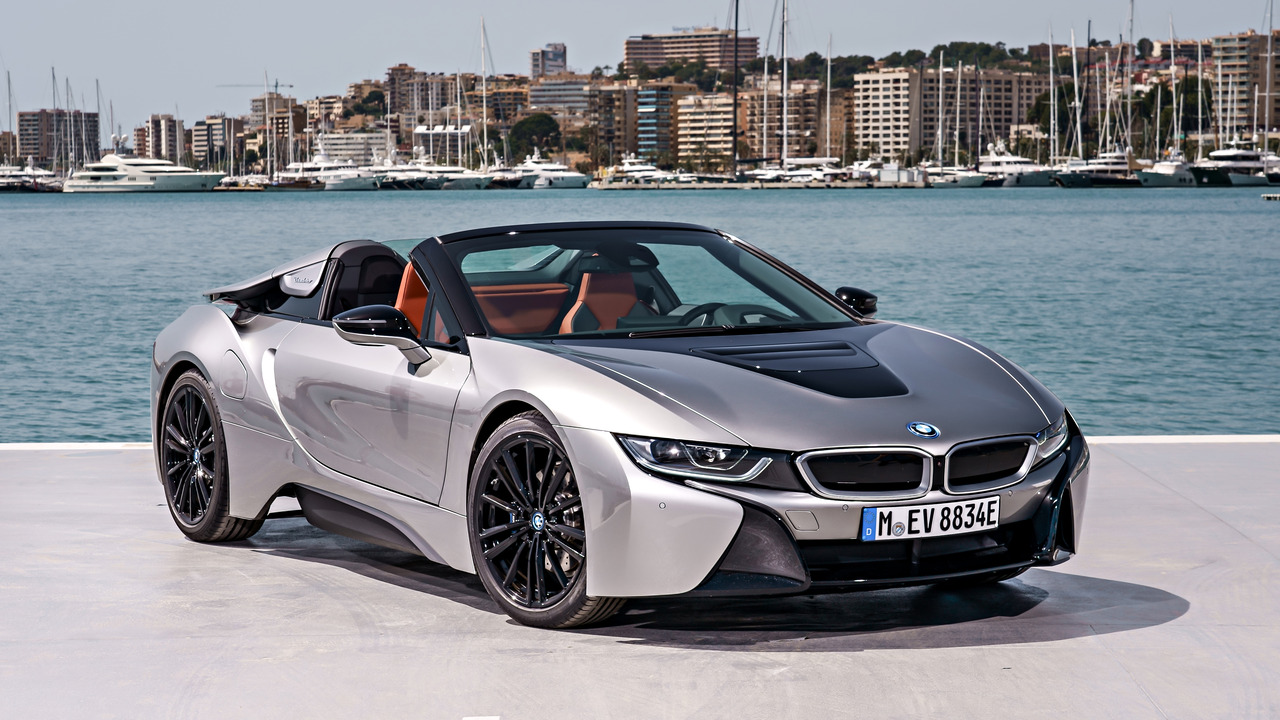
A hybrid halo that blended a carbon fiber passenger cell with plug-in hybrid propulsion to signal BMW’s electrified performance future.
The i8 combined a lightweight approach and aerodynamic focus with an electric motor to offer brisk real-world performance and improved efficiency for its era. Its futuristic styling and dramatic doors made it a media favorite and a clear demonstration that engineering could be used to position a brand for the future.
It helped make electrification desirable rather than merely practical.
BMW 507

A hand-built grand tourer that taught BMW about the costs and cachet of low-volume craftsmanship.
The 507 paired a compact V8 with elegant coachwork and fine materials to attract celebrities and collectors, but high production costs limited volumes and nearly hurt BMW’s finances.
Its restrained engineering and timeless styling secured it a rare, highly collectible place in history. The 507 remains a lesson in how engineering and exclusivity shape desirability.
Engineering That Still Matters

BMW’s most memorable models answered clear driving or product goals with targeted engineering, whether that meant mid-engine exotica, clever lightweight tricks, race-tuned chassis, or an early embrace of electrification. Those focused solutions yielded practical results that drivers could feel: sharper steering, improved high-speed stability, lighter handling, or more efficient performance.
If one of these models evokes a memory from a magazine cover, a film chase, or a weekend drive, check local meets, owner forums, or classifieds to see how owners discuss the engineering choices that made them fall in love. Those conversations are where clever engineering proves its lasting value.