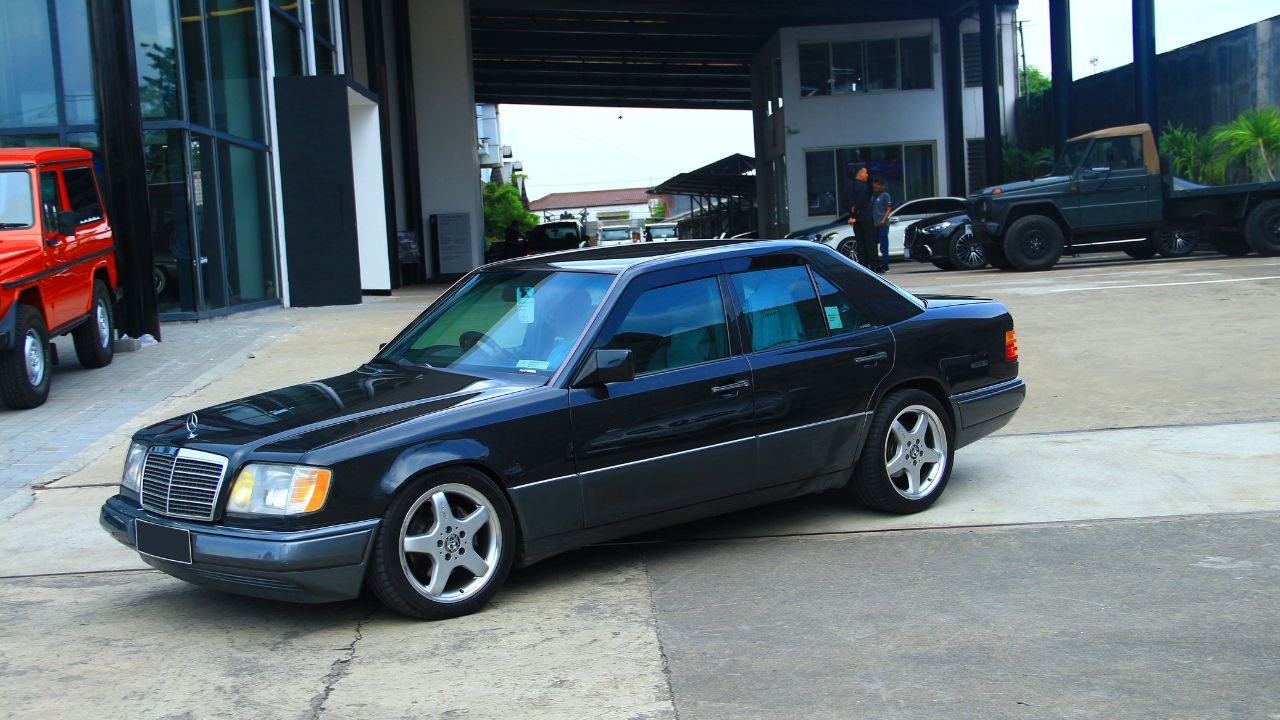
The 1980s were peak Europe. While Americans were busy putting fake wood paneling on everything and calling it luxury, Europeans were out here actually engineering cars that didn’t fall apart when you looked at them funny. This was the decade when turbochargers went from “racing thing” to “every hot hatch better have one or get outta here,” when digital dashboards made everyone feel like they were piloting a spaceship, and when horsepower-per-liter figures started making American V8s look embarrassing.
These weren’t your grandfather’s sensible sedans. Engineers were high on cocaine and possibility, designers had apparently discovered the concept of “flair,” and marketing departments finally figured out that boring doesn’t sell. The result? Cars that actually had souls.
How These Cars Were Chosen
Unlike most “best of” lists that seem to be written by people who’ve never held a wrench, this one focuses on cars that genuinely mattered. Not just because they sold well (looking at you, every beige Toyota ever made), but because they changed things. Cars that made other manufacturers scramble back to their drawing boards. Cars that still make you turn your head when one drives by, even 40 years later.
We’re talking about machines that influenced everything that came after, whether through brilliant engineering, stunning design, or just pure charisma. These are the cars that made teenage boys rush to the local model car shop and middle-aged men consider divorce when they couldn’t afford the real thing.
Volkswagen Golf GTI Mk2

The Mk1 GTI was cute, but the Mk2 was where VW really went all out and created the template every hot hatch still follows today. This thing had more character in its red-stitched steering wheel than most modern cars have in their entire body.
The Mk2 GTI started with an 8 valve 1.8, and the GTI 16V arrived later in 1986 in Europe and 1987 in North America. It revved like it enjoyed the abuse and made a sound that could wake the dead, in the best possible way. The Mk2 GTI taught an entire generation that you didn’t need a V8 to have fun, just good engineering and the willingness to wring every last rpm out of a four-cylinder.
And those plaid sport seats? Peak 80s cool. They hugged you like your mother never did and looked good doing it. This was the car that proved Germans could build something with actual personality, even if they’d never admit to having fun while driving it.
The Mk2 GTI spawned more imitators than a successful YouTuber, but none of them quite captured that perfect balance of everyday usability and weekend warrior potential. Still the gold standard for hot hatches, and anyone who disagrees probably drives a Civic Type R with a wing taller than a basketball player.
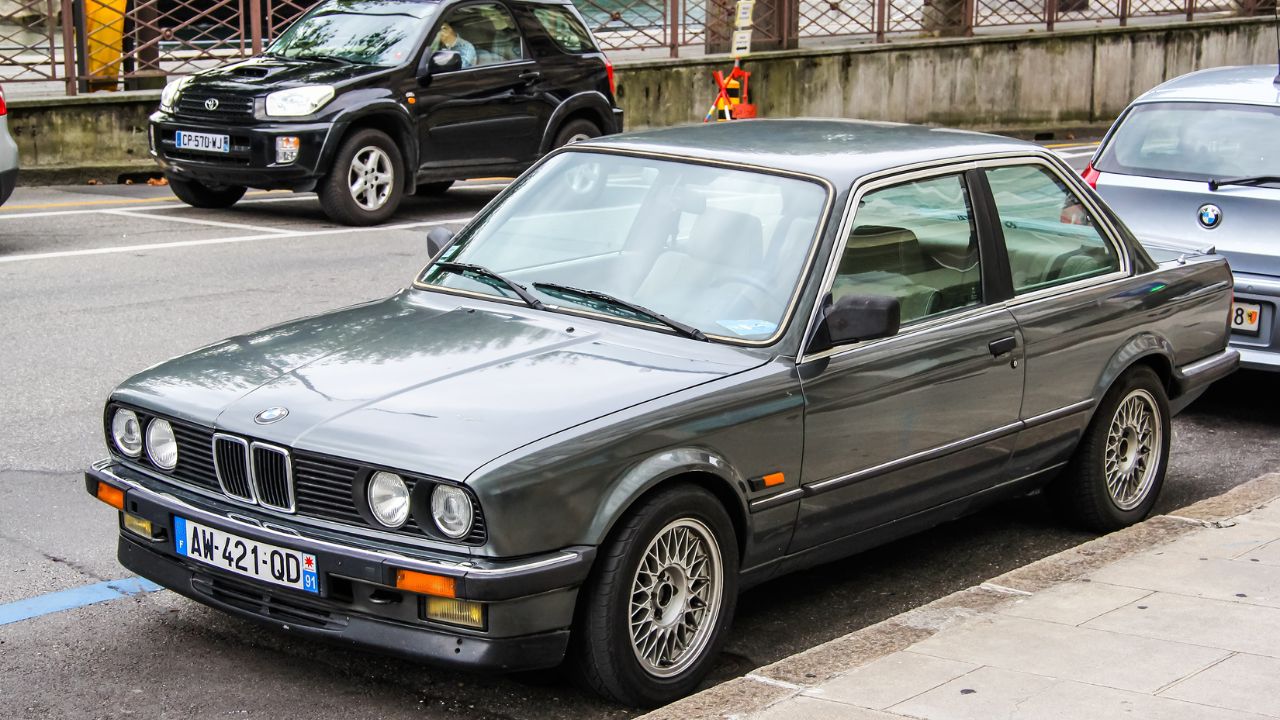
BMW E30 3 Series

Back when BMW actually cared about making drivers happy instead of just filling cup holder quotas, they built the E30. This was peak Bimmer; before they decided that kidney grilles should be visible from space and that every car needed to weigh as much as a small aircraft carrier.
The E30 was pure mechanical joy. That rear-wheel-drive setup meant you could actually feel what the car was doing, unlike modern BMWs that have more electronic nannies than a daycare center. The steering talked to you, the chassis responded to your inputs, and the engines, including the smooth inline six models like the 325i, made music that would make Beethoven weep.
The M3 version basically wrote the book on how to make a compact coupe handle like a race car without completely destroying your spine. Meanwhile, the regular models proved you could have rear-wheel-drive fun without needing a trust fund.
These days, finding a clean E30 is harder than finding a politician who tells the truth, and they cost more than some people’s houses f you find one. But they’re worth it, because this was BMW when they still remembered that cars should reward the driver, not just the accountants.
Peugeot 205 GTI
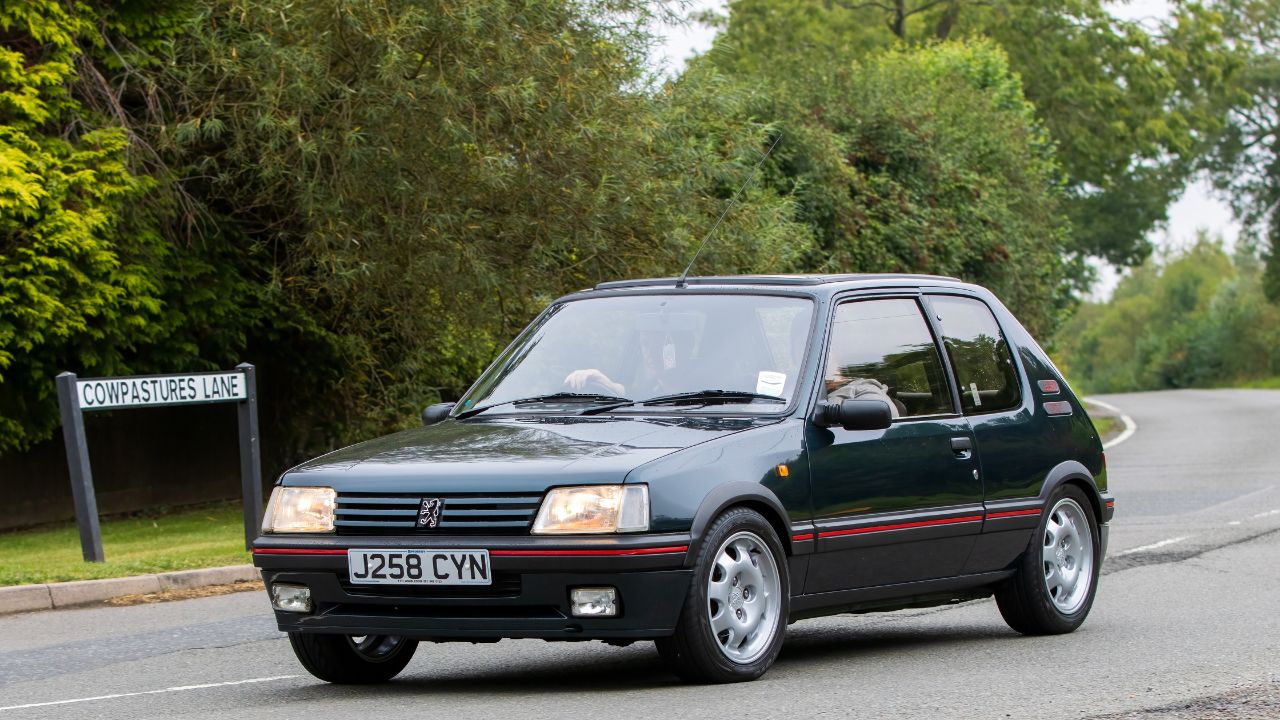
The French have given us many things: wine, cheese, existential dread, and the 205 GTI. At least one of those was genuinely world-changing, and it wasn’t the philosophy.
This little rocket ship proved that the French could build something other than cars that broke down in creative ways. The 205 GTI was light, nimble, and had more personality than a reality TV show. It danced through corners like a ballet dancer on espresso and made every drive feel like a rally stage.
The 205 GTI started with a 1.6 liter and later gained the 1.9 liter, and both were peaches, responsive, eager, and with enough character to make you forgive France for inventing mimes. The car weighed about as much as a modern shopping cart, which meant every horsepower counted and every corner was an opportunity for glory.
The only downside? It was French, which meant electrical gremlins were included as standard equipment. But when it worked – and it usually did – the 205 GTI was pure driving joy wrapped in Gallic charm. Plus, it looked fantastic, which was more than you could say for most of its competition.
Audi Quattro

While everyone else was arguing about front-wheel drive versus rear-wheel drive, Audi said “why not all of them?” and created the original Audi quattro. This thing grabbed the road like the United States grabs tax money, with authority and without shame.
That turbocharged five-cylinder engine sounded like a cross between a Formula 1 car and an angry bear, and it moved the Quattro with shocking authority. This was before turbo lag became a meme; when you hit the boost, you knew it, your passengers knew it, and probably the people in the next county knew it too.
The boxy styling was pure 80s aggression, all sharp angles and flared arches that screamed “I have AWD and I’m not afraid to use it.” It looked like it could storm a small country, and in rally trim, it basically did.
Modern Audis still talk about Quattro AWD, but these days it’s more about winter traction than rally victories. The original Quattro was a weapon; now it’s a safety feature. Progress isn’t always better.
Lancia Delta Integrale

The Italians looked at the Audi Quattro and said “hold our espresso” before creating the most beautiful rally weapon ever to grace public roads. The Delta HF 4WD and Integrale family became the road going face of Lancia’s Group A era, winning six consecutive WRC manufacturers’ titles from 1987 to 1992.
That turbocharged four-cylinder was a masterpiece of forced induction fury, delivering power with all the subtlety of an Italian argument. The AWD system was sophisticated enough to handle anything you could throw at it, assuming you were brave enough to find its limits.
The flared arches and aggressive stance made it look like it was ready to jump over a mountain pass at any moment. The interior was peak Italian style; functional but with just enough flair to remind you this wasn’t built in Germany.
Sadly, Lancia decided to give up on making interesting cars and now only exists to sell rebadged Chryslers to people who’ve given up on life. The Delta Integrale remains as a reminder of when the Italians cared about more than just looking good at the café.
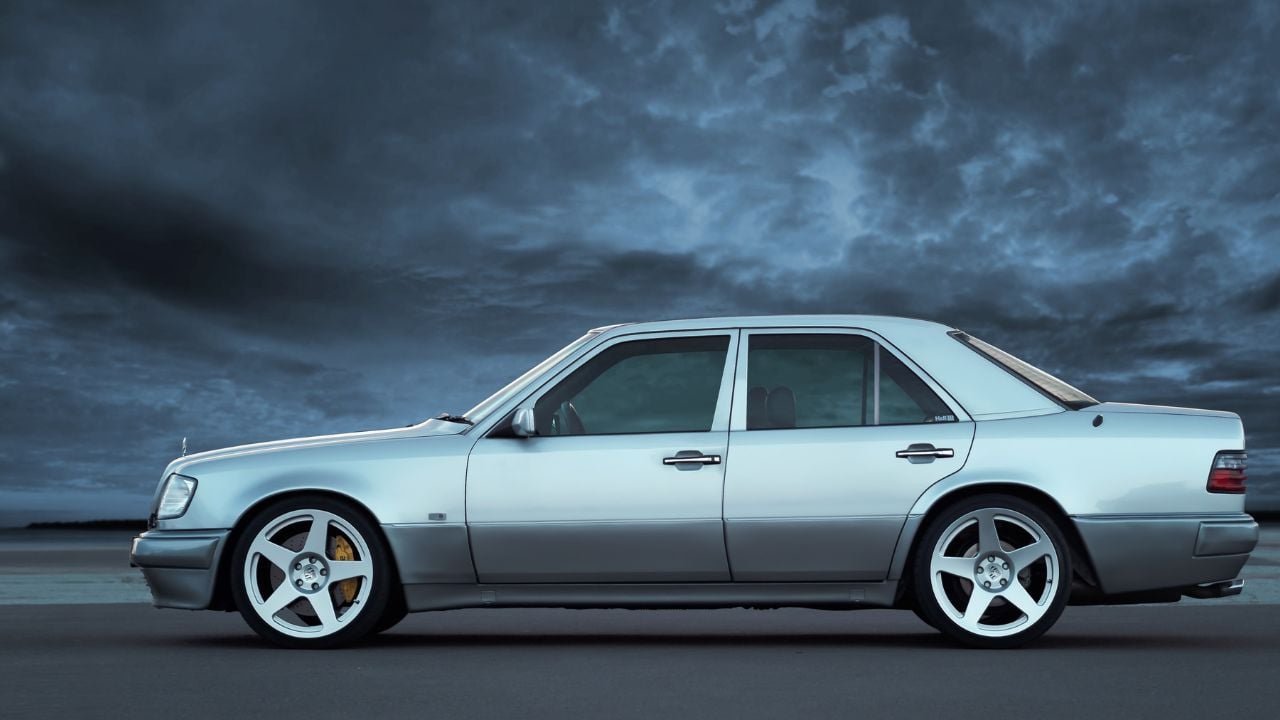
Mercedes-Benz W124
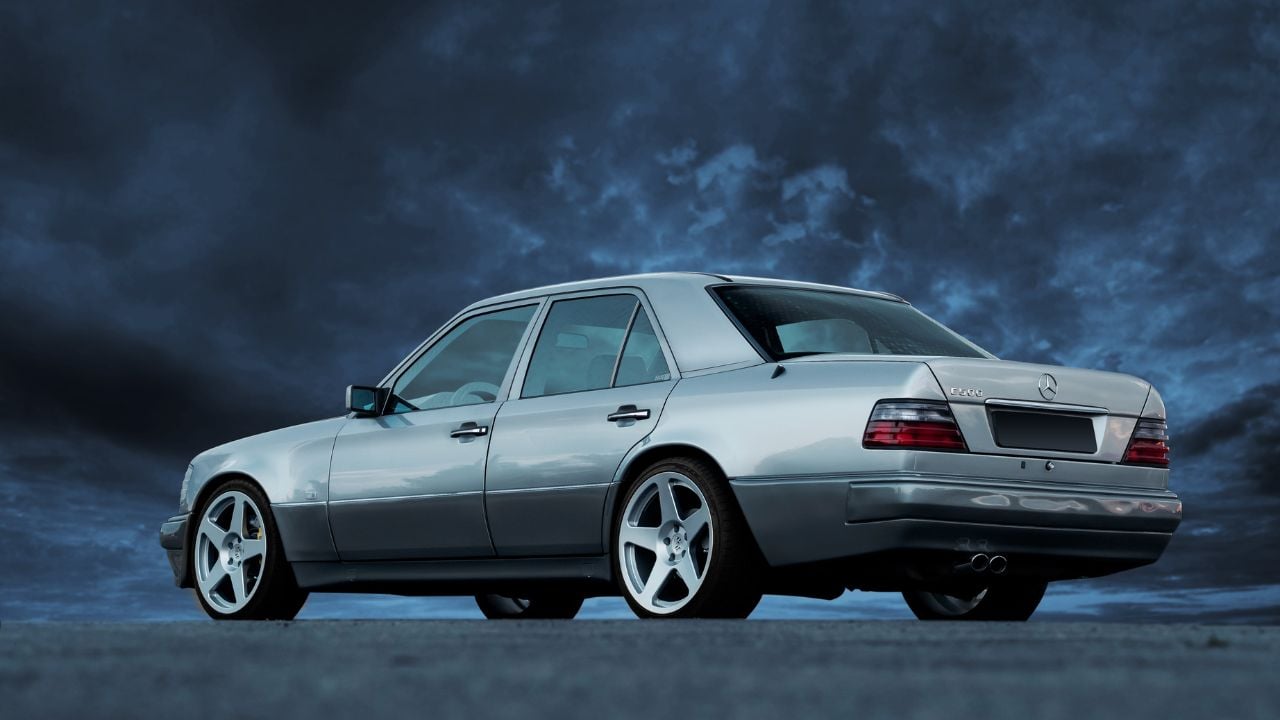
The W124 was peak Mercedes, built when the company motto was apparently “why use one part when 17 will do?” This thing was engineered to survive nuclear war, economic collapse, and teenage drivers. Every component felt like it was carved from a single block of German precision. The doors closed with a thunk that could be heard in neighboring countries. The interior featured real wood that actually came from trees, and leather that once belonged to very happy cows.
You could buy a W124 taxi with 500,000 miles on it, and it would probably outlast three modern Mercedes. These were cars built by people who took engineering personally and considered planned obsolescence a form of treason.
The styling was understated in that particularly German way: handsome without being flashy, confident without being arrogant. It looked like what a successful businessman would drive if he actually understood value over vanity.
Modern Mercedes could learn a thing or two from the W124, but they’re too busy figuring out how to fit more screens into the dashboard and planning their next subscription service.
Porsche 944

While 911 owners were busy explaining why their engine belonged in the wrong place, 944 drivers were out there actually enjoying balanced handling and predictable behavior. The 944 was what happened when Porsche decided to build a sports car that mere mortals could actually handle.
That transaxle setup gave it near 50/50 weight distribution, which meant it drove like physics intended cars to drive. The pop-up headlights were peak ’80s cool, and the wide haunches suggested power even when parked.
The interior was classic Porsche minimalism, everything you needed, nothing you didn’t, and ergonomics that made sense. The gauges were clear, the controls were intuitive, and the driving position was perfect for actually driving rather than posing.
Sure, the 911 had more prestige, but the 944 had more sense. It was the Porsche for people who wanted to go fast around corners without needing a PhD in physics and reflexes like a fighter pilot.
Renault 5 Turbo
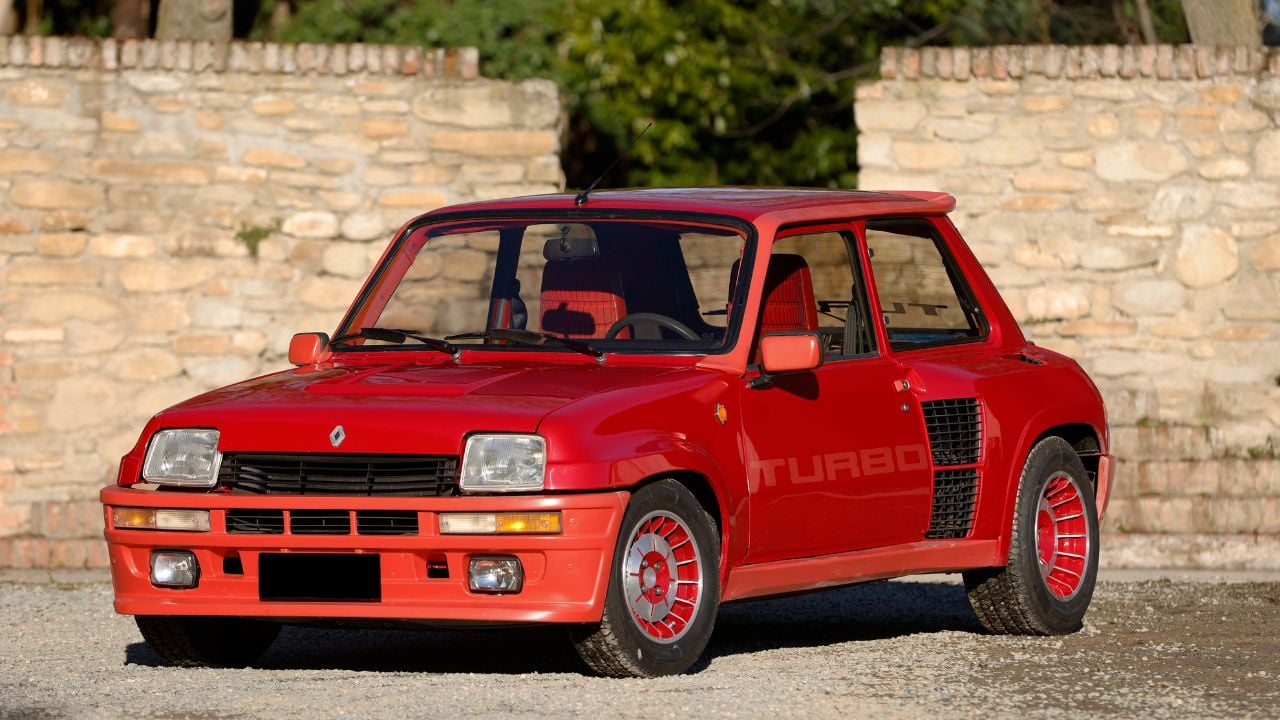
The Renault 5 Turbo was what happened when French engineers discovered both turbocharging and hallucinogens simultaneously. They took a cute city car, moved the engine to the middle, added a turbocharger, and created something that looked like it was drawn by a six-year-old with a crayon addiction.
Those flared arches were so ridiculous they made the car look like it was flexing. The rear spoiler was bigger than most people’s coffee tables. And the interior? Peak 80s excess, with more bright colors than a Miami Vice fever dream.
But here’s the thing: it worked. This little lunatic could embarrass supercars on a twisty road and look absolutely bonkers doing it. The turbo lag was more like turbo cliff-diving, but when it hit, you’d better be holding on tight.
The 5 Turbo proved that the French, when properly motivated (and possibly slightly unhinged), could create something genuinely special. It was rally homologation taken to its logical extreme, and the roads were better for it.
Saab 900 Turbo
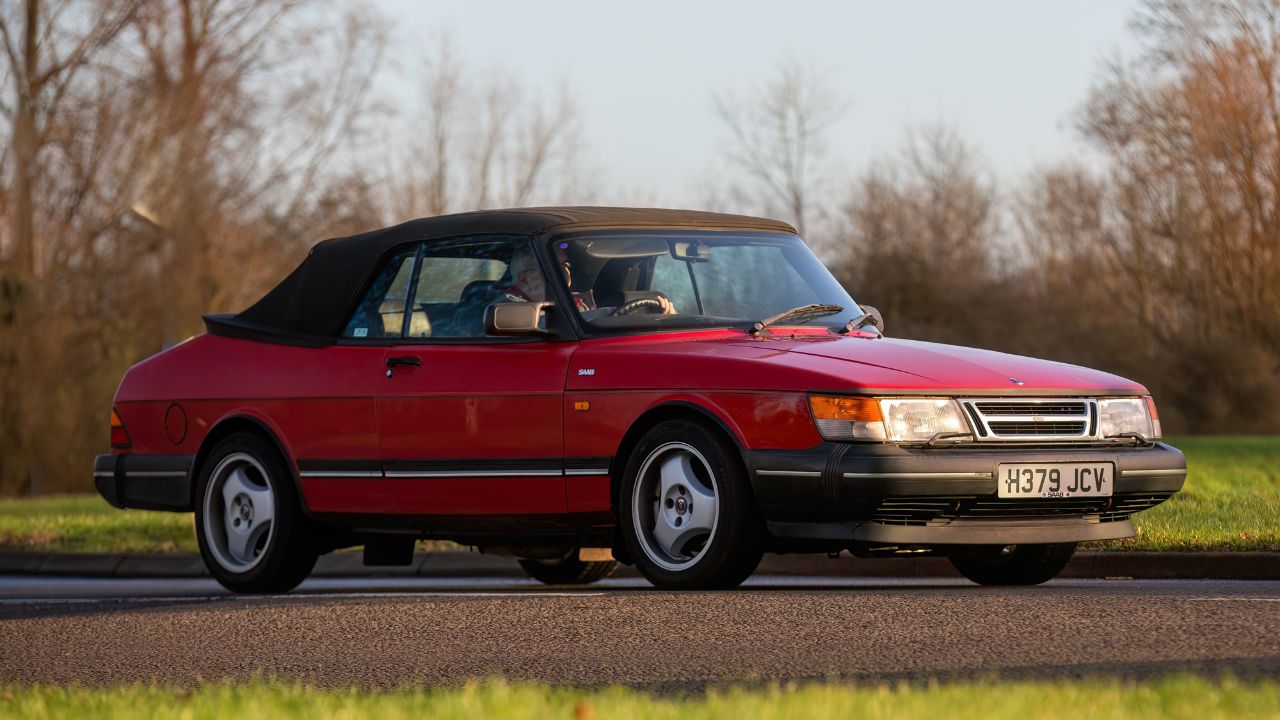
While other manufacturers were busy making cars that looked like every other car, Saab said “what if we made something completely different?” The 900 Turbo was the result, a car that looked like nothing else and drove like nothing else.
That wraparound windshield and sloped nose created a greenhouse that made every drive feel like you were piloting a spaceship. The ignition switch lived between the seats because why make things conventional? The turbocharged engine delivered power with Swedish efficiency and surprising punch.
The interior was an exercise in Scandinavian design philosophy: clean, functional, and with just enough quirk to keep things interesting. Everything made sense once you thought about it, even if it took a while to get there.
Saab owners were a special breed, people who appreciated engineering integrity over badge prestige. They drove their 900 Turbos through Swedish winters and American suburbs with equal confidence, secure in the knowledge that they owned something genuinely different.
Sadly, GM killed Saab through a combination of neglect and badge-engineering stupidity. The 900 Turbo stands as a monument to what happens when engineers are allowed to be weird.
Ferrari Testarossa

The Testarossa was Ferrari’s answer to the question, “what if we made a car so ridiculously wide that it needed its own zip code?” Those side strakes weren’t just styling, they were functional, channeling air to cool the massive flat-12 engine that lived behind your head.
This thing was theater on wheels. The engine note could wake the dead and probably cause minor earthquakes. The interior was Italian craftsmanship at its finest, red leather everywhere because subtlety is for German cars.
Every teenage boy in the 80s had a Testarossa poster on their wall, and every middle-aged man claimed he was “just waiting for the right deal” to buy one. It was the poster child for excess, the automotive embodiment of doing cocaine off a gold-plated mirror.
Was it practical? Absolutely not. Could you see out of it properly? Not really. Did it matter? Not even slightly. The Testarossa was about making an entrance, making a statement, and making everyone within a three-block radius aware of your presence.
Citroen BX
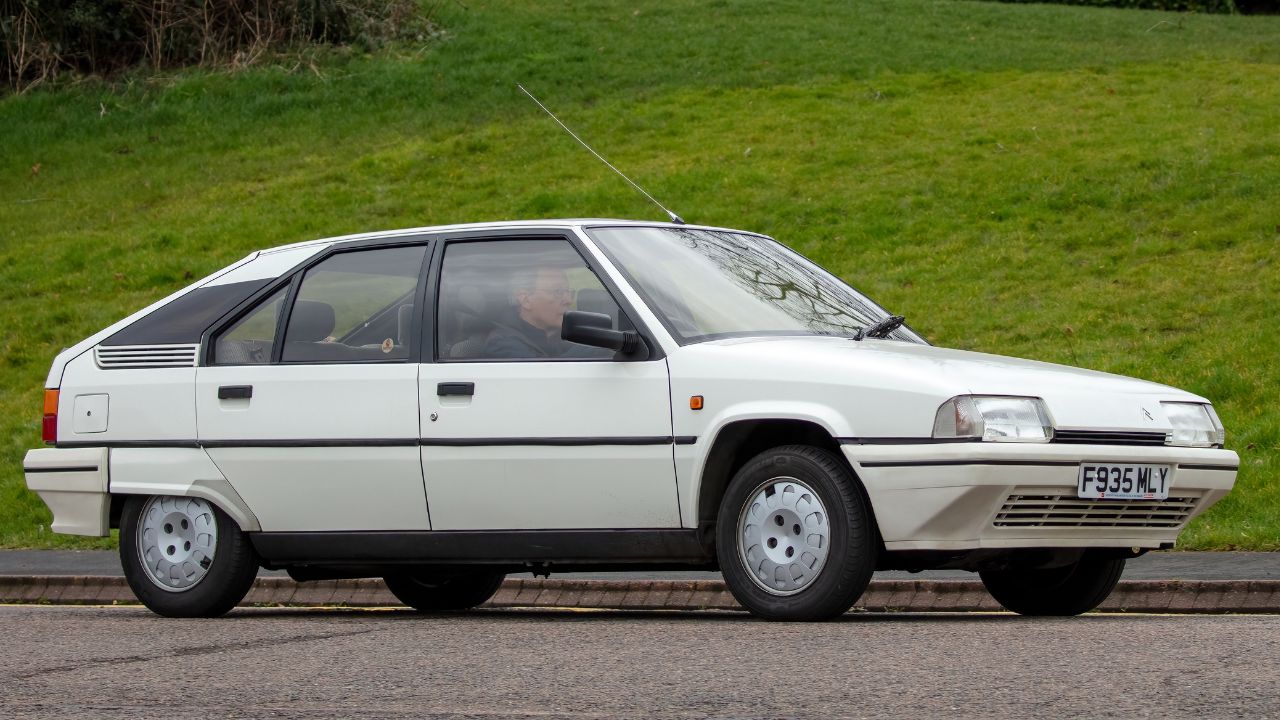
While everyone else was building conventional cars with conventional suspensions, Citroën was over here playing with hydraulic magic and creating cars that rode like they were floating on clouds filled with liquid nitrogen.
The BX was peak Citroën strangeness, angular styling that looked like it was designed by someone who’d never seen a car before, and hydropneumatic suspension that made every other car feel like it was riding on square wheels. The dashboard looked like it belonged in a space station, with a single spoke steering wheel on many trims and controls arranged with French logic. It was weird, wonderful, and completely impractical, which made it absolutely perfect.
Citroën drivers were philosophers, they understood that cars didn’t have to follow conventional rules. They appreciated engineering innovation over badge prestige and comfort over cornering speed. The BX was transportation for people who thought differently.
Opel Manta B
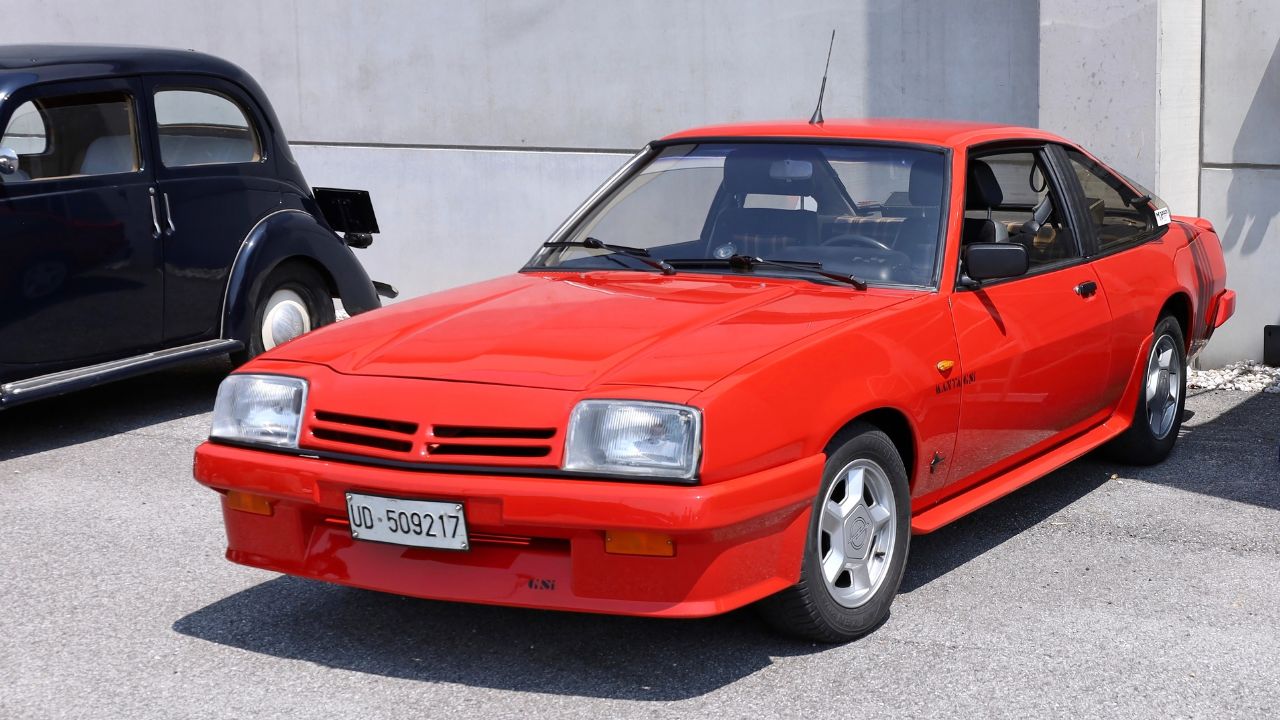
While Americans were building cars that got worse gas mileage than aircraft carriers, Opel created the Manta B – proof that you could have rear-wheel-drive fun without needing your own oil refinery.
The Manta looked the part, long hood, short deck, and proportions that suggested speed even when parked. The interior was functional German design with just enough sport to keep things interesting. And that rear-wheel-drive chassis? Pure joy on a twisty road.
It wasn’t the fastest car ever built, but it was honest about what it was: a sports coupe for people who actually wanted to drive rather than just arrive. The Manta rewarded skill and punished stupidity, which was exactly what a sports car should do.
These days, finding a good Manta B is nearly impossible, they’ve either rusted away or been modified by people with more enthusiasm than taste. But if you find a clean one, you remember why simple engineering and good proportions never go out of style
A Legacy Written in Steel and Spirit
The 1980s were the last decade when cars were still designed by people who actually liked driving. Before focus groups and safety regulations neutered everything, before computers decided what you were allowed to do, before cars became appliances with entertainment systems.
These machines had character flaws, quirks, and personalities. They rewarded skill and punished incompetence. They made sounds, smells, and sensations that modern cars have regulated out of existence.
Sure, today’s cars are faster, safer, and more efficient. They’ll also be forgotten within a decade, replaced by whatever algorithm decides is optimal for maximum profit and minimum liability.
But these 80s legends? They’re still turning heads, still making hearts race, and still reminding us what cars were supposed to be about. They were built when engineers cared more about driving dynamics than quarterly earnings, when designers cared more about beauty than wind tunnel numbers, and when manufacturers still believed that cars should have souls.
They don’t make them like this anymore. And that’s exactly why these cars matter.