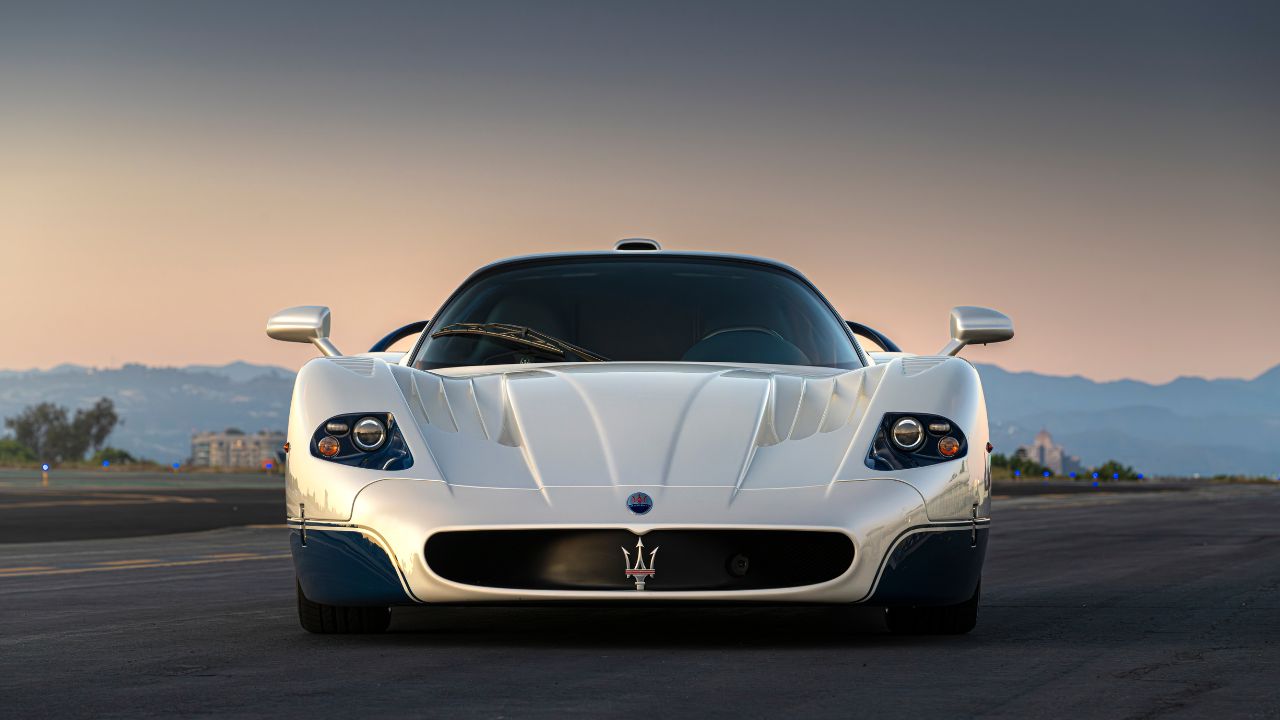
By their very existence, supercars don’t just draw crowds of admirers; they summon them. We’re talking about the kind of automotive majesty that makes even the most jaded among us drop our lukewarm coffee, fumble for a smartphone, and whisper, “Holy hell, look at that.” These are the machines that represent the pinnacle of engineering, design, and often, fiscal irresponsibility, even if we can’t exactly afford to put them in our own climate-controlled garages. We’ll find a way.
While supercars are already glorious, some limited-edition supercars are even rarer, even more innovative, and even more drool-worthy to look at. These are the kind of cars we’d sell our children for, pull off a crazy bank heist a la Ocean’s Eleven without the plot holes, or finally delete our ex off of Facebook. Speaking of exes, this is all about looks. It’s not about substance, performance, features, or enjoyable drives.
Let’s all admit that we’re sometimes shallow and can acknowledge a stunning car when we see one, even if we continue to fantasize about it despite learning of its shortcomings. Let us have this.
What is a Supercar, Really?

To truly grasp how a limited or special edition supercar can bring any street to a standstill, we need to go back to the beginning. Many consider Lamborghini to have kicked off the modern supercar era with the jaw-dropping Miura in 1966, a mid-engined supermodel that made everything else look like a tractor (which, ironically, was Lamborghini’s original business). Not every awesome sports car is a supercar, supercars are exclusive, hard-to-obtain, expensive, prestigious, and push boundaries when it comes to performance and design, making the Corvette Z06 look like a rental car.
Limited editions, whether it’s a track-focused monster or a road-going sculpture, come in all shapes and forms: higher-spec engines, suspension setups so stiff they’ll rearrange your internal organs, and, in some cases, cosmetic upgrades that cost more than a kidney. You only need to browse the illustrious history of the Porsche 911, chock full of “specials,” to see how far carmakers will go to sell you a subtly different version of the same car for twice the price. All of which come with a significantly bigger sticker price, usually with enough zeros to make your accountant cry.
Little wonder that carmakers are so keen to pander to buyers’ desires to stand out from the crowd. Because who wants to be just “rich” when you can be “exclusive-edition-supercar-rich?”
Jaguar XJ220
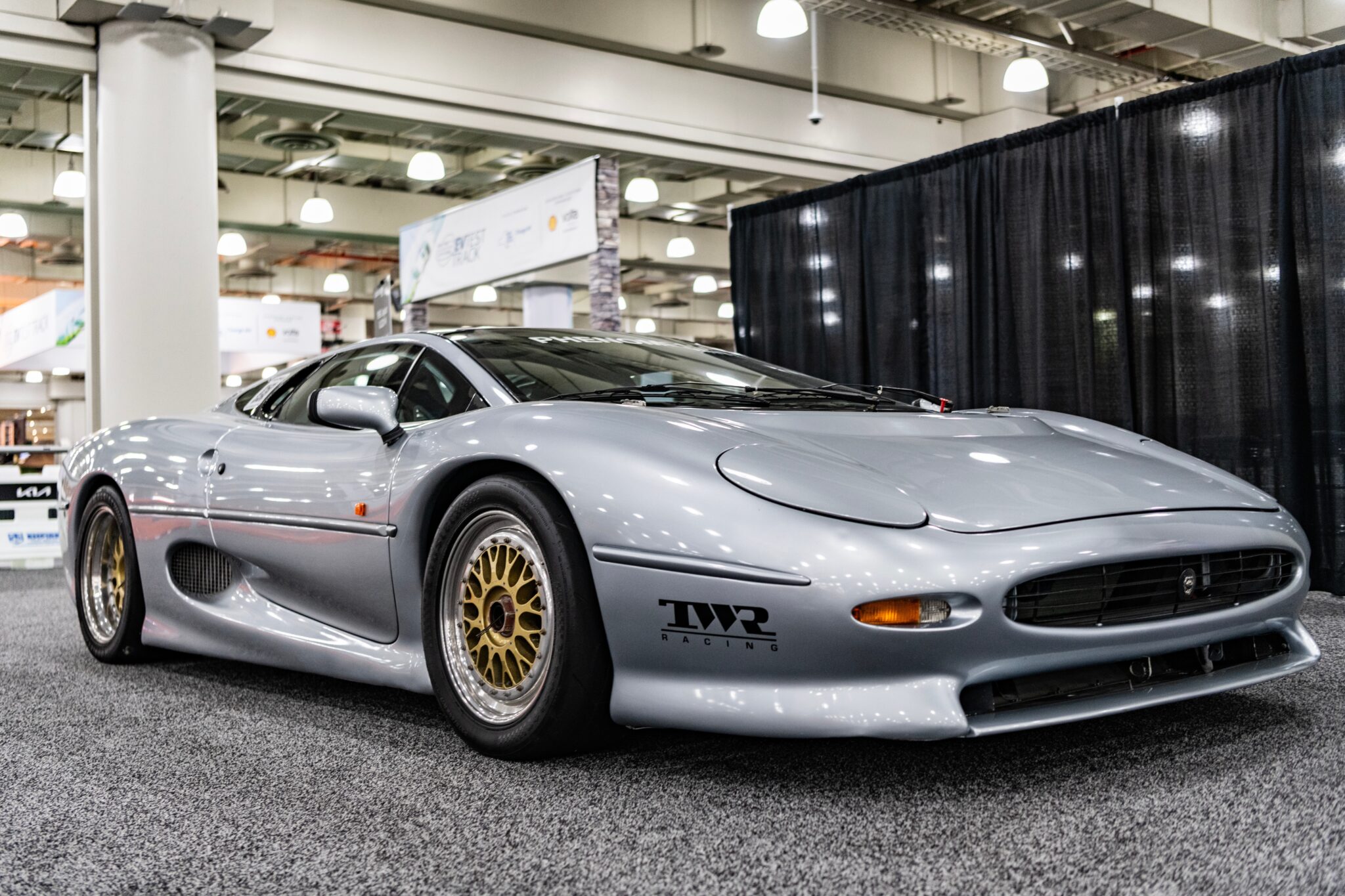
Achingly beautiful, the Jaguar XJ220 draws admiring glances wherever it goes, usually accompanied by hushed whispers of “Is that the XJ220?” Launched as a concept in 1988, Jaguar promised a mid-engined V12 supercar boasting an all-wheel-drive chassis and a blistering top speed of 220 miles per hour. Pre-orders poured in like rain in a monsoon, with buyers shelling out deposits of £50,000.
Then came the reality check. By the time production began in 1992, the engine had, shall we say, “streamlined” to a 3.5-liter twin-turbocharged V6 (derived from a Group B rally car, but still, a V6) powering the rear wheels only. This bait-and-switch, coupled with an early 1990s recession, made the price hard to swallow. Jaguar lists the XJ220’s 1992 base price at £403,000.
Jaguar recorded 213 mph in factory testing, but the XJ220 still struggled commercially. Jaguar had planned a 350-car run, yet production finished at 275 cars after cancellations and a softer market. However, a premature cut in production only made it a more exclusive supercar in the long term, turning a commercial flop into a collector’s Holy Grail. Who needs a V12 when you have a V6 with the soul of a cheetah?
Porsche 959

The first true supercar? That claim sparks more arguments than a family holiday dinner. But for many, the Porsche 959, arriving in 1986, was the definitive statement. Think of it as the 911 Turbo in its final, most insane form, refined, faster, and rarer, if also significantly more complex. Unlike its rival, the raw, minimalist Ferrari F40, Porsche believed “more is always better,” stuffing the 959 with cutting-edge tech.
It boasted a twin-turbocharged 2.85-liter flat-six engine making 444 hp, Porsche’s PSK all-wheel-drive system (Porsche-Steuer Kupplung) that could vary torque distribution, and adjustable ride height. Porsche quoted a top speed of about 315 km/h (196 mph), putting the 959 among the fastest road cars of its era. Porsche built 292 examples in total, making it an instant legend.
Thirty years later, any true enthusiast will stop, stare, and probably shed a tear of respect for the 959’s wider body, flared arches, and integrated rear spoiler. It’s the supercar that brought computers to the party while everyone else was still using slide rules.
Aston Martin DBR22
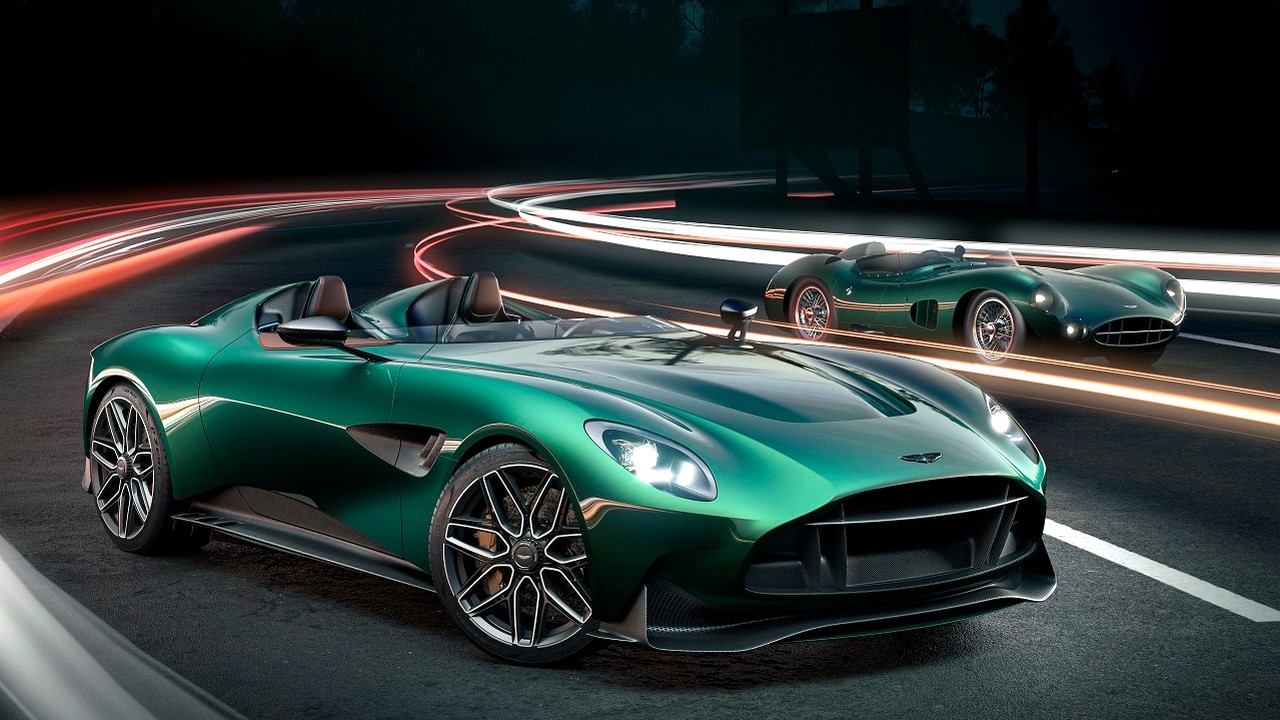
Aston Martin is no stranger to producing cars so beautiful they make angels weep, and personalized commissions through their “Q by Aston Martin” division. Launched in 2022 to celebrate ten years of the “Q” personalization service, the DBR22 is essentially a road-legal concept, showcasing the brand’s creative and sporting pedigree. Naturally, this celebration model is in short supply, with only 22 vehicles planned for production, making it rarer than a sober enthusiast at a Nürburgring 24-hour race.
Under the skin, it’s a familiar (and glorious) setup that uses Aston Martin’s 5.2-liter twin-turbocharged V12, also found in the DBS Superleggera. This pedigree means the DBR22 is not only beautiful but also brutally fast. With 705 PS (697 hp) and 555 lb-ft of torque, the DBR22 is supercar fast, posting a 0-60 mph time of 3.4 seconds and a top speed of 198 mph.
It’s the ultimate bespoke flex, designed for the individual who finds a standard Aston Martin simply too common.
Lamborghini Aventador LP-780-4 Ultimae
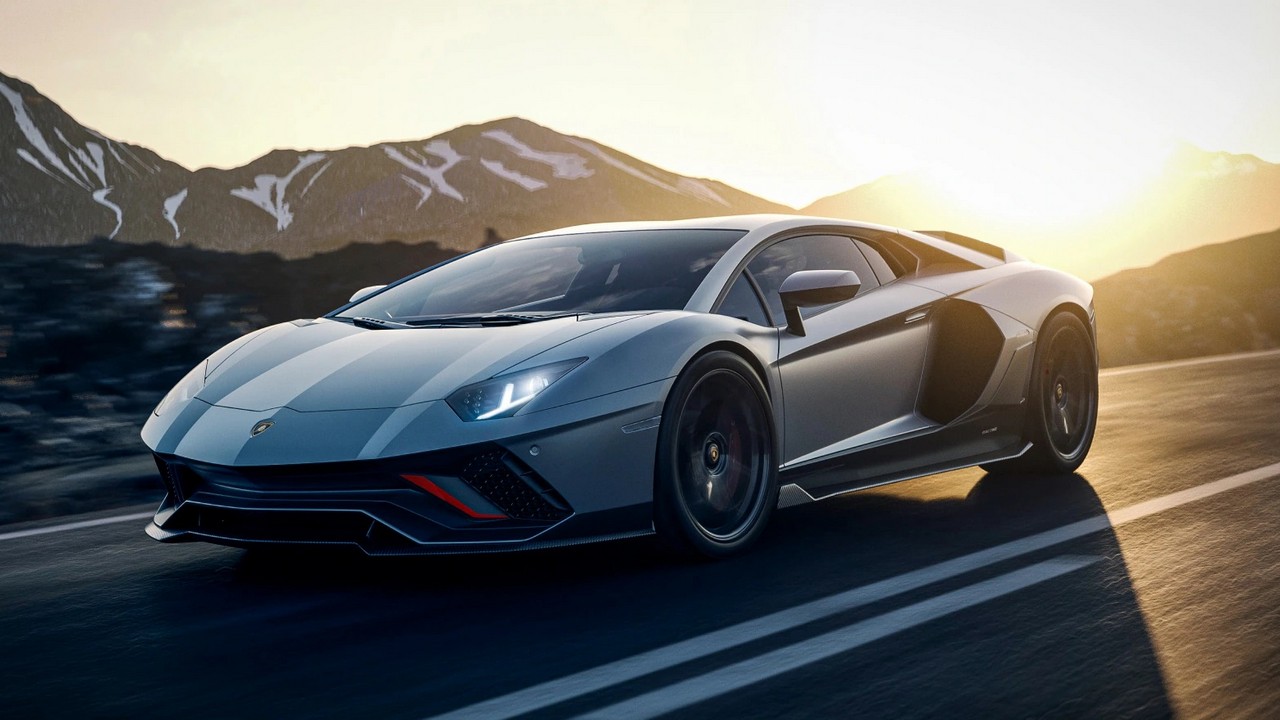
Ah, the Lamborghini Aventador LP-780-4 Ultimae. “The Aventador’s final outing!” they proclaimed. Lamborghini has made the “final V12” claim more times over the Aventador’s lifespan than I’ve seen enthusiasts swear they’re “just looking” at a car show, only to reveal another special edition a month later. This one, though, really is the last of a breed for the pure, naturally aspirated V12 in a non-hybrid production Lambo. As a last hurrah, limited to just 350 Coupes and 250 Roadsters, the LP780-4 Ultimae is a smartphone camera magnet and a chiropractor’s nightmare.
All Aventadors are special, whether it’s the visceral bellow of the 6.5-liter mid-engine V12 (cranking out 769 hp) or the impossibly low bodywork that makes speed bumps an existential threat. They don’t call this one the King of Supercars for nothing; it’s a pure, unadulterated slice of Italian flamboyance that rips to 60 mph in 2.8 seconds and hits 221 mph.
Enjoy that unfiltered V12 symphony, folks, because the next generation will probably have a battery pack whispering at you.
VLF Force 1 V10
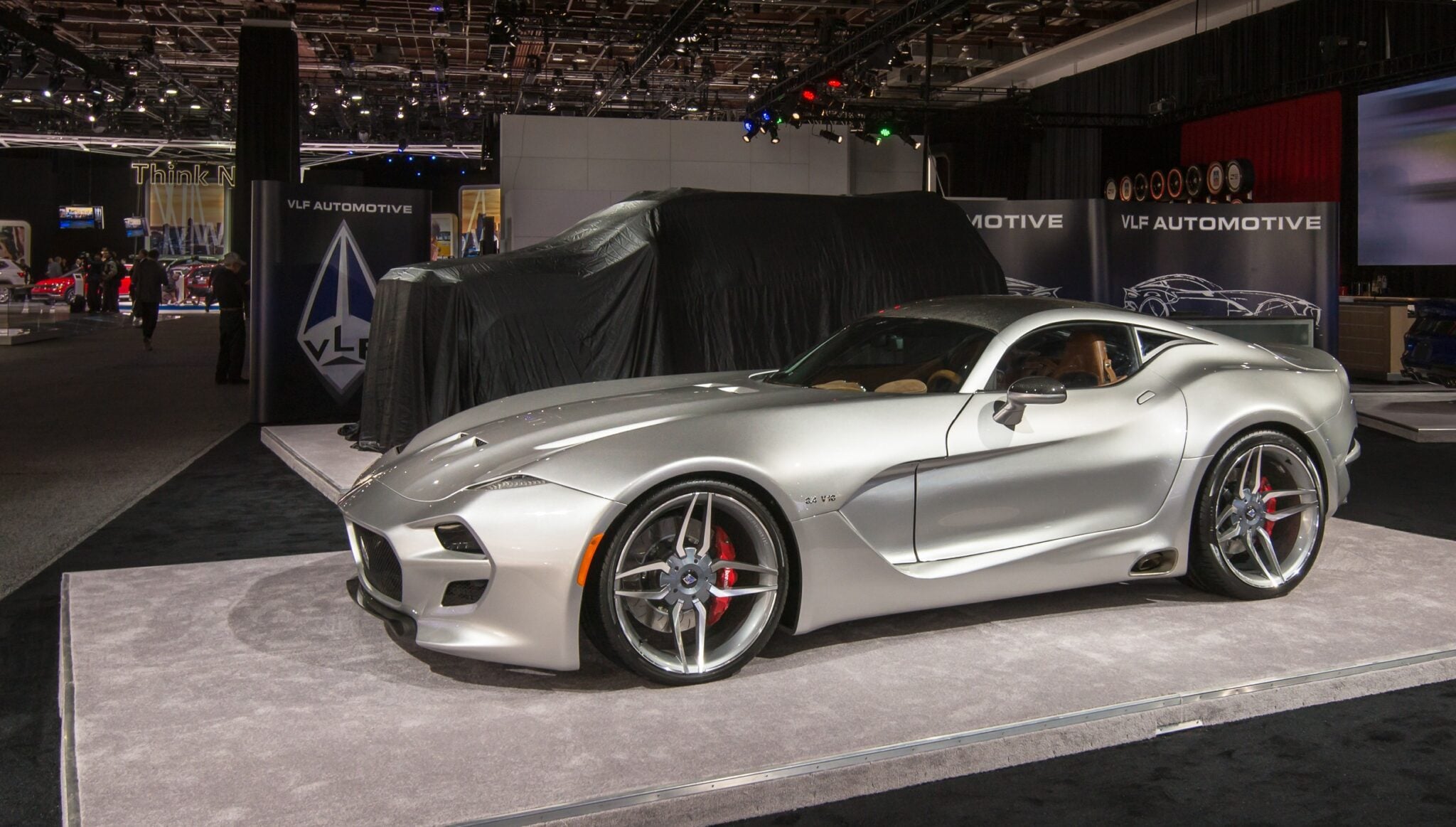
VLF Automotive? Never heard of them, you say? Well, you might know its co-founder, Henrik Fisker, the man behind some stunning designs (and a few financial quagmires). VLF’s credentials are beyond reproach; it was founded in 2012 by Fisker, Bob Lutz, and Gilbert Villarreal, with a focus on building the ultimate U.S. supercar. The recipe began with a Fisker Karma stripped of its hybrid powertrain, initially emerging as something else entirely.
Then, designer Fisker steered production towards something far more potent: the legendary Dodge Viper’s chassis and, more importantly, its monstrous 8.4-liter naturally aspirated V10 engine. This allowed the VLF Force 1 V10 to pack a potent punch, rated at 745 hp and 638 lb-ft of torque, with a claimed top speed of 218 mph. While it shares its bare chassis with the Viper, everything externally is unique and forged from carbon fiber for lightness.
Only 50 Force 1 V10s were planned, making it one of the rarest supercars and likely one most casual enthusiasts won’t recognize. If you see one, you know, and if you don’t, you’re missing out on a truly wild American beast.
Pagani Huayra Tricolore
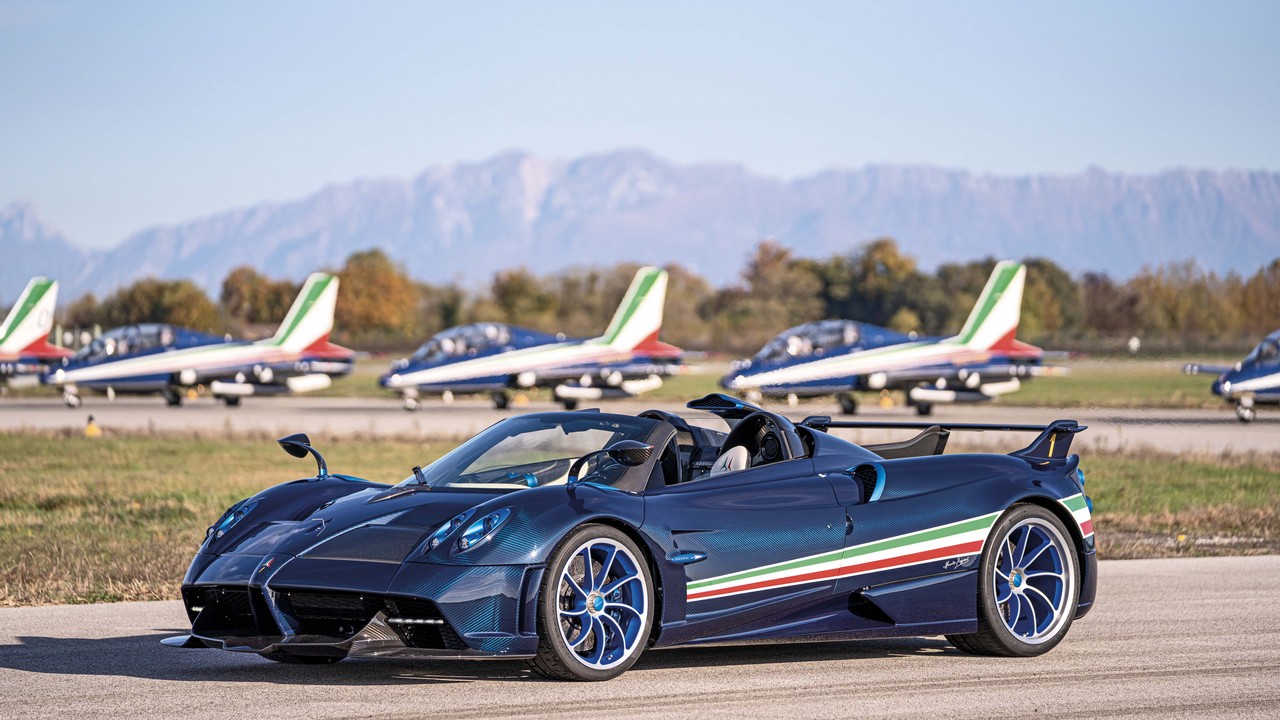
Limited editions of already rare supercars are nothing new to Pagani. The Huayra, first produced in 2011, is available in numerous variants, ranging from road-going specials to track-only cars. For the Huayra Tricolore, just three vehicles were made. That’s right, three. Inspired by the Italian Air Force’s Frecce Tricolori display team, this impossibly rare Tricolore wears a unique bare carbon fiber finish adorned with the Italian national colors. It’s so rare, seeing one in person is like spotting a UFO at a drag strip.
The Huayra Tricolore is a road-legal Huayra special inspired by the Frecce Tricolori, built as a three-car run. Pagani lists an 840 hp Mercedes-AMG 6.0-liter twin-turbo V12 and 1,100 Nm (about 811 lb-ft) of torque for this model. Rather than locking it to one specific top-speed number, it is safer to describe it as a 200-plus-mph class Pagani hypercar.
If you are lucky enough to see or hear the Tricolore, it will surely be the center of attention, mostly because it probably costs more than a small nation’s GDP.
Lexus LFA
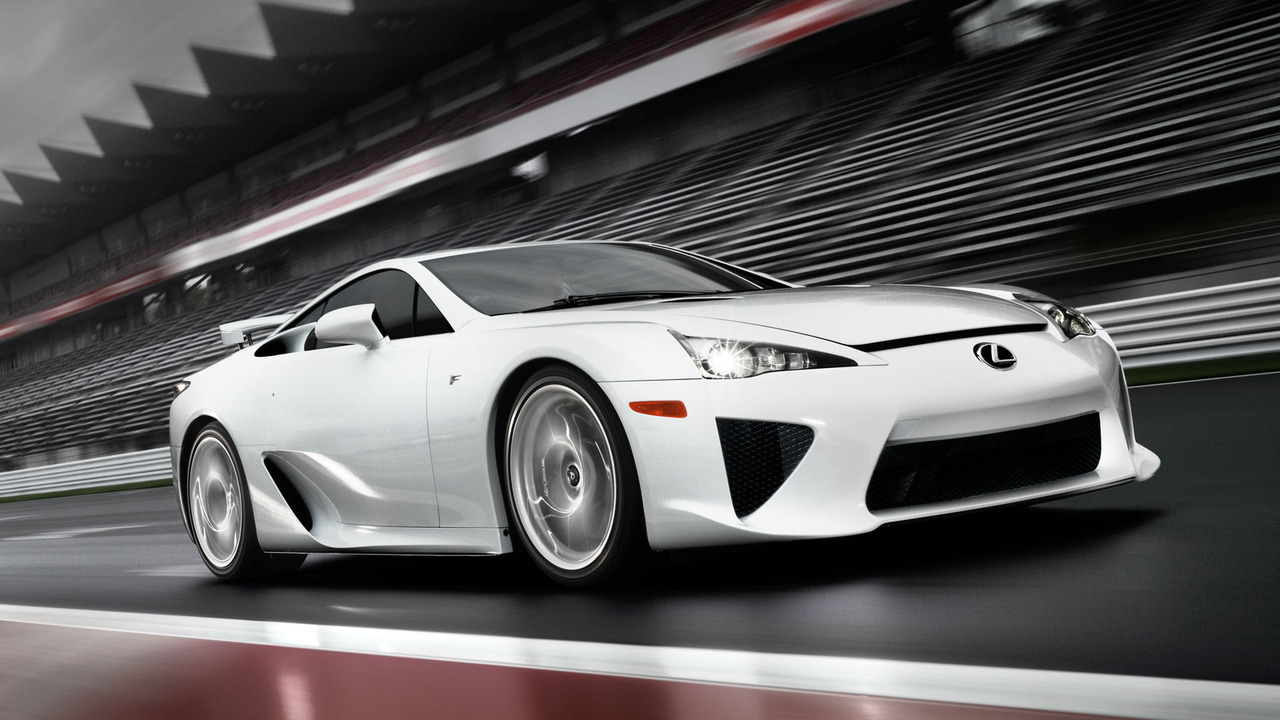
Supercars are usually the lifeblood of European niche manufacturers, commanding attention with their exotic badges. However, there are some glorious exceptions, notably the Lexus LFA. Produced between 2010 and 2012, just 500 examples of this rare technological marvel exist. While its badge might lack the inherent “wow” factor of a Ferrari or Lamborghini for the uninitiated, the LFA is no shrinking violet; it’s a masterclass in precision and sonic glory.
Naturally, its Japanese origin ensures every aspect of the LFA works in perfect unison, delivering the ultimate supercar experience. Under the hood, a 4.8-liter naturally aspirated V10 engine, co-developed with Yamaha, cranks out 552 hp and spins to a dizzying 9,000 rpm. It’s considered one of the greatest modern engines, emitting a high-revving soundtrack so good that it could make a grown man weep.
Launched as Lexus’ halo car, the LFA has remained a one-off in the lineup for years. However, Lexus and Toyota have publicly shown a next-generation flagship sports-car prototype in 2025 that is widely viewed as an LFA successor, even though full production details have not been officially confirmed. It’s proof that sometimes, the quiet kid in class is secretly a rock star, or maybe a semi-popular Twitch streamer.
Panoz Abruzzi
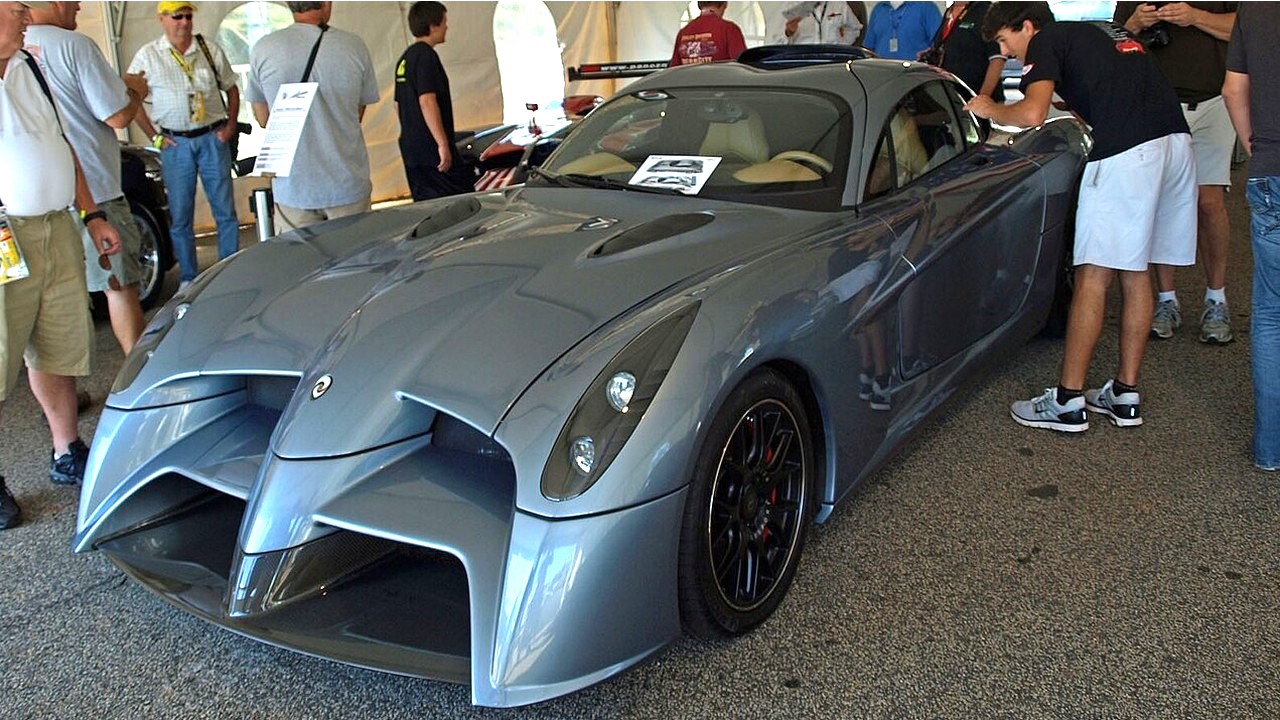
More for the wrong reasons, perhaps, driving a Panoz Abruzzi will definitely garner looks and admiration for its utterly bonkers appearance. Unlike its aesthetically pleasing peers, American manufacturer Panoz opted for raw function over conventional form, making the Abruzzi one of the less aesthetically pleasing supercars to some eyes. Despite its otherworldly, almost Batmobile-esque looks, this automotive eye-catcher found a cult following, especially in Europe, where its racing heritage was better understood.
Getting past the love-hate looks, Panoz positioned the Abruzzi Spirit of Le Mans as a front-engine, rear-transaxle supercar intended for European road use. When it introduced the project, Panoz said the car would make more than 600 hp and about 590 lb-ft of torque, but it did not publish a final engine specification or a verified top-speed figure. The plan was a limited run of 81 cars, one for each running of the 24 Hours of Le Mans from 1923 through 2013, with delivery at Circuit de la Sarthe.
Mercedes-Benz SLR Stirling Moss
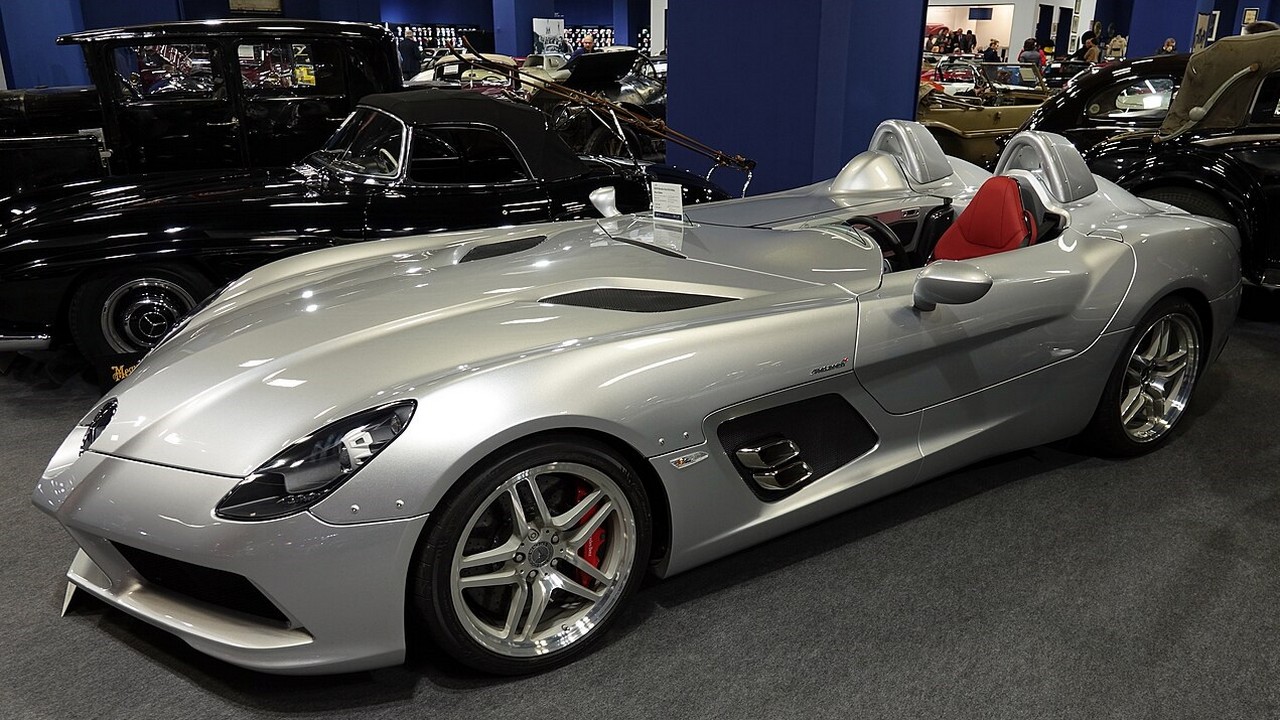
Stunningly beautiful and mind-blowingly rare, two statements you wouldn’t normally associate with a mainstream manufacturer like Mercedes-Benz, this SLR Stirling Moss Edition is a crowd-pleaser everywhere it goes. Built to honor Sir Stirling Moss and his 1955 Mille Miglia victory in the Mercedes-Benz 300 SLR, this special edition transforms the SLR into a breathtaking, 1950s-inspired speedster with no roof, side windows, or windshield. Driving it often means goggles, and many owners opt for a helmet given the open cockpit.
Interestingly, the roofless supercar styling isn’t German; it was sculpted by Korean designer Yoon Il-Hun, drawing direct inspiration from the classic 300 SLR. But don’t let the retro influences fool you; beneath the carbon-fiber bodywork lies a thoroughly modern 5.4-liter supercharged V8 engine, producing 641 hp and sending it to the rear wheels.
In total, only 75 SLR Stirling Moss editions were produced over six months in 2009, exclusively for existing SLR owners. It’s the ultimate sunny-day statement car, just don’t get caught in a bug storm
Ferrari 288 GTO

Every enthusiast recognizes the F40, Ferrari’s raw and brutal first 200-mph supercar. But few casual fans will remember the 288 GTO, its arguably more sophisticated, twin-turbocharged predecessor. Existing in small numbers for road use, the 288 GTO (Gran Turismo Omologato) was a homologation special, built to compete in the infamous Group B rally series (which was sadly canceled before the GTO could compete). It famously resembled the beloved 308, but, under the hood, things were very, very different.
Borrowing heavily from the Scuderia F1 race team, Ferrari combined its 2.85-liter F114B V8 with twin IHI turbochargers, unleashing 395 hp and 366 lb-ft of torque from a relatively lower displacement. It could hit 189 mph. Think of the 288 GTO as the true predecessor to the F40, and to many, it’s actually more desirable and rarer, with only 272 examples built for road use (plus a few Evoluziones). It’s the quiet genius that laid the groundwork for future legends.
Maserati MC12
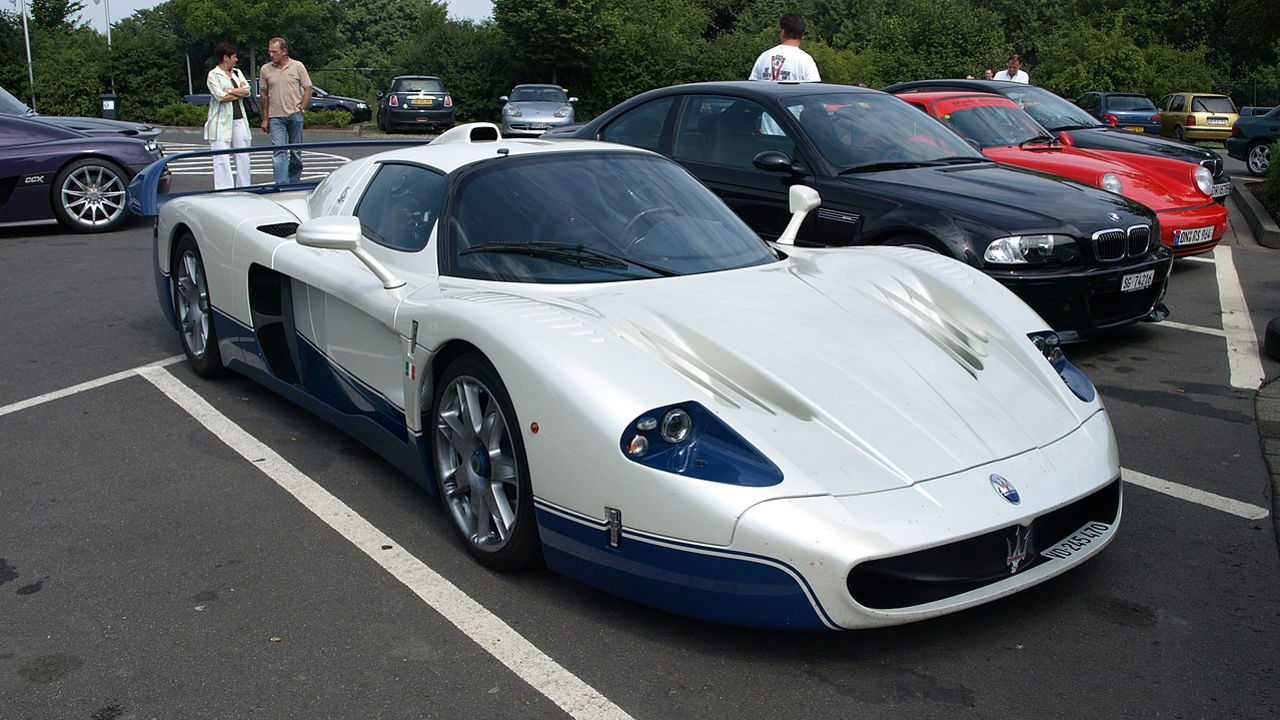
Staying with rare Italian supercars, Maserati rejoined the supercar fray in 2004 with the MC12. Visually, the MC12 is a stunning, elongated nod to the brand’s aspirations in the FIA GT Championship race series. But all is not as it first appears: With production limited to 50 road cars to homologate the GT racer, the MC12 is mechanically closely related to the legendary Ferrari Enzo, though Maserati made substantial chassis and aerodynamic changes. Maserati later offered the MC12 Versione Corse as a track-day variant, and MC12-based race cars competed in FIA GT. It’s basically an Enzo in a custom-tailored, more dramatic suit.
As a racecar-inspired supercar, the MC12 wears a longer and wider body (over a foot longer than the Enzo) than its donor, making a more dramatic entrance, especially with that removable hardtop. Any true car connoisseur doesn’t need an excuse to notice the MC12’s arrival. Tucked away behind the cockpit, you find a detuned Ferrari F140 V12 developing 621 hp and 481 lb-ft of torque.
However, there are some trade-offs for that dramatic bodywork: Maserati’s attention-grabbing aero actually reduces the MC12’s top speed to 205 mph, compared to the Enzo’s 217 mph. But who cares about a measly 12 mph when you look that good?
Morgan Aeromax
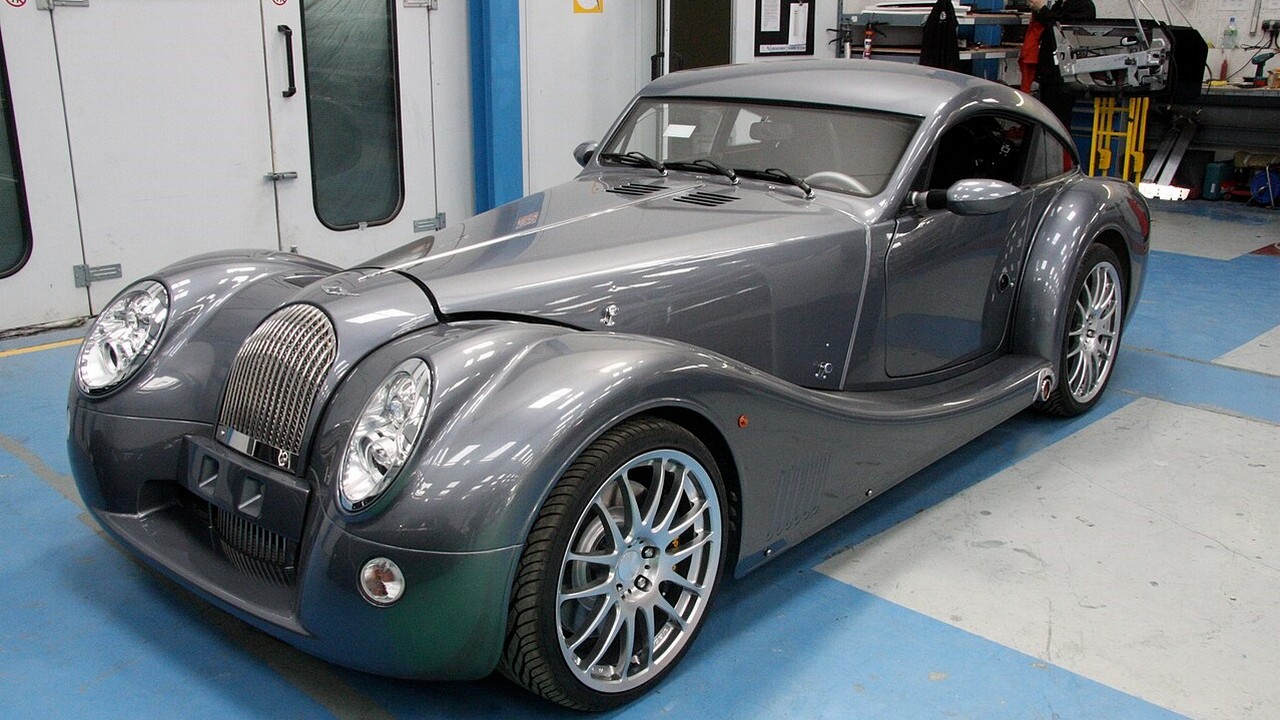
Don’t be fooled by the utterly charming, decidedly retro styling cues; Morgan’s Aeromax is a genuine supercar, albeit one sculpted from modern Superformed aluminum and boasting a unique “fastback” roofline. It’s a similar story under the skin, where an extruded and riveted aluminum chassis dispels Morgan’s near-legendary (and often roasted) use of wood for chassis construction. Despite the high-tech updates, the Aeromax retains a familiar, quirky shape, mimicking the first Morgan +8 road cars of the 1960s, albeit with a much more elaborate rear end.
Under the hood, there is nothing dated or retro. The BMW Power engine is the sole engine choice in the Aeromax, a 4.8-liter naturally aspirated V8 that produces 362 hp and 361 lb-ft of torque. These might seem like small numbers by modern supercar standards, but weighing a featherlight 2,535 lbs, the Aeromax posts a sub-five-second 0-60 mph time (4.5 seconds) and will run to 170 mph flat out.
Only 100 Aeromax cars exist, marking the brand’s centenary year. It’s a gentleman’s supercar that combines old-world charm with just enough modern grunt to surprise a few hot hatches.
McLaren 675LT
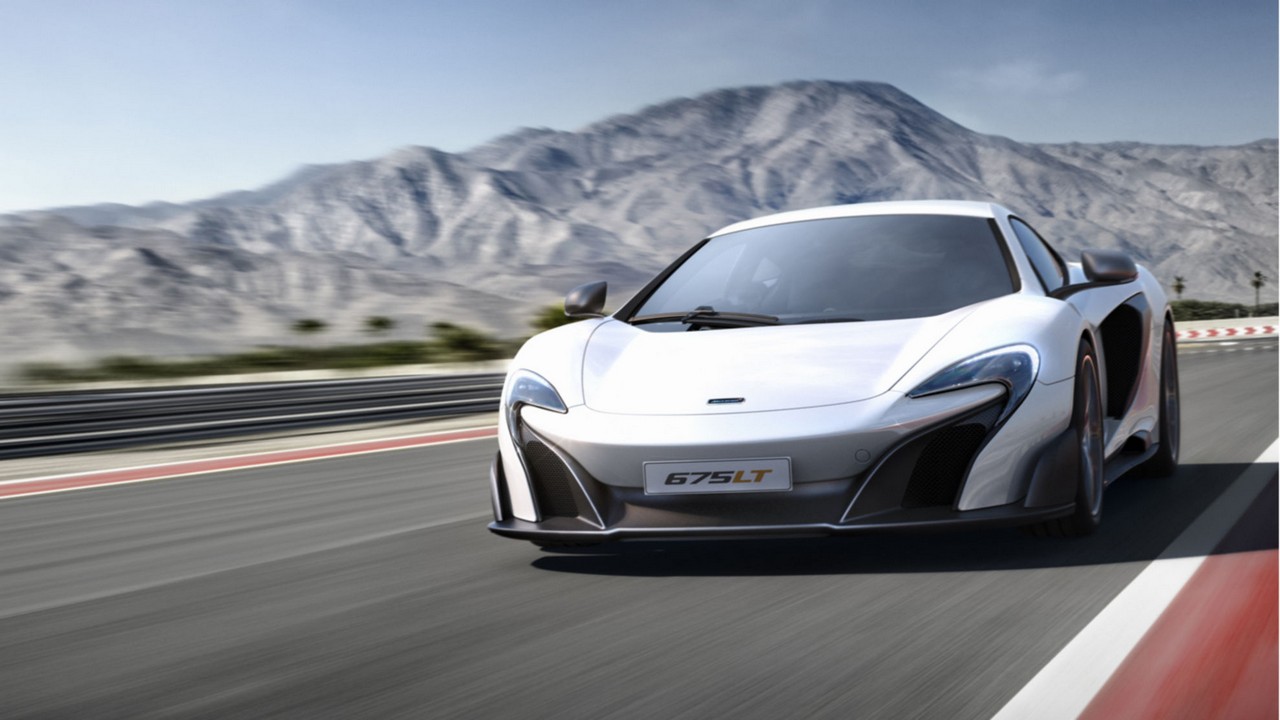
Supercar makers constantly produce special editions of their “regular” cars; it’s practically a sport in itself. McLaren is no different. The MP4-12C came first, superseded by the 650S, which, in turn, was joined by the 675LT – a more focused, lighter, and frankly, angrier supercar. The “LT” (Long Tail) prefix isn’t just for show; it harks back to the carmaker’s famous F1 GTR Longtail race cars that dominated Le Mans. Through greater use of weight-saving carbon fiber, the 675LT sheds a significant 220 lbs (100 kg) over the 650S, bringing its dry weight down to just 2,712 lbs.
McLaren also updated the 3.8-liter twin-turbocharged V8 with a revised engine map, unlocking an additional 25 hp, which brings the total to 666 hp (a figure that likely proves the devil is indeed in the details) and 516 lb-ft of torque. While these changes might seem “small” to the untrained eye, for a track-focused machine, they’re monumental. The 675LT rips to 60 mph in 2.9 seconds and tops out at 205 mph.
This “Long Tail” adds a sense of exclusivity reinforced by a strictly limited run of 500 Coupes and 500 Spiders. It’s the ultimate “less weight, more power” mantra brought to life, and a reminder that McLaren knows how to make a truly special edition.
Saleen S7 Twin-Turbo
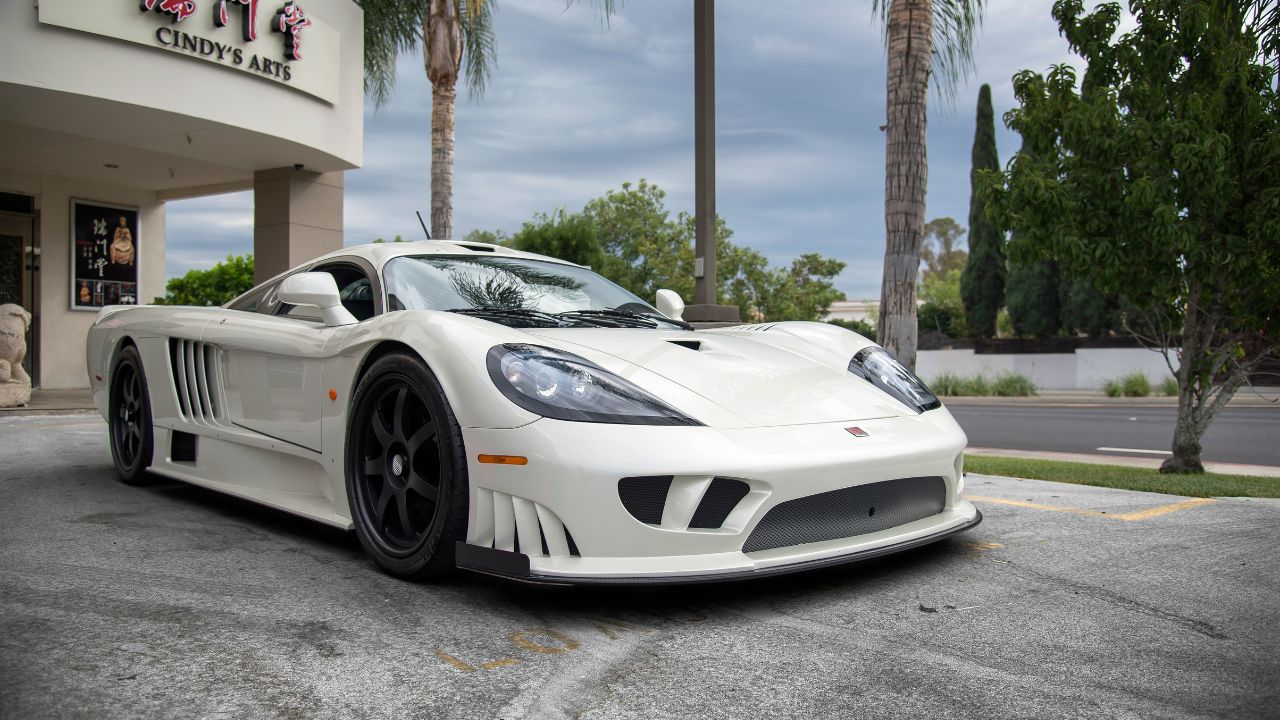
Once in a generation, a U.S. supercar maker like Saleen outperforms itself, and the S7 Twin-Turbo is that moment. This revision of the already fast S7 took American raw power to an entirely new level. External revisions to the front and rear air splitters added crucial downforce to tame the car’s prodigious power output. Regardless, in either naturally aspirated or twin-turbo trim, Saleen’s supercar is a crowd-stopper wherever it goes, mainly because it looks like it escaped from a GT racing grid.
A closer look at the numbers for the S7 Twin-Turbo reveals a power hike to a staggering 750 hp and 700 lb-ft of torque from its 7.0-liter twin-turbocharged Ford V8. The gains did little to the car’s 0-60 mph acceleration time, shaving just a tenth to 2.8 seconds (because how much faster can you get off the line?). But at the other end of the performance scale, the S7 Twin-Turbo gets within touching distance of hypercars, boasting a claimed top speed of 248 mph.
Production totals for the S7 Twin Turbo are often cited at around 30 cars, depending on how sources count factory builds versus later updates, so it is best to describe it as a very low production model and avoid attributing the number directly to Saleen without a primary quote. It’s the automotive equivalent of a heavyweight boxer in a tailor-made suit.
Final Thoughts: Flashy, Fast, and Gone in a Blink

Limited-edition supercars are about more than just raw speed; they’re about presence. They’re about that visceral feeling they evoke, both for the driver and for everyone lucky enough to witness them. Some are mid-engine masterpieces and others are V12 monsters, but they have one thing in common: they are outwardly stunning beyond what most people could ever imagine. Sleek lines, wild features, intense stances, it’s hard to look away.
These are not the usual Cars and Coffee suspects. They fit in better at Pebble Beach. But you’d even spot them in the sea of cars at that prestigious event, they’re that eye-catching and mesmerizing. They don’t just scream “look at me,” they whisper, “you wish you could.” So go ahead, add one to your lottery dream garage. Just don’t forget to factor in the cost of a private jet for parts delivery.