Some classic cars are essentially rolling art with attitude. Even when they’re parked, they look like they’re about to lunge off the line and ruin a set of rear tires. Whether it’s the wide-shouldered stance of a muscle car or the slick curves of an old-school European coupe, these cars just look fast.
They ooze speed, drama, and charisma, even while gathering dust under a cover in someone’s garage. And that’s the magic: they don’t need to move to make you feel something. Just one glance and boom… you’re 16 again, daydreaming about burnouts, backroads, and gas prices under a dollar.
The Allure of Timeless Speed

Whether you’re a die-hard enthusiast or just someone who knows a sleek, stunning fender when they see one, there’s no denying the magic of a car that looks like it’s doing 120 while parked at a meet.
These classics influenced current generations with their boundary-pushing designs, but also inspired the future to strive harder. They weren’t designed for wind tunnels or fuel economy ratings. They were built to turn heads, melt tires, and make neighbors jealous.
So buckle up (or don’t, it’s probably a lap belt), and check out 20 classic cars that look fast even while sitting still. Because some cars don’t need motion to flex, they just sit there and dare you to race them.
1969 Dodge Charger

The Dodge Charger has one of the most aggressive stances of any classic muscle car. With its long, sculpted hood, bold grille, and wide rear end, it’s hard not to imagine it roaring down the street.
It became a pop culture icon thanks to The Dukes of Hazzard, but it’s that unmistakable muscle-car design that makes it look like it’s always ready to burn rubber, even if it’s not the airborne General Lee in a car chase.
1963 Ferrari 250 GTO
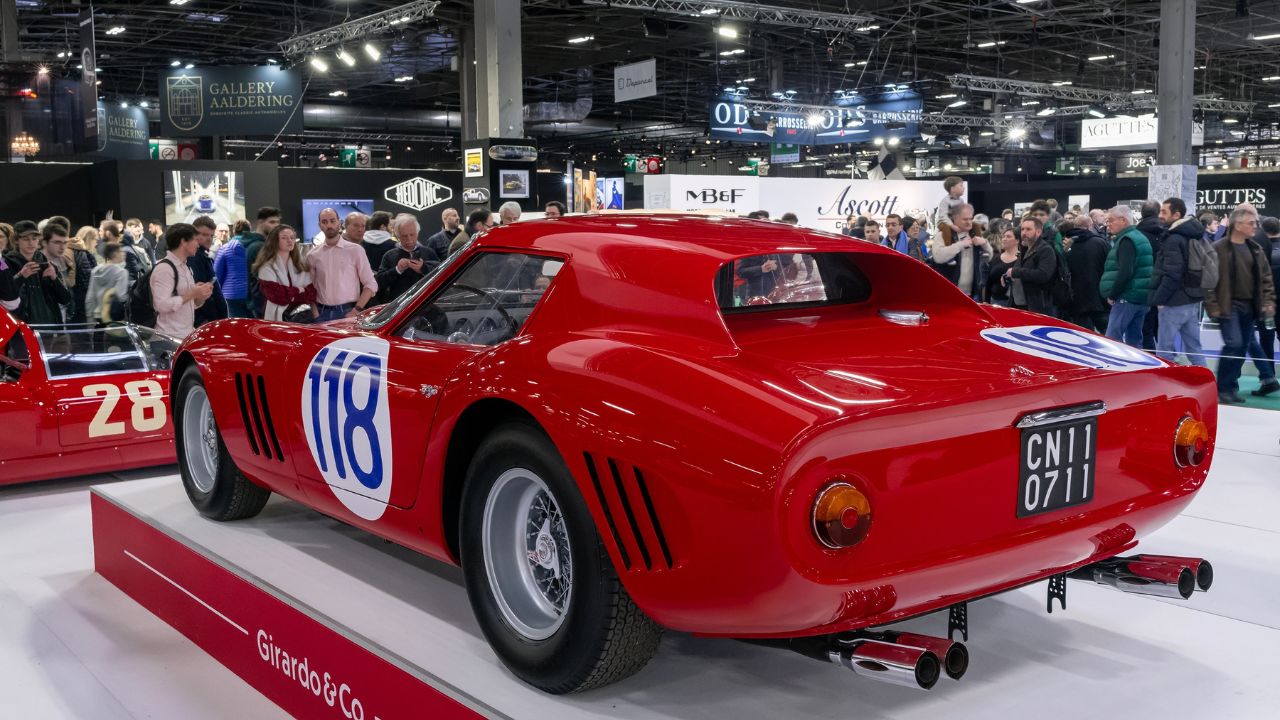
Elegance meets power in the Ferrari 250 GTO. It’s got curves so smooth they make grown men weep and fenders wide enough to clear out two lanes of traffic and your ex’s memory. With its low-slung stance and race-bred DNA, the 250 GTO appears to have been sculpted by a team of Italian angels who also happened to be obsessed with lap times. It wasn’t just built to win races, it was built to look obnoxiously good doing it.
No wonder collectors treat it like the Holy Grail with a V12. It’s fast, it’s rare, and if you ever see one in the wild, it’s probably worth more than the block you live on. A 1963 Ferrari 250 GTO was reportedly sold in a private deal for about $70 million in 2018, setting the publicly reported record for a Ferrari.
1967 Shelby GT500 Mustang

When you hear “muscle car,” if your mind doesn’t immediately conjure up a Shelby GT500 Mustang, then you might need a new subscription to Hot Rod magazine. There’s a reason the remake of Gone in 60 Seconds switched to this model Mustang.
Its aggressive lines, stance wider than a ’70s bell-bottom, and that hood scoop big enough to swallow a small dog (don’t try this at home) make the Shelby GT500 look like nothing to mess with if you want to come out of a street race alive. This isn’t just a car; it’s a four-wheeled declaration of war on slow.
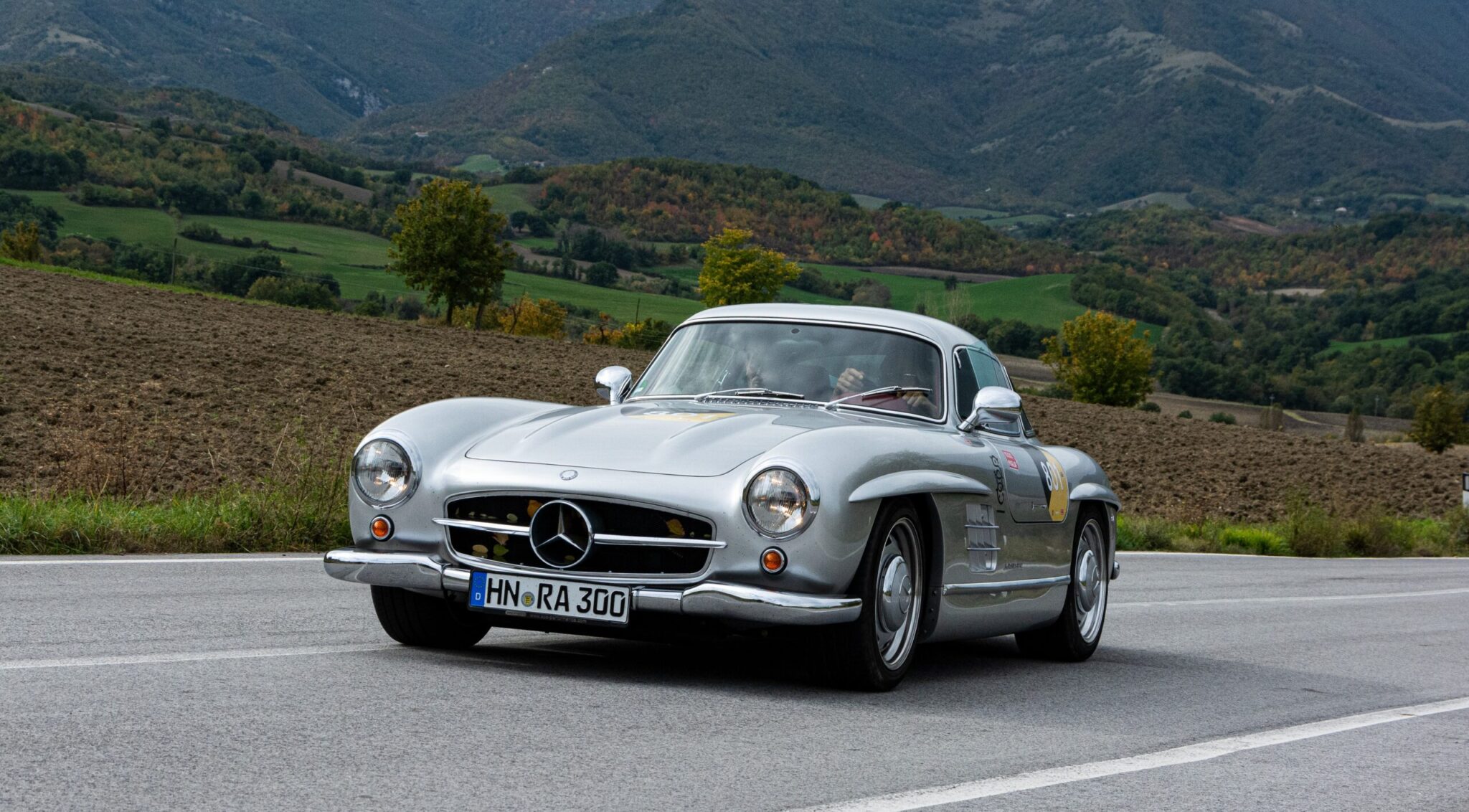
1955 Mercedes-Benz 300SL Gullwing

Forget Doc Brown’s DeLorean; the 300SL Gullwing looked like it arrived from the future in 1955. Those gullwing doors? Pure science fiction for its time. Even now, gullwing doors make cars stand out even in the most coveted of car collections. They don’t just open; they ascend like the wings of some majestic, chrome-plated bird of prey. There’s a reason this is considered the first supercar by many.
With its long hood and sleek body, this Benz looks less like it’s ready to drive and more like it’s ready for a low-altitude flyover. It’s got the soul of a race car wrapped in a tuxedo, proving that you can be both elegant and a menace on the track. I can really imagine the next iteration of James Bond stepping out of this car, the one reason I’d welcome back this tired franchise.
1969 Chevrolet Corvette Stingray
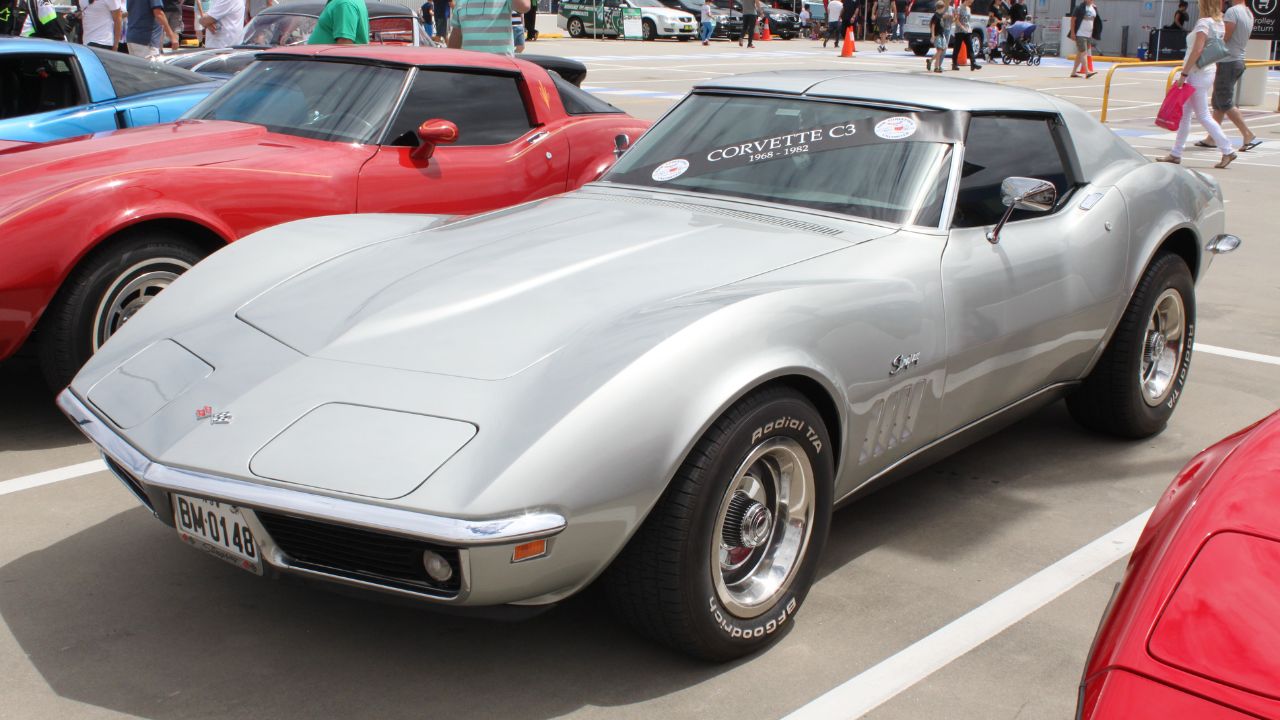
If you want to talk about American performance, you don’t talk about it; you YELL about the 1969 Chevrolet Corvette Stingray. This isn’t just a car; it’s a sculpted, fiberglass bold rejection of sluggish performance. Even when it’s not tearing up the track, the Stingray radiates raw, untamed power thanks to its astonishingly low profile and razor-sharp body lines. Its incredibly wide rear makes the Stingray look like it’s constantly tensed, ready to spring.
It’s got the kind of raw, untamed power that makes you want to yell “USA! USA” and light up the tires, even if you’re just parked at the local diner. This is the kind of car that gives American muscle car enthusiasts their rowdy reputation, sporting optioned with up to 435 hp, giving it performance that could run with contemporary European exotics. USA! USA!
1963 Jaguar E-Type
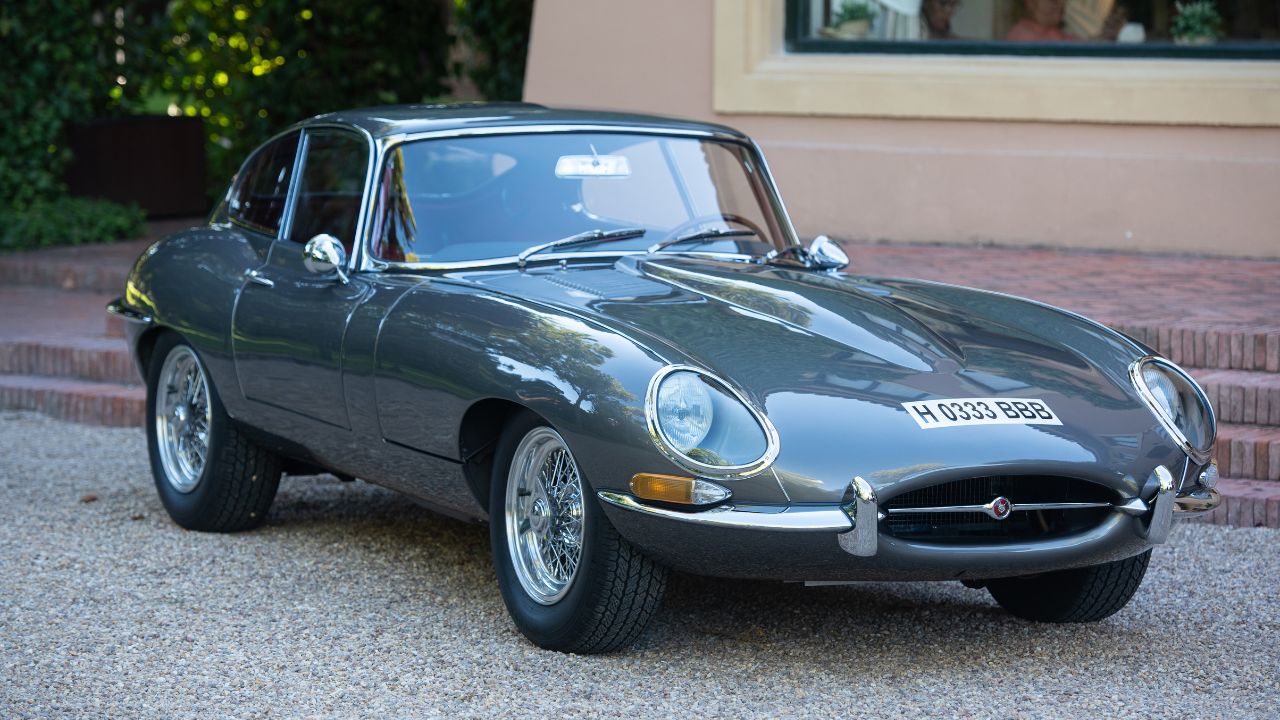
The E-Type is often described, sometimes with a quote attributed to Enzo Ferrari, as ‘the most beautiful car in the world,’ though the attribution is largely secondhand. And who are we to argue with the master? This British beauty, with its smooth curves, a nose worthy of Pinocchio, and tight proportions, looks like it could hit 100 mph before you finish your fish and chips.
While it looks elegant, just a quick glimpse at the E-Type gives you a sense that this predatory gentleman is looking to run your family sedan into the ground. (Seriously, don’t lock eyes with it.) This beauty set the standard for timeless sports cars, and frankly, most modern cars still can’t hold a candle to its sheer visual velocity.
1965 Pontiac GTO

Before there were muscle cars, there was the 1965 Pontiac GTO. This bad boy didn’t just kick off an era, it drop-kicked it right into orbit. With an aggressive front end that looks like it’s perpetually scowling, a grille bolder than a politician’s promises, and an intimidating stance that screams, the GTO means business on the track.
It looks like it was born on the drag strip and is always ready to leave everyone else choking on its exhaust fumes. Its performance and style remain the stuff of legends, like that one uncle who still tells stories about his ’65 GTO winning every street race back in the day. And we believe him, despite 0–60 times ranging from about 5.8 seconds to around 7 seconds, depending on configuration.
1970 Chevrolet Chevelle SS 454

This thing isn’t just beefy; it’s a full-on Arnold Schwarzenegger at his peak. With a wide stance that looks ready to squat a small building and a menacing front end that says “move or be moved,” this Chevelle is pure, unadulterated muscle. Even when it’s just sitting at a vintage car meet, the Chevelle SS 454 looks like it’s flexing on you. It probably just gulped down a protein shake and is ready for the green light to drop.
The only thing that could make it more intimidating? I don’t know, maybe strap some missiles onto the thing like they did in Fast & Furious 4.
1967 Ferrari 275 GTB/4
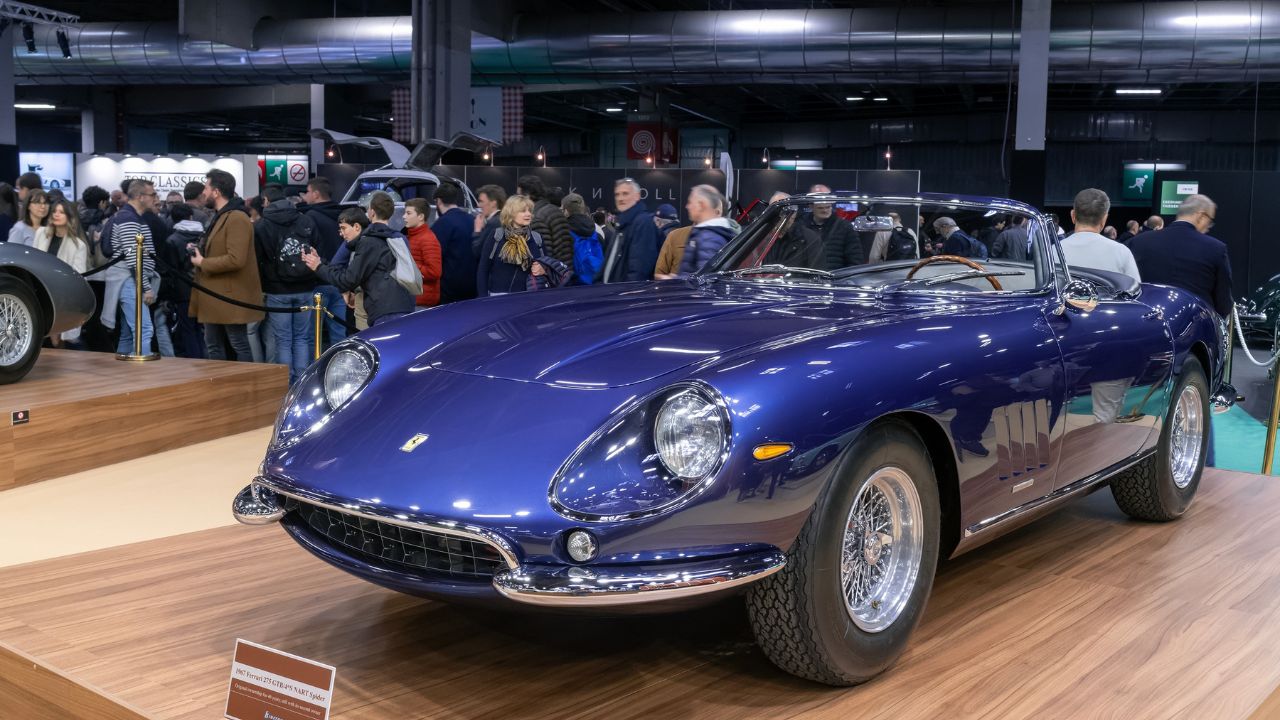
Ah, Ferrari. The name itself conjures up images of speed, passion, and mechanics who probably wear designer overalls. The 1967 Ferrari 275 GTB/4 is a masterpiece, a beautifully sculpted work of art that just so happens to have a performance pedigree longer than your dad’s list of ailments.
The long hood and elegant curves give it a sense of speed even when it’s just parked, looking refined and nonchalant, probably judging your choice of hubcaps if you’re lucky enough to even catch a glimpse at one. It’s the automotive equivalent of a perfectly tailored suit that also happens to conceal a black belt in karate.
1973 Porsche 911 Carrera RS
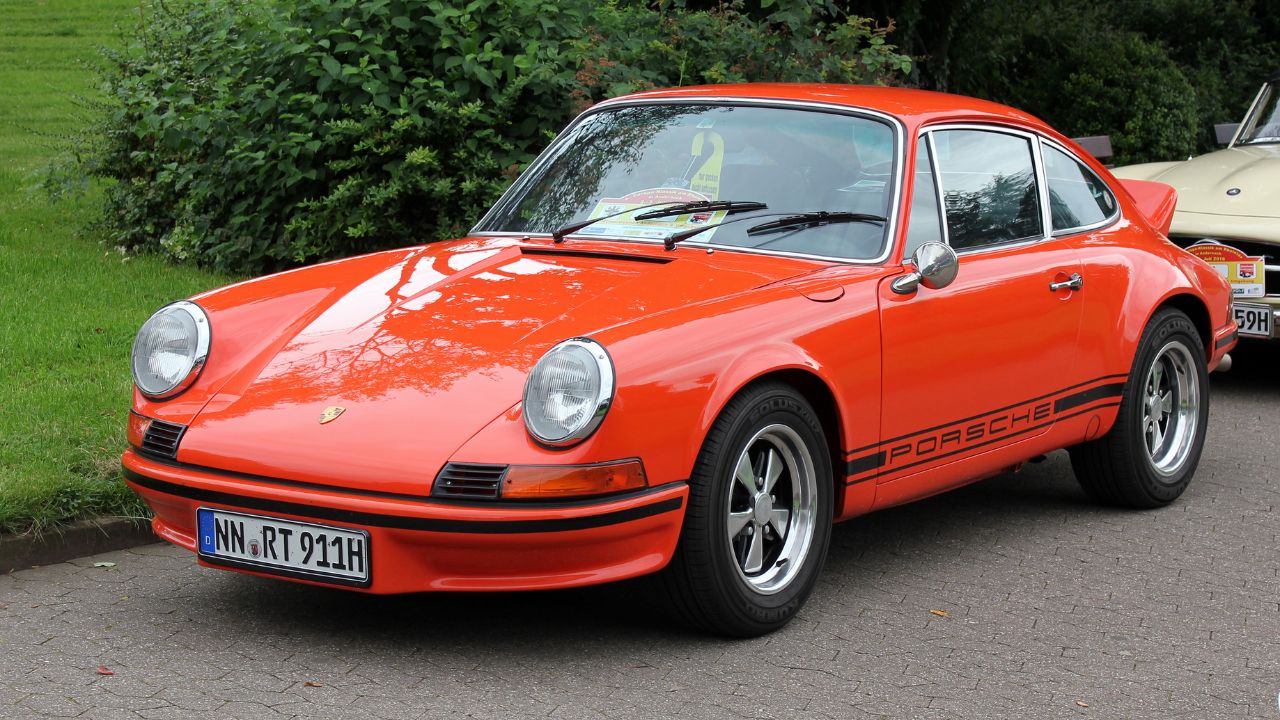
The 1973 Porsche 911 Carrera RS isn’t just fast; it’s a visual lesson in efficiency and performance. That ducktail spoiler in the back? It’s not just for looks (though it looks amazing); it’s there to keep this little beast glued to the pavement at speeds that would make a lesser car flap its wings. The flared wheel arches and compact design tell you this car is about business, not flash. It’s the kind of car that makes you want to find an empty stretch of road and practice your apex clipping.
But you’ll need over $1.8 million to get that chance. It’s one of the most sought-after Porsche for a reason.
1969 Plymouth Road Runner

Named after a cartoon character, the 1969 Plymouth Road Runner is proof that muscle cars can have a sense of humor, albeit a very loud, tire-shredding one. With its bold, angular lines, this car screams power and performance louder than a Mopar with open headers. It looks like it’s about to take off at any second, leaving a cloud of dust and a “beep-beep!” in its wake.
It captures that playful yet powerful spirit of American muscle, the kind that makes you want to ditch your responsibilities and go find a quarter-mile to because the A12-equipped ’69½ Road Runner is famous for low-13-second quarter-mile potential in period testing.
1957 Chevrolet Bel Air
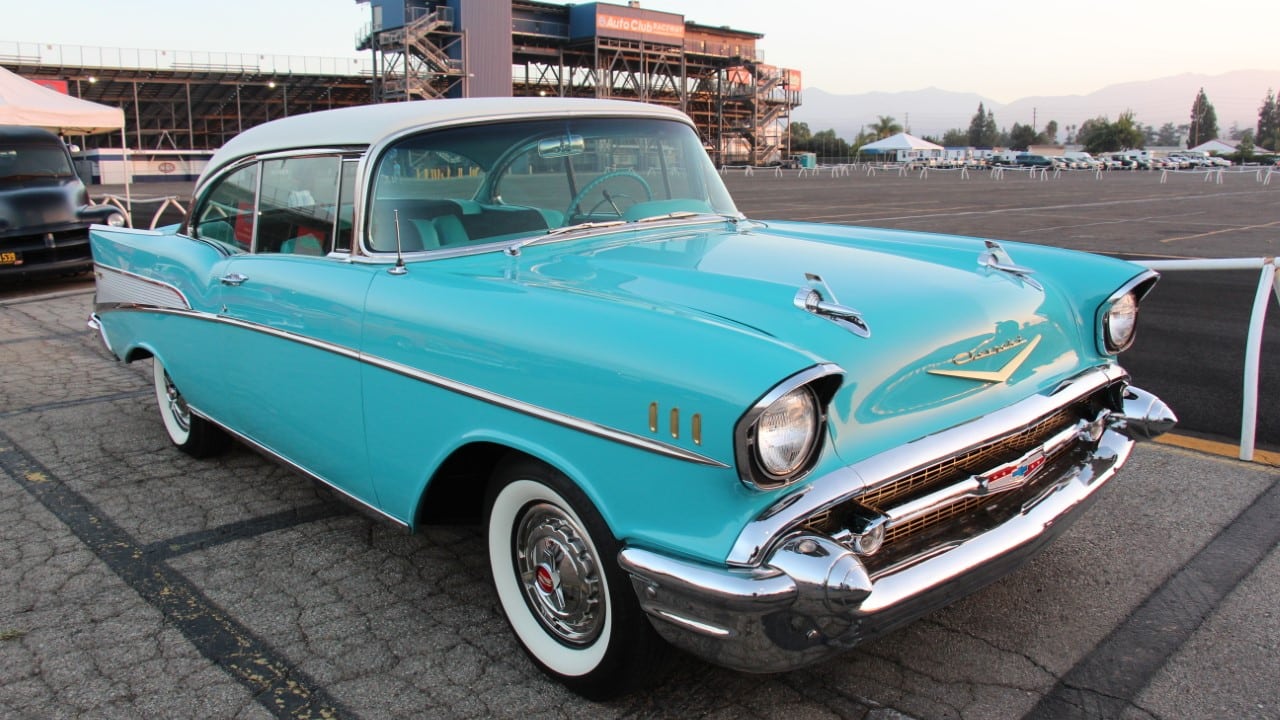
Okay, so the 1957 Chevrolet Bel Air isn’t a muscle car, but it’s got more presence than a rock star on stage. Those sharp fins, the chrome details that could blind a low-flying aircraft, and that low-slung look make it one of the most dynamic cars of the 1950s.
It might not be built for outright speed, but that doesn’t stop it from looking like a car that had no problem running from the cops back in the day. It’s the embodiment of mid-century American luxury, and frankly, it looks like it’s ready to cruise down the boulevard with Elvis at the wheel. Well, you’re more likely to spot Jay Leno in one these days, and his is actually quite fast.
1970 Dodge Challenger R/T
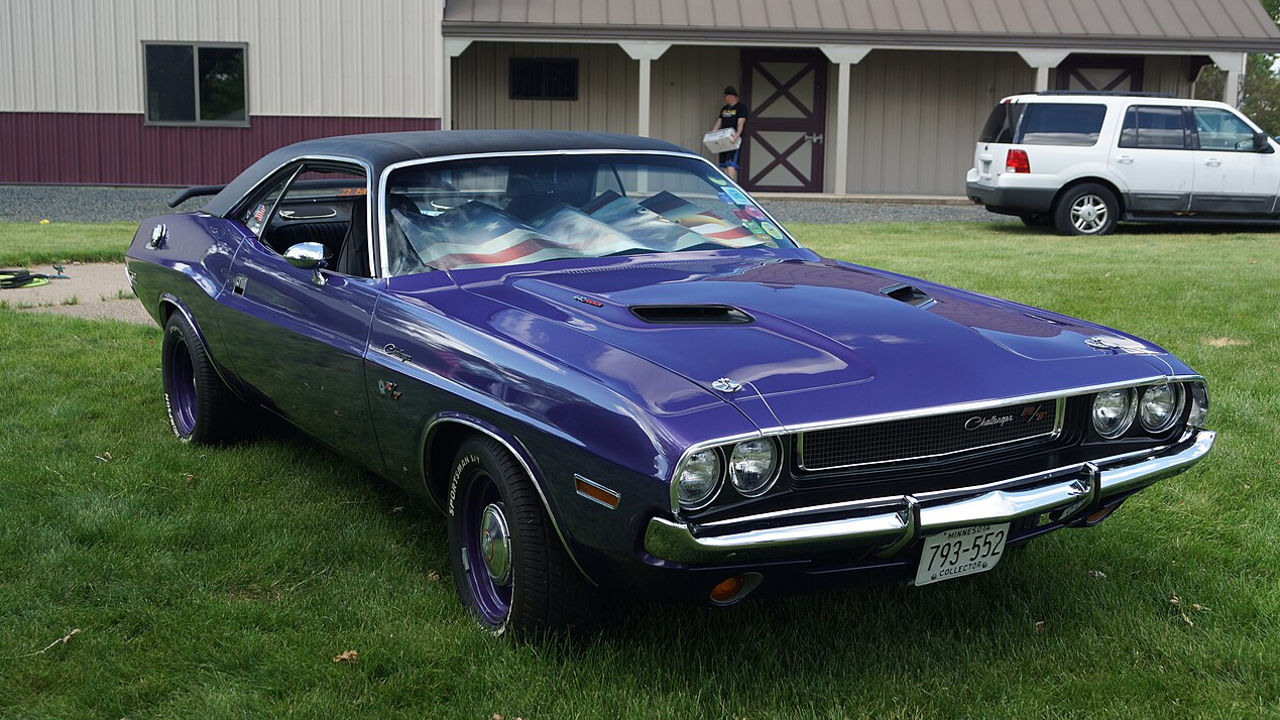
If you’re looking for muscle car attitude, look no further than the 1970 Dodge Challenger R/T. This wide, low, and ridiculously aggressive machine looks like it’s perpetually crouched, ready to pounce on unsuspecting asphalt. Its bold lines and powerful rear end make it look like it’s got more horsepower than a stampede of wild horses. It’s the kind of car that captures attention across generations.
In Vanishing Point, the hero car was a white 1970 Dodge Challenger R/T 440 Magnum, and multiple Challengers were used during filming.
1969 Ford Mustang Boss 429
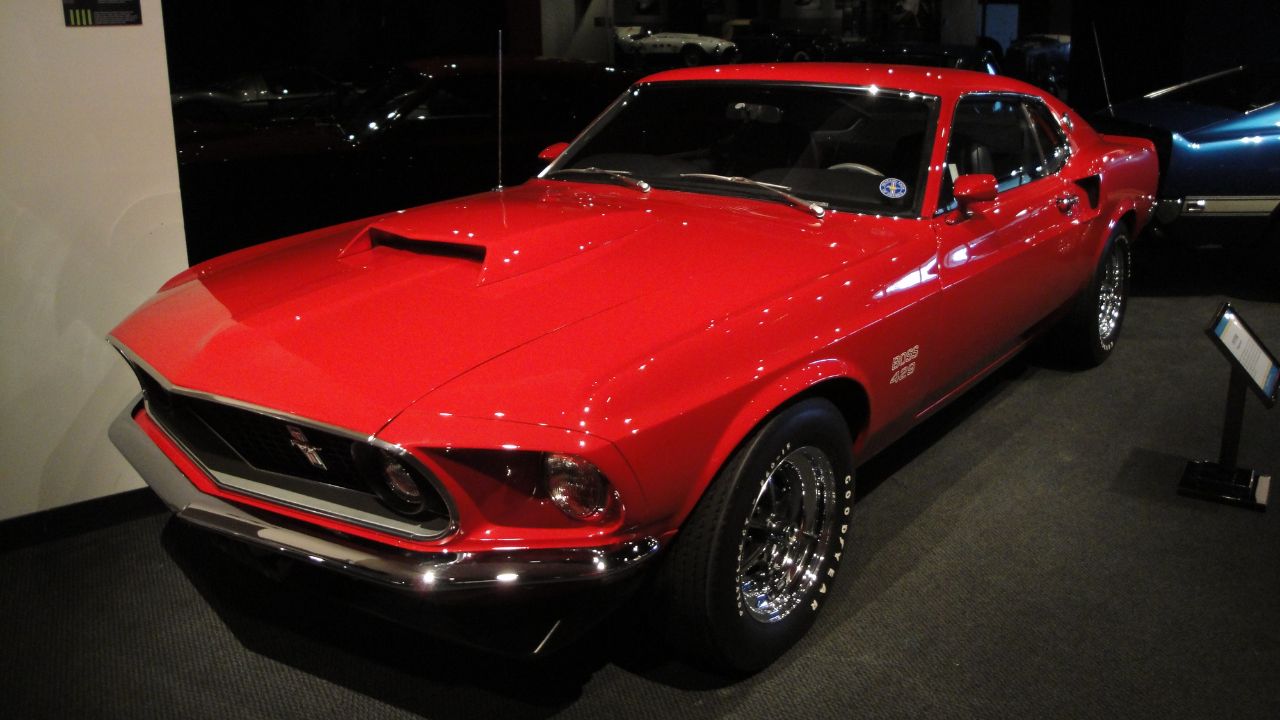
The 1969 Ford Mustang Boss 429 isn’t just a muscle car; it’s a four-wheeled enforcer. With a slightly lower ride height, a body wider than a football field, and a massive 429-cubic-inch engine crammed under that hood, this car demands respect before you even hear it rumble.
It has an intimidating presence that promises serious performance and absolutely no prisoners. You just know this thing means business, it’s called the boss for a reason.
1952 Jaguar XK120

The 1952 Jaguar XK120 is so beautiful it almost hurts your eyes. All those curves seem illegal. Its smooth, flowing body and wide, long grille give it an air of speed even if it’s sitting still, parked outside a fancy country club.
But don’t let its good looks fool you; this car wasn’t just a pretty face. With an engine capable of speeds over 120 mph (hence the “120” in its name), this car delivered on its promise and looked good doing it. It’s a car that makes you feel like you should be wearing driving gloves and a silk scarf, even if you’re just heading to the grocery store.
1971 Lamborghini Miura
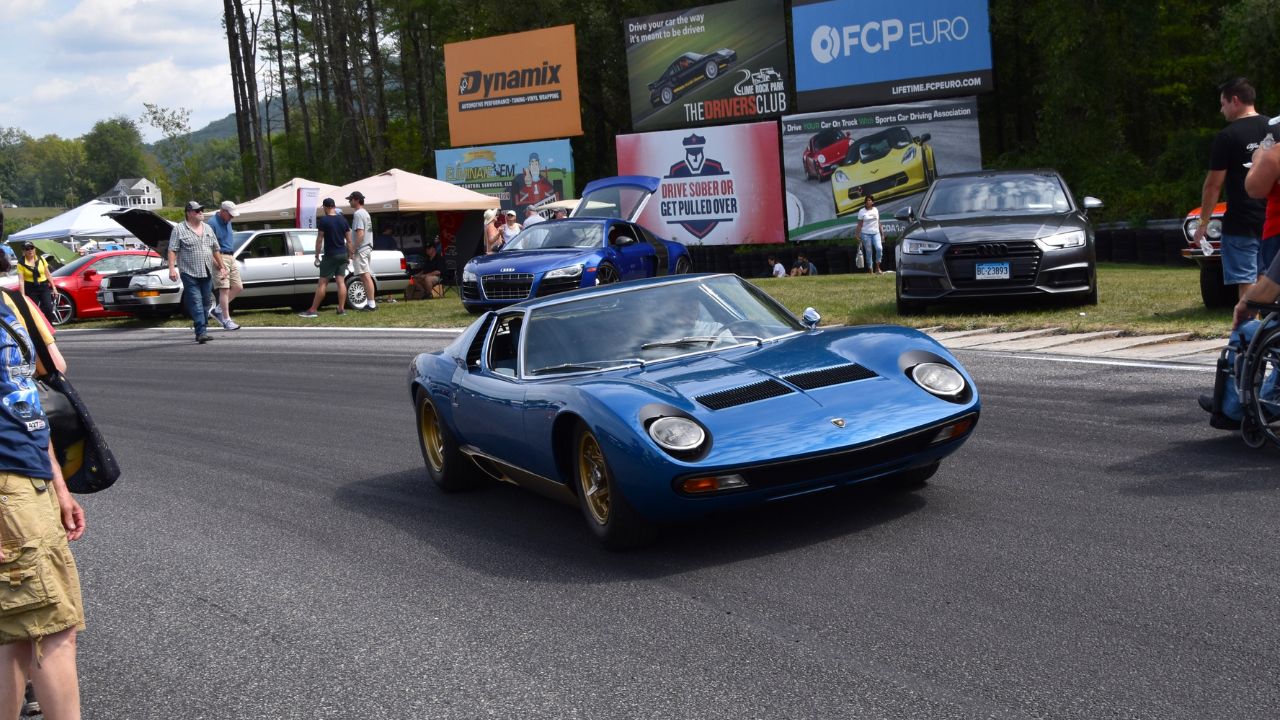
Before the Countach, before the Diablo, there was the 1971 Lamborghini Miura. This car didn’t just put Lamborghini on the map; it drew a giant, neon “X” on it and declared its spot at the top of the supercar makers. There’s a reason this joke exists: How do you make a Ferrari disappear? Park it next to a Lamborghini. (No hate, we’ll take either.)
With its low, wide body and groundbreaking mid-engine design, the Miura exudes a look of aggression that suggests it’s constantly ready to blast forward. It basically made everyone rethink what a supercar could be, pushing the boundaries faster than a speeding ticket. Its silhouette still commands attention, whispering of raw power and high-speed thrills, all wrapped in the kind of elegance only the Italians can pull off.
1969 Alfa Romeo Spider
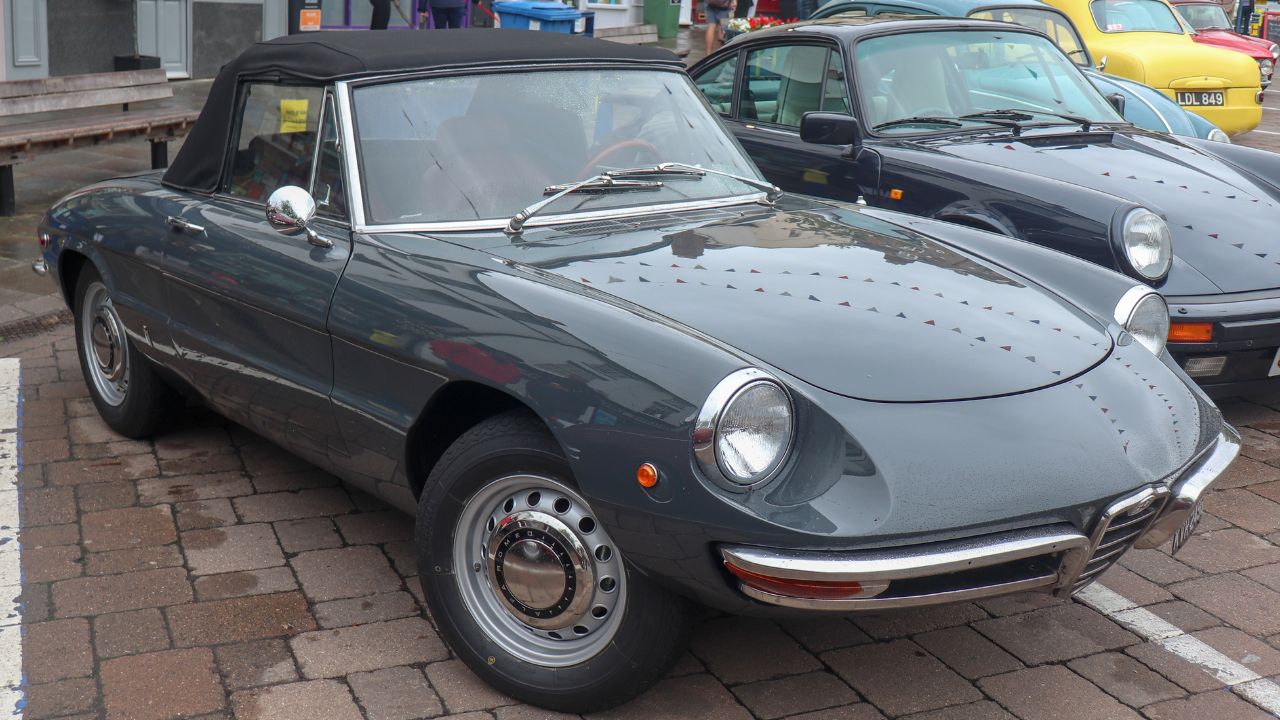
The 1969 Alfa Romeo Spider is what happens when classic Italian design meets a desire to go fast with the top down. It’s got a sharp nose, a compact body, and flowing lines that make it look like it could dart off the line at a moment’s notice, even while parked.
Its timeless design and responsive handling have made it a favorite among driving purists and anyone who appreciates a car that’s as much a dance partner as it is a mode of transport. It’s the automotive equivalent of a perfectly brewed espresso, small, potent, and utterly satisfying.
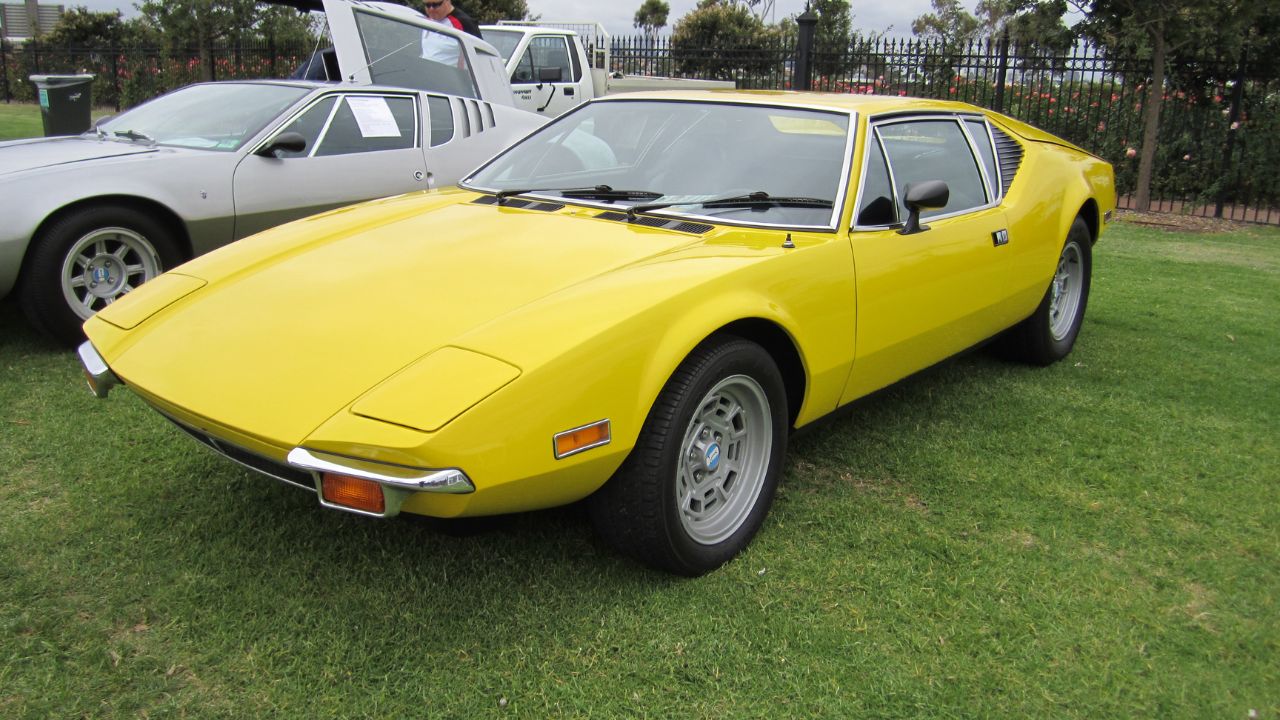
1971 De Tomaso Pantera
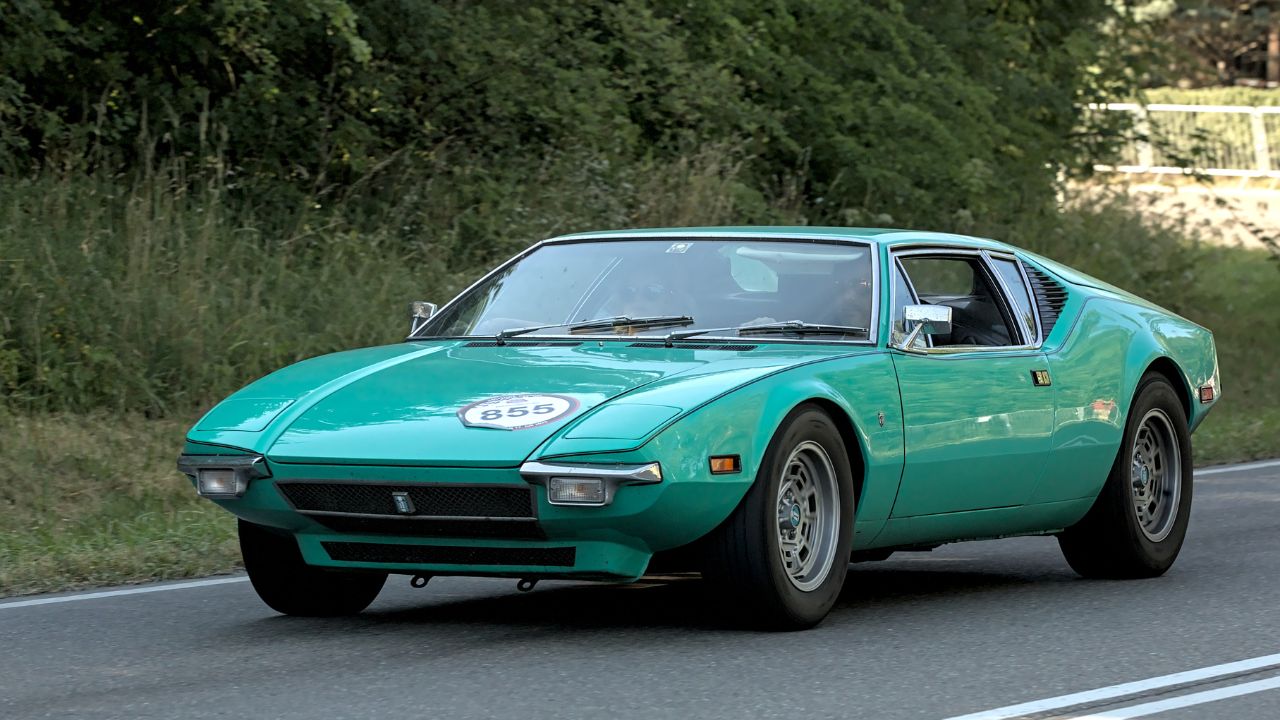
A true Italian-American hybrid, the De Tomaso Pantera combines exotic styling with raw power. Its aggressive front end, wide tires, and low profile make it look fast, even when it’s just sitting in a driveway.
It’s a car that turns heads from any angle. Unlike many European cars of the time, the Pantera wasn’t about subtlety; it was loud, it was bold, and it was built for speed. A Ford 351 Cleveland V8 engine easily glided it to nearly 160 mph, that still beats most top speeds to this day.
1959 Cadillac Eldorado

The 1959 Cadillac Eldorado is the quintessential “fin car.” Its giant tail fins and dramatic chrome details make it look as if it’s a jet ready to take off.
While it’s more about luxury than outright speed, the sheer drama of its design gives it a powerful, dynamic look that absolutely cannot be ignored. It’s a land yacht with the swagger of a rocket ship, making every other car on the road look like a toy.
1985 Ferrari 288 GTO
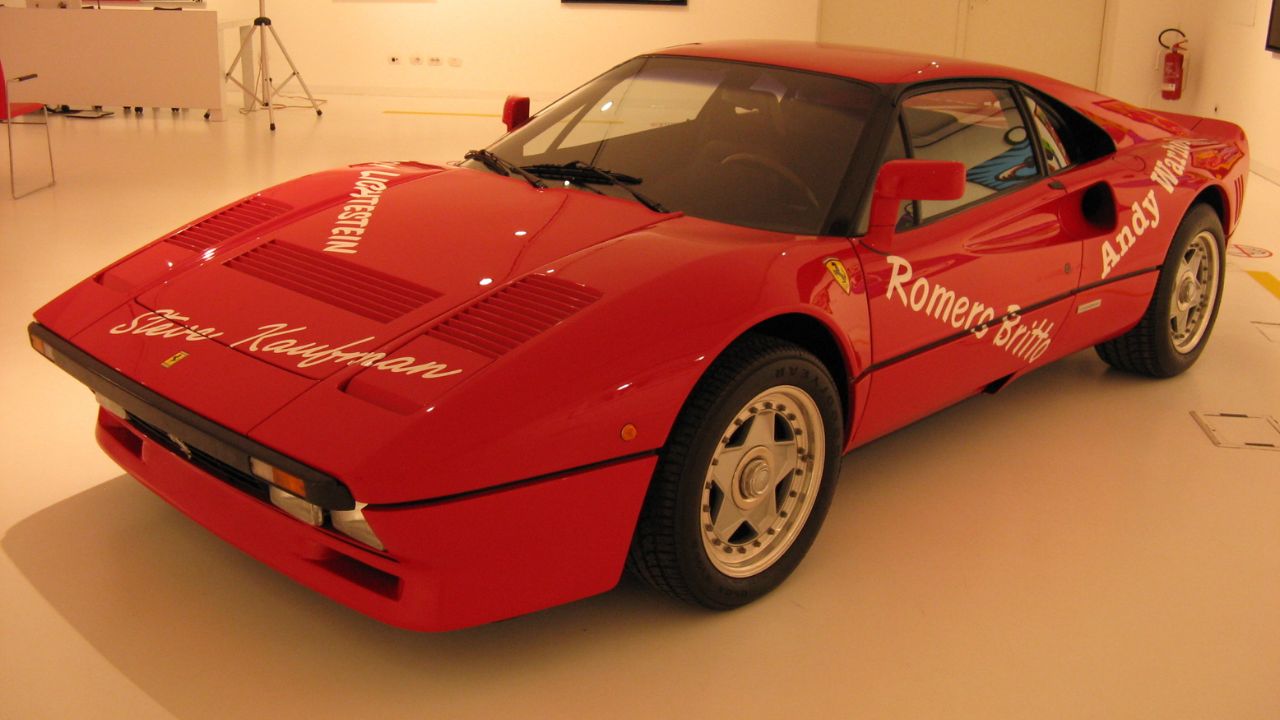
A turbocharged masterpiece, the Ferrari 288 GTO is sleek, aggressive, and unmistakably Ferrari. With its wide, flared wheel arches, low ground clearance, and sharp angles, this car looks like it’s on the edge of bursting into life at any moment. You need a racing suit on just to look at it.
While Ferrari had already introduced turbocharging on road cars like the 208 GTB Turbo, the 288 GTO was its first turbocharged homologation-era supercar statement and the true “supercar” category of the 1980s.
The Art of Motionless Speed
While modern cars are packed with more tech than a Silicon Valley startup, there’s something utterly timeless about the way these classic vehicles look. They don’t need to move an inch to make you feel like they’re about to blast off to warp speed. They simply exude motion, power, and history that transcends modern innovations.
Whether you’re a seasoned enthusiast with oil under your fingernails, a collector with a garage full of dreams, or just someone who appreciates seriously good design, these cars remind us that speed isn’t just about the numbers on a speedometer. Sometimes, it’s the way a car makes your jaw drop and your heart race when you first lay eyes on it that truly makes all the difference.
Still, many of these cars will have you white knuckle gripping the door handle on the track, blending style with speed in a way many new cars have forgotten how to do. Which one of these classic cars would give you a heart attack just by looking at it?