Just a few years ago, it felt like electric vehicles (EVs) were on the fast track to dominate U.S. roads. Now? The mood’s a bit more complicated.
According to a recent AAA consumer survey, interest in EVs is slipping, with only 18% of U.S. adults saying they’re likely to buy an electric car for their next vehicle. That’s a noticeable drop from the 23% who said the same just last year.
So what’s behind the EV hesitation? It turns out Americans have a few roadblocks in mind, and they’re not all about sticker shock.
Charging Concerns Are Still Front and Center
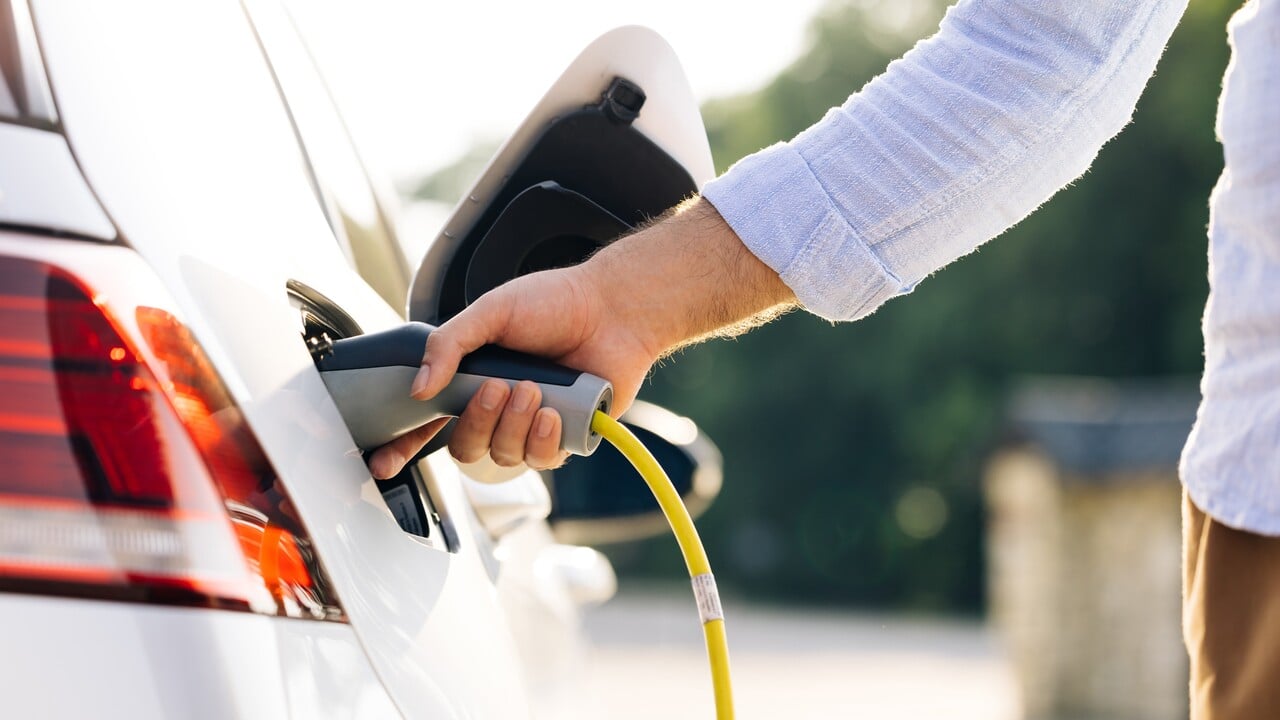
One of the biggest factors making drivers pump the brakes on EV adoption is the concerns over charging infrastructure. Despite major investments across the country, many drivers still worry about how far an EV can go and whether a charging station will be nearby when they need it.
AAA’s survey found that “range anxiety” remains a top issue, along with doubts about whether EVs perform well in extreme temperatures, something that matters when you’re trying to defrost your windshield in Minnesota or crank the AC in Arizona.
Plus, EVs are often praised for their lower running costs and environmental benefits, but not everyone is convinced that those perks outweigh the potential headaches, especially when charging at home isn’t an option.
Who’s Still On Board with EVs?
It’s not all bad news for electric vehicles. AAA found that 63% of drivers say they’re unlikely to go electric for now, but more than 1 in 4 Americans remain “unsure,” suggesting many are still watching how things unfold.
Interestingly, younger drivers and those living in urban areas continue to show the most interest in EVs. They’re more likely to have shorter commutes, better access to chargers, and a desire to embrace cleaner technology. Among those who already own EVs, most report being satisfied with the switch.
But for the average American still weighing the pros and cons, the choice isn’t so simple.
Hybrid Cars May Offer a Middle Lane
One bright spot? Interest in hybrid vehicles is climbing. These gas-electric models offer better fuel efficiency and lower emissions, without forcing drivers to rely solely on chargers. For many people, a hybrid feels like a safer bet: greener than a gas guzzler, but with fewer limitations than a fully electric model.
AAA notes that for those not ready to go all-in on an EV, hybrids might be the stepping stone that helps bridge the gap.
The electric future isn’t canceled; however, it’s just entering a more cautious, practical phase.
Drivers are no longer just swept up in EV buzz; they’re asking fundamental questions about cost, convenience, and everyday usability. For now, the road to mass adoption may have a few more speed bumps, but with hybrids gaining ground and infrastructure steadily improving, the destination is still within reach.