
Owning an electric vehicle has become something like a badge of honor, you’re showing the world that you care about the environment, or that you like expensive cars with all the bells and whistles. However, having an EV isn’t always sunshine and rainbows.
The car community has no shortage of enthusiasts arguing about gasoline versus electric, which has created a lot of discourse and division. Now, some EV owners may not want to admit some of the downsides of ownership, but that doesn’t mean they’re not there.
The Downsides of EV Ownership
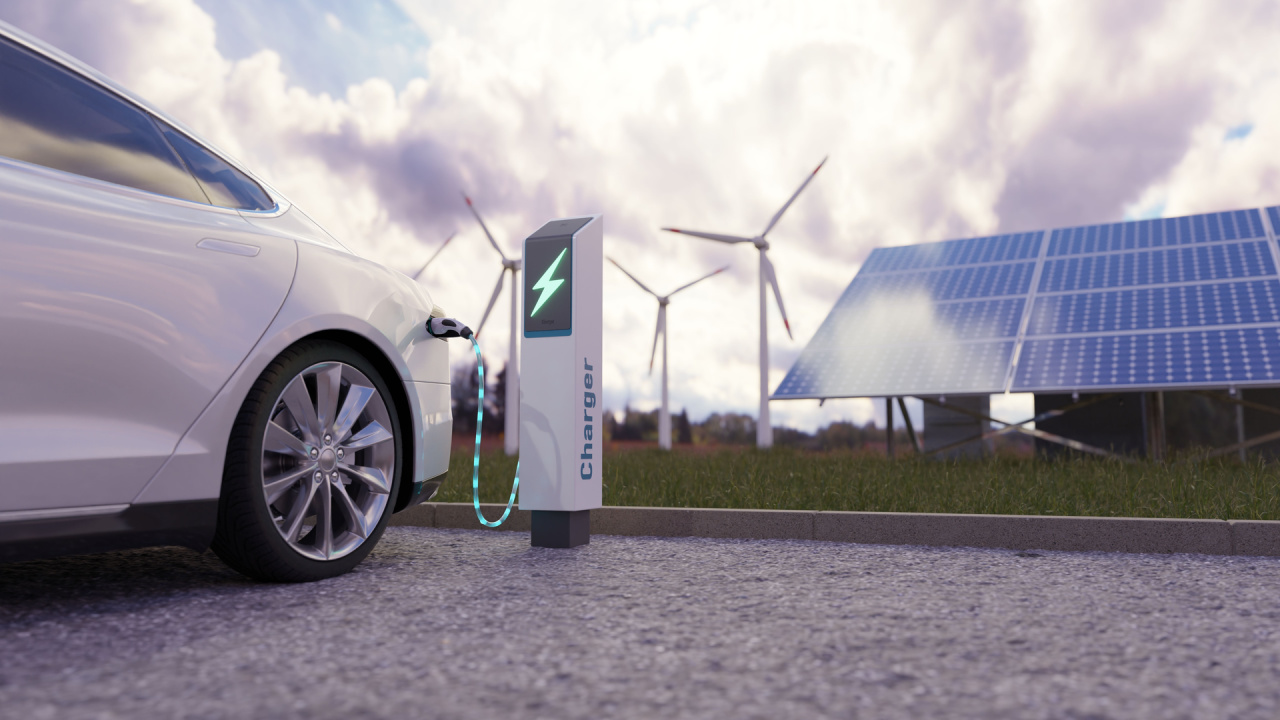
A quick glimpse online will often show you the upside of EVs, saving on gas, saving the environment, etc., but I dug around forums to find proof of EV owners complaining. By snooping around electric car forums and Reddit, I discovered the most-discussed downsides of owning an EV (as well as the things drivers will say to make themselves feel better about it).
Then, I researched each complaint to see if there was any proof behind it to make sure that EVs do, indeed, have some flaws. Here is what I found.
They’re Expensive
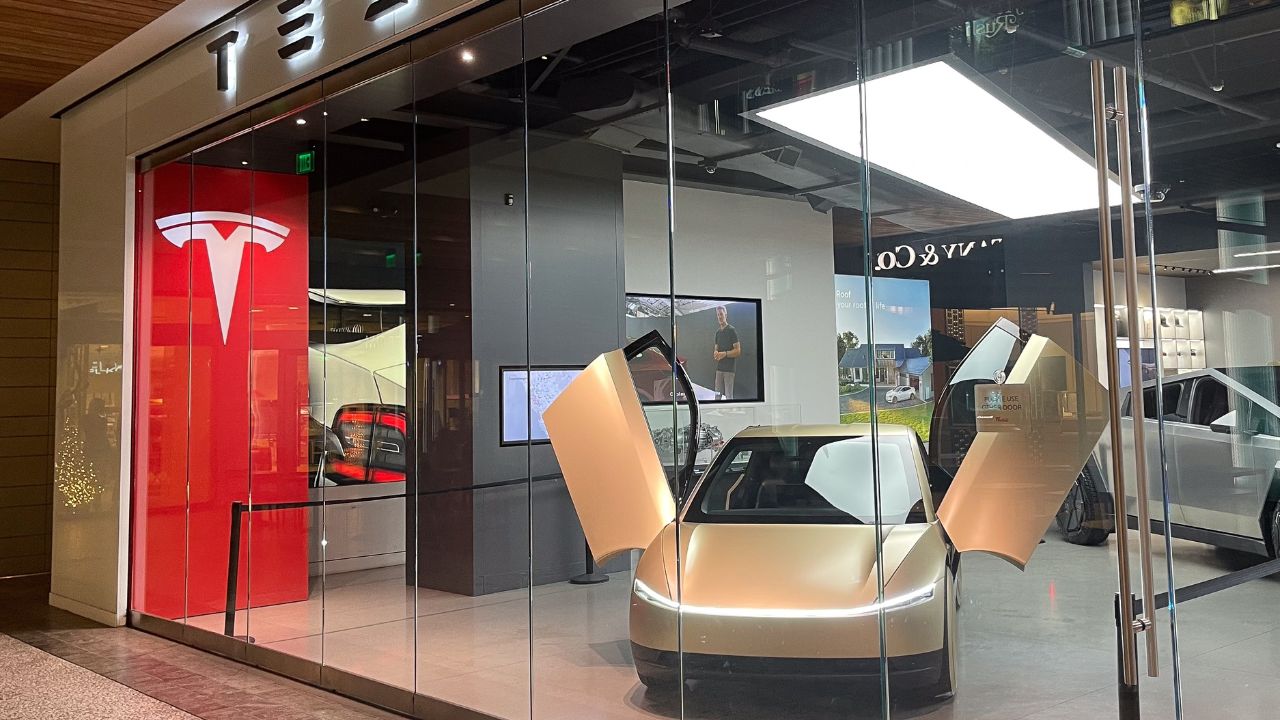
First thing’s first, EVs are expensive. As Cherise Threewitt at U.S. News put it: “Traditionally, technology costs a lot when it’s new and gets cheaper over time.” Electric-powered vehicles are still a relatively new concept in the mainstream car market, and they’re packed with new technology, lots of high-tech features, high-end components, and expensive batteries. Right now, EVs are seen as a bit of a luxury item, so they come with a higher price tag.
The prices of EVs will eventually go down, they already sort of are, as electric-powered cars become the norm. This won’t take long if certain car brands, the EPA, and environmentalist organizations get their way. Since Cybertruck deliveries began in late 2023, resale values have been volatile, and some owners have reported substantial depreciation depending on trim, mileage, and market conditions, and as Devan Schwartz at Vox reports, there’s Tesla boycott going on, affecting the resale value of the brand’s models.
Lack of Charging Stations

Public charging is expanding, but it’s still unevenly distributed. A Congressional Research Service report notes that as of January 2025, the U.S. had about 75,107 public charging stations and 207,227 charging ports (plugs), with a heavy concentration in EV-friendly states like California, while many parts of the Midwest still have fewer convenient options. Even California has a huge gap to close: estimates suggest the state will need more than 1 million chargers by 2030 to keep up with projected demand, a buildout CalMatters’ Alejandro Lazo notes would be extremely difficult to achieve on schedule.
Making it even more frustrating, Tesla operates the Supercharger network, and it has represented a very large share of public DC fast ports in some snapshots (for example, NREL found Tesla held 58.7% of public DC fast EVSE ports in its Station Locator snapshot for Q3 2022). Some other EV brands have adapters and other ways to get around this, but a lack of available charging stations has made EV drivers nervous on longer trips, and that’s one of the main reasons why people remain skeptical about purchasing an EV.
Long Charging Times
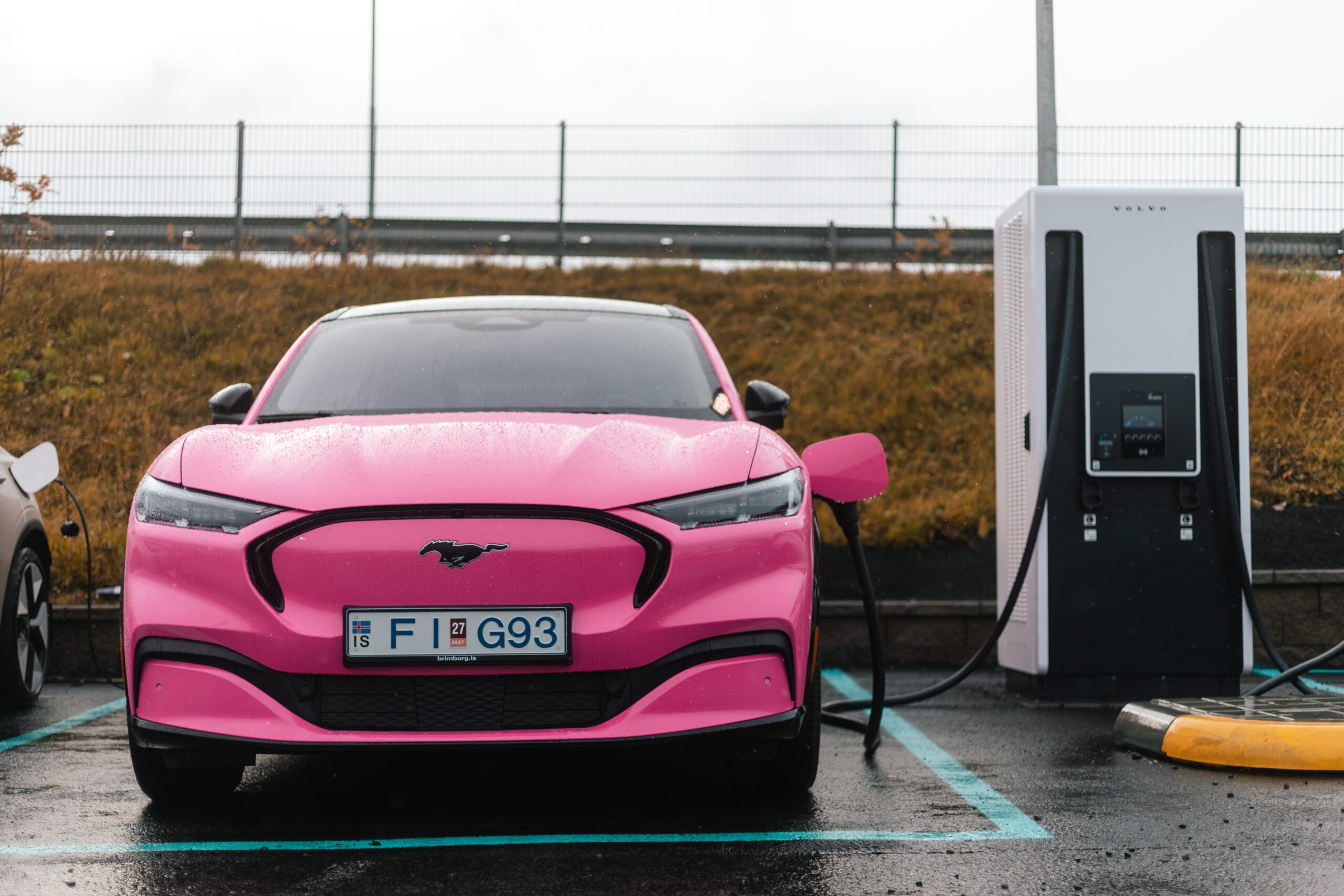
One of the most inconvenient parts of owning an EV is the long charging time. Most EV owners charge their cars overnight at home, but a road trip will force you to stop at charging stations along your route. On DC fast charging, many EVs can reach 80% in roughly 20 minutes to 1 hour, depending on the vehicle and conditions.
Some EV owners will claim this is a good thing, more time to stretch your legs, grab some food, or read a book! But let’s be real: I don’t think anybody wants to calculate multiple 30-minute email reading periods into their estimated road trip time. This seems like a classic case of Stockholm syndrome.
Expensive Insurance

Progressive notes that EVs may be more expensive to insure than comparable gas cars, and that rates have historically tended to run higher in many cases. The main reasons are simple: EVs often cost more upfront, repairs can be pricier (especially when batteries or high-voltage components are involved), and in some areas there are fewer shops and technicians equipped to service them. In short, insurers price in the higher potential repair and replacement costs if something goes wrong.
Insurance is already a boring expense, and paying more for car insurance is an obvious L for EVs. Some drivers have even experienced massive increases in their insurance in recent years, forcing them to keep switching companies to keep premiums at bay.
The Battery Doesn’t Last
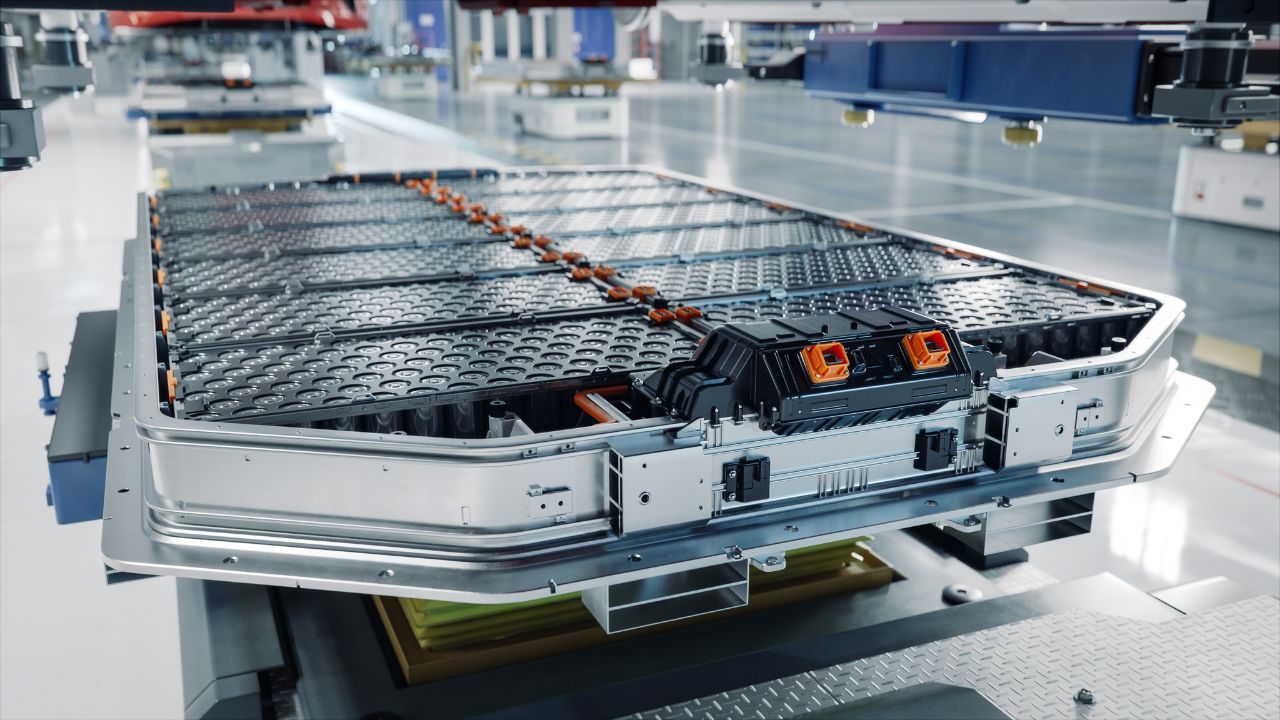
Battery warranties vary by automaker, but many EVs are covered for roughly 8–10 years (often up to 100,000 miles). Separately, federal emissions rules include an 8-year/80,000-mile warranty on certain major emissions-control components, and California’s PZEV rules specify 10 years/150,000 miles for the battery/energy storage device on qualifying vehicles. However, there are some good practices to keep in mind if you want to reach your battery’s max life, but it may happen sooner, a real bummer since it’s very expensive to replace.
Out of warranty, a full battery pack replacement can cost roughly $5,000 to $20,000+, depending on make, model, and pack size. We’ve discovered some baffling mental gymnastics over at Reddit attempting to justify how a battery replacement is still a better deal. Whatever makes you sleep at night.
Heating Your Car is Not Free
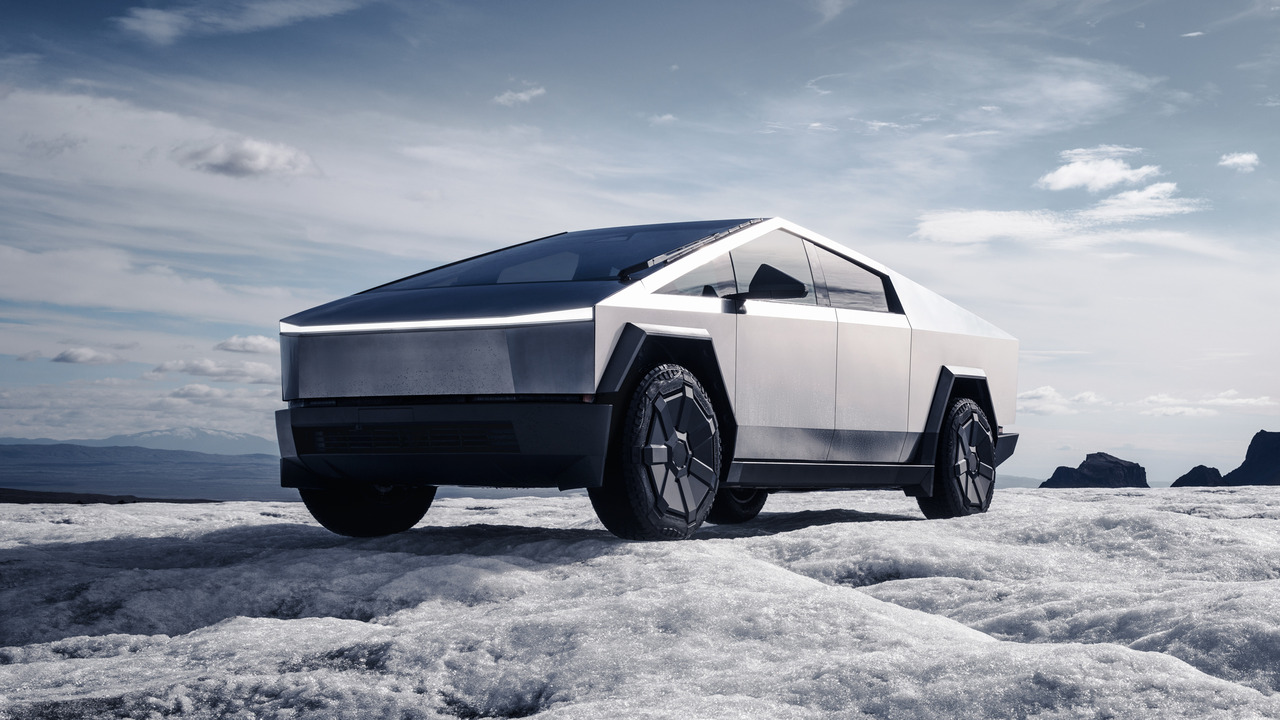
You might have to start bringing a blanket when driving your EV in the winter. Your car’s heater, defrosting windshields, and keeping warm use the same pool of energy that powers the entire car. Using an air conditioner in the summer poses the same issue, so you may want to drive with the windows down whenever possible.
Several EV drivers on Reddit admitted that they couldn’t drive as far in the winter, having to stop at charging stations more often due to the amount of battery the heater uses, coupled with the fact that batteries aren’t as good at holding their charge in cold weather. Having to ask yourself if putting on the heater is worth it every time is definitely not the most exciting aspect of owning an EV.
Software Issues

Electric vehicles are meant to represent the future in many ways, and that often means they are full of new technology, like electric dashboards and infotainment centers. While this is not bad on its own, although many car enthusiasts would argue that the buttons and knobs in older models are preferred, many of these screens come with software issues.
These issues aren’t exclusive to EVs, they’re common across modern cars. J.D. Power’s Multimedia Quality and Satisfaction Study shows infotainment remains a frequent pain point, with multiple top-cited issues involving multimedia systems and touchscreen/digital display problems. While this isn’t exclusive to EVs, basically every EV relies on these newer technologies. There have been plenty of EV owners, including Racknie on Reddit, begging for answers when they’ve noticed their screens malfunctioning, especially after updates.
Tires Wearing Out Faster
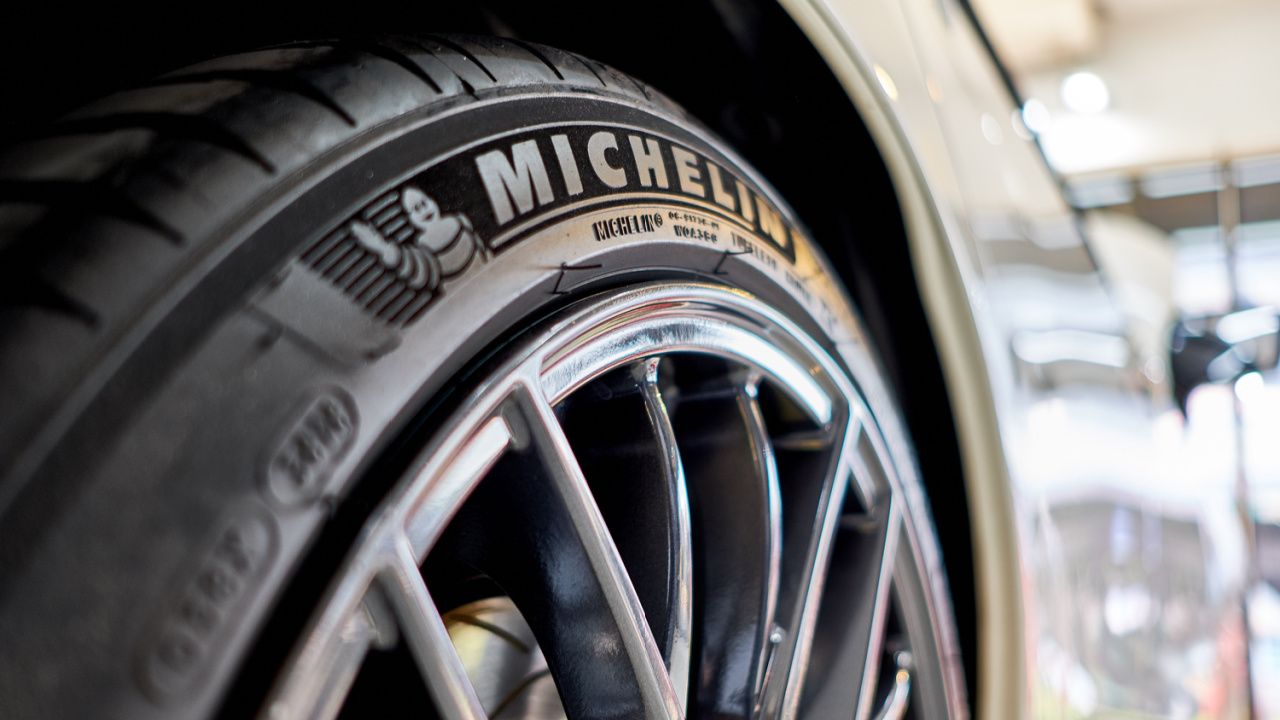
Electric vehicles need special tires that can handle the extra weight of the car’s battery as well as the car’s torque and acceleration, said Ryan Pszczolkowski, Consumer Reports’ tire program expert: “EVs are heavier vehicles, and the tire industry is adjusting to these weight increases. There’s a load range of tires called HL, which stands for high-load capacity tires. These tires can carry a heavier load at the same tire pressure as traditional tires.”
Michelin says that, on average, EVs can wear tires about 20% faster than comparable ICE vehicles, largely due to extra weight and regenerative braking/torque characteristics. That’s another hidden cost that EV drivers have to deal with.
Wasting Money On Hills
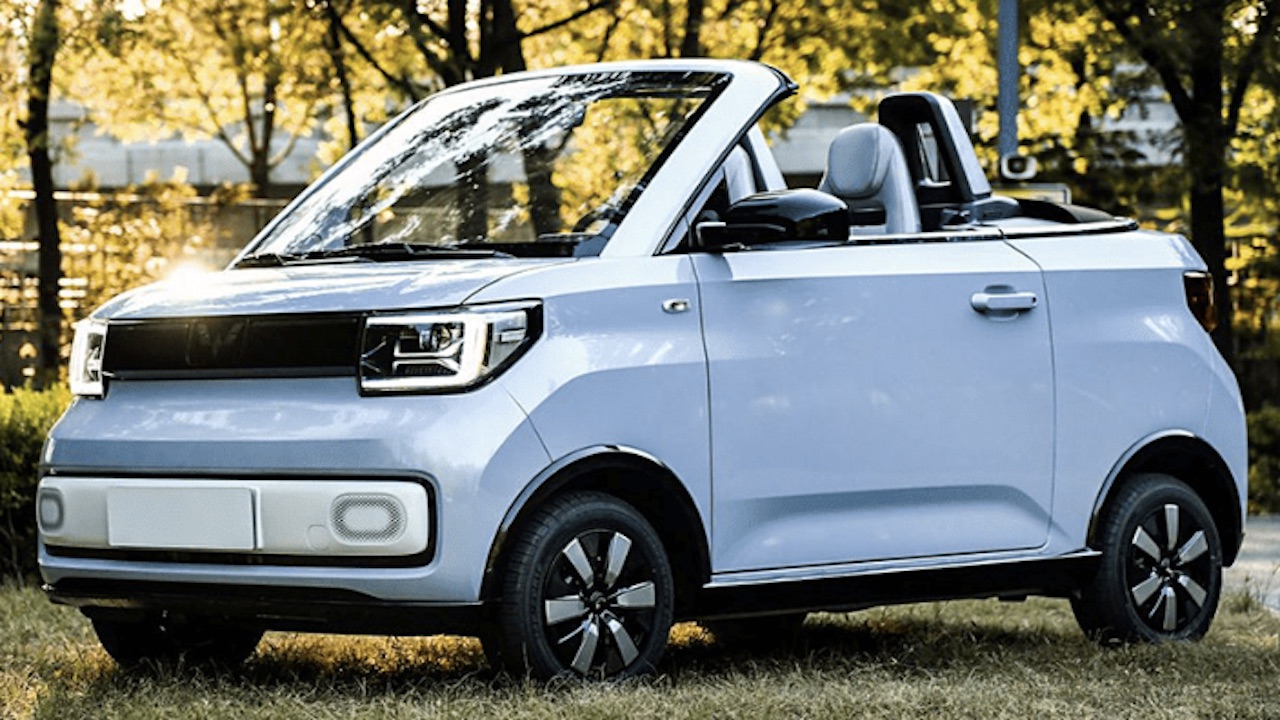
Online, there’s all this talk about electric vehicle ranges and how great they are. The Department of Energy says most EVs can travel about 150–400 miles on a full charge, depending on the model and conditions. But some EV drivers are now admitting that getting the max range may not be possible during every drive. That’s because driving uphill or using various comfort features can drain the battery.
One Reddit user admitted to hating their EV: “It’s the biggest inconvenience ever. I hate that any trip over 100 miles turns into a six-hour long trip because we need to figure out where to charge. It takes at least 30 minutes to charge, and that will only get us like 150 miles. Then of course going uphill or going over 70 mph drains the battery, using the heat drains the battery, the cold drains the battery, the AC drains the battery.”
Dealing with Haters

In a Reddit thread dedicated to discussing the worst part of owning an EV, the majority claimed it’s the skeptics and haters that get to them the most. While malfunctioning screens and long charging times aren’t ideal, the worst part was dealing with people like me who don’t really like EVs.
EV drivers mentioned how annoying it is to hear people make up things about their cars in an attempt to make electric vehicles seem lame or not viable. Others noted the common misconceptions about EVs that they feel are not true for them. I can see how that works, but I’ll never say anything nice about the Cybertruck!
Negative Energy
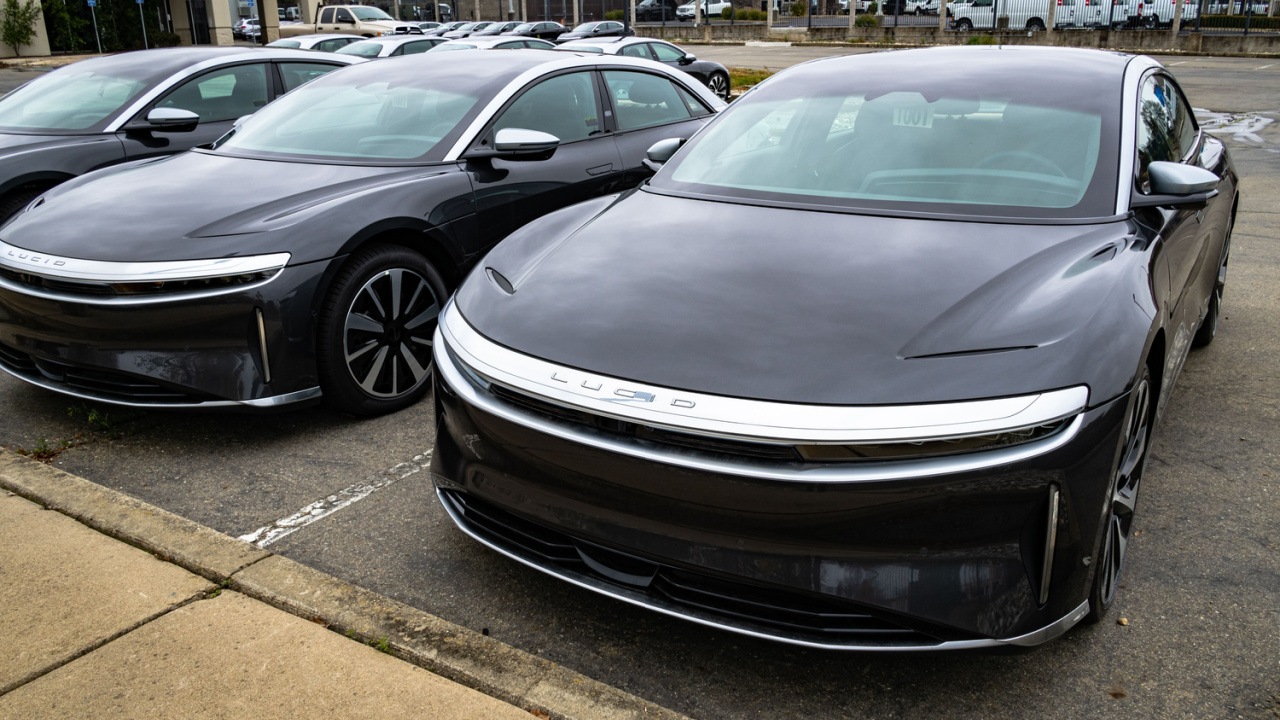
As you can see, owning an EV is not a perfect experience. There are definitely plenty of upsides (and there better be, since we will all be in EVs eventually), but electric cars are not perfect right now.
While EV owners may not want to admit some of these out loud, they have shared their gripes in safe spaces (that I infiltrated), and the range anxiety is real.