
When whispers swirl about one-off speed demons and ultra-exclusive beasts, these supercars dwell in the realm of automotive legend. Crafted in tiny numbers,or sometimes just as a single prototype, they boast audacious design, mind-bending performance, and price tags reserved for the truly elite.
Hidden away in private collections or lost to time, they pushed engineering boundaries that reshaped the world of hypercars. This guide peels back the curtain on the most elusive supercars ever built, the marque myths brought to life on four wheels.
Our Selection Process

For these supercars to qualify, the production numbers must be extremely limited. Stuff like the Ferrari F40 and the Enzo were not considered, as Ferrari built 498 Enzos (announced as 399, then a 400th charity car, and the final total reached 498) and over a thousand F40s. In this case, rarity means production numbers of 100 or fewer. This also makes the McLaren F1 ineligible, since McLaren made 106 F1s according to Bradley Iger of Motor Trend.
Rare supercars with these production numbers, which were not offered in North America, also fall into this category. As for the production numbers themselves, they are sourced from either the automaker through official press releases or from respected automotive publications reporting on these cars. You may never see these cars, but if you happen to come across one, you’ll certainly remember it.
Lotec C1000
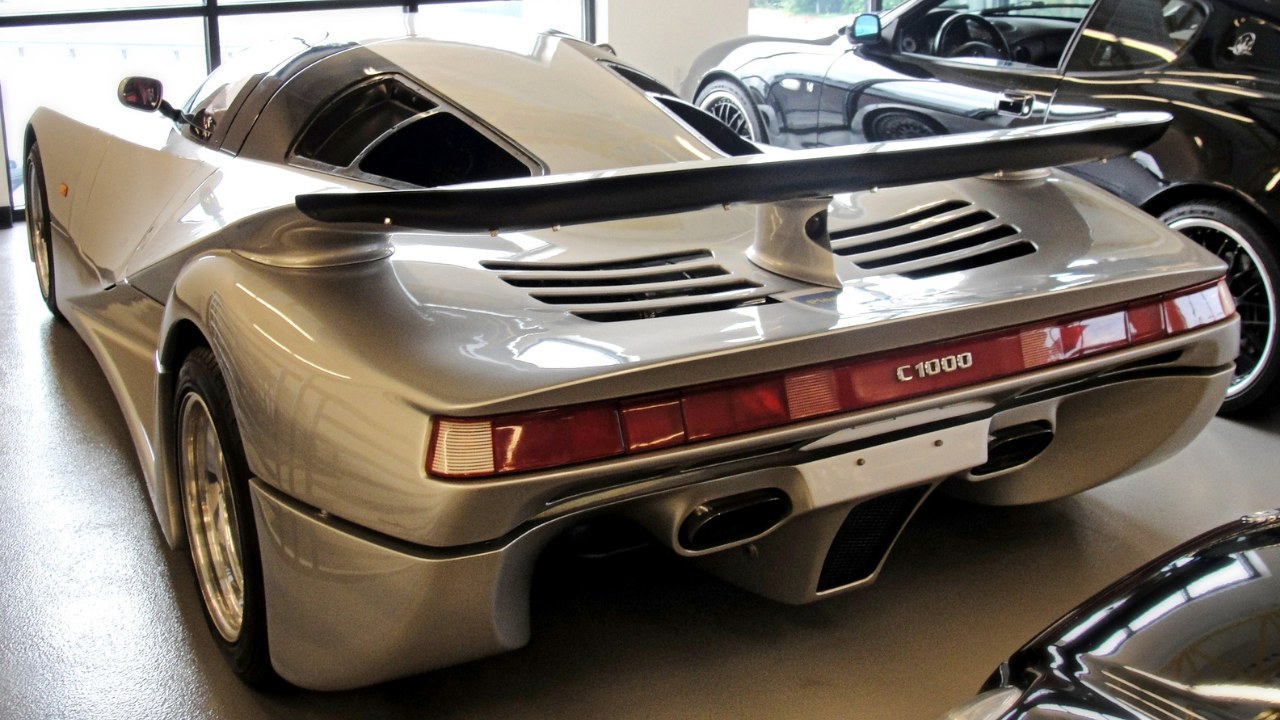
The Lotec C1000 story, as told by Carscoops, begins like many good stories about rare supercars. A sheikh from the Emirati family wanted the fastest car in the world, so he approached race car builder Lotec with that demand, along with a substantial sum of money, likely in the millions. Hey presto, Lotec C1000!
As Richard Dredge of Below the Radar reports, the powertrain is sourced from Mercedes-Benz, which explains the three-pointed star on the front, as well as the 5.6-liter V8 engine powering the C1000. It made 1,000 horsepower, hence the name, and Lotec claimed a top speed of 268 miles per hour. Interestingly, the car has been seen/advertised in the United States in recent years.
Koenigsegg One:1
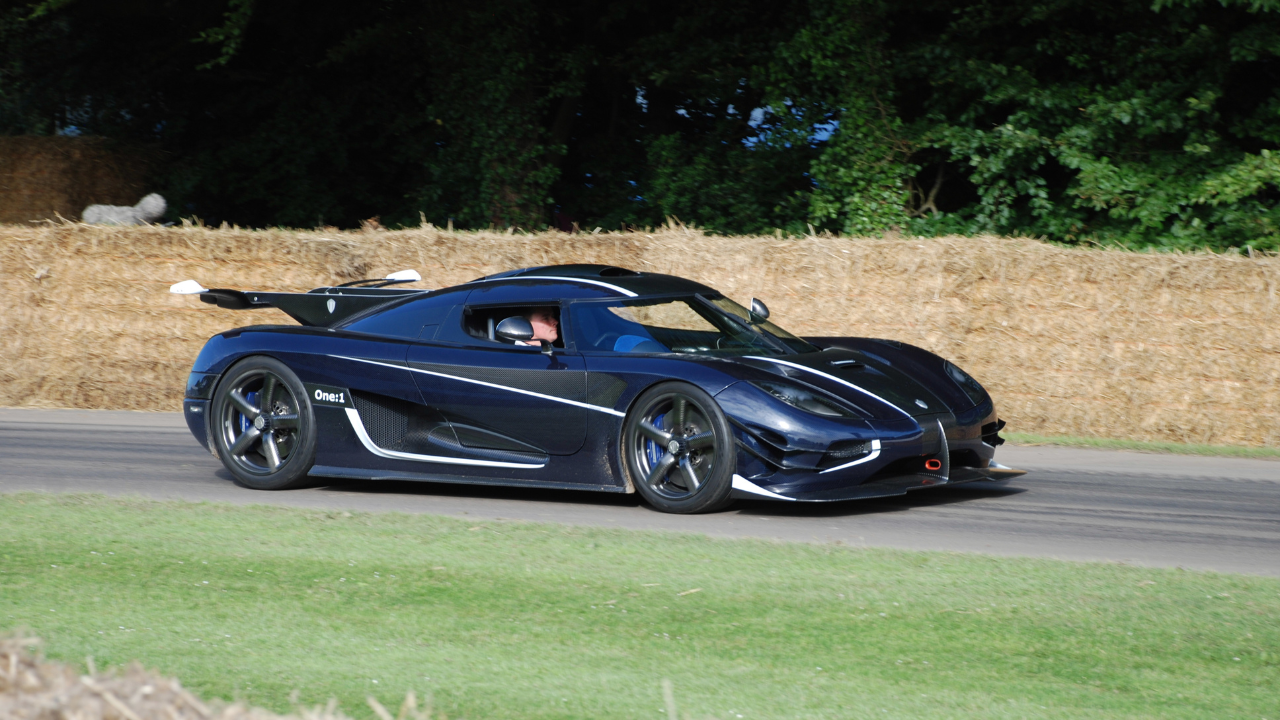
Launched in the mid-2010s, the One:1 was based on the Agera hypercar, but Koenigsegg increased the horsepower while reducing the weight. The result was a 1:1 power-to-weight ratio: 1,360 hp (and Koenigsegg quotes 1,371 Nm of torque) and 1,360 kilograms (around 3,000 pounds).
The One:1 also featured some intense aerodynamic upgrades, including a massive wing on the back, as well as a handful of orange accents, and the One:1 badge positioned next to the rear wheels. The production numbers on the One:1 make the Agera look as common as a Civic. As Mike Duff of C&D reported back in the day, only seven were built (including one prototype/development car).
McLaren Sabre
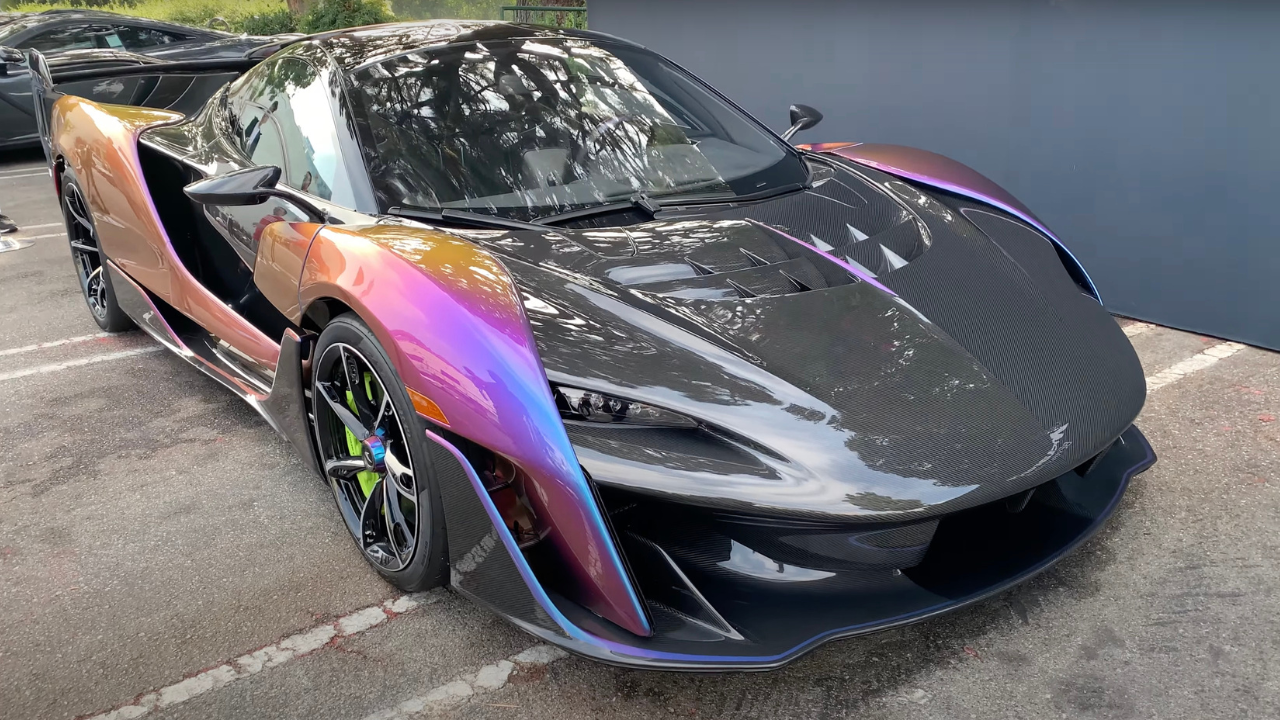
It appears that McLaren’s road car efforts are primarily focused on producing increasingly extravagant limited-production models that utilize the same 4.0-liter twin-turbo V8. One of those is the Sabre, though this one has a very unique quality.
In a surprising turn of generosity, the Sabre was designed specifically for the US market, so no need to break out the show or display import forms here. In this application, the V8 produces 824 hp and 590 pounds-feet of torque, and according to Autoevolution, the Sabre reaches a top speed of 218 mph. McLaren only ever built 15 of these, so seeing it in the wild will definitely be an experience.
Pagani Zonda Cinque
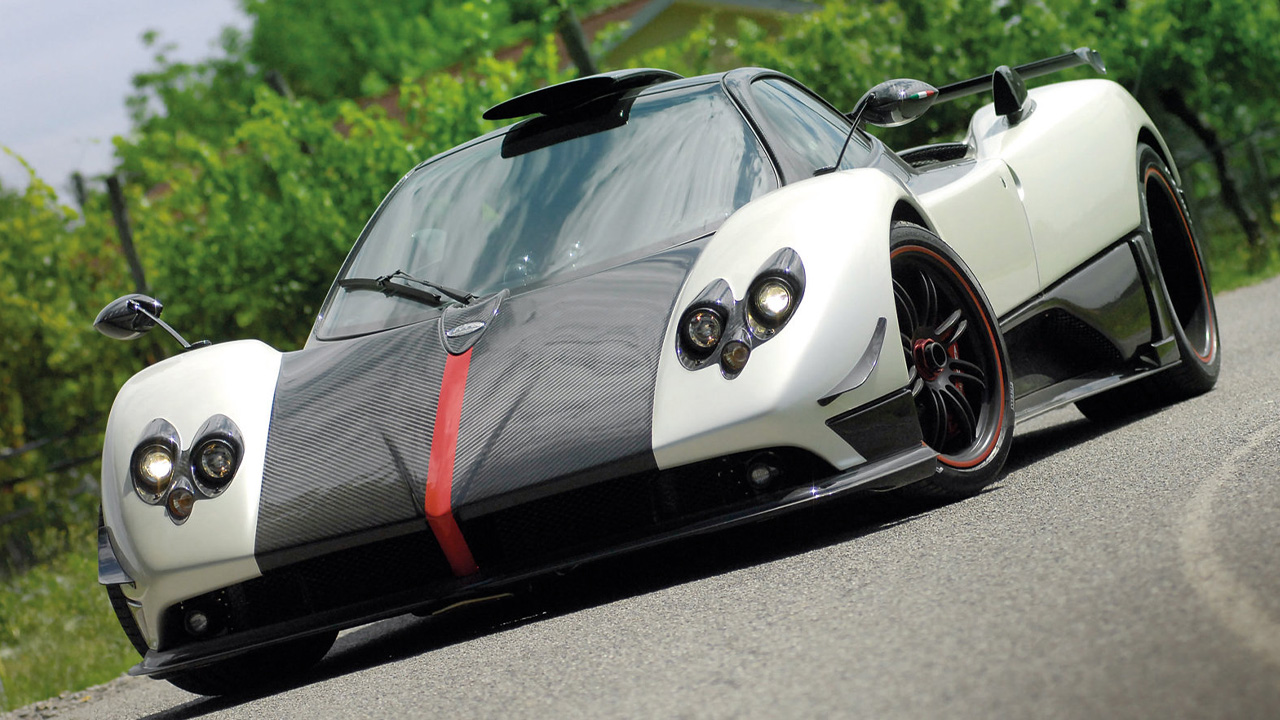
It’s easy to forget, but the Pagani Zonda has been with us for well over 25 years, and it’s one of those supercars that refuses to go away. In fact, Pagani continues to unveil one-off Zondas even years after the model’s original run; one example was shown in August 2024, and another one-off appeared in May 2025, as Vijay Pattni of Top Gear Magazine reported, while we’ve witnessed the arrival of two new generations of Pagani in that time, Pagani will still build you a Zonda if you ask nicely and fork over a ridiculous amount of money.
One of the finest examples of the breed is the Zonda Cinque. People who played the 2010 remake of Need for Speed: Hot Pursuit are probably experiencing some strong nostalgia now. The carbon fiber running down the middle, the red-accented wheels, and the screaming AMG V12 in the back, it’s one of the purest expressions of the Zonda name. Such a special car means production was limited to five Zonda Cinque coupes, and Pagani also built five Cinque Roadsters, as Florin Profir and Tudor Serban of Autoevolution reported.
Vector W8
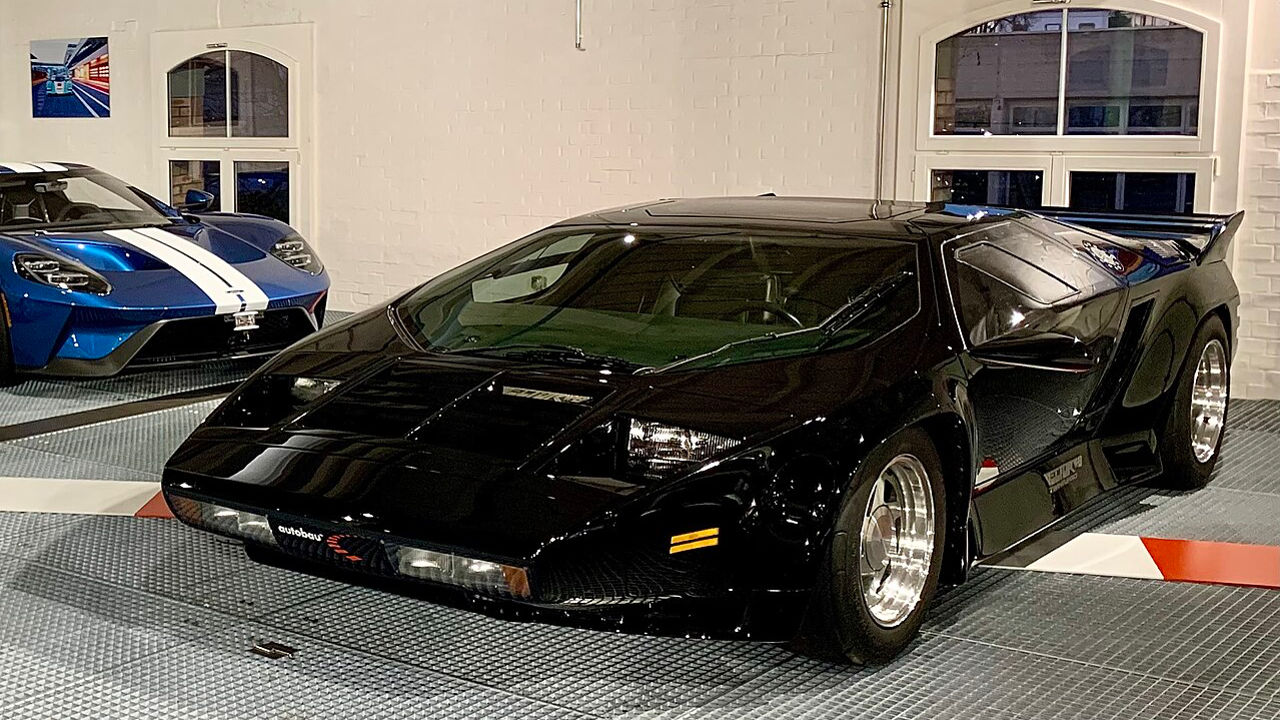
Some people may cite the Lamborghini Countach and Ferrari Testarossa as the pinnacle of 1980s supercar design, but we’d argue that the Vector W8 makes both of them look pedestrian. As Travis Okulski of Motor Trend talks about, Vector Aeromotive was founded by Jerry Wiegert back in the 1980s, and the Vector W8 was the first production supercar to come out of the company.
Leaning heavily on the world of airplanes for inspiration, there was no supercar like the W8 before or since. It also utilized a General Motors V8, just like many modern supercars from startup companies today. While the W8 was impressive to look at and surprisingly fast, it’s a total rarity. As TG Magazine reports, Seventeen customer cars were built, plus two pre-production cars (with some sources listing 22 produced total) before the company went out of business… for a while.
Alfa Romeo Disco Volante
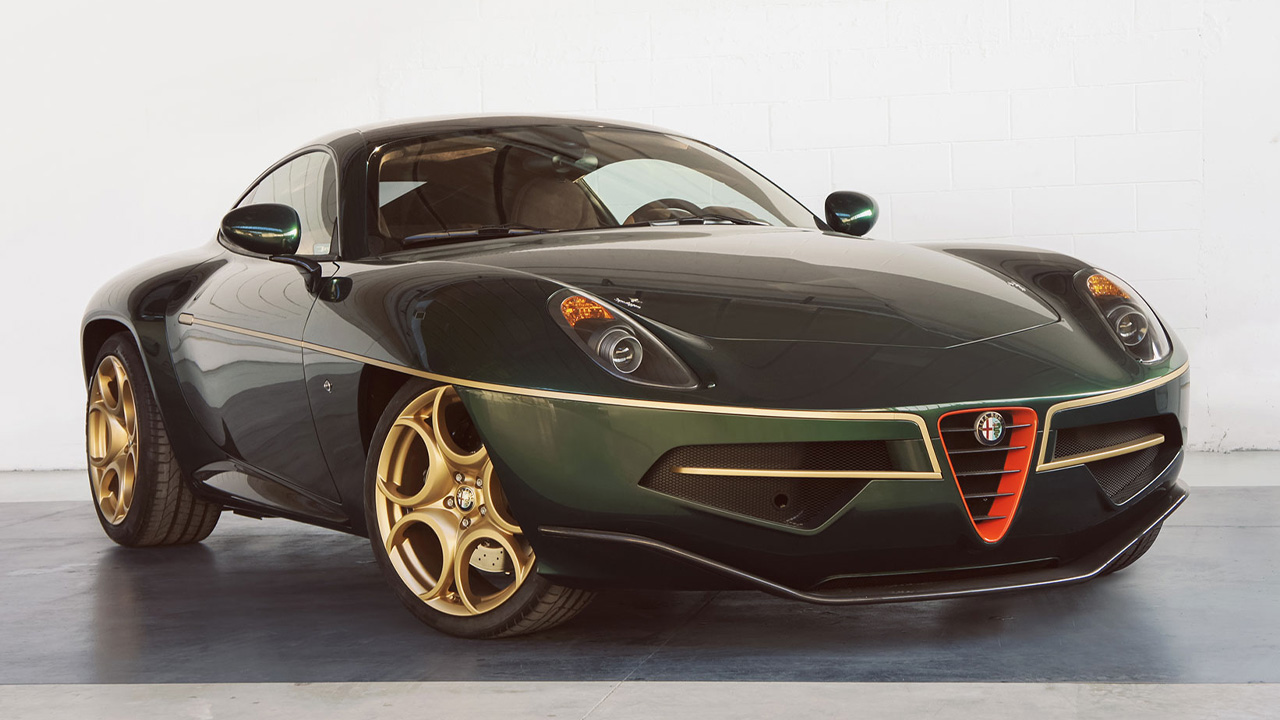
Let’s say you like the rare Alfa Romeo 8C, but you feel as though it’s not quite rare or special enough. Carrozzeria Touring, based in Milan, Italy, had the answer to this first-world problem in the form of the Disco Volante.
Heavily inspired by the Alfa C52 race car from the 1950s, the Disco Volante is based on the 8C, but it adopts entirely new bodywork that’s made to resemble the C52, which, conveniently enough, Carrozzeria Touring also designed. The styling is definitely unusual, but it’s unlike anything you’ll see on the road. Spotting one on the road? Unlikely, The Disco Volante (coupe) was reported as limited to a production run of eight, and Touring later limited the Spyder to a maximum of seven units, as Top Gear reports.
Maserati MC12
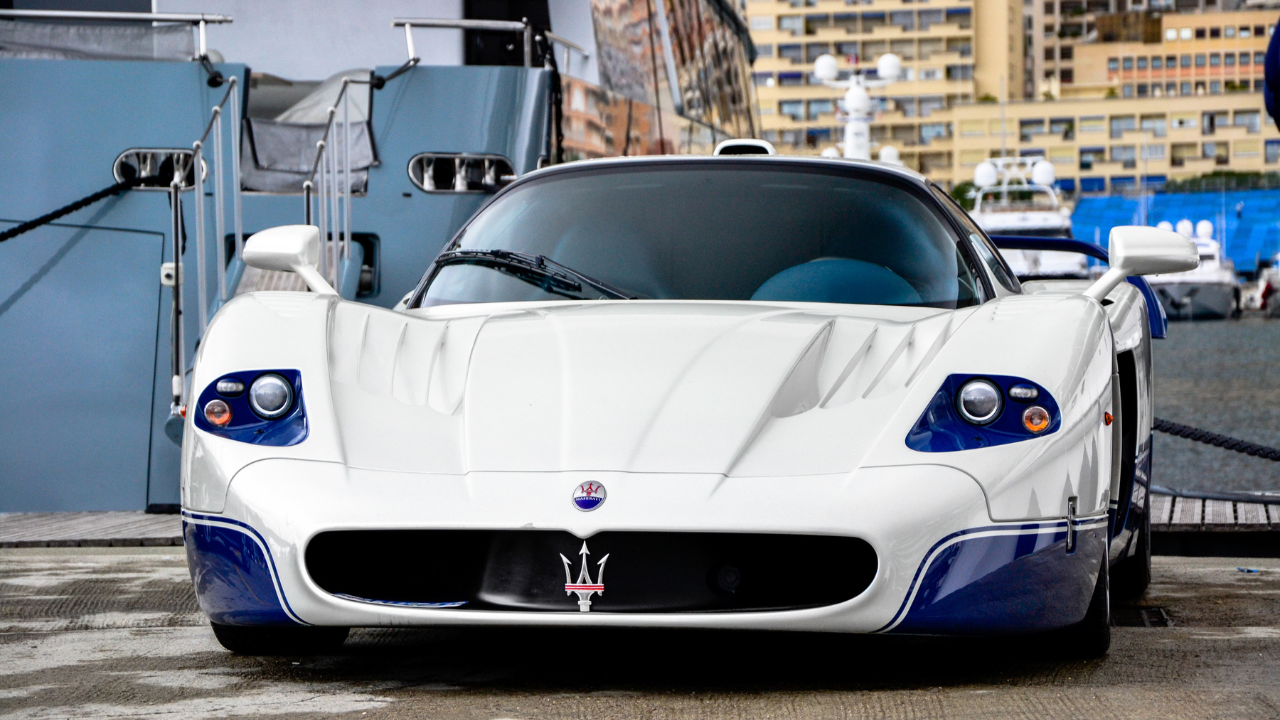
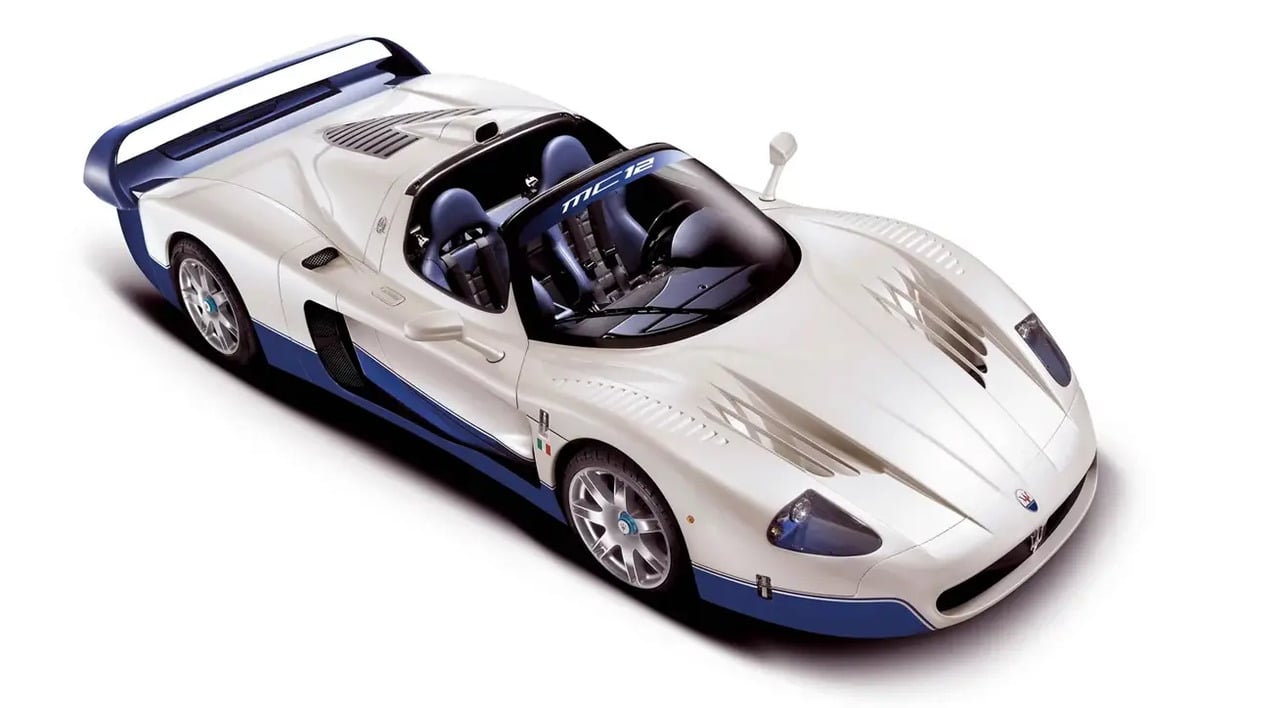
Not too long ago, Maserati was under Ferrari’s wing, now it’s part of the Stellantis family. As Doug DeMuro discusses, fresh from the acquisition in the early 2000s, Maserati sought a mid-engine supercar to return to the endurance racing circuit.
The MC12 was a race car first, but a highly limited run of 50 road cars was also built. It was powered by a 5,998 cc Ferrari-derived V12 related to the Enzo’s unit (Maserati quotes 630 hp for the MC12 Stradale), but the styling was vastly different, and significantly longer than the Enzo, on which it was based. The MC12 was also never offered new in North America, making it a true unicorn.
Alfa Romeo TZ3 Stradale Zagato

Alfa Romeo once made some of the finest race cars and sports cars in the world, and the Giulia TZ is no exception. TZ stood for Tubolare Zagato, referring to the car’s tubular frame, a huge advantage in the world of endurance racing.
To mark its 100th birthday in the early 2010s, Alfa Romeo teamed up with Zagato one last time to create the final TZ: the TZ3. An extremely limited production run of 10 cars was planned, comprising one TZ3 Corsa racer and nine Stradale road cars. As Classic Driver reports, the Corsa had nothing to do with the Stradale despite similar appearances.
The TZ3 Stradale was very similar to the original on the outside, right down to those glorious teledial wheels. While it is a stunning car, the TZ3 hides a bit of a secret: it’s based on the Dodge Viper, as evident in the sidepipes, as well as the six lug bolts on each wheel.
Pagani Huayra Codalunga
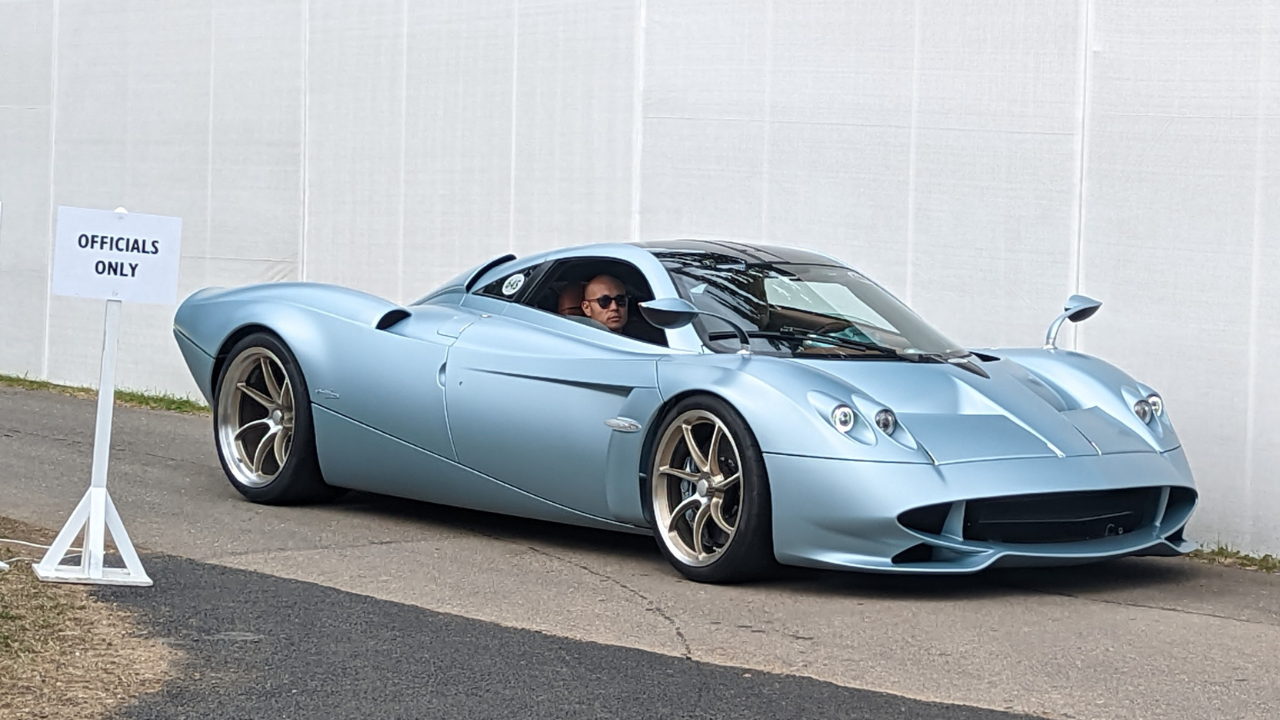
As the Pagani Huayra approached the end of its life, the Italian manufacturer created a handful of special-edition models that were very similar to the Zonda. There was the positively bonkers Huayra R, as well as the stunning Codalunga.
The name translates to “long tail”, and that’s appropriate, as the Huayra Codalunga has a longer tail than the standard Huayra, and it features some slightly updated design elements, including an entirely new rear fascia and redesigned wheels. When paired up with that incredible light blue color, the Huayra Codalunga is a thrill to just look at. Only five Codalungas will ever be made, and, as Sebastien Bell of Carscoops reports, only five will be made, with prices starting from €7 million.
Porsche 911 GT1 Strassenversion

While the Porsche 911 has been competing with supercars for years, Porsche itself has only a handful of modern supercars. Between the 959 and the Carrera GT, there was the 911 GT1 Strassenversion.
GT1 rules required 25 road-going cars for homologation of the car it planned to race, so Porsche happily obliged. Strassenversion literally translates to “road version,” and while it shared a couple of parts with the 996 911, it was clear that the GT1 Strassenversion was a completely different animal. As well as being mid-engined instead of rear-engined, the Strassenversion put out 536 hp from the 3.2-liter flat six.
Aston Martin One-77
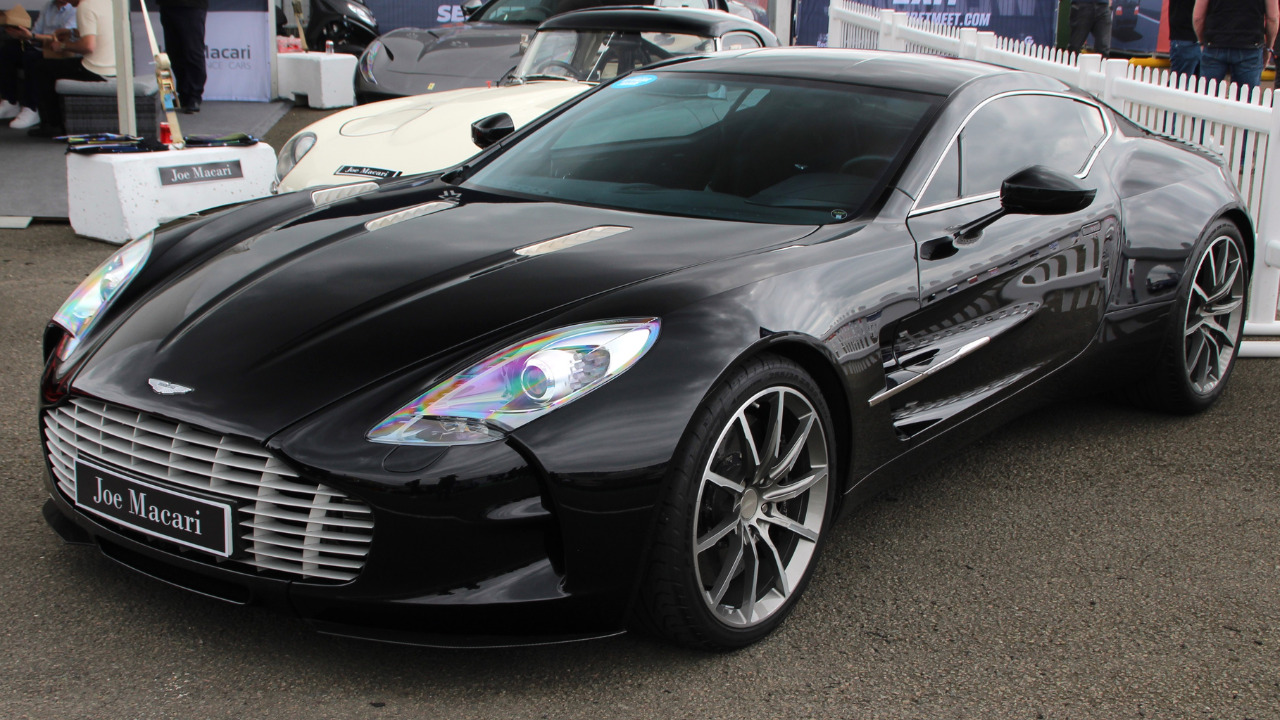
Aston Martin is known for producing special editions, but the One-77 remains one of the most exceptional cars the automaker has ever created. Not to mention, one of the most beautiful.
Such a bespoke car deserves a bespoke powertrain. As the Top Gear Magazine team reports, the One-77 is powered by a massive 7.3-liter V12 that produces 750 hp and features a distinct and incredible sound compared to Aston’s 6.0-liter unit. It also got a bespoke interior and the world’s smallest luggage compartment. As the name implies, Aston Martin built only 77 units of this machine, and, as the TG Magazine team also reports, A related Aston V12 developed from the One-77 program later appeared in the track-only Vulcan, which uses a 7.0-liter V12.
Seeing One of These Supercars Would Be a Special Occasion
Supercar makers love their exclusivity, and they certainly appreciate the occasional special edition. Sometimes, they’ll produce a good share of examples, allowing a larger chunk of the 1% population to enjoy them. Enjoy looking at them in an air-conditioned garage, of course.
Sometimes, manufacturers will crank up those exclusivity dials and produce these supercars in double or even single digits. The chance of seeing one of these in real life is almost zero, but if you do, you certainly won’t forget it.