
Alfa Romeo has spent over a century proving that Italians can make cars that look like they were sculpted by Renaissance masters who happened to understand aerodynamics. While other manufacturers were busy making transportation appliances that could double as kitchen appliances, Alfa was out there creating rolling art that challenged the sports car status quo.
The brand has never met a curve it couldn’t perfect or a design risk it wouldn’t take. Sure, half their electrical systems were designed by someone who apparently learned wiring from jumbled up, dusty Christmas lights, but who cares when the car looks this good? These are vehicles that make Ferrari owners feel inadequate and BMW drivers wonder why they settled for geometric mediocrity.
Here are the Alfas that prove beauty isn’t just skin deep — sometimes it’s carbon fiber deep, sometimes fiberglass, and occasionally it’s just really, really expensive paint.
How We Chose the Boldest Alfa Designs
We know cars, you know cars — together, we have a pretty good idea of what a basic sports car looks like. Using that as the starting point, I selected Alfa Romeo models that took our basic understanding of car design and threw it out the butterfly door. These are Alfas that brought something special to car culture, whether it was ultimately seen as breathtaking art or bizarro.
We looked for Alfas that make you forget about practical concerns like “reliability” and “parts availability.” Each car on this list has that special Italian ability to make you overlook minor inconveniences like electrical fires and transmission rebuilds because, honestly, look at those lines. Electrical fires, shmelectrical shmires. Look at those headlights!
We considered design courage, cultural impact, and that indefinable quality that makes you want to call in sick just to spend another hour staring at the car in your driveway. These are the Alfas that launched a thousand restoration projects and twice as many divorce proceedings.
Alfa Romeo 33 Stradale
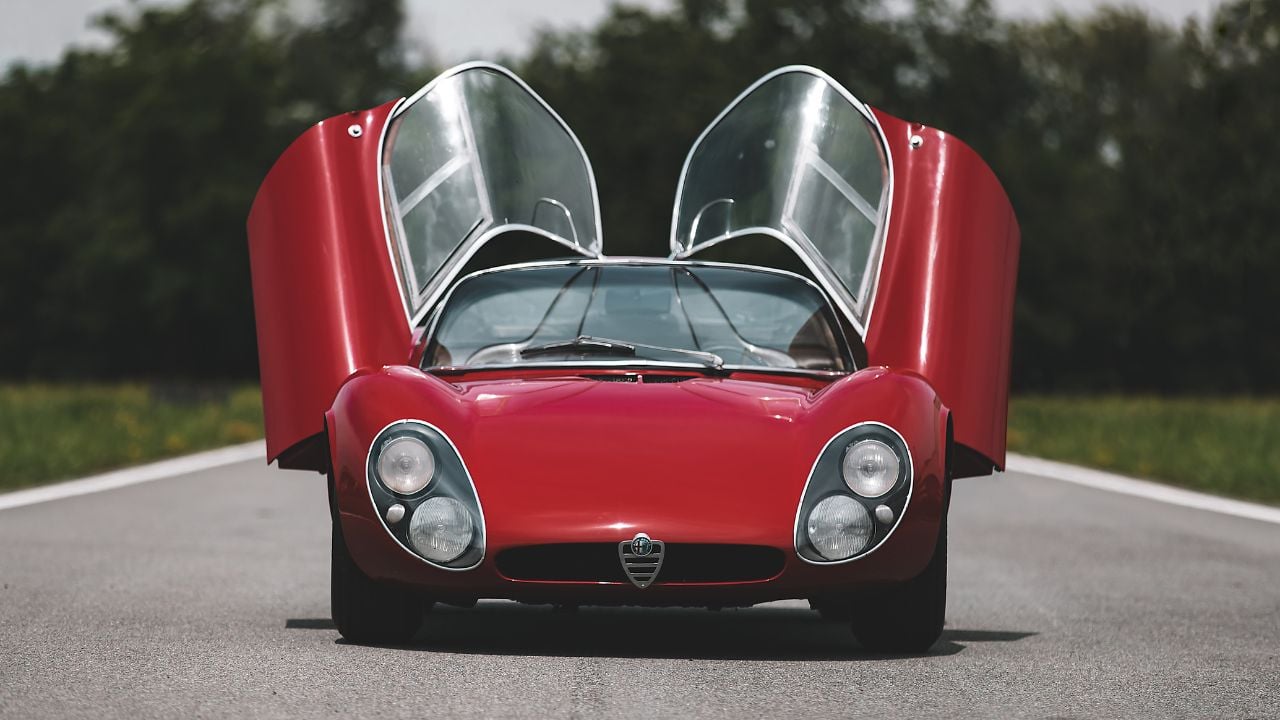
The 33 Stradale is what happens when Alfa decides to build a road car but forgets to tell the designers that people need to actually fit inside it. Standing just 39 inches tall — shorter than most coffee tables — this mid-engined masterpiece was essentially a Formula 1 car with a license plate and delusions of street legality.
Franco Scaglione designed the body using what can only be described as “liquid mathematics,” creating curves that flow from the 2.0-liter V8 engine bay to the Kamm tail with the kind of precision that makes aerospace engineers jealous. The butterfly doors were stunning and delicate-looking, but they were literally the only way to get into something this low without a shoehorn and a prayer.
Only 33 were built between 1967 and 1969, making them rarer than honest politicians and considerably more expensive. Each one was essentially hand-built by craftsmen who clearly had no concept of mass production efficiency. The result? A car so beautiful that it makes every other vehicle look like it was designed by committee during a coffee break.
The 33 Stradale hit 160 mph back when most cars were still figuring out how to reach 100 without exploding. Today, spotting one at a concours is like seeing a real unicorn — except unicorns probably have better parts availability.
Alfa Romeo Montreal

The Montreal exists because Alfa brought a concept car to Expo 67 in Montreal, and instead of doing the sensible thing and leaving it as a one-off, they actually put it into production. This was peak Alfa decision-making: “The public loves it? Great! Let’s build it with our most temperamental V8 and see what happens.”
Marcello Gandini, fresh off designing the Lamborghini Miura, created a front end with louvered headlight covers that looked like the car was permanently squinting at something suspicious in the distance.
The Montreal’s side vents were pure theater, but brilliant theater. They served no functional purpose beyond making the car look like it was going 100 mph while parked. The interior featured more toggle switches than a fighter jet, because apparently Alfa believed that starting a car should feel like launching a missile.
Production ended in 1977, not because demand dried up, but because Alfa realized they couldn’t keep making cars this beautiful while simultaneously trying to figure out how to make them reliable. The Montreal remains proof that sometimes the best automotive decisions are the completely irrational ones.
Alfa Romeo Giulia TZ2
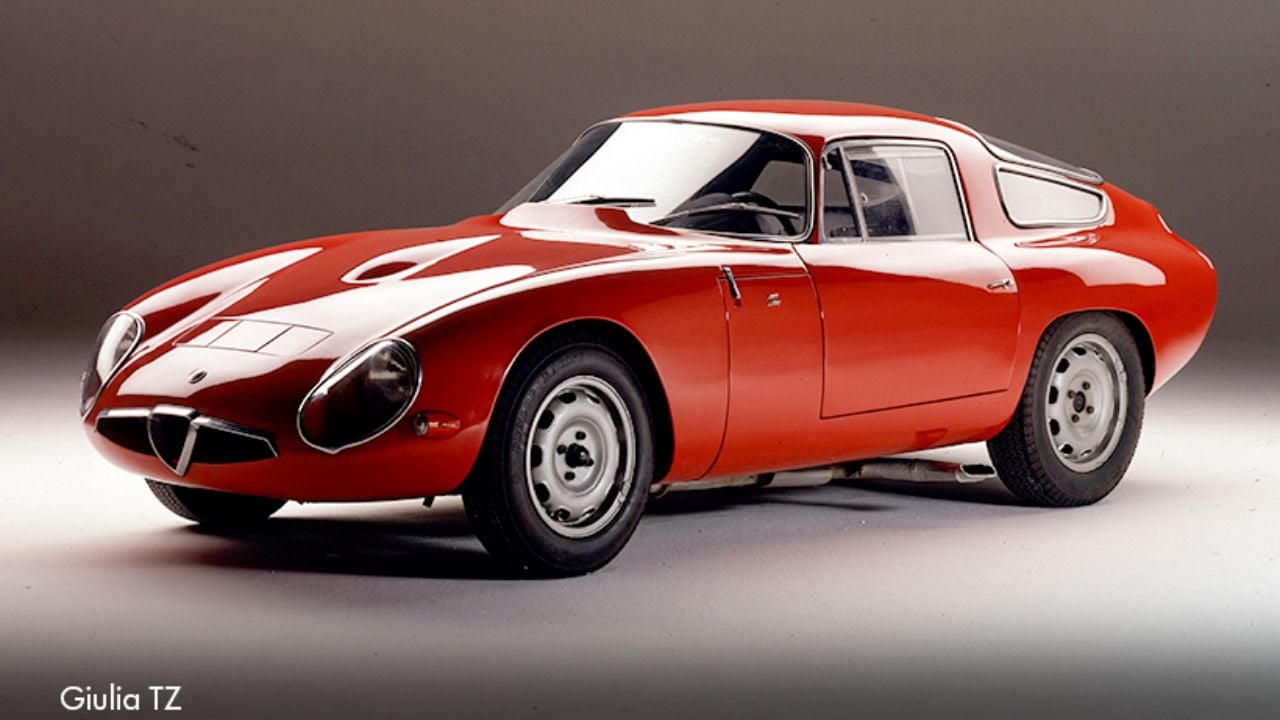
The TZ2 was what happened when Alfa took the already gorgeous TZ1 and decided it wasn’t quite aerodynamic enough. So they hired Zagato to create a fiberglass body that looked like it had been shaped in a wind tunnel by someone who understood both physics and poetry.
Zagato’s solution was brilliant in its simplicity: take every curve and make it perfect. The result was a car that looked fast standing still and downright dangerous at speed. The Kamm tail wasn’t just trendy aerodynamic theory — it actually worked, helping the TZ2 slice through air with the efficiency of a very expensive, very loud knife.
The tubular spaceframe chassis weighed about as much as a modern car’s infotainment system, and the fiberglass bodywork added roughly the equivalent of a decent suitcase. This wasn’t lightness for the sake of it: this was lightness because every gram mattered when you were trying to beat Porsche on tracks where handling mattered more than horsepower.
Today, TZ2s sell for prices that make hedge fund managers nervous. But honestly, when you’re talking about 12 examples of rolling sculpture that could outrun most things on four wheels, the real question isn’t “why so expensive?” but “why didn’t they make more?” Oh right, because it’s Alfa, and making sense has never been their strong suit.
Alfa Romeo SZ (Sprint Zagato)

Nobody was around to answer, but Alfa once asked: “What if we made a car that looked like it was designed by someone who really, really loved geometry class?” Zagato took the brief “make it distinctive” and apparently heard “make it look like a stealth fighter that went to art school.”
Built on the 75’s platform — because why start from scratch when you can make something completely insane from existing parts? — the SZ featured bodywork that was 75% carbon fiber and 25% pure Italian stubbornness. The result was a car that weighed just 2,645 pounds despite looking like it could stop a tank.
The SZ’s angular design wasn’t just contrarian for the sake of it. Every sharp edge and sudden plane change served aerodynamic purposes that actually worked. The narrow headlights weren’t trying to be cute: they were functional elements in a design that prioritized airflow over conventional beauty standards.
Under the angular bodywork lived a 3.0-liter V6 that made 210 horsepower, which sounds modest until you remember that 210 horses pulling 2,645 pounds equals mathematics that makes traffic laws seem optional. The SZ could hit 152 mph, assuming you could find a straight road long enough and were brave enough to experience high-speed aerodynamics in something that looked like it was designed by angry mathematicians.
Alfa Romeo Disco Volante
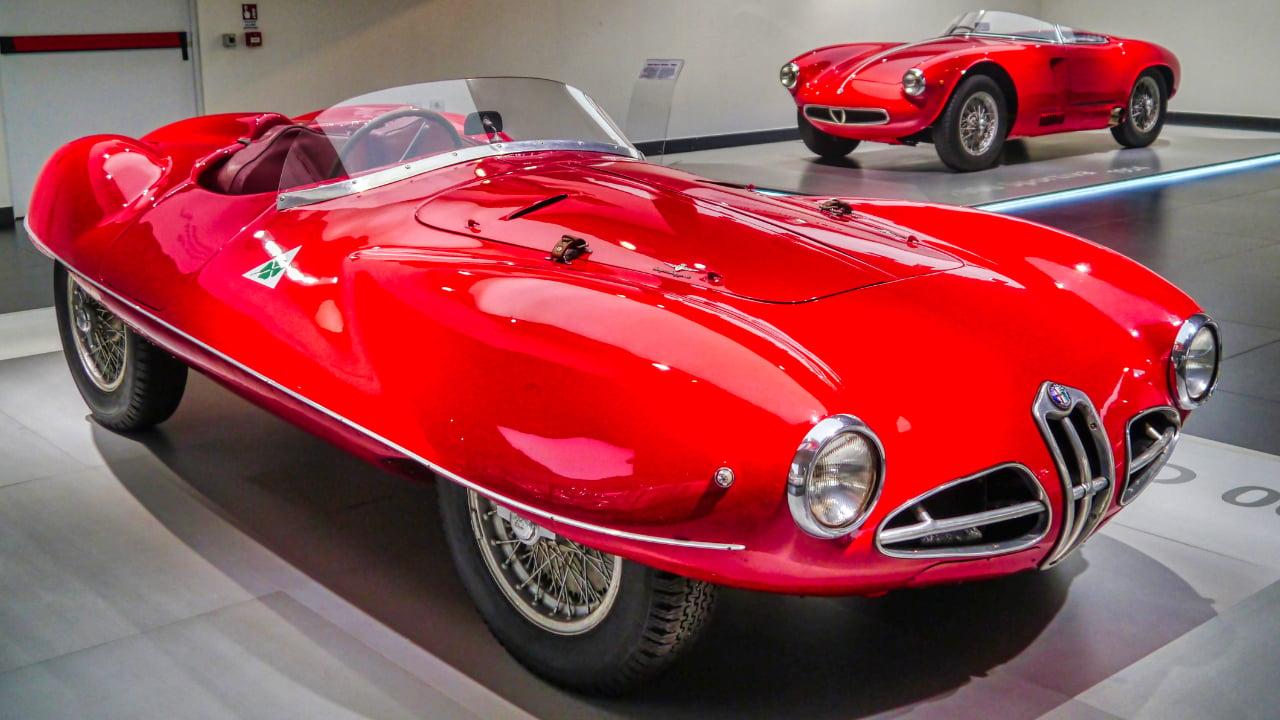
The Disco Volante was Alfa’s attempt to make a car that looked like it was designed by aliens who had really good taste. I mean, the name literally means “flying saucer,” which was either brilliant marketing or a confession that they weren’t entirely sure what they’d created.
Built on a shortened 1900 chassis, the Disco Volante featured bodywork that flowed from front to rear in one continuous curve, like someone had taken a teardrop and taught it to corner. The aerodynamics helped get this thing to 140 mph in 1952, when most cars were still trying to figure out how to reach triple digits without becoming airborne.
Carrozzeria Touring built the bodies using their Superleggera construction method, which was Italian for “we’ll make it incredibly light and beautiful, but good luck finding replacement parts in 50 years.” The spaceframe construction meant the Disco Volante was essentially a race car with license plates and the naive hope that someone might actually drive it on public roads.
The interior was pure business: two seats, essential gauges, and the kind of sparse functionality that made it clear this wasn’t built for comfort. It was built for speed, and for making everyone else on the road question their automotive choices. Today, the surviving examples are worth more than most people’s houses, which seems appropriate for cars that literally look like they came from another planet.
Alfa Romeo 8C Competizione

The 8C Competizione was Alfa’s triumphant return to making cars that could stop traffic without catching fire. After decades of building beautiful cars that treated electrical systems as mere suggestions, they created something that was both gorgeous and (mostly) functional.
Wolfgang Egger’s design team took every classic Alfa Romeo cue and updated them with the kind of precision that suggested they’d actually learned from their mistakes. The shield grille wasn’t just traditional — it was perfectly proportioned. The long hood didn’t just look good — it actually housed a 4.7-liter Maserati V8 that made 450 horsepower and sounded like Italian opera sung by angels with exhaust pipes.
The 8C’s body panels were crafted with obsessive attention to detail that bordered on the neurotic. The carbon fiber made the car lighter, but also gave it more bragging rights. This was a car that could hit 181 mph while looking like a million dollars, which was convenient because that’s roughly what it cost.
Limited to 500 examples worldwide, the 8C proved that Alfa could still build dream cars for the modern era. It also proved that when Alfa puts their mind to it, they can create something that’s both beautiful and reliable enough to drive more than once a month. Revolutionary thinking, really.
Alfa Romeo Brera

The Brera was Giorgetto Giugiaro’s love letter to the concept of “what if we made an Alfa that regular humans could actually afford and occasionally drive?” Based on the Brera concept that debuted at the 2002 Geneva Motor Show, it took Alfa five years to figure out how to build it, which is actually pretty fast for them.
The production Brera kept most of the concept’s gorgeous proportions while adding practical concerns like “doors that open” and “an interior you can sit in.” The triple headlight design wasn’t just dramatic — it was functional, providing excellent illumination for those late-night drives when you’re trying to get home before the car decides to have one of its Italian moods.
Pininfarina built the bodies with the kind of attention to detail that made every panel gap a work of art. The proportions were nearly perfect: wide enough to look purposeful, low enough to suggest speed, and just practical enough to serve as actual transportation rather than static sculpture.
Available with engines ranging from a 1.75-liter turbo four to a 3.2-liter V6, the Brera offered something for everyone who wanted to look good while potentially experiencing the full range of Alfa Romeo ownership emotions. It was beautiful, relatively reliable, and proof that Alfa could still make cars that mere mortals could aspire to own.
Alfa Romeo 1750 GTV
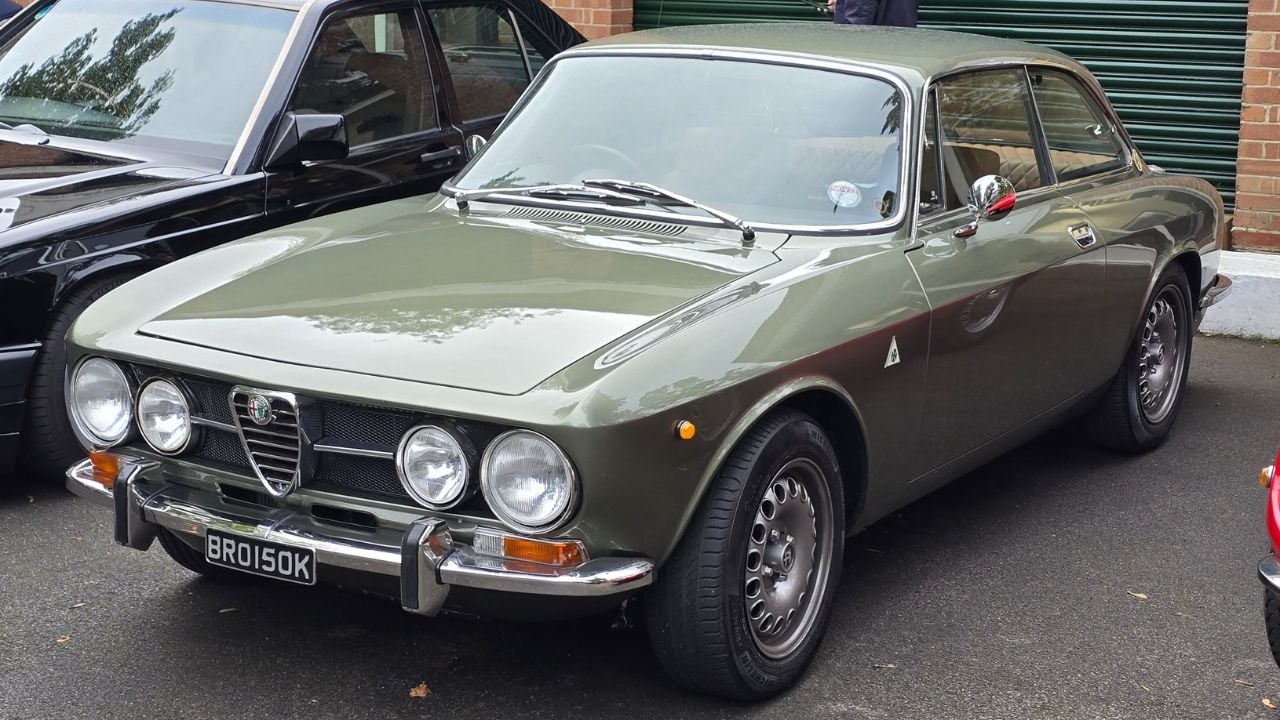
The 1750 GTV was what happened when Bertone took Alfa’s mechanical brilliance and wrapped it in bodywork that made every other coupe look like it was designed with a ruler and no imagination. Built from 1967 to 1977, it represented the sweet spot where Italian design met something approaching reliability.
Giorgetto Giugiaro’s design for Bertone was a masterclass in proportion. The greenhouse was perfectly balanced, the overhangs were minimal, and every line served a purpose beyond just looking good. The front spoiler looked brutal and aggressive, but it actually helped keep the nose planted at speed, assuming you could keep the twin-cam 1.75-liter four-cylinder running long enough to reach speeds where aerodynamics mattered.
The interior was a beautiful blend of wood, leather, and optimism. The dashboard was angled toward the driver because Alfa understood that the person doing the driving deserved the best view of the gauges that would inevitably start behaving mysteriously after 50,000 miles.
The GTV’s party trick was its suspension, which somehow managed to be comfortable enough for daily driving while still being sharp enough to embarrass supposedly more sporting cars on twisty roads. This was peak Alfa: beautiful, capable, and just unreliable enough to keep things interesting.
Alfa Romeo Giulietta Spider
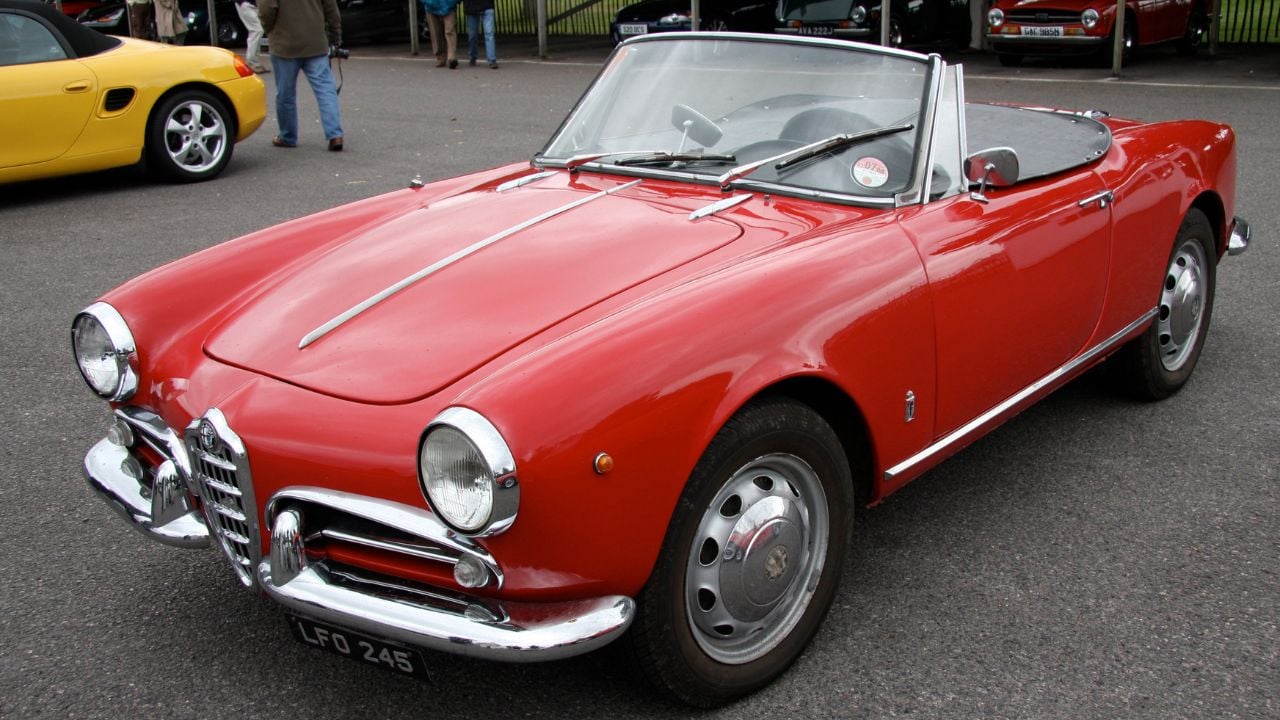
The Giulietta Spider was proof that Alfa understood something fundamental about the relationship between automobiles and human emotion. Designed by Pininfarina and built from 1955 to 1962, it was the car that taught an entire generation what “la dolce vita” meant, assuming your definition included occasional roadside mechanical sympathy.
The design was pure poetry in steel, with proportions so perfect that they made every other roadster look like it had been designed by engineers who’d never heard of romance. The front grille wasn’t just an Alfa trademark: it was a smile that promised adventure, even if that adventure sometimes included unexpected stops at interesting repair shops.
The 1.3-liter twin-cam four-cylinder engine made a modest 80 horsepower, but in a car that weighed just 2,160 pounds, 80 horsepower was enough to provide genuine thrills. The suspension was typically Alfa: sophisticated enough to handle beautifully on good roads, agricultural enough to remind you that this was still Italian engineering from the 1950s.
The Giulietta Spider became a movie star, appearing in films where the heroes needed to look good while potentially experiencing mechanical drama. It was the perfect prop for stories about people who chose beauty over practicality and somehow made it work.
Alfa Romeo 6C 2500 Super Sport Villa d’Este
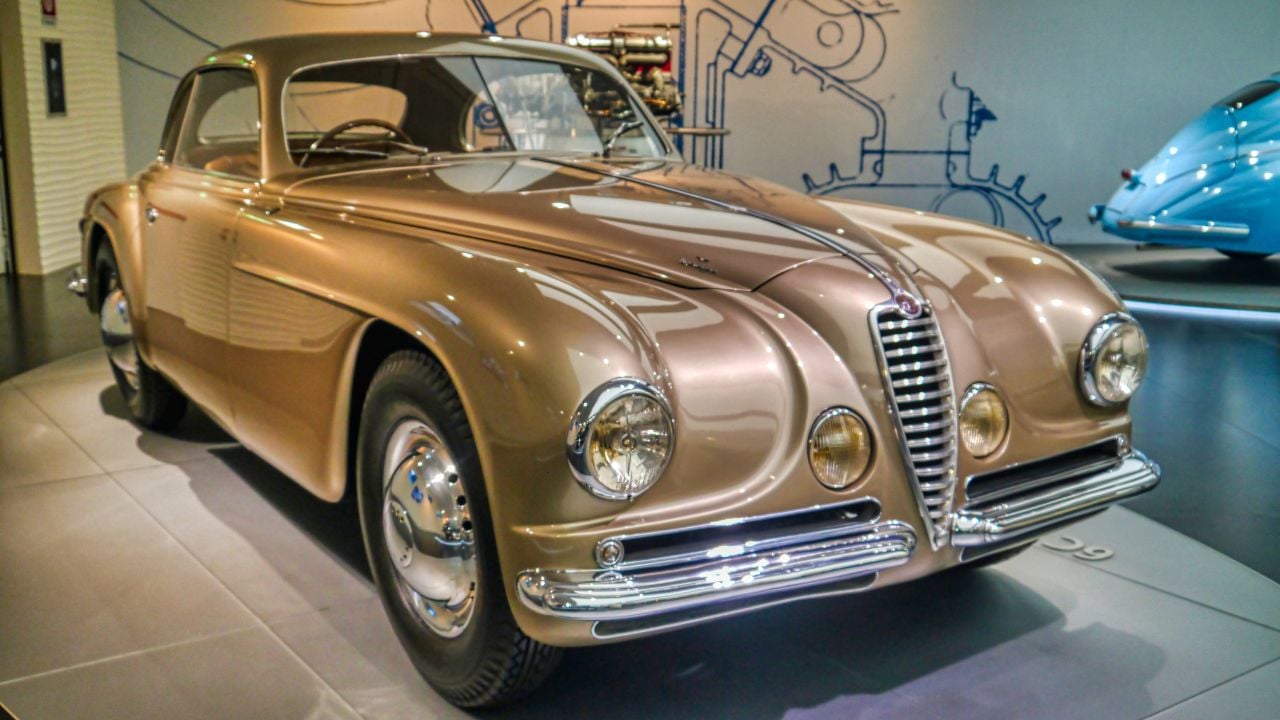
The 6C 2500 Super Sport Villa d’Este was what happened when Alfa decided that winning the Villa d’Este Concours d’Elegance once wasn’t enough — they needed to build a car that could win it every year just by showing up. Carrozzeria Touring built these masterpieces between 1949 and 1952, back when “limited production” meant “we’ll build them until we run out of craftsmen who understand how to hand-form aluminum.”
The Villa d’Este featured bodywork that flowed like liquid sculpture, with fenders that seemed to emerge naturally from the chassis rather than being bolted on as an afterthought. The long hood housed a 2.5-liter inline-six that made 110 horsepower, which was enough to cruise at speeds that made the wind-in-your-hair experience a legitimate hair styling technique.
The interior was appointed with materials that cost more than most people’s entire cars. Leather was hand-selected, wood was carefully chosen and fitted, and every control was positioned with the kind of precision that suggested the builder actually cared whether the driver could reach the switches without contorting into uncomfortable positions.
Today, surviving examples sell for prices that make billionaires pause and consider their spending priorities. But honestly, when you’re talking about 36 examples of rolling art that represent the absolute peak of coachbuilding craftsmanship, the real question isn’t “why so expensive?” but “how is this even legal to drive on public roads?”
Alfa Romeo Junior Zagato

The Junior Zagato was what happened when Alfa gave Zagato a straightforward brief — “make the Giulia Junior distinctive” — and Zagato apparently heard “make it look like it was designed by someone from the future who had strong opinions about geometry.” The result was a car that looked like nothing else on the road, which was either brilliant or concerning, depending on your tolerance for automotive controversy.
Built from 1969 to 1975, the Junior Zagato took the reliable mechanical bits from the Giulia series and wrapped them in bodywork that managed to be both compact and dramatic. The fastback roofline was a stylish touch and actually improved the car’s aerodynamics, helping the modest 1.3-liter engine push the lightweight body to speeds that made the angular design seem purposeful rather than just contrarian.
Zagato’s signature touches were everywhere: the double-bubble roof that served no functional purpose beyond looking cool, the sharp-edged bodywork that made every other small coupe look soft and indecisive, and the kind of attention to detail that suggested they actually enjoyed being different.
The Junior Zagato proved that you didn’t need a big engine or exotic materials to create something special. You just needed Italian design confidence and the willingness to make something that looked like it belonged in the future rather than blending into traffic.
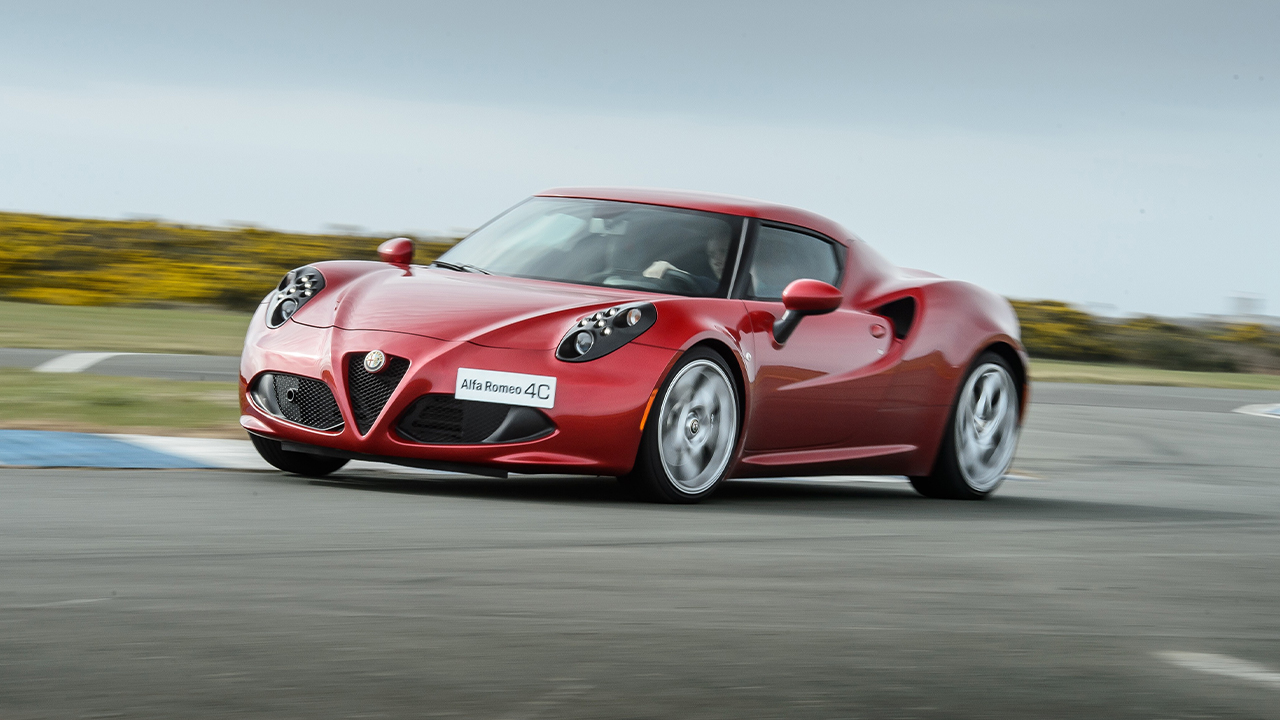
Alfa Romeo 4C

The 4C was Alfa’s proof that they hadn’t completely lost their minds during the years when they were building front-wheel-drive sedans that nobody particularly wanted. Here was a car that remembered what Alfa Romeo was supposed to be about: lightweight construction, beautiful design, and the kind of driving experience that made you forget about practical concerns like cargo space and ride comfort.
The carbon fiber monocoque was the gorgeous foundation of a car that weighed just 2,465 pounds despite meeting modern safety regulations that would have made the designers of the 33 Stradale weep. The 1.75-liter turbocharged four-cylinder made 237 horsepower, which in a car this light meant acceleration that could embarrass vehicles costing twice as much.
The design was pure modern Alfa: aggressive without being cartoonish, distinctive without being weird, and beautiful from every angle without looking like it was trying too hard. The front grille was properly massive, the headlights looked appropriately angry, and the proportions were spot-on for a mid-engined sports car.
The 4C proved that Alfa could still build cars that made you emotional about driving. Sure, the interior was sparse and the ride was firm and the steering was heavy, but these weren’t bugs — they were features for people who understood that some experiences are worth a little discomfort.
Alfas Art on Wheels
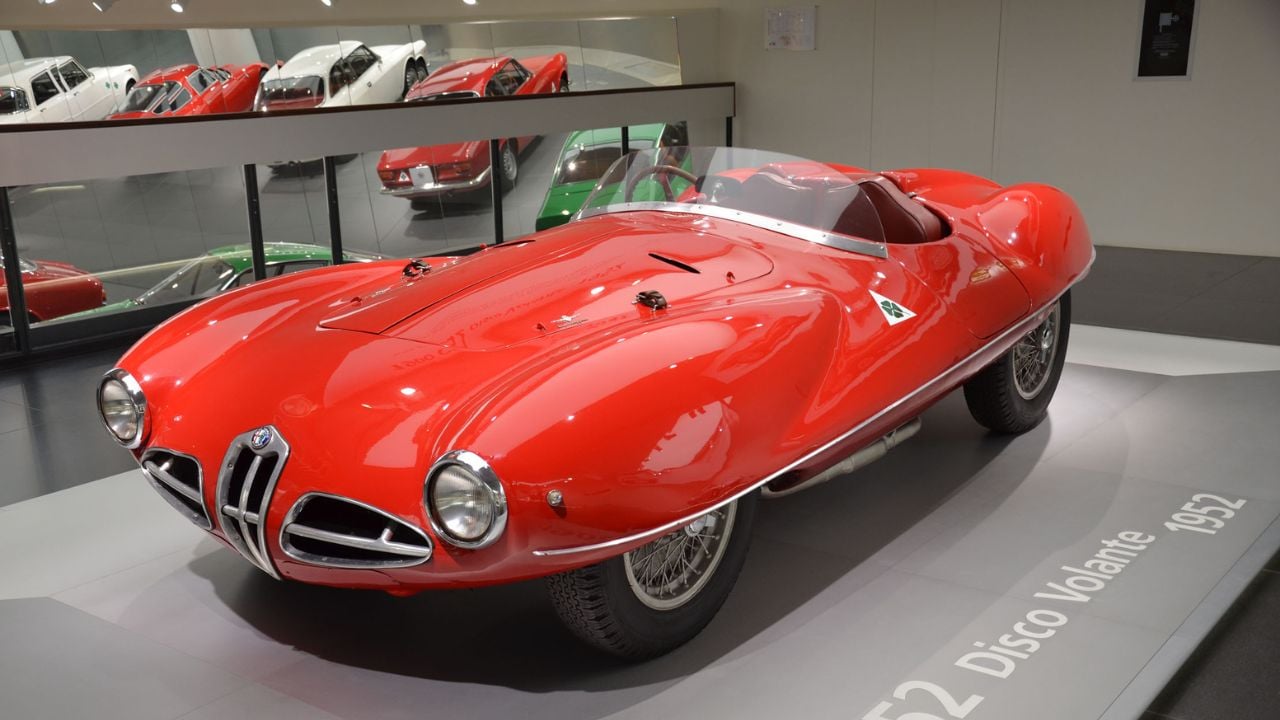
These cars represent Alfa Romeo at its absolute best: when beauty mattered more than quarterly earnings reports and when designers were allowed to create shapes that stirred something deeper than mere transportation needs. They remind us that cars can be more than appliances, that design matters, and that sometimes the most impractical choice is also the most rewarding.
Modern Alfa continues to build beautiful cars, though whether they’ll have the lasting impact of these classics remains to be seen. One thing’s certain: in an automotive landscape increasingly dominated by focus groups and committee decisions, we need more companies willing to chase beauty first and ask practical questions later.
After all, when was the last time a crossover SUV made you stop walking and just stare? These Alfas have been stopping traffic for decades, and the best ones still make every other car on the road look like it was designed by accountants who’ve never felt passion for anything beyond spreadsheet optimization.
The real question isn’t whether these are the most beautiful Alfas ever built, it’s whether modern car designers have the courage to create anything this emotionally engaging. Based on recent evidence, the answer is probably “no,” but we can always hope that somewhere, someone is sketching curves that will make the next generation forget all about practicality.