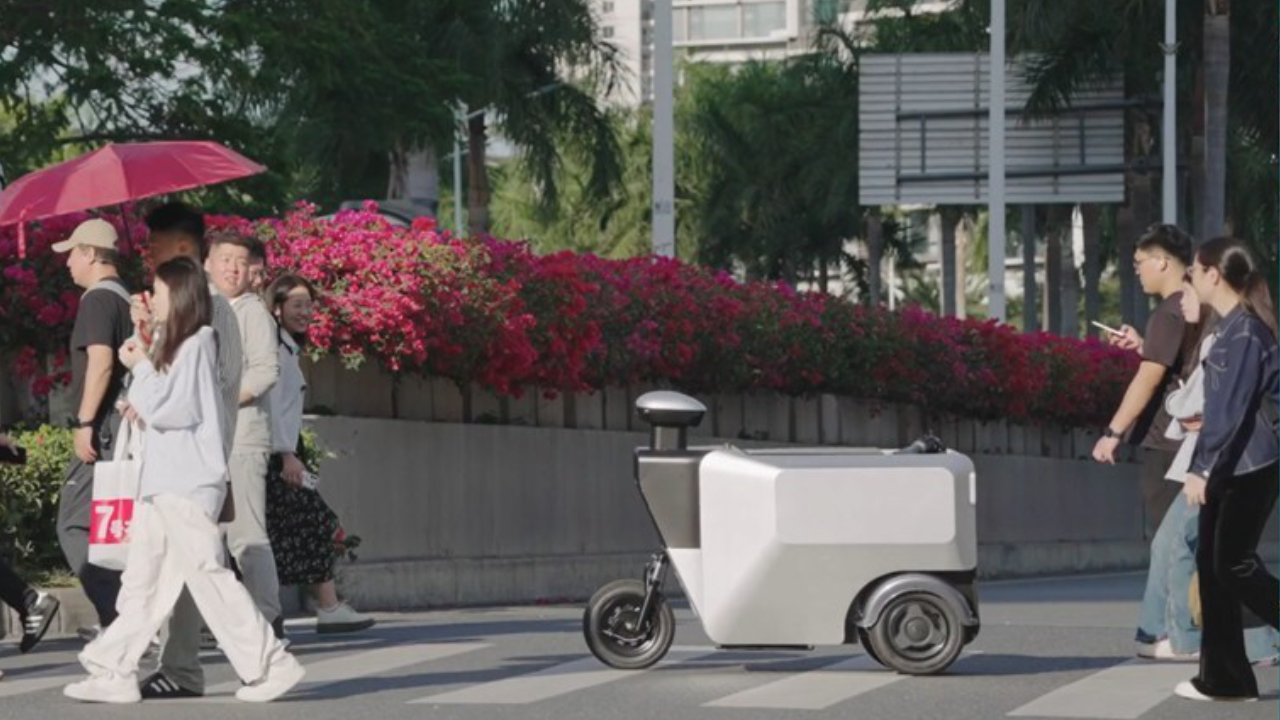
In a bold step beyond smart-driving cars, DeepRoute.ai has launched something it calls the AI Spark platform — a tech leap designed to bring advanced autonomous intelligence to a whole range of moving machines, not just cars. Think delivery bots, indoor-outdoor service vehicles, and maybe even robotic helpers cruising from kitchens to office parks. If it moves, this platform might help it move smarter.
At its heart, AI Spark is powered by a Vision-Language-Navigation (VLN) model that acts like a “road brain.” That means it can understand natural language commands (“Go to the main entrance, then take a left”), read the surrounding environment in real-time, and navigate from place to place without relying on pre-mapped, high-definition routes. That flexibility could open the door to autonomous navigation in areas where traditional self-driving tech has struggled—like mixed-use buildings, parks, or delivery routes that change day to day.
According to DeepRoute.ai CEO Maxwell Zhou, “Expanding beyond smart driving cars is a natural progression of our AI strategy.” With a massive data set of real-world driving experience — tens of millions of miles — the company believes it’s in a unique position to build AI tools that aren’t just smarter, but far more adaptable.
That matters. Because as impressive as self-driving cars can be, the real revolution may happen when smaller, more varied machines — from utility bots to service vehicles — can navigate the world with human-like awareness and context.
Why It’s Different
Where older systems might rely on precise maps and rigid routes, DeepRoute.ai’s approach is far more flexible. The AI Spark system uses language and visual cues, the same way a person might — “Turn right at the red mailbox,” or “Stop when the sidewalk ends.” That kind of adaptability could make it easier to deploy across diverse settings, from bustling cities to quiet campuses.
Even more intriguing? DeepRoute says the same system can transition between indoor and outdoor spaces, which could be a game-changer for logistics and personal robotics. Imagine a delivery robot rolling straight from the warehouse floor to a public sidewalk, then navigating to your front door — all without missing a beat.
What’s Next
Since launching its current self-driving systems last year, DeepRoute has sold more than 40,000 vehicles with its tech onboard, and it expects that number to jump to over 200,000 this year. The new AI Spark platform builds on that momentum, laying the groundwork for what the company calls RoadAGI—short for Artificial General Intelligence on the road.
It’s a fast-moving roadmap to autonomous everything — and the future might be closer than it looks.