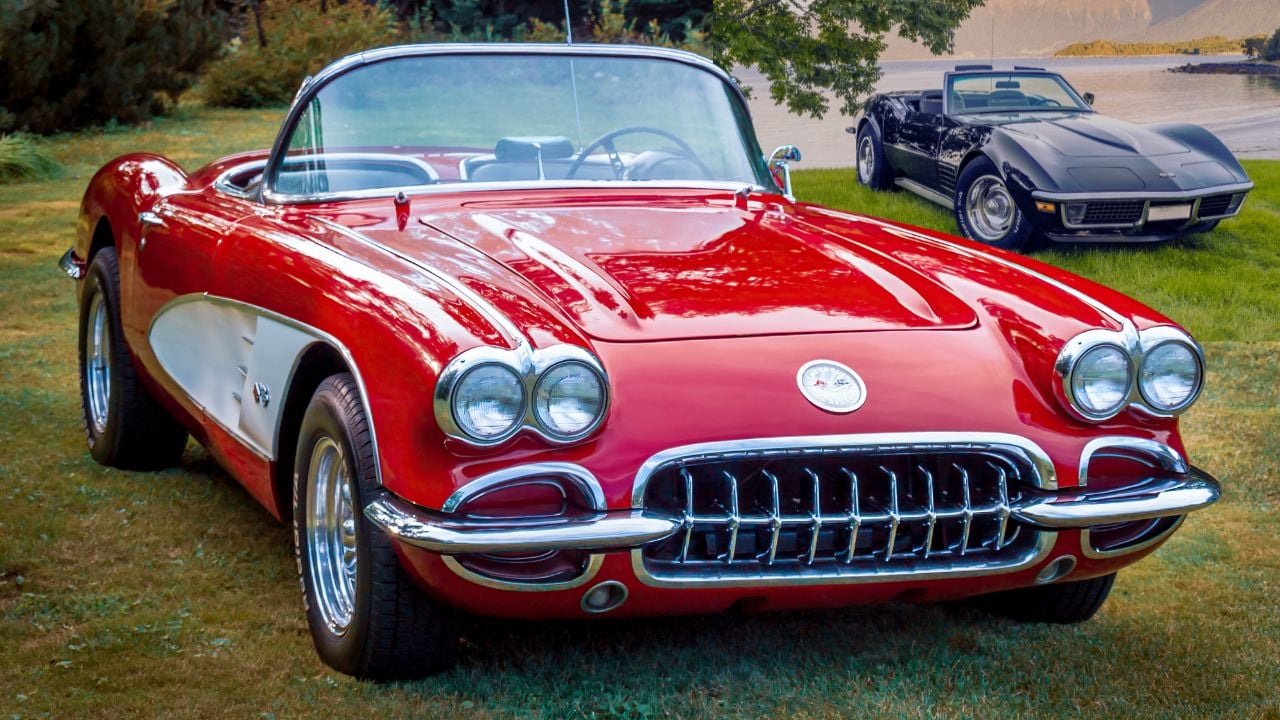
The Chevrolet Corvette, an American dream on four wheels. Through decades of production and generations of changes, technological updates, and automotive history, the Corvette is one of the most well-known and loved sports cars in the United States. With so much heritage comes plenty of secrets and fascinating facts, some lost to time and others held close by dedicated enthusiasts.
From the early days of pioneering new technology and materials on American production lines to today’s modern-day mid-engine marvel, here are some fascinating facts about the Chevrolet Corvette that many people almost always overlook.
Fascinating Facts and Where to Find Them

Corvette production reached one million on July 2, 1992 at Bowling Green. Total production has since grown far beyond that milestone, making it impossible to capture every fun and fascinating detail surrounding this iconic vehicle.
The legacy Chevrolet has built with the Corvette is vast, and this list focuses on major facts that are often overlooked by the masses rather than obscure details known only to dedicated Corvette aficionados.
The First Corvette Had a Straight-Six, Not a V8
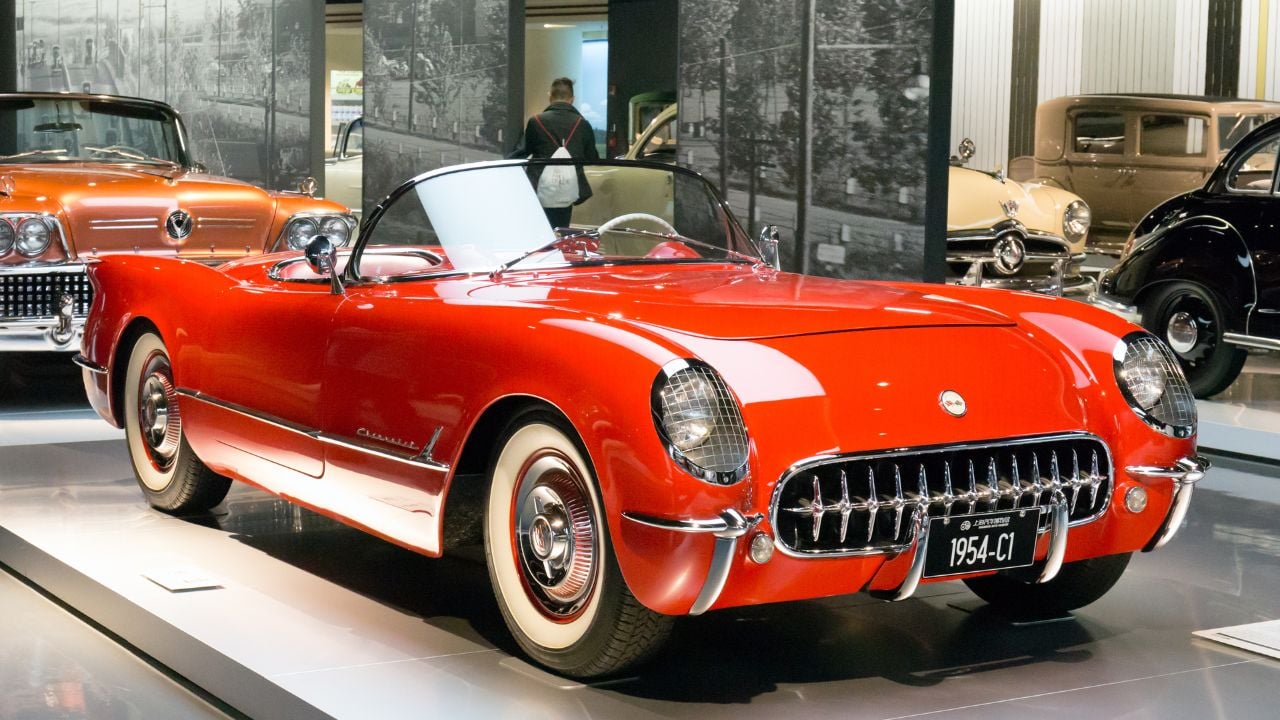
The Corvette is known for its raw, American muscle-powered V8 engine, but the first variation actually toted a straight-six. The ‘Blue Flame’ inline-six was 235.5 cu in (about 3.86L) and made about 150 hp in early Corvettes that didn’t offer the power Chevrolet was looking for.
It wasn’t until 1955 that the Corvette got its iconic V8 engine that we’ve come to know and love today. You can still find the seemingly rare inline-six variations around the collector car market and in private garages.
It Was Almost Called the “Corvair”

Did you know that the Corvette was almost called the Corvair? According to Hagerty, while the Corvair did end up being a different, later model that became available, the name almost took on a different meaning. The Corvette Corvair was a Motorama show car / concept that debuted at the 1954 Motorama, and it mixed together the classic C1 styling with some space-age touches and a sporty fastback design.
Unfortunately, The known Corvair show cars were later destroyed, and no original examples are known to survive for us to enjoy.
The 1963 Split-Window Was a One-Year-Only Design

Corvette enthusiasts know this fact through and through, but if you aren’t as privy to the collector market, you may not recognize how valuable a genuine 1963 Split-Window is. Produced for only one model year in 1963, the Split-Window Corvette was discontinued because the back glass was an unpopular choice for buyers who claimed it reduced visibility.
According to the famous collector car auction, Barrett-Jackson, only 10,594 split-window coupes were produced for 1963. This rare variation of the stingray has become a collector’s favorite.
First American Car With a Fiberglass Body

While fiberglass cars are more common now, the concept was quite revolutionary in an industry full of metal-bodied cars. Of American-produced cars, GM credits the 1953 Corvette as the first mass-produced car with a fiberglass body, even though earlier low-volume or kit-style fiberglass bodies existed, although cars from smaller companies, such as the Glasspar G2 and Woodill Wildfire, did technically beat it to the punch, according to Wired. This would later change the market completely, leading to the production of fiberglass-bodied competitors and a material that would change the automotive industry forever.
Fiberglass was not only a comparably lightweight material, offering a better power-to-weight ratio than other competing sports cars, but it also changed the body lines and styling that could be created for vehicles.
First Production T-Top
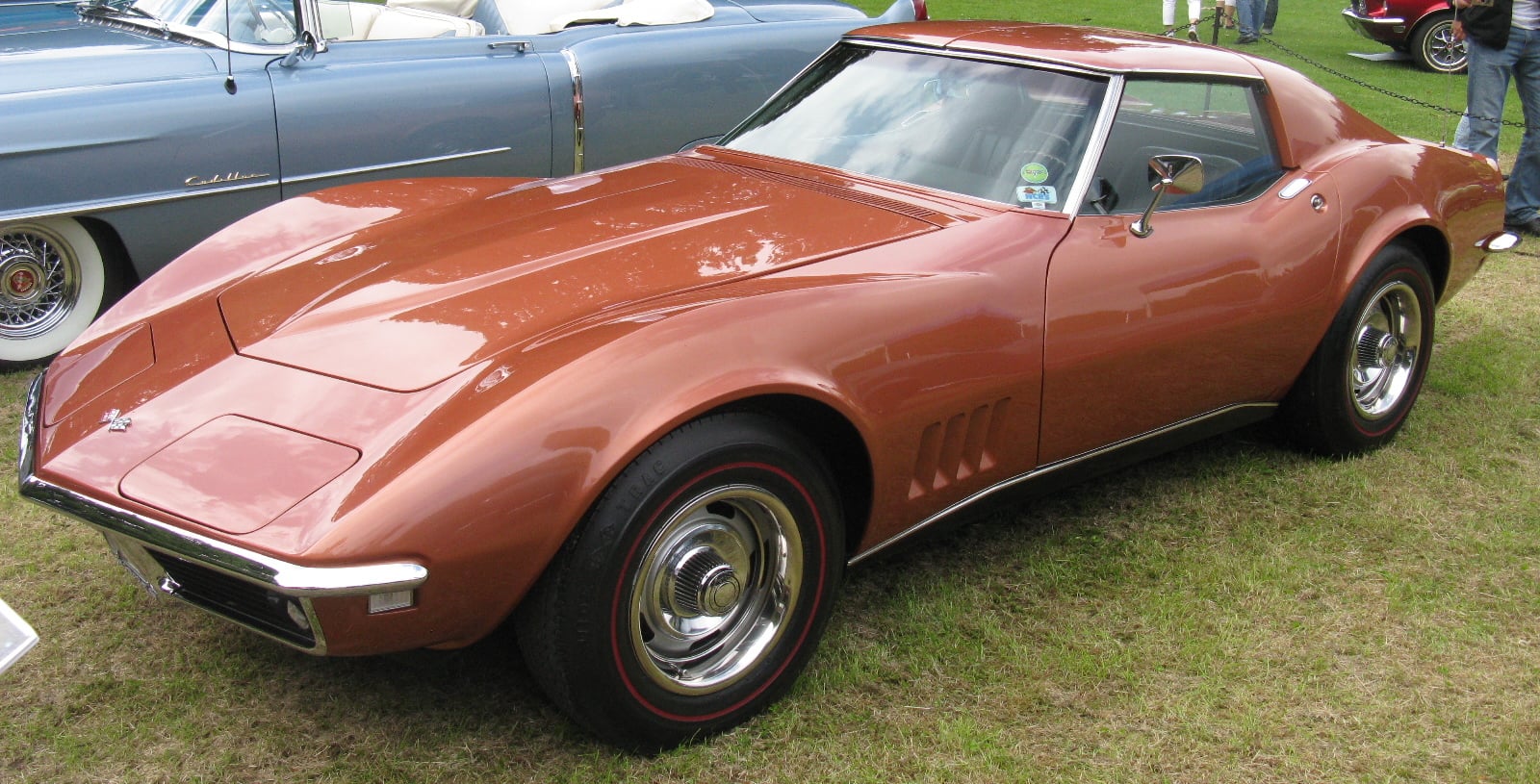
T-tops offer the rooflines of a hard top with the joy of taking the top down that you get from a convertible. In 1968, the Corvette was released with a completely updated model, the C3, including what’s widely cited as the first U.S.-built production car to offer T-tops. In the first decade of production, the removable hard top panels were painted with the body color to match the vehicle, and they appeared as a standard coupe when closed. They also featured a cross-member from front to rear when the panels were removed.
In 1978, buyers could choose from paint-matched fiberglass panels or a brighter tinted glass option. Painted panels remained the standard setup; tinted glass tops were an option and became common on later C3s. With nearly two decades of T-Top production, the Corvette once again started a trend that other manufacturers would have to integrate to compete.
The C4 ZR-1 Had an Engine Engineered by Lotus
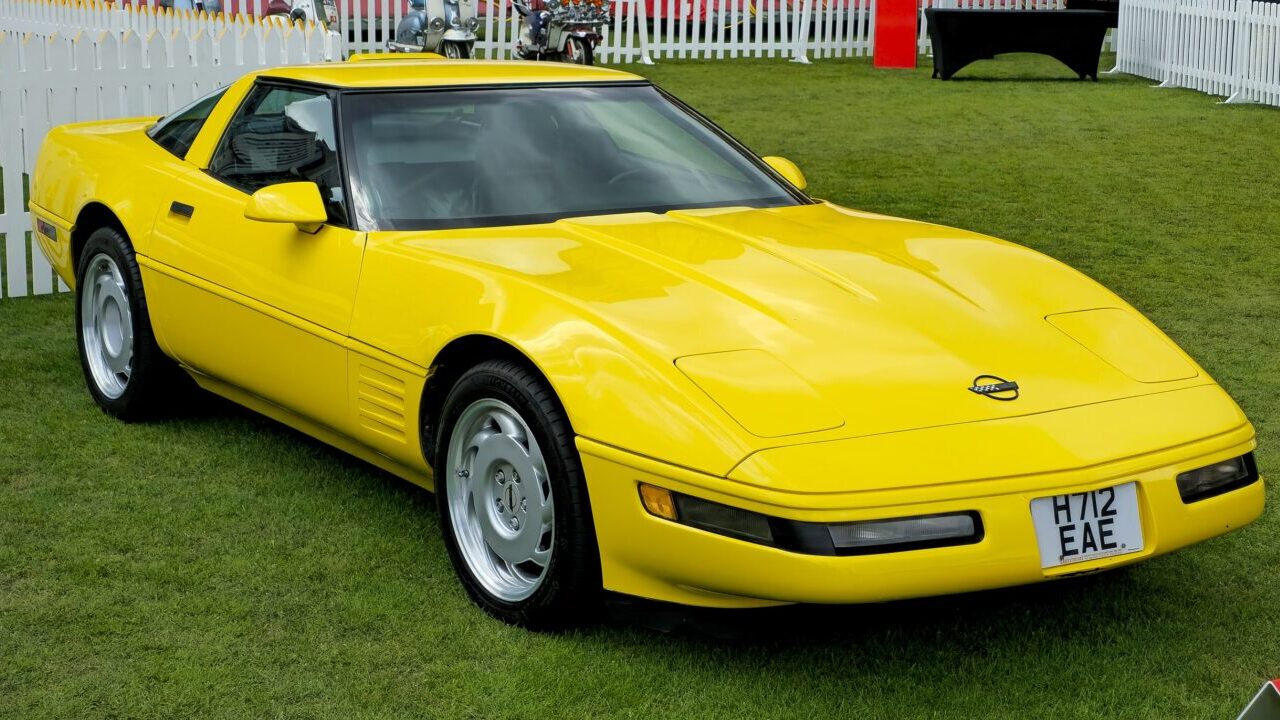
As an avid Lotus fan, I was absolutely thrilled, and shocked, to find this information deep in the GM Authority archives. Did you know the C4 ZR-1 had an engine designed by British performance legends Lotus?
The engine in question was the LT5, a 5.7-liter, all-aluminum, dual overhead cam V8 completely different from the pushrod V8s Chevrolet was known for. It was exclusive to the ZR-1 and shouldn’t be confused with the GM-built LT4 that came later. Lotus handled the engineering and design, while the actual production was done by Mercury Marine in Stillwater, Oklahoma, a company better known for building boat engines, but more than up to the task.
The result? A high-revving, naturally aspirated V8 that cranked out 375 horsepower and 370 lb-ft of torque in 1990, wild numbers for the time. Lotus also helped fine-tune the ZR-1’s steering and braking systems, making it a Corvette that could finally run with the Europeans, not just in a straight line, but through the corners too.
Astronauts Love Corvettes

Astronauts and Corvettes have gone hand-in-hand since the early days of the space race. After Alan Shepard became the first American in space, he bought a Corvette and befriended GM engineer Zora Arkus-Duntov.
Spotting an opportunity, Florida Chevy dealer and former Indy 500 winner Jim Rathmann worked with GM to offer astronauts a special lease deal: brand-new Corvettes for just $1 a year. Because accepting gifts could raise ethics issues for government employees, the token lease allowed them to enjoy the cars legally.
It wasn’t just about speed, Corvettes captured the same daring, high-tech energy that defined the space program. From Mercury to Apollo, they became the unofficial ride of America’s heroes.
The Corvette Is the Go-To Pace Car for America’s Biggest Races
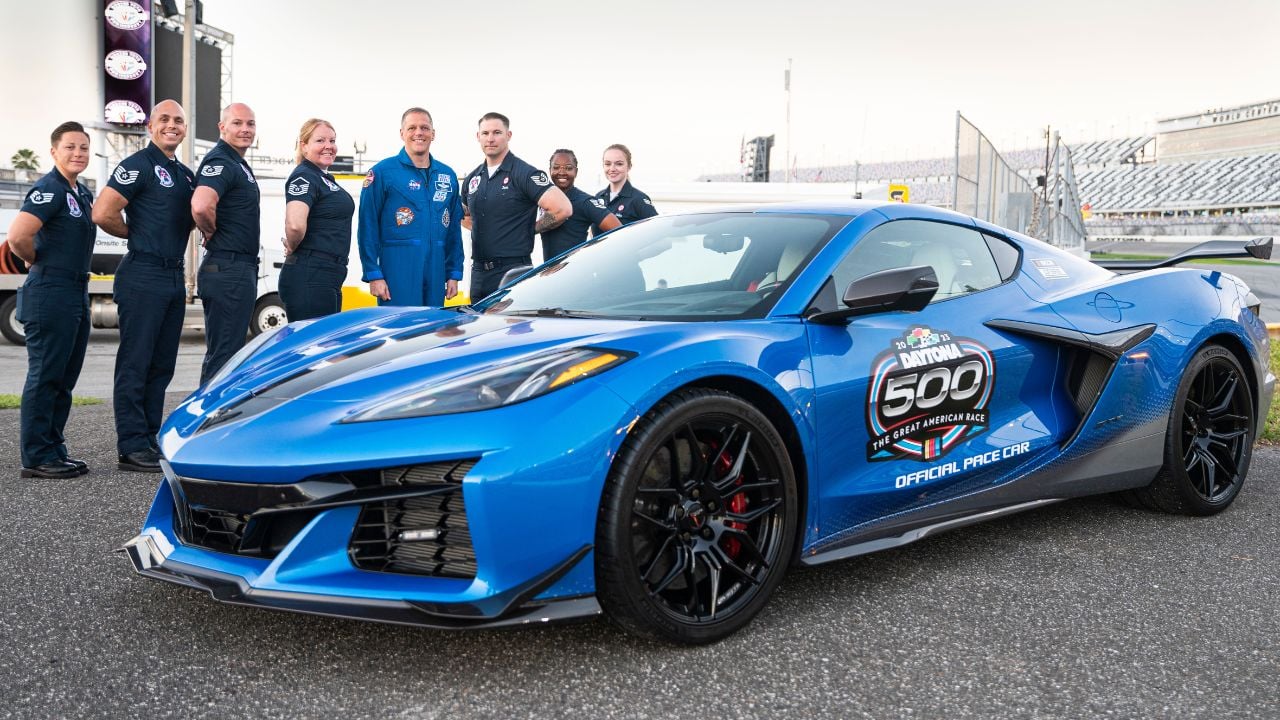
The Corvette isn’t just built for speed, it’s trusted to lead it. Since 1978, Corvettes have served as pace cars at the Indianapolis 500 22 times, all since 1978, more than any other model. That tradition started with the black-and-silver 25th Anniversary C3 and continues today with variants like the C8 Stingray and Z06 taking the lead lap.
But the Corvette’s pace car legacy doesn’t stop in Indiana. It’s also a familiar sight at the Daytona 500, where it’s paced NASCAR’s crown jewel multiple times. Whether it’s slicing through the high banks of Daytona or crawling down the front stretch at Indy before the green flag drops, the Corvette is often the car out front.
These pace car appearances aren’t just ceremonial; they underscore the Corvette’s dual identity: a race-bred machine that’s just as comfortable pulling pace duties as it is chasing podiums. And for collectors, those pace car editions, especially the more colorful ones from the ’80s and ’90s, are often just as iconic as the races they led.
The Corvette Z06 Name Goes Back Further Than Most Think
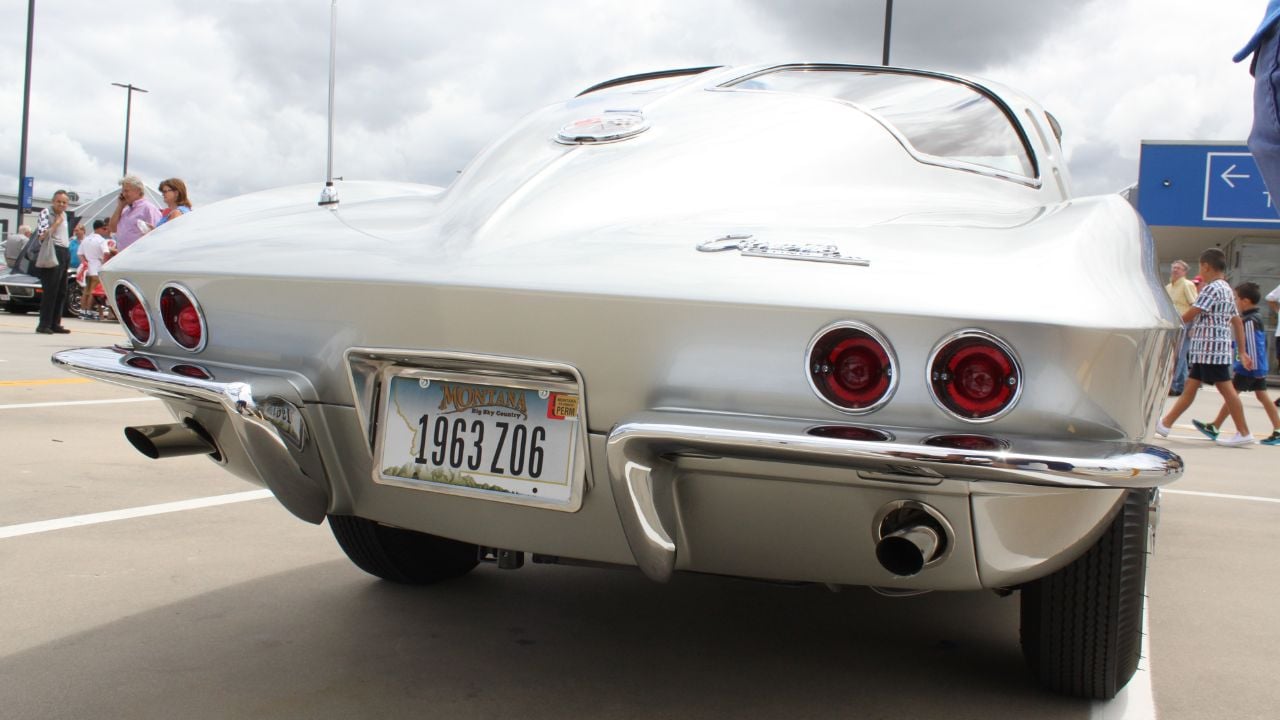
The modern Z06 badge screams “track weapon,” but its roots go back to 1963. At the time, General Motors had banned factory involvement in racing, but Corvette engineer Zora Arkus-Duntov found a clever workaround.
He created a secret option package, code-named Z06 (option code Z06), that bundled race-ready upgrades like bigger brakes, a stiffer suspension, a limited-slip differential, and a larger fuel tank for endurance racing. It was only available with the new fuel-injected 327 V8, and just 199 cars were built that first year.
The Z06 didn’t advertise itself, but it gave serious racers everything they needed, straight from the factory.
The C6 Corvette Had a Hidden “Jake” Skull

Corvette racing fans will already know this fact about Jake, the team’s mascot. The story of Jake, according to Corvette Magazine, is quite interesting and in-depth, and it is so iconic and beloved that it became an official Chevrolet Easter Egg. If you ever get a chance to look closely under the hood of a C6 ZR1, you may notice something a little out of place.
The C6 ZR1 engine bay featured an embossed Jake on the intake snorkel/ducting as a Corvette Racing Easter egg, giving a small nod to the brand’s racing heritage and a small nugget of joy to those who know what they’re looking at.
The Mid-Engine Corvette Was Almost a Reality in the ‘70s
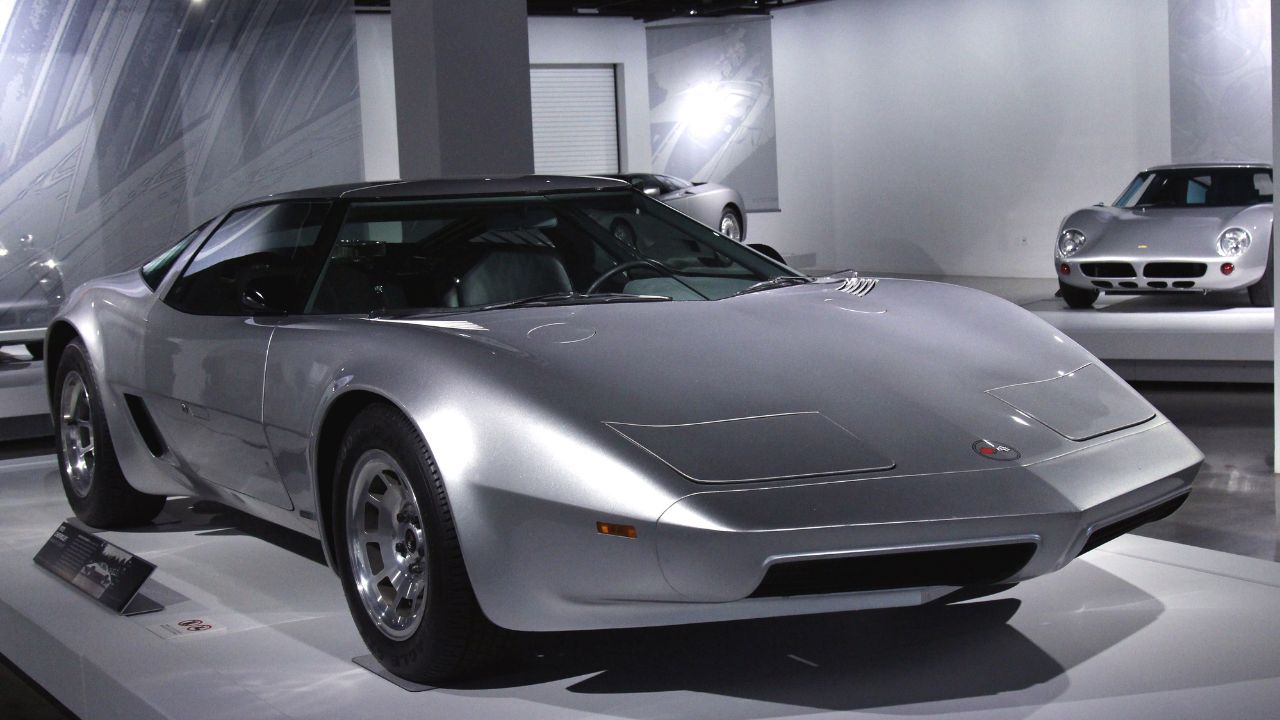
The C8 Corvette may be the first production mid-engine Corvette, but it almost wasn’t. The XP-882 prototype used a transverse drivetrain concept pairing a 400-cid small-block with an Oldsmobile Toronado Turbo 400–based layout, and it even sparked ideas about adapting the concept to four-wheel drive.
While the car wasn’t a secret, it seemed to have been brushed under the rug for decades until the introduction of the official mid-engine Corvette, the C8.
An American Legacy with Hundreds of Reasons to Smile
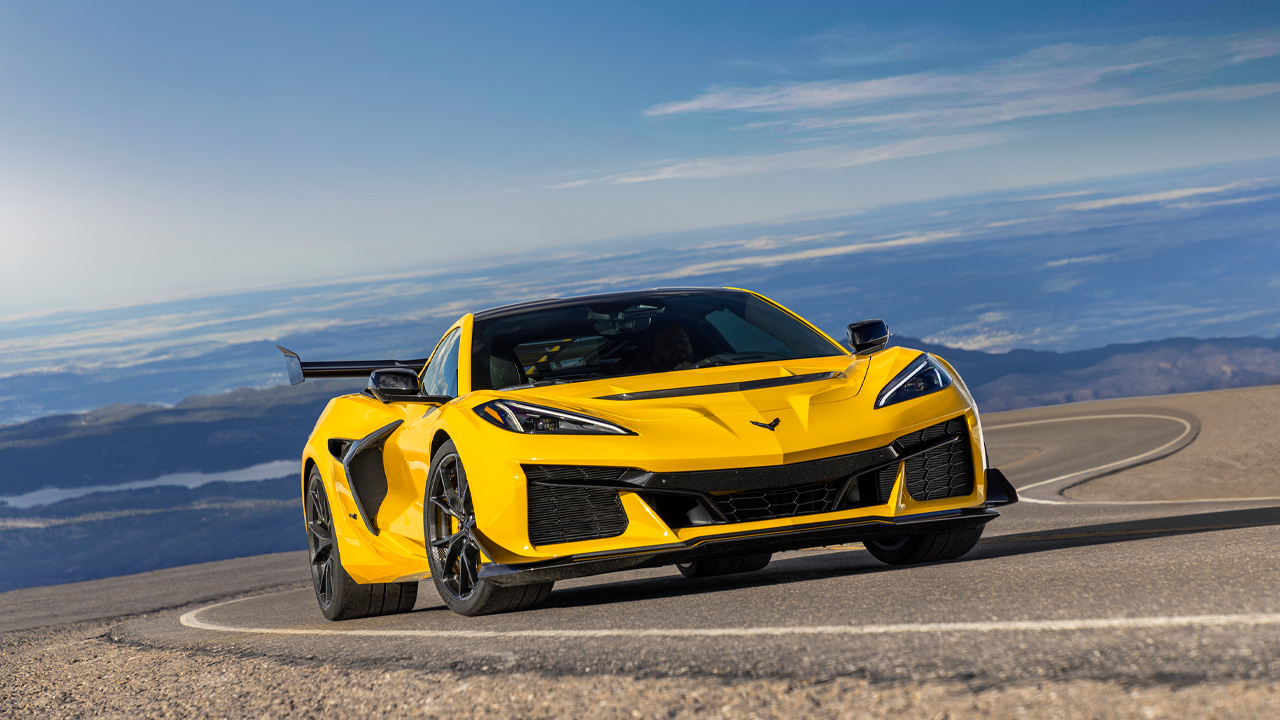
The Corvette’s legacy is filled with innovation, surprises, and a deep connection to American automotive culture. Whether it’s new engines or materials that revolutionize the way cars are built, exciting features that brought us joy, or fun Easter Eggs, there are so many reasons to love the heritage of the Corvette. While many facts about this legendary car are widely known, others remain overlooked, adding even more depth to its rich history.
Whether you’re a lifelong Corvette enthusiast or just learning about its fascinating past, these lesser-known details only further solidify its place as one of the most iconic sports cars ever made.