Whether they were your first ride or your family’s road-trip hauler, these boxy ’80s cars got the job done. These are the cars that didn’t win showroom beauty contests but won over drivers with charm, pure reliability, or sheer oddball character. They were family haulers, first rides, and commuter champs. They may be punchlines now, but for a generation of drivers, they were part of the story.
This list celebrates 20 quirky, dependable, and unforgettable cars that were common sights in the 1980s, including a few late 1970s holdovers that carried over into early decade roads.
How We Chose These Vehicles
This list was compiled based on models that reflected the era, emphasizing practicality, unique styling, and cultural impact rather than just performance or luxury. We focused mostly on cars that were widely available in the U.S. during the 1980s, while also including a few low volume imports and short run models that still became memorable parts of the decade.
Sure, we poke fun, but there’s real respect behind the ribbing. During recessions, fuel crises, and changing times, these cars offered reliability. The Plymouth Reliant and Dodge Aries helped save Chrysler. The Volvo 240 made safety a selling point. And the Hyundai Excel gave a new kind of buyer access to brand-new wheels. They weren’t glamorous, but they were there, and sometimes, that’s everything.
AMC Pacer (1975–1980)
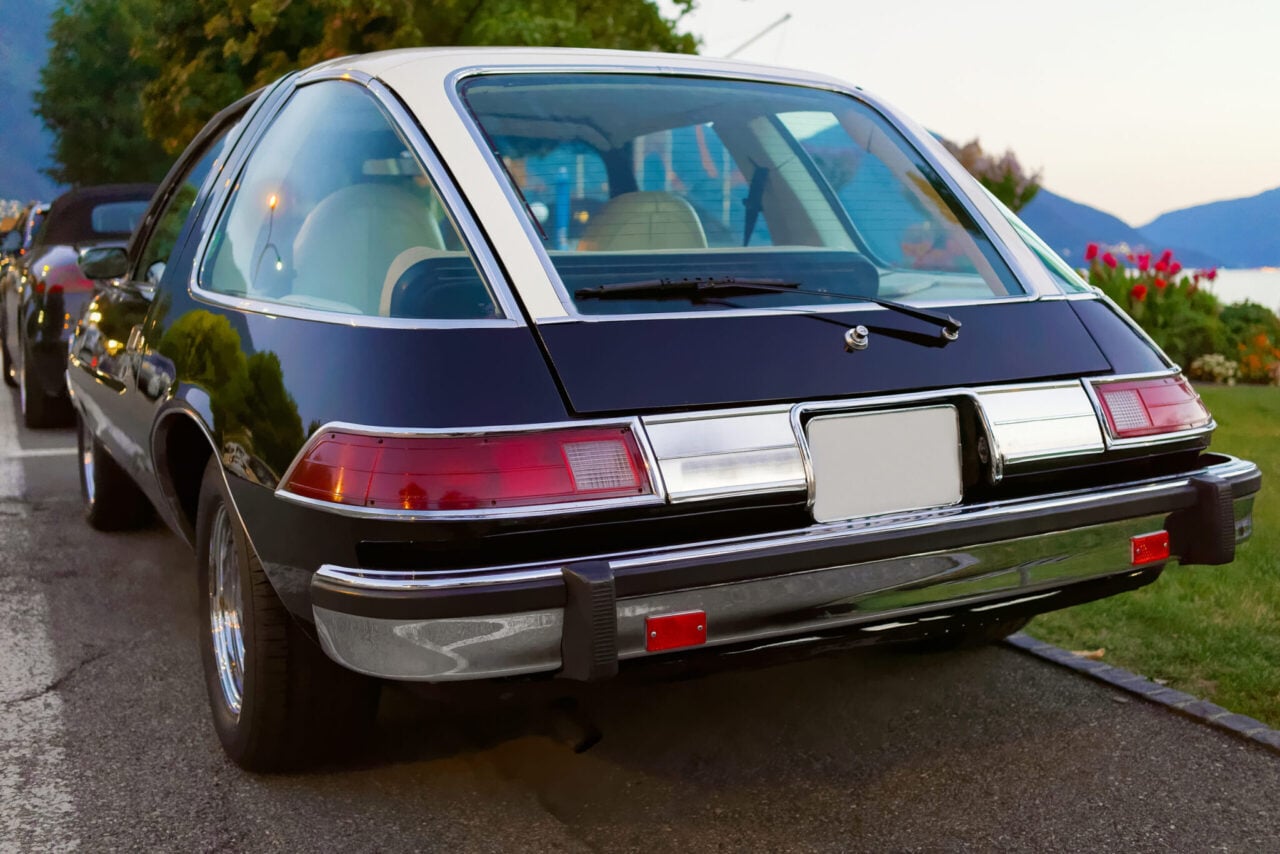
The AMC Pacer looked like it came from another planet, and in the conservative parking lots of the ’70s and early ’80s, it practically did. Its jellybean shape, massive greenhouse of glass, and unusually wide body for a compact car made it stand out in every way. Designed to be roomy, futuristic, and efficient, the Pacer was ahead of its time in some respects and just plain odd in others. Production ended after the 1980 model year, so it is best understood as a late 1970s holdover that lingered into the early 1980s.
Though often mocked, it developed a loyal cult following and has become a pop culture icon thanks to appearances in movies and a growing appreciation for its unapologetic weirdness.
Yugo GV (1985–1992)

The Yugo GV was a tiny hatchback with a big reputation, for better or worse. Built in Yugoslavia and imported by Malcolm Bricklin, it was marketed as the cheapest new car in America. And it delivered on that promise, with a starting price that undercut even the most modest used cars. Its simplicity was both its selling point and its Achilles’ heel: reliability was spotty, build quality was inconsistent, and creature comforts were minimal. But the GV gave many drivers their first new car experience, and in retrospect, its plucky underdog story earns it a measure of affection.
Chevrolet Citation (1980–1985)

GM’s first big front-wheel-drive gamble, the Citation, debuted to massive anticipation and early sales success, even winning Motor Trend’s Car of the Year in 1980. But the shine quickly wore off as quality issues piled up, from faulty brakes to misaligned panels. Still, it marked a genuine turning point: Detroit was trying to compete with imports by building smaller, more efficient cars with modern layouts.
While its reputation took a hit, the Citation’s bold ambition (and its widespread presence on American roads) made it an emblem of the era.
Renault Alliance (1983–1987)

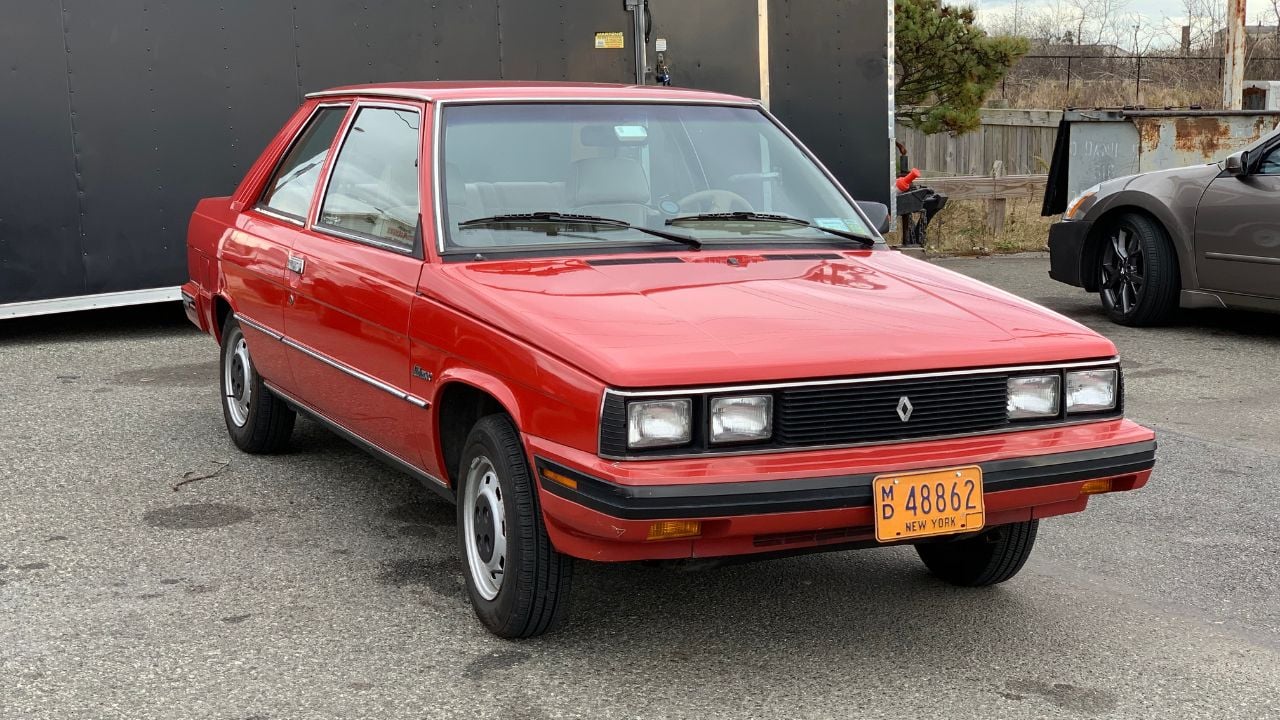
The Renault Alliance was a rare experiment in transatlantic collaboration, pairing French design with American manufacturing. Built in Wisconsin and sold through AMC dealers, it aimed to bring a European driving experience to U.S. buyers at an affordable price. It offered respectable fuel economy, tidy styling, and a comfortable ride, but performance was underwhelming, especially with the base engine.
Still, it carved out a niche with drivers who wanted something a little different from Detroit’s usual fare, even if its moment in the spotlight was short-lived.
Plymouth Reliant (1981–1989)

The Plymouth Reliant was one half of Chrysler’s lifesaving K-car duo, sharing its bones with the Dodge Aries. With clean lines and honest engineering, the Reliant helped redefine what an American compact could be in the early ’80s. It wasn’t exciting, but it was practical, affordable, and easy to drive; everything buyers needed in tough economic times.
Available as a sedan, coupe, or wagon, it served as dependable transportation for families and commuters alike. While never flashy, its role in Chrysler’s turnaround made it a quiet hero of the era.
Ford EXP (1982–1988)

The Ford EXP was a sporty two-seater spun off the Escort platform, aimed at young buyers looking for style on a budget. With its wedge-like profile and hidden headlights, it had a futuristic flair that set it apart from the econobox crowd. Performance was modest, especially in early models, but later turbocharged versions brought a bit more excitement.
While it never achieved mainstream success, the EXP was an early attempt to blend economy with personal style and stands as a quirky outlier in Ford’s otherwise practical lineup.
Cadillac Cimarron (1982–1988)

The Cadillac Cimarron was General Motors’ bold attempt to enter the compact luxury market. GM sought to offer Cadillac prestige in a smaller, more affordable package by basing the Cimarron on the J platform alongside cars like the Chevrolet Cavalier. Unfortunately, the Cimarron struggled with its identity as it was too close to its lower-priced cousin to justify the Cadillac badge, yet lacked the refinement and features buyers expected from a luxury brand.
Despite its missteps, the Cimarron remains a symbol of an automaker navigating changing times and tastes.
Oldsmobile Firenza (1982–1988)

The Oldsmobile Firenza was GM’s practical compact car during the downsizing era. Built on the J-car platform, it offered sedan, coupe, and hatchback options focused on reliable, fuel-efficient transportation. With modest engines and a straightforward design, the Firenza appealed to budget-conscious families and commuters.
It wasn’t flashy, but it earned respect for its sensible simplicity amid a decade of automotive change.
Chevrolet Celebrity (1982–1990)

The Chevrolet Celebrity was GM’s mid-size family car designed to offer practicality and comfort for everyday drivers. Built on the A-body platform, it replaced the Malibu and became a common sight on suburban streets throughout the ’80s. While it lacked the flash and excitement of sportier models, the Celebrity earned a reputation for reliability and roomy interiors that suited families and commuters alike.
Decent fuel economy and manageable maintenance costs made it a dependable workhorse during a decade marked by economic shifts and evolving consumer demands.
Dodge Aries (1981–1989)
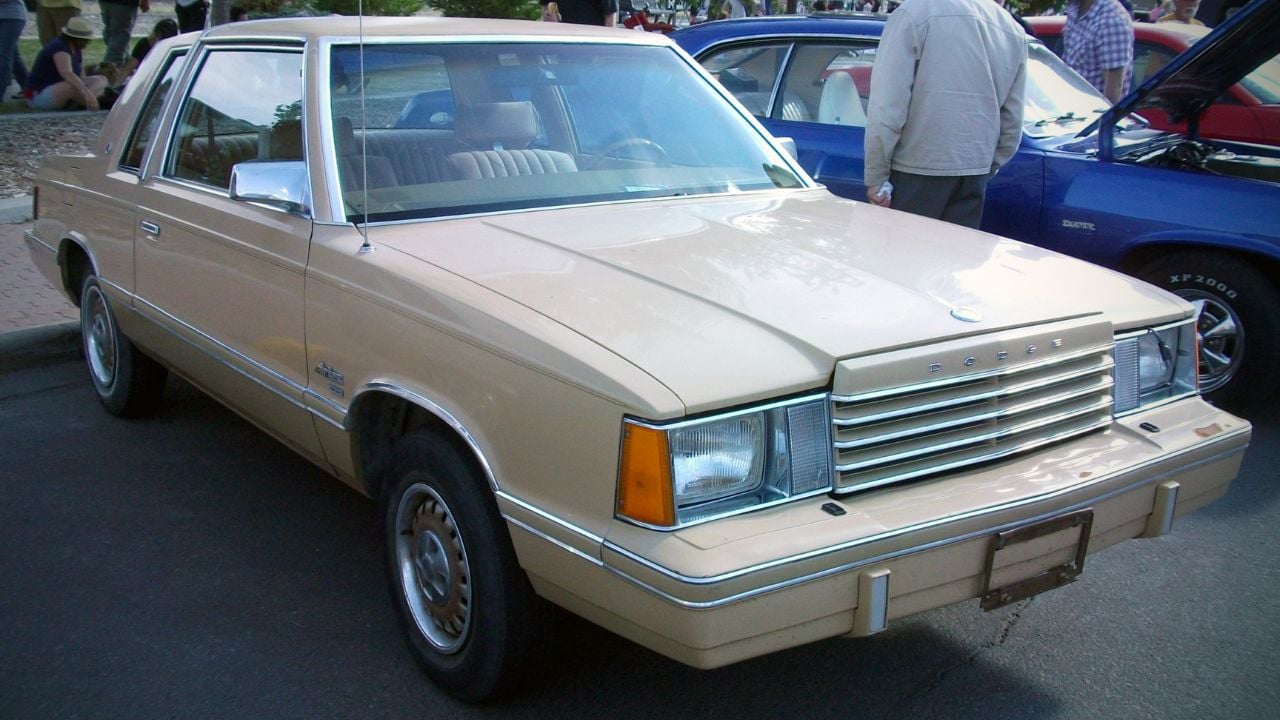
The Dodge Aries was a key player in Chrysler’s comeback. Part of the revolutionary K-car platform, its boxy, no-frills design was all about practicality and efficiency, while focusing on affordability and fuel economy. Though not glamorous, the Aries earned a loyal following for its reliable performance and sensible engineering.
It was available in sedan, coupe, and wagon versions, making it versatile for families and commuters alike.
Mercury Lynx (1981–1987)

The Mercury Lynx was the upscale sibling of the Ford Escort, offering a slightly more refined take on compact practicality. With hatchback versatility, solid fuel economy, and a comfortable ride, it was a solid choice for frugal drivers who still wanted a hint of style. It came in multiple body styles and trim levels, including a sportier XR3 variant, giving buyers a few more options in a sea of plain-Jane econoboxes.
While it never made a huge splash, the Lynx quietly served its purpose in the background of countless American commutes.
Volkswagen Quantum (1982–1988)

The Volkswagen Quantum was a midsize offering from VW that blended German engineering with understated style. Based on the Passat platform, it came in sedan and wagon forms and featured a surprisingly roomy interior and solid road manners. Though it wasn’t a major player in the U.S. market, it offered a unique alternative to American and Japanese competitors, especially for buyers who appreciated European design and handling.
The Quantum never reached mainstream success stateside, but it served as a capable, comfortable commuter with a dash of continental flair.
Daihatsu Charade (1988–1992)

The Daihatsu Charade was a compact hatchback that wore its underdog status with pride. Though not widely available in the U.S., it offered impressive fuel economy and sharp handling in a lightweight, easy-to-park package. Its three-cylinder engine wasn’t powerful, but it sipped fuel and kept things simple, offering an ideal match for budget-conscious urban drivers.
The Charade’s spunky personality, distinctive styling, and reliability made it a favorite in countries where small cars were the norm. While its American stint was brief, it left behind a legacy of doing more with less.
Dodge Omni (1978–1990)

The Dodge Omni was Chrysler’s first front-wheel-drive compact, a practical answer to the rising demand for fuel-efficient, European-style hatchbacks. Inspired by the Volkswagen Rabbit, it offered decent space, solid gas mileage, and a surprisingly smooth ride in a tidy package. With its simple mechanics, upright design, and no-nonsense attitude, the Omni became a familiar sight on American roads.
Affordable, durable, and easy to maintain, the Omni didn’t need to be flashy to become an ideal choice for first-time buyers and frugal families trying to stretch their dollar during a changing era in the auto industry.
Nissan Stanza (1982–1992)

The Nissan Stanza was a quiet achiever in a decade filled with flashier rivals. Positioned between the smaller Sentra and larger Maxima, it delivered a comfortable ride, dependable performance, and surprising interior space for a compact. With available features like fuel injection, power accessories, and a smooth-shifting automatic, it catered to drivers seeking reliability with a touch of refinement.
With a focus on function over form, the Stanza excelled in being the kind of car you could count on.
Suzuki Samurai (1985–1995)

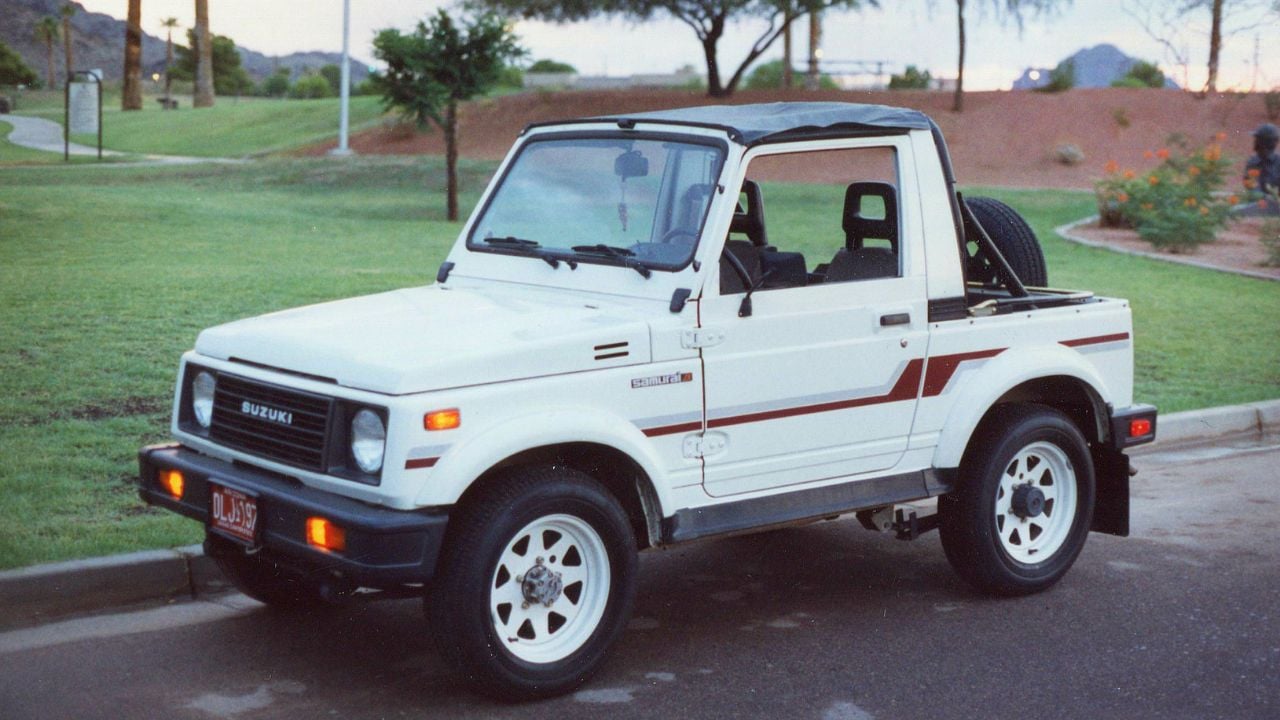
The Suzuki Samurai was a tiny 4×4 with a big personality. Compact, rugged, and surprisingly capable off-road, it became a favorite of weekend adventurers and young drivers looking for something different. Its upright stance, removable top, and simple mechanics made it feel like a miniature Jeep.
Though it faced criticism for rollover concerns, loyal owners appreciated its durability, charm, and go-anywhere attitude. The Samurai may have been small, but it delivered outsized fun and freedom for those willing to rough it a little.
Ford Tempo (1984–1994)

The Ford Tempo was the quintessential American sedan of the mid-80s: affordable, practical, and built to blend in. Its aerodynamic styling was forward-thinking for the time, and it delivered solid fuel economy and a comfortable ride. Available in both two-door and four-door versions, the Tempo offered enough variety to appeal to a broad swath of drivers.
It wasn’t a thrill ride, but it wasn’t trying to be. The Tempo was a reliable workhorse for commuters, students, and families alike. Quiet, competent, and everywhere, the Tempo was the background music of 1980s suburbia.
Hyundai Excel (1986–1994)

The Hyundai Excel marked the Korean automaker’s bold entry into the U.S. market and made waves with its unbeatable sticker price. It wasn’t luxurious or particularly refined, but it was brand new, fuel-efficient, and backed by an aggressive marketing push.
For many first-time buyers, the Excel offered an alternative to unreliable used cars and quickly became a hit. Though early models were plagued with quality issues, the Excel laid the foundation for Hyundai’s eventual rise as a global player. It proved that affordability and accessibility could matter more than polish.
Isuzu I-Mark (1981–1989)

The Isuzu I-Mark was a sensible, fuel-efficient compact that made its mark without much fanfare. Closely related to the Chevrolet Spectrum that was sold through Chevrolet dealers, it was available as a sedan and a hatchback, and later even offered a sporty turbo version. Built with Japanese precision and tuned for longevity, the I-Mark earned a small but loyal following among buyers who valued dependability and economy.
While it lacked bold styling or high-performance aspirations, its solid engineering and no-nonsense practicality made it an ideal choice for commuters looking for an affordable, long-lasting ride.
Volvo 240 Wagon (1974–1993)

The Volvo 240 Wagon is a symbol of ’80s practicality, known for its boxy design, spacious interior, and rock-solid reliability. It was a favorite among families and commuters needing durable cargo space and dependable transportation. Built with safety in mind, its sturdy construction and innovative features made Volvo a leader in occupant protection.
While not flashy, the 240 Wagon earned a reputation for longevity, often surpassing 200,000 miles with ease. Its utilitarian style and trusted performance have helped it become an enduring classic, cherished by those who value function over form.
The Quirky Charm of the ‘80s

These 20 cars weren’t style icons, but they defined the ‘80s with practicality, bold choices, and quirky charm. Sometimes odd but reliable, affordable, and offering that special ’80s charm, these vehicles earned their place in automotive history.
Remembered with fondness, these boxy, brave rides prove that sometimes getting the job done is what really counts.