Horsepower usually gets all the attention, but ask any seasoned driver and they’ll tell you raw speed isn’t the only path to fun behind the wheel. Some of the most exhilarating cars on the market don’t rely on massive engines or eye-watering statistics. Instead, they’re nimble, responsive, and deliver pure driving joy through balance, agility, and sheer personality.
Whether it’s the crisp precision of their handling, the satisfying buzz of a spirited engine, or the playful charm that makes you grin every time you hit the road, these cars prove that bigger isn’t always better. Ready to rethink what makes a car truly thrilling?
These cars are some of our favorite unforgettable rides that deliver way more smiles per mile than you’d ever expect.
Mazda Miata

Thanks to Mazda’s Jinba Ittai ethos, horse and rider as one, the Miata has earned a reputation for being one of the most fun and approachable sports cars ever. The Miata certainly isn’t a car you’ll bring to the drag strip, but you won’t be able to wipe the smile off your face on the right (winding) road.
The first cars were equipped with a 115-horsepower 1.6-liter engine. This later grew to a 1.8-liter and even a 2.0-liter unit. While the larger engines do pack more power, they are still only on par with those of a regular sedan. But who needs horsepower when you’re just over 2,200 pounds?
Subaru BRZ
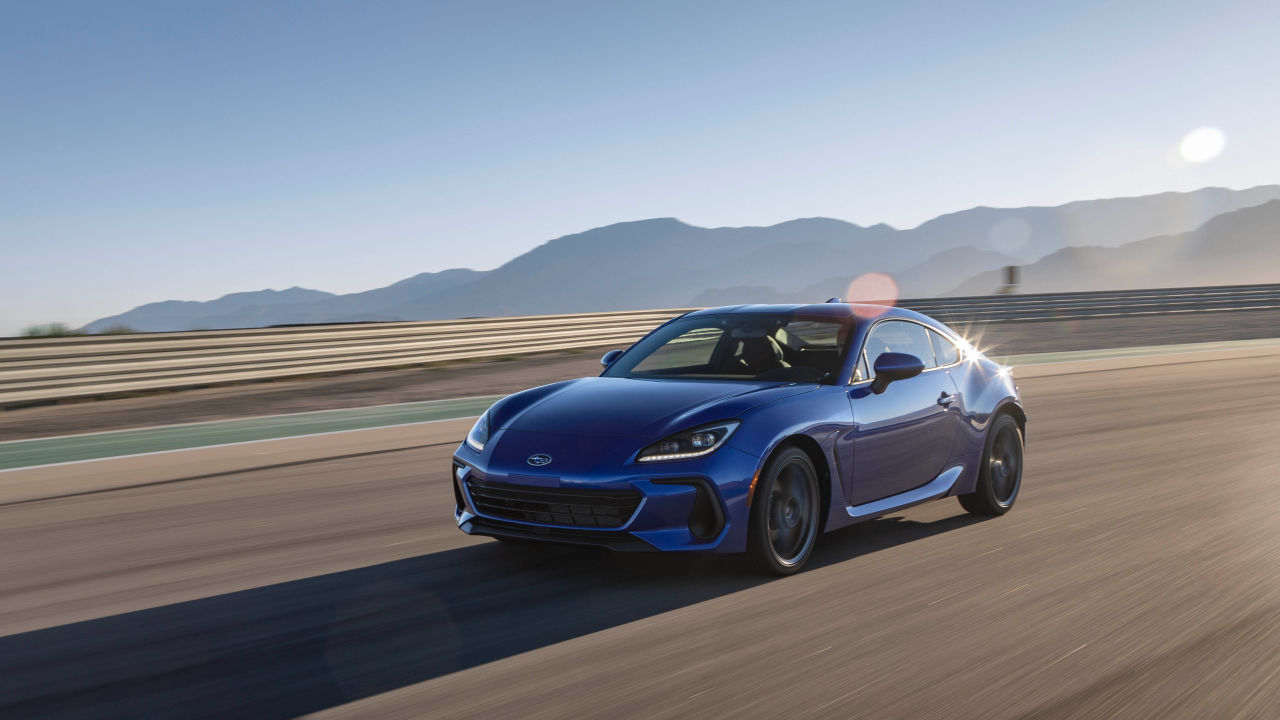
The Subaru BRZ and its practically identical Toyota sibling, the GT86, are way more fun than the affordable price tags and low power figures will have you believe.
With just 205 horsepower under the hood, you’ll find yourself working that 2.0-liter boxer engine and transmission harder to build speed, but that’s exactly what makes it so rewarding. This car thrives on momentum rather than raw muscle. Sure, it’s forgiving and easygoing enough for anyone to hop in and enjoy, but mastering quick laps takes genuine skill. And with a 0–60 mph time that typically lands in the mid 5 second to low 6 second range depending on version and test, it’s the perfect amount of thrill to keep you smiling without ever feeling out of control. Or you can go crazy with this tune-ready car, adding more horsepower.
Honda Civic

For a while, the Honda Civic received a bad reputation. Thanks to a generation raised on early Fast & Furious movies, the humble Civic found itself decked out with oversized body kits, thumping stereos, and exhausts loud enough to wake the neighbors. It wasn’t exactly the car’s finest moment.
But here’s the good news: Enthusiasts have shifted away from fiberglass body kits and questionable replica wheels toward rare OEM components and authentic JDM styling.
Stock Civics with their classic D- and B-series engines might not break any speed records, but they’re still incredibly fun to drive. And with the right aftermarket upgrades, these humble compacts can become surprisingly fierce little machines that punch well above their weight.
Mini Cooper

Moving from a genuine classic to a modern throwback, let’s talk Mini Cooper. Whether it’s vintage or brand-new, any Mini Cooper delivers a hefty dose of driving fun. Sure, owning one isn’t always sunshine and rainbows (we’re looking at you, reliability issues), but there’s no denying their playful character and go-kart-like handling. Few cars blend retro charm and modern performance quite like a Mini.
The classic Mini won several rallies and even took on more powerful sports cars on the track. Newer ones pack much more power, but we still wouldn’t call them powerful. Our pick of the litter would be the supercharged R53 Cooper S version from the early 2000s.
Fiat 500

Like the Mini Cooper, the Fiat 500 is a retro-styled hot-hatch that harkens back to the good old days of affordable people’s cars. The modern retro Fiat 500 was introduced in 2007 and has undergone several updates over the years.
Sure, the base models are undeniably slow, but here’s the secret: they’re still an absolute blast in city traffic. With these cars, you can push right up to their limits on winding backroads without ever risking a speeding ticket. Step up to an Abarth version, and you’re rewarded with a spirited 1.4-liter turbocharged engine rated at 160 horsepower in U.S. specification. That’s just enough oomph to make things exciting (and maybe even a little mischievous), but never so much that you’ll feel overwhelmed behind the wheel.
Suzuki Swift Sport

The Suzuki Swift Sport is one of the most underrated hot hatches, and we’re surprised it hasn’t garnered more fans. The first two generations use naturally aspirated 1.6-liter engines with around 130 horsepower.
Suzuki opted for a turbocharged 1.4-liter engine in the latest version, which produces approximately 140 horsepower. None of the Swifts are powerful, but they live up to their name on the right road. Unfortunately, the Suzuki Swift Sport is not sold in the United States. It also is not yet eligible for easy import under the 25 year exemption, since the Swift Sport nameplate launched in 2005 and would not reach that threshold until 2030 at the earliest, depending on build date.
Ford Fiesta
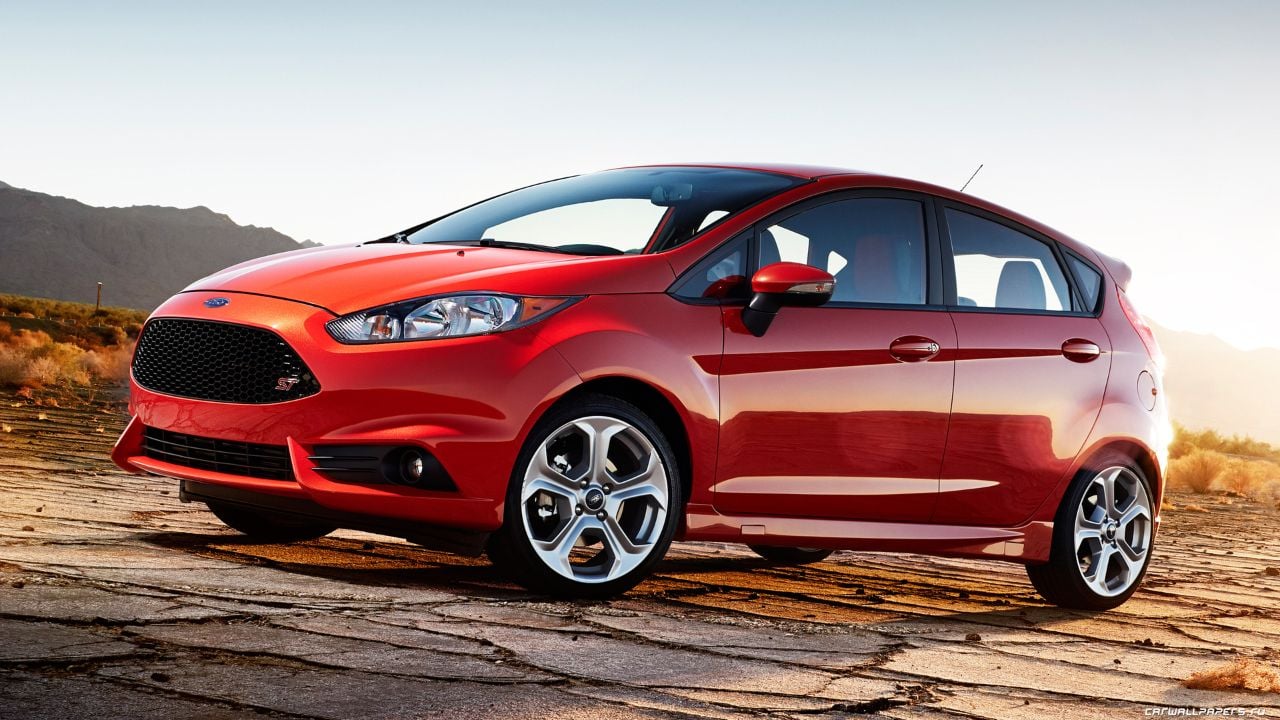
The most powerful Fiesta ST had almost 200 horsepower, which made it a lot of fun to drive. However, there’s no need to buy the ST to have a blast. The 1.0 Ecoboost Fiesta can be just as fun, and the three-cylinder engine sounds raw and raspy at full throttle.
Ford really got the Fiesta’s chassis right, and the car darts around the corners, making you feel like a professional rally driver.
Mazda2
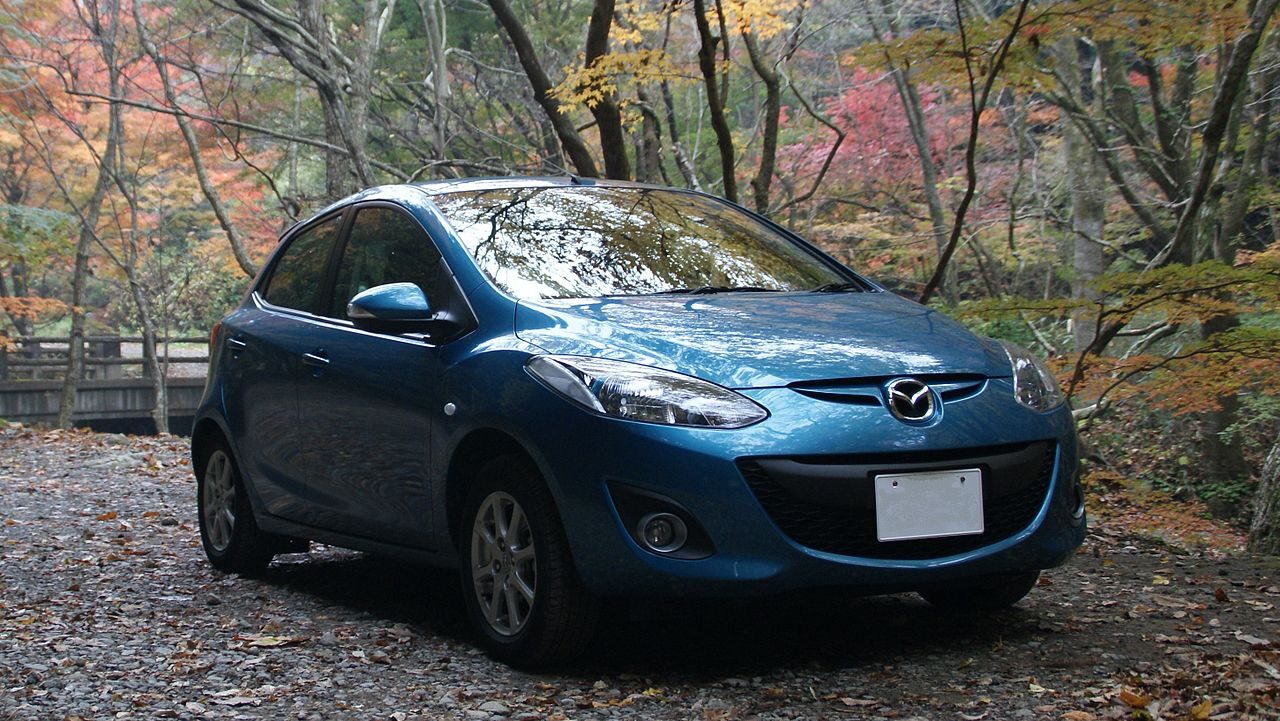
You can redline the little Mazda2 in every gear without the risk of getting in trouble with the long arm of the law. Okay, that’s a slight exaggeration, but if you find a narrow road with many corners, you can have fun for days without breaking the speed limit.
The best part about the Mazda2 is its taut and agile chassis, making the car just as much fun as the legendary Miata. And it looks just as happy as you turn the corners, too. This car is just as deserving of the “yipee” memes, even if it’s not as sporty to look at.
Toyota MR2

If you’re dreaming of a reliable, mid-engine sports car that’s easy on the wallet, let me introduce you to the Toyota MR2. Built from the mid-1980s all the way up to 2007, this little gem spanned three distinct generations, none especially powerful, mind you, but each incredibly fun and engaging. Sure, the MR2 won’t win drag races in stock form, but what it lacks in brute strength, it more than makes up for with balanced handling, rock-solid reliability, and that pure, joyful connection between driver and machine.
Of the bunch, the second-generation MR2 Turbo packs the biggest punch, and the heftiest price tag to match. Meanwhile, the third-gen MR2 often draws comparisons to the Lotus Elise, which, trust me, is high praise indeed. One word of caution, though: mid-engine cars like the MR2 demand respect, because they can bite if you get too eager with your right foot. Still, with just about 200 horsepower, you’re unlikely to launch yourself into orbit, making it the perfect balance of excitement and manageability.
Honda Beat

Meet the Honda Beat, a quirky little kei car designed specifically to fit Japan’s strict regulations, which means its tiny three-cylinder engine caps out at exactly 63 horsepower. While other Japanese manufacturers typically turbocharge their kei cars, Honda took a different route with the Beat, equipping it with individual throttle bodies instead.
The result? A spirited engine that eagerly revs all the way to 9,000 rpm, delivering a sound that’s absolutely addictive. It might be small, but trust me, this high-revving little machine is pure joy to drive.
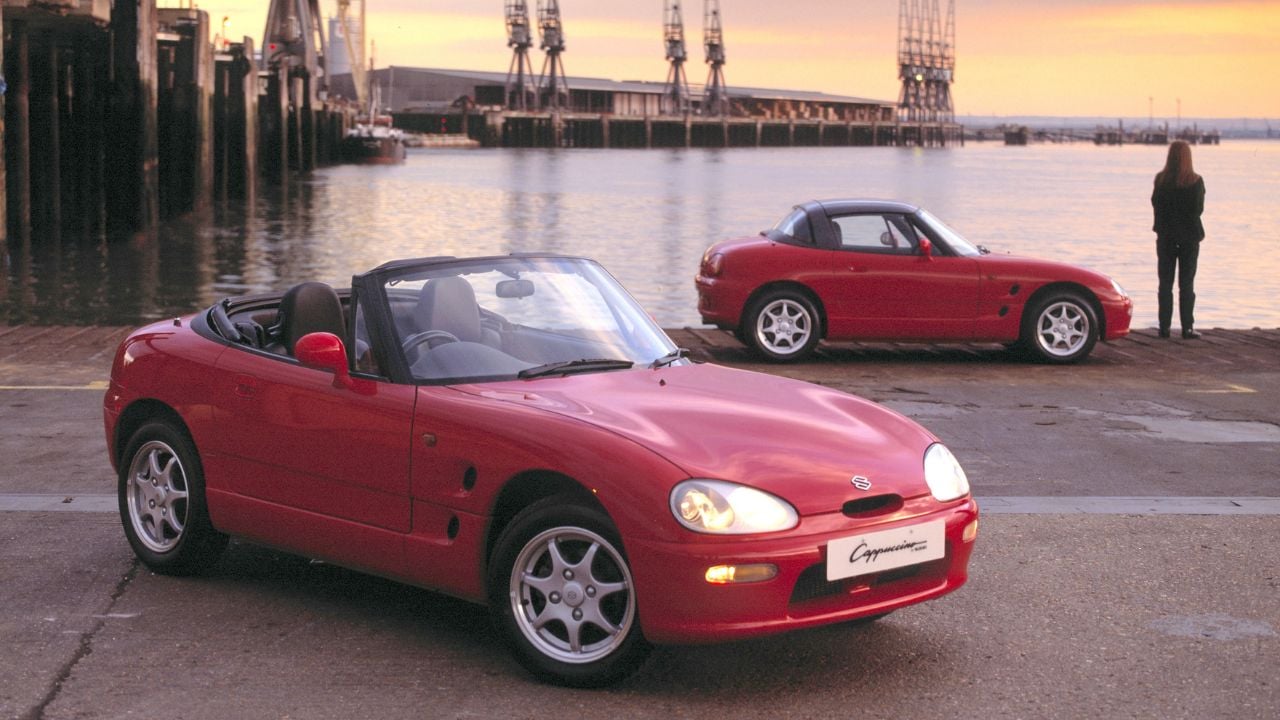
Suzuki Cappuccino
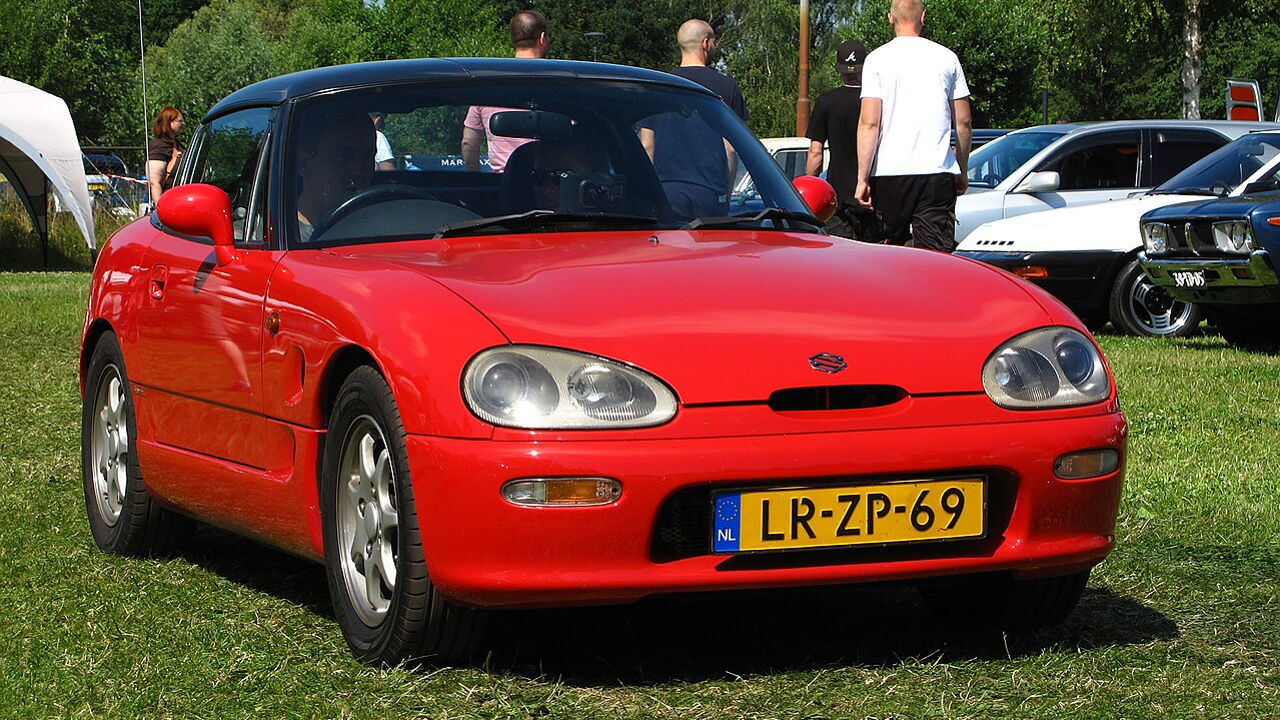
The Suzuki Cappuccino is another one of Japan’s most popular kei cars. Like other models in this segment, its engine can’t exceed 660cc, but that doesn’t stop the Cappuccino from being fun to drive. You can even find people using it in autocross, although the body roll isn’t ideal.
Imagine darting between traffic from behind the wheel of a Cappuccino. That sounds hilarious to us, although the daily commute would feel cramped.
VW Golf
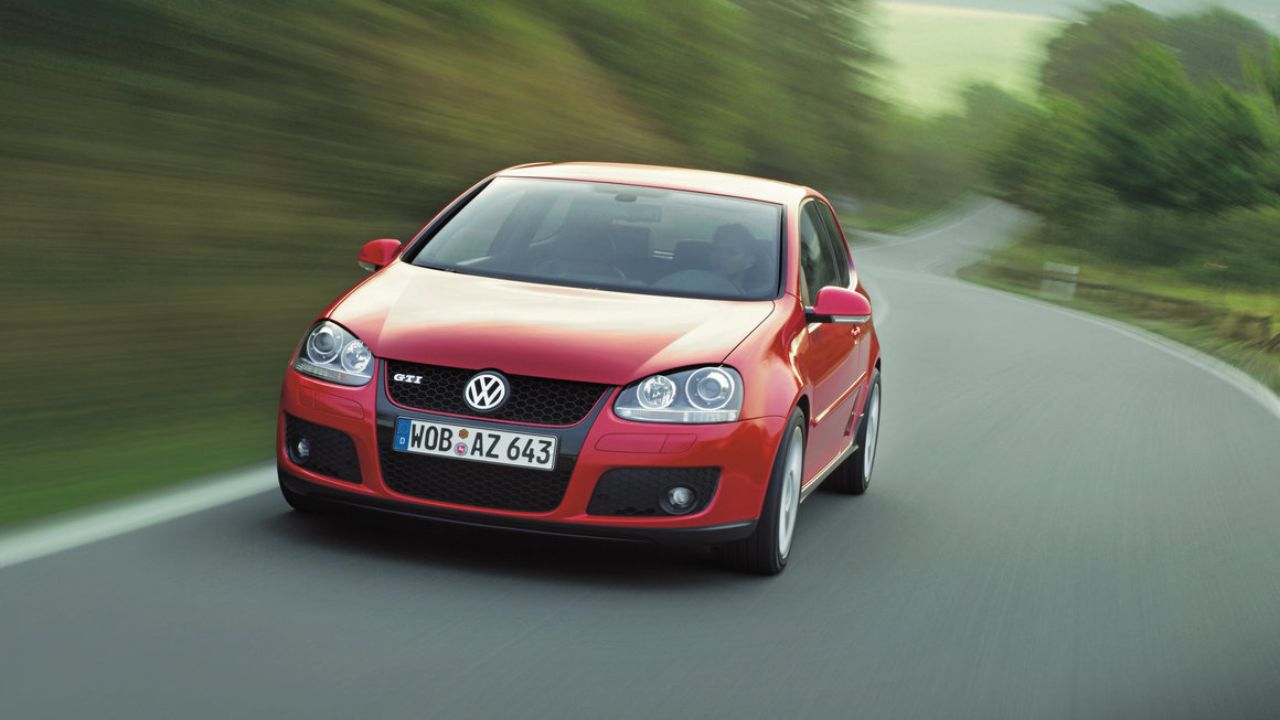
Believe it or not, the Volkswagen Golf has been charming drivers for more than 50 years now, though you might remember it first hitting North American streets as the VW Rabbit. Apart from the high-performance Golf R, most Golfs aren’t exactly speed demons. But don’t let the modest horsepower fool you: these cars are incredibly well-balanced, reliable, and fun, making them a favorite for anyone who appreciates driving dynamics over raw numbers.
They are fun to drive, though, especially the first two generations and the fifth generation. Early GTIs were typical point-and-squirt cars, and it’s not without reason that this model singlehandedly changed the automotive scenery.
Honda Fit

At first glance, there’s nothing particularly special about the Honda Fit (or Jazz, if you’re from across the pond). It’s not especially powerful, its peppy 1.5-liter 3rd generation engine puts out just around 130 horsepower, and it’s definitely not a sporty powerhouse. But here’s the thing: it’s still incredibly fun behind the wheel.
In fact, driving the Fit feels a lot like piloting one of Honda’s legendary Civics from the ’90s. Nail every gearshift, brake late, and keep your momentum just right, and it rewards you with a satisfying sense of speed and agility. Slip up, though, and you’ll quickly find yourself playing catch-up.
Honda CRX
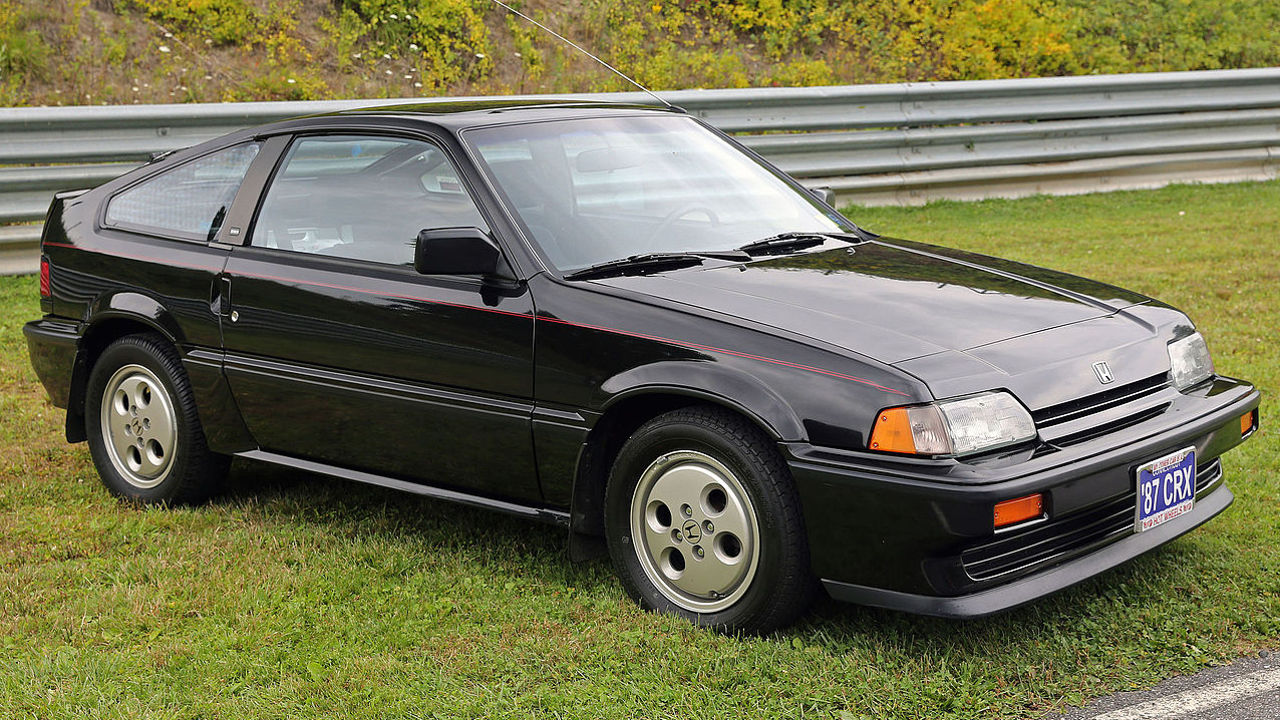
At first glance, the Honda CRX looks every bit the sporty little coupe, but even the Si version packs just 108 horsepower, not exactly a rocket ship. But here’s the secret sauce: it’s incredibly light. And as any seasoned driver knows, low curb weight is the magic ingredient behind most fun, modestly powered cars. The CRX proves once again that you don’t need huge horsepower to have a blast, just a featherweight chassis, sharp handling, and a willingness to keep the momentum flowing.
Honda built some great, lightweight cars with rev-happy engines in the past, and the CRX was among their finest creations. Unfortunately, finding one in good, original condition today is almost impossible. I guess teens back in the ’80s were having a bit too much fun driving this thing.
Toyota Corolla GT AE86
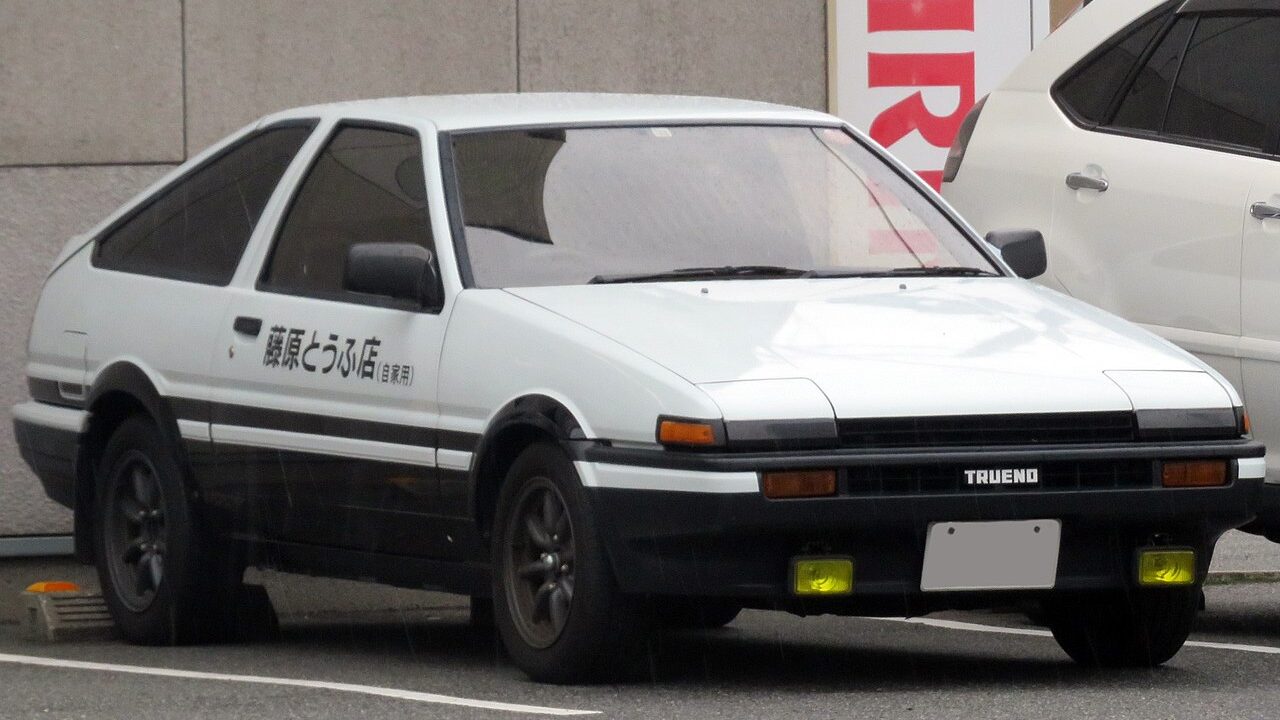
The Toyota Corolla GT AE86, or Hachi-Roku, is one of the most legendary JDM cars ever. Despite its lack of power, you may want to figure out how to sell a kidney on the black market so you can afford one of these. The AE86 uses a 1.6-liter twin-cam engine, the same Toyota used in the original MR2, and only produces around 125 horsepower.
That’s not much power by anyone’s standards, but the AE86 has rear-wheel drive and loves to go sideways through corners. Just be careful not to damage your remaining kidney on any twists.
Lexus IS300

When Lexus introduced the IS300, their goal was clear: go head-to-head with German legends like the BMW 3-Series and Audi A4. Under the hood was Toyota’s famously smooth, naturally aspirated 2JZ engine, yes, that 2JZ, but at 217 horsepower, it wasn’t exactly a powerhouse. The IS300 wasn’t slow by any stretch, but it wasn’t breaking speed records either. Instead, it offered silky-smooth power delivery, precise handling, and a refined driving experience that made it feel special, even without huge horsepower numbers.
With rear-wheel drive, an available manual transmission on certain model years, and an available Torsen limited slip differential depending on configuration, the IS300 nailed the formula of a fun car on a road with lots of bends.
Autozam AZ-1
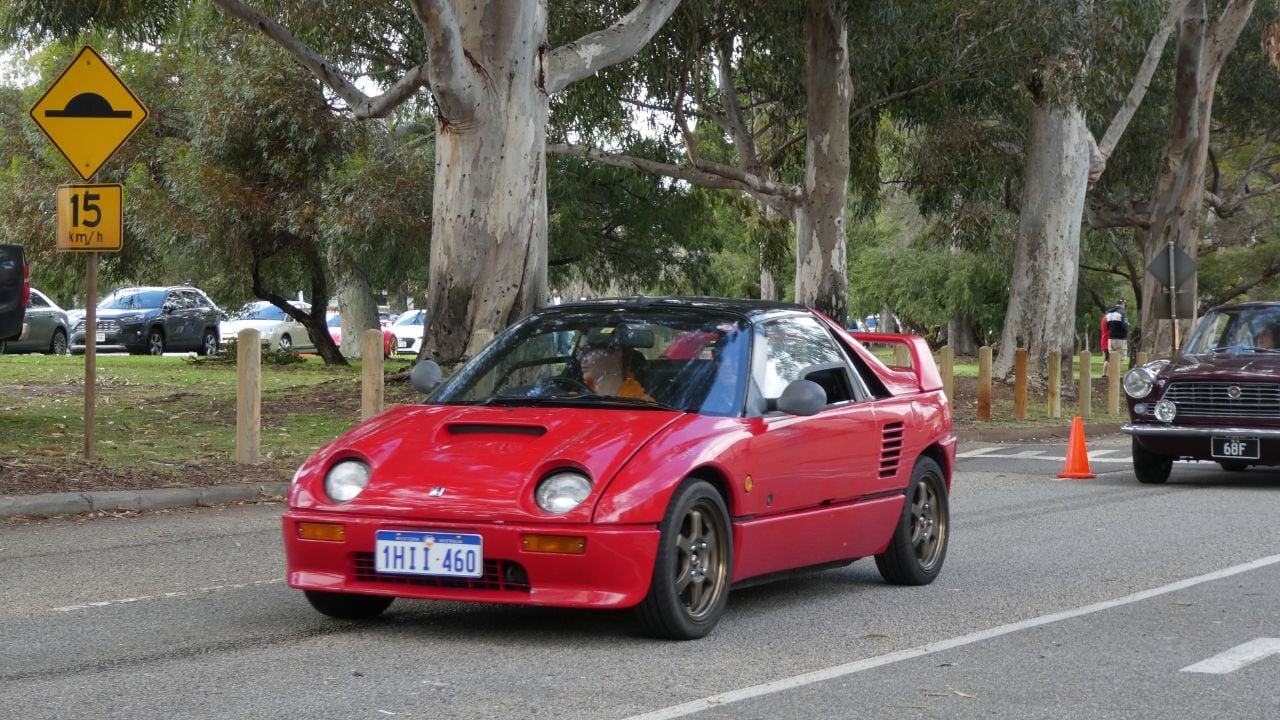
The Autozam AZ-1 is another kei car, which just goes to show how much fun these can be. Once again, we’re back to that magic number, 63 horsepower, the absolute limit for kei cars. But don’t underestimate the fun factor here: when you pair that modest output with featherlight weight, a mid-mounted engine, and those stylish gullwing doors, you’re in for an unforgettable ride. This formula proves yet again that you don’t need massive power to have massive fun behind the wheel.
The Autozam AZ-1 is what you’d get if you scaled down a Lamborghini. No wonder the Japanese love them so much. It weighs next to nothing, and the chassis and steering were developed for tight and twisty roads. Luckily, 63 hp isn’t enough to allow it to fly away, ’cause it definitely looks ready to take off.
Peugeot 106 Rallye
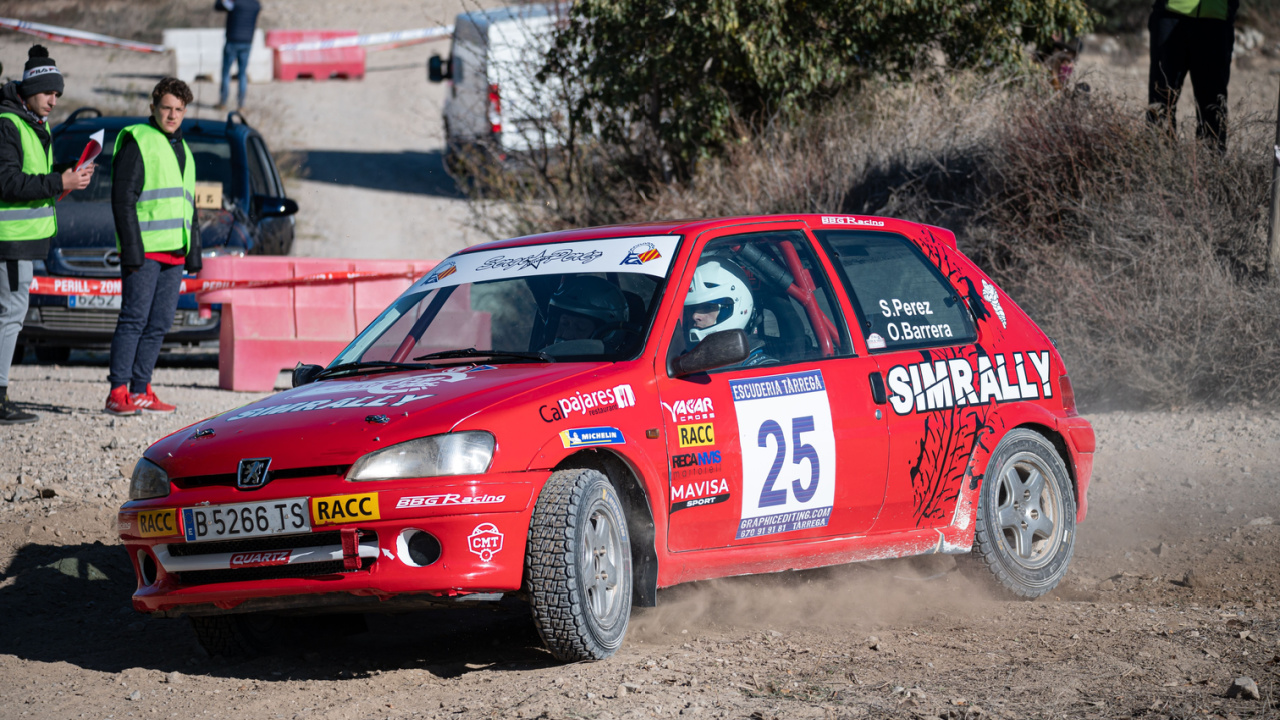
The Peugeot 106 Rallye was Peugeot’s way of proving a simple truth: a brilliant chassis and a spirited small engine can easily outperform raw horsepower stuffed into a clumsy frame. Based on the humble 106 supermini, the Rallye showed that driving joy isn’t always about big numbers—it’s about lightweight design, agile handling, and perfect balance. It’s the ultimate reminder that, sometimes, less really is more when it comes to fun behind the wheel.
The 106 Rallye was a stripped-down, lightweight version featuring a 1.6-liter 8-valve engine that produced 103 horsepower. It was never meant to be a straight-line rocket—this is one of the best-handling FWD cars of its time.
Nissan 240SX
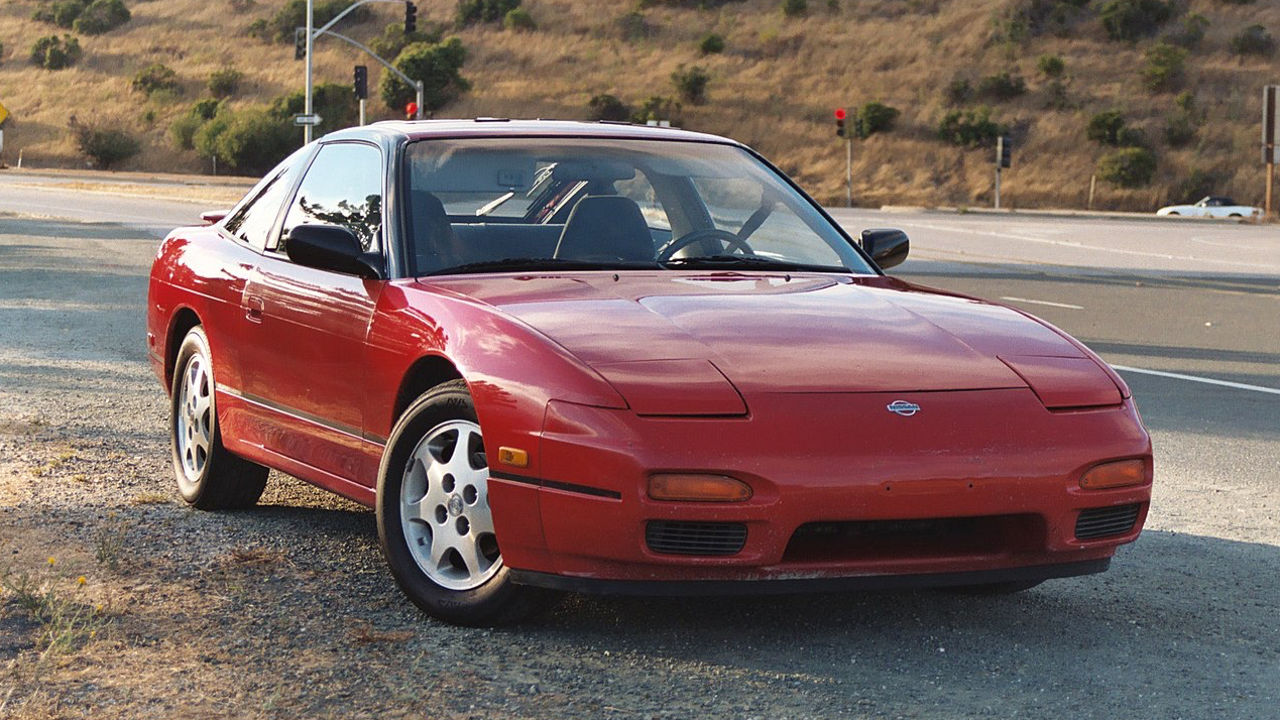
The Nissan 240SX is legendary in drifting circles, and for good reason. In stock form, its KA24 engine isn’t exactly overflowing with power, and honestly, the chassis begs for significantly more grunt than the factory provided. But here’s the beautiful thing about drifting: you don’t actually need loads of horsepower. Just plenty of spare tires, a healthy disregard for fear, and a willingness to push that throttle.
The 240SX proves again that driving thrills aren’t always about raw power, they’re about balance, skill, and sliding sideways with a grin plastered on your face. This is the perfect car for newbie drifters, but with an engine swap and various other upgrades, it becomes a beast only the pros can tame.