
Some trips feel better when the plan stays simple. You do not need timed tickets stacked from morning to night, three transfers before lunch, or a dinner reservation spreadsheet to make a place feel worth it.
The right destination gives you an easy first move. Walk along a canal, sit in a square, cross into an old town, follow the waterfront, climb one viewpoint, or choose one museum and let the rest of the day stay loose.
These nine places are good for that kind of travel. They have history, food, water, old streets, castles, beaches, or proper cultural stops, but they do not make the whole trip feel like work.
Do a few things properly. Eat well. Look around. Leave enough space for the next good corner, bridge, terrace, or sea view to find you.
1. Delft, Netherlands
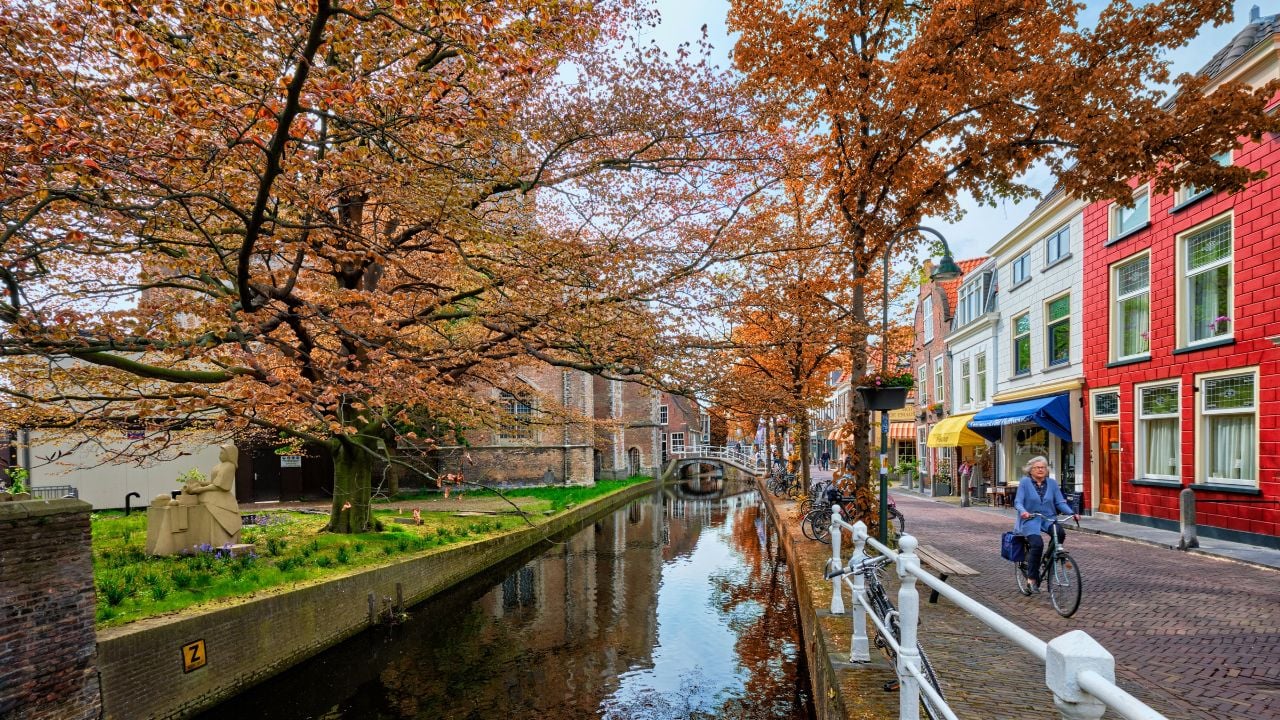
Delft is the kind of Dutch city where the first walk already gives you enough. Canals run beside old houses, bicycles pass over little bridges, and the streets feel handsome without the pressure of Amsterdam crowds. You can start slowly here and still feel like the trip has properly begun.
Holland’s official tourism site describes Delft as a walkable city known for canals, historic facades, Delft Blue ceramics, and its connection to Johannes Vermeer. That is a strong mix for a small place, but it never feels like you have to attack it with a checklist.
Start by following the water. Look at the houses leaning toward the canals, cross a bridge because it looks nice, then stop near a square before choosing the next street. Delft rewards that kind of loose walking more than a forced route.
The Delft Blue connection gives the city a clear identity, and Vermeer adds another layer for anyone who likes art history. But the best first day does not need to be heavy. A canal walk, a ceramic shop window, one church tower in view, and a café table near the water can make the city feel complete surprisingly fast.
2. Albi, France
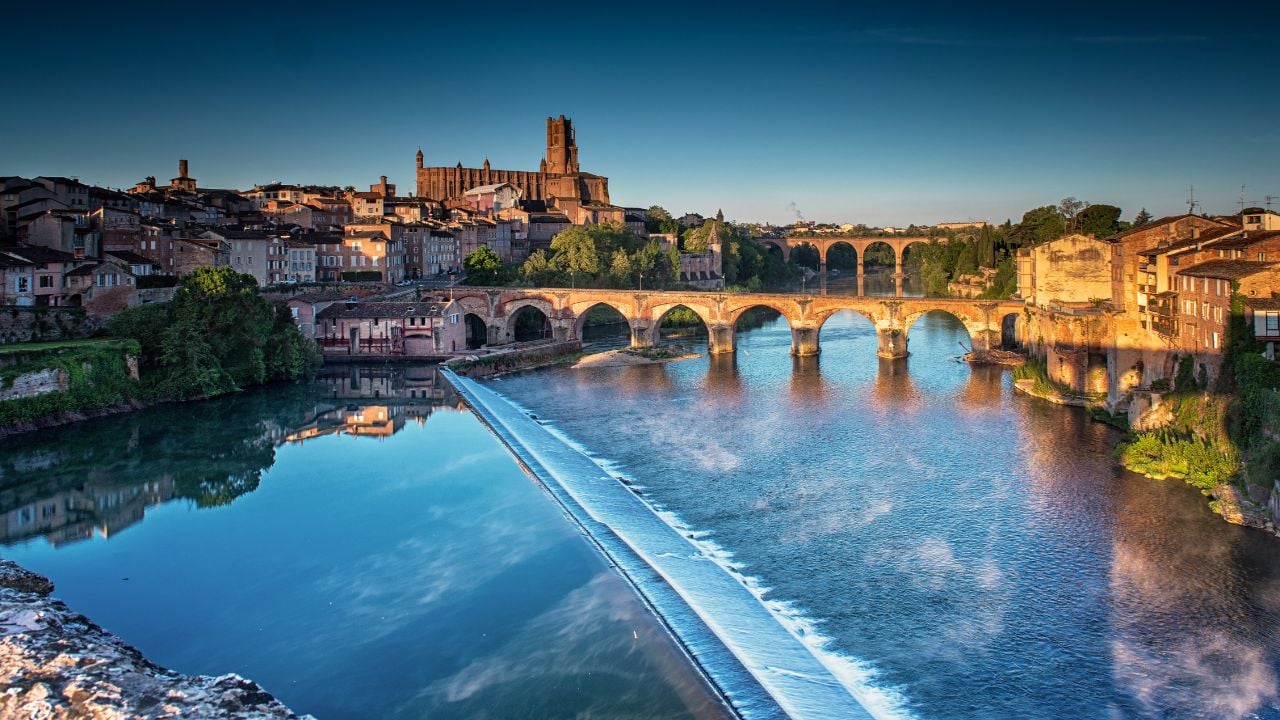
Albi does not hide its best view. The red brick, the Tarn River, the huge Sainte-Cécile Cathedral, and the old streets give the city a strong first impression before you have even decided where to eat. It looks grand, but it is not hard to use.
Albi Tourism presents the Episcopal City of Albi as a UNESCO World Heritage Site, with Sainte-Cécile Cathedral, the Toulouse-Lautrec Museum, red-brick streets, and a warm southwestern setting. The cathedral is the obvious starting point because it does not behave like a shy building. It dominates the city in the best way.
The Toulouse-Lautrec Museum sits in the Palais de la Berbie, inside the World Heritage area, so the art stop does not pull you away from the center. The museum houses the world’s largest public collection devoted to Henri de Toulouse-Lautrec, which gives Albi a serious cultural reason to stay longer than one walk.
After that, go outside again. Cross toward a river viewpoint, walk the brick lanes, find lunch, or sit somewhere with the cathedral still in sight. Albi has weight, but the visit can stay simple: cathedral, museum, river, meal, and one more slow look at all that red brick before leaving.
3. Évora, Portugal
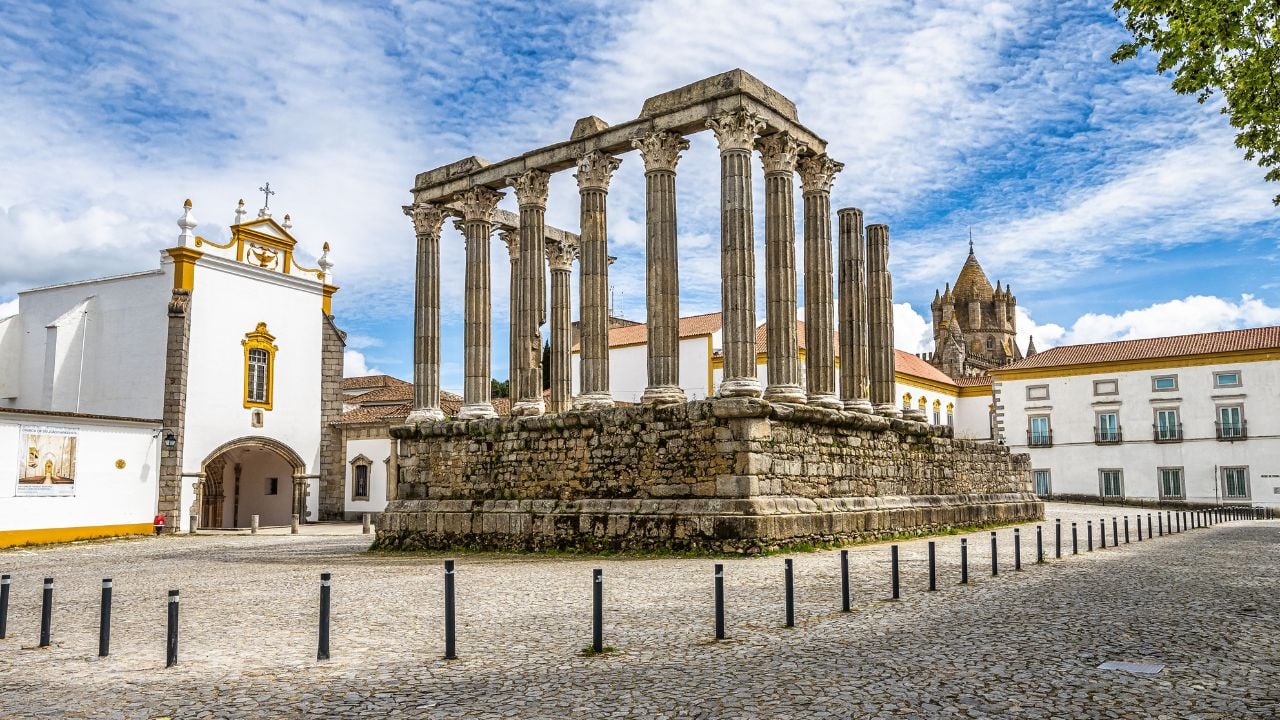
Évora makes history easy to reach because so much sits inside the old center. You can walk from whitewashed streets to Roman stone, from a cathedral view to a quiet square, and from a heavy historic stop to an Alentejo meal without turning the day into a transport problem.
Visit Portugal suggests a route through Évora’s main points of interest, including the Roman Temple, Roman baths, medieval walls, the Cathedral, Graça Church, São Francisco Church, and the Chapel of Bones. That sounds like a lot, so do not treat it like a dare.
Start with the Roman Temple and the area around it. The columns stand in the open, the old stone catches the light, and the surrounding streets give you enough space to move slowly. Then choose the cathedral or São Francisco instead of trying to swallow every landmark before lunch.
Praça do Giraldo is the place to pause when the history starts piling up. Sit down, order coffee, watch people cross the square, and let Évora become a living city again instead of a list of monuments. The food helps too. Alentejo cuisine gives the day a slower, warmer middle, which is exactly what a short cultural trip needs.
4. Piran, Slovenia

Piran is small enough to understand quickly and pretty enough to slow you down anyway. The Adriatic sits on both sides of the old town, narrow lanes climb between close-set houses, and Tartini Square gives the whole place an easy center.
Portorož and Piran Tourism describes Piran as a town of narrow streets, rich history, Mediterranean character, and Venetian influence, with the entire town protected as cultural heritage. That is not hard to believe when you start walking. Stone, shutters, sea air, and tight lanes do most of the talking.
Begin in Tartini Square, then move into the old streets without trying to control the route. The town is compact, so getting a little lost is not a problem. One lane turns toward a church, another toward the waterfront, another toward a staircase or a quiet corner with laundry above your head.
The town walls are worth the short uphill walk if you want the view. The official tourism site says the walls offer a view of Piran and the Adriatic, with the path starting at Tartini Square and taking about 10 minutes on foot. Afterward, come back down for seafood or a long walk by the water. Piran does not need a complicated day. One square, one viewpoint, one meal near the sea, and the old town has done enough.
5. Kilkenny, Ireland
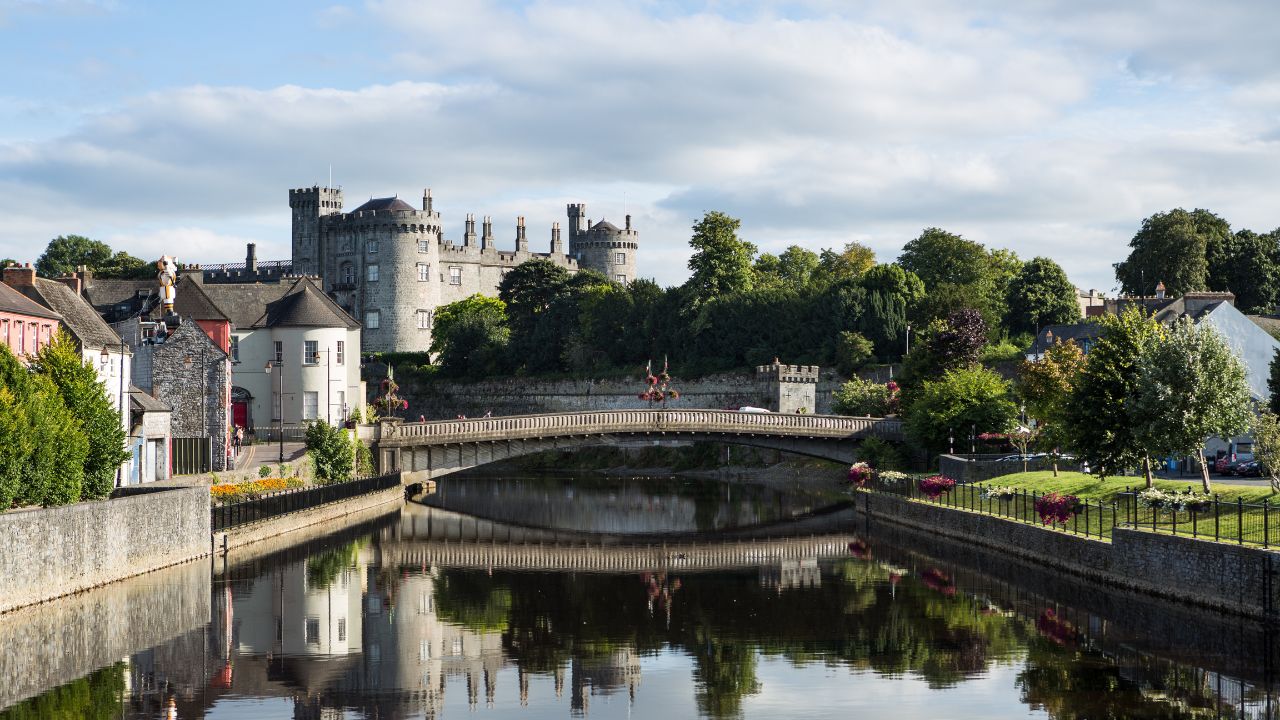
Kilkenny is easy to enjoy because the castle, old streets, pubs, food, and medieval history are all close enough to belong to the same day. You can start with the big sight, then let the city loosen up around it.
Kilkenny Castle is the natural first stop. The official castle site says few buildings in Ireland can claim a longer history of continuous occupation, and that the castle was rebuilt, extended, and adapted over 800 years. From the outside, it gives the city its postcard view. Inside, it gives the visit its history.
After the castle, walk the Medieval Mile instead of rushing straight to the next attraction. The pleasure is in the movement: cobblestones, shopfronts, church towers, pubs, restaurants, and old walls appearing in pieces as you go. Kilkenny feels lively, but not too big to handle.
Save the evening for food and a pub. That is not a lazy backup plan here; it is part of the city. A good Kilkenny day can be very simple: castle, walk, lunch, another old street, then music or a drink after dark. The logistics stay low, and the city gives you plenty back.
6. Sète, France
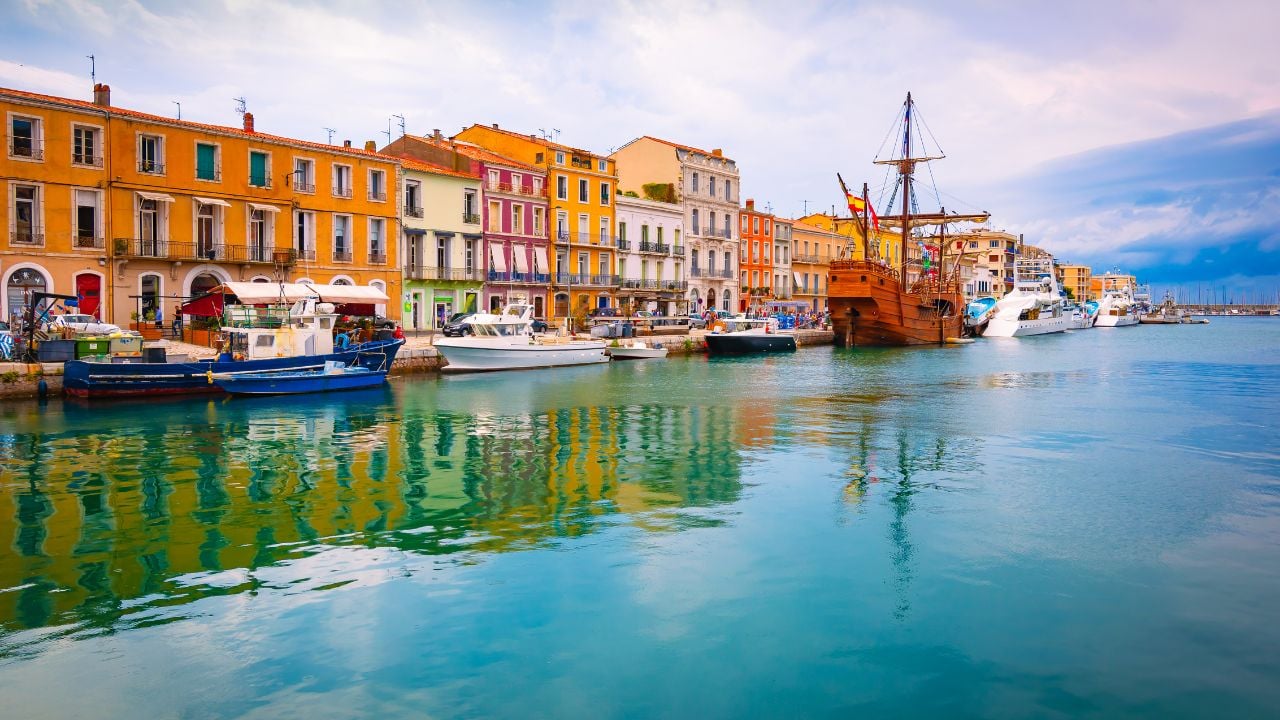
Sète is a good place to do very little and still feel like the day has plenty in it. Canals cut through the town, boats sit in the water, seafood is never far away, and the whole place has a working port feeling that keeps it from becoming too polished.
Sète’s official tourism office highlights canals crossing the town, Mont Saint-Clair with a panorama reaching toward the Pyrenees, a fishing port in the center, and 12 kilometers of sandy beaches. That gives you several different versions of the same trip without needing to move far.
Start by the canals and old port. Watch the bridges, boats, facades, and restaurant terraces for a while before deciding what comes next. Occitanie tourism describes Sète through canal-side buildings, drawbridges, swing bridges, a trade port, an old port, a marina, trawlers, and Catalan boats. In other words, looking around is already an activity.
If the weather is clear, go up Mont Saint-Clair for the view. If it is hot, aim for the beach. If you are hungry, stay near the water and make seafood the plan. Sète is easy because the choices are obvious and close: canals, fish, beach, view, repeat if necessary.
7. A Coruña, Spain
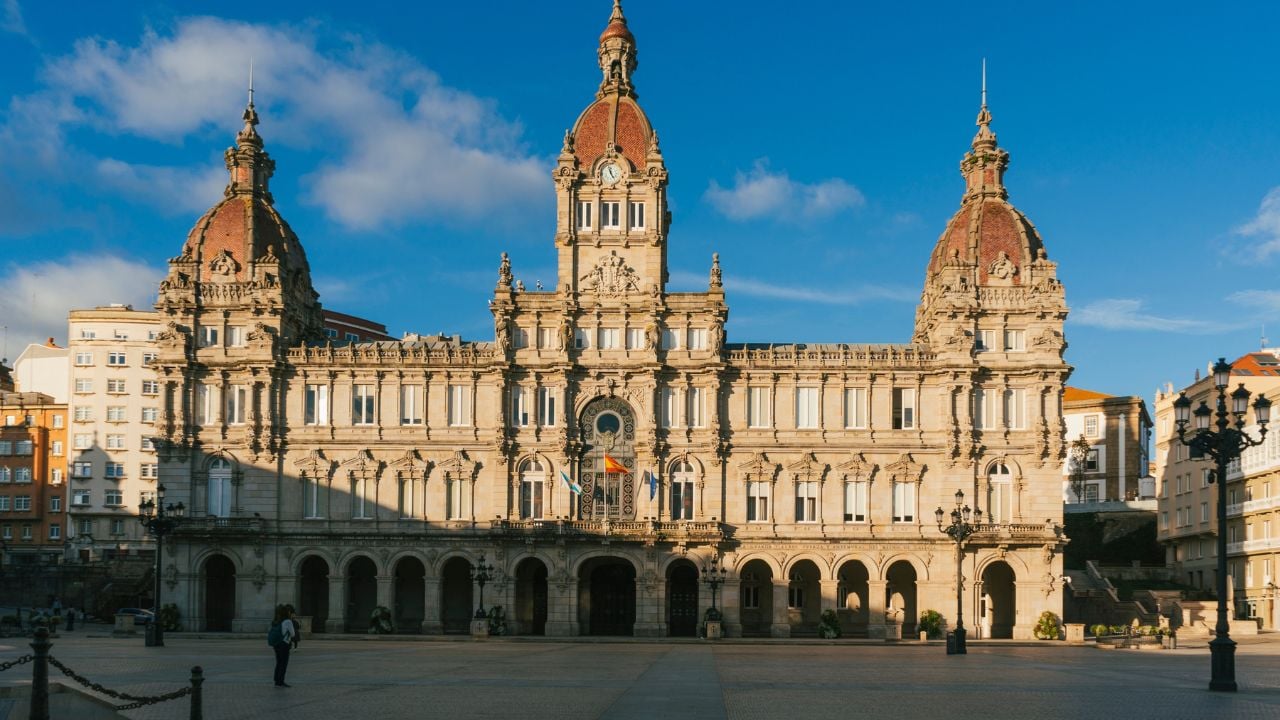
A Coruña gives you the Atlantic before you have to think too hard. The city has beaches, a long seafront walk, a lively center, and the Tower of Hercules standing above the coast like the obvious place to begin.
UNESCO says the Tower of Hercules has served as a lighthouse and landmark at the entrance to A Coruña harbor since the late 1st century A.D. The tower stands on a 57-meter rock and rises another 55 meters, combining Roman origins with later restoration work.
Climb the tower if you can, then stay outside. Galicia’s tourism site suggests taking in the view of A Coruña and the Atlantic from the tower, then walking the seafront promenade toward Orzán and Riazor beaches. That route is the city at its easiest: lighthouse, ocean, promenade, beach, food.
Do not make the day more complicated than that. Walk by the water, stop in María Pita Square, eat something from the sea, then return toward the promenade when the light changes. A Coruña works because the coastline does half the organizing for you.
8. Trogir, Croatia

Trogir is a Croatian old town you can enter in a few steps and spend hours inside. Cross into the historic core and the streets immediately tighten: pale stone, narrow lanes, church facades, small squares, shutters, and waterfront air all packed into a small island setting.
UNESCO describes Trogir as a remarkable example of urban continuity, with an island street plan dating back to the Hellenistic period. It also notes Romanesque churches, Renaissance and Baroque buildings, fortifications, and Venetian-period architecture inside the historic city.
The best way to see Trogir is slowly. Do not race through the lanes because the old town looks small on a map. Look at the stone, follow the shade, step into a church if the door is open, then come back out toward the waterfront when the streets feel too tight.
Evening is the easy win here. Sit by the water, watch people move along the promenade, and let the old town stay behind you instead of dragging yourself through another planned stop. Trogir gives a lot of beauty in a small space, which is exactly why it suits a simple trip.
9. Lausanne, Switzerland
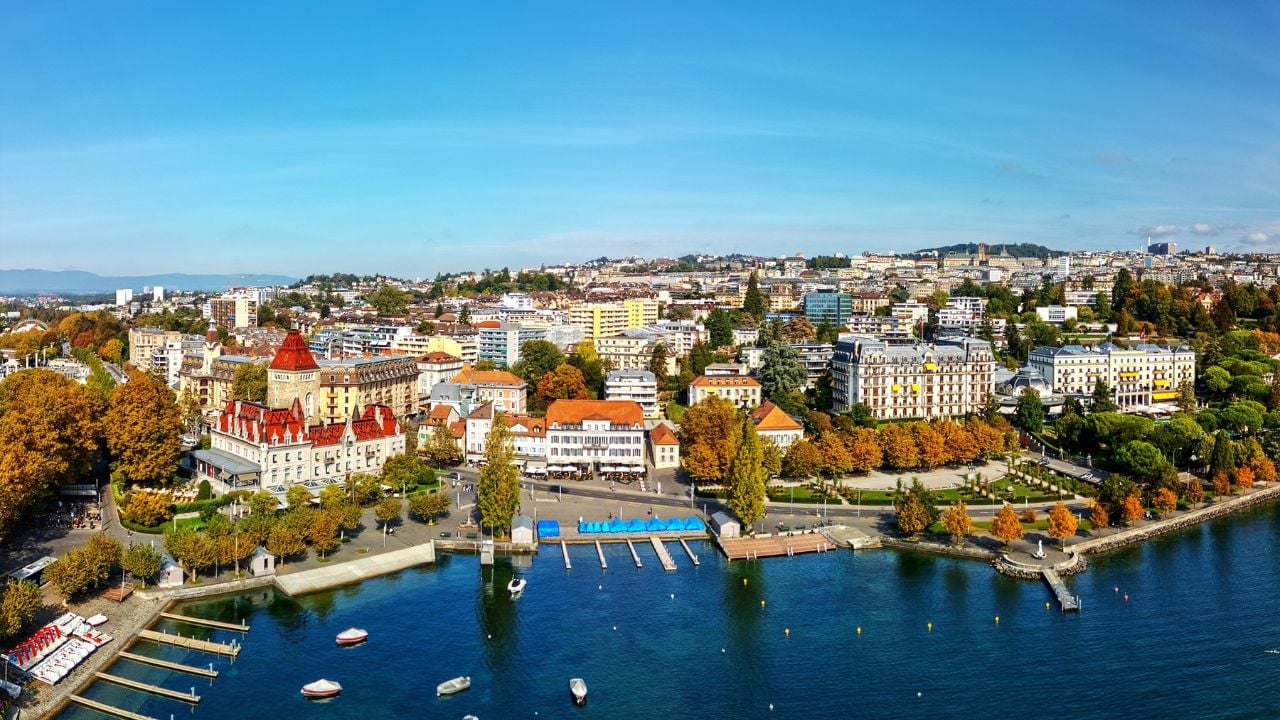
Lausanne gives you a bigger-city feel without losing the lake. The hills, old town, museums, parks, quays, and Lake Geneva views make it easy to build a weekend without stuffing the day. You can go cultural in the morning and still end up walking by the water later.
Lausanne Tourism describes the city as the Olympic Capital, with museum visits, parks and gardens, floral quays, lake excursions, vineyard outings, culture, shopping, and nightlife. Switzerland Tourism also places Lausanne directly on Lake Geneva, with parks, terraced vineyards, art, and culture around the city.
The Olympic Museum is the obvious cultural stop. Lausanne Tourism calls it the unique official museum of the International Olympic Committee, located on the banks of Lake Geneva. That location matters. You can leave the museum and reset immediately with the lake in front of you.
Afterward, walk the Ouchy waterfront instead of rushing uphill to the next thing. Boats, gardens, lake views, and the mountains across the water give the city a softer edge. Lausanne can be polished, but it does not have to feel formal. Pick one museum, one lakeside walk, one good meal, and let the hills and water do the rest.