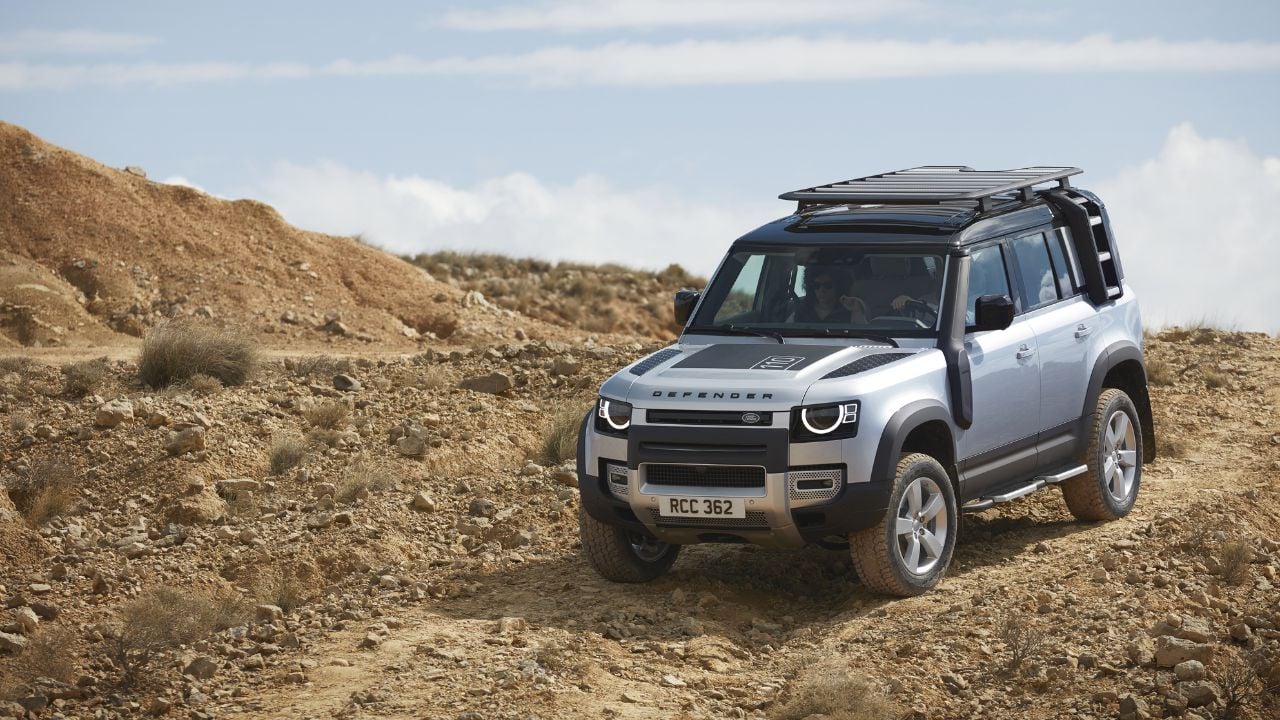
Land Rover has spent decades building some of the world’s most desirable luxury SUVs. Unfortunately, it has also spent decades battling a reputation for reliability problems, and now those issues appear to be hitting Jaguar Land Rover’s finances harder than ever.
The British automaker is facing mounting pressure from several directions at once. Rising warranty claims, costly recalls, U.S. tariffs, and the lingering fallout from a cyberattack have all combined to create an ugly financial picture for the company.
Jaguar Land Rover, now officially branded simply as JLR, recently reported an after-tax loss of £244 million ($325 million) for the fiscal year ending March 31, 2026. In response, the company is planning roughly £1.7 billion ($2.3 billion) in spending cuts over the next two years as it attempts to stabilize operations.
That is a dramatic change for a company that only recently appeared to be gaining momentum again, thanks to strong demand for high-end Range Rover and Defender models. Now, JLR faces the difficult task of reducing costs while simultaneously pushing forward with an expensive transition toward electrification.
Warranty Costs Continue Climbing
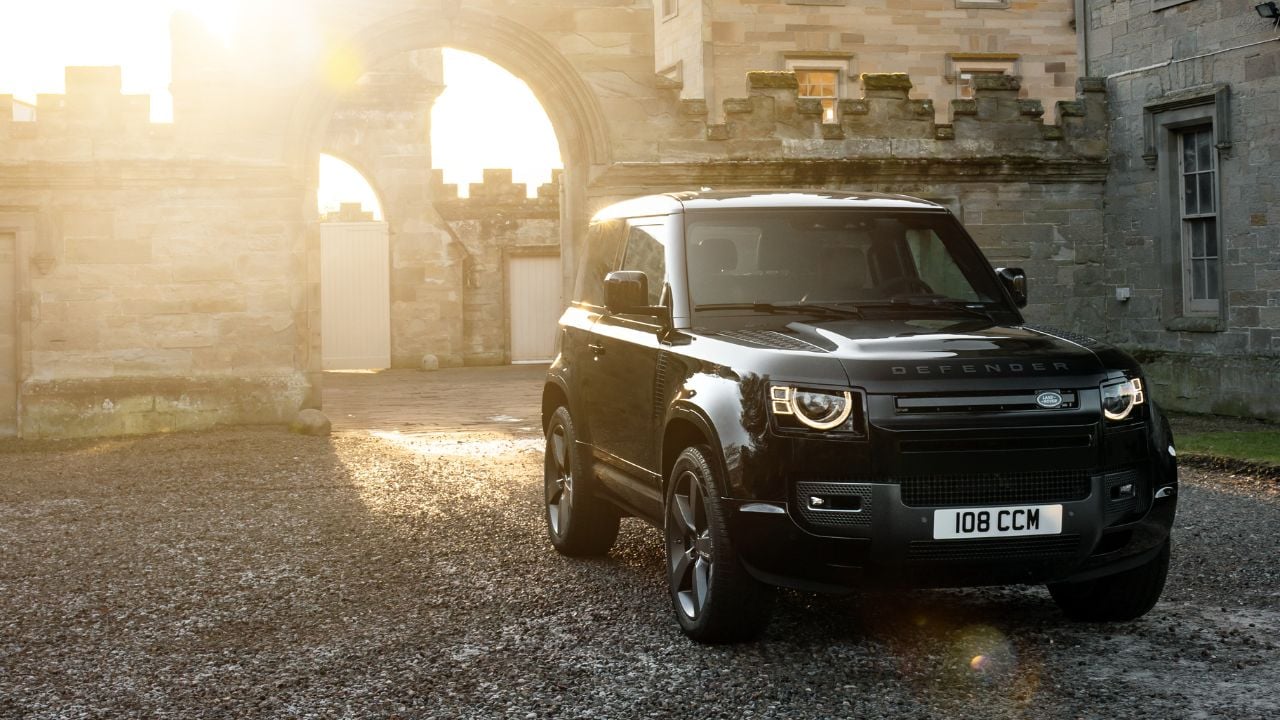
One of the biggest concerns inside JLR right now appears to be rising warranty expenses. According to Automotive News, warranty-related costs during the fourth quarter alone were £105 million ($139 million) higher than they were during the same period a year earlier.
JLR CFO Richard Molyneux reportedly admitted the company’s warranty problems remain “stubborn” despite ongoing efforts to improve quality and reliability. The automaker did not specify which models generated the largest number of claims, though Land Rover products have historically drawn the most criticism from owners.
The issue reportedly appears especially severe in the United States, one of JLR’s most important markets. That creates another major problem because every Land Rover and Jaguar sold in America is imported from overseas production plants in the United Kingdom and Slovakia.
As tariffs on imported European vehicles continue creating uncertainty, the financial strain grows even heavier. The Trump administration has already discussed potentially raising tariffs on European imports to 25%, which could significantly increase costs for brands like Land Rover that lack U.S.-based production.
Cyberattack And Recalls Added More Pressure
Warranty costs alone are not responsible for JLR’s current struggles. The company also suffered major disruption following a cyberattack in 2025 that reportedly halted production for roughly five weeks before operations finally resumed.
That attack is estimated to have cost JLR more than £1 billion ($1.33 billion) in lost revenue. Combined with declining dealer wholesales, which dropped 23% to 307,915 vehicles globally, the company reportedly fell below its break-even point for the year.
Recalls have added even more pressure. JLR recently recalled more than 170,000 vehicles in the United States due to problems involving a DC-to-DC converter module affecting mild-hybrid models.
Those repairs naturally increase warranty and service costs while also risking further damage to customer confidence. For a luxury automaker competing heavily on image and ownership experience, reliability concerns can become especially costly over time.
JLR Still Plans To Push Forward
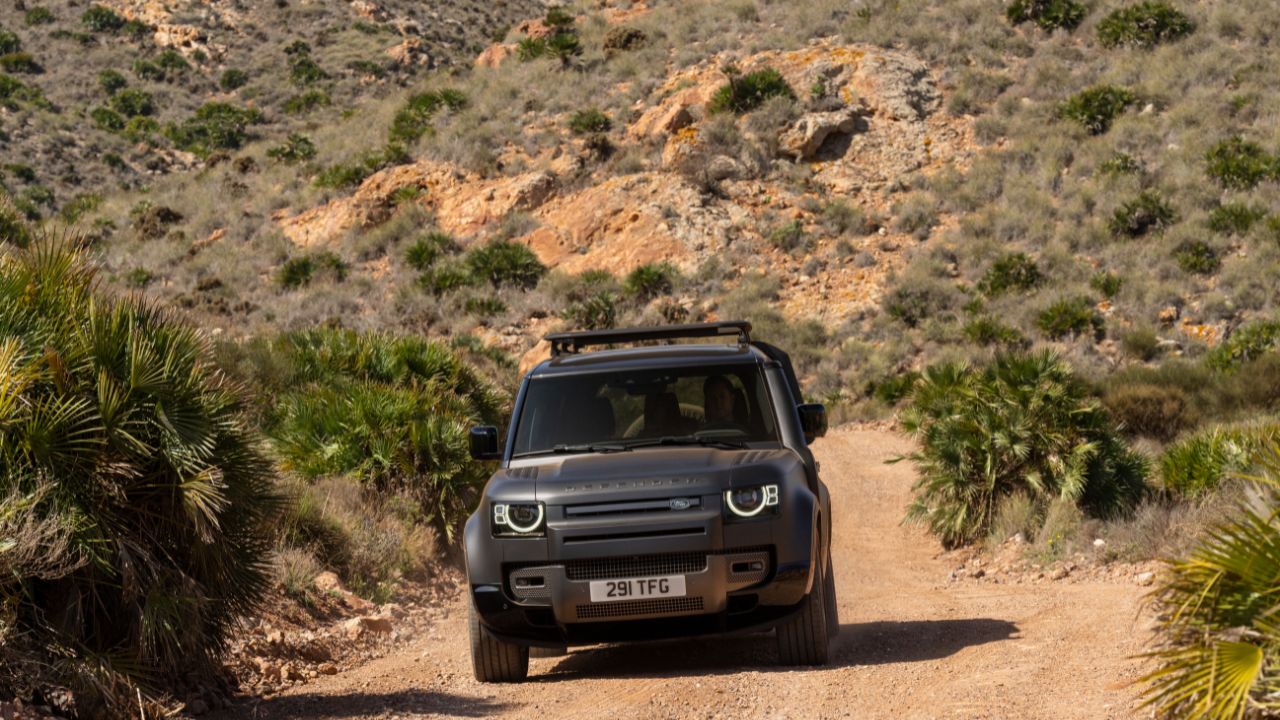
Despite the difficult financial year, JLR is not slowing its future product plans. Land Rover is continuing development of its long-awaited electric Range Rover, while Jaguar is moving aggressively into an EV-only future.
Jaguar’s upcoming Type 01 flagship reportedly could produce more than 1,000 horsepower from a tri-motor setup, potentially placing it in direct competition with cars like the Lucid Air Sapphire. That shows JLR still intends to compete at the very top of the luxury and performance EV market.
The challenge, however, is balancing massive future investment with present-day financial strain. Developing new electric platforms and advanced technology is already enormously expensive, even before rising warranty costs, tariffs, and recalls enter the equation.
For now, JLR finds itself navigating one of the most difficult periods in recent company history. The products remain highly desirable, but unless reliability improves significantly, those mounting repair bills could continue draining profits faster than new luxury models can replace them.