
Here is the careful version of that headline: these are countries where public healthcare is free or very low-cost for citizens, legal residents, or other people who qualify for the national system. That does not mean every doctor, dentist, prescription, or private clinic is free, and it absolutely does not mean short-term visitors should skip travel insurance. The NHS says the UK GHIC is not a replacement for private travel and medical insurance, and Spain’s health ministry says the EHIC only covers healthcare during temporary stays and is not valid for taking up residence in Spain.
Still, if you are talking about countries where healthcare is either free at the point of use or kept within relatively small, capped co-payments for eligible residents, these nine are worth real attention. Some rely heavily on tax-funded care. Some combine modest user fees with annual or monthly spending caps. A few do both. They also happen to be places with strong quality-of-life appeal, which makes the healthcare angle feel less like a gimmick and more like a meaningful practical advantage.
1. United Kingdom

The United Kingdom belongs near the top because the NHS still runs on a residence-based model in which most core services are free for people who are ordinarily resident in the UK. NHS guidance says hospital treatment is free for people who are ordinarily resident, which is very different from systems where even basic care can start with a large bill and a fight over coverage.
The important catch is that “free” does not apply equally to every corner of the system. Entitlement is tied to lawful residence, not simply citizenship, and visitors can be charged. England also still has charges for some items and services, including prescriptions and some other health costs unless you qualify for exemptions or support. So this is not a zero-cost fantasy. But as a public model for core care, it remains one of the clearest examples of low point-of-service cost for eligible residents.
2. Denmark
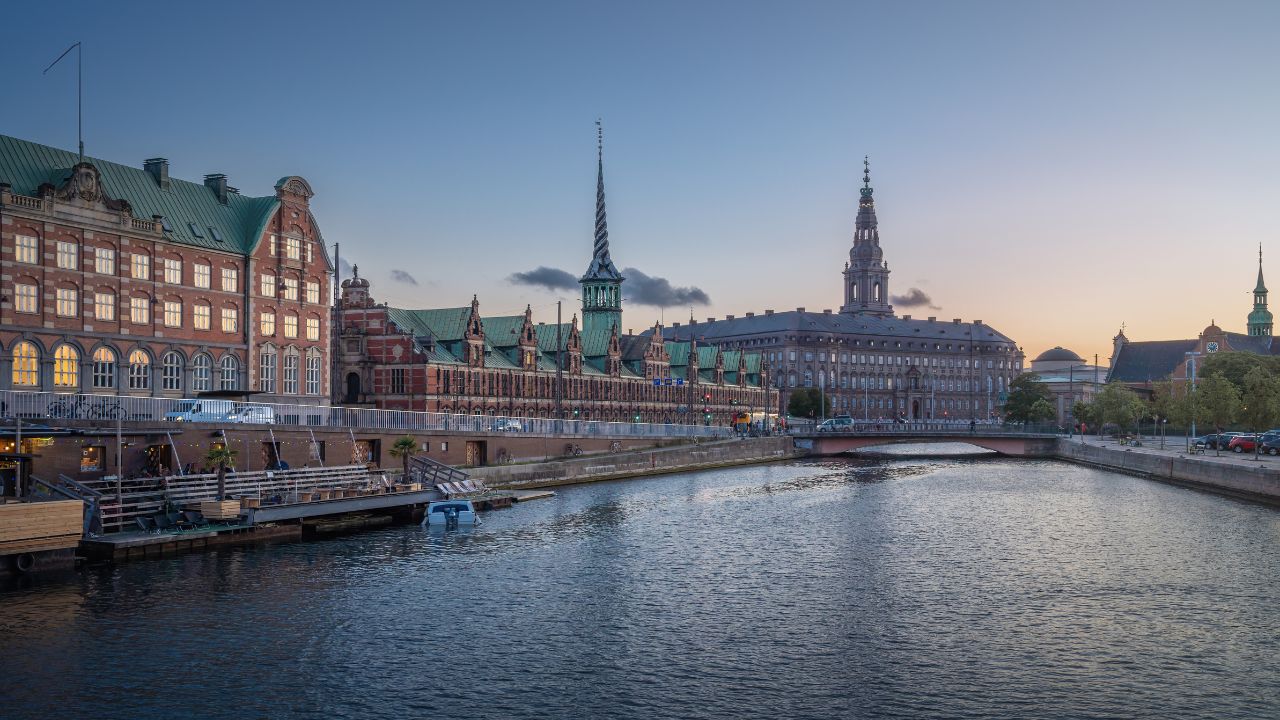
Denmark is one of the stronger examples of a tax-funded public model working roughly the way people imagine it should. Life in Denmark says the majority of healthcare services are financed by general taxes and mainly provided free of charge. It also explains that the public system offers free consultation and treatment with a family doctor, emergency wards, and public hospitals once you are properly covered.
That does not mean literally every health-related cost disappears. Coverage still depends on being inside the system and registered, and some services fall outside the broad free core. But the underlying picture is unusually simple: most examinations and treatments are free once you are covered and have a health insurance card. For a country with Copenhagen, coastal towns, islands, and a famously high-functioning welfare model, that makes Denmark an easy inclusion here.
3. Spain

Spain deserves a place here because its national health model is still built around public financing and care that is broadly free at the point of use for the covered population. Spain’s health ministry describes the National Health System as based on public financing, universal coverage, and healthcare services that are free at the time of use. It also notes that permanent residents can be entitled to healthcare in the public system at public expense.
As always, there are boundaries. Temporary visitors rely on different rules, and the ministry explicitly says the EHIC is for temporary stays, not for taking up residence in Spain. But for people who are actually inside the system, Spain still offers one of Europe’s most attractive combinations of public healthcare access, climate, scenery, and day-to-day livability.
4. Norway
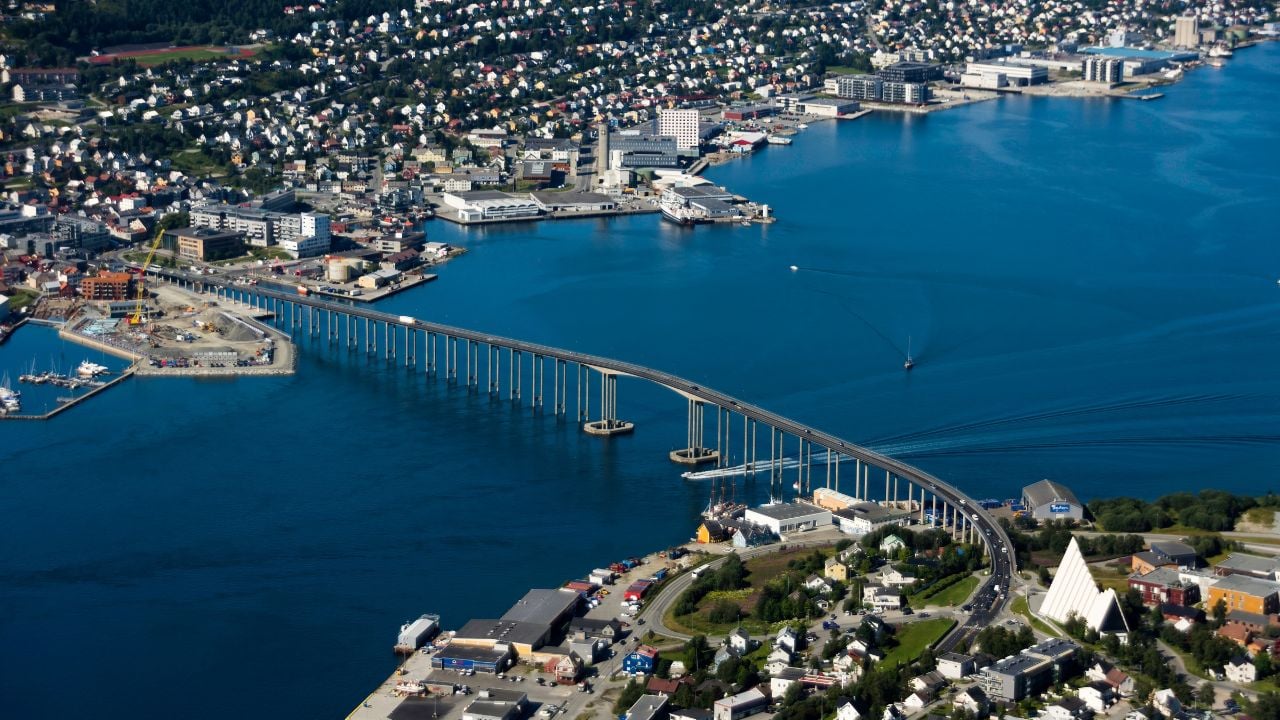
Norway is not one of the countries where everything is simply free the moment you show up. What makes it impressive is how firmly it contains costs for people who are in the public system. Helsenorge says everyone living in Norway is entitled to essential medical and care services, and it also says you should not be charged a user fee if you are hospitalized in a public hospital. For many other services, patients pay user fees rather than open-ended bills.
The really important detail is the cap. Helsenorge says patients receive an exemption card once they have paid the maximum amount in approved user fees, and in 2026 that limit is NOK 3,278. After that, many user fees disappear for the rest of the calendar year. That is why Norway belongs in this list: not because every service is free, but because the public system puts a hard ceiling on how punishing costs can become.
5. Finland
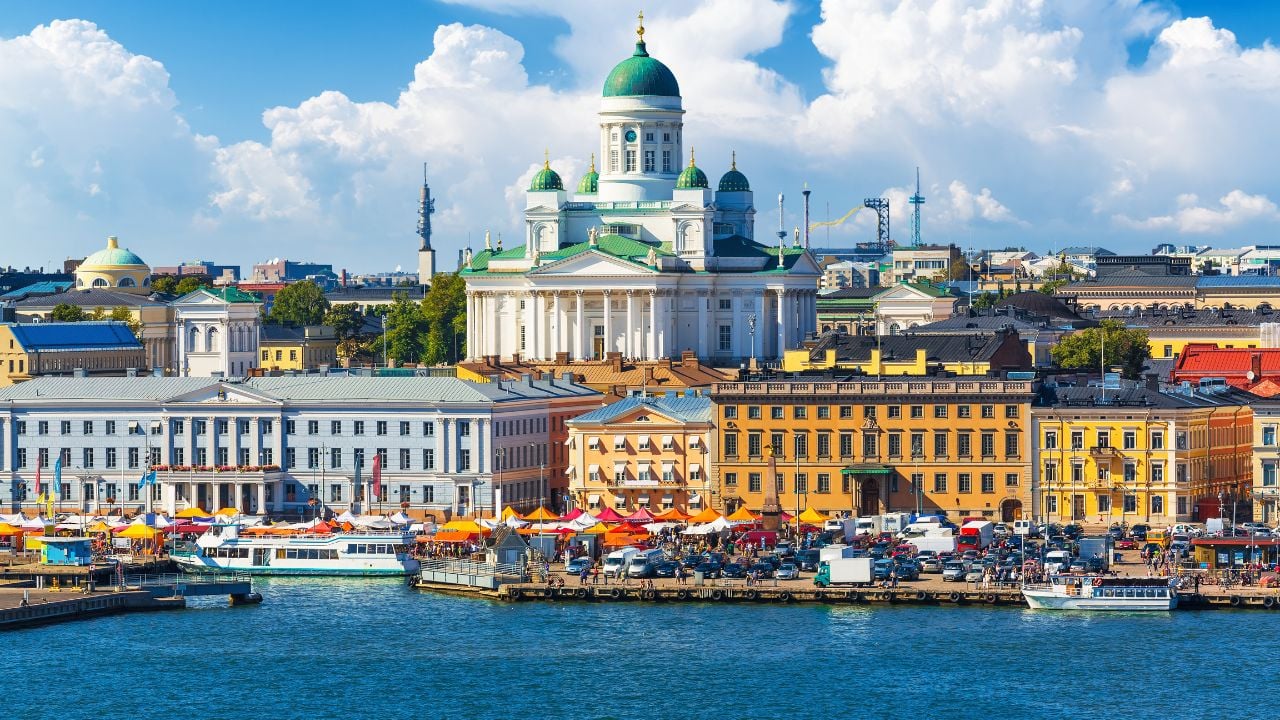
Finland works in a similar spirit. The official EU-healthcare information portal says that if you have a municipality of residence in Finland, you only pay a client fee for public healthcare while the wellbeing services county covers the actual treatment cost. That already pushes the system far away from the kind of unrestricted medical spending many people fear.
The fee protection is what makes the case stronger. HUS says the 2026 payment cap for public healthcare is EUR 815, after which public healthcare services are primarily free for the rest of the year, with only limited reduced inpatient charges in some cases. Kela also says the annual out-of-pocket maximum for medicines is EUR 636.12 in 2026. So Finland is not “everything free,” but it is absolutely a country where public healthcare costs are kept on a short leash for eligible residents.
6. Sweden

Sweden belongs here for the same reason Norway and Finland do: the better description is not “free” so much as “protected.” Fees vary by region, but they are generally modest by the standards of countries built around direct billing. In Stockholm, for example, 1177 says a visit to a healthcare centre costs SEK 275, urgent care is SEK 375, and an emergency department visit is SEK 400. Those are real fees, but they are still a very different experience from a system where one unexpected visit can become financially ugly fast.
Sweden also uses strong cost protection. 1177 says outpatient high-cost protection means you pay at most SEK 1,450 for outpatient care over a twelve-month period, although a region can set a lower amount. For medicines, the Swedish eHealth Agency says residents are covered by high-cost protection for prescription drugs. So the right way to describe Sweden is not “everything free.” It is “public healthcare with built-in brakes on how far the bill can run.”
7. Iceland
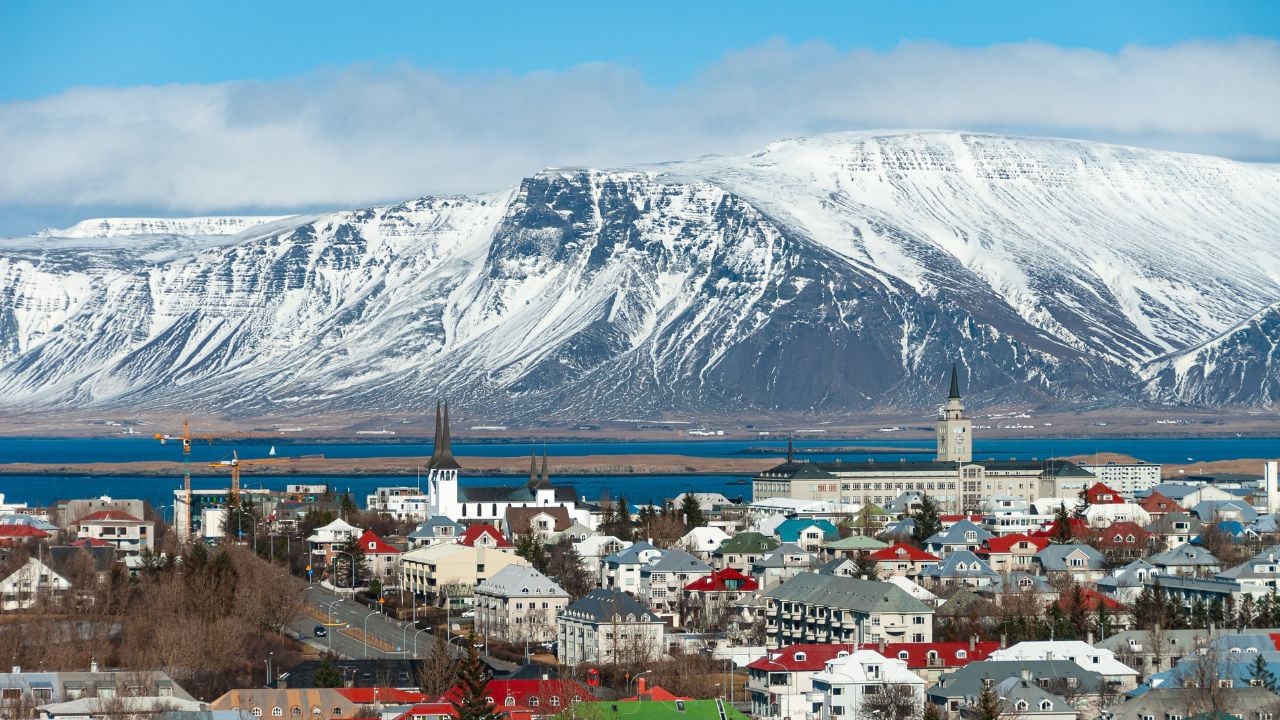
Iceland is expensive in many travel categories, but public healthcare is not designed to behave like a financial ambush for insured residents. Iceland’s official portal describes a co-payment system that ensures individuals do not pay more than a certain maximum amount each month for health services. Official guidance for workers in Iceland also explains that once someone is registered in the system, there is a maximum monthly amount they pay for healthcare. That makes Iceland a very good example of a country where the scenery is dramatic but the public health model still tries to stop costs from spiraling.
The eligibility point matters, though. Iceland’s official residency guidance says people who move their legal domicile there generally go through a six-month waiting period before they are health insured, unless other rules apply. So this is not a magical free-care loophole for tourists. But once someone is properly inside the system, Iceland’s model is built around caps and cost-sharing limits rather than unlimited exposure to medical bills.
8. Italy
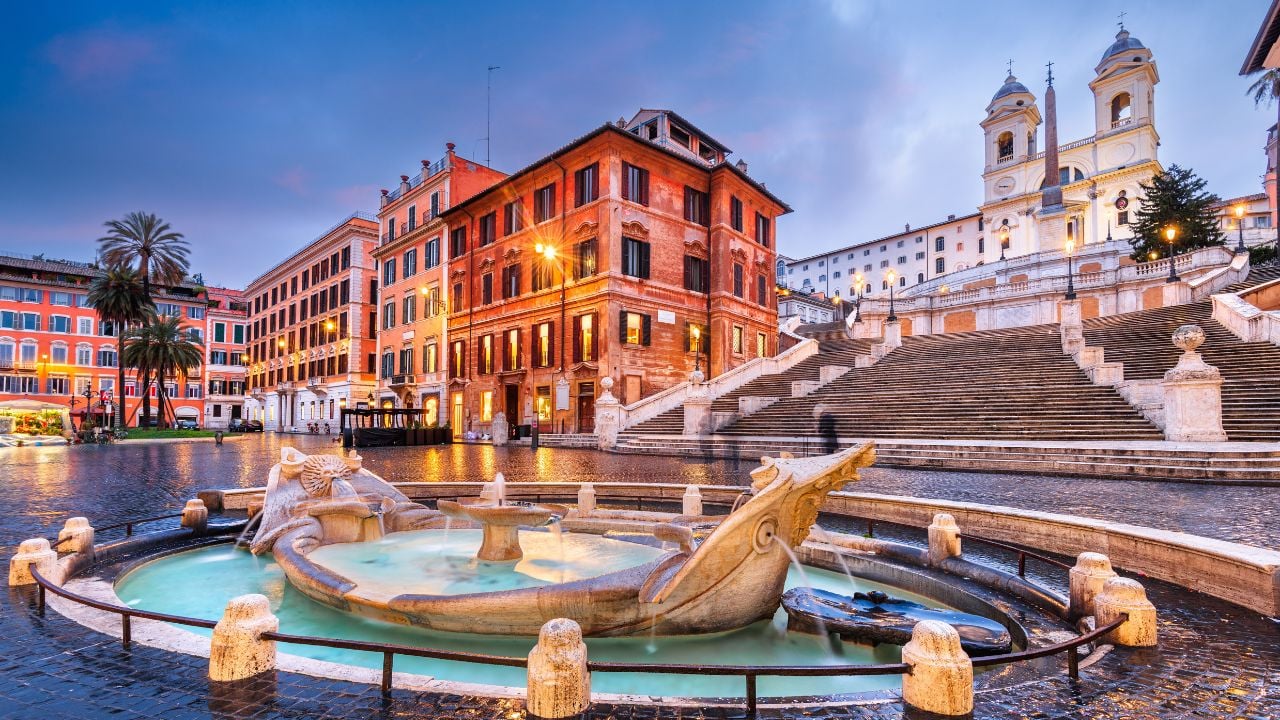
Italy belongs here because its national system still keeps a large share of medically necessary care inside a public framework with limited patient contributions rather than large direct billing. The Italian health ministry says medically necessary direct healthcare services are provided free of charge except for co-payment costs known as the ticket. It also says hospital admissions are free of charge, while some specialist visits and diagnostic services can involve that co-payment.
That distinction is exactly why Italy fits this headline better than countries built around large direct invoices. The ticket is not nothing, and regional differences matter, but it is still a co-payment model layered onto a national service rather than a pay-whatever-the-market-demands system. Italy also keeps some preventive care firmly inside the public model: the health ministry says the SSN provides mandatory vaccinations for minors free of charge. That keeps Italy solidly in the affordable-public-care category.
9. New Zealand

New Zealand rounds out the list because its official guidance is unusually plain about the broad direction of the system. Health New Zealand says that if you are eligible, many health services are free or have part of the cost covered. It also says public hospitals provide a wide range of publicly funded services, including medical, surgical, maternity, diagnostic, and emergency care. That is not the language of a system trying to dump giant hospital bills onto everyone who walks through the door.
There are still eligibility rules and some co-payments, especially outside the hospital setting. New Zealand’s government says publicly funded healthcare can be free or low-cost for citizens, permanent residents, and other qualifying groups. But for people who do qualify, the structure is notably generous, and that makes New Zealand an easy fit for a list about countries where public healthcare remains genuinely affordable in practice.