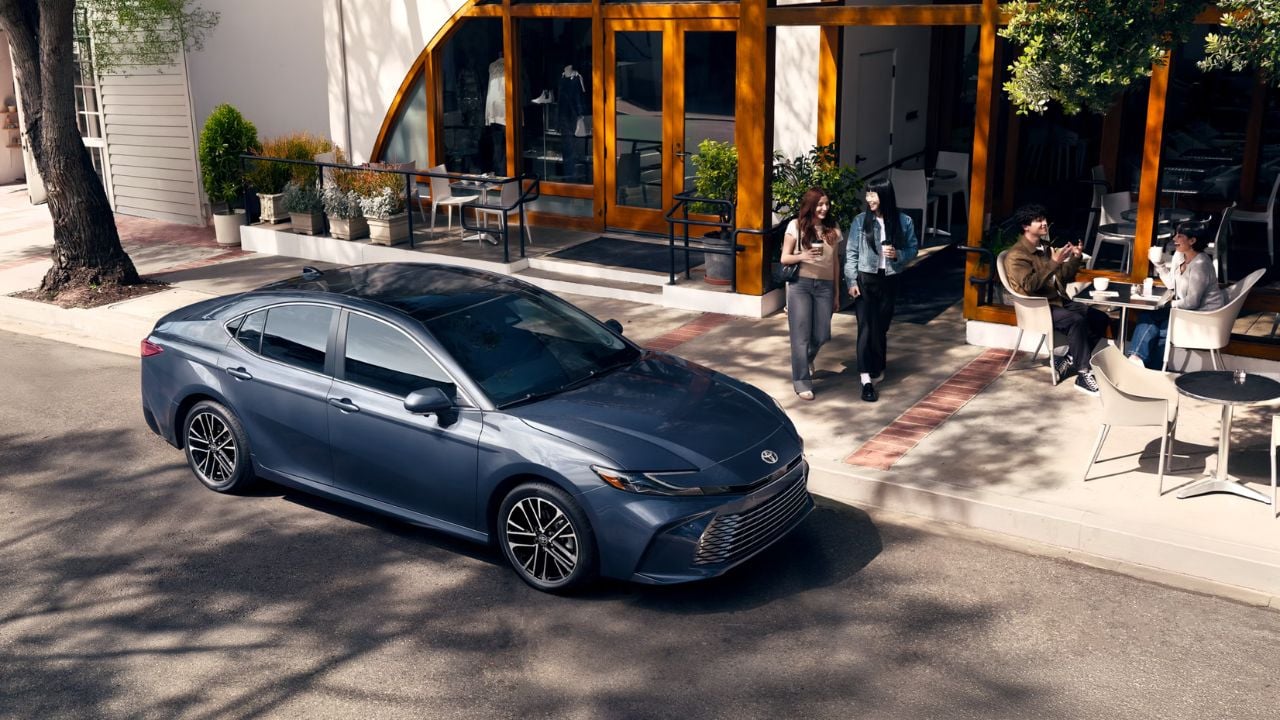
Touchscreens are useful when they handle navigation, phone projection, audio menus, and vehicle settings that drivers adjust only occasionally. They become frustrating when basic tasks move too far into software.
Climate temperature, fan speed, defrosters, volume, drive modes, and safety shortcuts work best when a driver can find them by feel. That is a practical usability issue, not nostalgia. Euro NCAP’s 2026 safety-rating protocols also push automakers toward physical controls for core safety functions such as indicators, hazard lights, wipers, the horn, and SOS/eCall. That does not cover every comfort feature, but it reflects the same concern many drivers have with screen-heavy cabins.
The point is not that these cars avoid screens. The point is that they keep common driving and comfort functions separate enough that the driver does not have to use the screen for every small adjustment.
The best modern cabins separate convenience tech from core driving controls. A screen can still be present, wireless phone projection can still be useful, and a digital display can still look sharp, but everyday functions need to stay easy.
These eight current U.S.-market cars stand out because they give buyers modern features without making the cabin feel like a tablet mounted to a dashboard.
Honda Civic Hatchback Hybrid
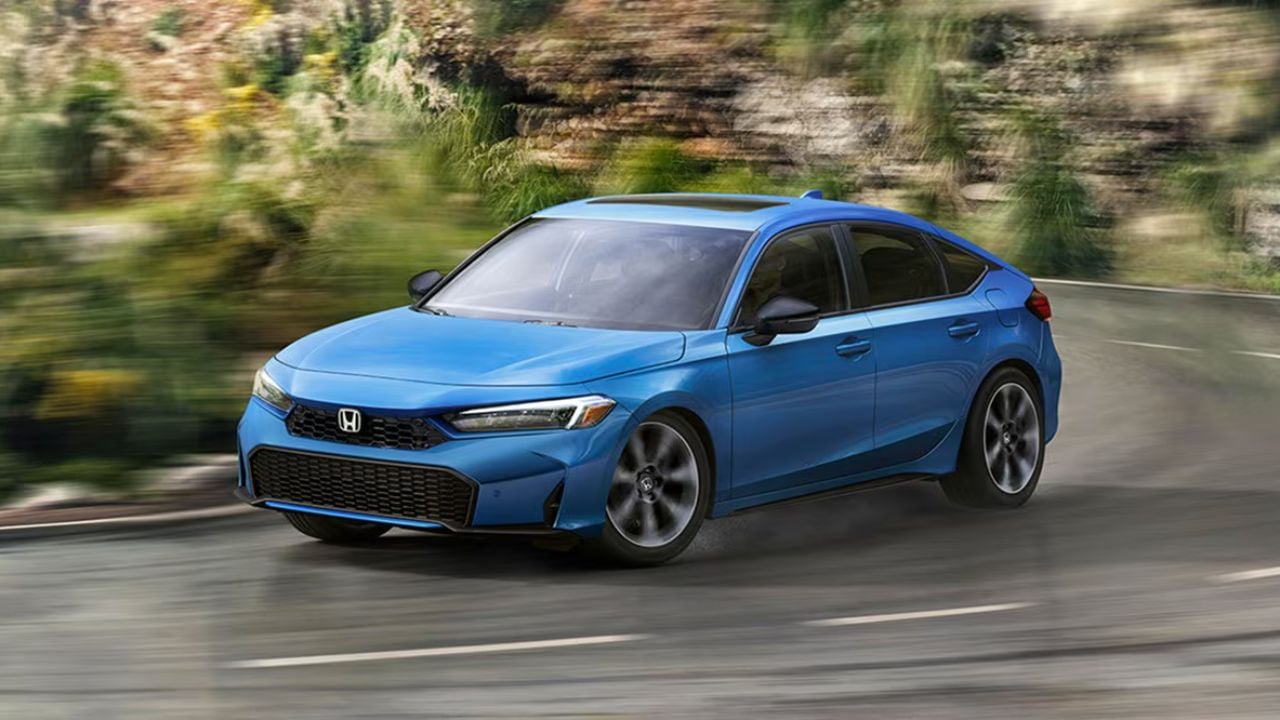
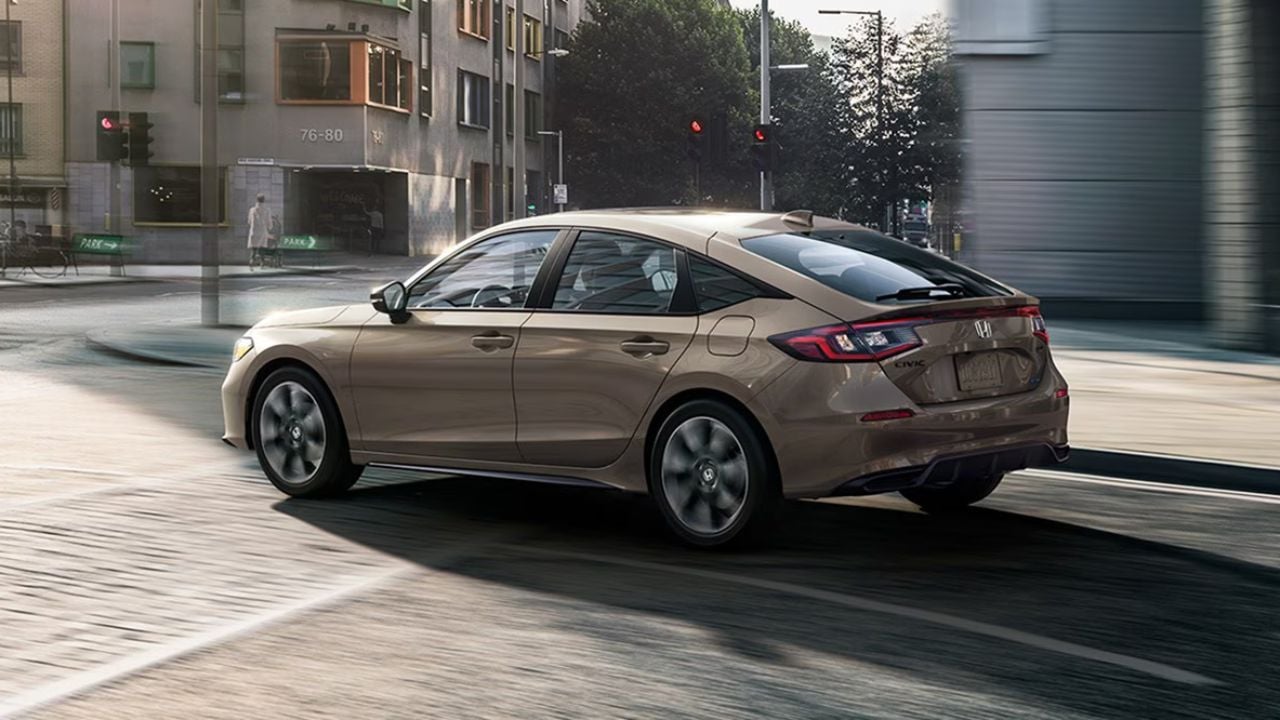
The 2026 Honda Civic Hatchback Hybrid may be the strongest compact car answer for drivers who want modern efficiency without losing simple cabin logic. Honda lists the Civic Hatchback Hybrid with a 200-hp hybrid powertrain and a 50 mpg city, 45 mpg highway rating, so it delivers real daily savings without feeling slow.
The control layout is a major reason it belongs here. Honda keeps the dashboard clean, with separate physical climate controls, steering-wheel buttons, and a cabin that feels intuitive within minutes. The screen handles media, navigation, and phone projection instead of becoming the only way to complete every routine task.
The hatchback body adds useful cargo space, and the hybrid powertrain gives commuters a quieter, smoother experience than many small cars. Buyers tired of screen-first interiors should drive the Civic before assuming every new compact has become complicated.
Toyota Camry
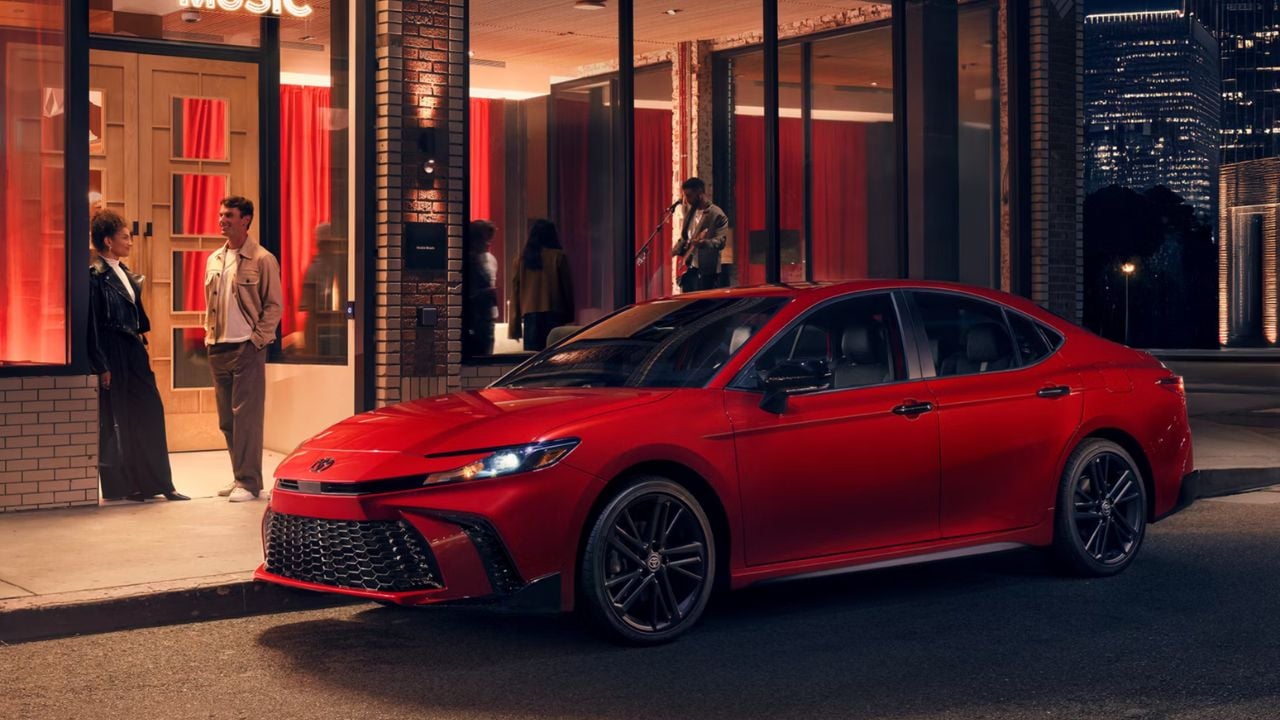
The 2026 Toyota Camry shows how a mainstream sedan can feel modern without burying every routine task in a display. Toyota’s current Camry is hybrid only, with up to 51 mpg combined and up to 232 net combined hp with available all-wheel drive. That gives buyers strong efficiency, useful power, and a familiar midsize sedan package.
Its cabin keeps the important items obvious. Toyota’s support material describes climate operation through a temperature control dial, fan-speed rocker, and outlet selection, which is exactly the kind of straightforward operation many buyers still prefer.
The Camry does not try to impress with unnecessary digital theater. It gives drivers a logical dashboard, comfortable seating, good visibility, and controls that feel normal during a commute. That restraint is a strength in a market where many interiors look impressive at first and become irritating after a week.
Honda Accord
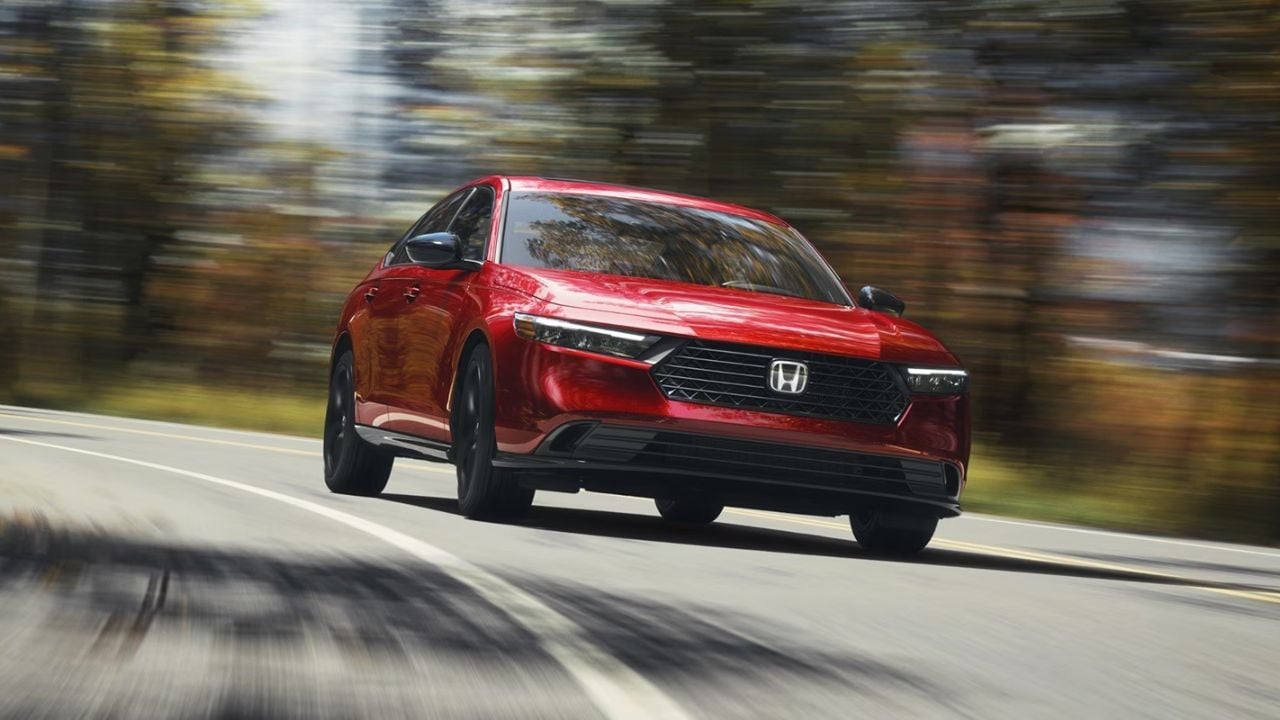
The 2026 Honda Accord is one of the cleanest midsize sedan choices for buyers who want space, comfort, and simple control placement. Honda lists the Accord Hybrid with a 204-hp powertrain, while the most efficient hybrid trims reach up to 51 mpg city and 44 mpg highway.
The Accord cabin has a mature layout. Honda’s 2026 Accord information center shows the dual-zone automatic climate system as its own dedicated control area, letting the driver and passenger adjust temperature without relying only on the screen.
That practical separation gives the Accord a calmer daily feel. The screen is there for media and phone functions, but the cabin does not force drivers to hunt through menus for every basic adjustment. The Accord also brings a roomy rear seat, quiet road manners, and long-distance comfort that still feel better than many compact SUVs near the same price.
Mazda3
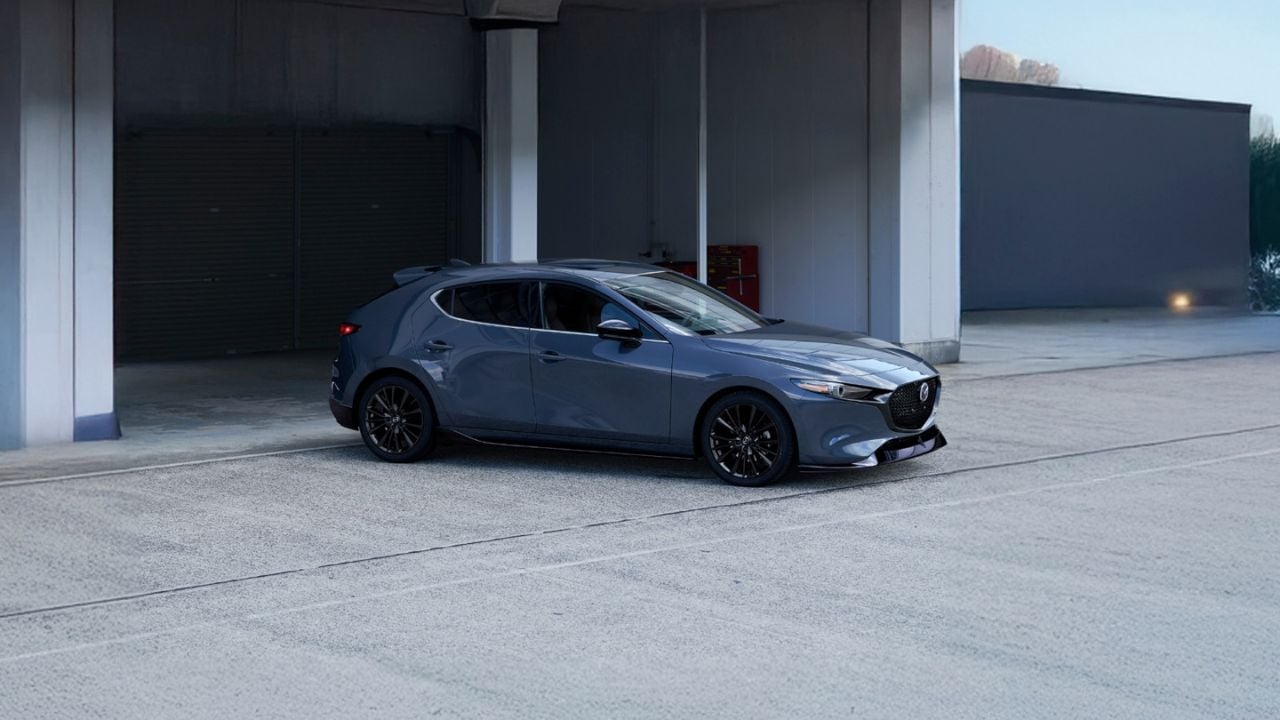
The 2026 Mazda3 feels different from many small cars because Mazda still treats cabin controls as part of the driving experience. Mazda’s manual information for the 2026 Mazda3 automatic climate system refers to a temperature control dial and a climate-control system power switch, which shows how the brand keeps core functions tactile.
That approach fits the Mazda3 perfectly. The cabin is low, clean, and focused, with controls placed around the driver rather than scattered through layers of software. The infotainment system is also operated through a rotary controller and buttons on the center console, giving drivers another way to use the system without reaching forward for every command.
The Mazda3 is not the roomiest compact car, especially in the rear seat. Its value comes from steering feel, interior quality, and a calmer interface than many rivals. For drivers who want a compact car that feels more carefully designed than flashy, the Mazda3 belongs high on the list.
Acura Integra
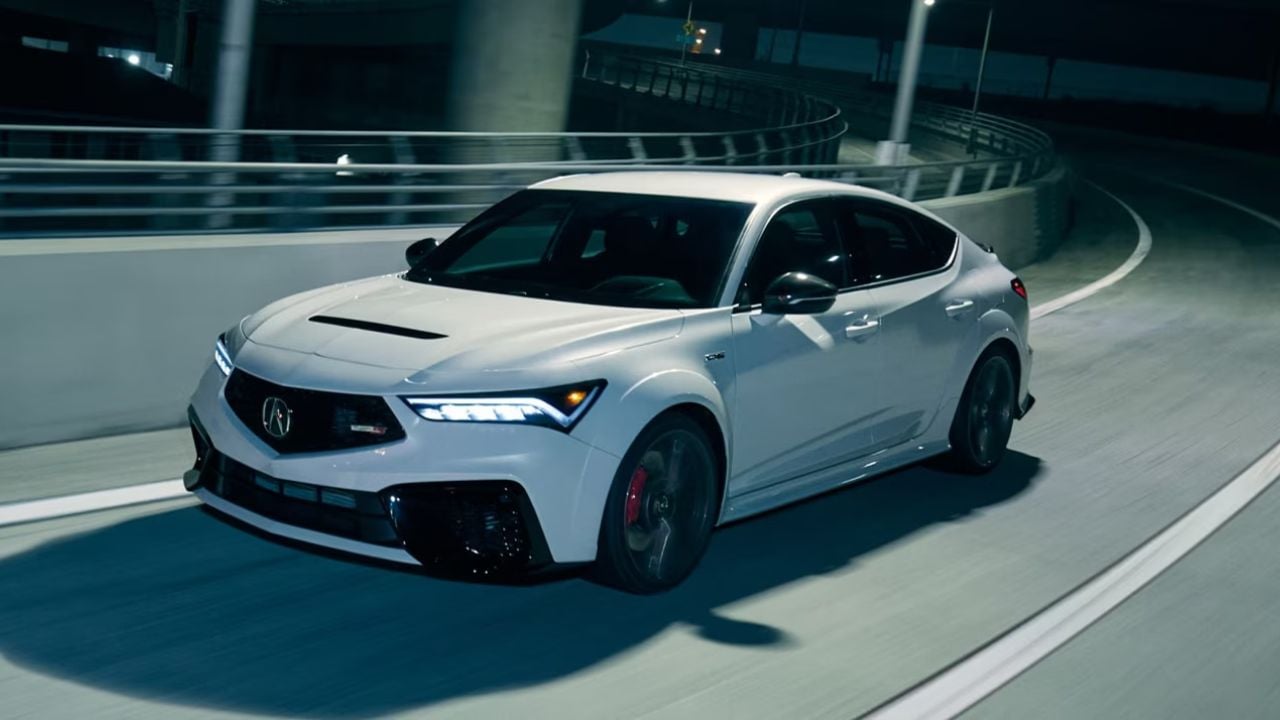
The 2026 Acura Integra gives buyers a premium hatchback feel while keeping much of the simple control philosophy that makes the Honda Civic so easy to live with. Acura lists the Integra with a 200-hp turbocharged 1.5-liter engine in regular trims, while the Type S uses a 320-hp 2.0-liter turbo and a six-speed manual transmission.
The standard Integra is the better match for most drivers in this article. It gives buyers a nicer cabin, useful liftback cargo access, comfortable front seats, and physical climate controls in a layout that does not feel overcomplicated. Acura’s feature material also confirms dual-zone automatic climate control on Integra models.
The Integra works especially well for shoppers considering a small luxury SUV only because they want a premium interior. It feels lower, lighter, sharper, and simpler to operate, while still giving everyday cargo access through its rear hatch.
Toyota Corolla Hatchback
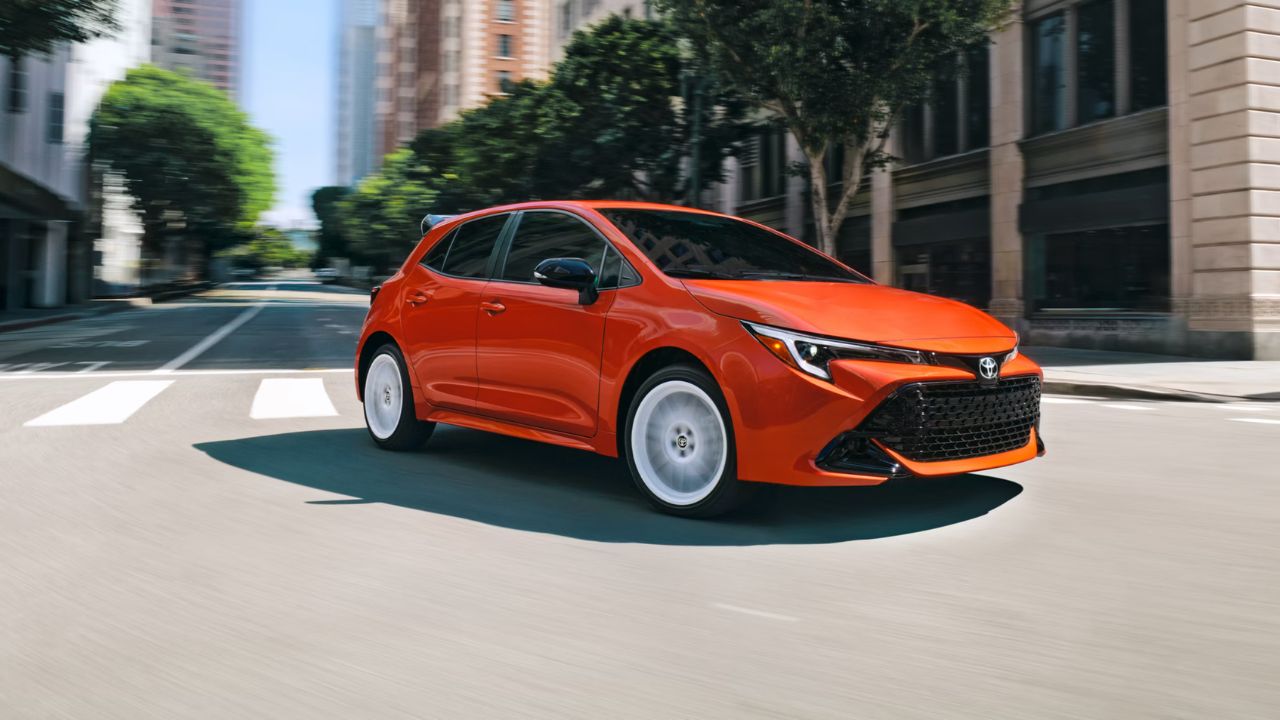
The 2026 Toyota Corolla Hatchback is the simple, affordable choice for buyers who want a modern car without a distracting interior. Toyota lists the SE from $24,580 with an estimated 32 mpg city and 41 mpg highway, giving it a clear value argument for commuters and small households.
The Corolla Hatchback cabin follows the same idea. It has a normal driving position, logical steering-wheel controls, a familiar shifter area, and a compact dashboard that does not try to turn every function into a visual event. The touchscreen handles the media side, while the basic cabin experience remains familiar and low stress.
This is not the most spacious car here. The rear seat is tighter than the Civic’s, and the cargo area is modest compared with larger hatchbacks. The Corolla Hatchback earns its place through affordability, efficiency, Toyota ownership logic, and a control layout that does not punish drivers who simply want to get in and go.
Mazda MX-5 Miata
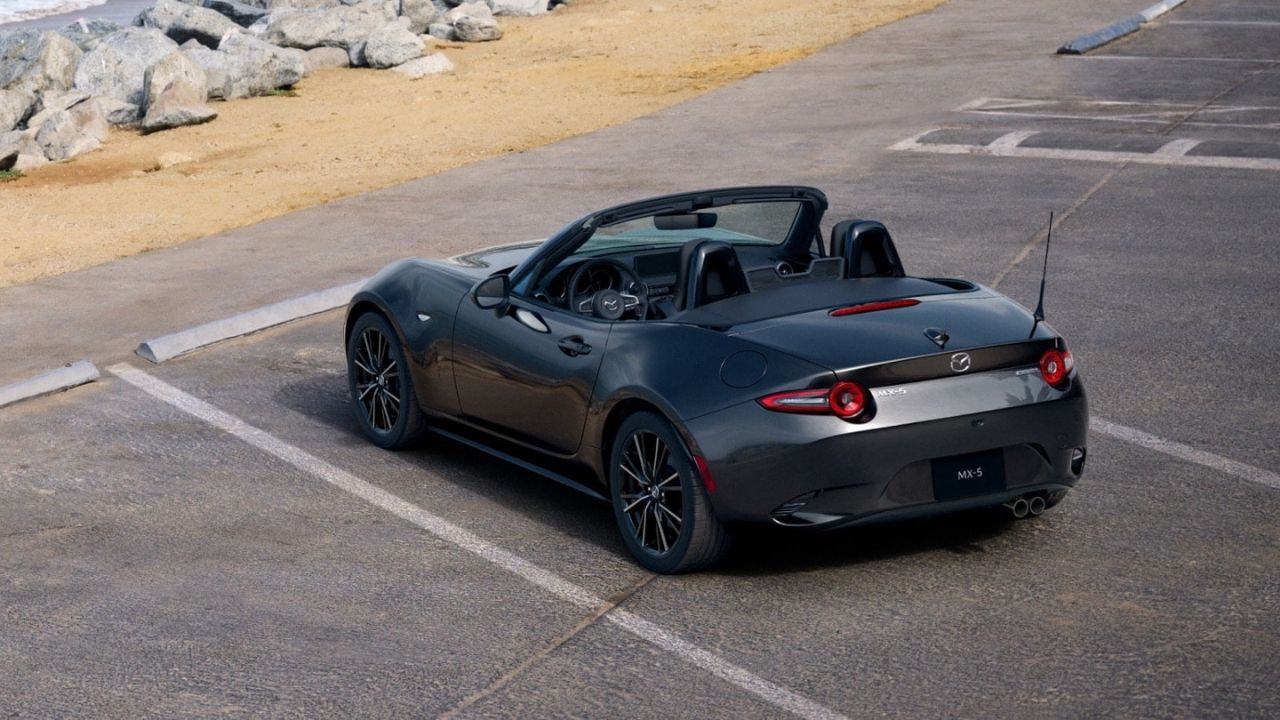
The 2026 Mazda MX-5 Miata is the purest car here because its entire cabin is built around reducing distractions. Mazda lists the Miata with a 2.0-liter four-cylinder making 181 hp and 151 lb-ft of torque, paired with the lightweight rear-wheel-drive character that has defined the model for decades.
The control layout supports that mission. Mazda’s 2026 MX-5 information references details such as the heater control dial and engine starter ring, and the car’s compact cockpit keeps major functions within easy reach.
No one buys a Miata for rear-seat space or family practicality. Its role here is different. It shows how satisfying a modern car can feel when the interface stays direct. The shifter, steering wheel, pedals, roof controls, and cabin switches all reinforce the same idea. Driving should feel immediate, not filtered through menus.
Toyota GR86
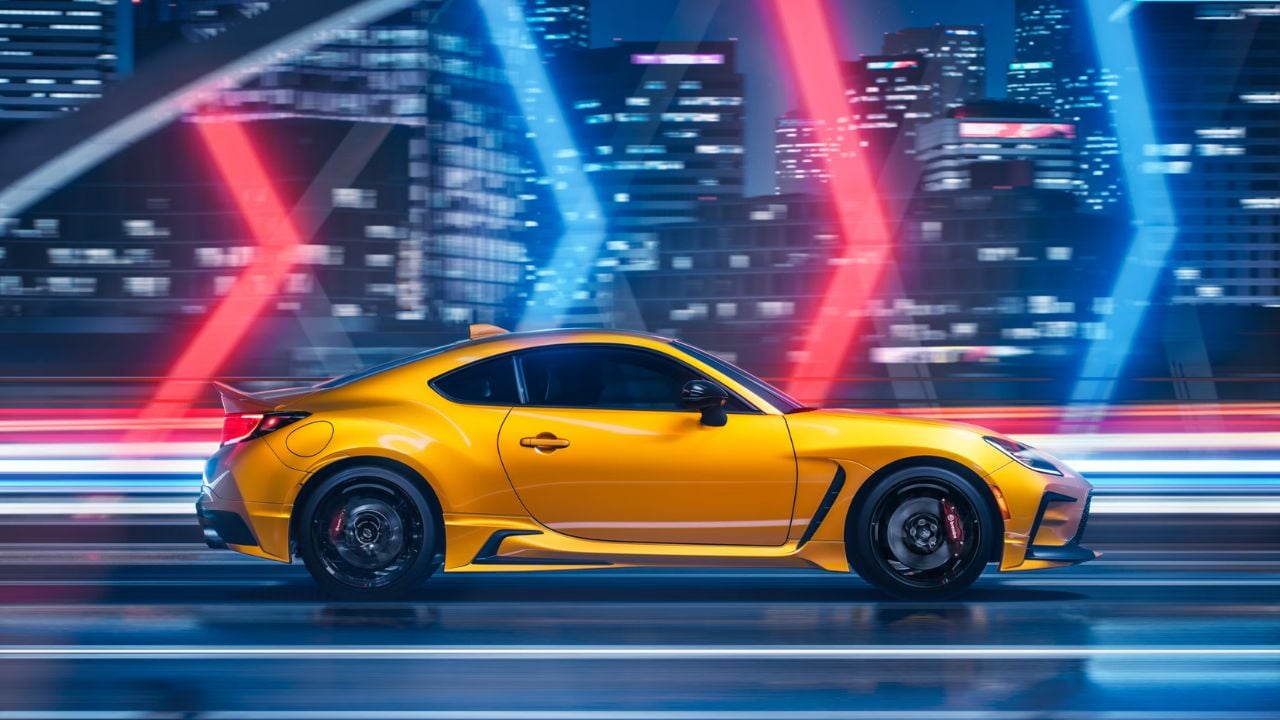
The 2026 Toyota GR86 is another strong answer for drivers who want a modern car that still feels mechanical and straightforward. Toyota lists the GR86 with a 2.4-liter boxer engine rated at 228 hp and 184 lb-ft of torque, and the car remains available with a six-speed manual transmission.
Toyota also describes the GR86 interior with a dual-zone climate control system, turbine-style vents, a premium dashboard, and silver-finished toggles on the center console. That gives the cabin a purposeful, tactile feel rather than a screen-dominated personality.
The GR86 has a small rear seat and a firm personality, so it will not fit every daily routine. It excels for drivers who want affordable performance, clean ergonomics, and controls that support the act of driving. The touchscreen is present, but it does not define the car.
Simple Controls Still Make A Car Easier To Live With
A good cabin should reduce effort. Drivers should not need to stare at a screen to change temperature, clear the windshield, adjust audio volume, or select a basic drive setting.
The Civic Hatchback Hybrid, Camry, Accord, Mazda3, Integra, Corolla Hatchback, MX-5 Miata, and GR86 take different paths to the same goal. A few are efficient commuters. A few are sharper driver’s cars. Several offer premium touches. Each one keeps enough physical control logic to feel easier than many newer screen-heavy alternatives.
The smartest interior is rarely the one with the largest display. It is the one that lets drivers complete common tasks quickly, confidently, and with minimal attention taken away from the road.
For buyers tired of touchscreen everything, these cars show that modern technology and simple controls can still share the same cabin. The best design is often the one your hand understands before your eyes even need to check.