The 1990s produced some of the last SUVs that felt truly mechanical. They had upright glass, honest four-wheel-drive systems, simple cabins, real frames or stout unibody structures, and enough durability to survive years of daily use before becoming weekend trail rigs.
That era also arrived before SUVs became the default family vehicle. Many of these models were bought for utility first, then used hard, modified, neglected, or driven through rust-belt winters until clean originals became difficult to find.
In this market, clean means more than washed paint. It means original body panels, intact interior trim, working four-wheel-drive hardware, factory-style equipment, no serious corrosion, and no questionable lift-kit history.
Enthusiasts are now saving the best survivors for a simple reason. A straight, unmodified 1990s SUV with factory hardware, good paint, clean interior trim, and no serious corrosion is becoming much harder to replace.
The best examples do not need huge horsepower or modern luxury. They earn loyalty through mechanical honesty, trail ability, parts support, and a driving feel that newer crossovers cannot recreate.
Toyota Land Cruiser 80 Series
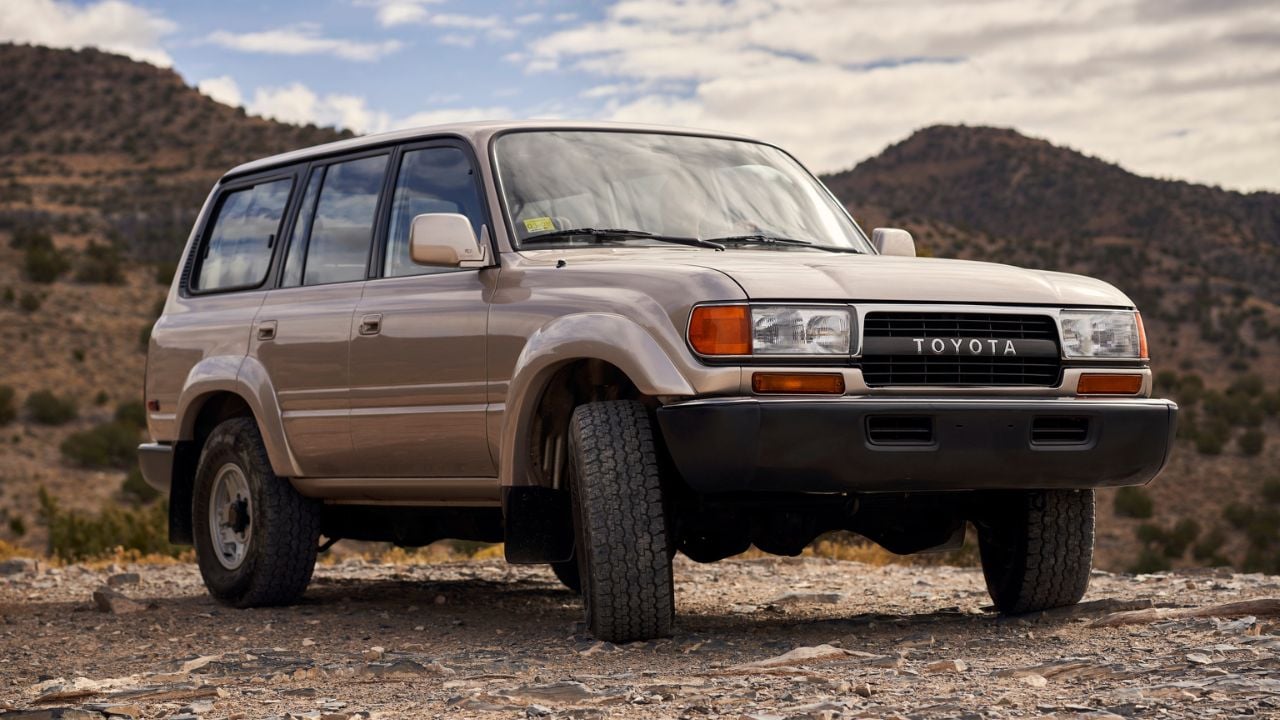
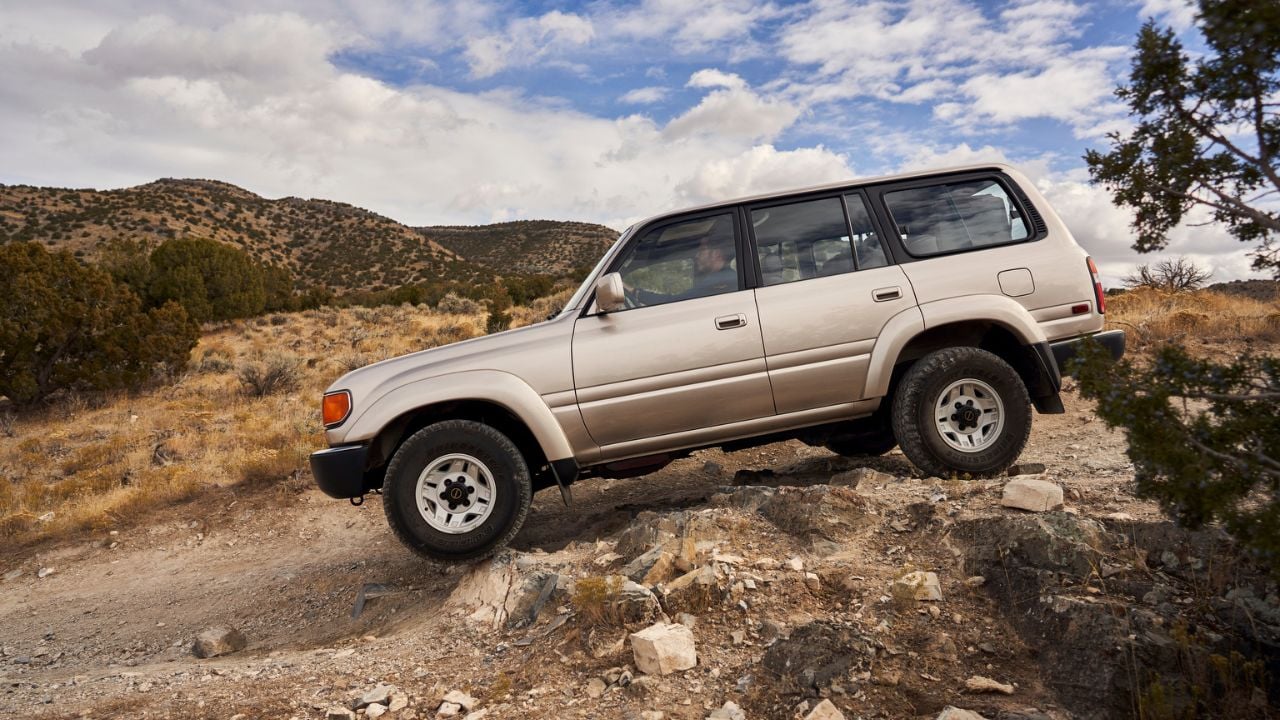
The 1991 to 1997 Toyota Land Cruiser 80 Series sits near the top of the 1990s SUV hierarchy for many collectors. It has the right combination of size, strength, comfort, and trail hardware, especially in later FZJ80 form with the 4.5-liter 1FZ-FE inline-six.
A 1997 example used that engine with 212 hp and 275 lb-ft of torque, paired with four-wheel drive and a two-speed transfer case. Some examples could also be optioned with the highly desirable front, center, and rear locking differential setup, which is exactly the kind of factory hardware collectors chase now.
The 80 Series feels expensive to buy today because owners understand what it represents. It is comfortable enough for long highway days, tough enough for remote travel, and still simple compared with modern luxury 4x4s.
Rust, neglected cooling systems, tired suspension parts, worn interiors, and old driveline service deserve careful inspection. A clean, stock, triple-locked 80 Series has become one of the most desirable old SUVs in America because it combines Toyota durability with serious factory trail credibility.
Jeep Cherokee XJ
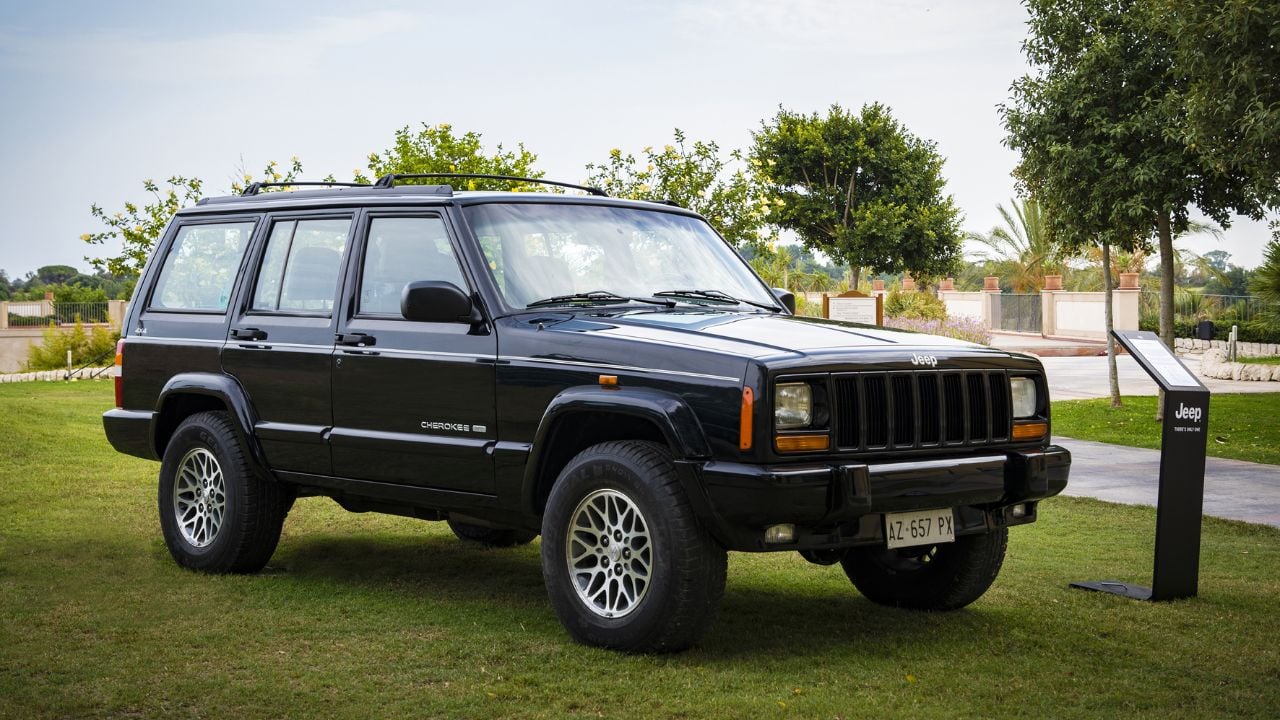
The Jeep Cherokee XJ is the compact SUV many enthusiasts wish Jeep still built. It was sold in the U.S. from the 1984 model year through 2001, but the 1990s high-output 4.0-liter versions carry the strongest buyer pull.
Hagerty notes that the 4.0-liter inline-six gained a new fuel-injection system for 1991 and rose to 190 hp, a figure it carried through the end of production. That engine is a major part of the XJ’s reputation because it gives the small Jeep simple, durable power without making the vehicle feel complicated.
The XJ gives buyers a rare mix of compact size, simple mechanicals, strong parts support, and real trail usefulness. It is light, narrow, easy to see out of, simple to modify, and supported by a huge aftermarket.
Four-door models make practical trail rigs, while two-door examples have become especially hard to find in clean condition. Buyers should look closely for rust in the floors, rockers, rear quarters, and suspension mounting areas. The best XJs still have original sheetmetal, sensible tire sizes, and no signs of rough trail abuse.
Toyota 4Runner Third Generation
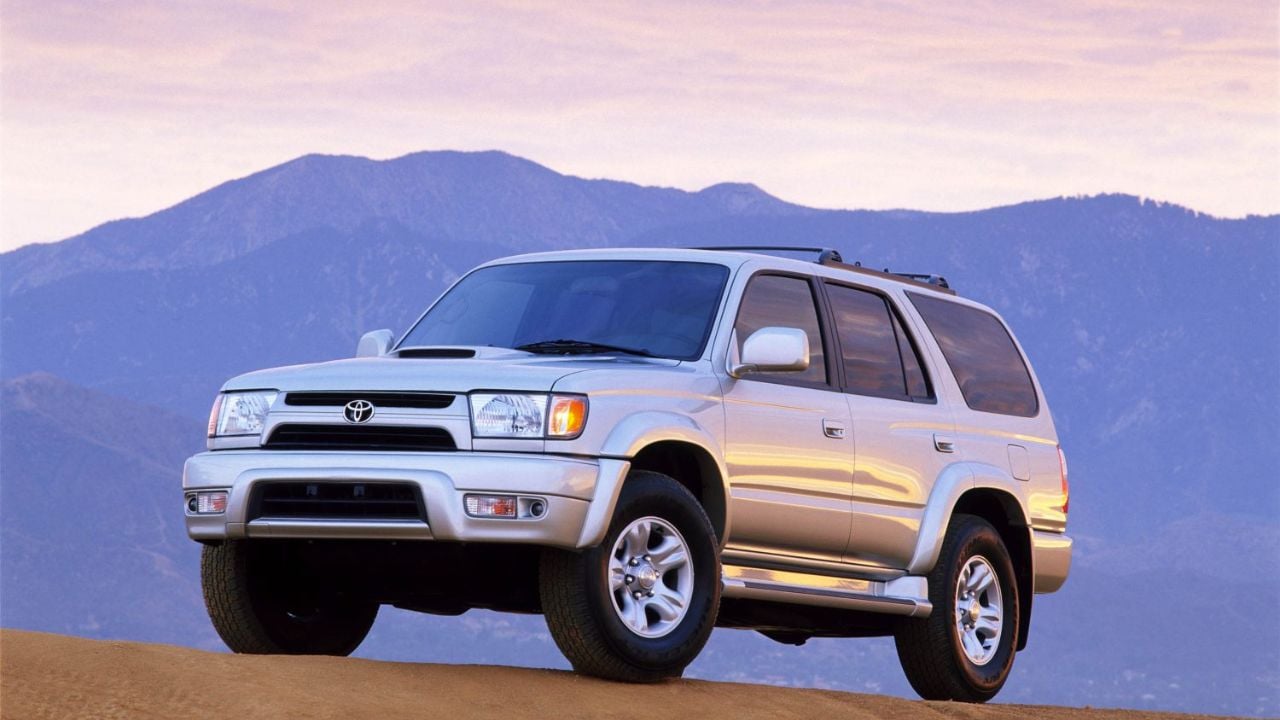
The 1996 to 2002 Toyota 4Runner became one of the defining used SUVs of its era, and the 1990s examples are now firmly in enthusiast territory. The third generation introduced stronger engines than the previous model, including the 3.4-liter 5VZ-FE V6 rated at 183 hp and 217 lb-ft of torque.
Four-wheel-drive versions used a proper transfer case, and MotorTrend notes that an electronic locking rear differential was offered from 1996 through 2000 before Toyota replaced that option with A-TRAC for 2001. That rear-locker detail is a major reason certain third-gen 4Runners draw stronger attention from buyers.
The third-gen 4Runner combines Toyota truck durability with a size and cabin layout that still work for daily driving. It is smaller than a Land Cruiser, more refined than an XJ, and still tough enough for real trail use when maintained properly.
Clean SR5 and Limited models with the V6, four-wheel drive, and rear locker are the ones buyers watch closely. Rust on the frame, lower body corrosion, old timing-belt history, worn ball joints, and neglected suspension parts can change the ownership story quickly. A good one still feels like an honest Toyota truck with room for daily life.
Ford Bronco Fifth Generation
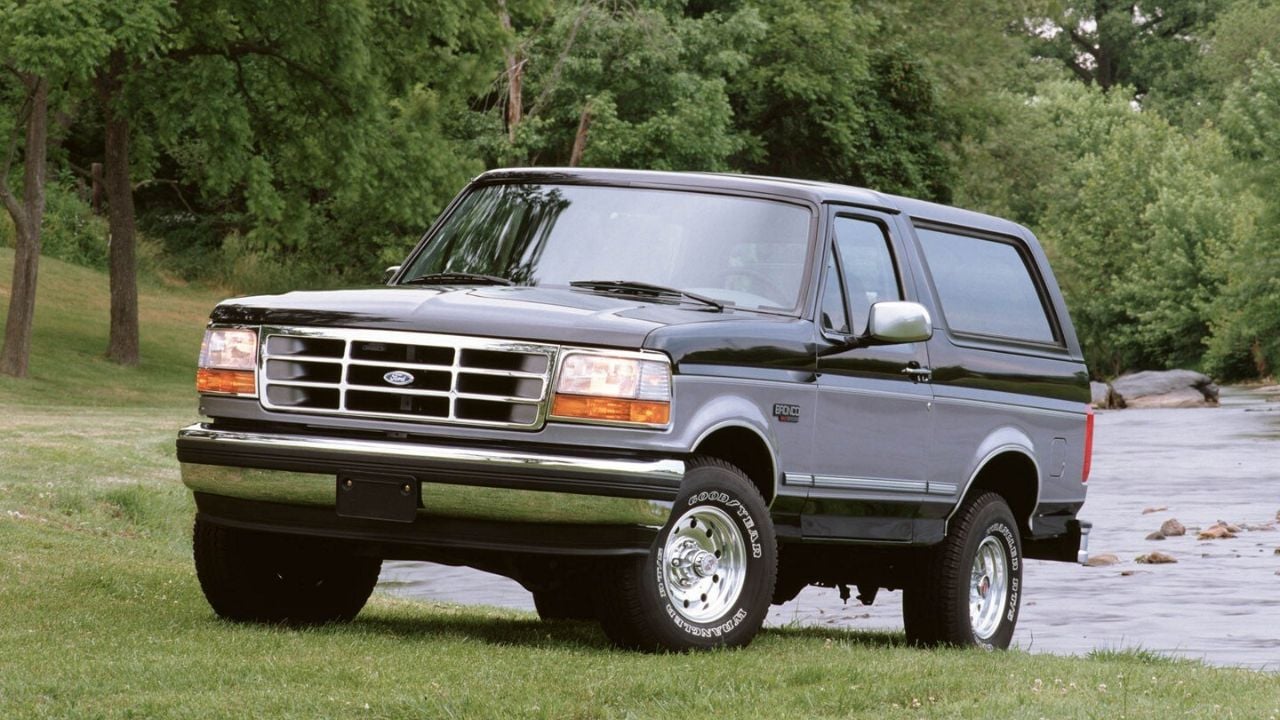
The 1992 to 1996 Ford Bronco has moved from used truck to modern collectible, especially as interest in old full-size SUVs keeps rising. The fifth-generation Bronco is often grouped with Ford’s “OBS” truck era by enthusiasts, with cleaner front-end styling and updated aerodynamics.
For 1996, references list the 5.0-liter V8 at 199 hp and 270 lb-ft of torque, while the 5.8-liter V8 was rated at 205 hp and 328 lb-ft. Neither engine looks wild by modern standards, but both fit the Bronco’s personality: simple V8 torque in a short-wheelbase truck-based SUV.
The Bronco’s appeal comes from size, simplicity, and personality. It gives buyers a removable rear roof section, truck-based construction, V8 character, and a cabin that still feels usable.
Eddie Bauer trims are especially desirable when the paint, upholstery, trim, and graphics remain intact. Rust around the tailgate, rear quarters, floors, wheel arches, and body mounts needs careful attention. Clean, original Broncos are being saved because they deliver a type of American SUV character that has become expensive to recreate.
Mitsubishi Montero SR
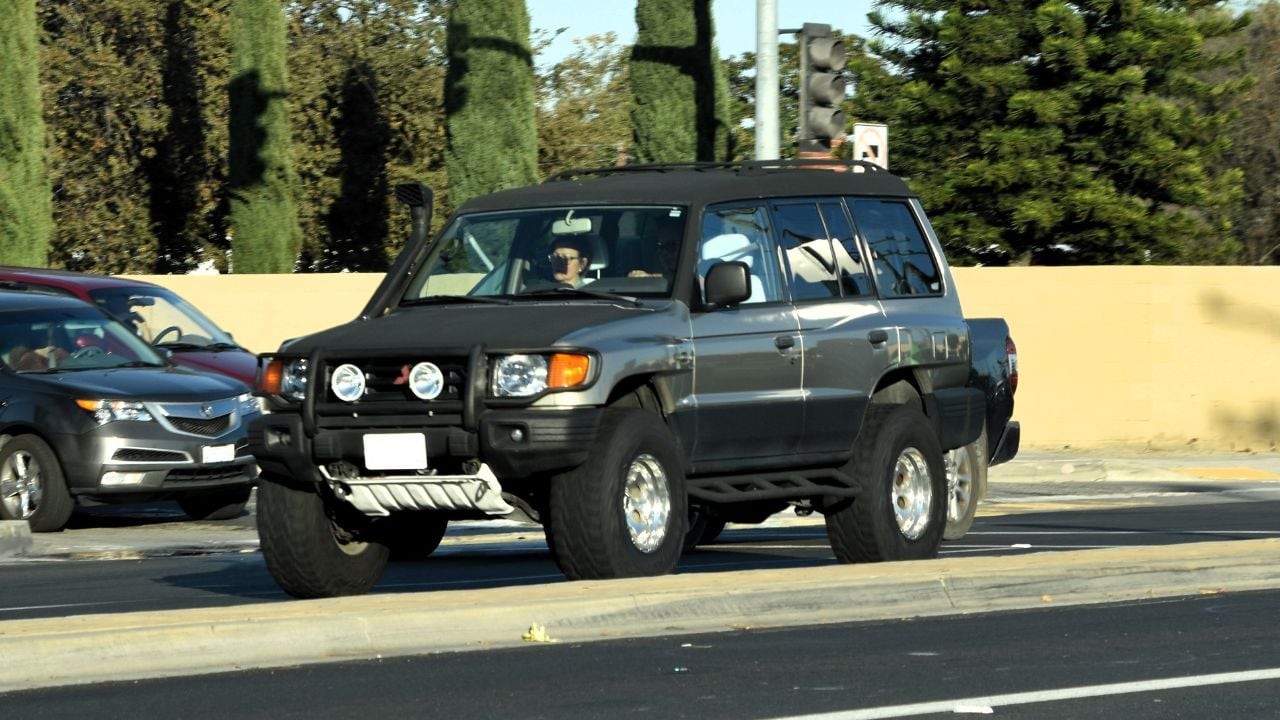
The Mitsubishi Montero SR is the hardware nerd’s choice in this group. Many American buyers overlooked it when new, but off-road enthusiasts now understand how much 4×4 thinking Mitsubishi packed into the second-generation Montero.
Edmunds lists the 1994 Montero SR with a 3.5-liter V6 making 215 hp and 228 lb-ft of torque, four-wheel drive, and up to 73 cubic feet of cargo capacity. Montero SR examples from this era are especially desirable when the Super Select four-wheel-drive system works properly and the factory rear differential locker is intact.
The Montero SR has a different feel from the Toyota and Jeep choices. It is tall, narrow, rugged, and tied to Mitsubishi’s international Pajero reputation, including real rally and overland credibility.
Clean SR models are getting harder to locate because many were used hard or ignored by the mainstream market for years. Buyers should check timing-belt history, cooling-system condition, rust, transfer-case operation, and whether the rear locker still functions. A well-preserved SR feels genuinely special today because it offers serious factory hardware without following the obvious Toyota or Jeep path.
Isuzu Trooper
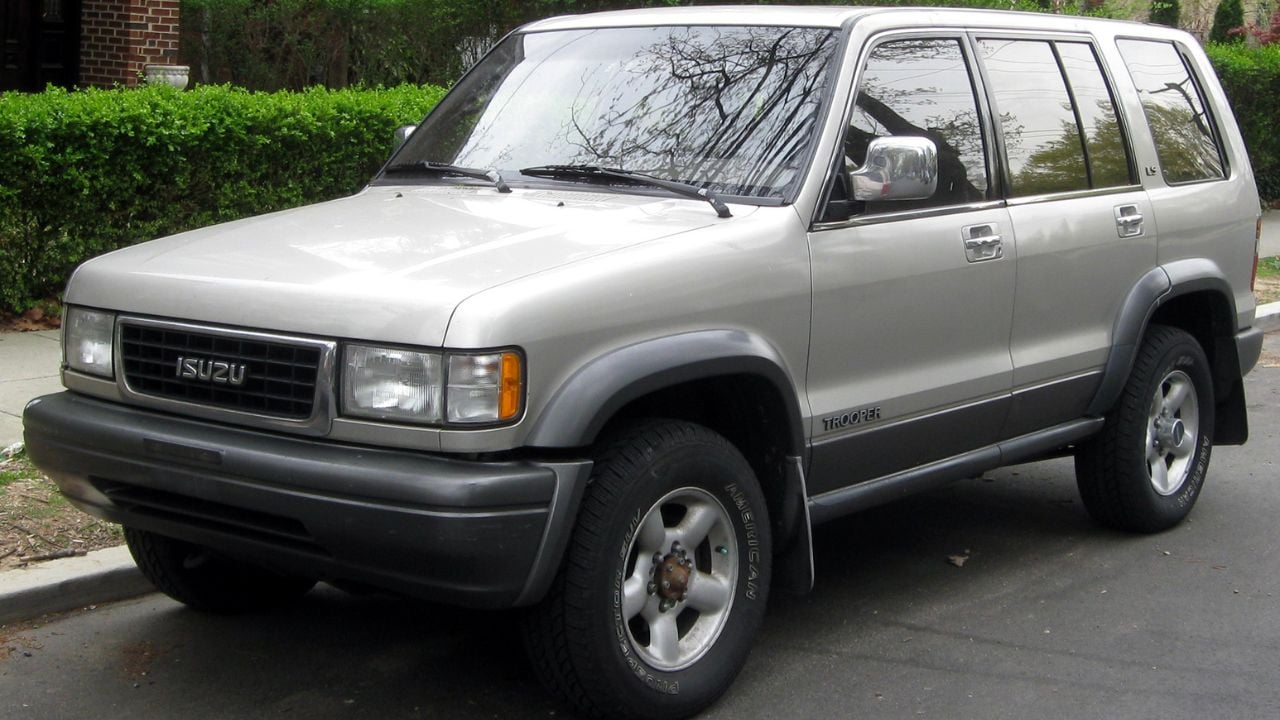
The second-generation Isuzu Trooper deserves a stronger reputation than it usually gets. It arrived for the 1992 model year as a larger, more refined SUV with the same squared-off utility character that made earlier Troopers memorable.
Edmunds lists a 1995 Trooper LS 4WD with a 3.2-liter V6 producing 175 hp and 188 lb-ft of torque, a five-speed manual transmission, and up to 5,000 pounds of towing capacity. Higher trims from the same period could be rated differently, but the broader point is the same: the second-generation Trooper was a roomy, truck-like SUV with real utility.
The Trooper’s shape is its first advantage. It has tall glass, a squared-off cargo area, real room, and an honest utility personality that feels very different from softer family SUVs of the late 1990s.
It also has a loyal following among buyers who remember Isuzu’s truck background and the model’s global reputation. Parts availability can require patience, so completeness matters when shopping. Rust, old suspension components, oil consumption on later engines, and neglected four-wheel-drive systems need careful checks. A clean early second-generation Trooper gives enthusiasts a capable, unusual 1990s SUV without copying the Toyota or Jeep crowd.
Why Clean ’90s SUVs Keep Disappearing
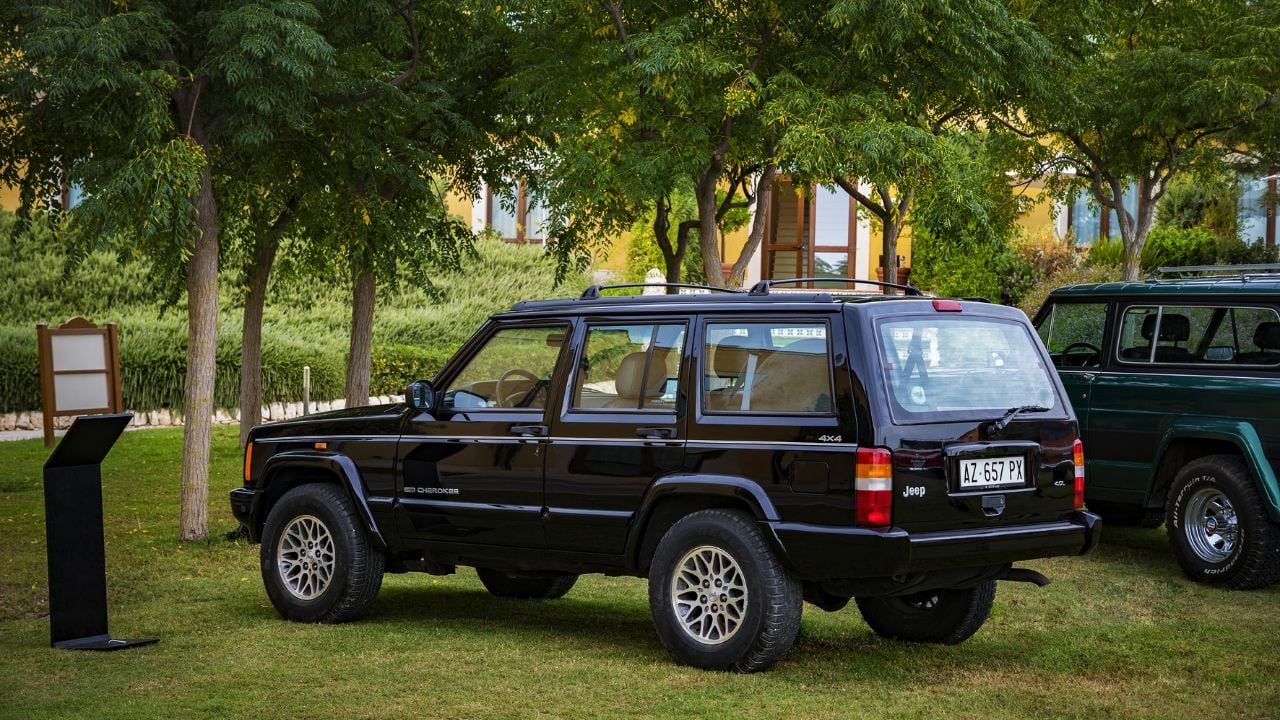
The best 1990s SUVs have crossed into a difficult phase of the market. They are old enough to feel collectible, useful enough to keep driving, and rugged enough that many were modified or worn out before anyone thought to preserve them.
Condition matters more than reputation. A famous badge cannot fix rusted frames, hacked wiring, worn suspension mounts, missing trim, overheated engines, or years of careless modifications.
That is why clean survivors bring such strong attention. The best ones still feel honest. They can haul gear, handle trails, park at a campsite, survive rough weather, and make a weekend drive feel like an event.
In a market full of smooth crossovers, that kind of character is becoming rare. These SUVs are not disappearing because they were weak. They are disappearing because they were useful enough to be used hard for decades.