First, a quick reality check: “unwelcoming” usually describes a moment, not an entire population. Still, patterns appear when enough people report the same friction points, such as brusque service, crowd stress, or social circles that feel closed. For this slideshow, I used two large sources that track how “welcome” can feel on the ground. Think of them as temperature checks, not character verdicts.
One source is a Rough Guides reader poll (updated May 1, 2025) that includes a “least welcoming cities” list based on traveler votes. The other is InterNations’ Expat Insider 2024 “Ease of Settling In” city index, built from expat responses about local friendliness, culture and welcome, and how easy it is to build a social life across 53 cities.
1. Paris, France
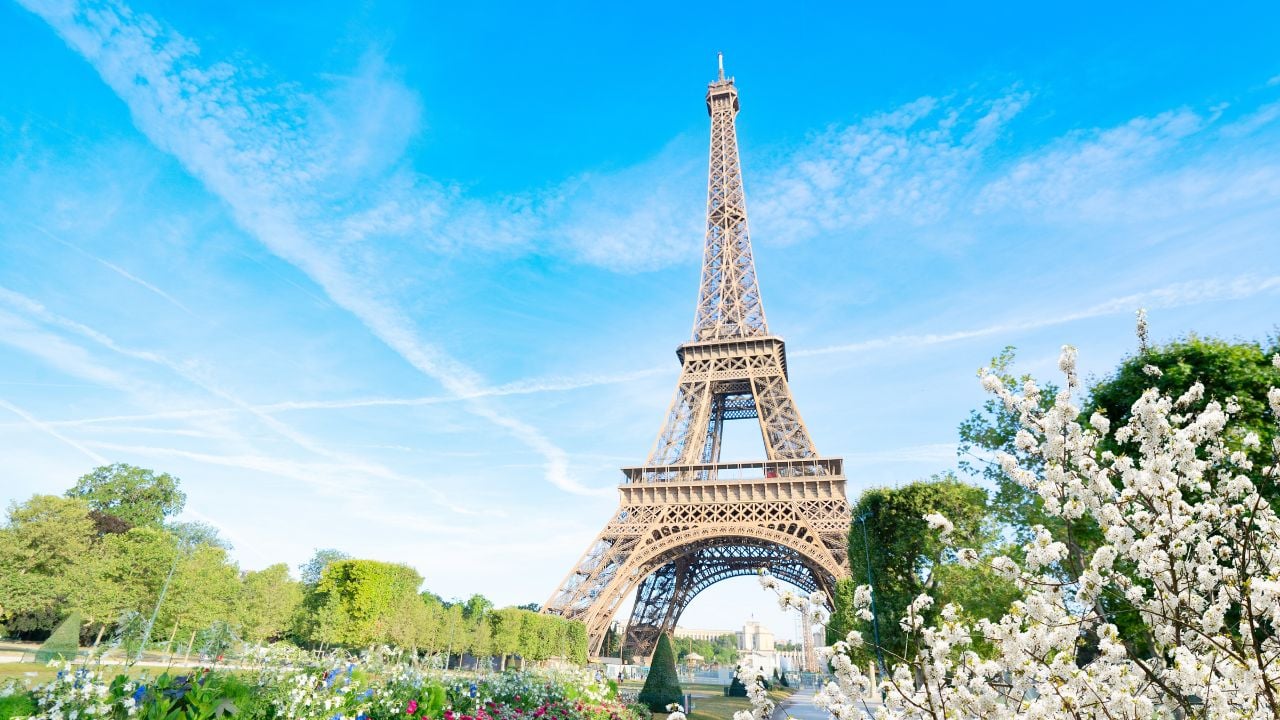
Rough Guides readers placed Paris at the top of their “least welcoming cities” list, which lines up with a stereotype many travelers already carry. What gets labeled as “rude” can also be a mix of rushed service culture, language expectations, and tourist fatigue in crowded zones. Paris is intensely visited, and that pressure can make everyday interactions feel clipped rather than cozy. None of this erases kindness; it just explains why first impressions can land cold.
The easiest fix is to start every interaction with a greeting and a quick “bonjour,” then keep your request short and calm. A little French goes farther than perfect pronunciation, because it signals effort, not fluency. Skip the most obvious tourist blocks at peak hours and you will often meet a softer, more patient version of the city. Paris tends to feel warmer when you treat it like a place where people live, not a stage set.
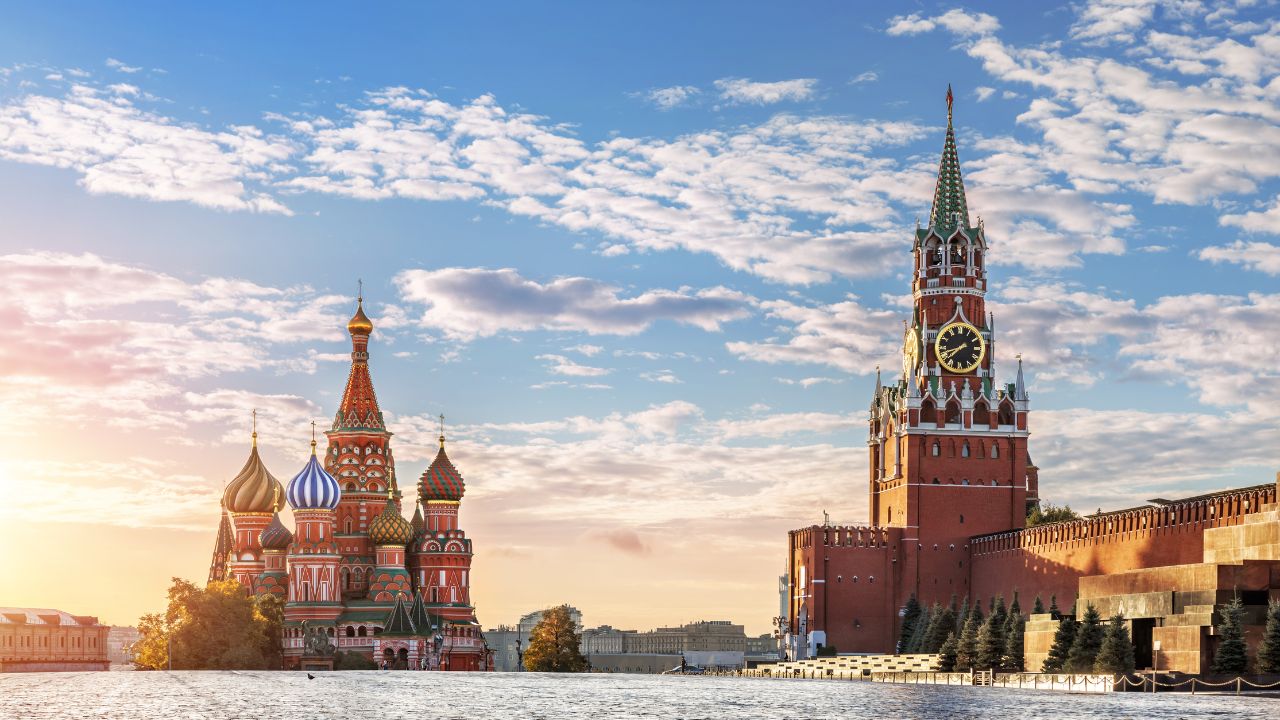
2. Moscow, Russia
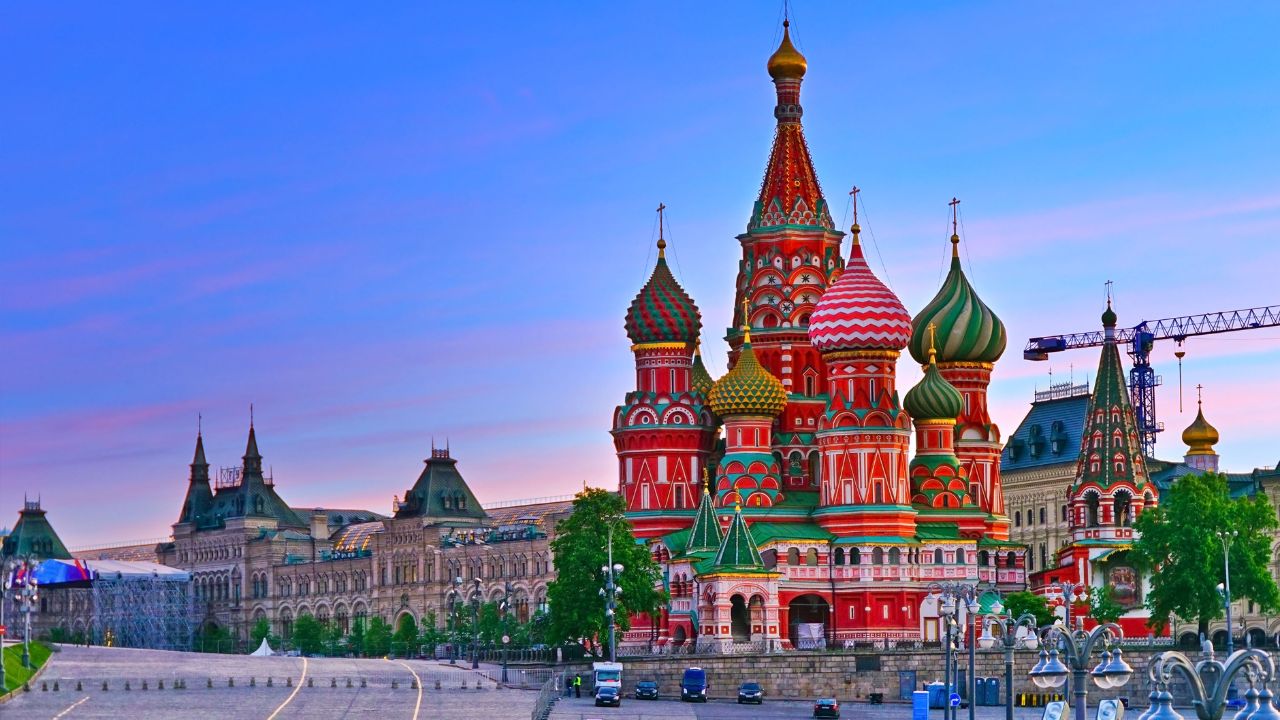
In the same Rough Guides poll, Moscow ranked 2nd among the least welcoming cities. For many visitors, the “unfriendly” feeling comes from reserve, fewer casual smiles, and less small talk with strangers. Add language barriers and formal service norms, and simple errands can feel oddly tense. A quiet face does not automatically mean a hostile one, but it can read that way if you expect constant friendliness.
Traveling smoothly here is about preparation, not charm. Download offline maps, keep key phrases handy, and plan routes so you are not asking frantic questions at the worst moment. When you need help, lead with a polite greeting and a clear point, then pause and let the person answer. In a more reserved social style, calm confidence usually earns more cooperation than extra friendliness.
3. Madrid, Spain
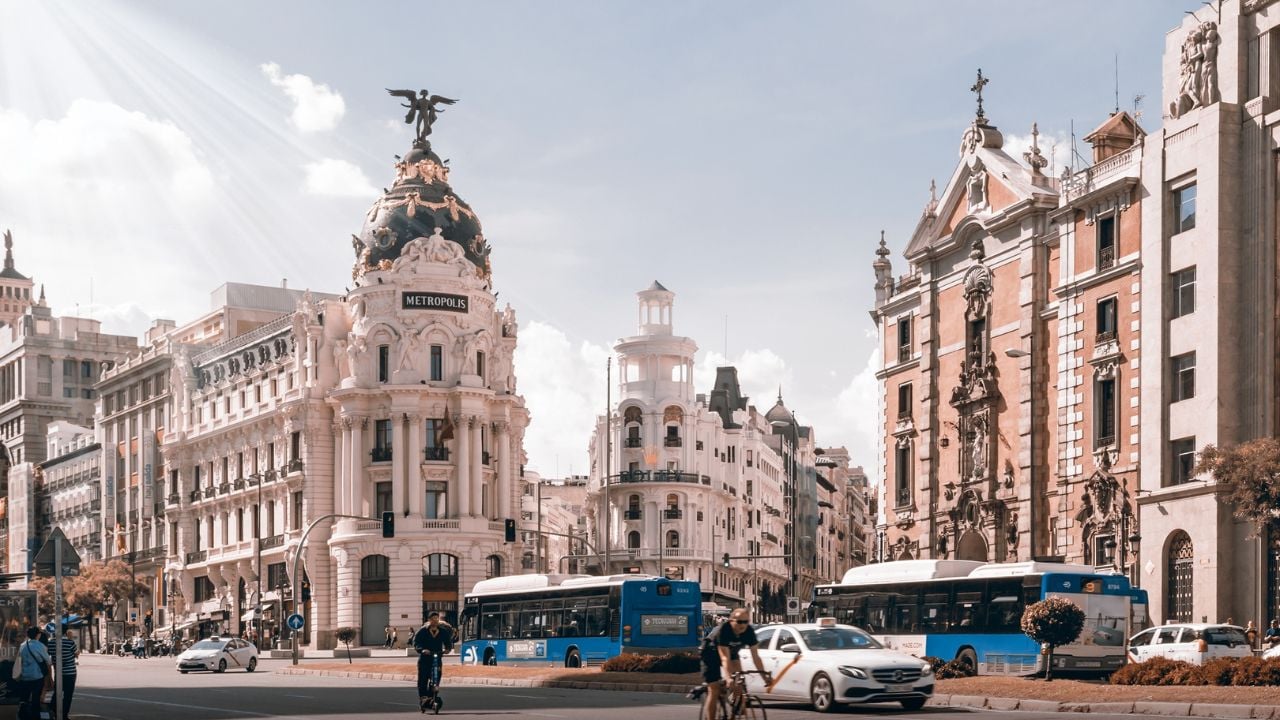
Rough Guides readers put Madrid in 3rd place on their least welcoming list. That surprises people because Spain is often associated with warmth, but big-city pace can change the mood fast. In busy districts, service can feel direct, especially when staff are managing long lines and packed terraces. Visitors sometimes mistake efficiency for irritation, particularly when they are tired or jet-lagged.
Madrid often feels friendlier when you match its rhythm instead of fighting it. Eat later, slow down, and spend time in neighborhood bars where regulars set a calmer tone. A simple “hola” and “por favor” helps, even if the rest of your Spanish is mostly vibes. When you stop chasing the tightest schedule, the city usually stops feeling like it is pushing you away.
4. Marrakesh, Morocco

Marrakesh landed 4th on Rough Guides’ least welcoming list, and the issue is often intensity rather than dislike. The medina can be a sensory overload: sellers calling out, negotiations everywhere, and constant micro-decisions about who to engage. For some travelers, that pressure reads as hostility, especially if they are not used to bargaining culture. It can feel personal even when it is simply the local hustle.
A smart Marrakesh strategy is boundaries with a smile. Learn a couple of polite phrases, keep walking if you are not interested, and avoid getting pulled into “free” guidance you did not ask for. Booking a reputable guide for the first half-day can turn chaos into context, and then you can explore with more confidence later. Riad life matters too, because a quiet courtyard can reset you after the street noise.
5. Barcelona, Spain
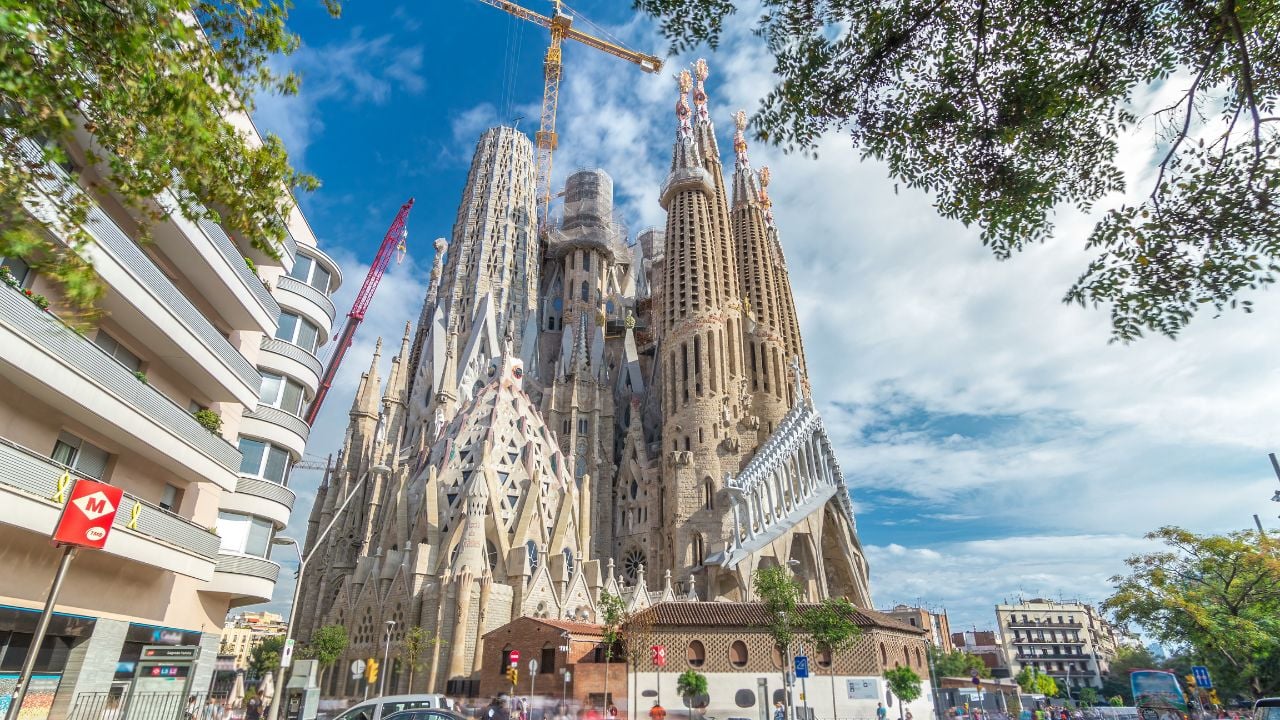
Rough Guides readers ranked Barcelona 5th among the least welcoming cities. Overtourism pressure is real in parts of the city, and locals have been vocal about crowd impacts, housing strain, and public-space behavior. That tension can leak into everyday interactions, especially in the most saturated areas. Visitors sometimes interpret that fatigue as personal rejection when it is often frustration with volume.
Barcelona tends to feel warmer when you travel lighter and behave like a good neighbor. Stay outside the pure tourist corridors, keep noise down at night, and respect shared-space rules on transit and sidewalks. Booking timed attractions and eating at off-peak hours reduces stress for you and for everyone serving you. The city has plenty of friendliness, but it shows up faster when you are not adding to the pressure.
6. Munich, Germany

In InterNations’ Expat Insider 2024 “Ease of Settling In” index, Munich ranks 53rd out of 53 cities overall, with respondents reporting difficulty feeling welcome and challenges connecting socially. That does not mean Munich is hostile, but it suggests newcomers often experience it as hard to break into. A polished city with strong routines can feel closed off when friend groups are already formed. Visitors can catch a lighter version of the same dynamic when interactions stay formal and minimal.
Munich usually opens up through repetition and shared activities. Beer gardens, club culture, and hobby groups can be the bridge, because talking has a purpose and the pressure drops. Even a handful of German phrases can soften first contact, especially when paired with patient, low-volume communication. If the vibe seems reserved, treat it as “slow to warm,” not “cold forever.”
7. Vancouver, Canada

InterNations also places Vancouver in the bottom tier of the settling-in index: it ranks 44th overall and comes last for “finding friends” and “personal support network”. For outsiders, that can translate into social distance even when people are polite. Outdoor routines and established circles can make spontaneity harder, so visitors may read the city as friendly but not immediately open. Add high living costs and general busyness, and social energy can feel limited.
Vancouver often rewards proactive effort. Lean into group activities like hikes, waterfront walks, and community classes, where conversation starts naturally. Pick neighborhoods where you can walk to cafés and parks, because repeated small encounters are how familiarity builds. The city’s warmth is there, but it tends to show up through shared routines rather than instant hospitality theater.