
Hotel problems abroad usually start with small details travelers skipped before booking. The final price may include charges that were not obvious at first glance, the elevator may be tiny or missing, reception may close before a late flight lands, or the walk from the station may involve stairs, cobblestones, bridges, or a long uphill pull with luggage.
A good hotel choice is not only about the prettiest room or the lowest first price. It should match the way the trip actually works: arrival time, transit, walking route, meals, luggage, sleep, local fees, and check-in rules.
Hotels, guesthouses, apartments, inns, and small family-run properties abroad may handle check-in, breakfast, ID registration, adapters, heating, cooling, and taxes differently from what travelers expect at home. Most surprises are easy to avoid if the details are checked before arrival.
These seven hotel checks can save travelers from the most common first-night problems before they unpack, pay the bill, or realize the front desk closed an hour ago.
1. Compare the Total Cost, Not Only the Room Rate

A hotel that looks cheaper at first can become less attractive once taxes, local charges, breakfast, parking, cleaning fees, resort fees, and transfers are added. Compare the final stay cost, not only the first number shown in search results.
In the United States, the FTC’s rule on unfair or deceptive fees took effect on May 12, 2025, and targets bait-and-switch pricing in short-term lodging and live-event ticketing. Travelers booking abroad still need to read the final booking breakdown carefully, especially when the platform separates taxes, local charges, or property fees from the first displayed rate.
Amsterdam, for example, lists a tourist tax of 12.5% of the overnight price, excluding VAT. Venice says its overnight tourist tax is due only for the first five nights of a stay.
Before booking, compare the full stay price, check whether breakfast is included, and look for any city tax, resort fee, cleaning fee, parking charge, or required local payment before treating a room as the best deal.
2. Pick a Location Based on Your Real Daily Route

A pretty hotel in the wrong neighborhood can cost more in time than it saves in money. Before booking, map the first full day, the main dinner area, the nearest transit stop, and the departure route. If the hotel sits far from all of them, the lower room rate may turn into more taxis, longer walks, and tired evenings.
The better location reduces unnecessary rides, late-night walks, and luggage trouble. A room slightly outside the most famous zone can be a smart choice if it has reliable transit, good food nearby, and a straightforward route back after dinner.
This is especially important in older European cities, hill towns, islands, and historic centers. A hotel may look close “as the crow flies,” while the real walk involves stairs, bridges, cobblestones, steep lanes, or streets where taxis cannot stop at the front door.
Check the actual walking route from the train station, ferry port, parking area, or airport-transfer stop. A five-minute walk with a backpack can feel very different from a five-minute walk with two suitcases on uneven stone.
3. Expect Passport or ID Details at Check-In

Many travelers are surprised when hotels abroad ask for passport or ID information at check-in. In some countries, accommodation providers must register guests or collect official identification details.
Germany’s federal service portal, for example, says foreigners must sign a special registration form for accommodation such as a hotel or guesthouse on the day of arrival. Other countries and regions may have their own rules for guest registration.
Showing a passport at reception is normal in many places. Leaving the physical passport behind for longer than necessary should not be treated casually. If a property needs to copy or record the document, ask when it will be returned.
A secure photo or scan can help if the original is lost, stolen, or temporarily unavailable, but it does not replace the passport. Store the copy somewhere protected and separate from the original document.
4. Confirm Late Check-In Before a Night Arrival

Not every hotel abroad has a staffed front desk all night. Small inns, guesthouses, rural stays, boutique hotels, and apartment-style rentals may use arrival windows, key boxes, door codes, or advance messaging instead.
A delayed flight, late train, or slow baggage claim can become a real problem when the property relies on a key box, door code, or limited reception hours.
Before traveling, check the check-in hours and message the property if arrival could be late. Save the address, entry code, phone number, and instructions somewhere that works without mobile data.
For apartment-style stays, confirm exactly where the key pickup happens. The lockbox, office, or reception desk may not be at the same address as the room. The first night abroad should not depend on finding an email while standing outside in the rain.
5. Read the Room Details for Comfort, Not Just Style
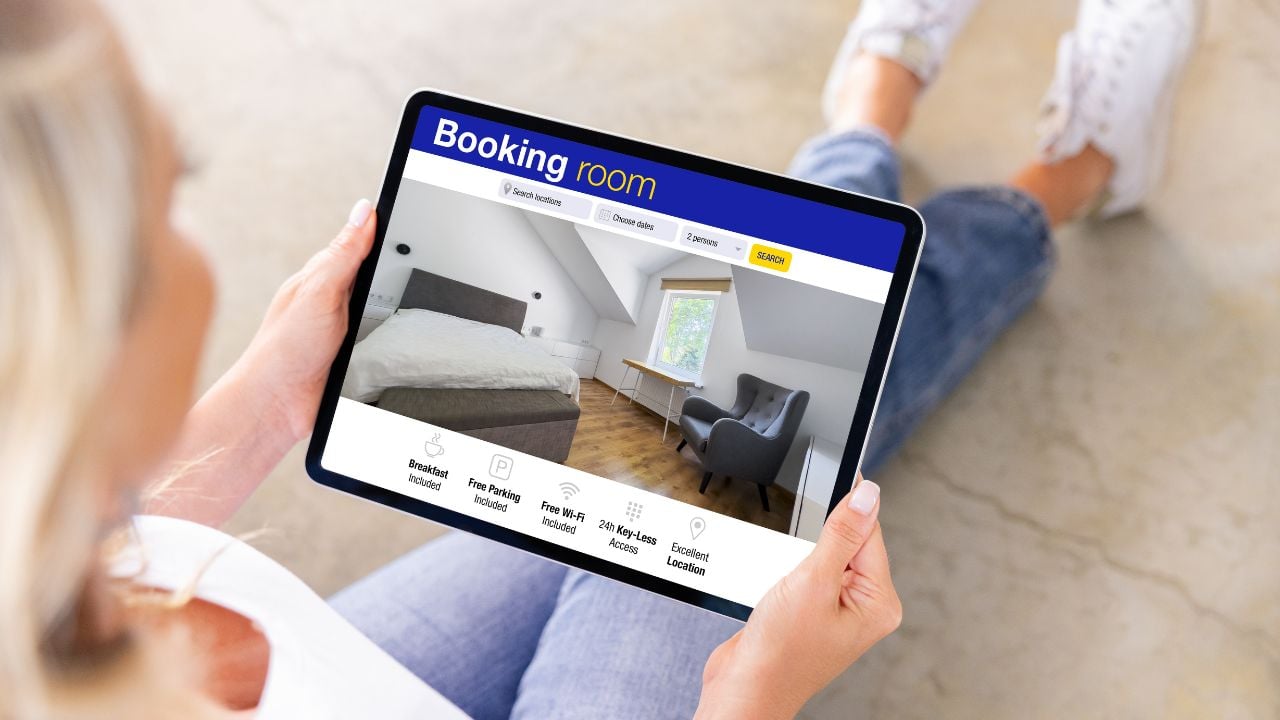
Beautiful photos can hide practical problems. Older hotels may have no elevator, tiny lifts, narrow stairs, compact bathrooms, weak air-conditioning, or rooms facing a noisy street. A “standard double” can also be much smaller than travelers expect, especially in historic city centers.
Reading the room description matters as much as admiring the lobby. Look specifically for elevator access, air-conditioning, bed size, private bathroom details, luggage storage, heating, and noise notes.
A courtyard room may be quieter. A top-floor room may involve stairs. A street-facing room may be lively until midnight. A cheaper room may have a shared bathroom, a smaller bed, or no window view worth mentioning.
In summer, do not assume every hotel has strong cooling. In winter, check heating if staying in older buildings, rural properties, or places where weather can shift quickly. Comfort problems are easier to avoid before the room is booked than after the suitcase is open.
6. Pack the Right Adapter and Check Voltage Before Using Appliances
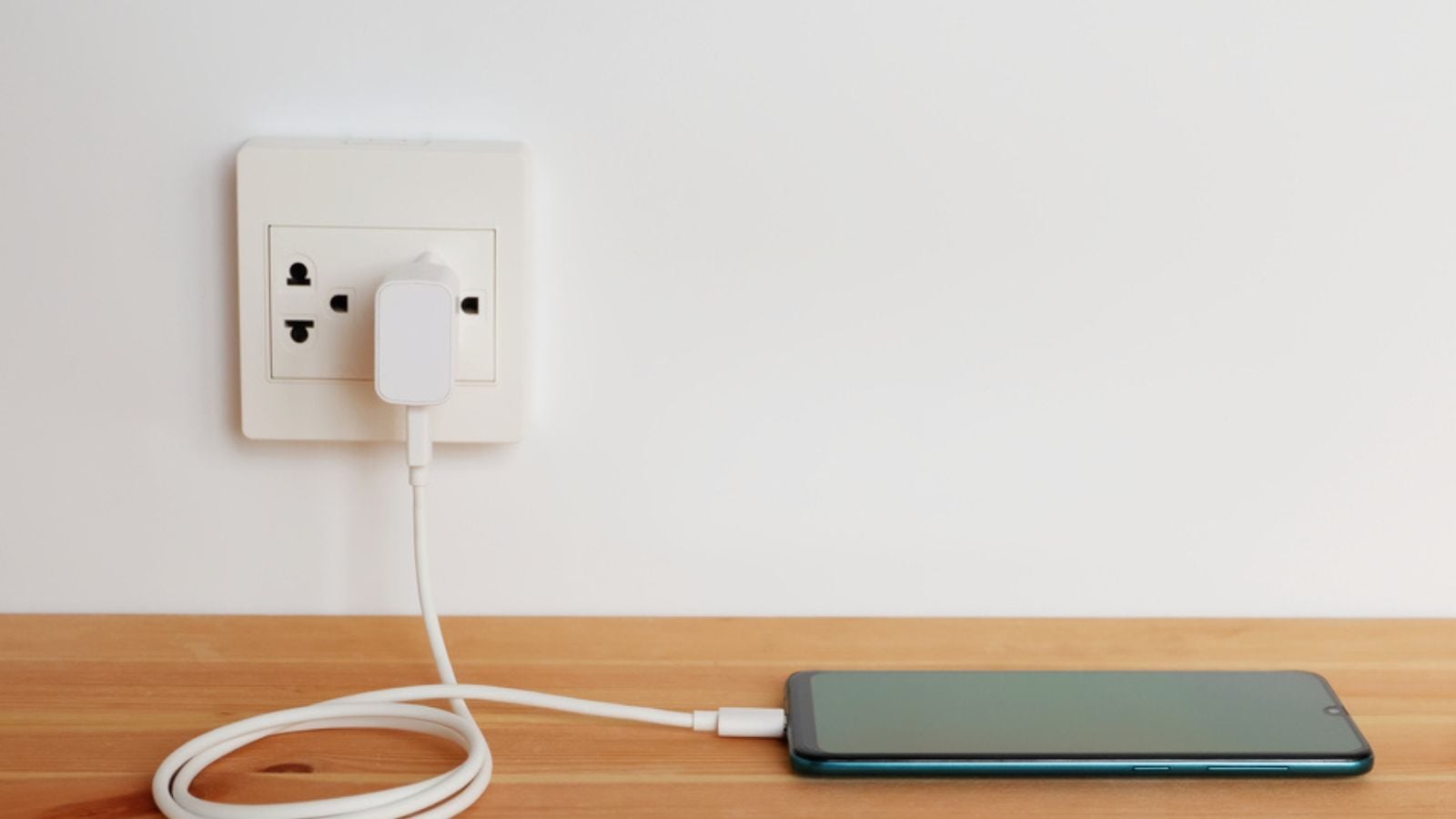
Hotels abroad may not have the plug setup travelers expect. Electrical Safety First says the United Kingdom uses plug type G and operates on a 230V supply voltage at 50Hz. It also notes that a travel adaptor does not convert voltage or frequency.
The right plug shape only lets the device fit the outlet. It does not make an appliance safe for the local voltage.
Phones, laptops, and many chargers are often dual voltage, but travelers should check the label before plugging anything in. Hair dryers, curling irons, steamers, shavers, and other heat-producing devices can be riskier if they are not designed for the destination’s voltage.
Many hotels provide hair dryers, so bringing a powerful one from home may not be worth the trouble. Keep a suitable adapter in the carry-on, not buried in checked luggage, especially if the phone needs charging before reaching the room.
7. Confirm the Basics Before You Unpack
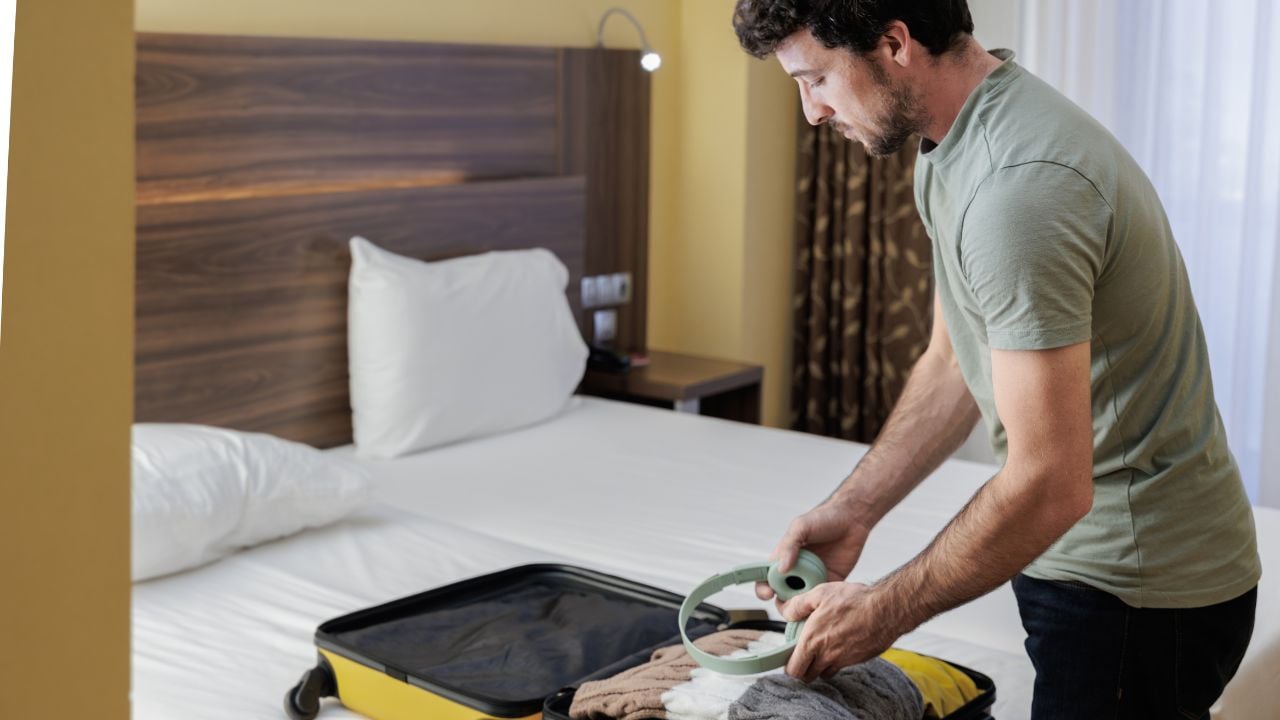
Hotel routines abroad can differ from what travelers expect at home. Breakfast may end earlier than expected, housekeeping may work on a different schedule, and air-conditioning or heating may be centrally controlled in some properties.
Ask the practical questions at check-in. What time does breakfast end? What is checkout time? Can luggage be stored after checkout? Is the tap water safe to drink? Are there quiet hours? Does reception close overnight?
Check minibar prices before touching anything that looks complimentary. If the room uses a key-card slot for electricity, lights and charging may stop when the card is removed.
Ask at check-in, not at 6 a.m. when breakfast is over or at 11 p.m. when reception has closed. The room is easier to use when the rules are clear before they become a problem.