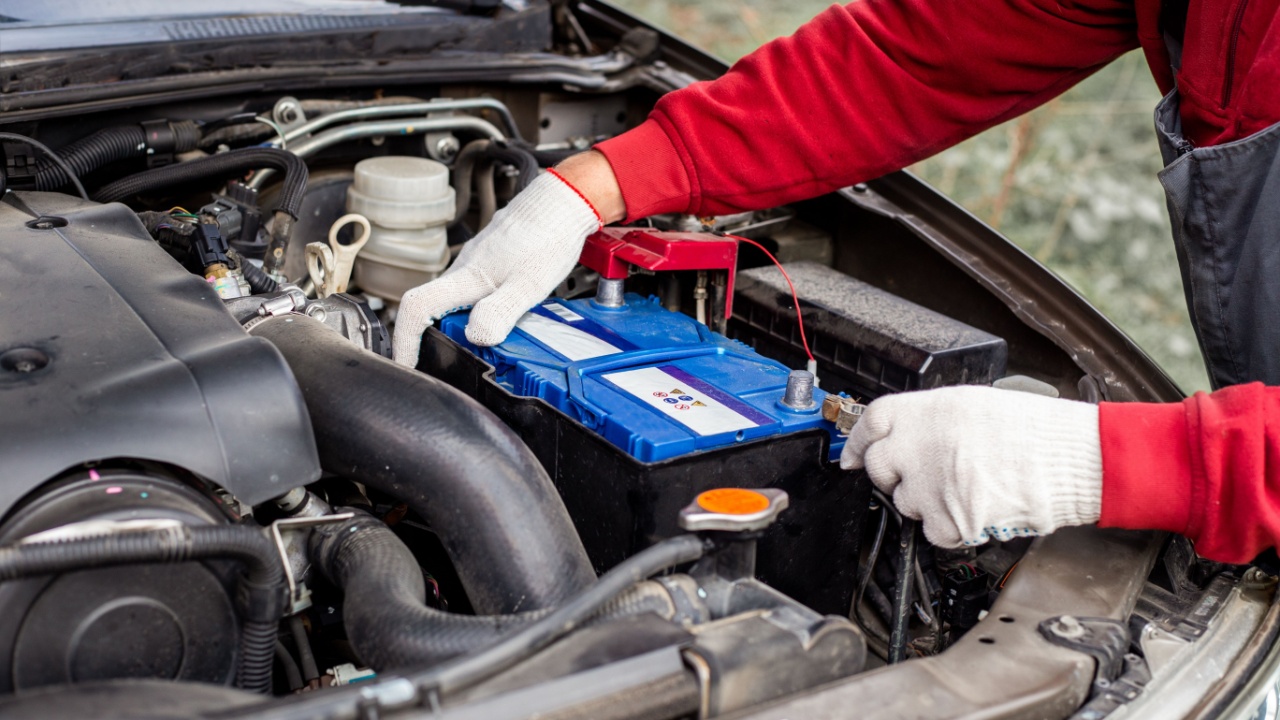
There is a small symbol on every car battery, a tiny trash can with a line through it. It is not decorative. It is not a suggestion. It is a universal warning that has apparently gone unnoticed by a remarkable number of people, because across the country, batteries keep ending up exactly where they should not: inside garbage trucks.
Three separate incidents in the span of a single week put the issue back in the spotlight, and the results ranged from a badly damaged truck to fires so aggressive they forced a driver to dump an entire load of trash on the road just to stop the flames from spreading. That is the kind of week that makes waste management workers very tired and very anxious.
Whether it is a traditional lead-acid battery from a gas-powered car or a lithium-ion pack from a newer vehicle, both types contain chemicals that do not react well to being squeezed, cracked, or crushed. And unfortunately for everyone involved, “squeezed, cracked, and crushed” is more or less the job description of a garbage truck’s hydraulic compactor.
The pattern is frustrating because the fixes are not complicated. Proper battery drop-off points exist at auto parts stores, recycling centers, and household hazardous waste facilities all over the country. But awareness remains low, and in the meantime, garbage trucks keep paying the price.
Three Incidents, One Very Bad Week
The week’s string of battery-related chaos started in Rio Bravo, Texas, where a city garbage truck sustained what officials described as significant damage after workers emptied a trash container loaded with car batteries into the vehicle. The damage was serious enough that the city had to bring in a specialized mechanic and warn residents about potential disruptions to their regular trash pickup schedule.
That same week in Roseville, California, officials released video footage of lithium-ion batteries igniting inside the back of a garbage truck. The Northern California city, located near Sacramento, used the footage as part of a public awareness push urging residents to keep batteries out of curbside bins. Sacramento Fire officials backed up the warning with some sobering detail: once a lithium-ion battery ruptures inside a compactor, the chain reaction moves fast and violently, expanding the fire in a way that gives crews very little time to react. Toxic gases can also be released in the process, adding another layer of danger for firefighters and bystanders.
On the same day Roseville went public with its PSA, the fire department in Troy, Michigan, reported its own garbage truck fire traced to lithium-ion batteries. The driver made the smart call to dump the truck’s contents onto the road to keep the flames from consuming the vehicle itself. Firefighters later confirmed a lithium-ion battery among the debris as the likely culprit.
Why Batteries Are So Dangerous in a Compactor
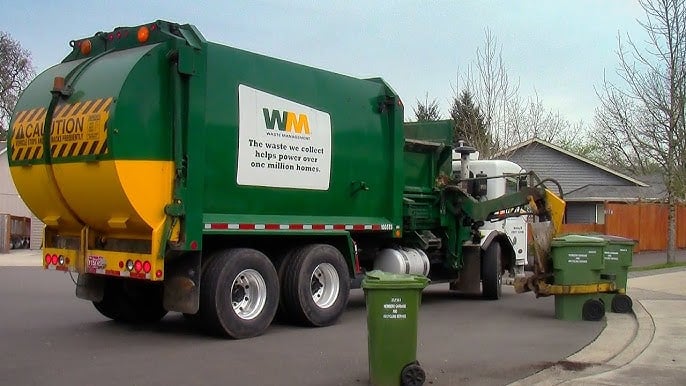
Most people understand on some level that batteries should not go in the trash, but fewer probably understand the specific mechanics of why. The compactor inside a garbage truck generates enormous hydraulic pressure, enough to crush almost anything tossed inside. When that force is applied to a battery, it can crack the casing and expose the internal chemicals to air or to each other.
For lead-acid batteries, this means sulfuric acid can leak out, which is toxic and corrosive on its own. For lithium-ion batteries, the risk escalates dramatically. Damaged lithium-ion cells can experience what is called thermal runaway, a cascading chemical reaction that generates intense heat and can trigger a fire that is extremely difficult to extinguish. The Roseville and Troy incidents are textbook examples. These are not slow, smoldering fires. They are fast, hot, and potentially deadly in an enclosed space like the back of a compactor truck.
Battery fires in garbage trucks are not a new phenomenon either. New York City dealt with a notable wave of them back in 2024, drawing attention from local officials and fire departments who struggled to keep pace with the volume of improperly discarded batteries as EV adoption and lithium-powered devices increased.
What We Can Learn From These Incidents
The most obvious takeaway is that battery disposal education has a long way to go. The label on the battery exists for a reason, but a label alone is clearly not enough. Municipalities, auto parts retailers, and waste management companies all have a role to play in making proper disposal feel easy and accessible rather than like a chore someone will get around to eventually.
For everyday drivers, the lesson is simple: when you replace a car battery, the old one does not go in the bin. Most auto parts stores, including major national chains, will take old batteries off your hands at no charge and often give you a core charge credit toward a new one. Local household hazardous waste programs also accept them, and many municipalities host periodic drop-off events. A quick search for battery recycling near you will almost always turn up multiple options within a short drive.
If you are holding onto an old battery with no plan for it yet, storing it in a cool, dry place away from flammable materials and out of reach of children is the responsible interim step. Tossing it in the dumpster because it is convenient is not just bad for the environment. It is a fire hazard, a public safety risk, and increasingly, a very expensive problem for the cities and workers tasked with keeping our neighborhoods clean.