
New U.S. connected-vehicle rules targeting certain vehicle software, hardware, and manufacturers with links to China or Russia threatened to create a regulatory problem for Volvo in the United States.
Volvo Cars has now received a specific authorization from the U.S. Office of Information and Communications Technology and Services that allows the company to continue importing and selling connected cars in the country.
The approval matters because modern vehicles are no longer just mechanical products. Many rely on external connectivity, cameras, sensors, telematics, driver-assistance software, and systems that can collect or transmit data.
For Volvo, the decision removes an immediate uncertainty in one of its most important markets. It also gives the brand a clearer path forward despite the political pressure surrounding Chinese-linked vehicle technology.
A Rule Focused On Connected Vehicle Security
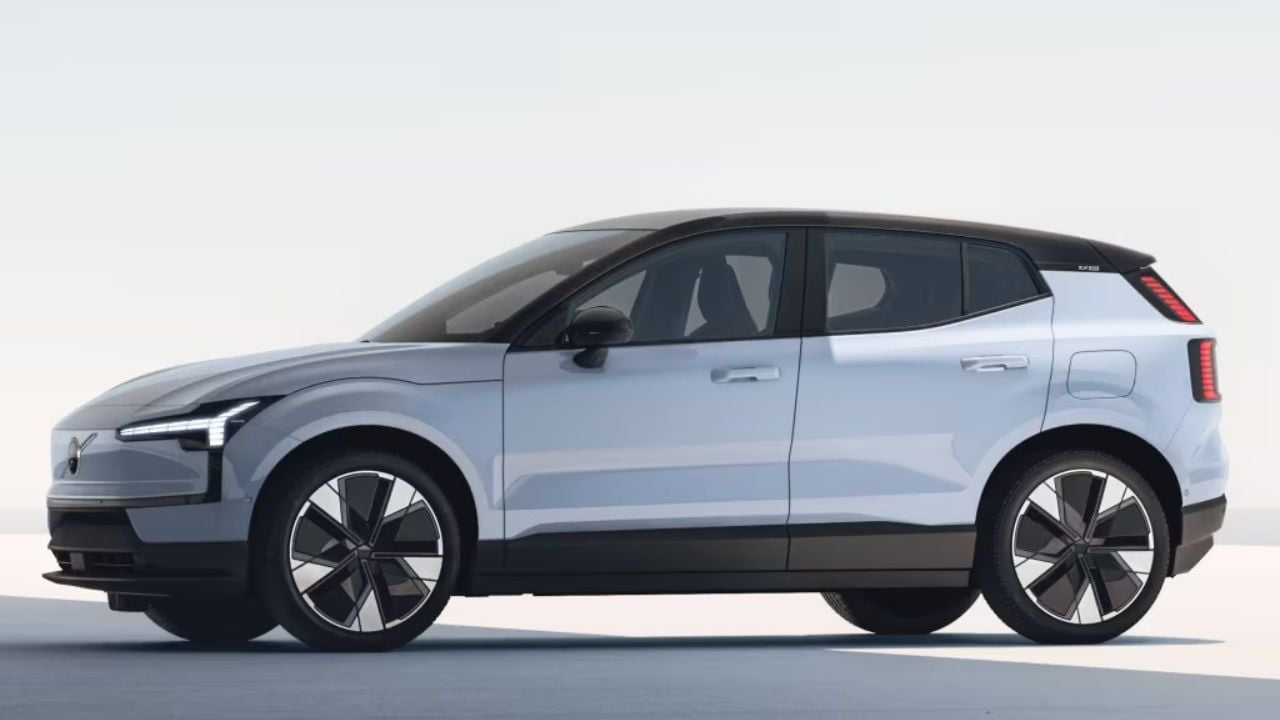
The authorization was issued under the U.S. regulatory framework called “Securing the Information and Communications Technology and Services Supply Chain: Connected Vehicles.”
The rule is aimed at reducing national-security risks tied to connected-vehicle technology, especially software and hardware linked to China or Russia. The concern is not just where a vehicle is assembled. It is whether the vehicle’s connected systems, data flows, software, automated-driving features, or supply chain could create a security risk.
The U.S. Department of Commerce has described connected vehicles as products that can collect sensitive data and communicate externally. The government’s concern is that malicious access could allow foreign adversaries to extract data or potentially manipulate vehicle systems remotely.
In practice, that captures much of the modern passenger-vehicle market. New cars increasingly depend on telematics, internet connectivity, cameras, sensors, driver-assistance software, and over-the-air communication.
Volvo Went Through A Case-By-Case Review
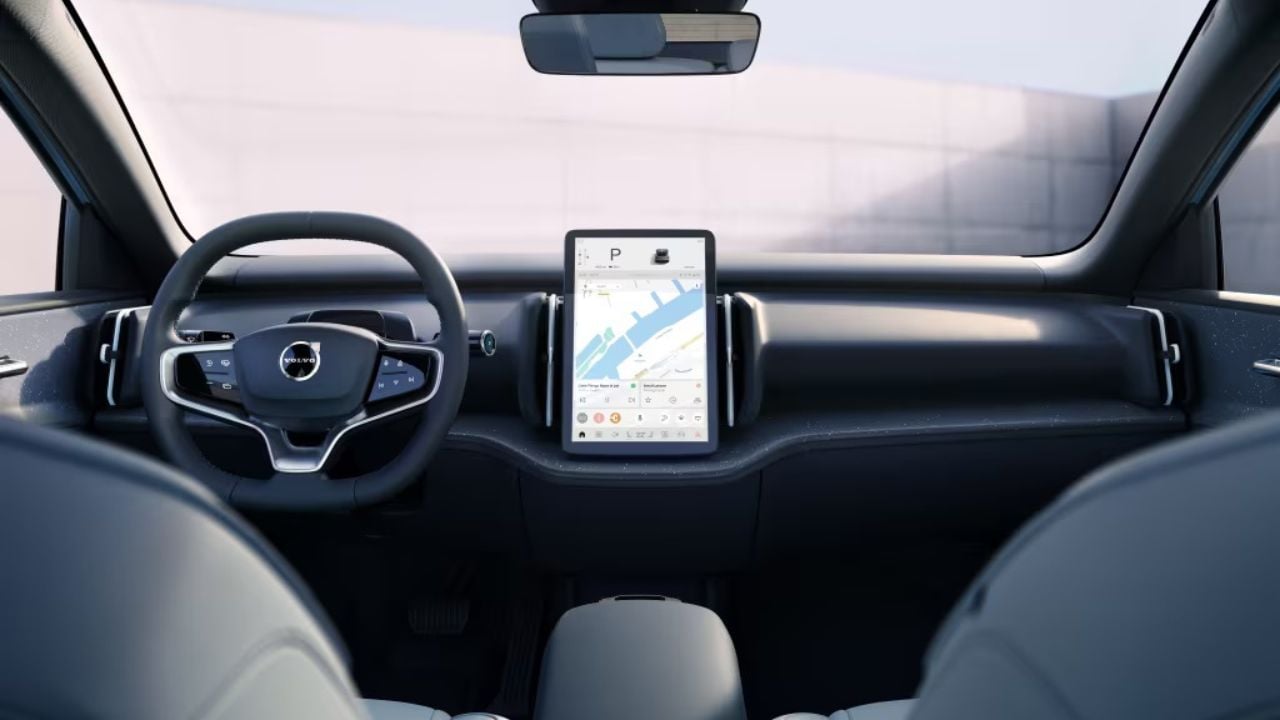
According to Volvo Cars, Volvo Car USA had to follow a process with the U.S. Department of Commerce before receiving specific authorization to continue importing and selling connected vehicles in America.
The discussions covered Volvo’s governance, technology, and data-security measures. That distinction matters because the issue was not simply whether Volvo sells vehicles in the United States. It was whether the company could satisfy U.S. regulators under the new connected-vehicle supply-chain security rule.
The issue is especially sensitive because Volvo Cars is majority-owned by China’s Geely Holding, even though Volvo remains headquartered in Sweden and operates as a global automaker.
That ownership structure made the U.S. authorization important for the brand’s American business. Without it, Volvo could have faced uncertainty under rules that begin applying to covered connected-vehicle software and certain vehicles with the 2027 model year, while hardware restrictions phase in later.
The Approval Keeps Volvo’s U.S. Plans On Track
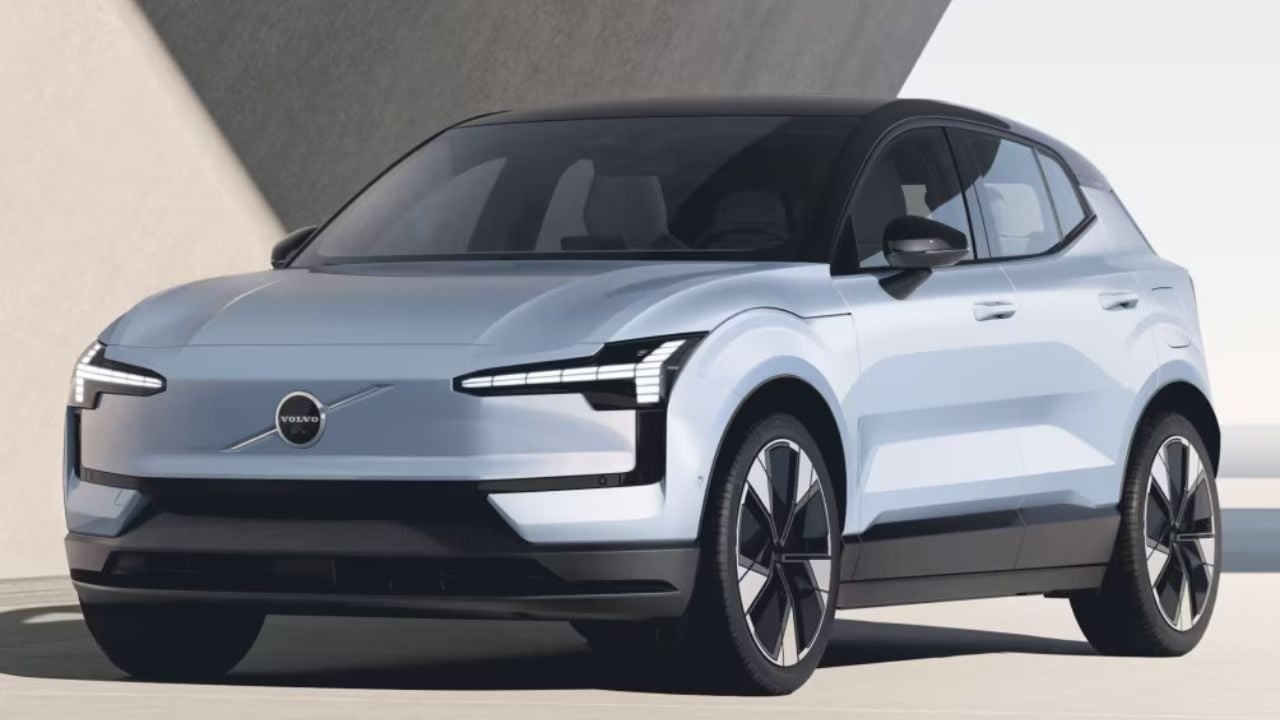
The specific authorization means Volvo Cars can continue its U.S. operations and growth plans without an immediate disruption from the connected-vehicle rules.
That is a significant result for a company with a long American presence. Volvo marked 70 years in the U.S. market in 2025, and the company has also invested heavily in its Charleston, South Carolina plant.
The approval does not end the broader political fight over connected-vehicle technology, China-linked ownership, or automotive data security. Those questions are still active in Washington, and other companies with Chinese ownership links may face their own compliance challenges.
For Volvo, though, the immediate roadblock has been cleared. The company can keep importing and selling connected vehicles in the United States while continuing to build its case as a Swedish-headquartered global automaker operating under U.S. data-security review.
This article was originally published by Autorepublika.com and is republished with permission. It has been reviewed and edited by Guessing Headlights.