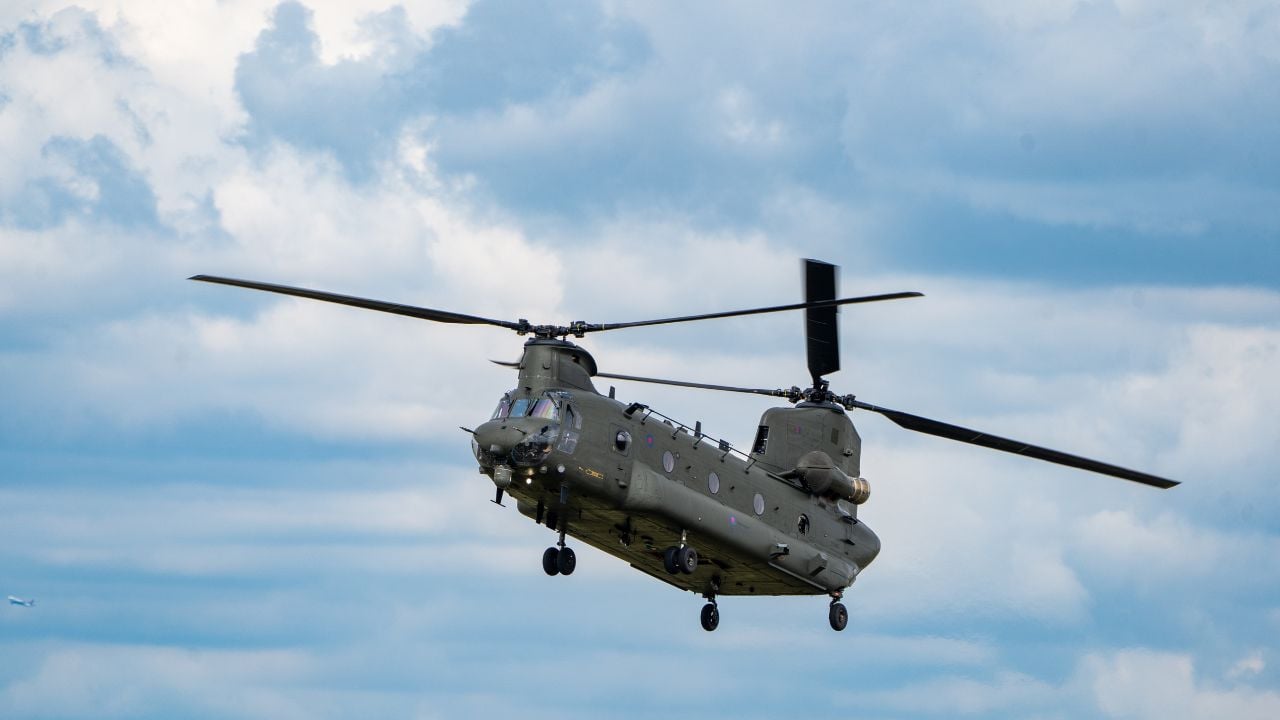
Battlefield mobility changed once armies learned that movement no longer had to follow roads, bridges, rail lines, mountain passes, or beach exits. A helicopter could lift people over terrain, land near the fight, recover the wounded, move artillery, resupply isolated units, and turn distance into something commanders could manage in minutes.
The earliest battlefield helicopters were fragile and limited, but they introduced a new idea. A small aircraft that could hover, land almost anywhere, and carry even one survivor changed what rescue, reconnaissance, and casualty evacuation could look like.
Later machines turned that idea into doctrine. Troops could arrive by air assault. Medical teams could pull wounded soldiers away from the front. Heavy-lift helicopters could move guns and supplies into places trucks could never reach. Utility helicopters became the connective tissue between command posts, patrol bases, ships, hospitals, and front lines.
These seven helicopters matter because each one pushed battlefield mobility forward in a different way. A few carried only one casualty at a time. Others moved squads, artillery, or heavy cargo. Together, they reshaped how armies thought about speed, reach, survival, and movement under pressure.
Sikorsky R-4
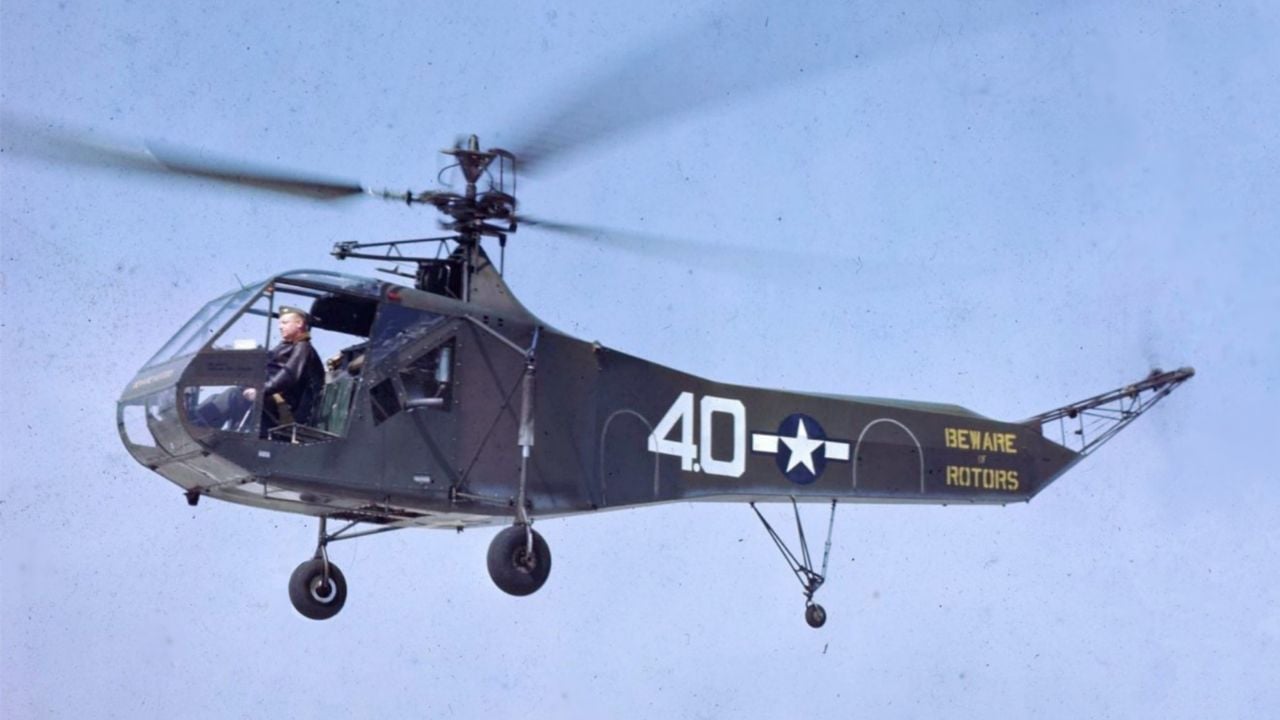
The Sikorsky R-4 was small, slow, and limited, but it proved that the helicopter could do something fixed-wing aircraft could not. It could reach people trapped in terrain where no runway existed.
Its most important moment came in 1944, when U.S. Army Air Forces Lieutenant Carter Harman used an early Sikorsky R-4 family helicopter in the China-Burma-India theater to conduct one of the first combat rescues by helicopter. Sikorsky Archives describes the aircraft as a YH-4A flown from Lalaghat, India, to rescue three wounded British commandos and a U.S. L-1 pilot near Aberdeen, Burma, with the survivors carried out in multiple trips.
That mission showed the helicopter’s future before the machine was mature enough to carry much weight. The R-4 did not create modern air assault, but it opened the door to vertical rescue, battlefield evacuation, and the idea that wounded personnel did not always have to wait for ground transport.
Its influence was larger than its performance. The R-4 showed commanders that helicopters could break the old link between rescue and roads. That lesson would shape every battlefield helicopter that followed.
Bell H-13 Sioux
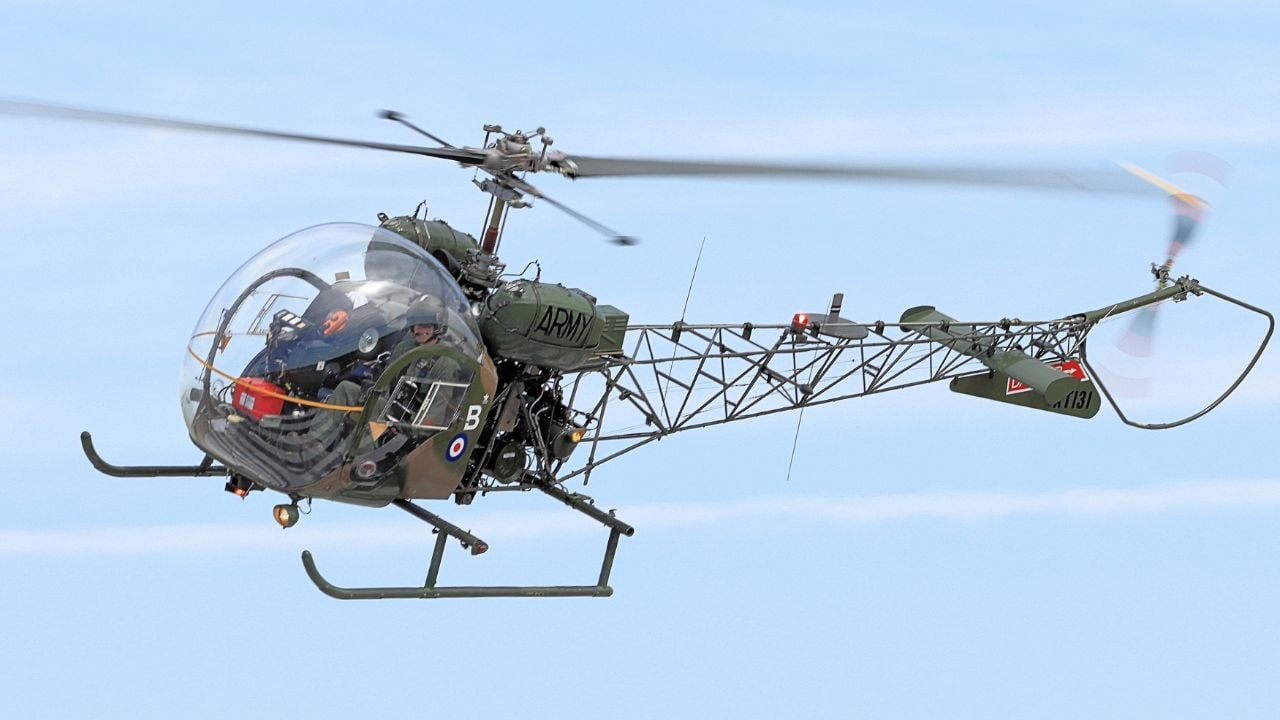
The Bell H-13 Sioux became one of the most recognizable helicopters of the Korean War, and its battlefield role was brutally practical. It moved wounded soldiers from forward areas to medical care far faster than ground evacuation could manage across rough terrain.
The U.S. Army describes the H-13 Sioux as the “Angel of Mercy” of the Korean War battlefield. Army history also notes that H-13 crews transported about 18,000 of the war’s 23,000 helicopter-evacuated casualties to forward Mobile Army Surgical Hospitals.
The H-13 carried patients in external litter pods mounted beside the cabin. That arrangement looks exposed today, but it gave surgeons and medics something revolutionary at the time: time. A wounded soldier could reach a Mobile Army Surgical Hospital far sooner, giving helicopter evacuation a direct connection to survival.
The Sioux changed battlefield mobility by making the wounded movable from places where ambulances, trucks, and stretcher teams faced slow routes, rough ground, or enemy fire. It proved that helicopters were not only useful for reconnaissance. They could become a lifeline.
Sikorsky H-34 Choctaw / UH-34 Seahorse
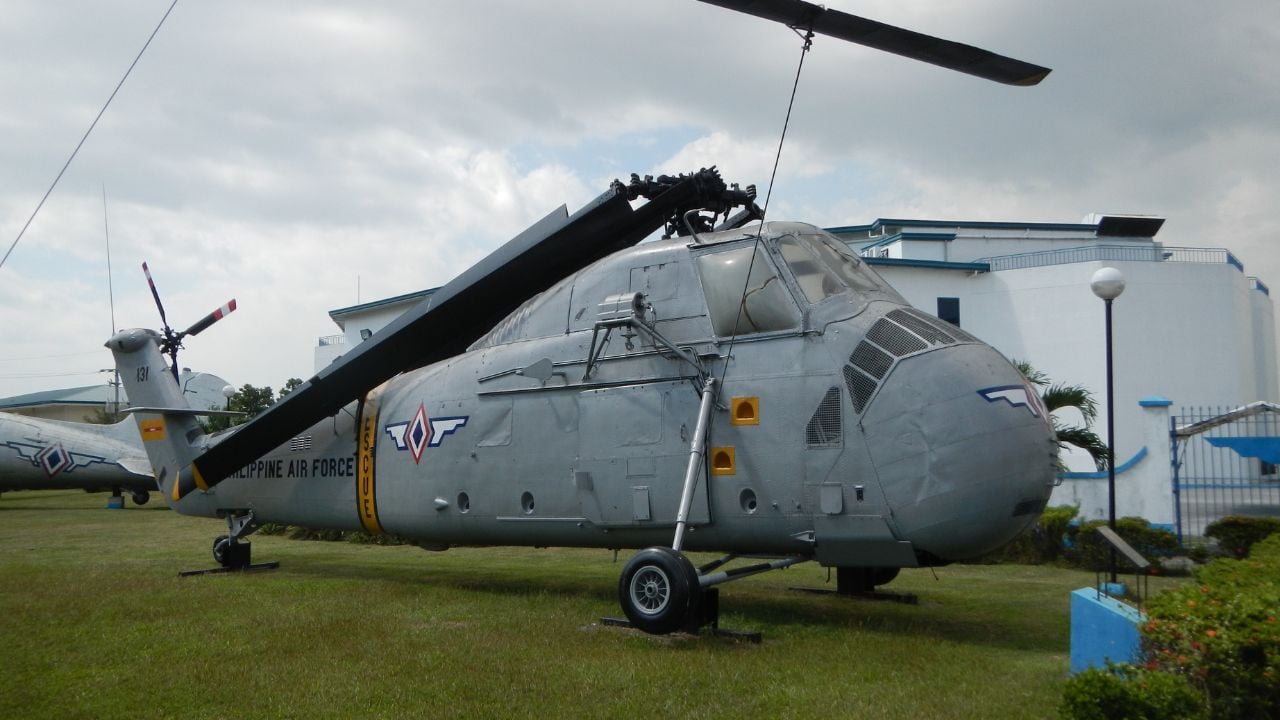
The Sikorsky H-34 marked the transition from small utility helicopters to larger machines that could support more ambitious troop movement. It served with multiple U.S. branches and allied forces, and it became one of the important piston-engine helicopters before turbine-powered designs took over.
The H-34 saw combat in places including Algeria, Vietnam, and the Middle East. In Algeria, French forces used helicopters such as the H-34 in ways that helped pioneer modern air assault tactics, combining troop movement, battlefield evacuation, and armed support concepts that would influence later helicopter doctrine.
Its value came from carrying more people and equipment than the earliest battlefield helicopters while still operating from limited spaces. The aircraft was not sleek, and its piston-engine layout soon looked dated, but its cabin and lift capacity made it a serious tactical tool.
The H-34 helped move the helicopter from rescue novelty to battlefield transport system. It showed that vertical movement could shape operations, not only support them after the fighting started.
Bell UH-1 Iroquois Huey
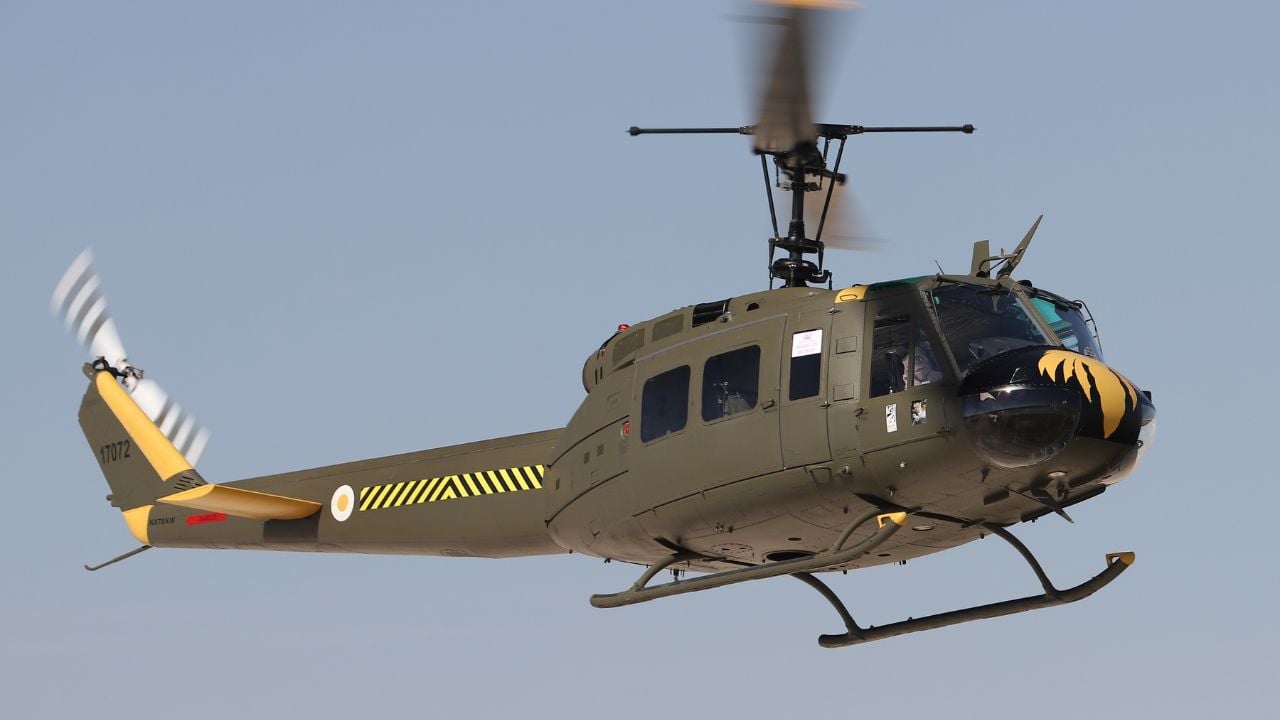
The Bell UH-1 Iroquois, better known as the Huey, turned helicopter mobility into a symbol of modern war. In Vietnam, it became the sound and shape of air assault, medical evacuation, command movement, resupply, and rapid reaction.
The Smithsonian’s National Air and Space Museum describes the Huey as superbly suited to air mobility and medical evacuation missions in Vietnam. It also notes that Bell produced more Hueys than any other American military aircraft except the B-24 by the end of the 20th century.
The Huey mattered because it made helicopter movement routine at scale. Infantry could be inserted into landing zones, wounded soldiers could be evacuated quickly, supplies could move across terrain that punished vehicles, and commanders could reposition units with a speed previous generations could not imagine.
It was not invulnerable. Vietnam showed the dangers of landing zones, ground fire, weather, maintenance demands, and the heavy cost of depending on helicopters in combat. The Huey still changed the battlefield permanently. After Vietnam, no major army could ignore the helicopter’s ability to move soldiers directly into the fight.
Boeing CH-47 Chinook
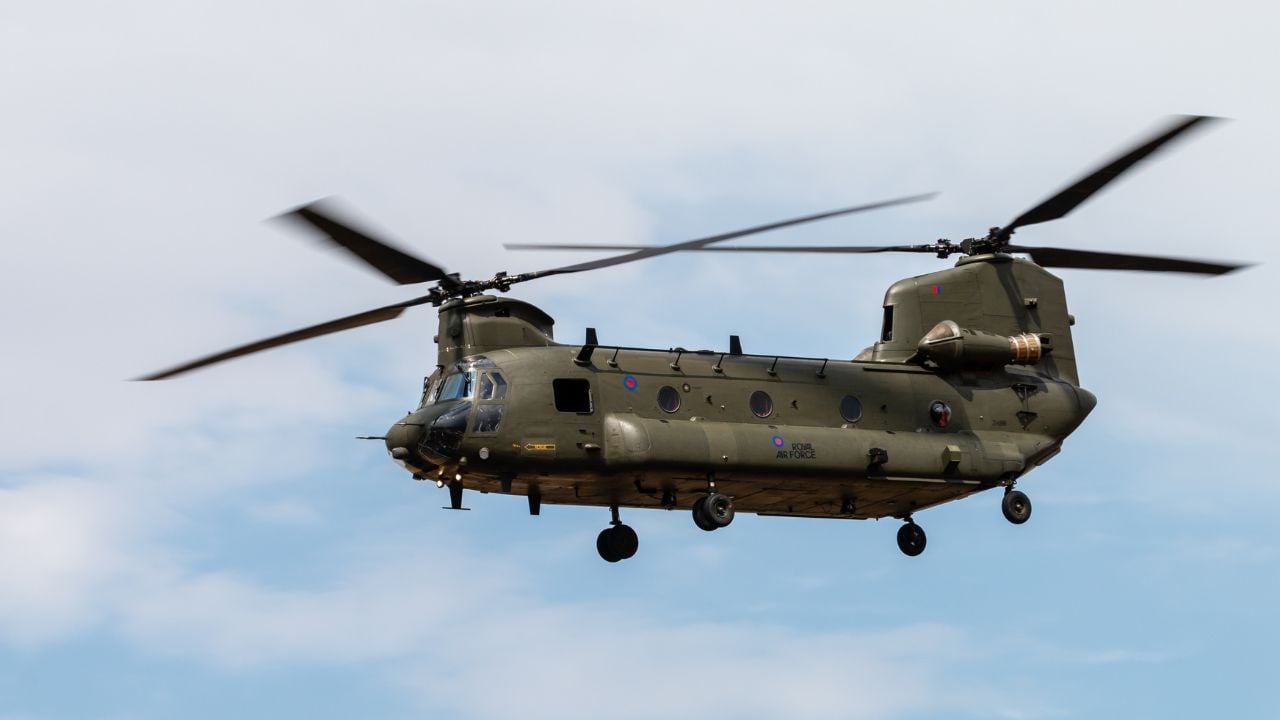
The Boeing CH-47 Chinook changed battlefield mobility by giving armies heavy lift without giving up helicopter flexibility. Its tandem-rotor layout, rear ramp, large cabin, and external lift capability made it one of the most important transport helicopters ever built.
Boeing describes the H-47 Chinook as a heavy-lift helicopter used by the U.S. Army and 20 international operators, with roles including cargo and troop transport, casualty evacuation, special operations, search and rescue, and disaster relief. The same source highlights its rear ramp access, unprepared-terrain capability, and high-altitude performance.
In Vietnam, the Chinook’s importance became clear through missions that lighter helicopters could not handle. It could move artillery, ammunition, supplies, damaged aircraft, and heavier loads into places where trucks had no realistic path. Its ability to place guns and keep them supplied gave commanders a different kind of reach.
The Chinook remains relevant decades later because the basic problem never disappeared. Armies still need to move heavy equipment quickly across mountains, deserts, jungles, islands, and damaged infrastructure. Few aircraft have answered that need as consistently.
Mil Mi-8 And Mi-17
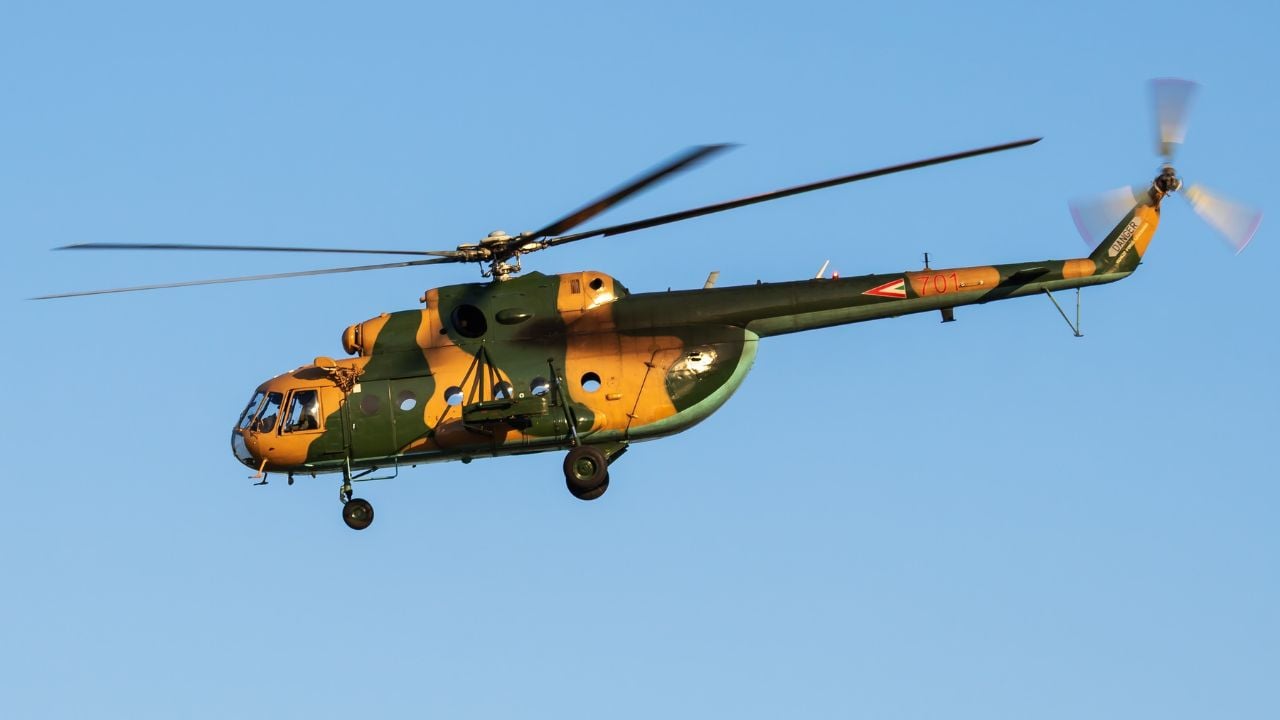
The Mil Mi-8 and its Mi-17 derivatives became the global workhorses of helicopter mobility. They were not tied to one war or one doctrine. They spread across dozens of countries and became useful in almost every environment where soldiers needed transport, supply, evacuation, or armed support.
Russian Helicopters describes the Mi-8 and Mi-17 series as the most successful in Russia’s helicopter industry, pointing to their reliability, adaptability, wide climate operating range, and ease of operation and maintenance. The family is also widely described as one of the most-produced helicopter lines in history.
The Mi-8 changed battlefield mobility through availability and versatility. It could carry troops, cargo, weapons, fuel, stretchers, or command equipment. It could serve in cold regions, deserts, mountains, and rough forward locations. For many countries, it became the practical answer to almost every medium helicopter mission.
Its legacy is not built around one famous battlefield image. It is built around repetition. When a helicopter type appears in conflict after conflict, decade after decade, it has changed military mobility through sheer usefulness.
Sikorsky UH-60 Black Hawk
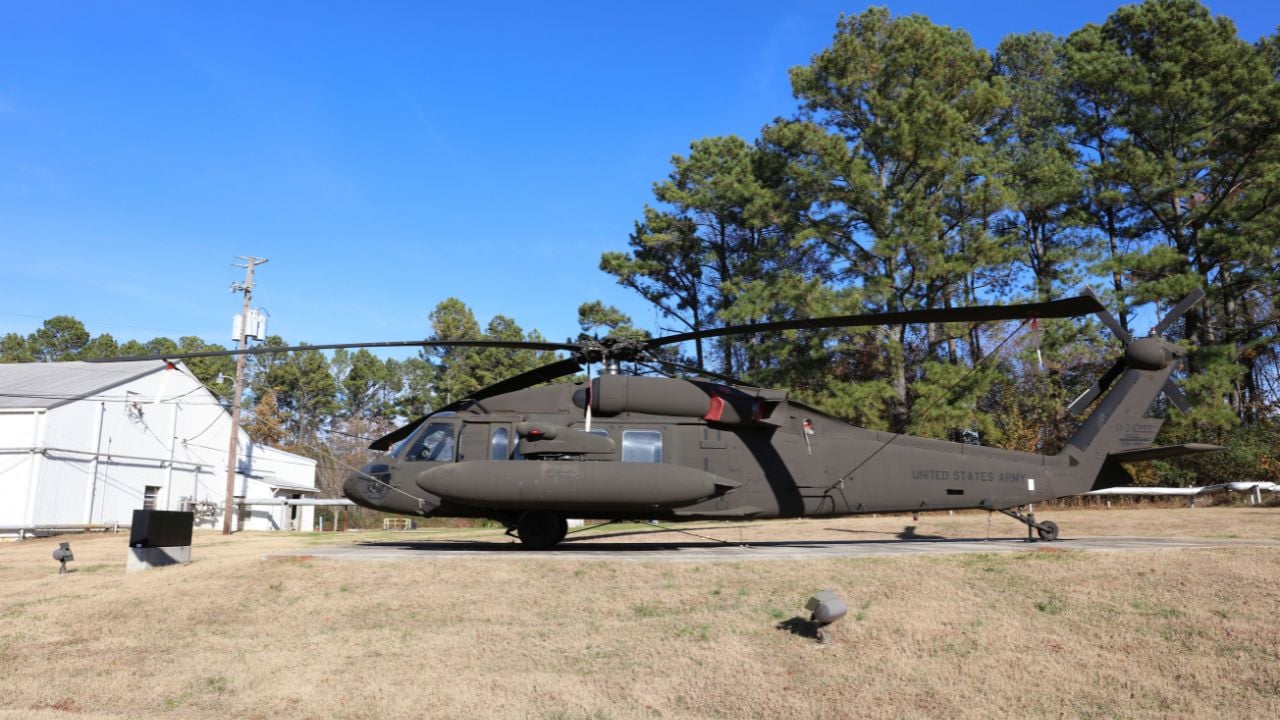
The Sikorsky UH-60 Black Hawk became the modern standard for utility helicopter mobility in the U.S. Army and many allied forces. It replaced the Huey in a more demanding era, bringing better payload, survivability, speed, range, and all-weather usefulness.
The U.S. Army describes the Black Hawk as its utility tactical transport helicopter, used for air assault, general support, aeromedical evacuation, command and control, and special operations support. The Army also notes that a single Black Hawk can move an 11-person fully equipped infantry squad faster than predecessor systems and in most weather conditions, with armored or redundant critical systems.
That combination changed what commanders expected from a utility helicopter. The Black Hawk was not only a troop carrier. It became a platform for medevac, special operations, command movement, resupply, and battlefield support across conflicts from Grenada and Panama to the Gulf War, Somalia, Iraq, Afghanistan, and beyond.
Its importance comes from trust. A modern army needs helicopters that can move people quickly while surviving hard landings, hostile fire, bad weather, and punishing operational tempo. The Black Hawk became famous because it made that kind of mobility a normal part of combat planning.
Why These Helicopters Changed More Than Movement
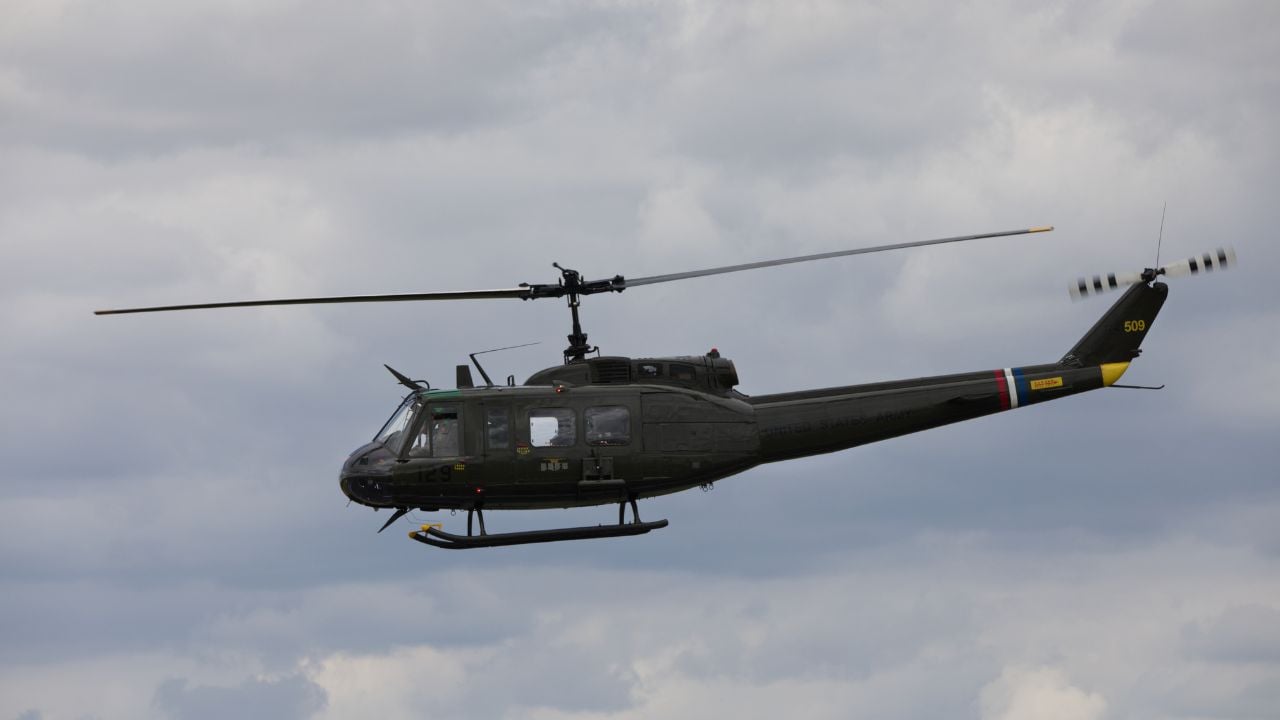
Helicopters changed battlefield mobility by changing the meaning of distance. A ridge, river, jungle track, destroyed bridge, or mountain road no longer had to decide whether help could arrive.
The R-4 proved that vertical rescue was possible. The H-13 Sioux made medevac a battlefield standard. The H-34 helped move helicopter transport toward air assault doctrine. The Huey made airmobile warfare visible to the world. The Chinook gave commanders heavy lift where roads could not reach. The Mi-8 and Mi-17 turned medium transport into a global military tool. The Black Hawk modernized tactical lift with greater speed, protection, and mission flexibility.
Their importance is not only technical. These helicopters changed how soldiers were supplied, rescued, reinforced, repositioned, and evacuated.
Battlefield mobility will keep changing with drones, tiltrotors, autonomous systems, and longer-range aircraft. The foundation remains the same: any machine that can move people and equipment over danger, terrain, and distance can change the tempo of a fight.
These aircraft changed war because they changed the clock. Help could arrive sooner, wounded soldiers could leave sooner, and commanders could move people and cargo without waiting for the terrain to cooperate.