A quick city break used to feel simple: choose a hotel, pick a few landmarks, and leave the rest open. In many famous destinations, that loose approach is harder to keep. Higher visitor taxes, timed museum tickets, crowd controls, and advance-booking rules now shape trips that once felt more spontaneous.
These cities do not need to be avoided. Venice has canals and palaces, Barcelona has Gaudí landmarks and beach energy, Amsterdam has museums and canals, Kyoto has temples and historic streets, Paris has world-class museums, Rome has ancient sites, and Edinburgh has festival atmosphere.
The planning issue is straightforward. The biggest sights now behave more like scheduled events than casual walk-ins. A traveler who leaves the main attraction until the last minute may run into sold-out slots, higher costs, strict time windows, or entry rules that were easy to miss.
A better city break starts with the anchors. Book the major sight first, understand the local tax before choosing lodging, and leave the rest of the day loose enough for meals, walks, and smaller neighborhoods.
1. Venice, Italy
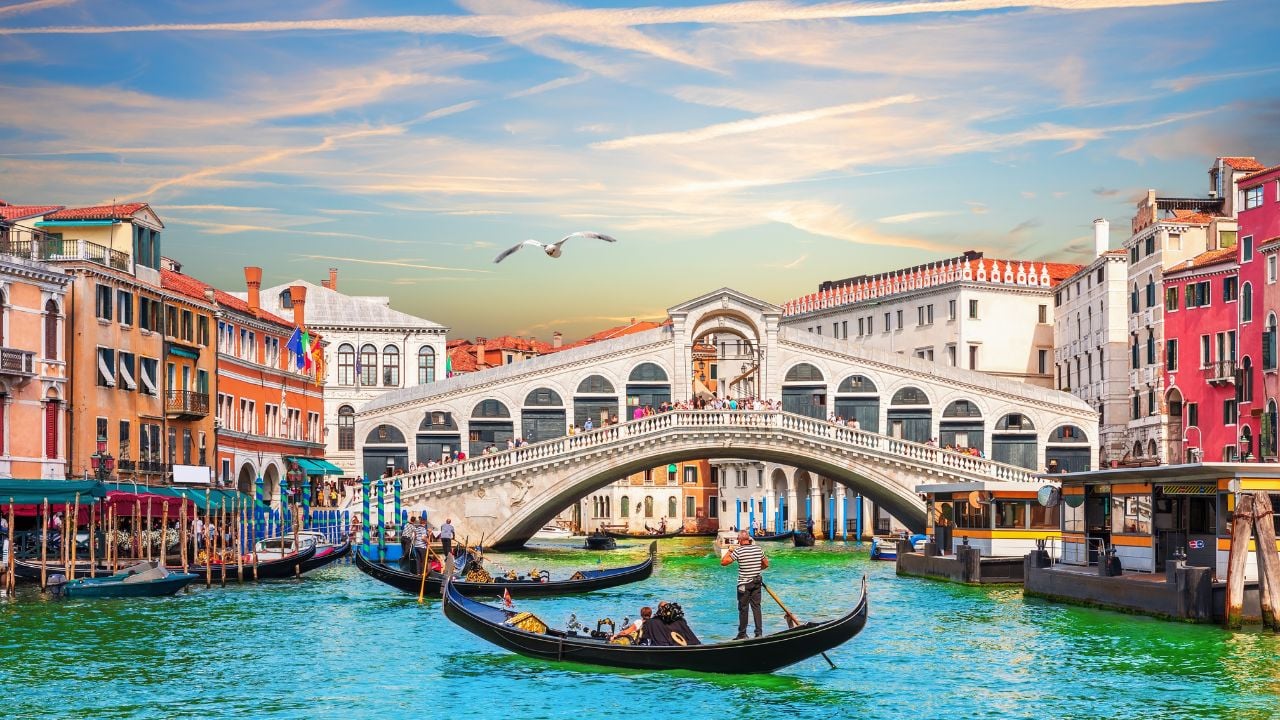
Venice gives travelers canals, bridges, palaces, and one of Europe’s most recognizable historic centers. Day visitors now need to check the access calendar before arriving during busy periods.
The official Venice Access Fee page says the 2026 fee applies only on marked calendar days, from 8:30 a.m. to 4 p.m. On unmarked days, the same page says no payment or exemption action is required.
The city’s layout adds pressure once visitors arrive. Narrow lanes, small bridges, luggage, tour groups, and waterfront bottlenecks can make short walks take longer than the map suggests.
Staying overnight gives visitors a better chance at quieter hours, especially early in the morning or later in the evening. A looser route through Cannaregio, Dorsoduro, or side streets away from the Rialto-to-San Marco corridor can make Venice feel less compressed.
2. Barcelona, Spain
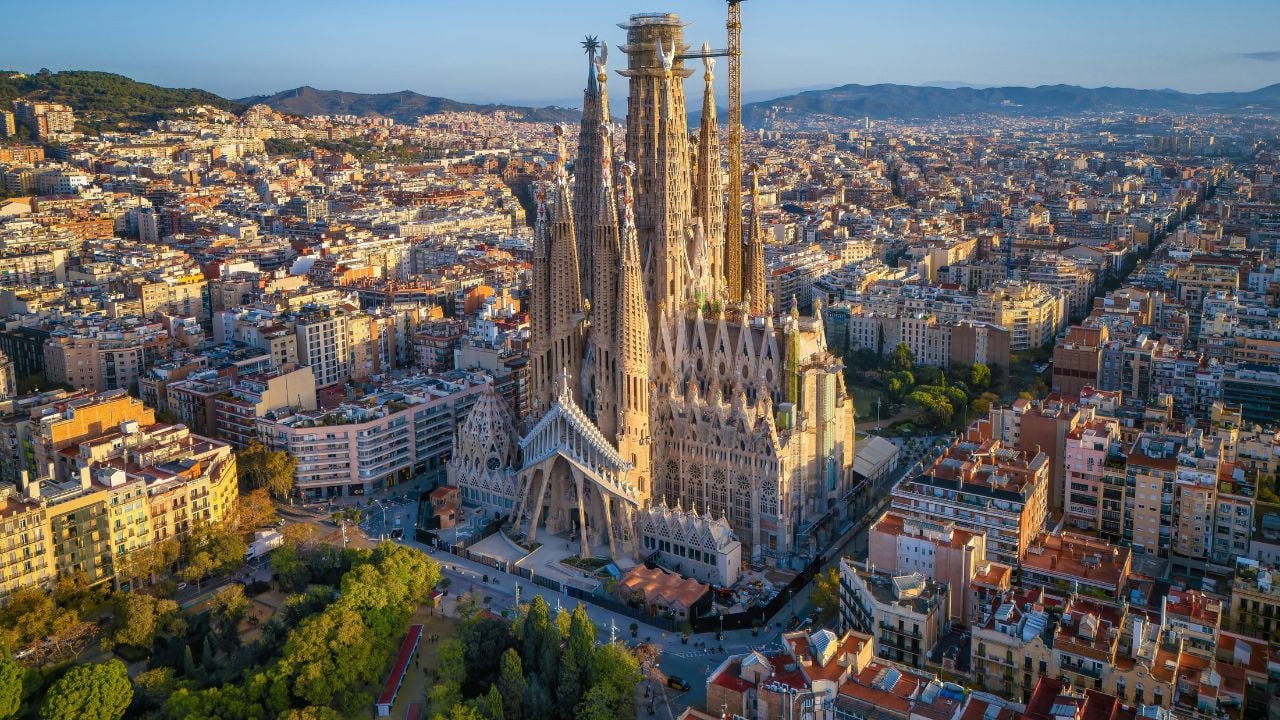
Barcelona packs Gaudí architecture, beaches, markets, nightlife, museums, and walkable neighborhoods into one city. In 2026, the lodging bill needs closer attention before travelers compare hotel or rental prices.
Catalonia’s official tourist-tax table lists Barcelona rates from April 1, 2026, including €12 per person per night for five-star and similar top-tier properties, €8.40 for four-star and similar properties, and €9.50 for tourist-use dwellings.
Those charges can change the real price of a short stay, especially for couples, families, and groups booking several nights. The tax belongs in the budget before deciding whether a hotel, apartment, or cruise stop is the better value.
The schedule can tighten quickly around the city’s busiest places. Sagrada Família, Park Güell, La Rambla, and the Gothic Quarter can feel busy outside the classic summer rush. Book the anchor attractions first, then leave slower neighborhoods and meals for the rest of the day.
3. Amsterdam, Netherlands
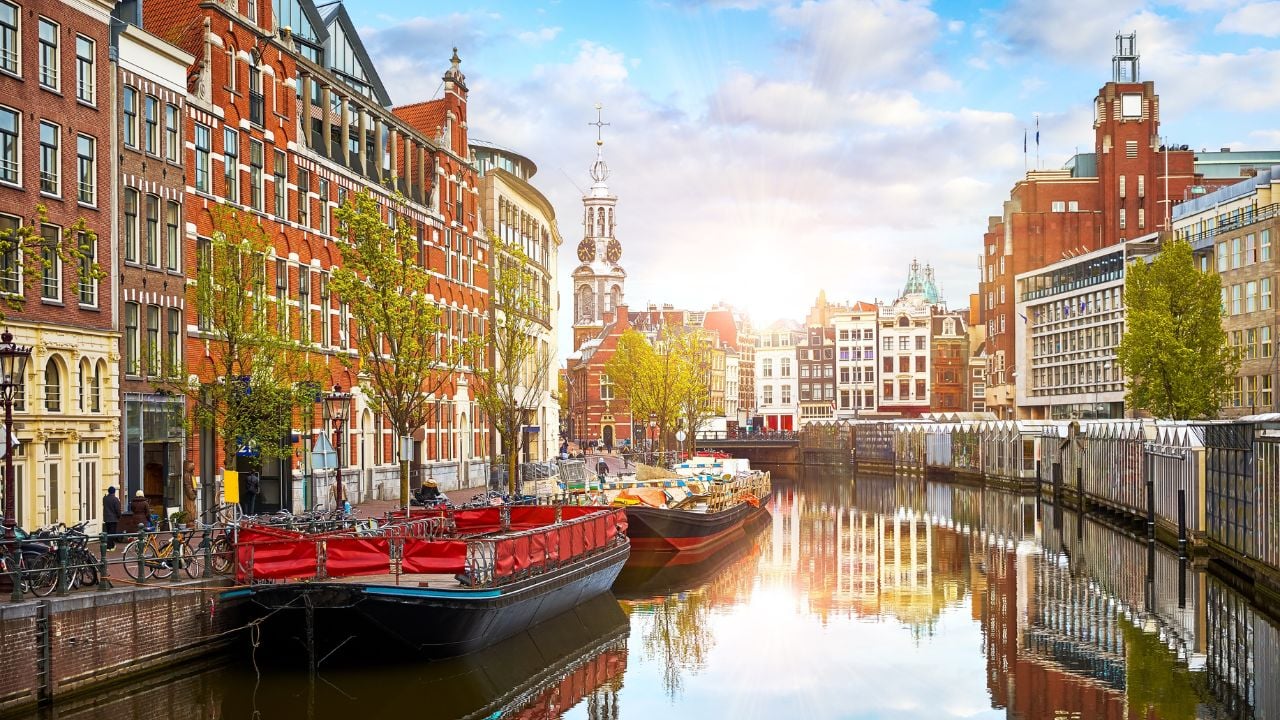
Amsterdam looks compact and easy, with canals, bike lanes, museums, and central neighborhoods close together. The first surprise often appears on the final accommodation bill.
The City of Amsterdam lists a tourist tax of 12.5% of the overnight price, excluding VAT, plus a €15 day tourist tax per cruise passenger. Travelers comparing hotels should check whether those charges are already included in the displayed rate.
The city’s top attractions require earlier decisions than many visitors expect. The Anne Frank House says tickets are only available through its official website, with tickets released every Tuesday at 10 a.m. CEST for visits six weeks later. The Van Gogh Museum says tickets are available online only and that every visitor needs a ticket with a start time.
That removes some of the old “wander in when ready” feeling from a weekend trip. Amsterdam is easier when the major museum slots are booked first and the walking plan leaves room for bikes, trams, narrow sidewalks, and crowded canal areas.
4. Kyoto, Japan

Kyoto is one of Japan’s most atmospheric city stays, with temples, shrines, gardens, tea houses, and historic streets. The cost of staying there changed in 2026.
Kyoto’s official tourism site says revised accommodation-tax rates took effect from the beginning of March 2026. The tax ranges from ¥200 per person per night for stays under ¥6,000 to ¥10,000 per person per night for stays of ¥100,000 or more.
Those nightly charges can add up quickly for families or travelers booking upscale hotels for several nights. Budget stays face a smaller amount, but the tax still needs to be included in the trip calculation.
The busiest areas can crowd up during the same hours many visitors want photos. Gion, Kiyomizu-dera, Arashiyama, Fushimi Inari, and Nishiki Market all need careful timing. Kyoto is easier to handle when one major sight is paired with a smaller temple, quiet lane, garden, or longer meal away from the busiest routes.
5. Paris, France
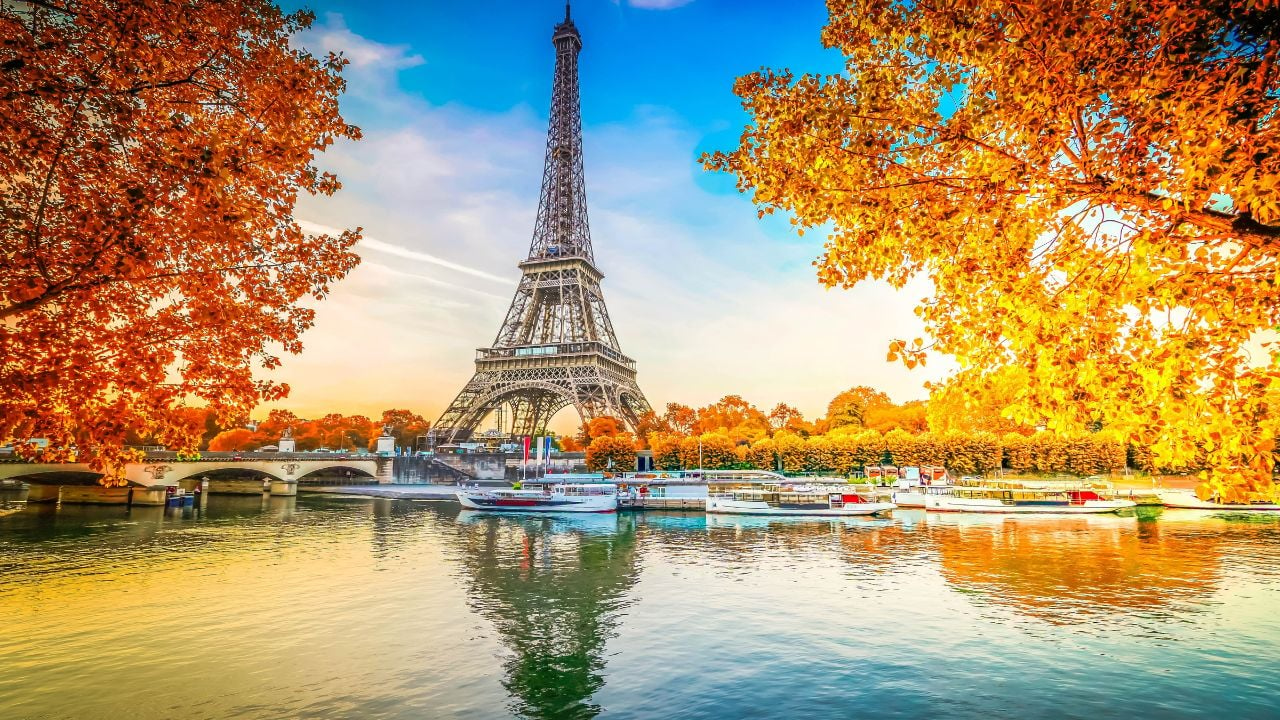
Paris gives travelers museums, cafés, river walks, shopping, neighborhoods, and landmark views. The busiest icons need more booking discipline than many first-time visitors expect.
The Louvre’s official tickets and prices page lists rates applicable from January 14, 2026, with general admission from €22 to €32. The same page says any exit is final, so visitors should plan what they want to see before entering.
The Eiffel Tower needs the right ticket choice before arrival. Its official ticket advice says timed online tickets help visitors avoid the ticket-office line and recommends arriving 15 to 20 minutes early for the first security check. The tower’s official ticket FAQ says the destination is chosen when buying the ticket, and second-floor ticket holders cannot add a summit ticket later.
Paris can leave room for cafés, parks, bookshops, and long walks along the Seine. The Louvre, Eiffel Tower, and other headline sights should be booked before the trip instead of treated as flexible extras.
6. Rome, Italy

Rome can feel effortless on foot because ancient ruins, piazzas, fountains, churches, and restaurants appear throughout the historic center. The biggest interior visits are less casual.
The Colosseum’s official visitor information says ticket sales open 30 days before the visit date and require a compulsory reservation of the entry time slot for the Colosseum. The same official page says tickets are issued in the holder’s name and that visitors should keep identification visible at the entrances.
The Pantheon requires attention to time and documents as well. Its official museum page tells visitors to choose the date, time, and ticket type, and says entry is allowed in time slots subject to availability and religious requirements. The same page says tickets are nominal and access can be denied if the ticket name does not match the ID presented at the entrance.
A Rome weekend works better when major interior visits are spaced out. Leave time between the Colosseum, Pantheon, Vatican-area plans, meals, and neighborhood walks instead of trying to stack every famous landmark into one tight route.
7. Edinburgh, Scotland

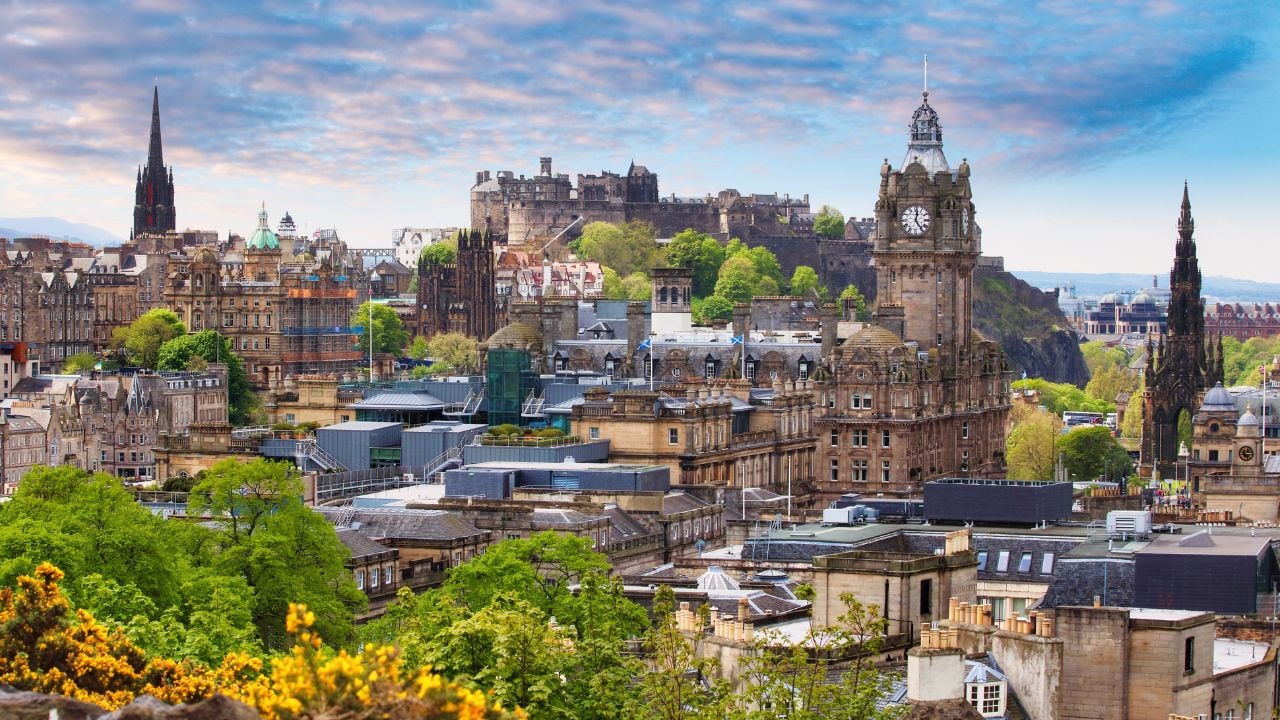
Edinburgh is one of Europe’s strongest weekend cities, with a castle, old streets, literary history, pubs, viewpoints, and festival energy. From July 24, 2026, visitors need to account for the city’s new overnight levy.
The City of Edinburgh Council says the Visitor Levy is 5% of the cost of paid overnight accommodation before VAT. It applies only to the first five nights of a stay and applies year-round for stays from July 24, 2026 onward, with a booking-date exception for stays booked and paid for before October 1, 2025.
Festival season makes early planning even more important. Hotel prices rise, restaurants book up, and narrow Old Town streets can fill from morning to night.
Edinburgh is best handled with early lodging, one or two fixed attractions, and space for walking. The city has enough atmosphere for a loose weekend, but the busiest dates punish last-minute planning.